


Babies
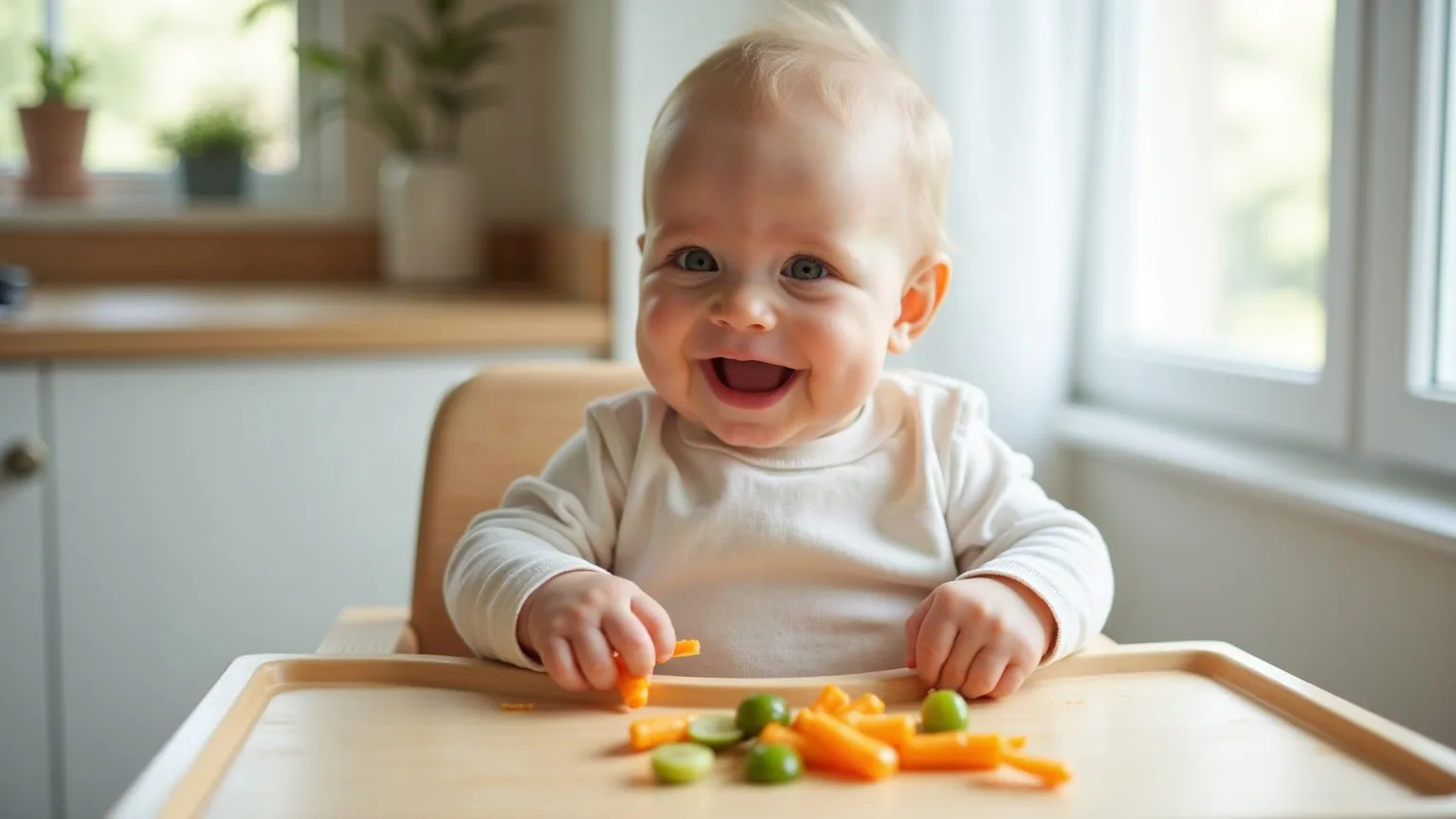
Texture and portion by month, an allergen introduction calendar, choking-risk lists and safe cutting shapes.
- 6–8 mo: purée textures
- 8–10 mo: finger foods
- A separate BLW track
- Iron and zinc focused picks
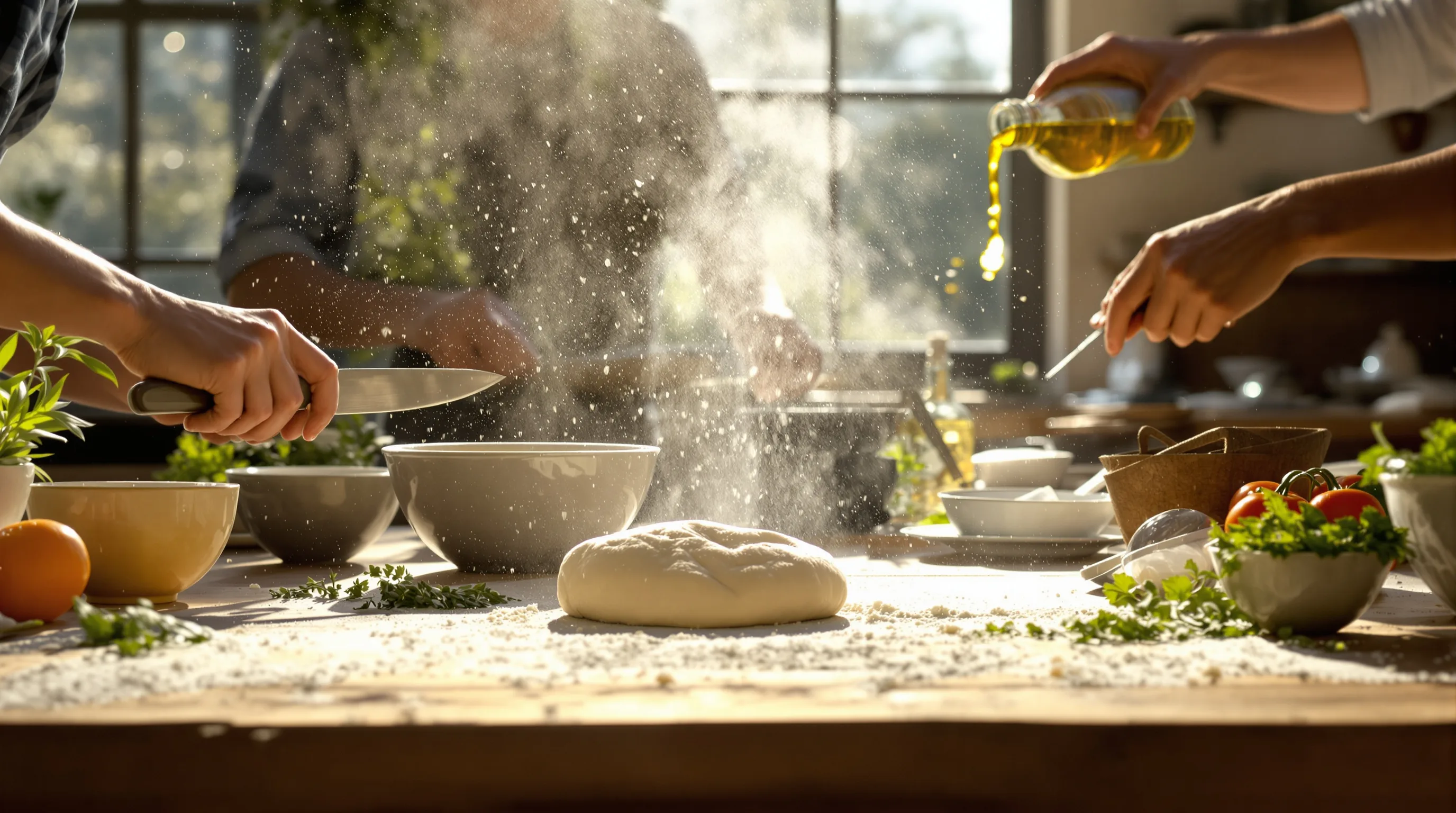
Come, let’s cook together: drop what you have into the bowl, set the heat and the time, and see what happens before you light the hob. Which reaction starts, where the texture goes, where it turns on you — we explain it all along the way.
Before you go shopping, look at what is already there. Tick a few things below and see how close you are to each recipe.
Tap an ingredient and watch it land in the bowl. Set the heat and the time, then hit “Cook”. We name the reactions, show where the texture is heading and tell you where it will go wrong.
The bowl is empty. Tap one of the ingredients.
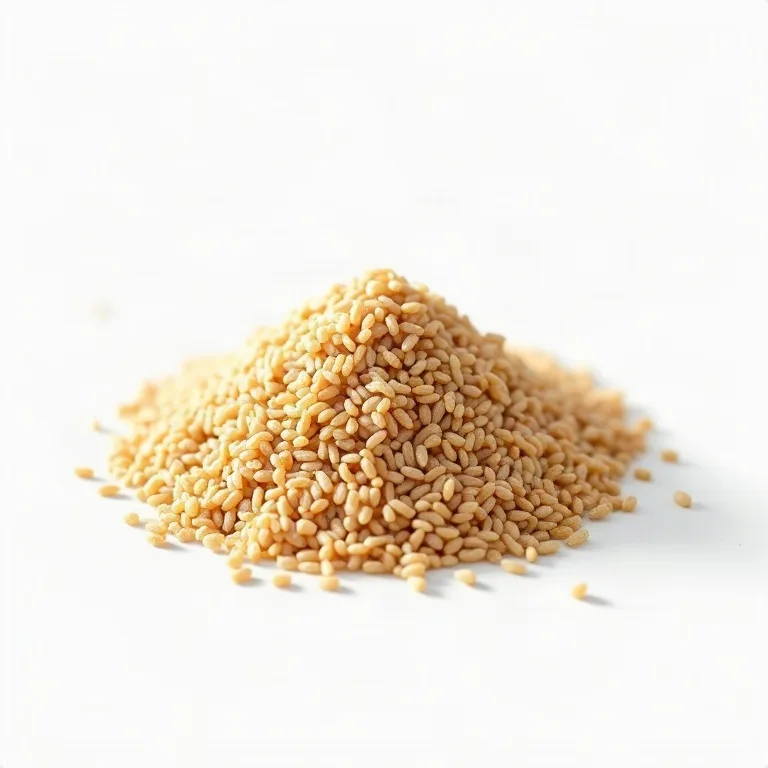
Most of what looks hard takes ten minutes. Butter is whipped cream taken further, tahini is ground sesame, a sourdough starter is flour and water. We give the reason each one works, and how long it keeps.
The beliefPeople treat culturing yoghurt as a craft, and blame their hands when it fails.
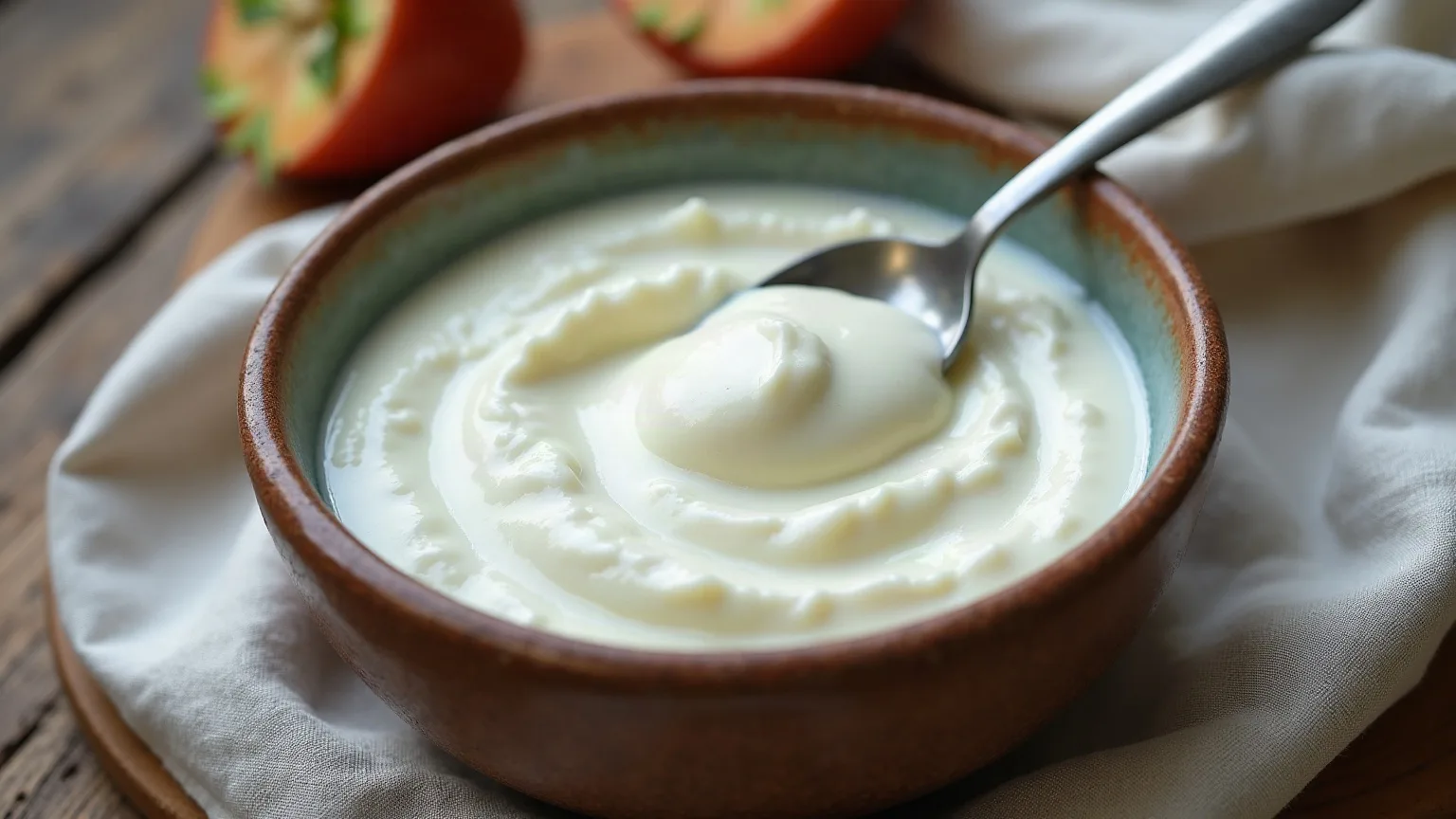
The truthBesides milk you need one spoon of yoghurt. The rest is holding a temperature and waiting.
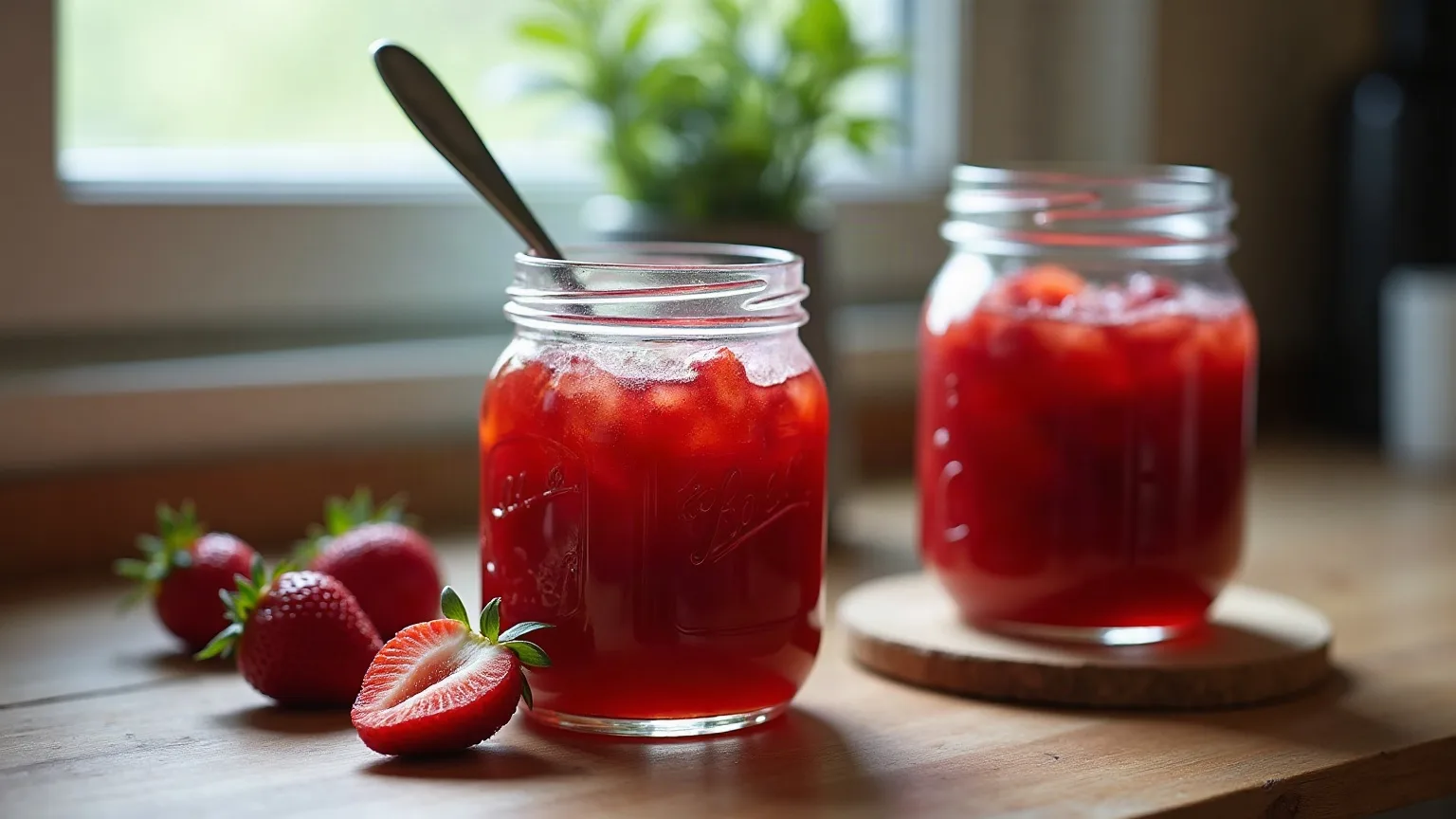
The beliefJam is imagined as an all-day, jar-after-jar production.
The truthIt is a balance of three things: pectin, acid and sugar. Get the balance and it takes forty minutes.
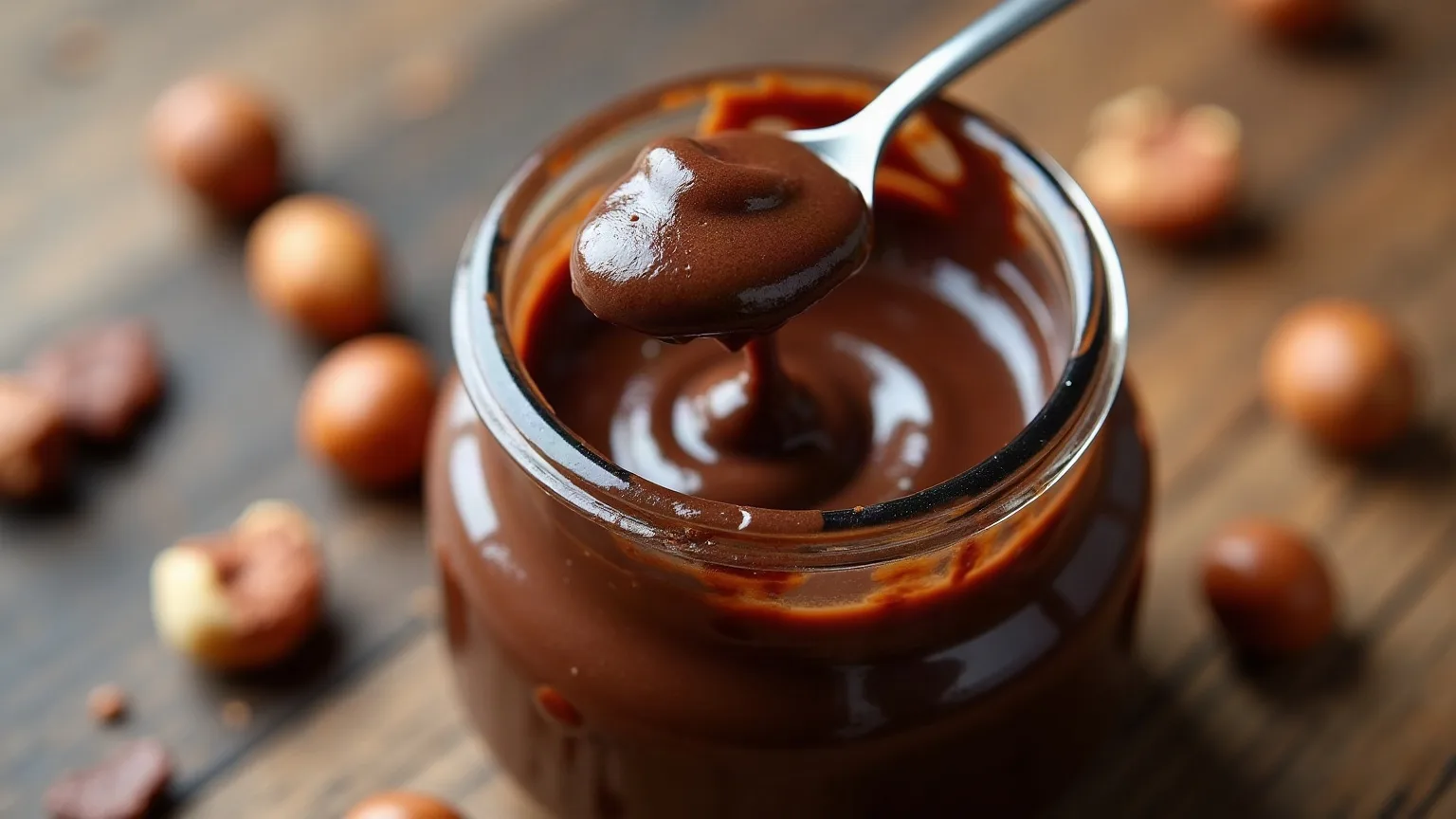
The beliefThat jar is assumed to be factory magic.
The truthRoasted hazelnuts, ground long enough, release their own oil and turn to cream on their own. The rest is cocoa and sugar.
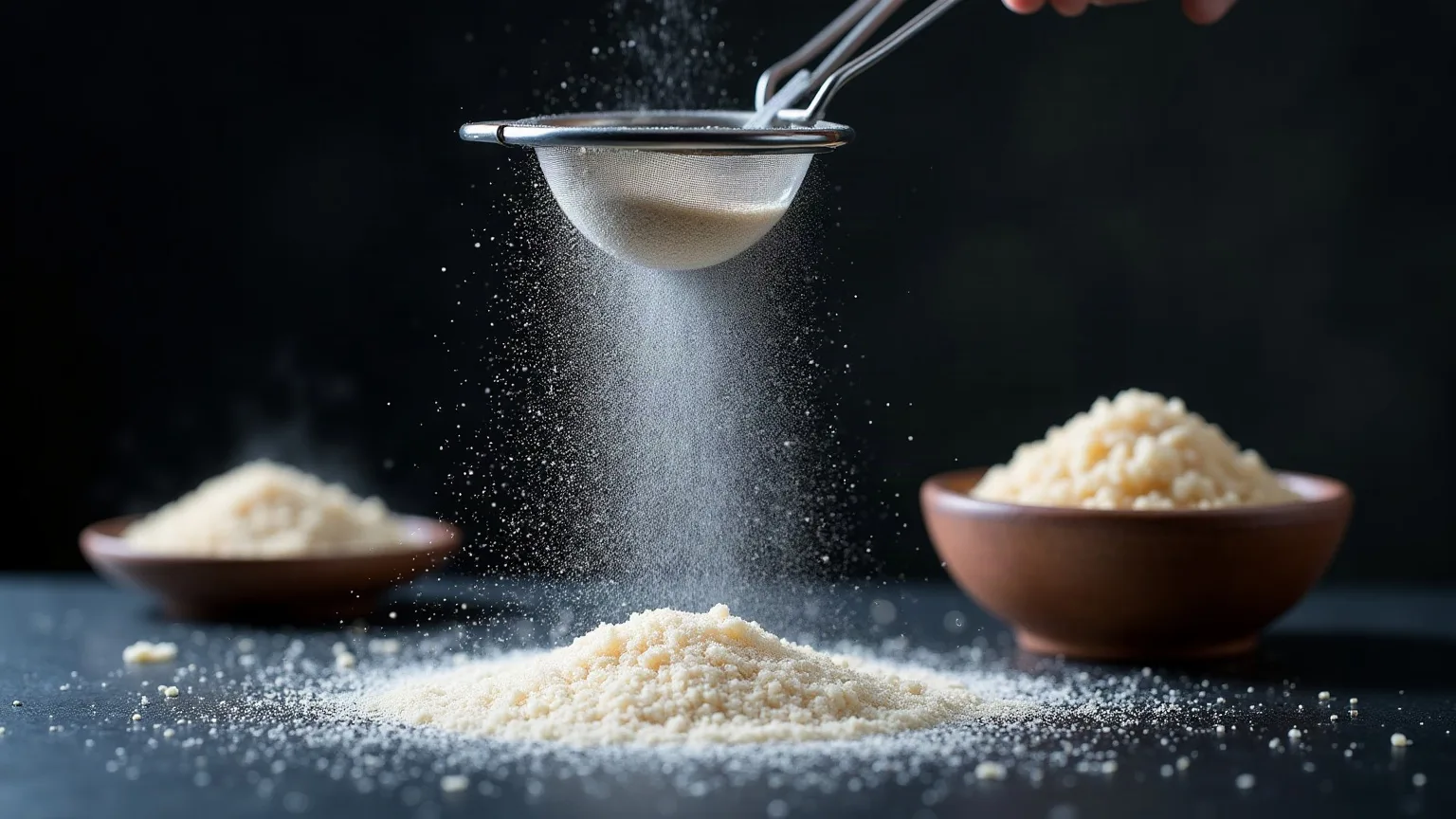
The beliefIt is treated as a separate product you have to go out and buy.
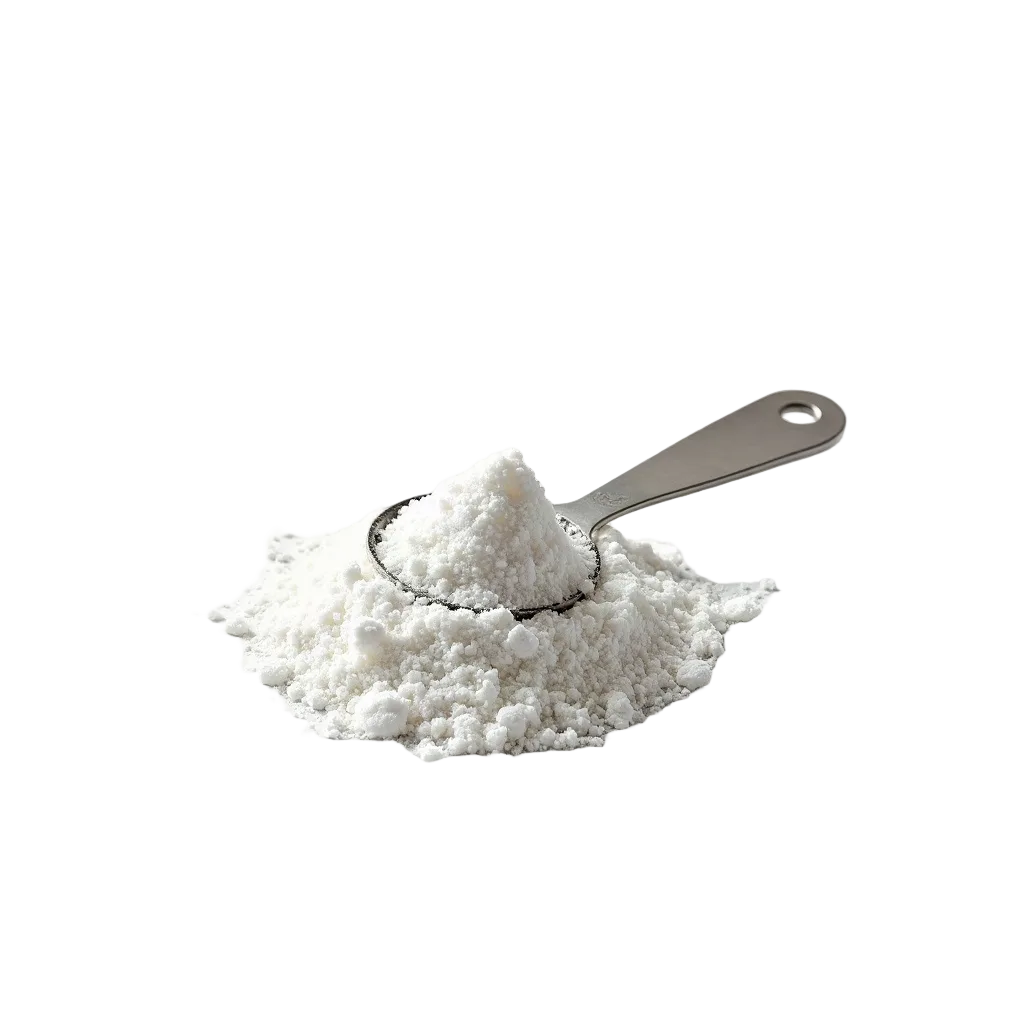
The truthIcing sugar is granulated sugar, ground. That is the entire difference.
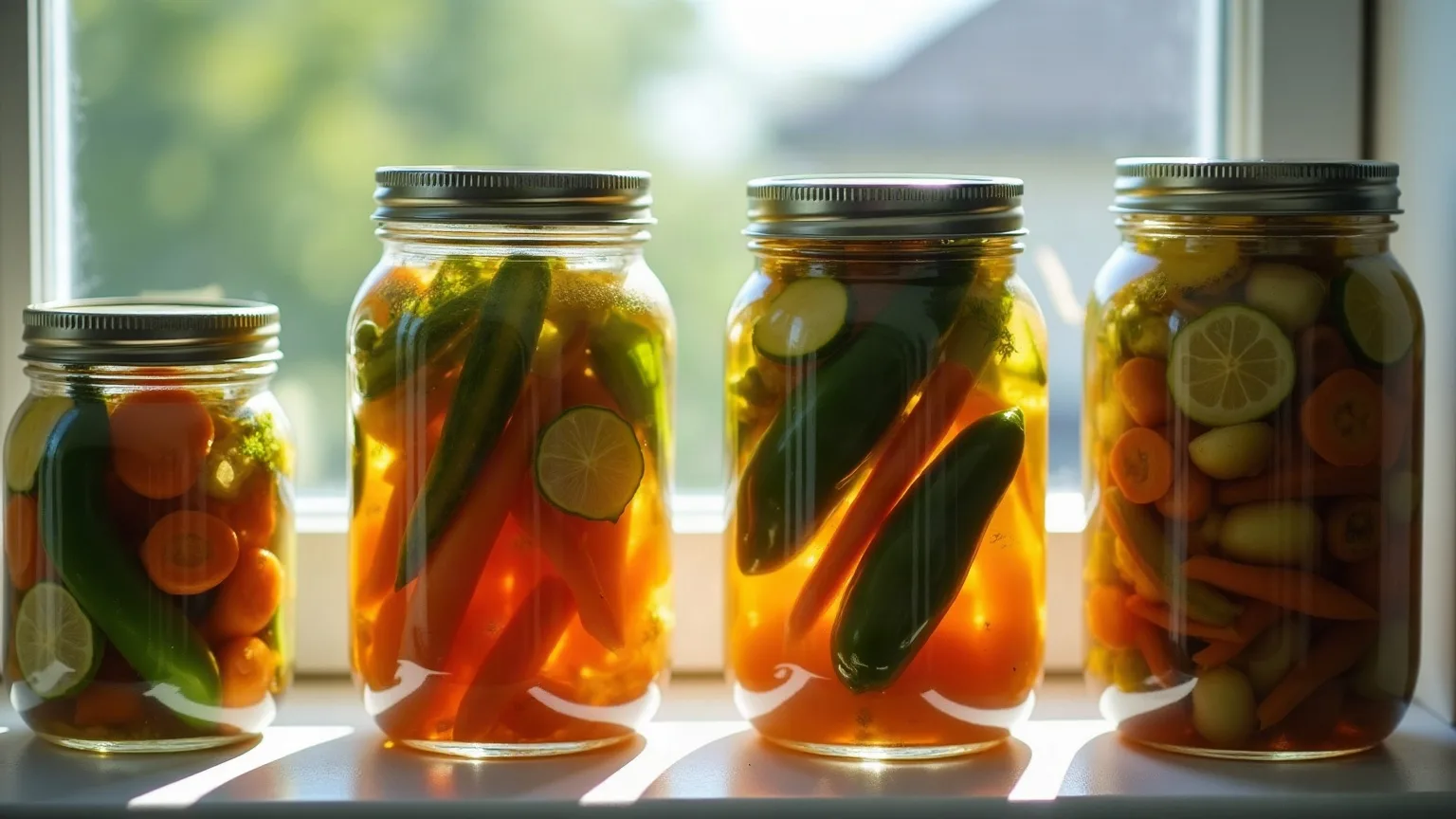
The beliefPickling is treated as a gift some people have, and everyone is afraid of it spoiling.
The truthHit the right salt ratio and the jar protects itself. The whole craft is one number.
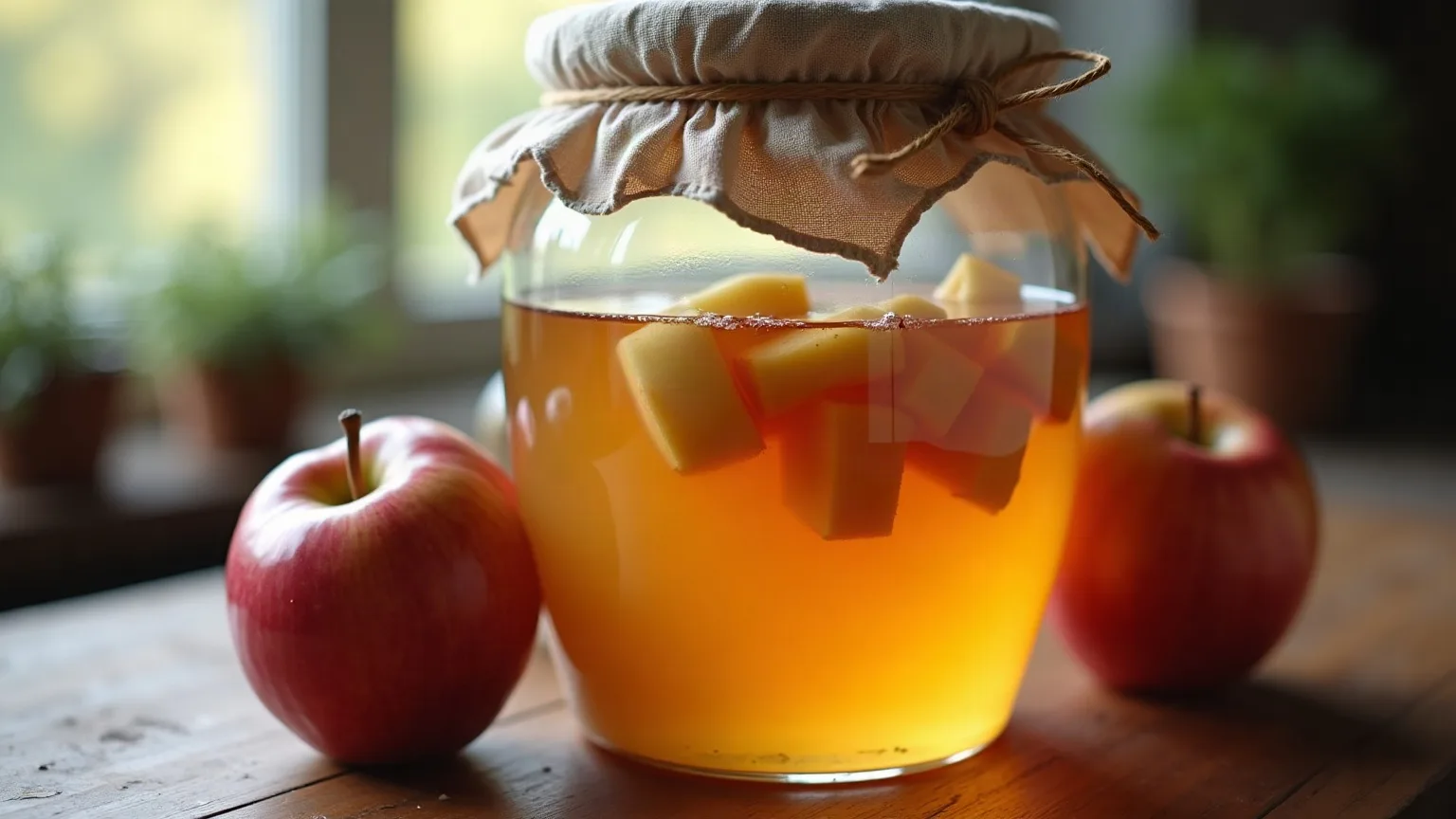
The beliefMaking vinegar is assumed to need expertise and equipment.
The truthApples, water, a little sugar and time. You cover the jar with a cloth and wait.
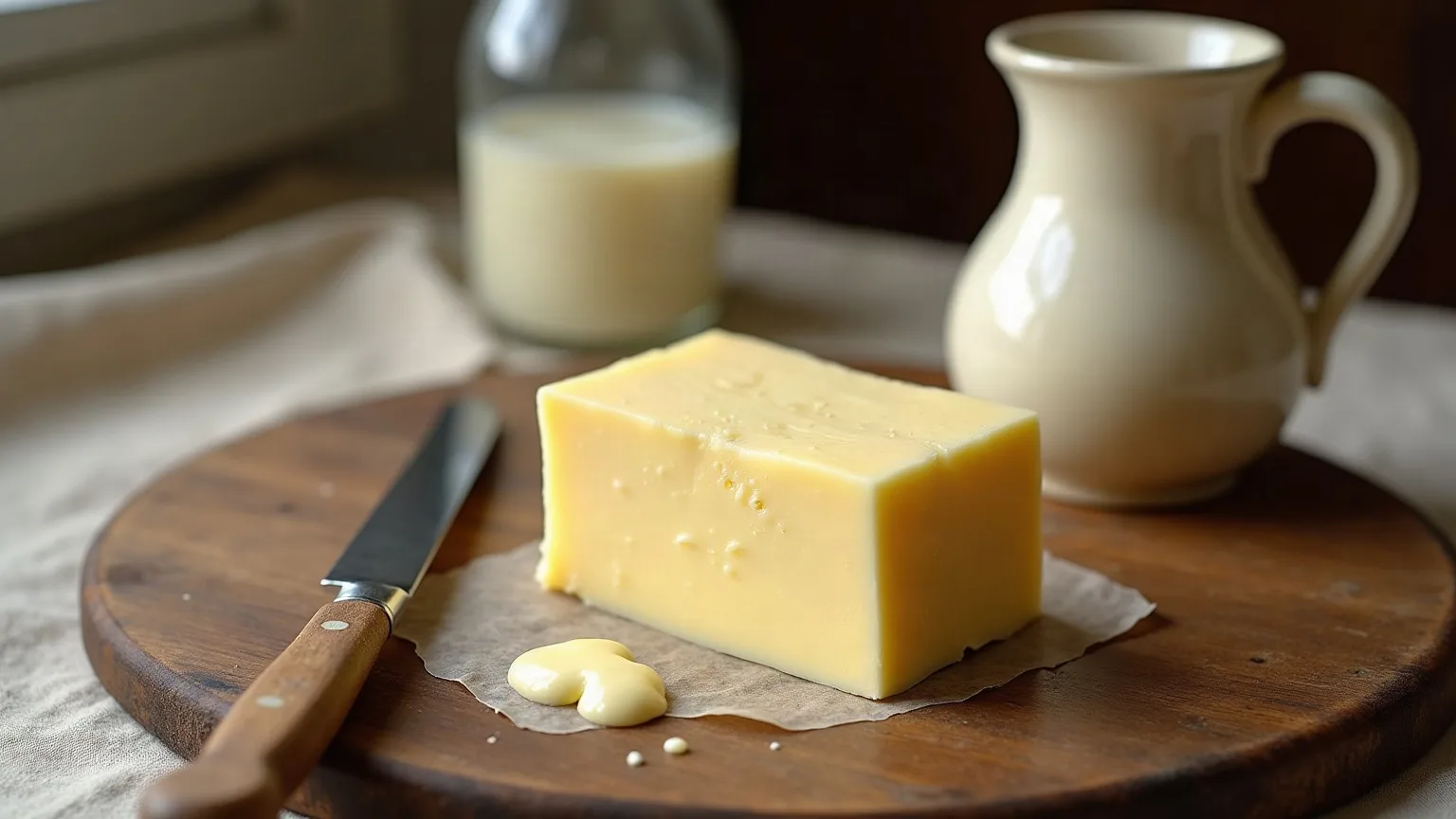
The beliefButter is assumed to be a factory product, and whatever you make at home to be something lesser.
The truthIt is whipped cream taken too far. Around the fifteenth minute it separates on its own and you have both butter and buttermilk.
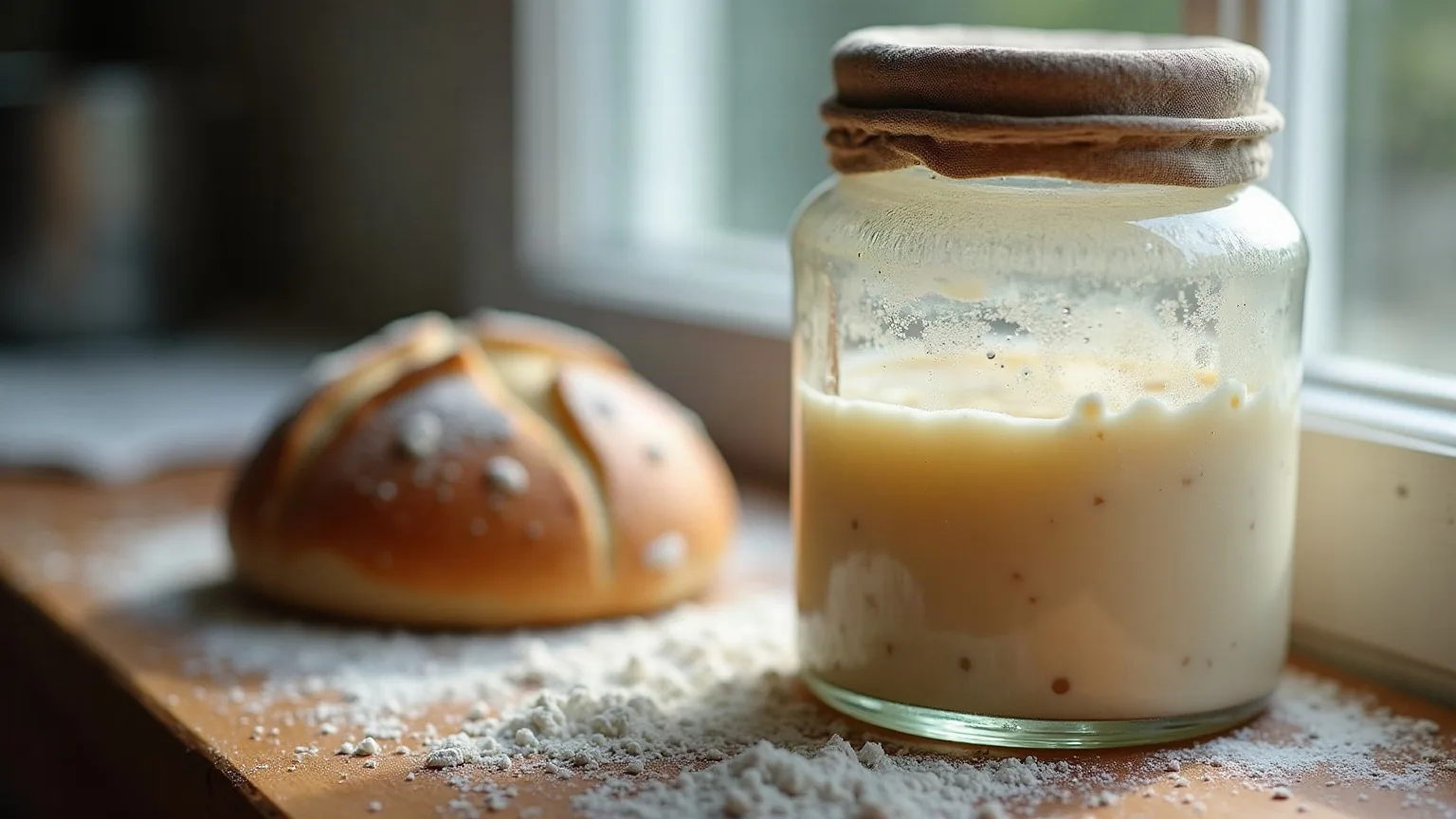
The beliefA sourdough starter is treated as something mythical — inherited from someone, aged for years, demanding a special flour.
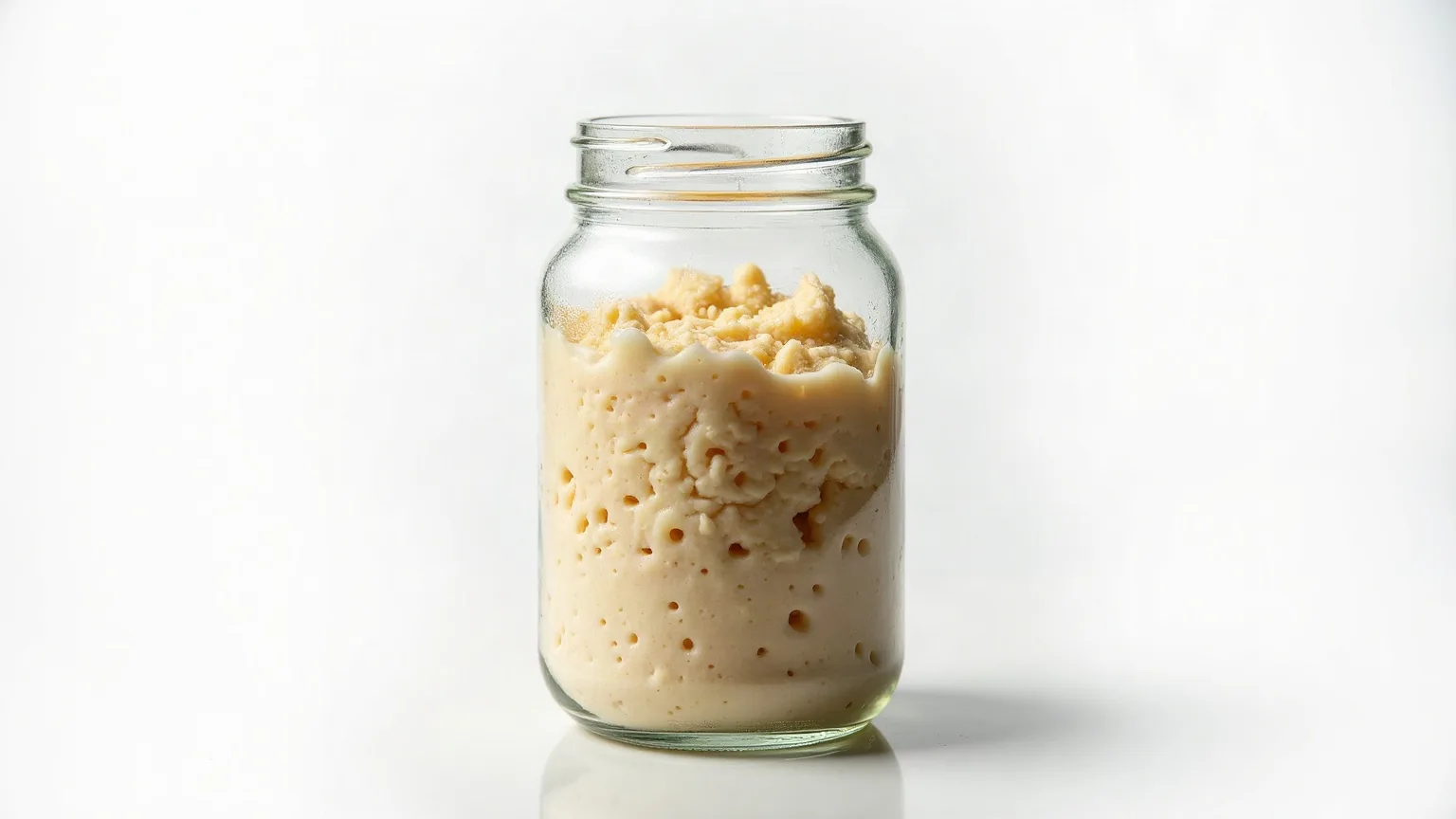
The truthFlour and water. Nothing else. Five days and you have your own; being “decades old” shapes the habit, not the taste.
Why cacık does not split, why mantı holds its water, why lebeniye is tempered with flour. Every dish has its defining mechanism, its history, and what each ingredient in it is actually doing.
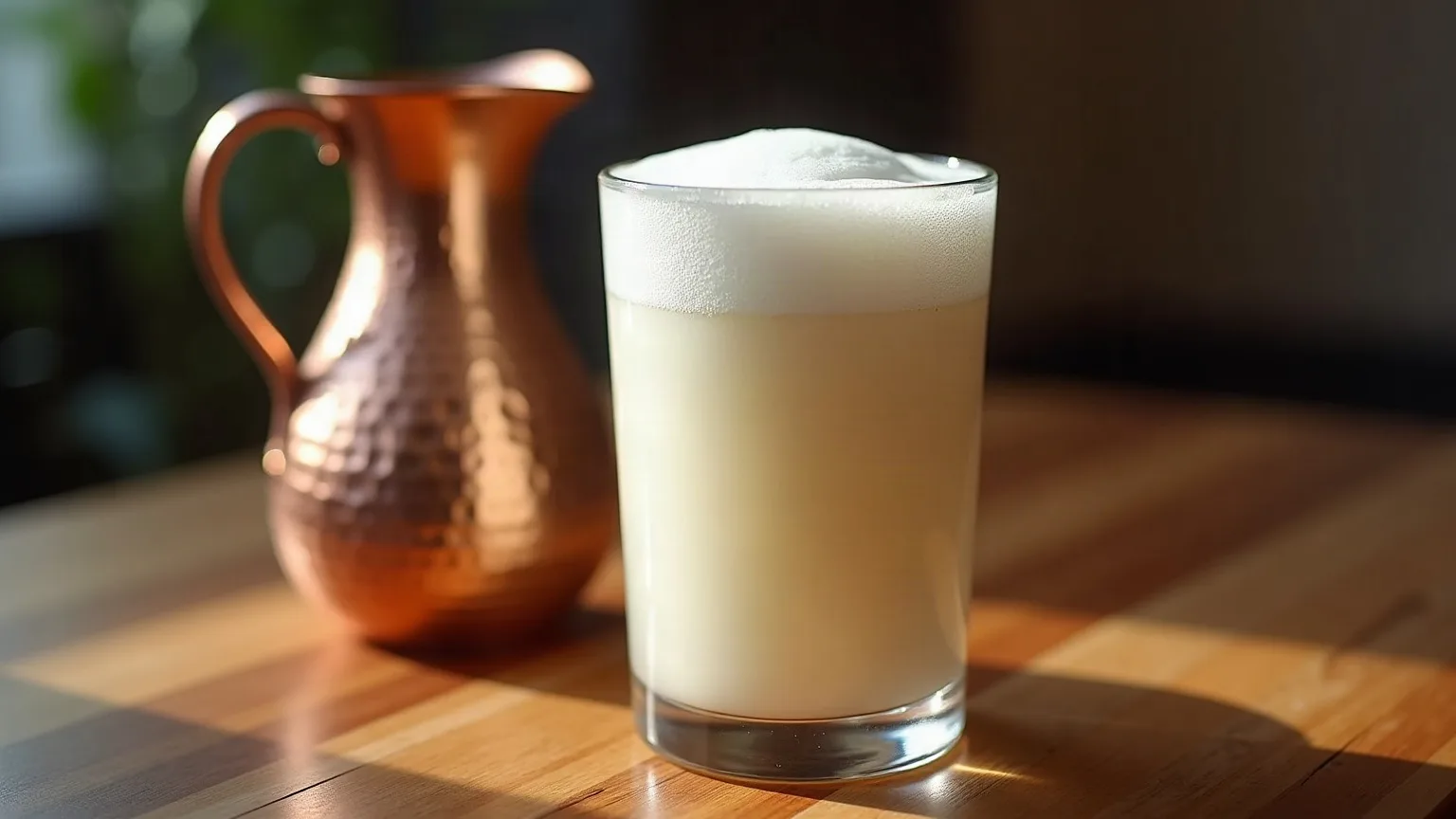
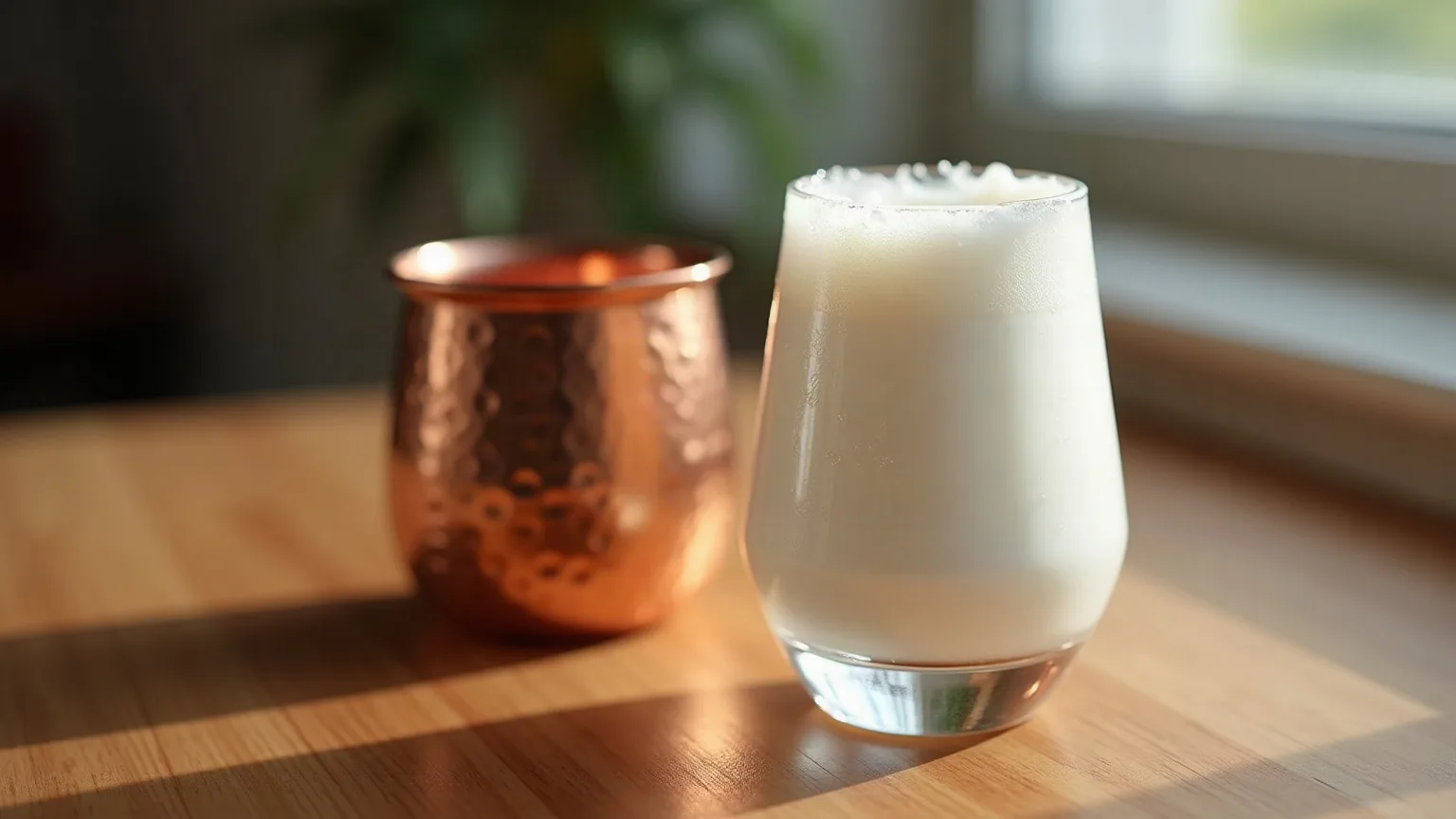
Yoghurt let down with water and salted. Turkey’s national drink, and really yoghurt made portable: on the move it both slowed spoi…
Not to be confused with ordinary ayran — it is a different substance: the liquid left after butter has been churned out of yoghurt…
A Turkish mezze of yoghurt, cucumber, garlic, salt, water and olive oil. A hot-weather dish whose consistency runs from thick enou…
A thick mezze of strained yoghurt, garlic and herbs. One thing separates it from cacık and it is decisive: haydari has no cucumber…
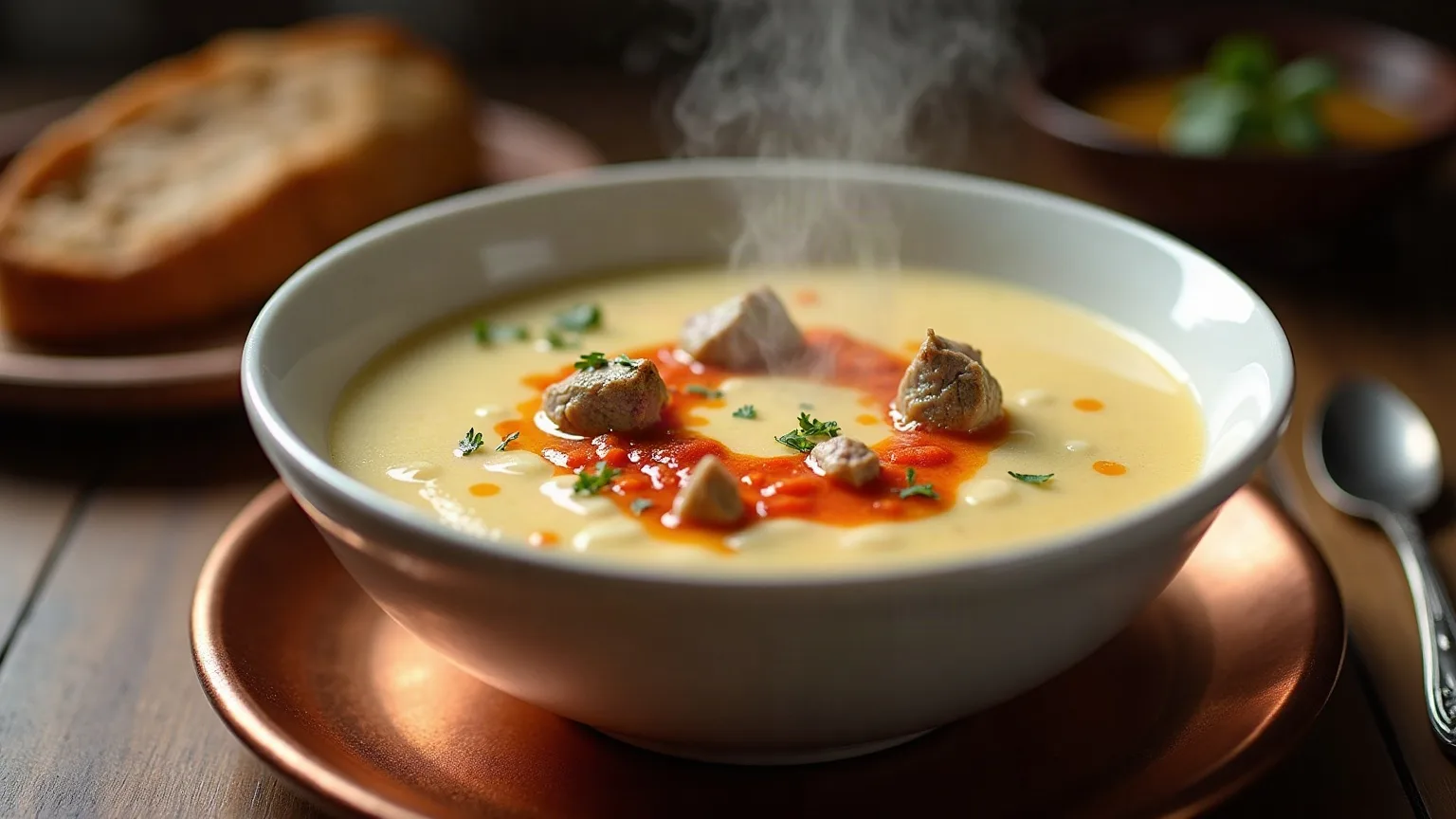
The default Turkish yoghurt soup and the textbook terbiyeli çorba. Rice simmers in water, yoghurt, flour and egg yolk are beaten s…
A ceremonial soup cooked in meat broth whose identity is its terbiye: strained yoghurt, egg yolk, flour and lemon juice beaten sep…
The same ingredient becomes one thing in the oven, another in water and something else again over embers — because heat arrives three different ways and each works at a different threshold. Every technique has its numbers, how to read them by hand, and the three mistakes people make.
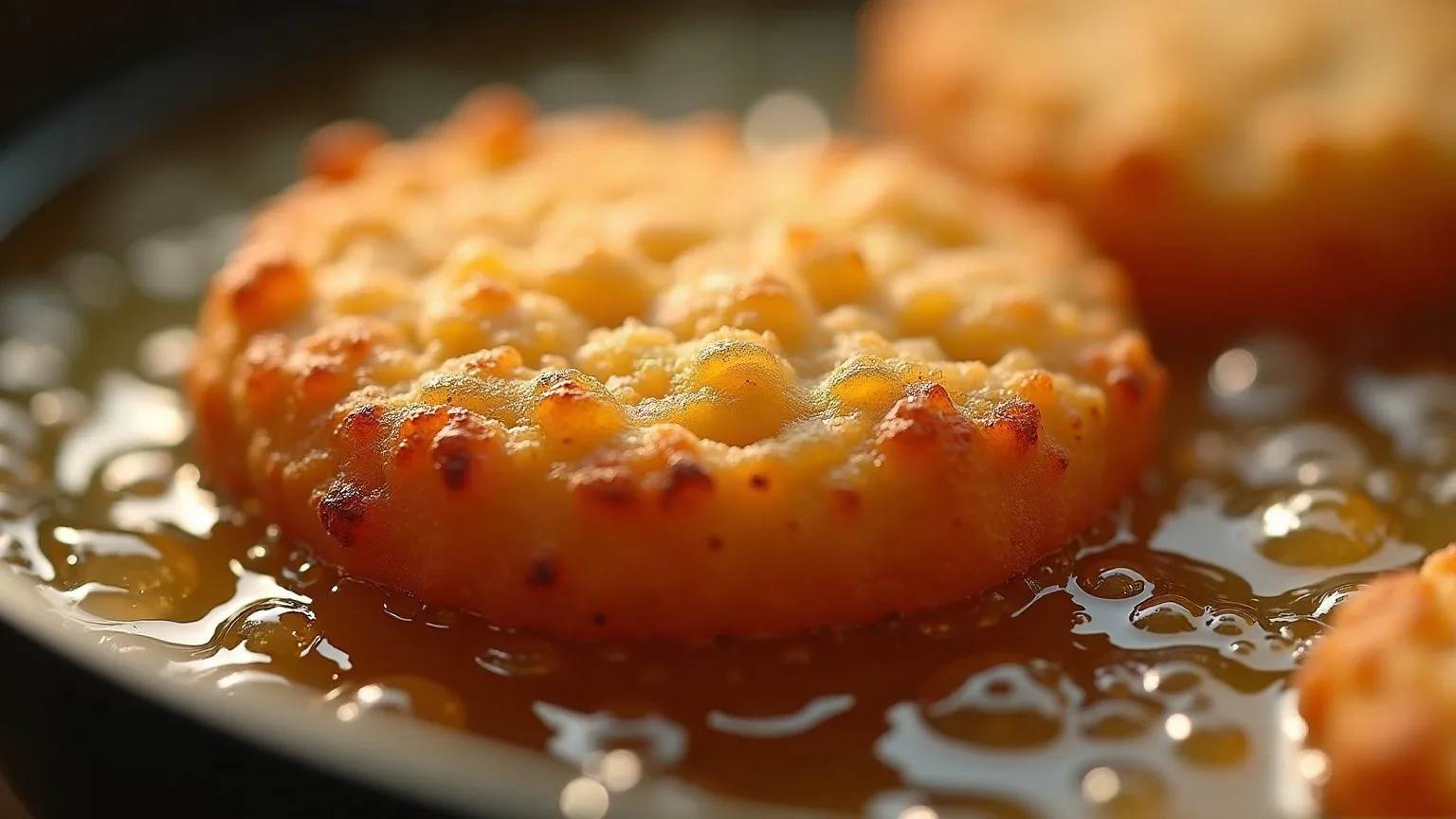
Surface water flashes to steam and pushes outward — that is the shield keeping oil out. Cold oil never builds it, and the food drinks the fat instead.
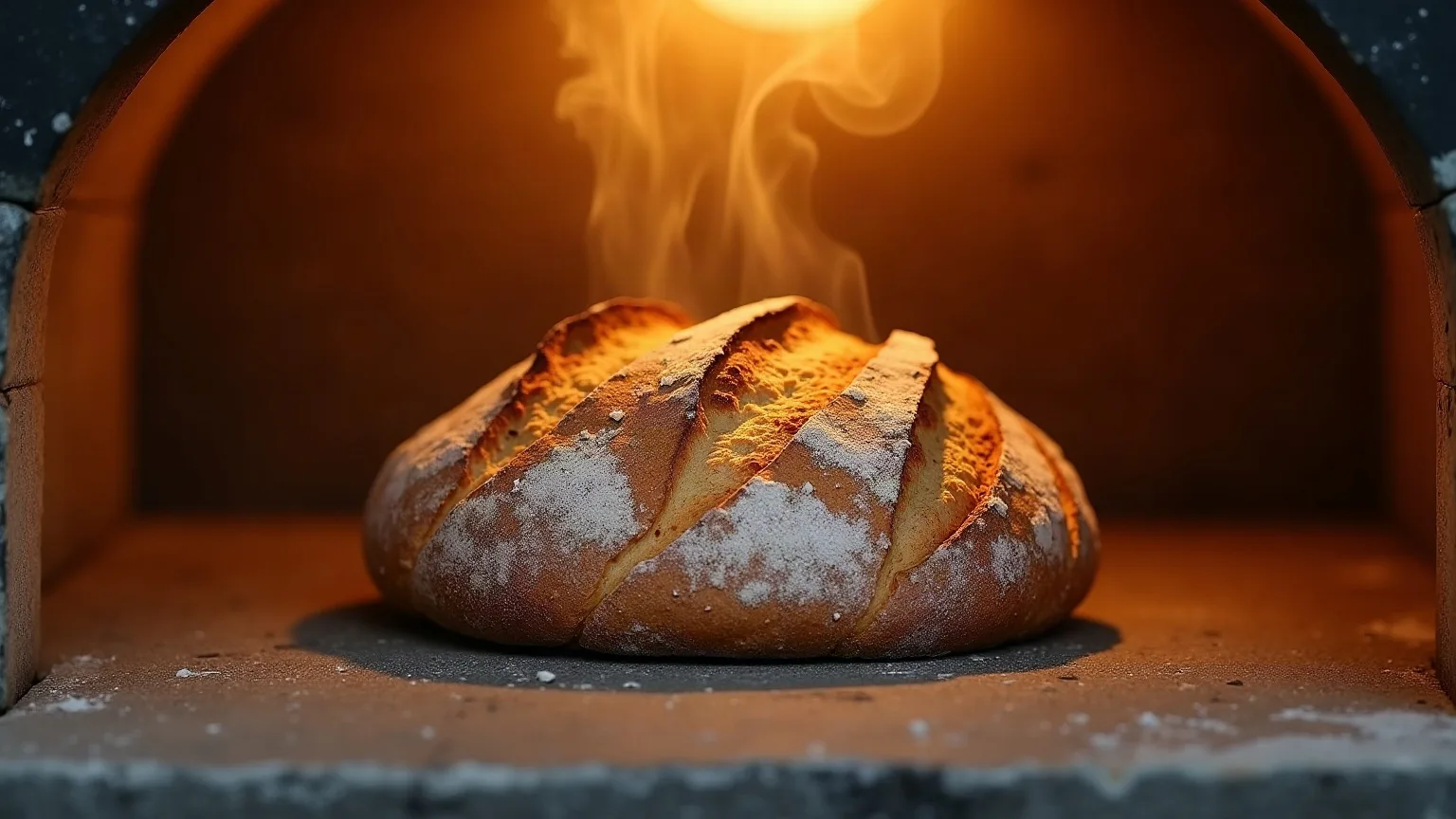
Air carries heat badly, so a 200 °C oven does not make 200 °C food. The inside stays where water boils, at 100 °C.
Water cannot pass 100 °C, so turning the flame up changes nothing. Boiling is set by time and salt, not by temperature.
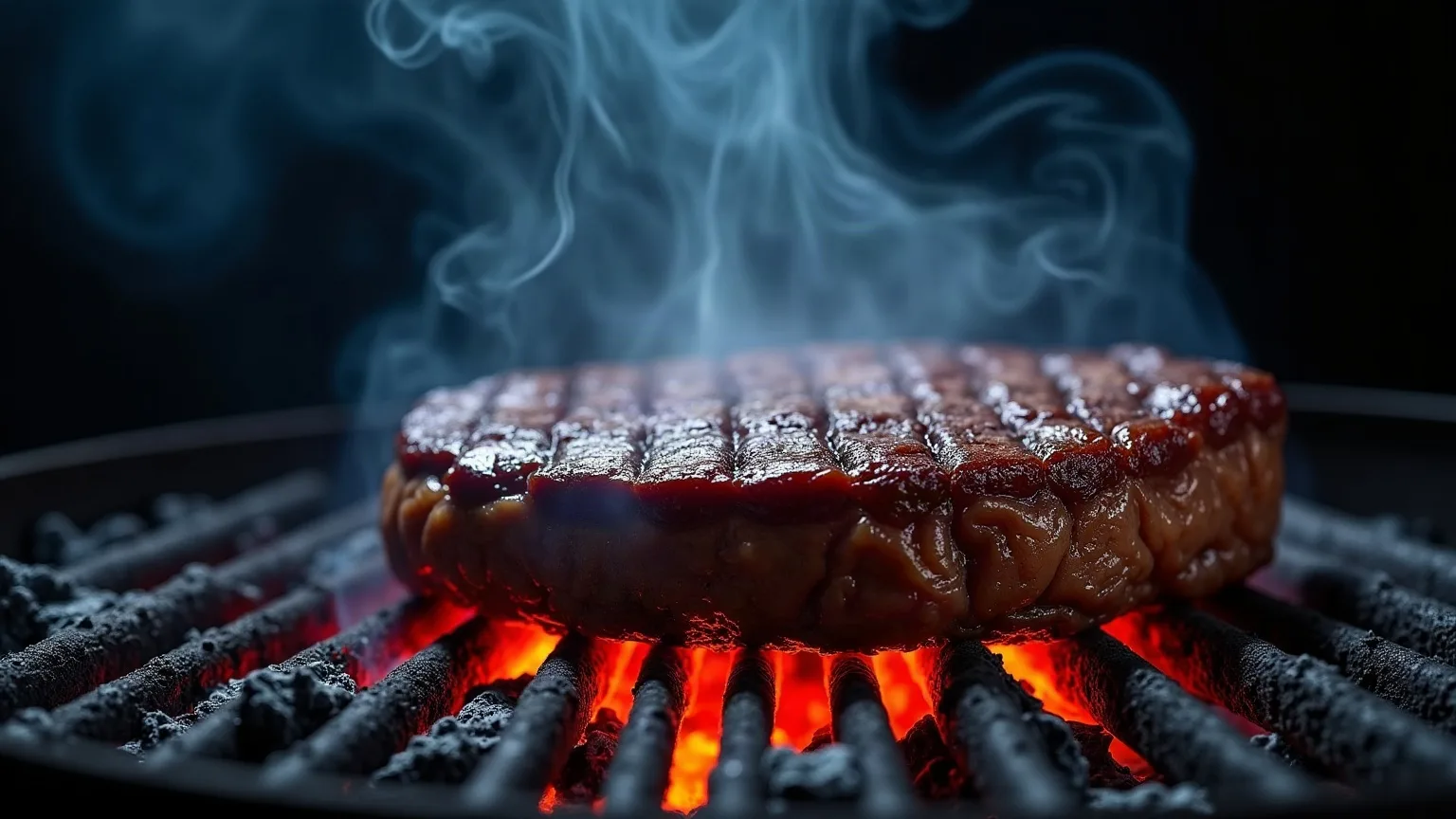
Embers deliver heat by radiation and the surface passes 200 °C in seconds. Smoke phenols bind to the meat, and that is where the flavour comes from.
Microbes turn sugar into acid and gas. As the pH falls, flavour deepens and spoilage stops; sourdough and pickles are the same job at different speeds.
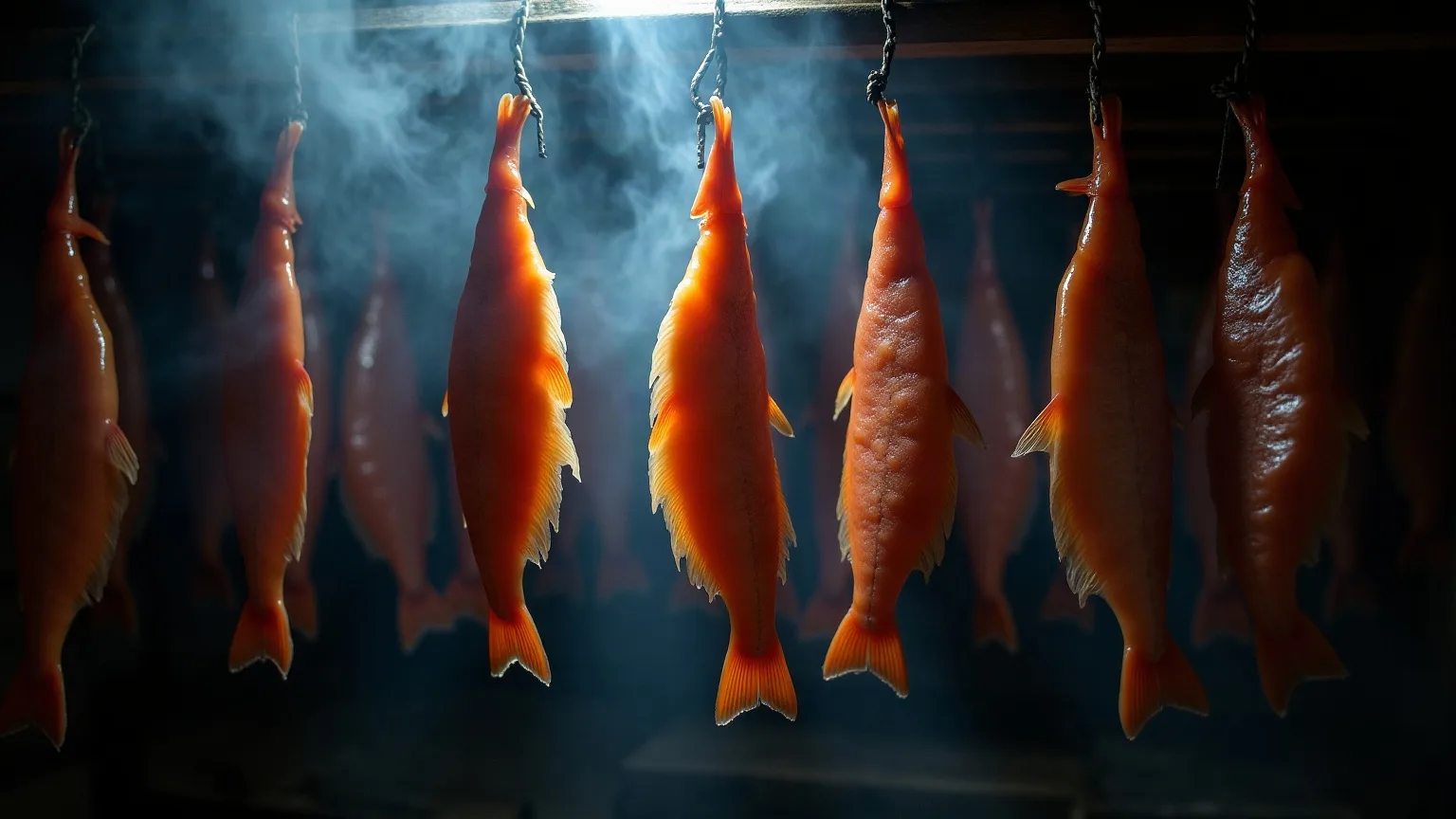
Cold smoke does not cook — it dries and preserves; hot smoke cooks at the same time. The wood decides the aroma: fruitwood gentle, oak assertive, pine never.
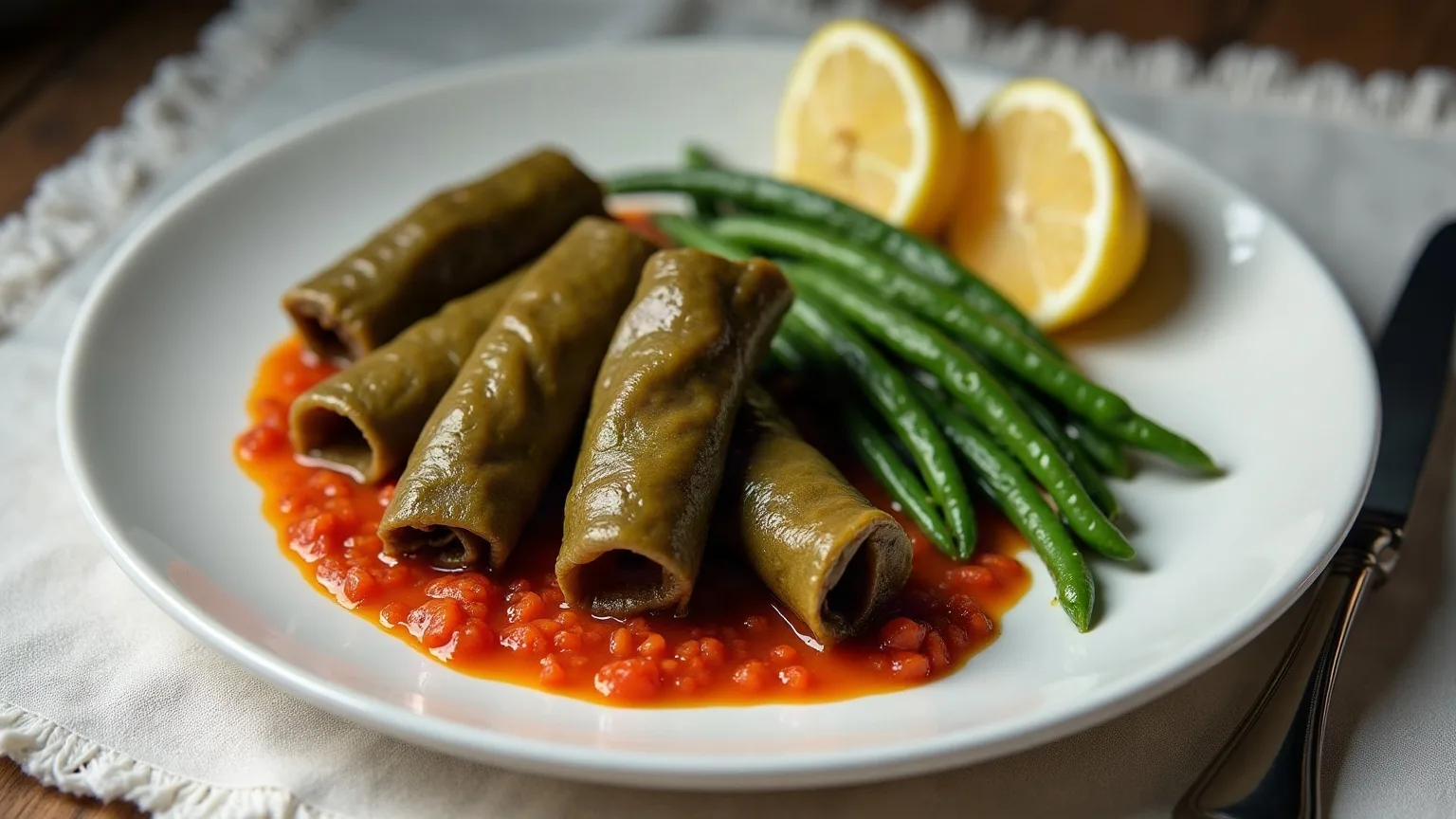
The vegetable cooks in its own water, on a low flame, under a lid. Olive oil is not frying fat here: it carries the aroma and pulls the texture together as it cools.
Sucrose breaks apart at 160 °C into hundreds of new aroma molecules. Fructose does it at 110 °C, which is why anything with honey darkens sooner.
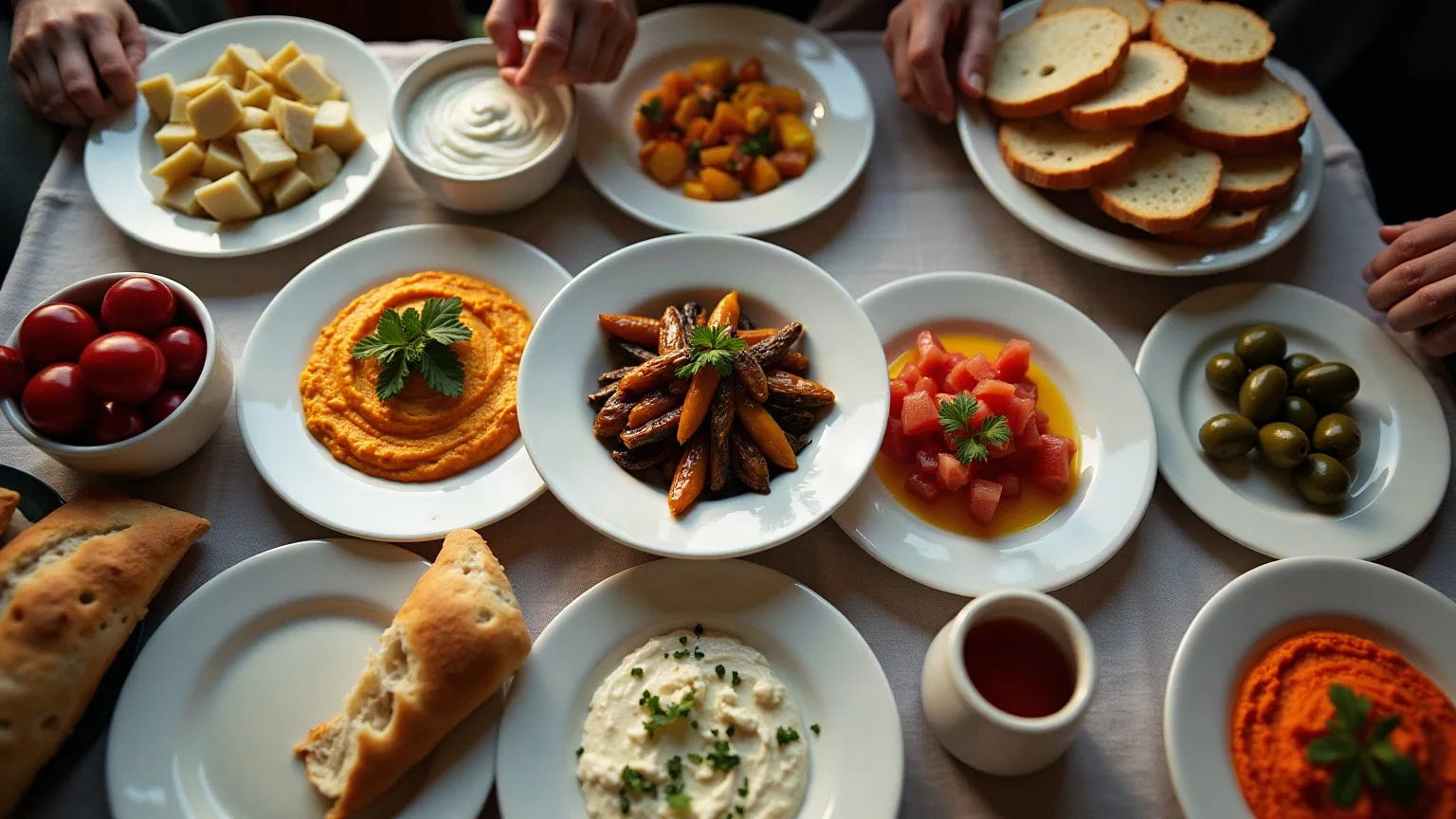
A meze table is a composition rather than a plate: acid, fat, salt and freshness sit side by side. Each dish is designed against its neighbour, never alone.
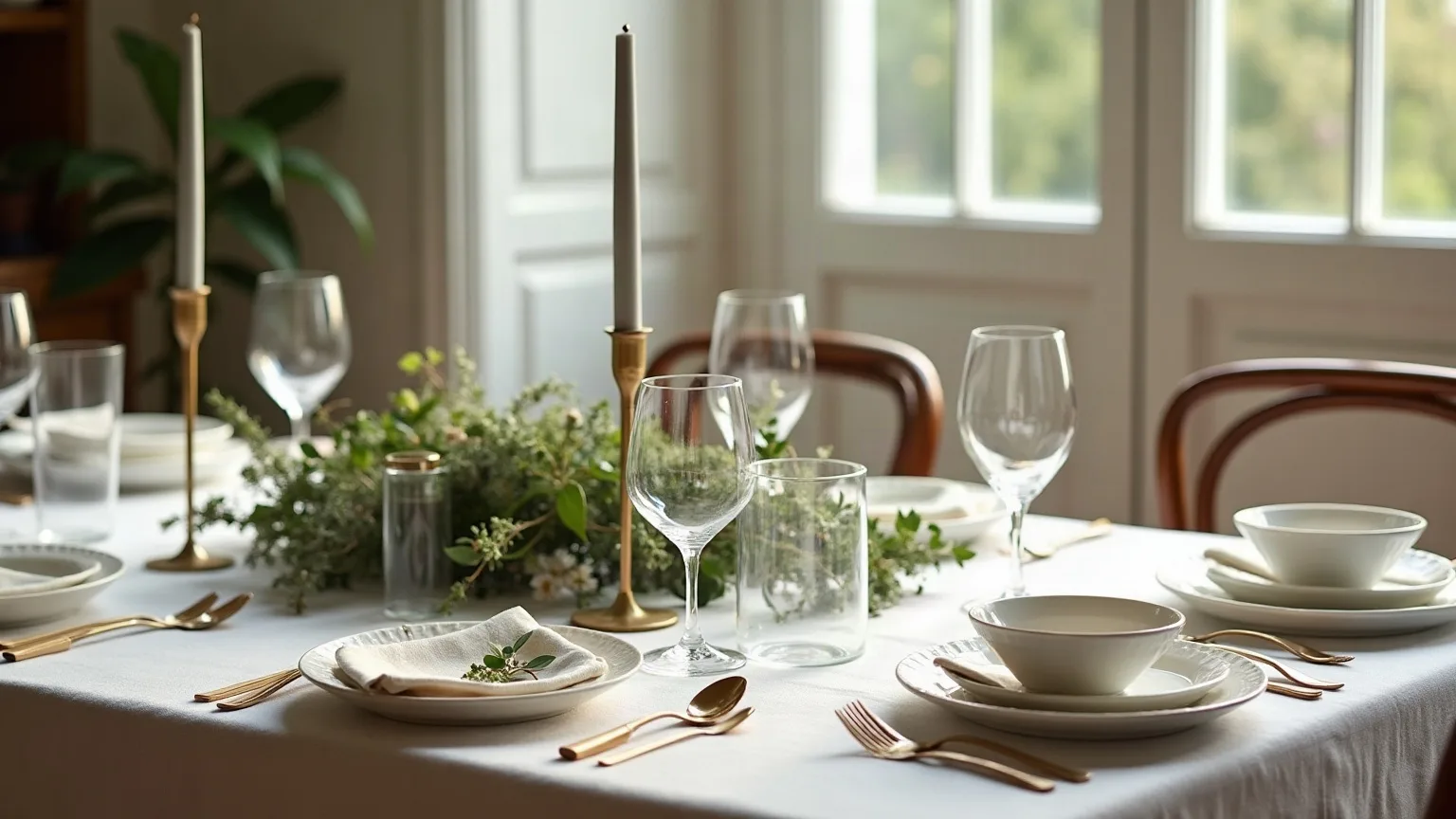
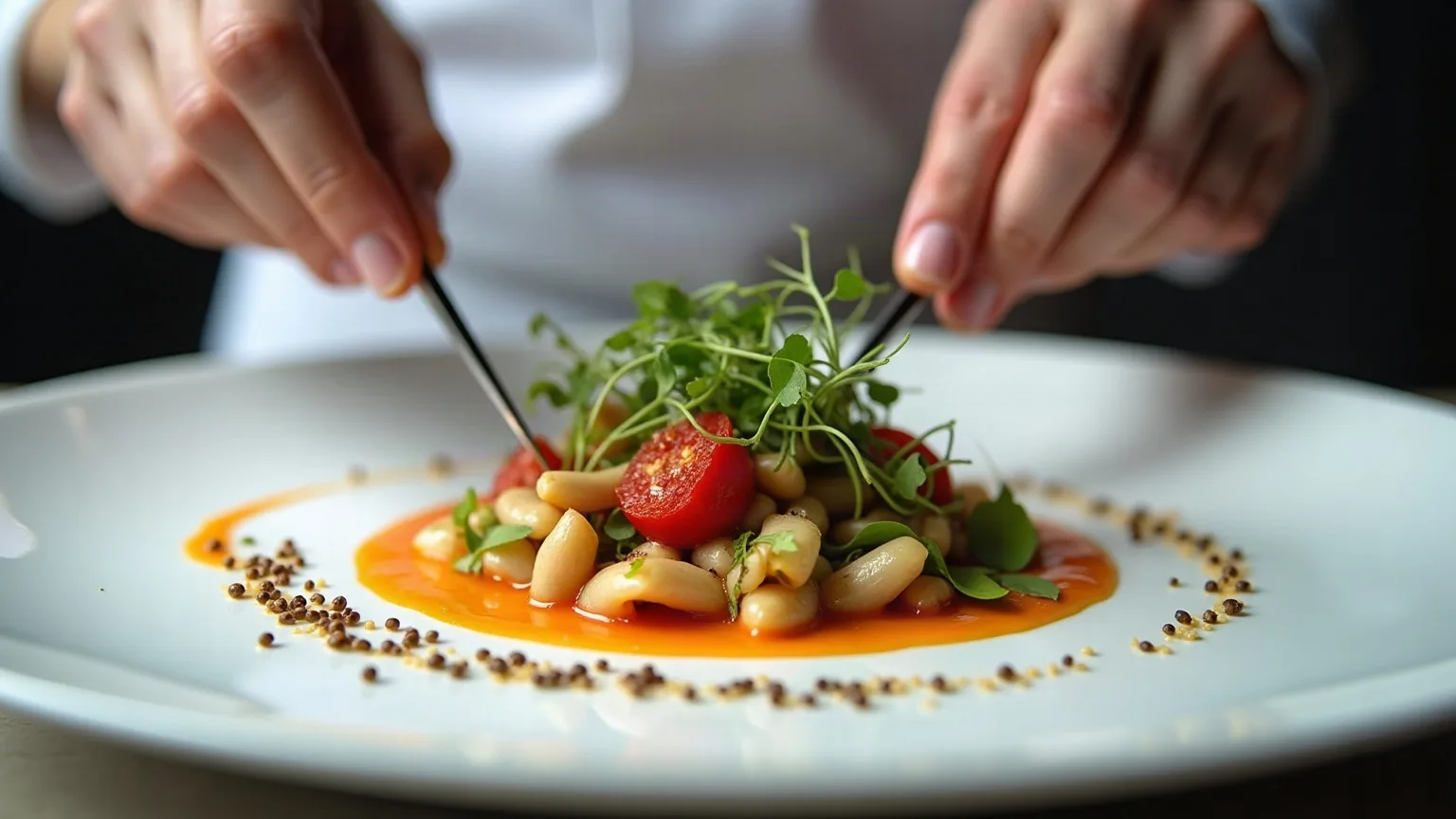
Focal point, negative space, height, odd numbers. The linen, the napkin and the colour of the light are part of the taste; the table is where the dish continues.
Yoghurt tipped into boiling soup splits. Terbiye brings the pot to the yoghurt instead of the yoghurt to the pot: hot liquid goes in a ladle at a time, so the temperature climbs slowly.
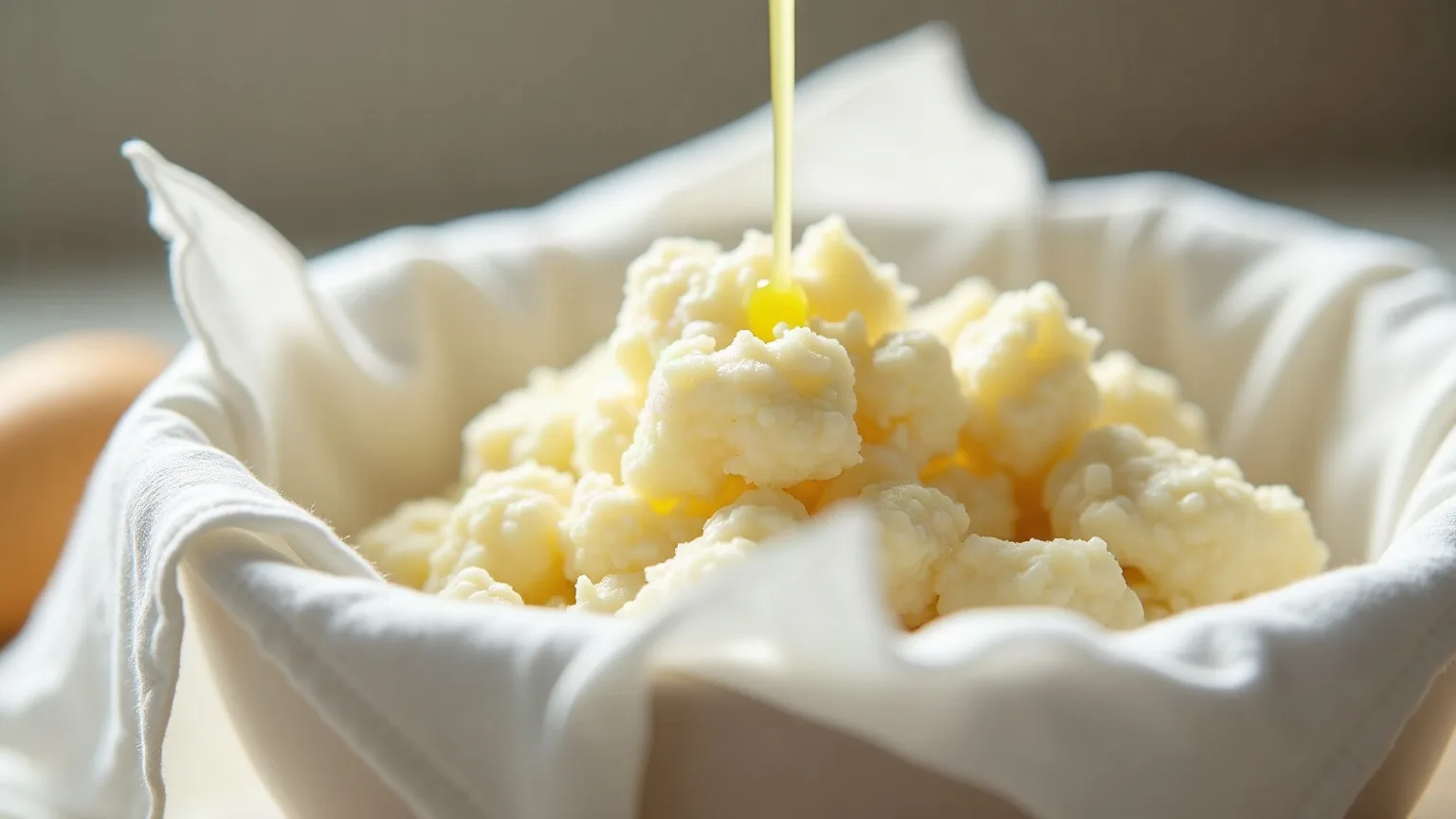
Yoghurt in a cloth bag, letting gravity take the whey. Nothing is added and nothing is cooked: water leaves, and everything left behind concentrates.
Shaking yoghurt or cream until the fat separates. Two products come out of it and both are the point: butter, and the buttermilk left behind.
Cheesemaking without rennet. Curdling is an accident in a yoghurt soup; here it is the product. Heat and acid together collapse the casein, and the drained curd is çökelek.
Hot metal in direct contact, with no fat. Unlike an oven the heat comes only from below and only by conduction, which is why the bread is turned and each face cooks separately.
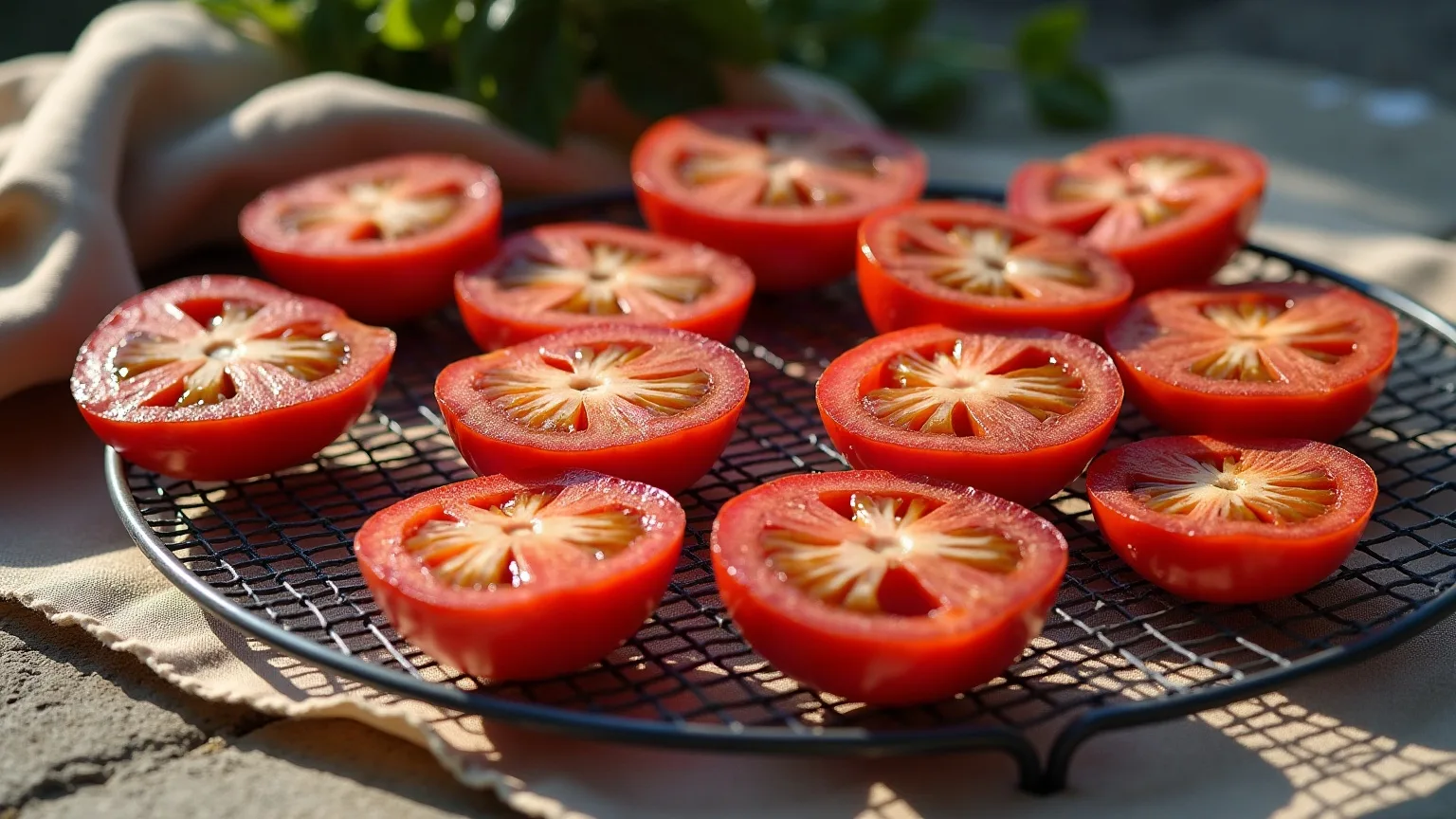
What stops spoilage is not cold but the absence of water. More precisely: water that microorganisms cannot reach.
Holding a spice briefly in hot fat. In Turkish cooking it is usually the last step: chilli flakes or dried mint go into sizzling butter and the whole thing is poured over the dish.
The technique where nothing is cooked. That does not make it the absence of technique: cold changes how flavour is perceived, and a recipe is balanced around that.
The colour is not decoration — it names the job the ingredient does. 191 ingredients: filter by family, tap one, see what it is for.
Flour Protein 10–12% · builds gluten
St
Starch Gelatinises at 62–72 °C
Ri
Rice Amylose 20–25% · grains stay separate
Bu
Bulgur Pre-cooked · steeps in 12 min
Pa
Pasta Durum semolina · 1% salted water
Po
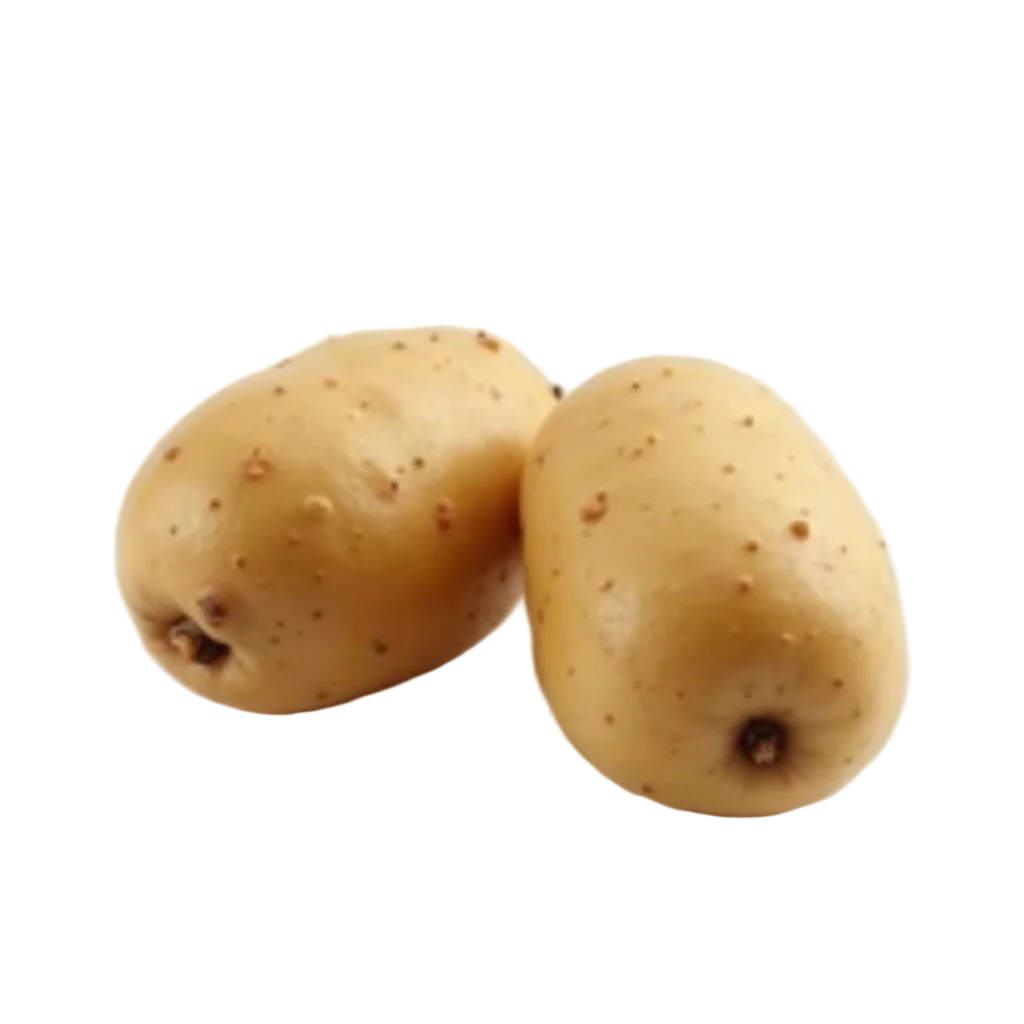
Potato Starch 15–20% · softens at 60 °C
Le
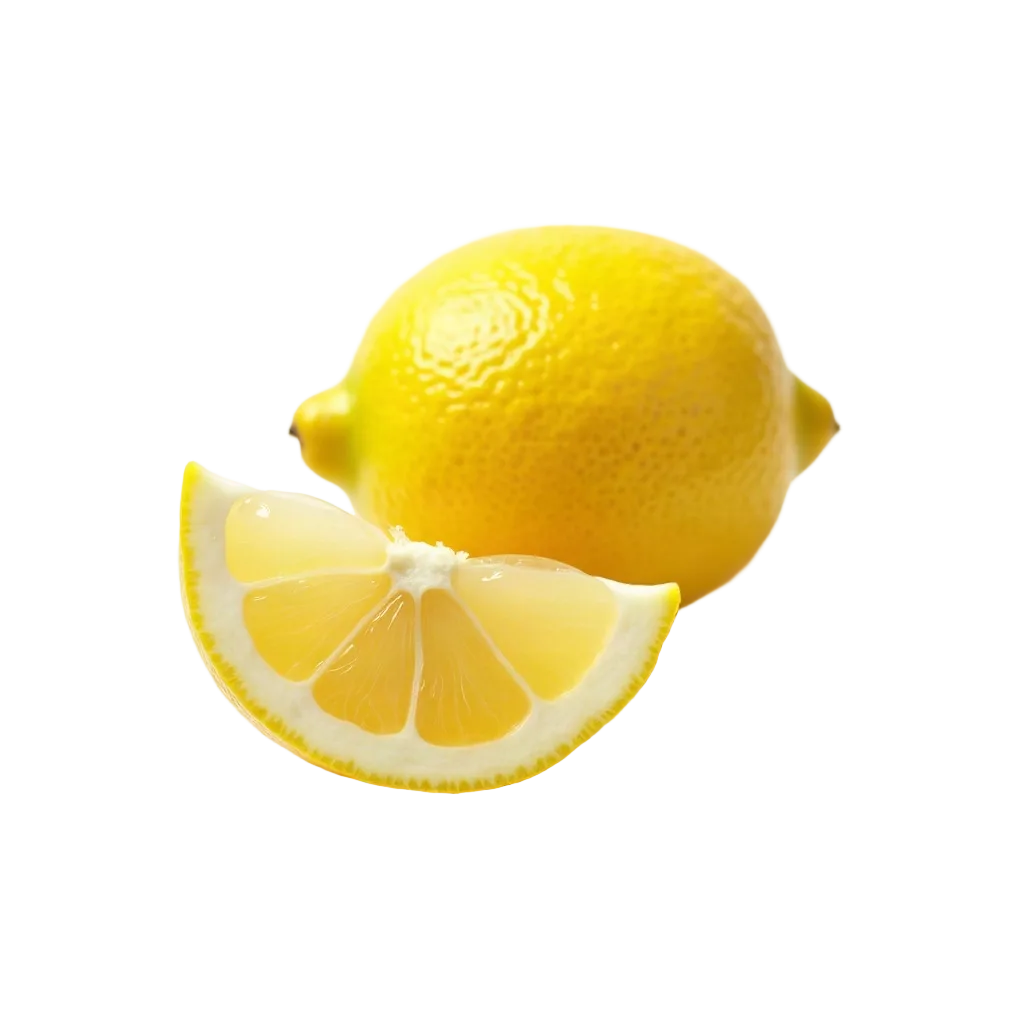
Lemon pH 2.2 · 5% citric acid
Vi
Vinegar pH 2.4–3.4 · 5% acetic acid
Yo
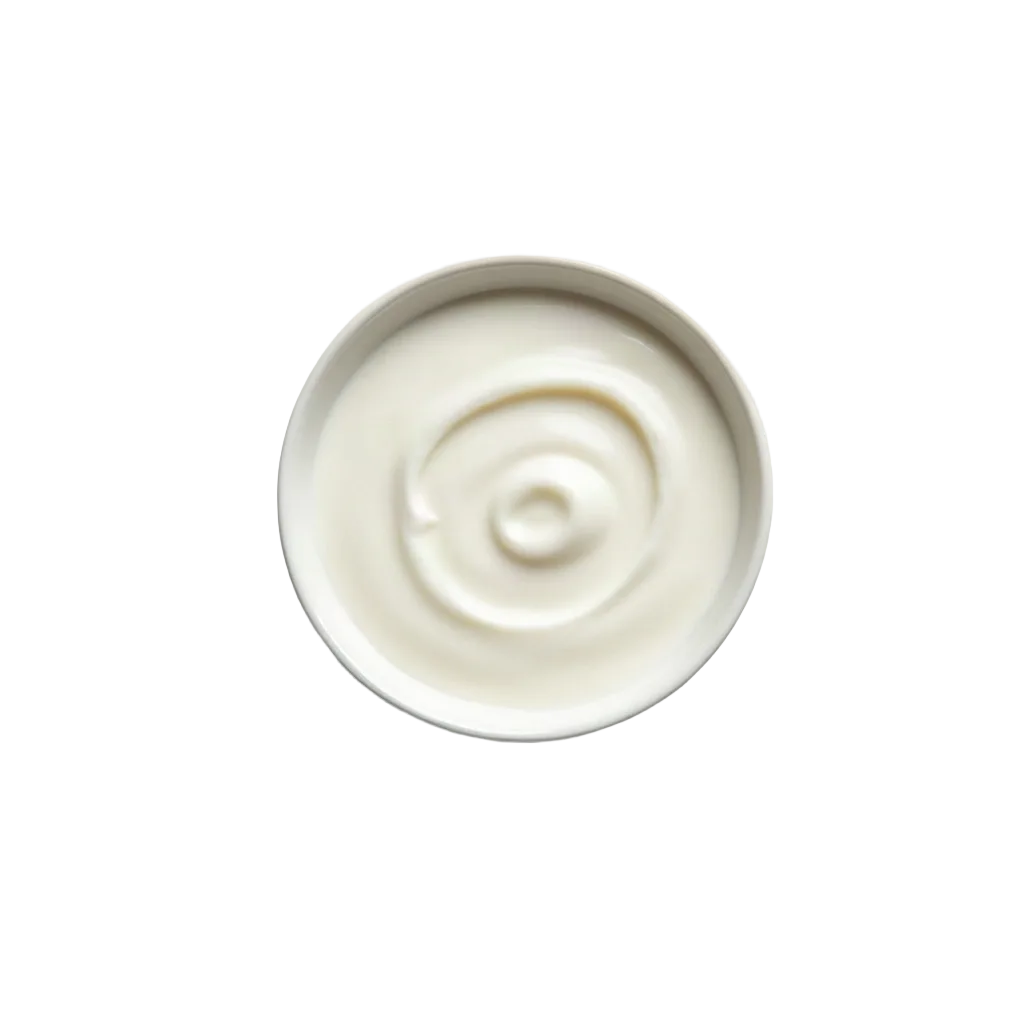
Yoghurt pH 4.4 · splits above 85 °C
Pm
Pomegranate pH 3.0 · anthocyanin turns blue in base
Tp
Tomato paste pH 4.3 · glutamate 250 mg/100 g
Eg
Egg White 62 °C · yolk 65 °C
Be
Red meat Medium 57 °C · collagen melts at 68 °C
Ch
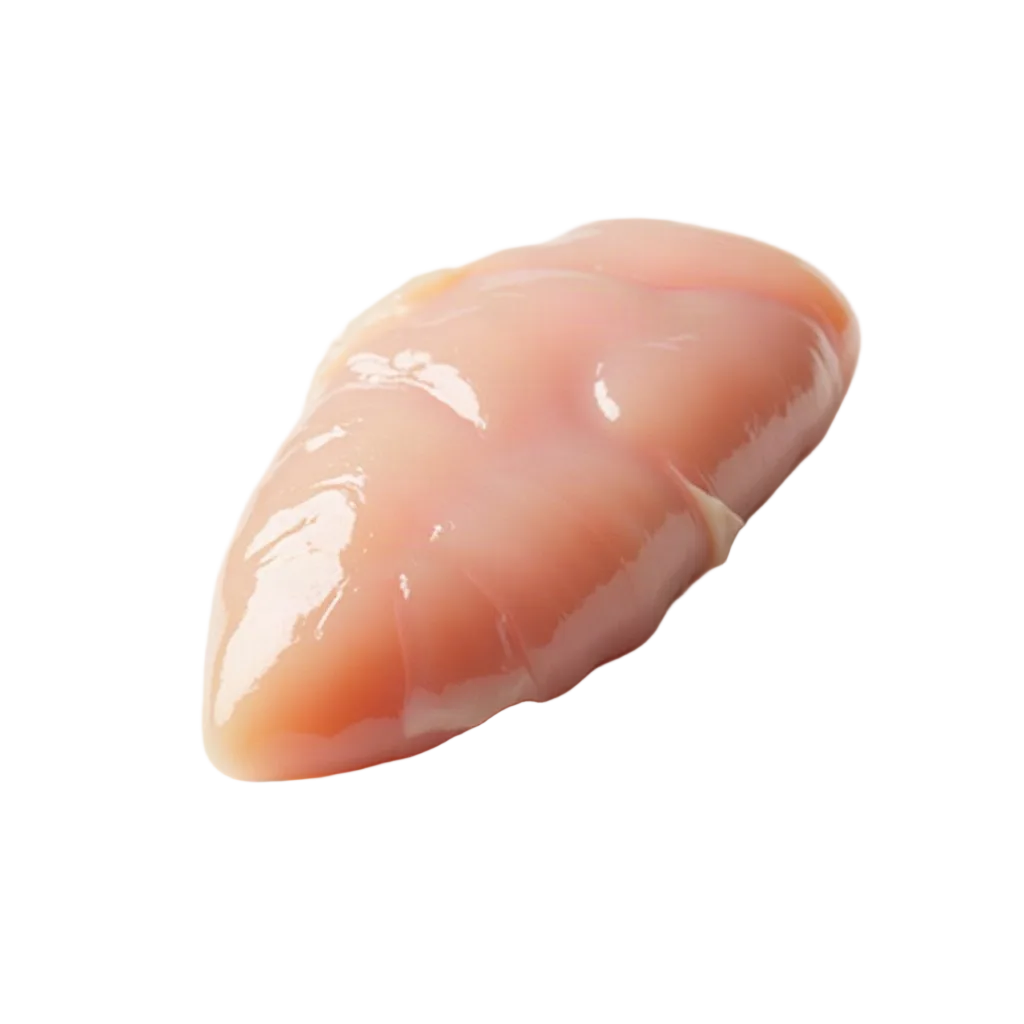
Chicken Safe internal temperature 74 °C
Fi
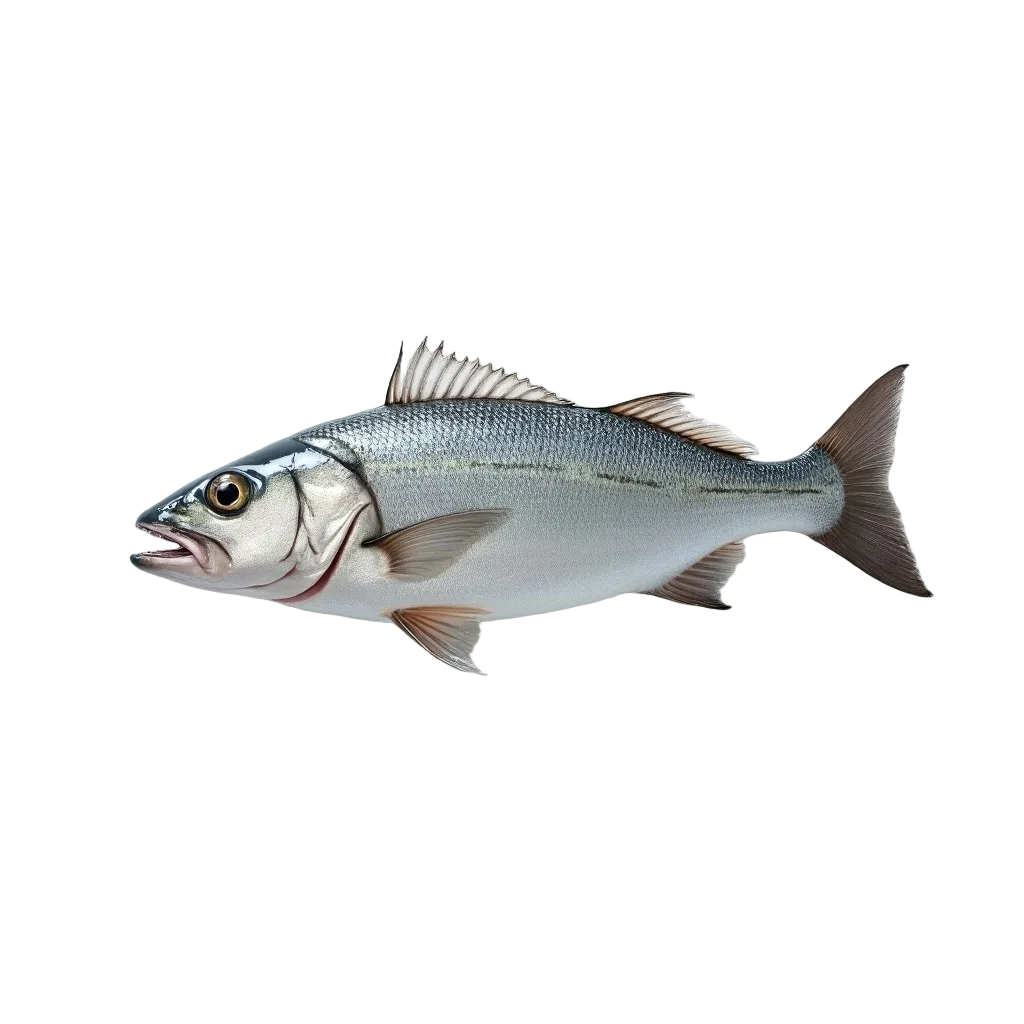
Fish Sets at 50–55 °C · dries fast
Ln
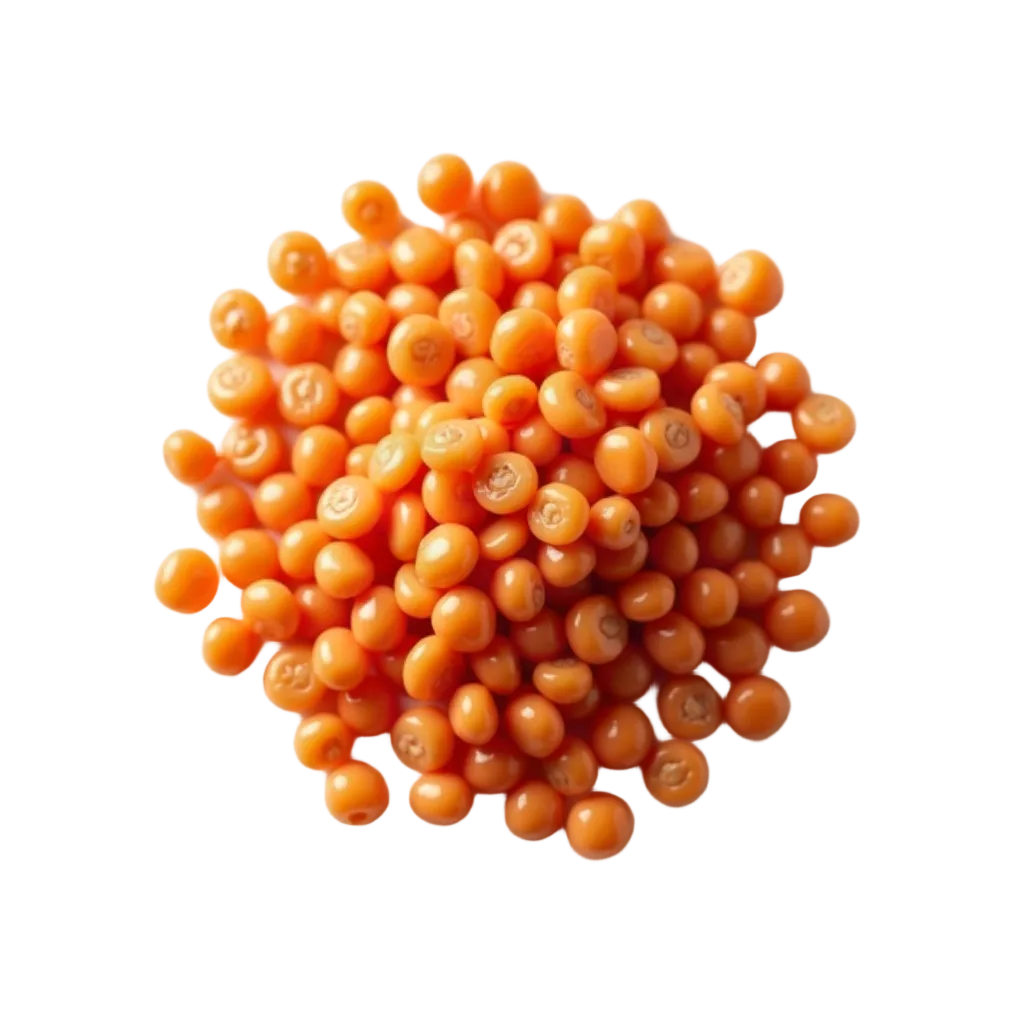
Lentil Protein 25% · breaks down in 20 min
Ck
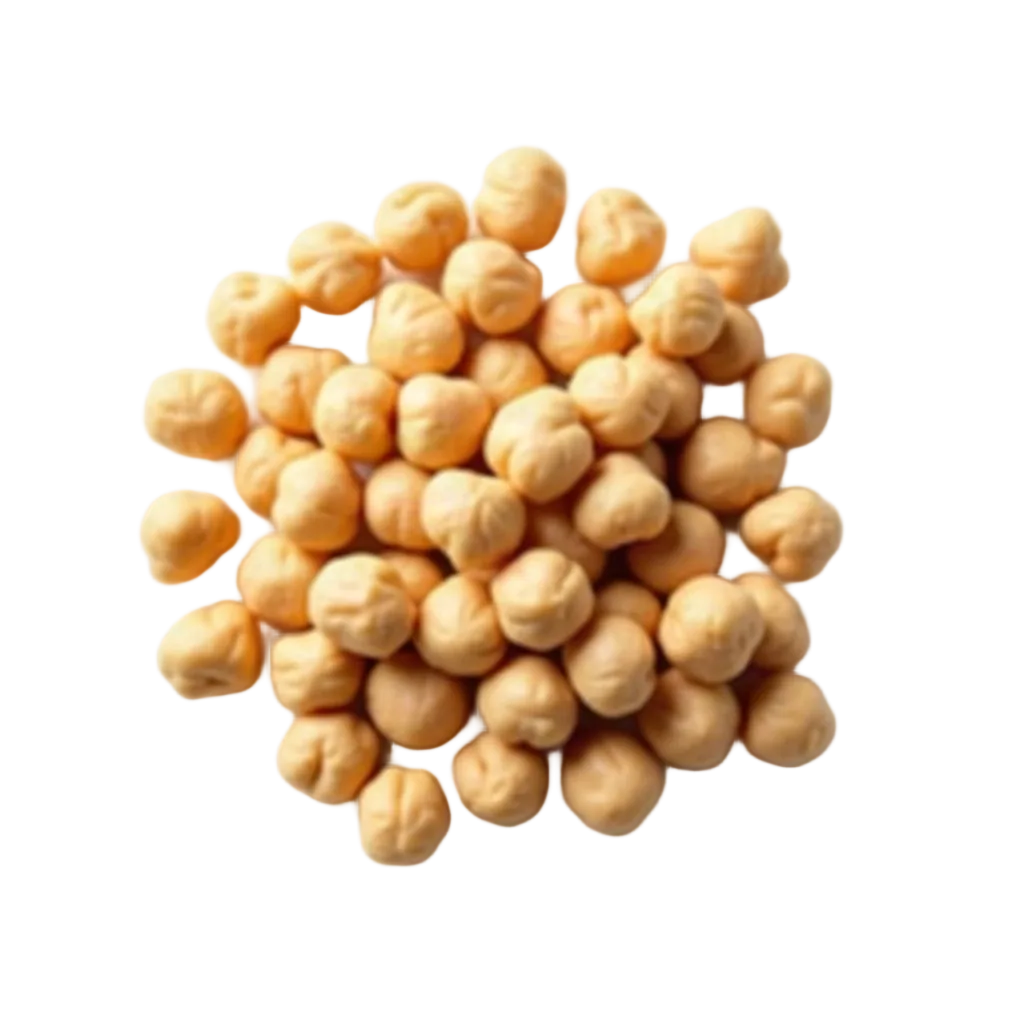
Chickpea Protein 19% · skin dissolves in alkaline water
Wc
White cheese pH 4.6 · 5–7% brine
Oo
Olive oil Smoke point 190–210 °C (EVOO)
Bt
Butter Smoke point 150 °C · milk solids burn
Ta
Tahini 55% fat · inverts when water is added
Wa
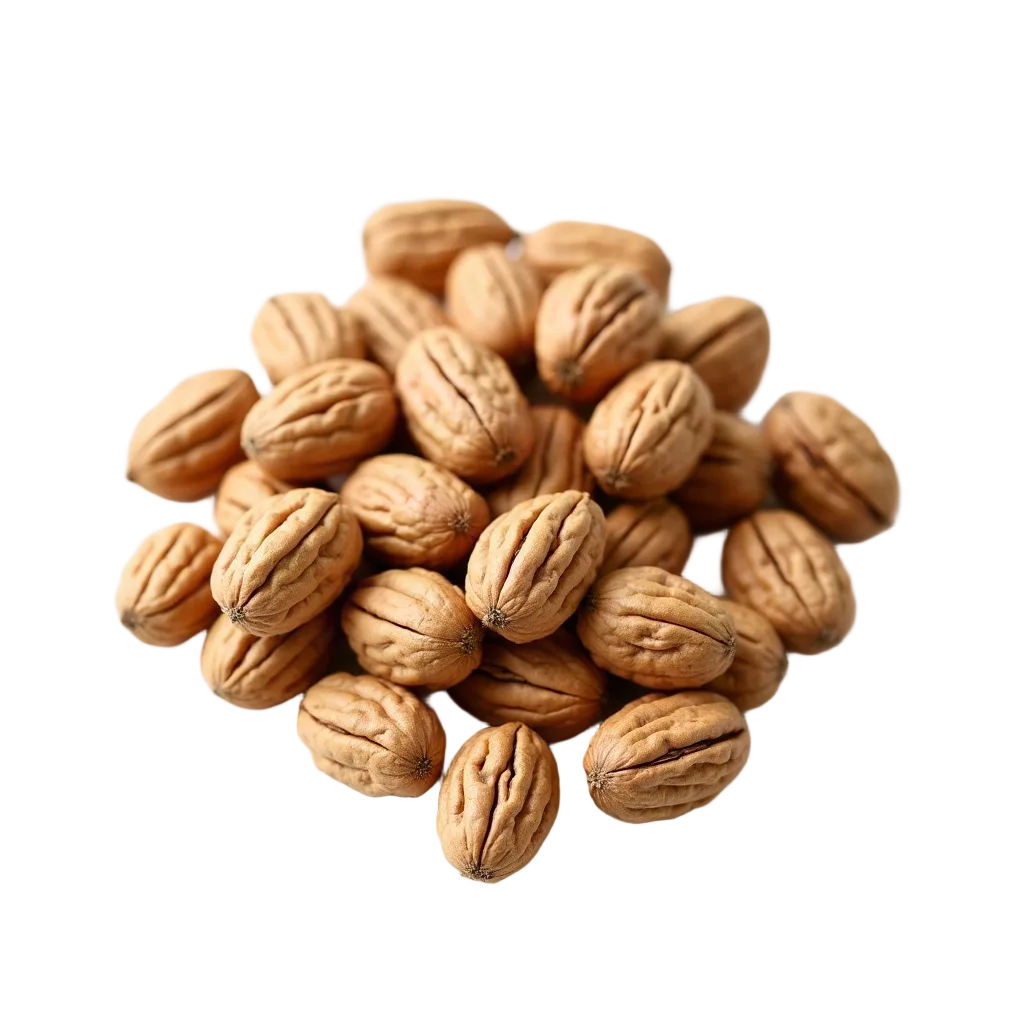
Walnut 65% fat · goes rancid fast, freeze it
Al
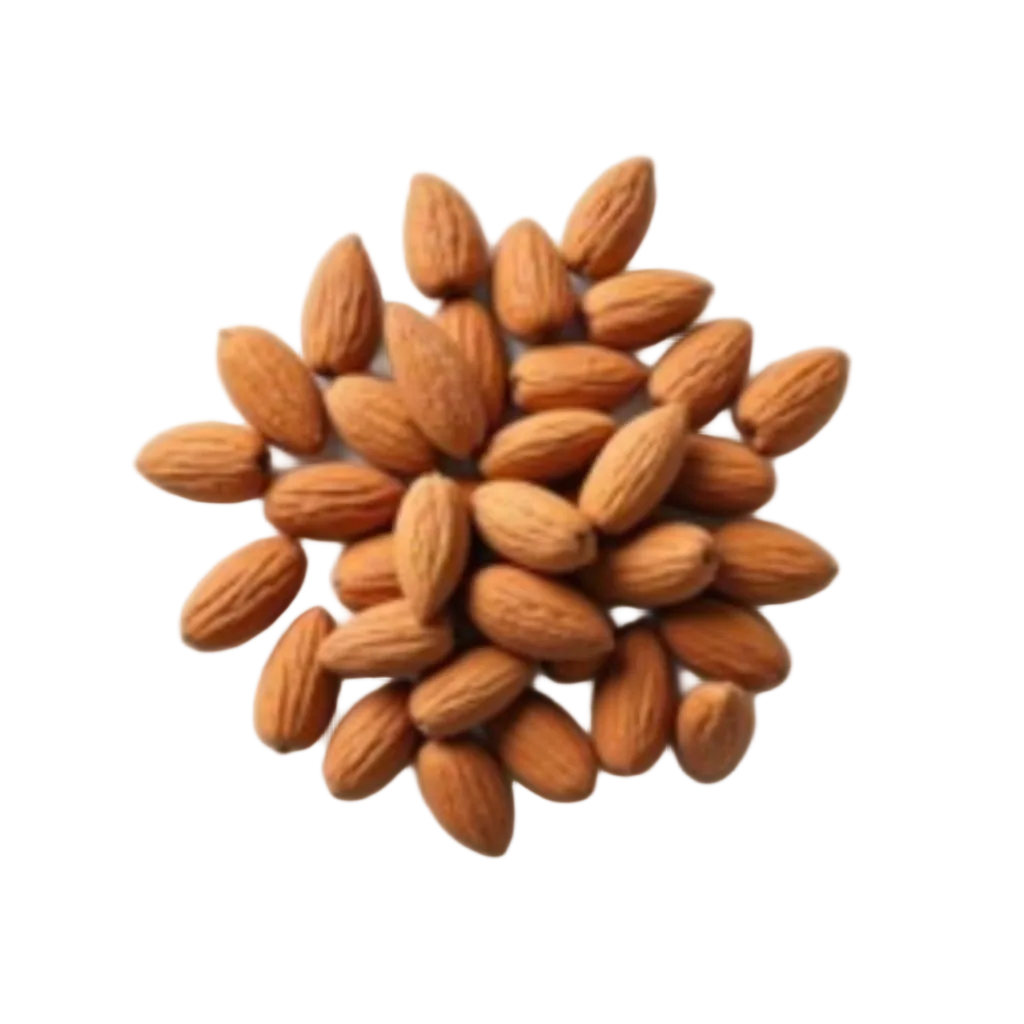
Almond 50% fat · 21% protein
Bs
Baking soda pH 8.4 · does nothing without acid
Ye
Yeast Active 24–40 °C · dies at 55 °C
Ga
Garlic Allicin forms 60 s after cutting
Cu
Cumin Cuminaldehyde · fat soluble
Cf
Chilli flakes Capsaicin dissolves in fat, not water
Ci
Cinnamon Cinnamaldehyde 60–75%
Bp
Black pepper Piperine · aroma flees once ground
Mi
Mint Menthol is volatile · add off the heat
Ba
Basil Linalool · blackens with heat, add last
Sa
Saffron Crocin is water soluble · 0.1 g is enough
Su
Sumac pH 3.1 · dry acid that adds no water
By
Bay leaf Eugenol · only opens up with long cooking
Sg
Sugar Caramelises at 160 °C
Ho
Honey Fructose dominant · browns at 110 °C
Mo
Molasses Reducing sugar · accelerates Maillard
Au
Aubergine Soaks up 30% of its weight in oil
Pp
Pepper Twice the vitamin C when red
Ca
Carrot Beta-carotene is fat soluble
Sp
Spinach Oxalic acid blocks iron absorption
Sw
Strawberry pH 3.4 · low pectin, hard to set
Mk
Milk Casein is acid-fragile · whey protein denatures at 72 °C
Sa2
Salt 0.8–1.5% of the weight of the food
H2O
Water Starch only gelatinises above 60 °C with water
Ks
Bulb onion 89.1% water · 40 kcal
Ao
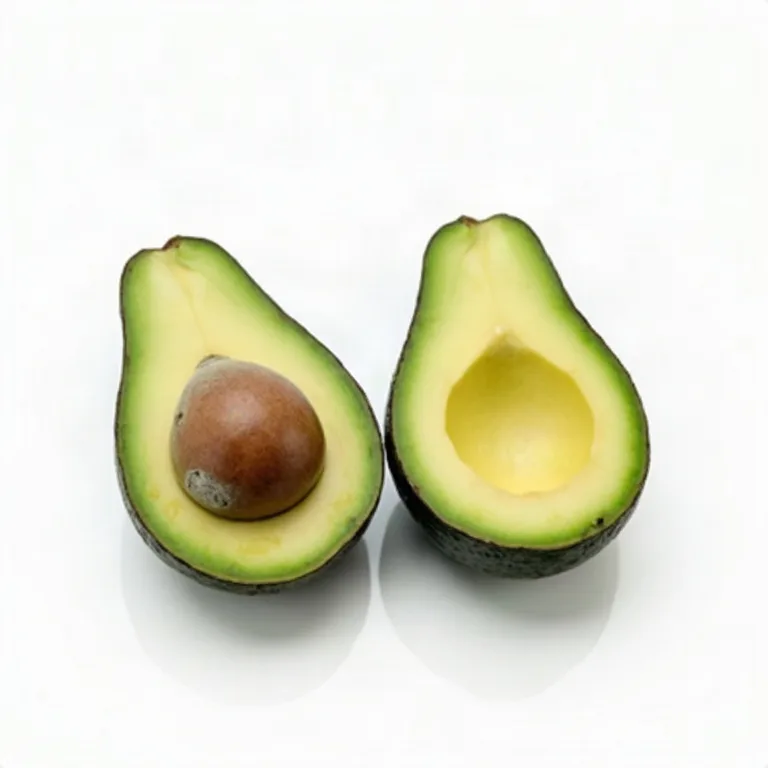
Avocado 15% fat · monounsaturated
K5
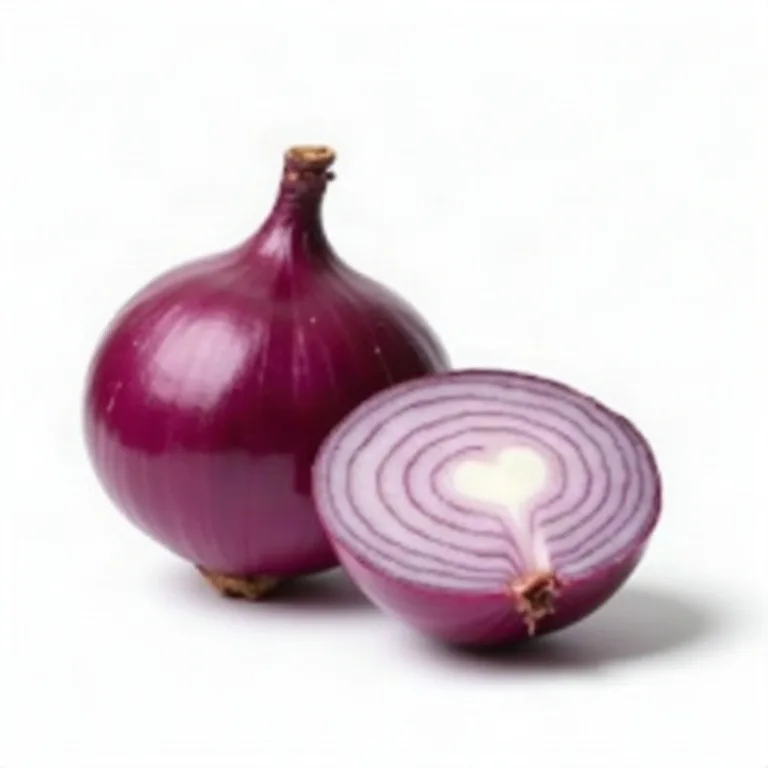
Red onion Anthocyanin · less sulphur
Ts
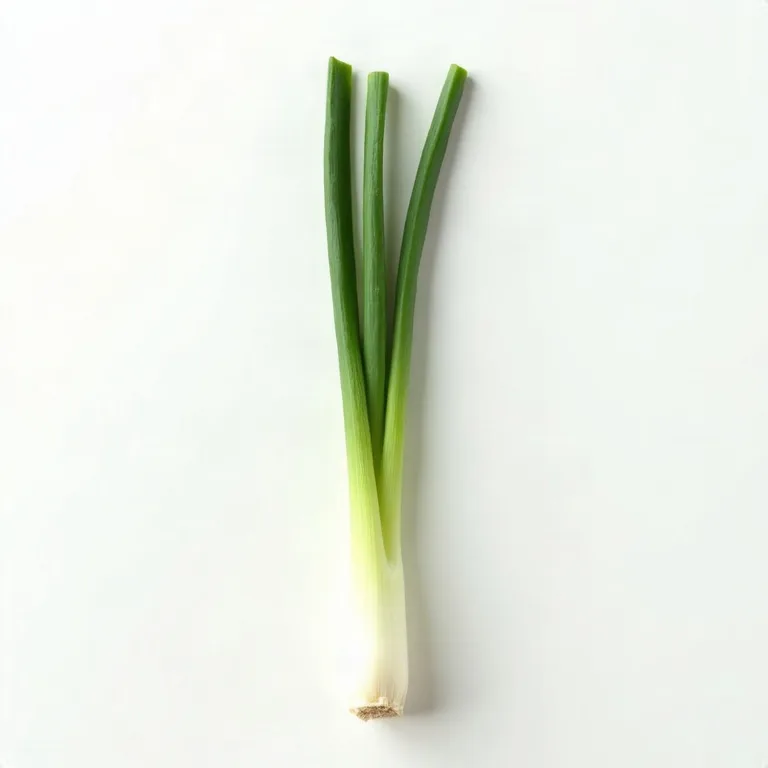
Spring onion 89.8% water · 32 kcal
Do
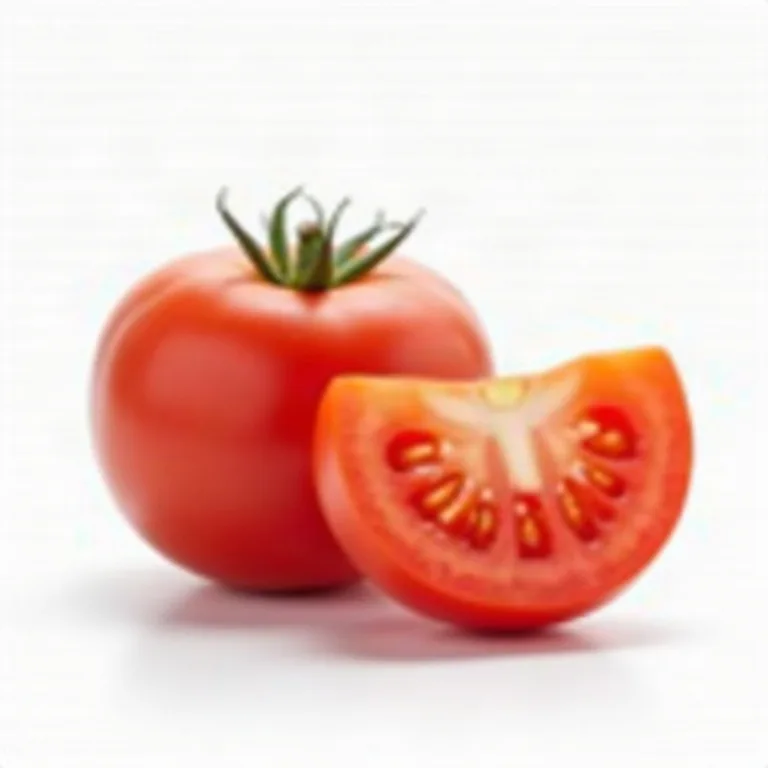
Tomato 94.5% water · 18 kcal
Sl
Cucumber 95.2% water · 15 kcal
Ka
Courgette 94.8% water · 17 kcal
Pi
Leek 83% water · 61 kcal
Kk
Celeriac 88% water · 42 kcal
En
Globe artichoke 84.9% water · 47 kcal
Bm
Okra 89.6% water · 33 kcal
Se
Purslane 92.9% water · 20 kcal
Pz
Swiss chard 92.7% water · 19 kcal
Bl
White cabbage 92.2% water · 25 kcal
Kr
Cauliflower 92.1% water · 25 kcal
Br
Broccoli 89.3% water · 34 kcal
Bz
Green peas 78.9% water · 81 kcal
Bar
Borlotti beans (dry) 23% protein · 335 kcal
Tf
Green beans 90.3% water · 31 kcal
Kf
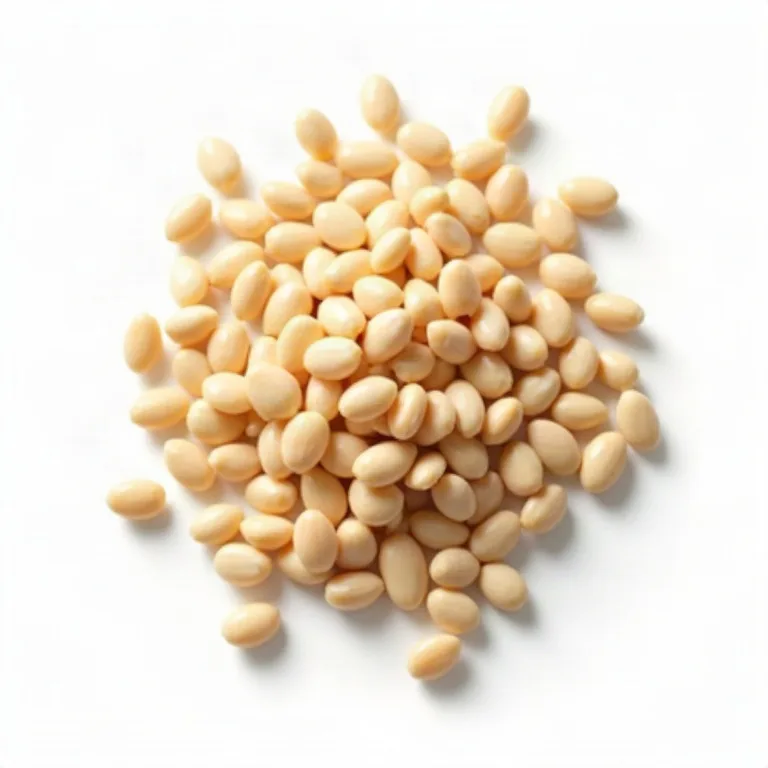
White beans (dry) 23.4% protein · 333 kcal
Bo
Black-eyed peas (dry) 23.5% protein · 336 kcal
Kt
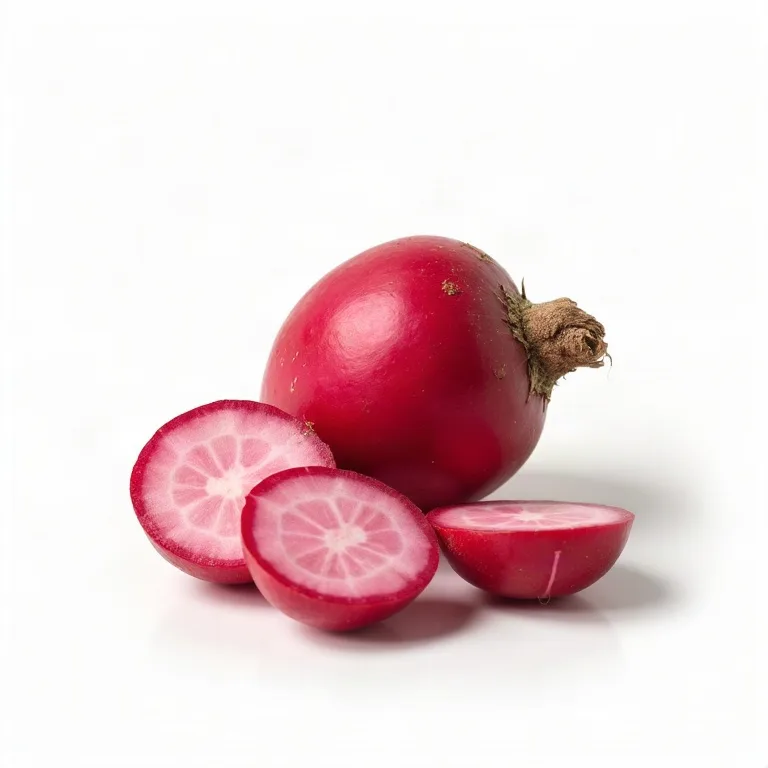
Red radish 95.3% water · 16 kcal
Sk
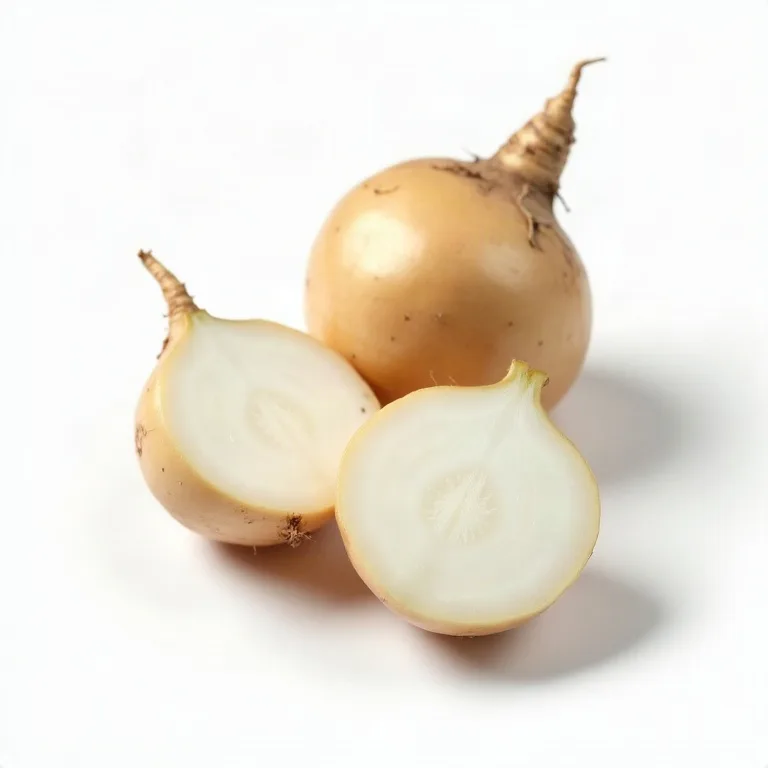
Turnip root 91.9% water · 28 kcal
Bal
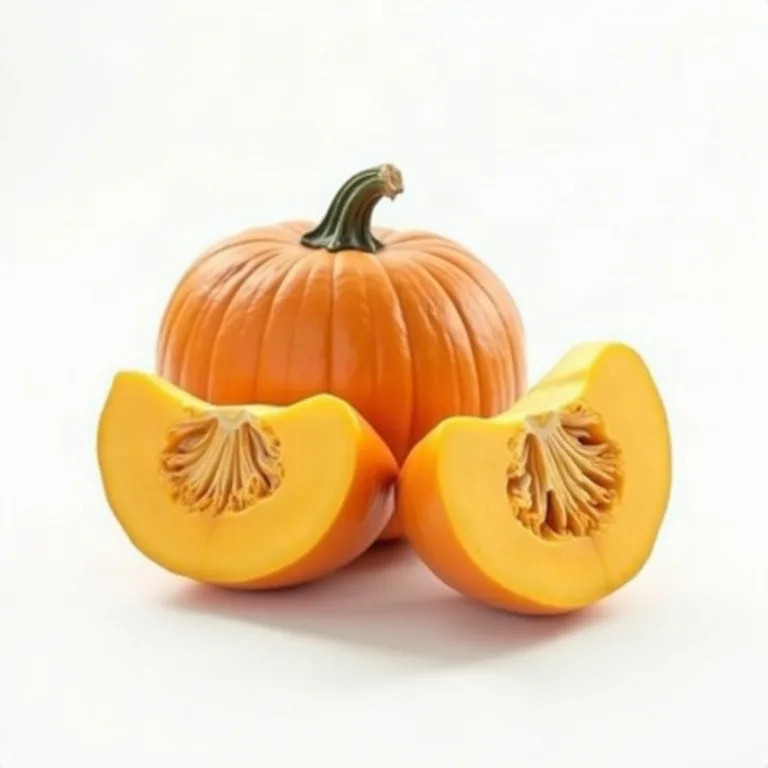
Pumpkin 91.6% water · 26 kcal
Km
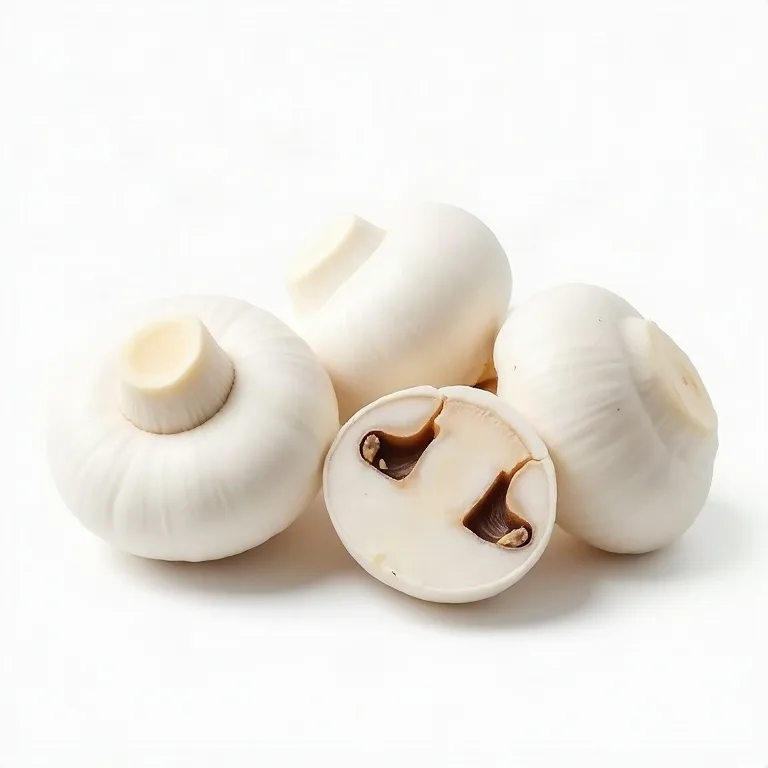
White button mushroom 92.5% water · 22 kcal
Ma
Romaine lettuce 94.6% water · 17 kcal
Ro
Rocket 91.7% water · 25 kcal
Te
Garden cress 89.4% water · 32 kcal
My
Parsley 87.7% water · 36 kcal
De
Dill 86% water · 43 kcal
Ay
Grape leaves (fresh) 73.3% water · 93 kcal
Sh
Black carrot ?
El
Apple (with skin) 85.6% water · 52 kcal
Ar
Pear 84% water · 57 kcal
Av
Quince 83.8% water · 57 kcal
Ky
Apricot 86.4% water · 48 kcal
Ki
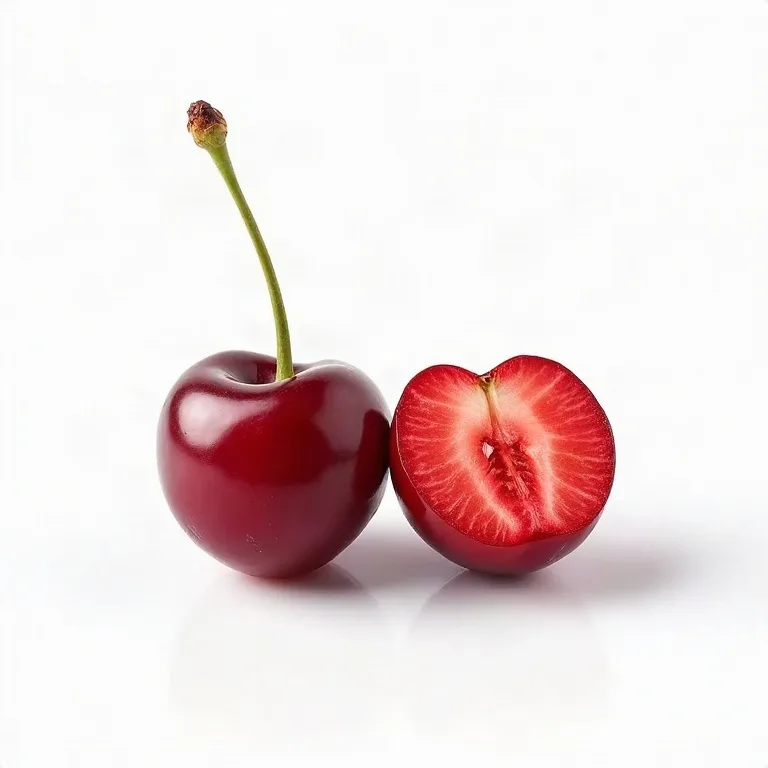
Sweet cherry 82.3% water · 63 kcal
Vs
Sour cherry 86.1% water · 50 kcal
In
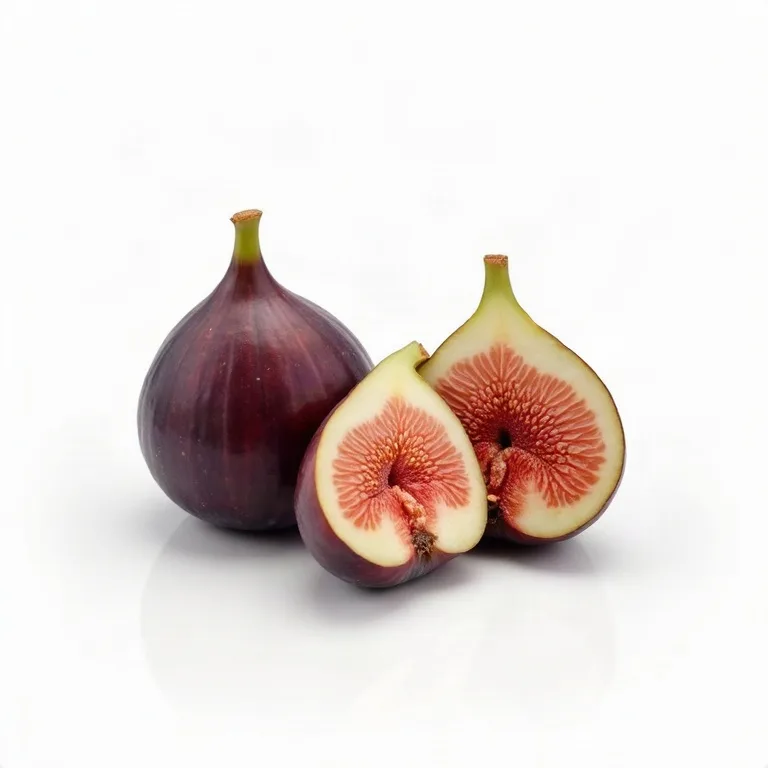
Fig (fresh) 79.1% water · 74 kcal
Uz
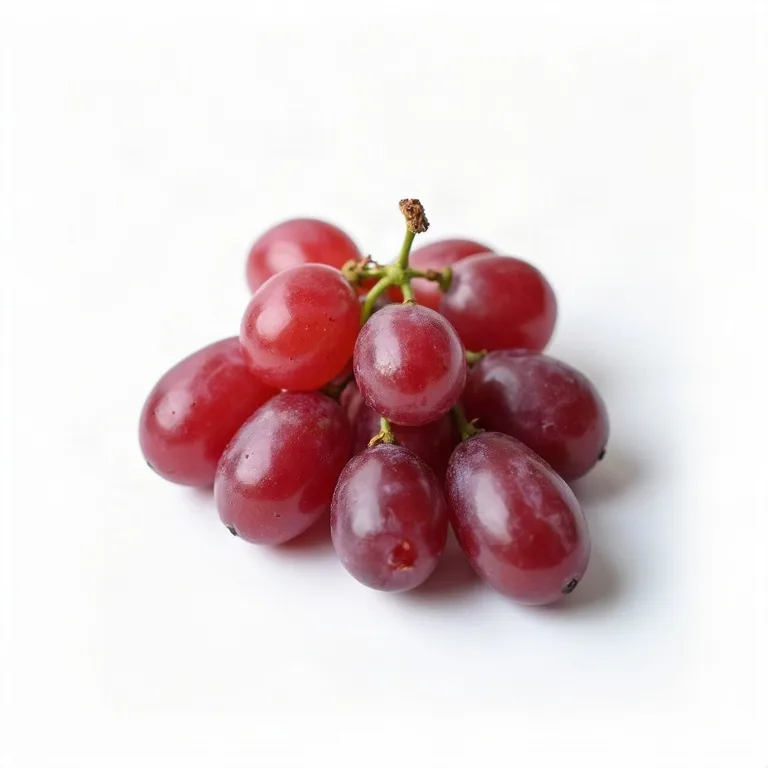
Grapes 80.5% water · 69 kcal
Kv
Cantaloupe melon 90.2% water · 34 kcal
Kar
Watermelon 91.5% water · 30 kcal
Pr
Orange 86.8% water · 47 kcal
Mn
Mandarin 85.2% water · 53 kcal
Lk
Lemon peel 81.6% water · 47 kcal
Er
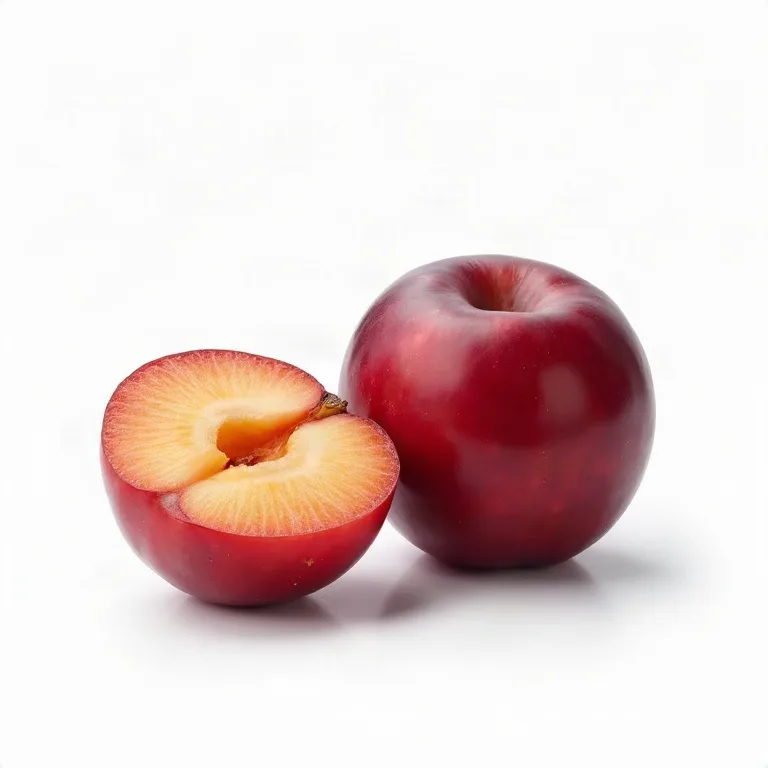
Plum (ripe) 87.2% water · 46 kcal
Sf
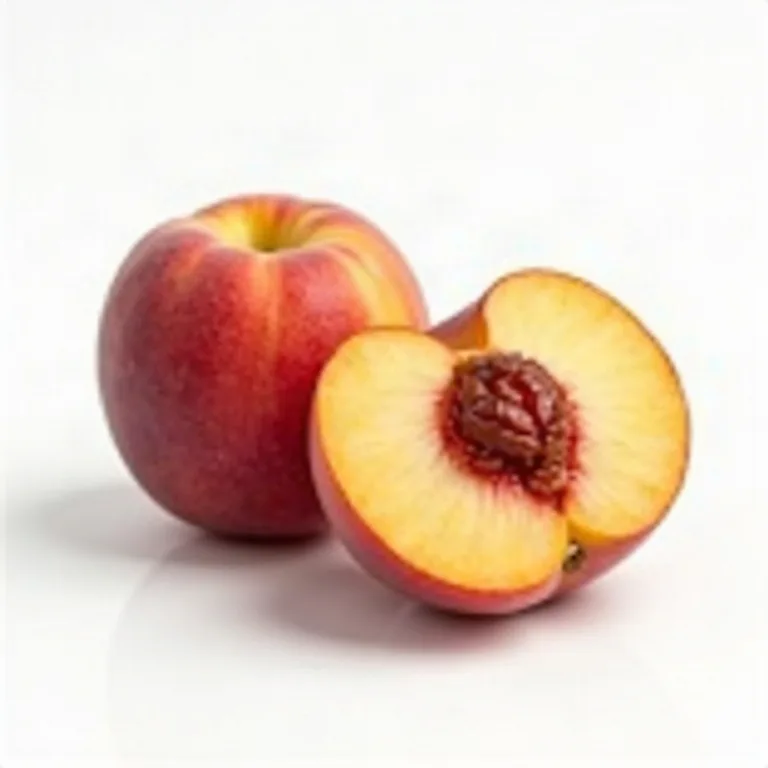
Peach 88.9% water · 39 kcal
Du
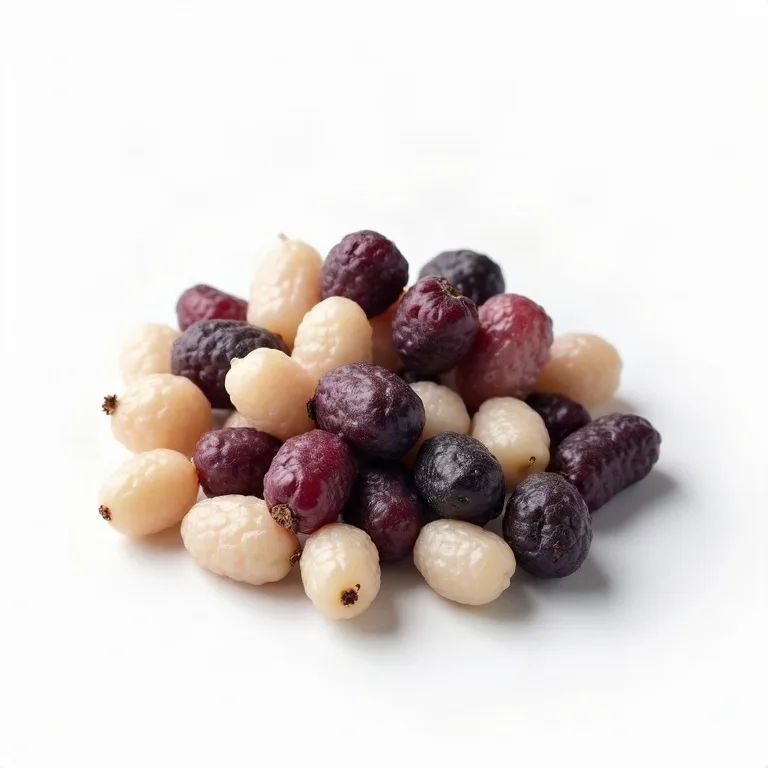
Mulberry (fresh) 87.7% water · 43 kcal
Mu
Banana 74.9% water · 89 kcal
Hu
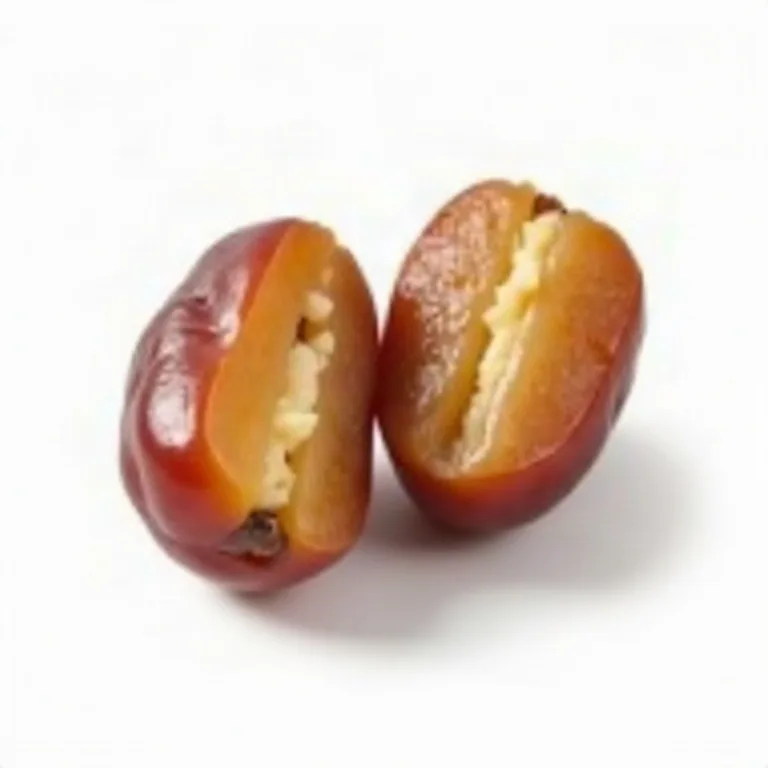
Date (Medjool) 21.3% water · 277 kcal
Ku
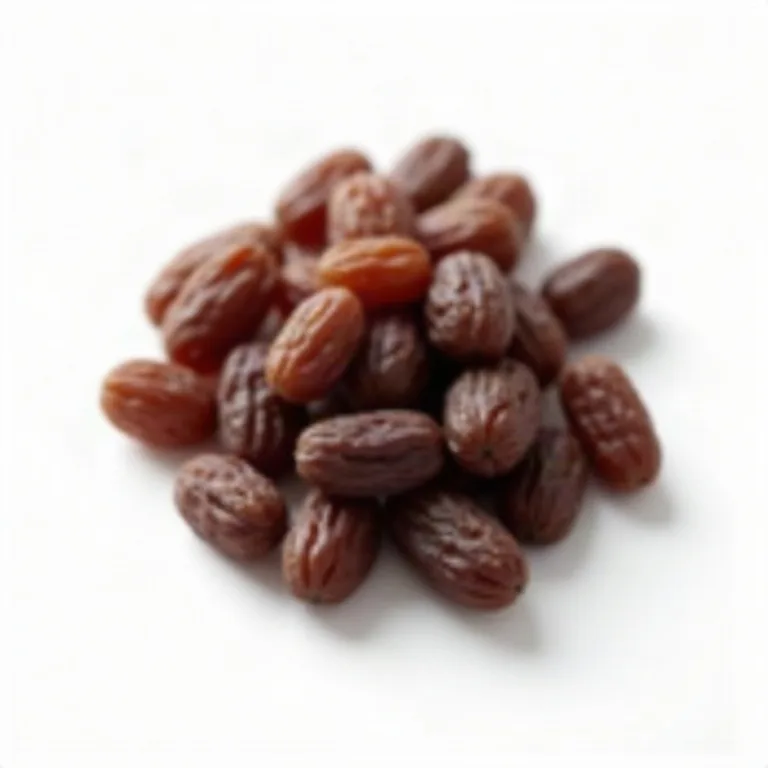
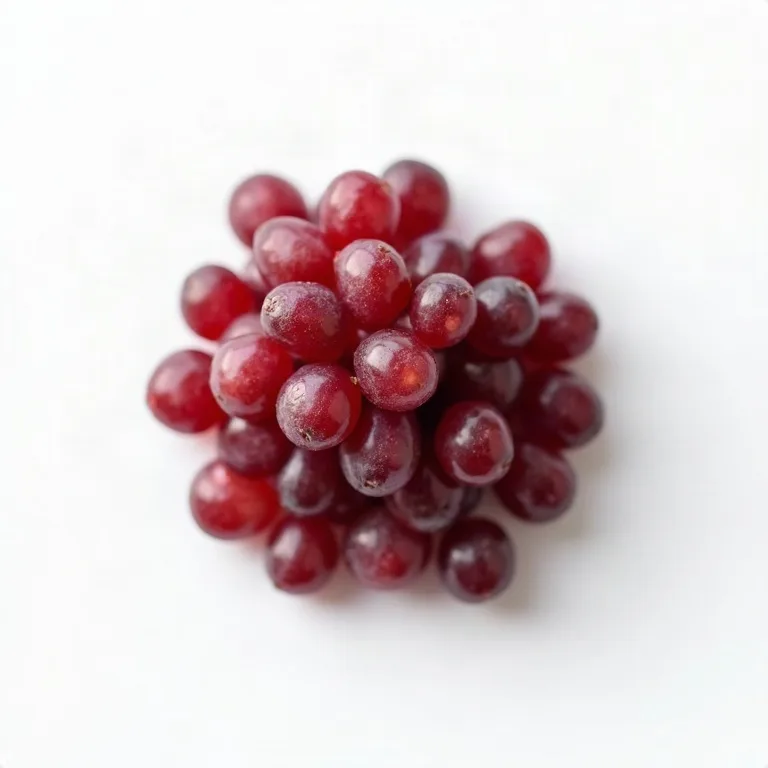
Raisins (seedless) 79.3% carbohydrate · 299 kcal
Kur
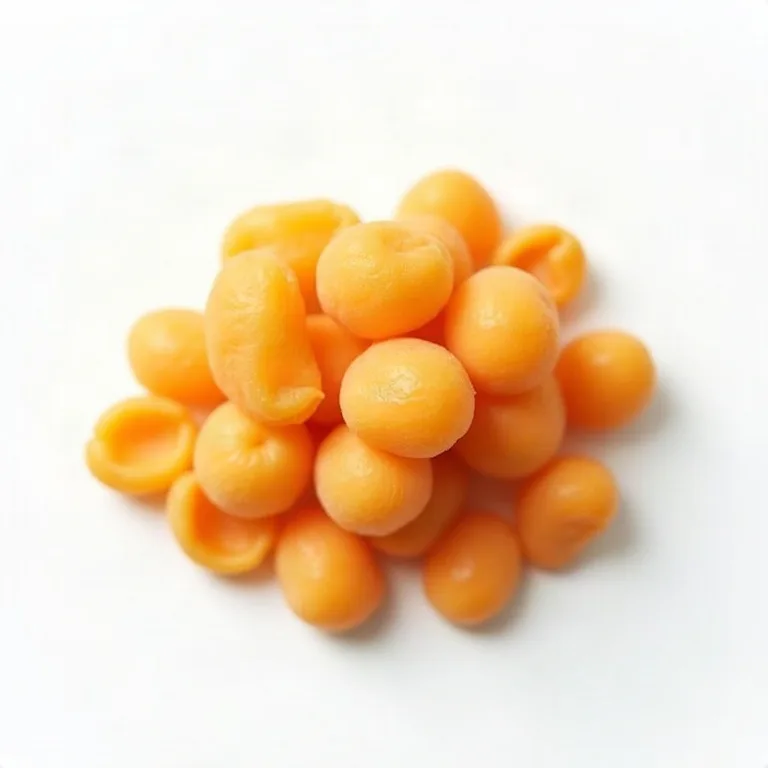
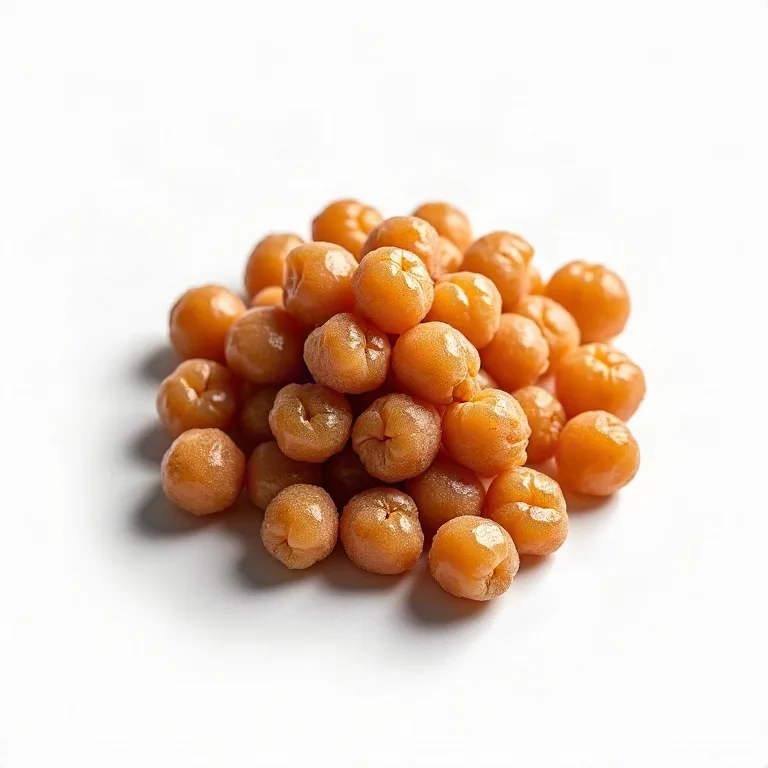
Dried apricots (sulphured) 62.6% carbohydrate · 241 kcal
K2
Dried figs 63.9% carbohydrate · 249 kcal
Ym
Green lentils (dry) 24.6% protein · 352 kcal
Tm
Sweet corn 18.7% carbohydrate · 2% fibre
Ms
Wholegrain cornmeal 76.9% carbohydrate · 7.3% fibre
Ir
Semolina 72.8% carbohydrate · 3.9% fibre
Yu
Oats 66.3% carbohydrate · 10.6% fibre
As
Orzo pasta 74.7% carbohydrate · 3.2% fibre
Tl
Vermicelli 74.7% carbohydrate · 3.2% fibre
Ei
Egg noodles (dry) 71.3% carbohydrate · 3.3% fibre
Yf
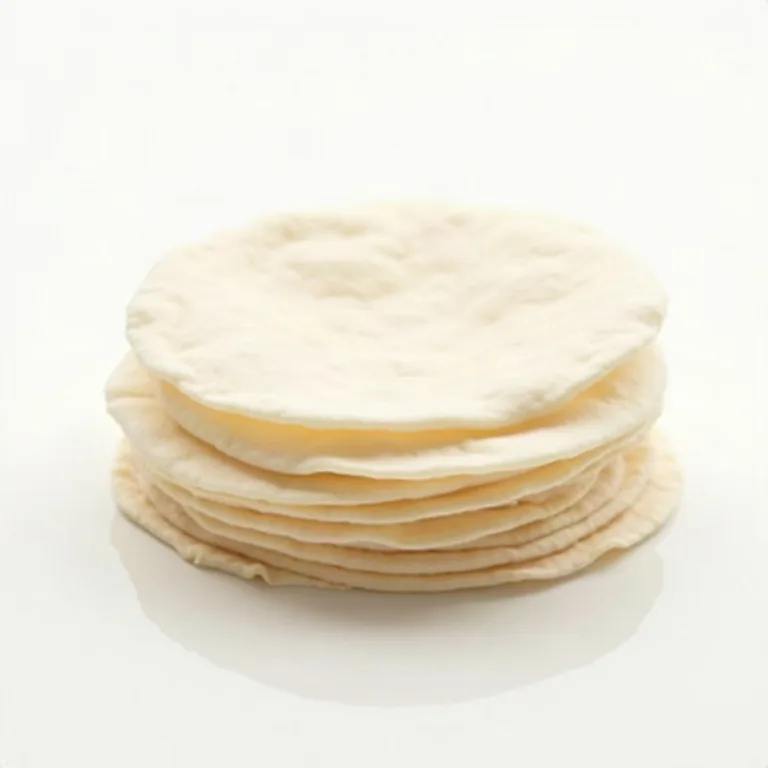
Yufka (uncooked börek sheets) 50.1% carbohydrate · 3.1% fibre
Gy
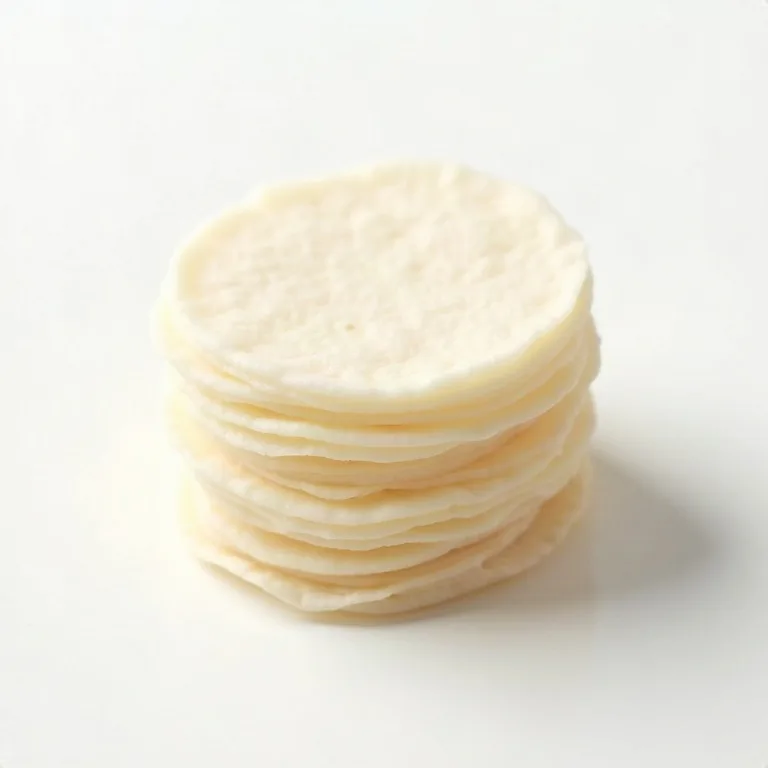
Güllaç sheets 82.7% carbohydrate · 2.5% fibre
Tk
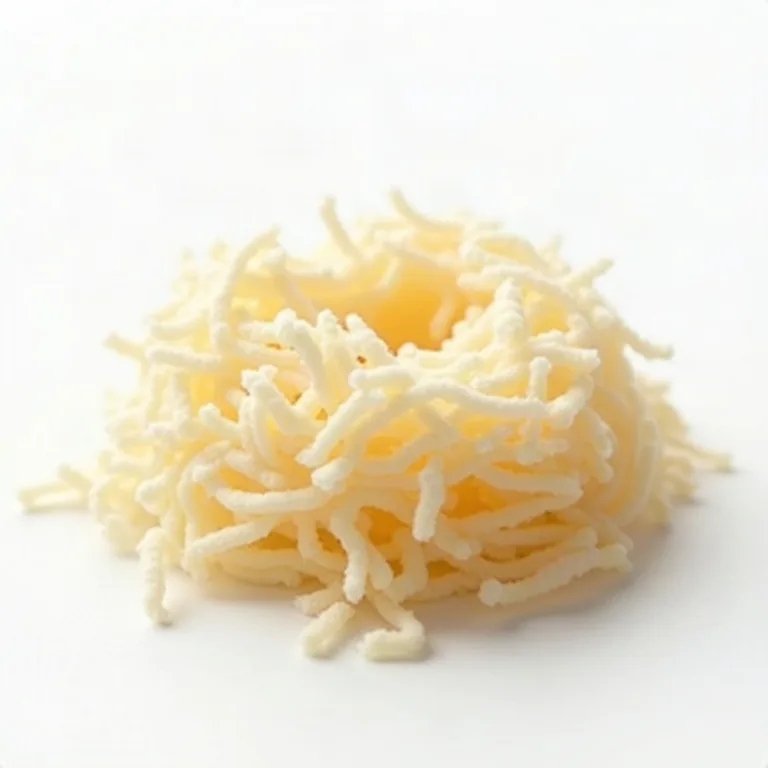
Shredded kadayıf pastry (uncooked) 61.7% carbohydrate · 3.5% fibre
Tr
Tarhana (dry) 65.3% carbohydrate · 3.8% fibre
Kb
Fine bulgur 75.9% carbohydrate · 12.5% fibre
Pb
Coarse bulgur 70.4% carbohydrate · 6.8% fibre
Kay
Kaymak (pasteurised) 1% protein · 585 kcal
Lp
Lor whey cheese ?
Co
Çökelek curd cheese 26.9% protein · 177 kcal
Ke
Keş dried yoghurt curd ?
Tu
İzmir tulum cheese 19.1% protein · 329 kcal
Tz
Fresh kaşar cheese 27% protein · 353 kcal
Vo
Van herbed cheese ?
Sy
Strained yoghurt 9.4% protein · 120 kcal
La
Labneh ?
Kef
Kefir (plain) ?
Kre
Heavy cream (unsweetened) 2.8% protein · 340 kcal
Man
Buffalo milk 3.8% protein · 97 kcal
Kz
Lamb 16.9% protein · 267 kcal
Kuz
Lamb foreshank 18.9% protein · 201 kcal
Dk
Beef mince (15% fat) 18.6% protein · 215 kcal
Tb
Chicken thigh (skin on) 16.5% protein · 221 kcal
He
Turkey meat (skinless) 22.6% protein · 115 kcal
Ds
Beef sucuk 23.8% protein · 454 kcal
Ps
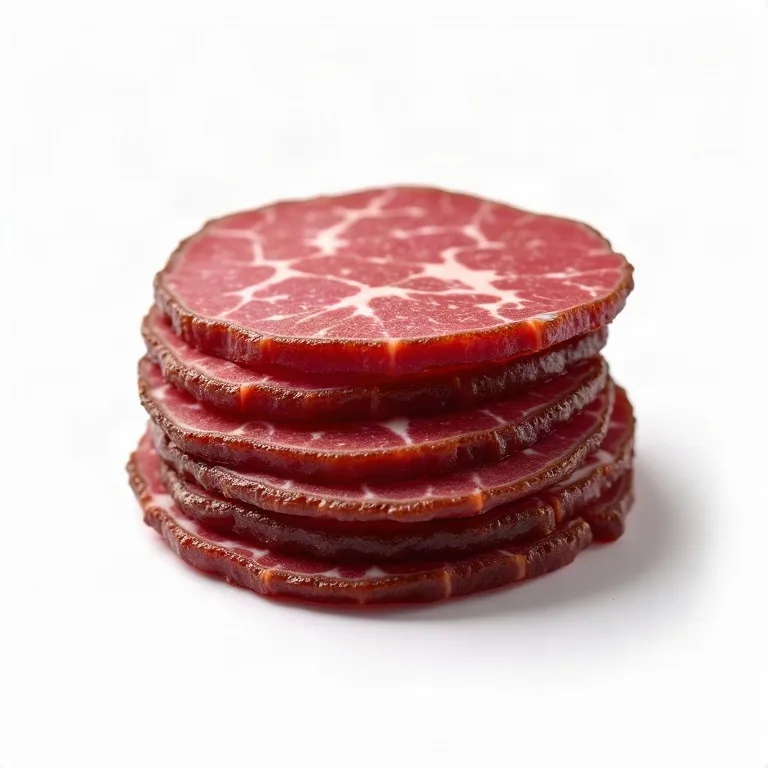
Pastırma cured beef 28.6% protein · 252 kcal
Di
Beef tripe 12.1% protein · 85 kcal
Kp
Lamb trotters ?
Mm
Sheep intestine ?
Ha
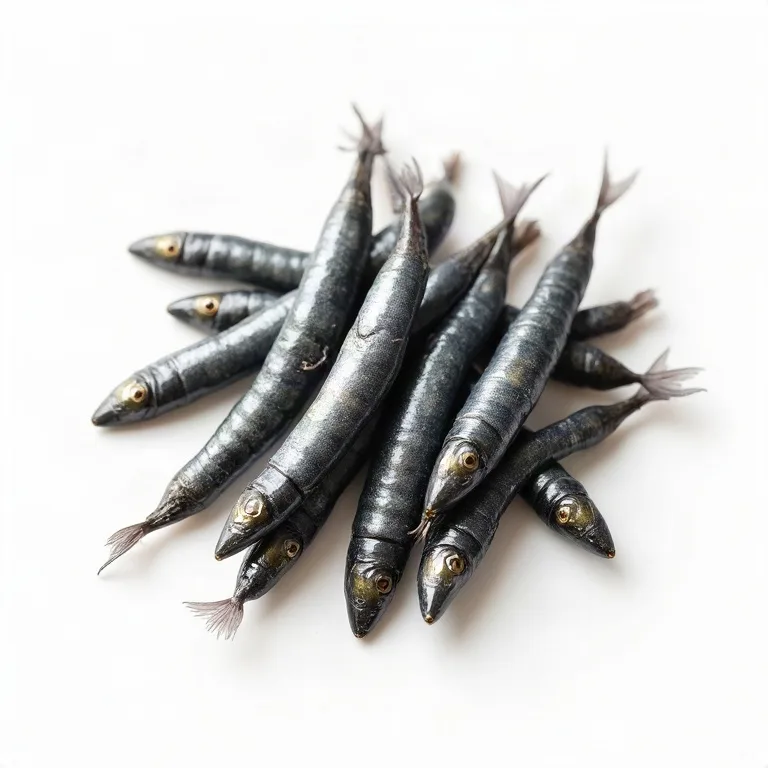
European anchovy 20.4% protein · 131 kcal
Lv
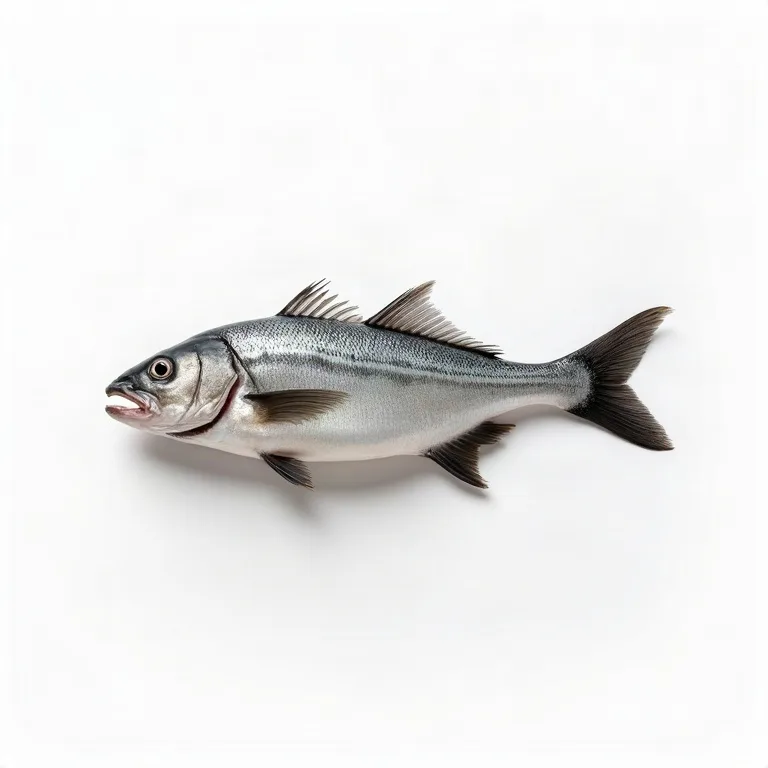
European sea bass 19.5% protein · 128 kcal
Cp
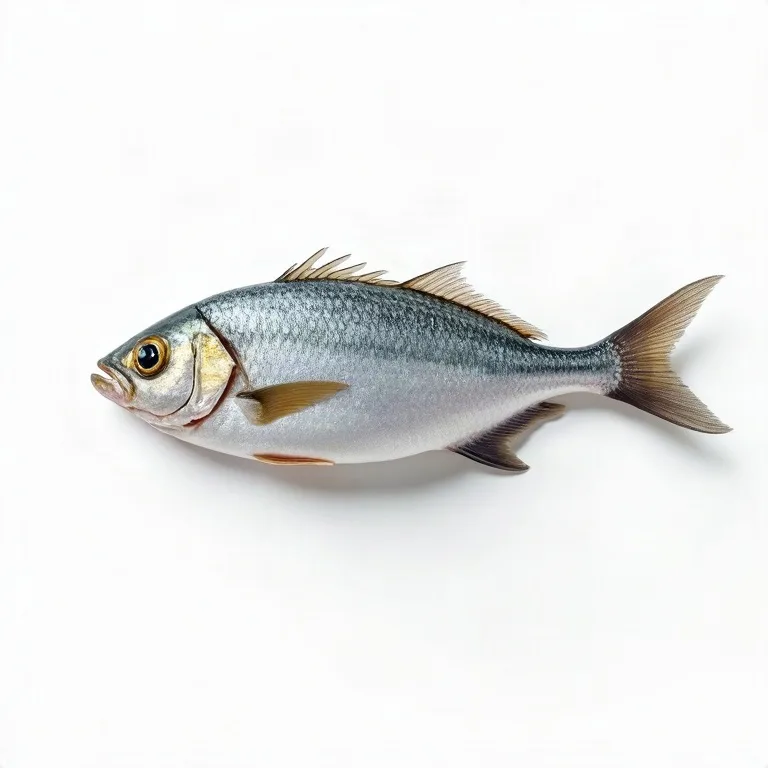
Gilthead sea bream 19.1% protein · 130 kcal
Pl
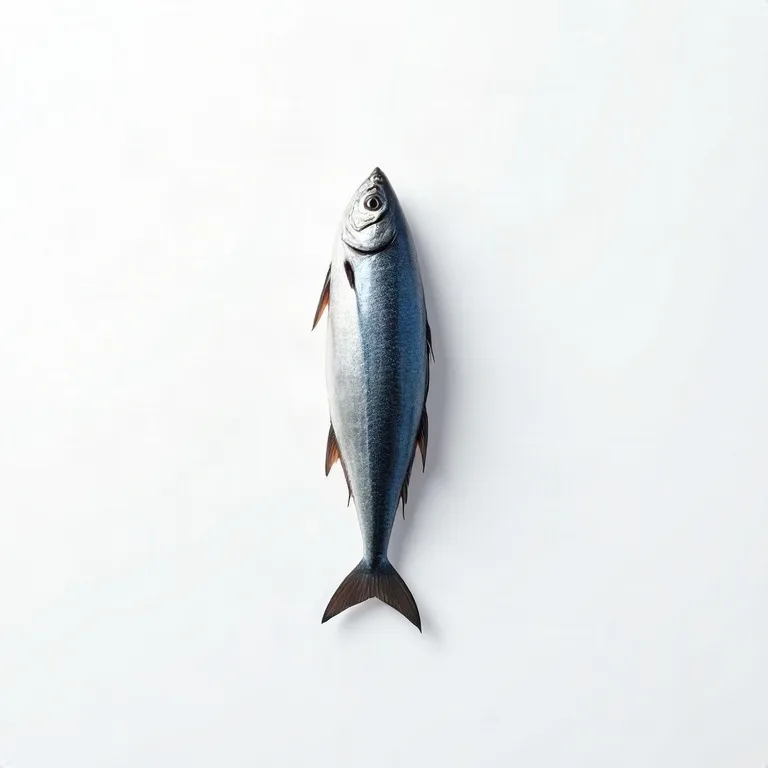
Atlantic bonito 20.2% protein · 216 kcal
Md
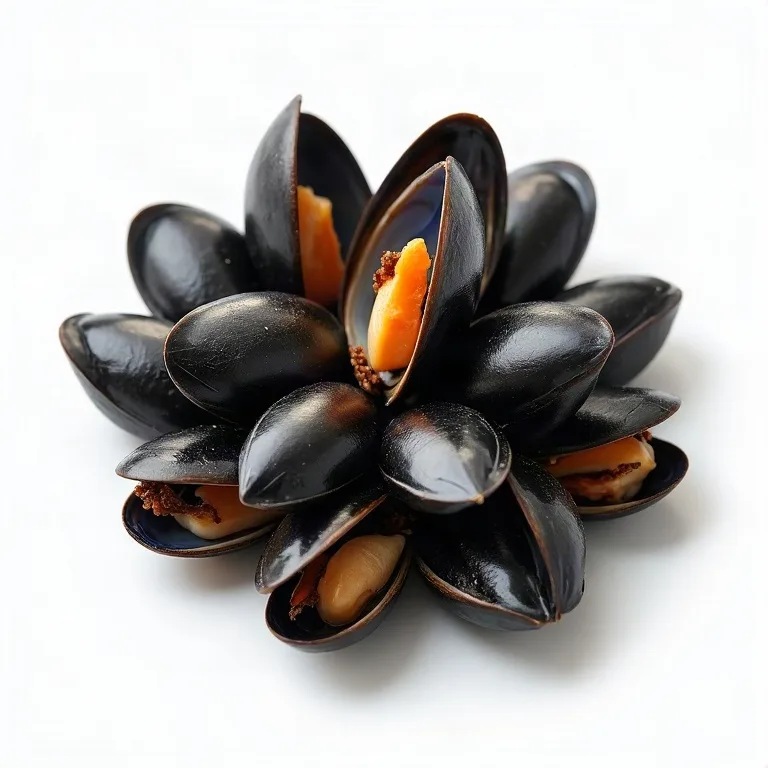
Mussels (raw meat) 11.9% protein · 86 kcal
Fn
Hazelnut kernels (raw) 60.8% fat · 628 kcal
Af
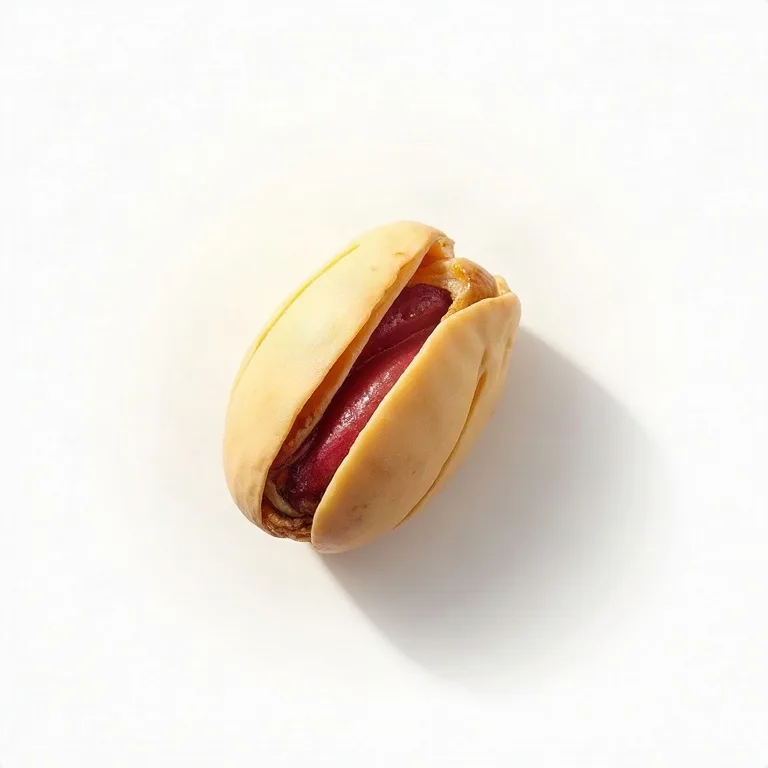
Pistachio kernels (raw) 45.3% fat · 560 kcal
Cm
Pine nuts 68.4% fat · 673 kcal
Ss
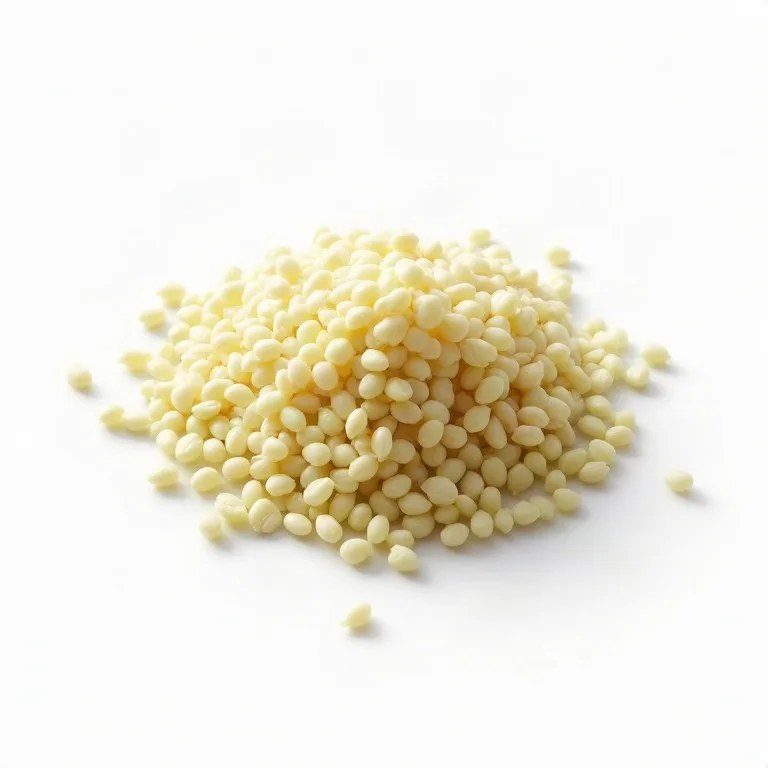
Sesame seeds (unhulled) 49.7% fat · 573 kcal
Cr
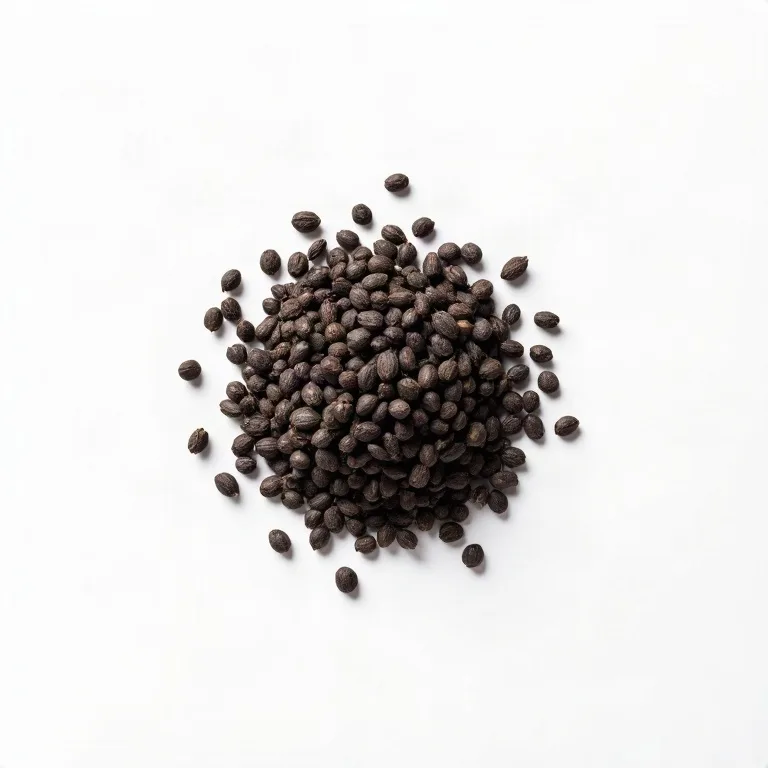
Nigella seeds 6% water · 387 kcal
Ac
Sunflower kernels (raw) 51.5% fat · 584 kcal
Kc
Pumpkin seed kernels 49.1% fat · 559 kcal
Kus
Zante currants (dried) 77% carbohydrate · 290 kcal
Is
Urfa pepper ?
Kek
Dried oregano 9.9% water · 265 kcal
Me
Dried marjoram 7.6% water · 271 kcal
Rt
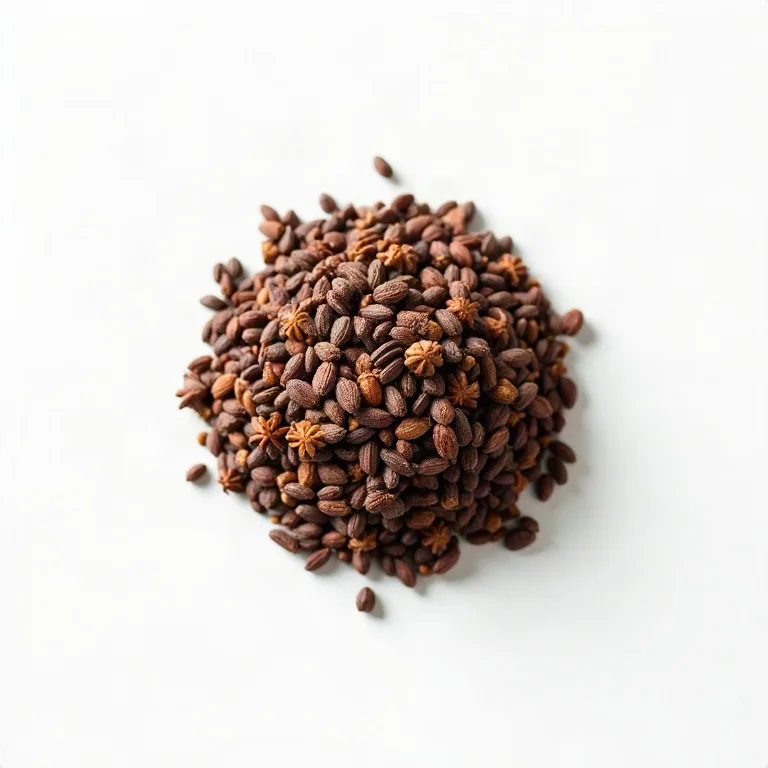
Fennel seeds 8.8% water · 345 kcal
At
Anise seeds 9.5% water · 337 kcal
Yn
Allspice 8.5% water · 263 kcal
K3
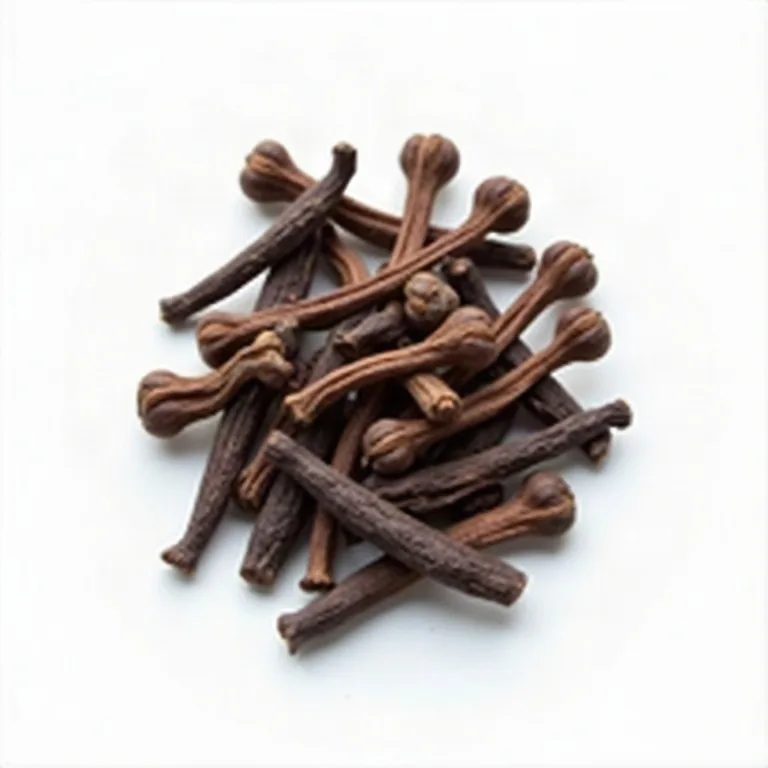
Cloves 9.9% water · 274 kcal
Hc
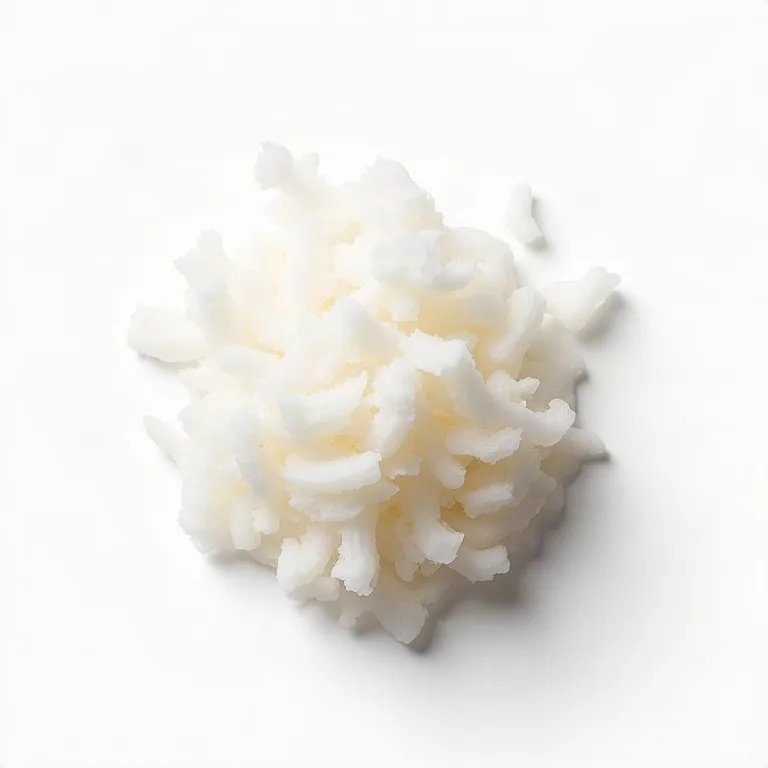
Desiccated coconut (unsweetened) 64.5% fat · 660 kcal
Ze
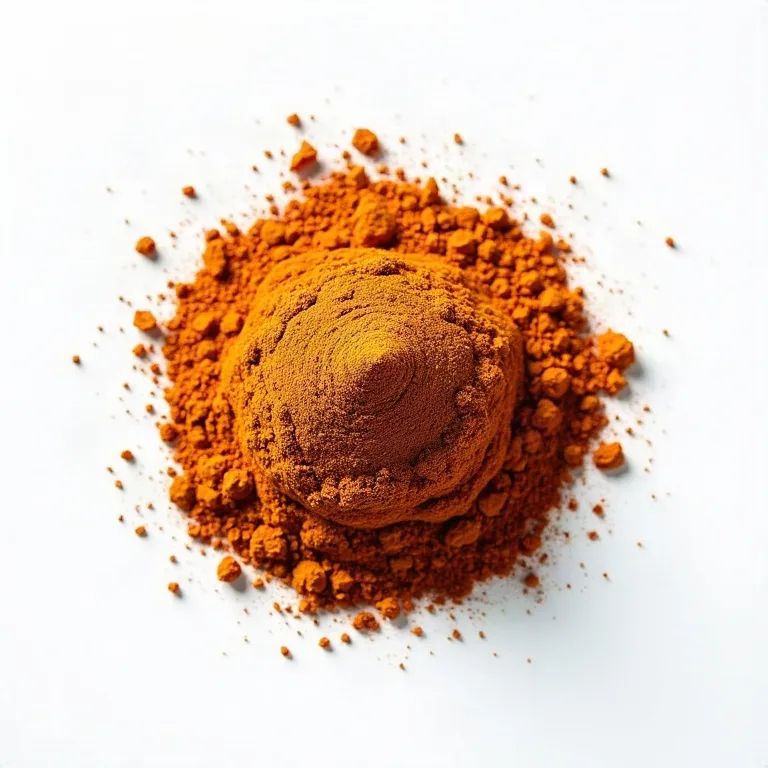
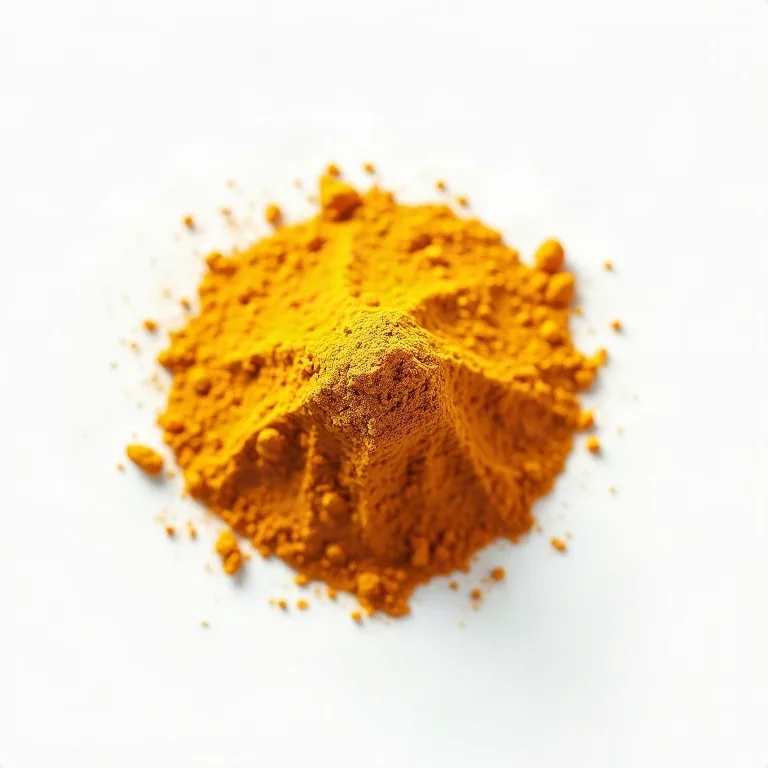
Ground turmeric 12.9% water · 312 kcal
Zn
Fresh ginger 78.9% water · 80 kcal
Mh
Mahleb ?
Sal
Salep powder (pure) 23.7% carbohydrate · 58.8% fibre
Da
Mastic resin ?
Za
Za’atar (sesame blend) ?
Ne
Pomegranate molasses 21.6% water · 308 kcal
Lt
Citric acid (food grade) ?
Bi
Red pepper paste ?
Kir
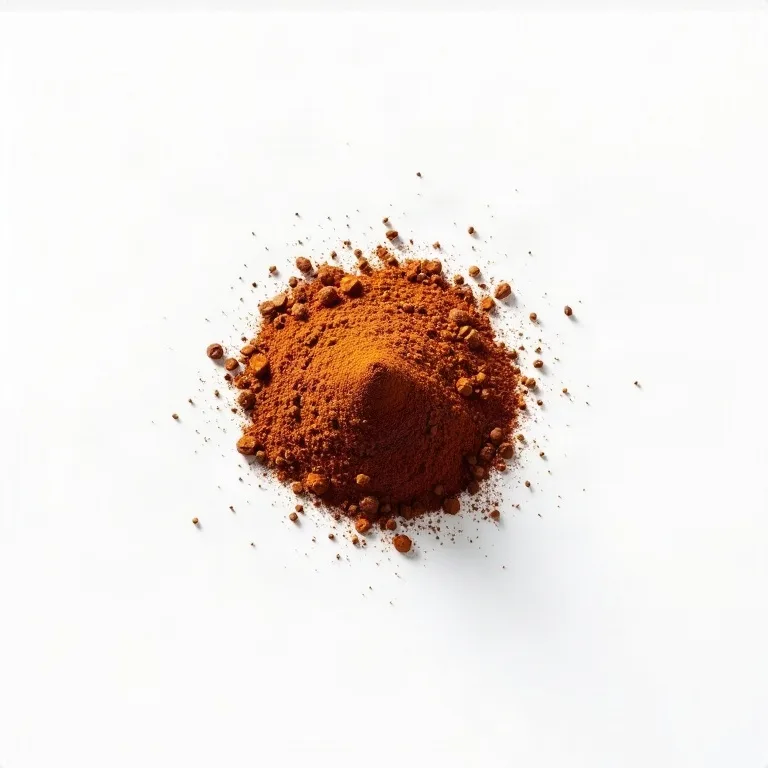
Sweet paprika 11.2% water · 282 kcal
Ht
Ground mustard seed 5.3% water · 508 kcal
Kis
Coriander seeds 8.9% water · 298 kcal
Yz
Green olives (brined) 15.3% fat · 145 kcal
Sz
Black olives ?
S2
Pickled cucumber 94.3% water · 12 kcal
Up
Grape pekmez 58.7% carbohydrate · 240 kcal
Dp
Mulberry pekmez ?
Kec
Carob pekmez ?
Cv
Soapwort root ?
Kab
Baking powder 4% water · 51 kcal
Vc
Vanilla pod ?
Gl
Glucose (anhydrous powder) ?
Si
Extra virgin olive oil ?
Rz
Refined and virgin olive oil blend ?
Ayc
Sunflower oil (linoleic) 100% fat · 884 kcal
Iy
Raw beef suet 94% fat · 854 kcal
Kuy
Raw lamb tail fat 86.1% fat · 787 kcal
Yr
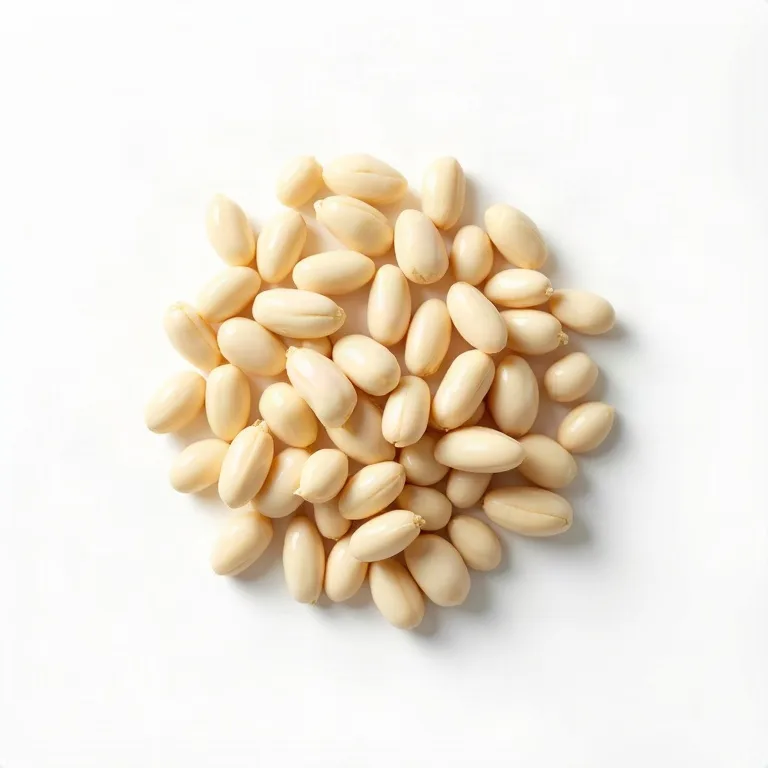
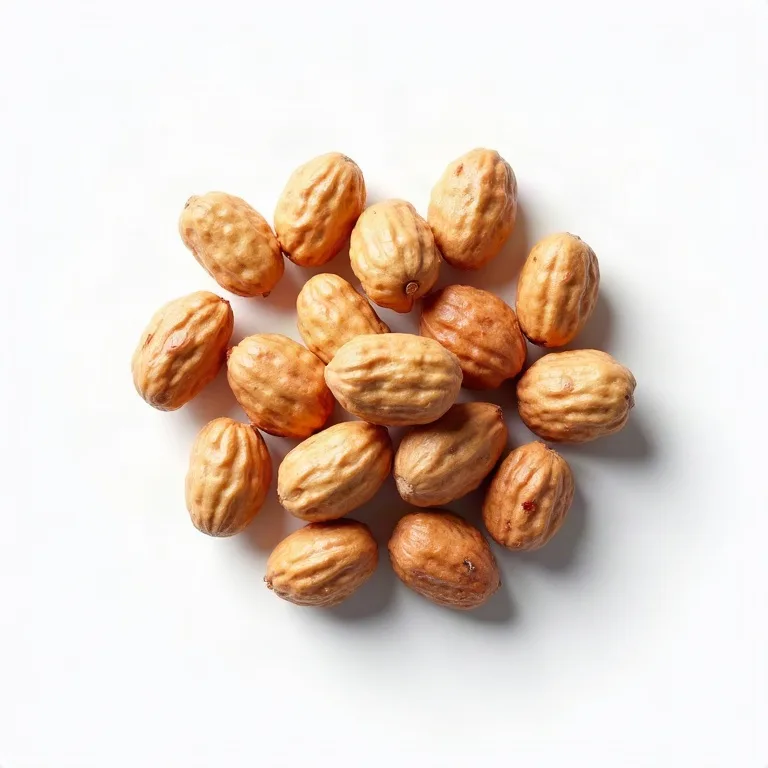
Peanuts (raw kernels) 49.2% fat · 567 kcal
K4
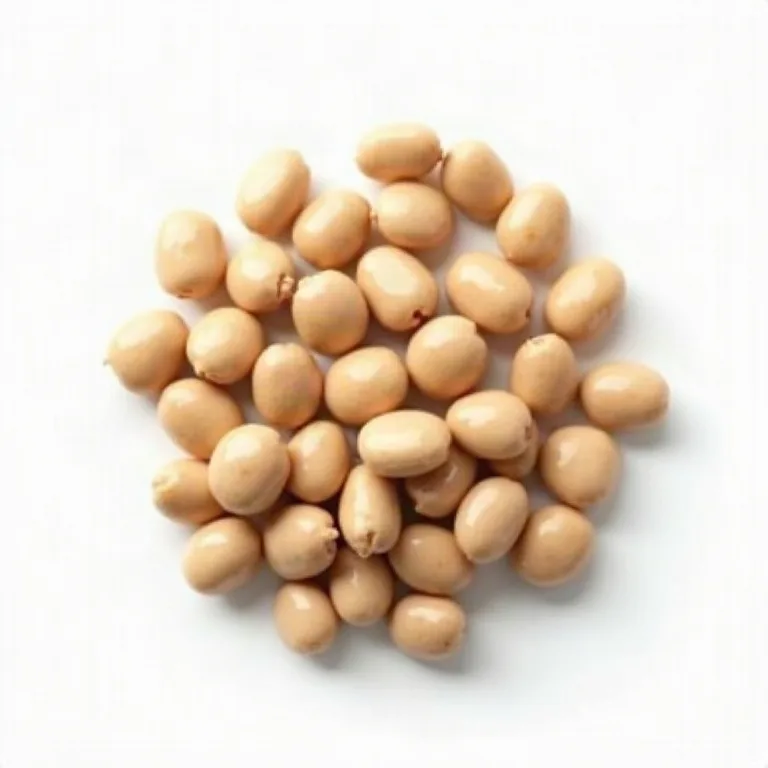
Fava beans (dry) ?
Pu
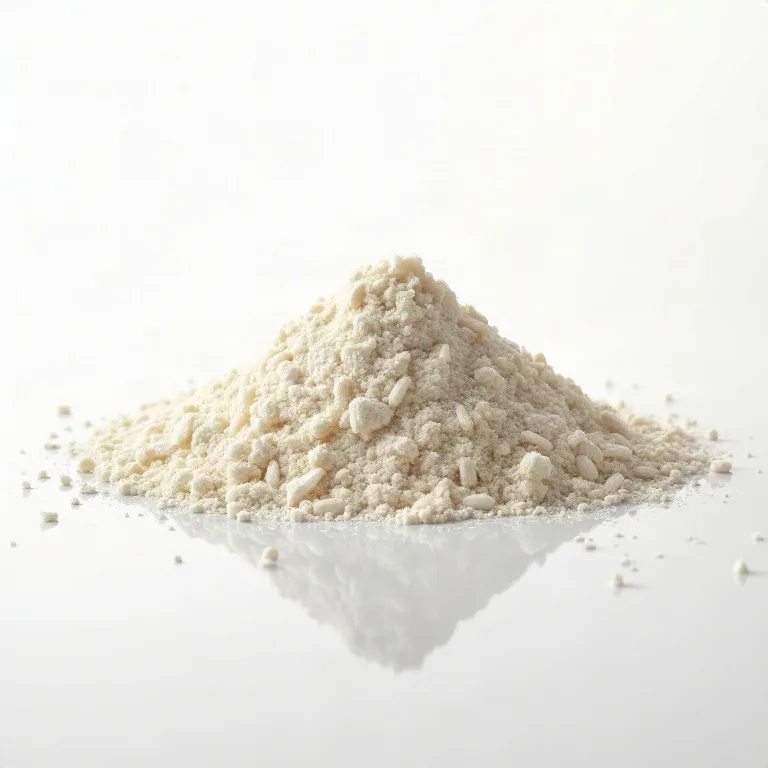
Rice flour 80.1% carbohydrate · 2.4% fibre
Kak
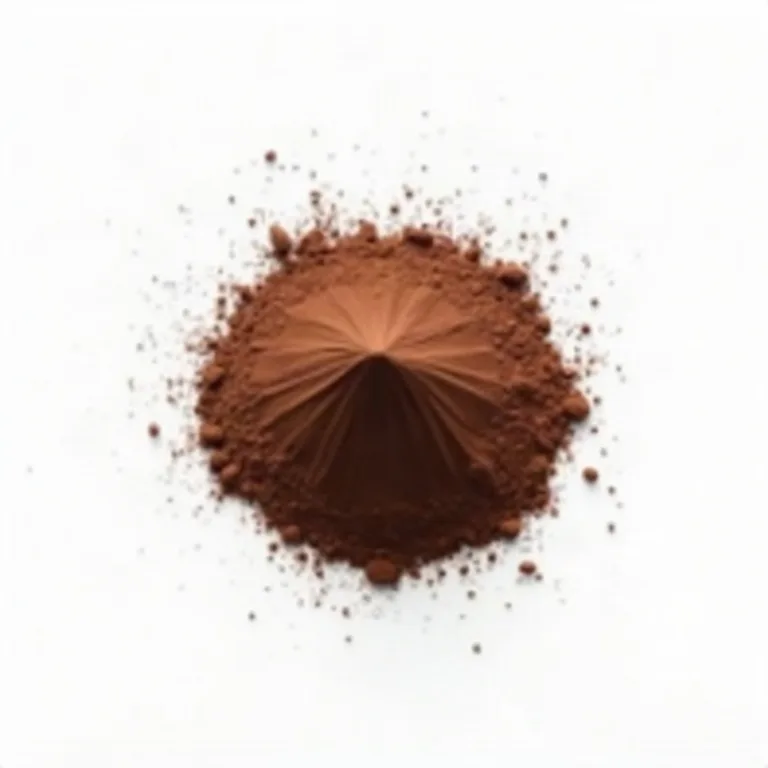
Cocoa powder (unsweetened) 3% water · 228 kcal
Dv
Change the headcount and the amounts follow — salt and spice do not scale in a straight line, and we account for that. The shopping list is one tap away.
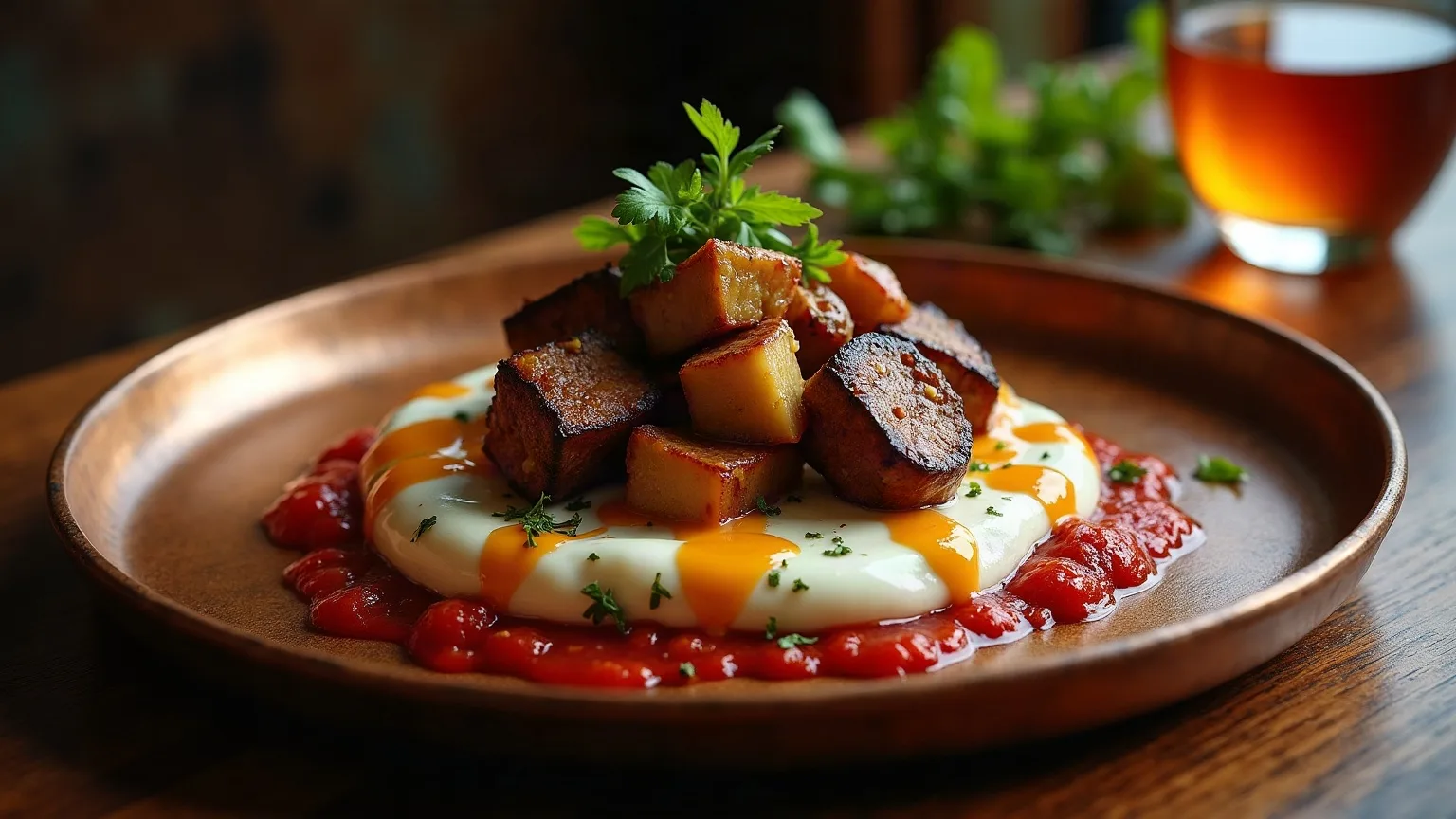
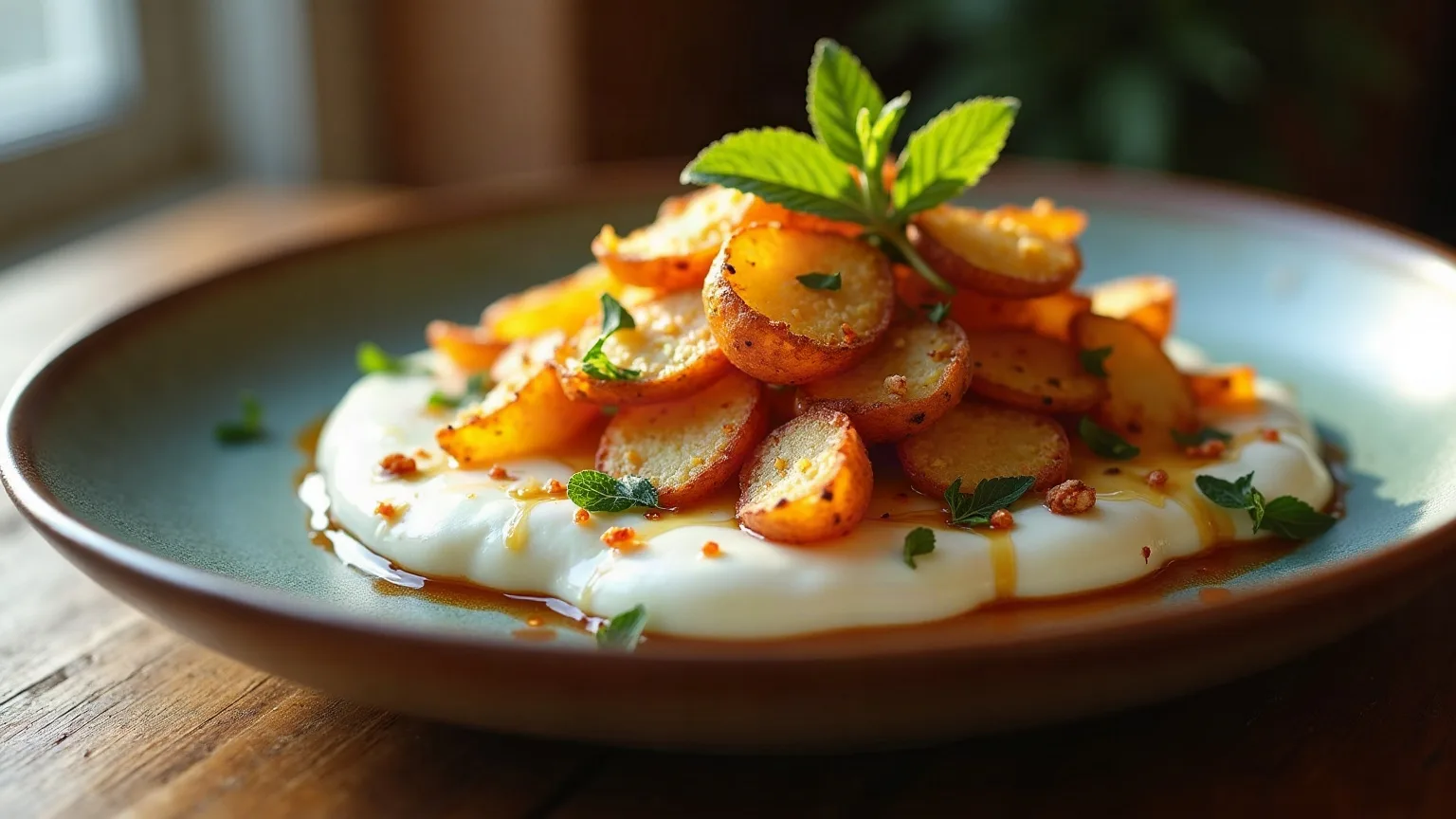
The Gaziantep classic: charred aubergine crushed with garlicky yoghurt under sautéed lamb. Everything rests on properly charring the aubergine — made with oven-roasted aubergine, this is simply not the dish.
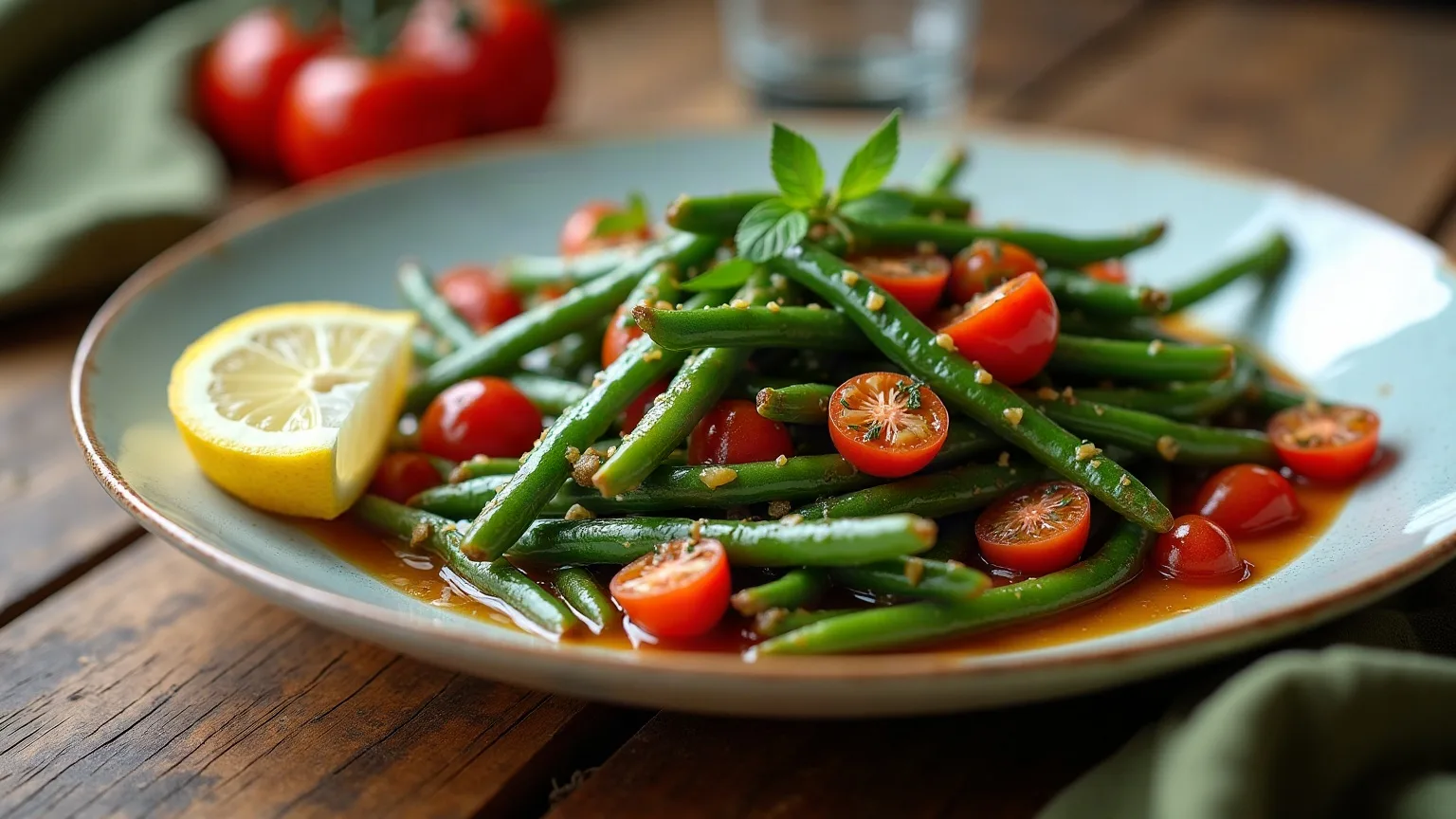
A classic that cooks in the vegetable’s own water, with none added. The secret is patience and a low flame: the beans sweat, they never boil.
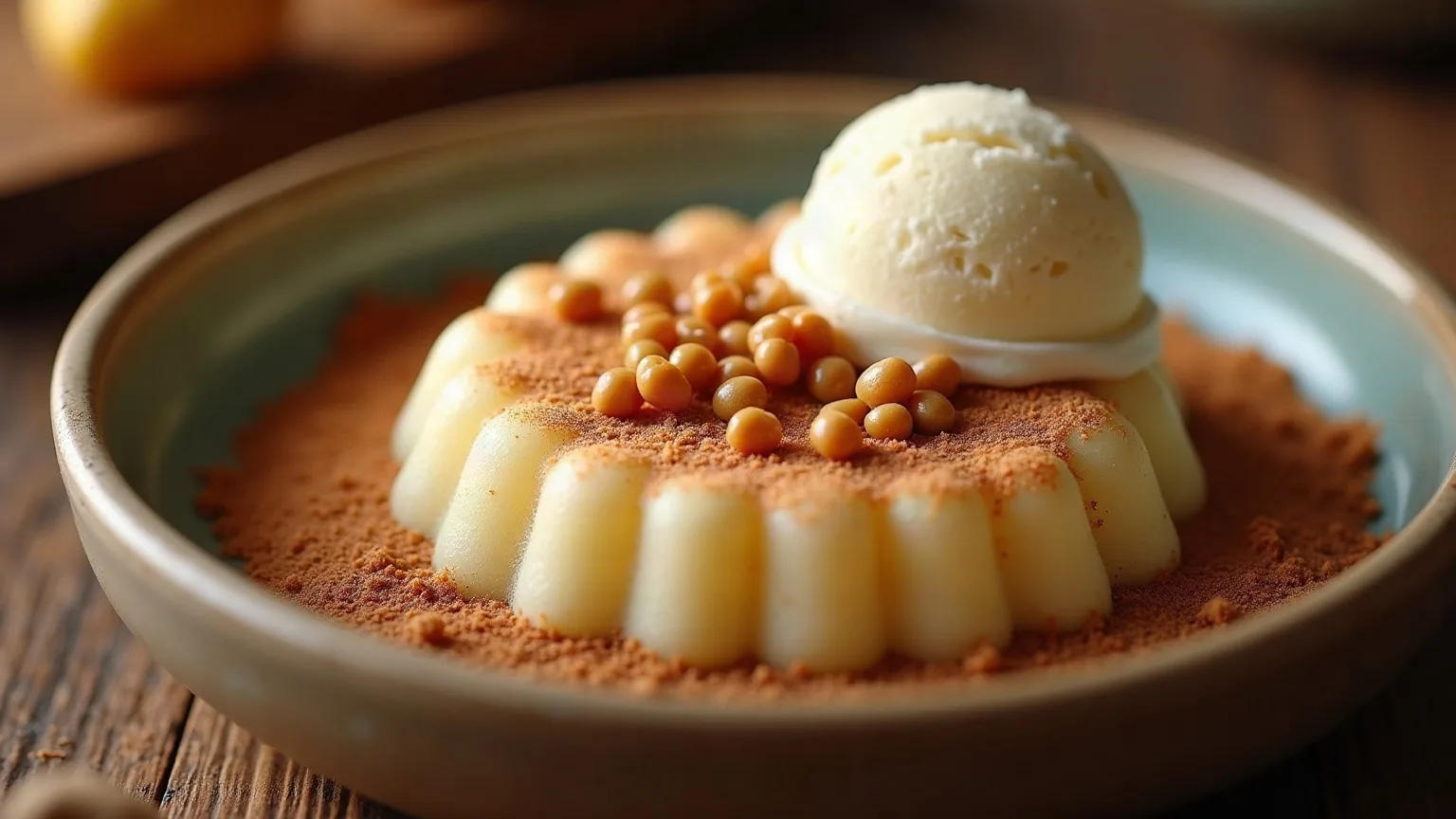
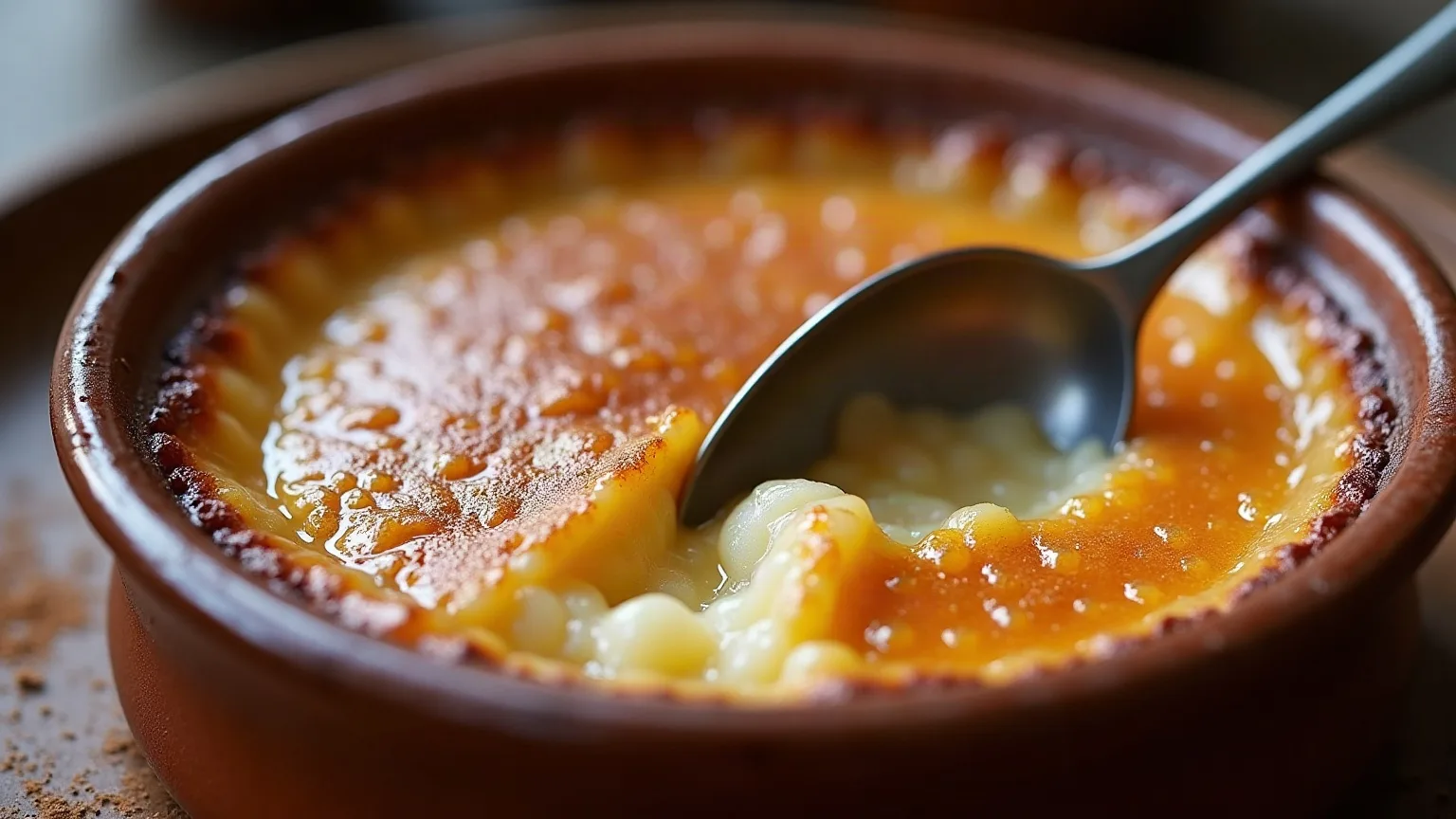
A three-ingredient dessert on the table in twenty-five minutes. Its entire aroma comes from one step: toasting the semolina.
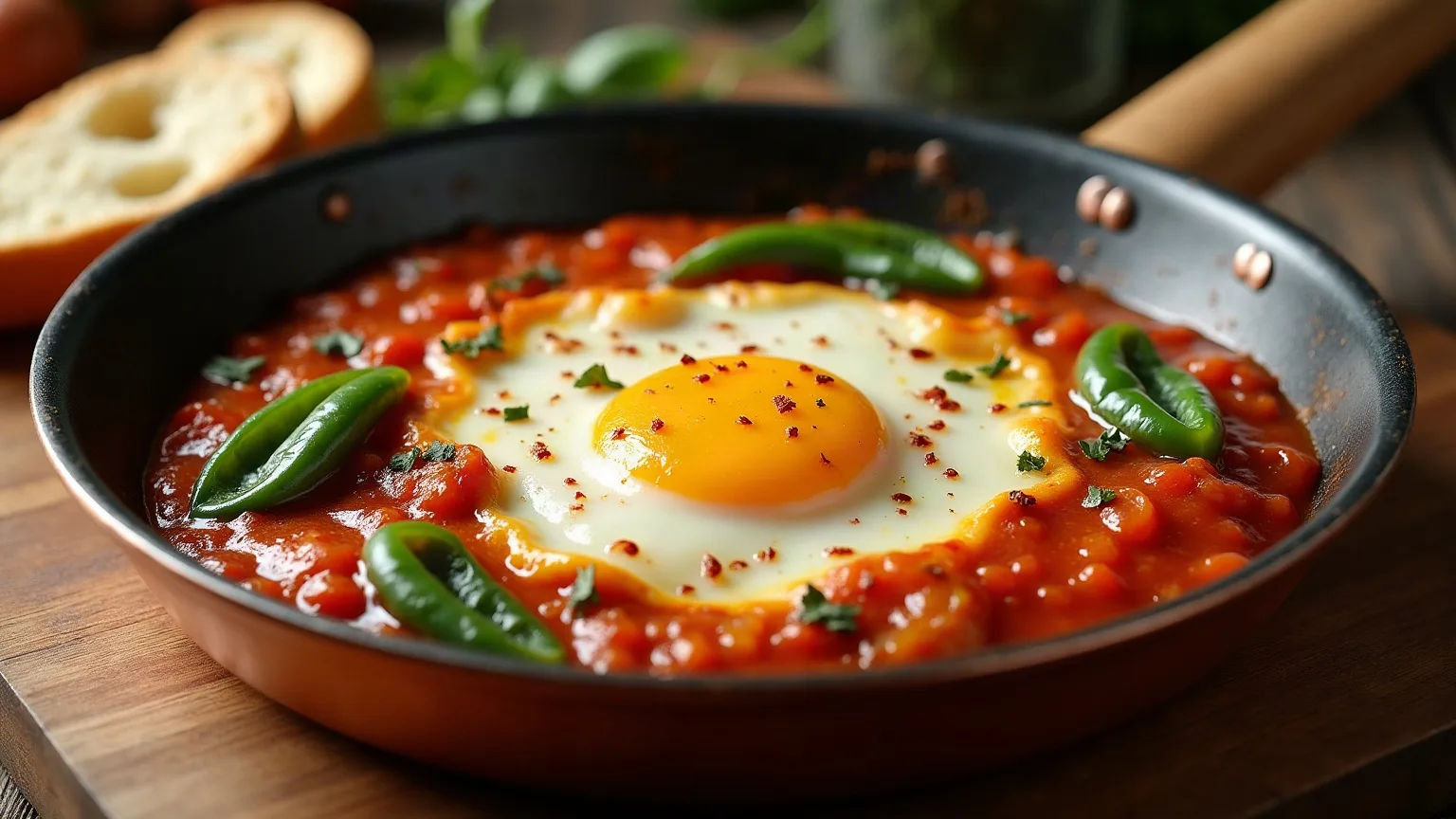
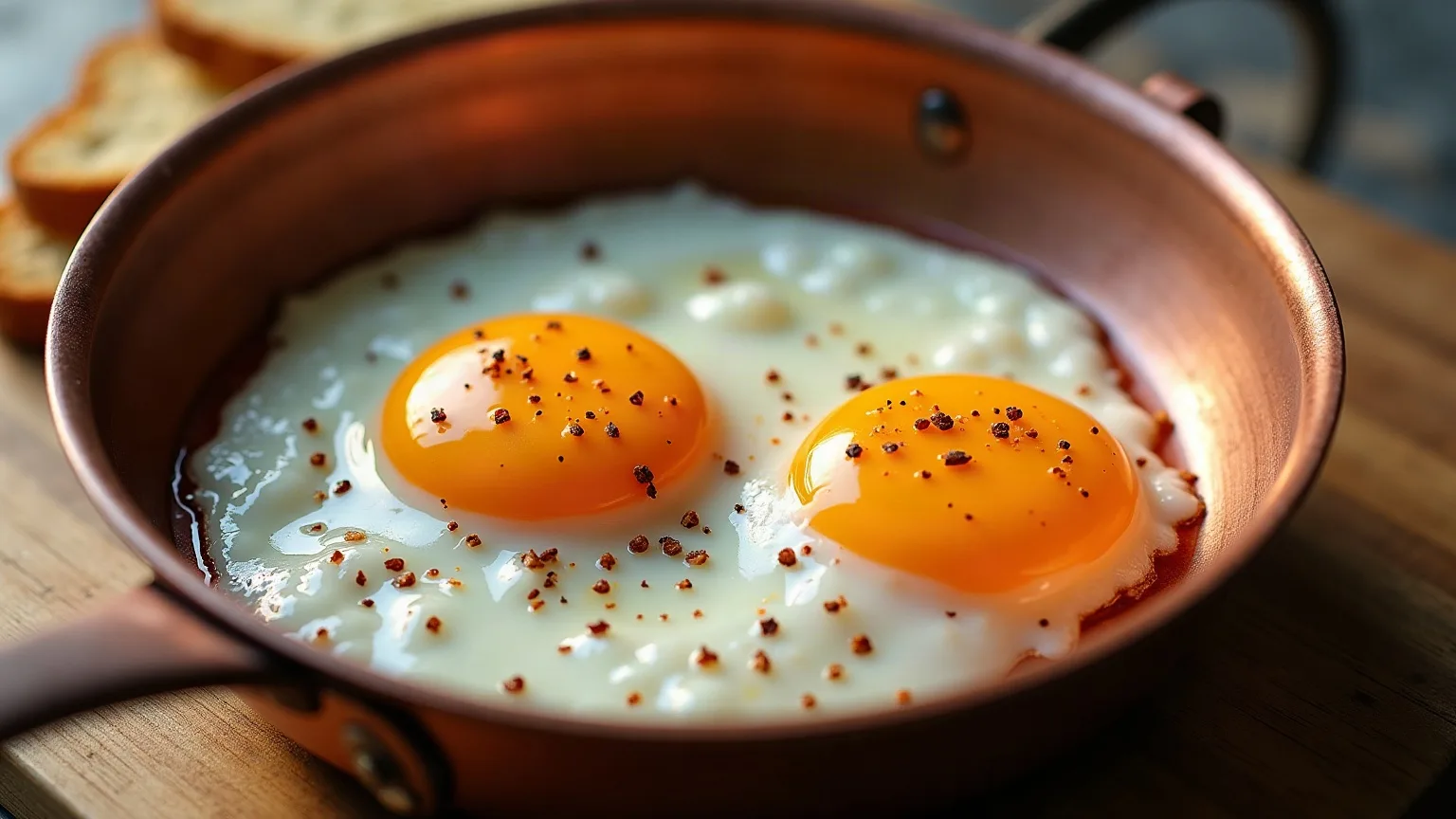
Pepper, tomato and egg. Know the order and the heat and it takes fifteen minutes; miss them and you get a watery omelette.
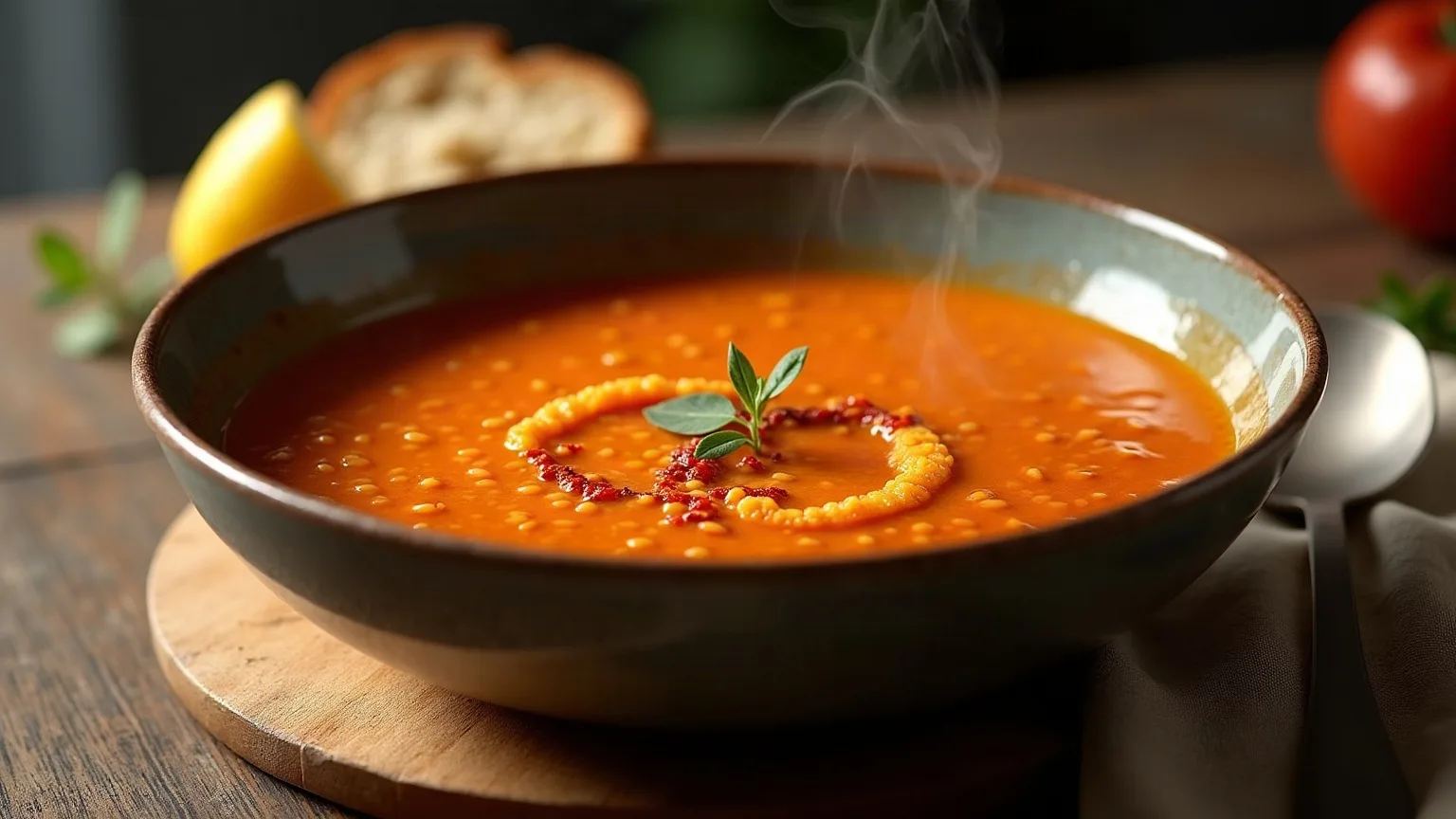
Turkey’s default soup. Four ingredients, thirty-five minutes and one rule: the lemon is squeezed at the table.
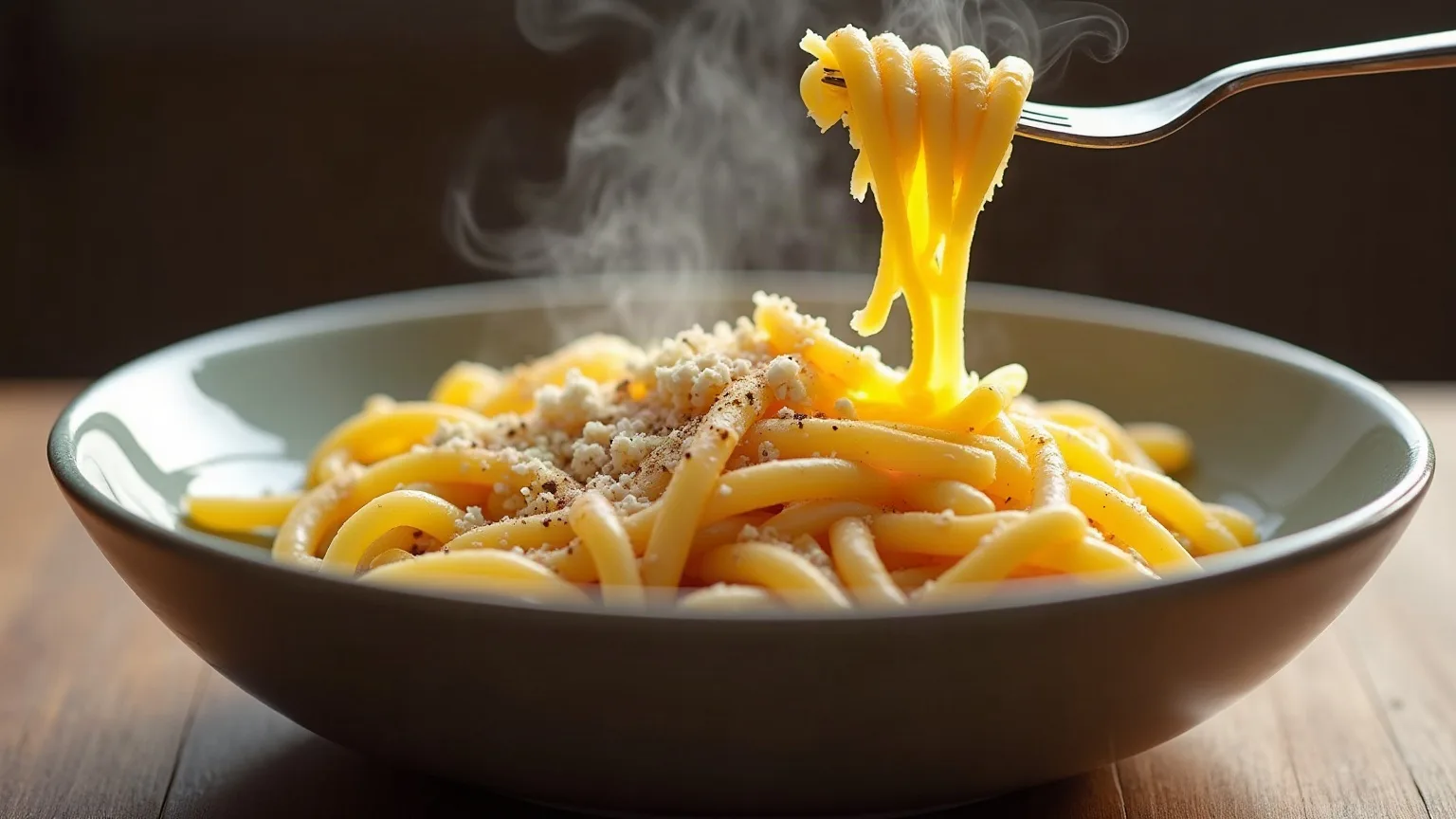
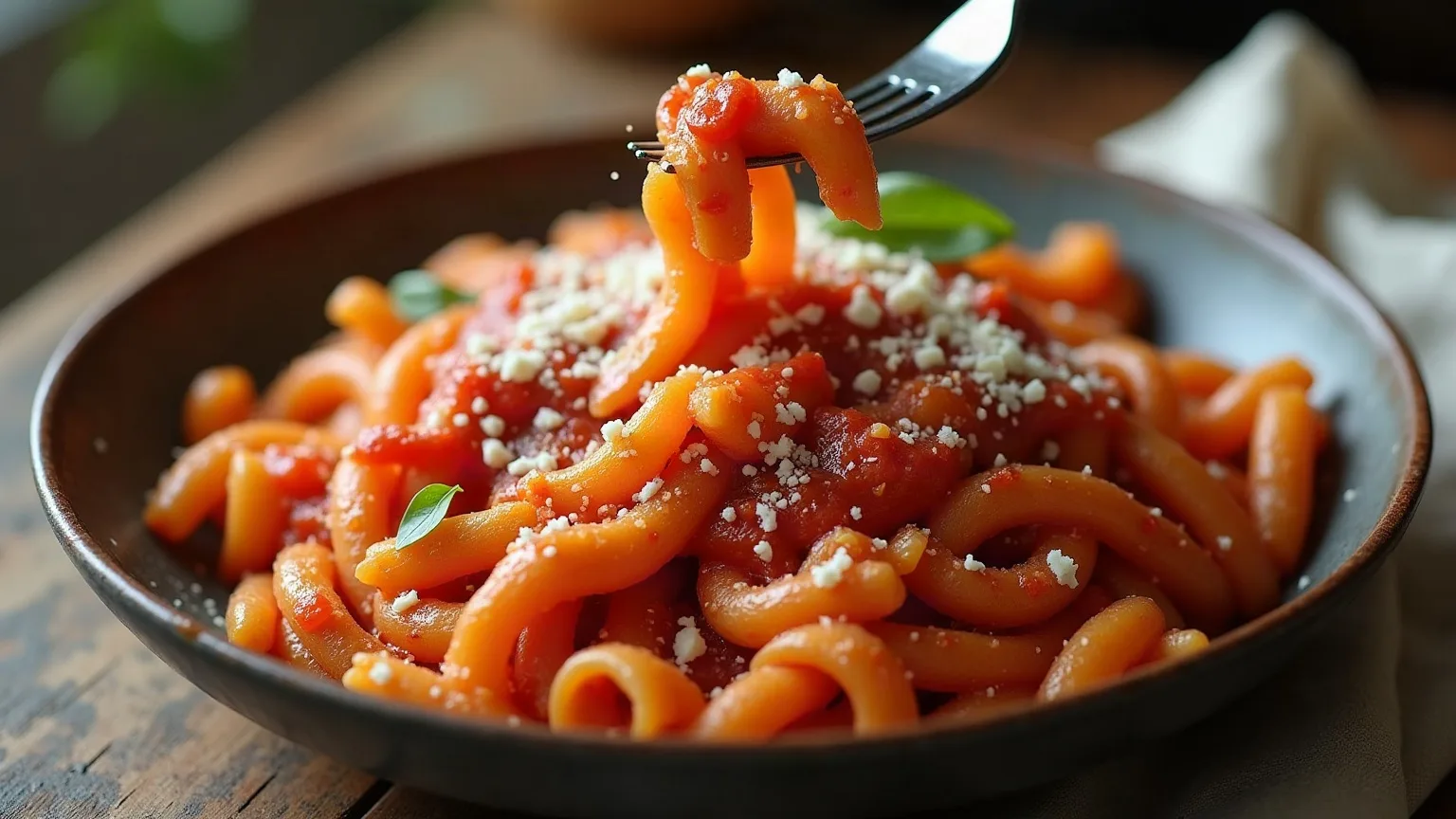
Three ingredients. What makes the difference is not an ingredient but the ladle of cooking water you keep.
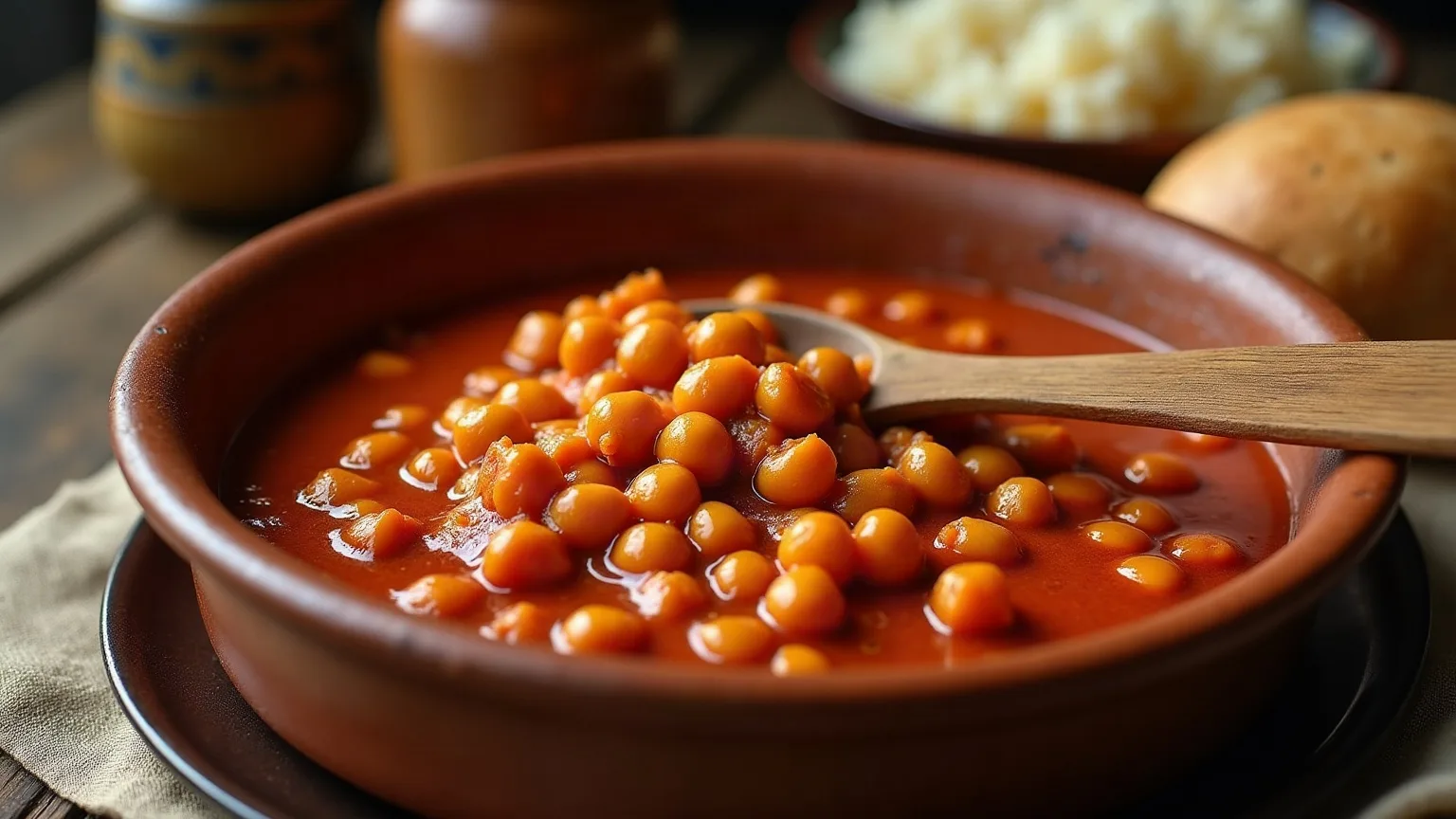
Dried chickpeas, tomato paste and olive oil — and a pinch of bicarbonate that halves the cooking time.
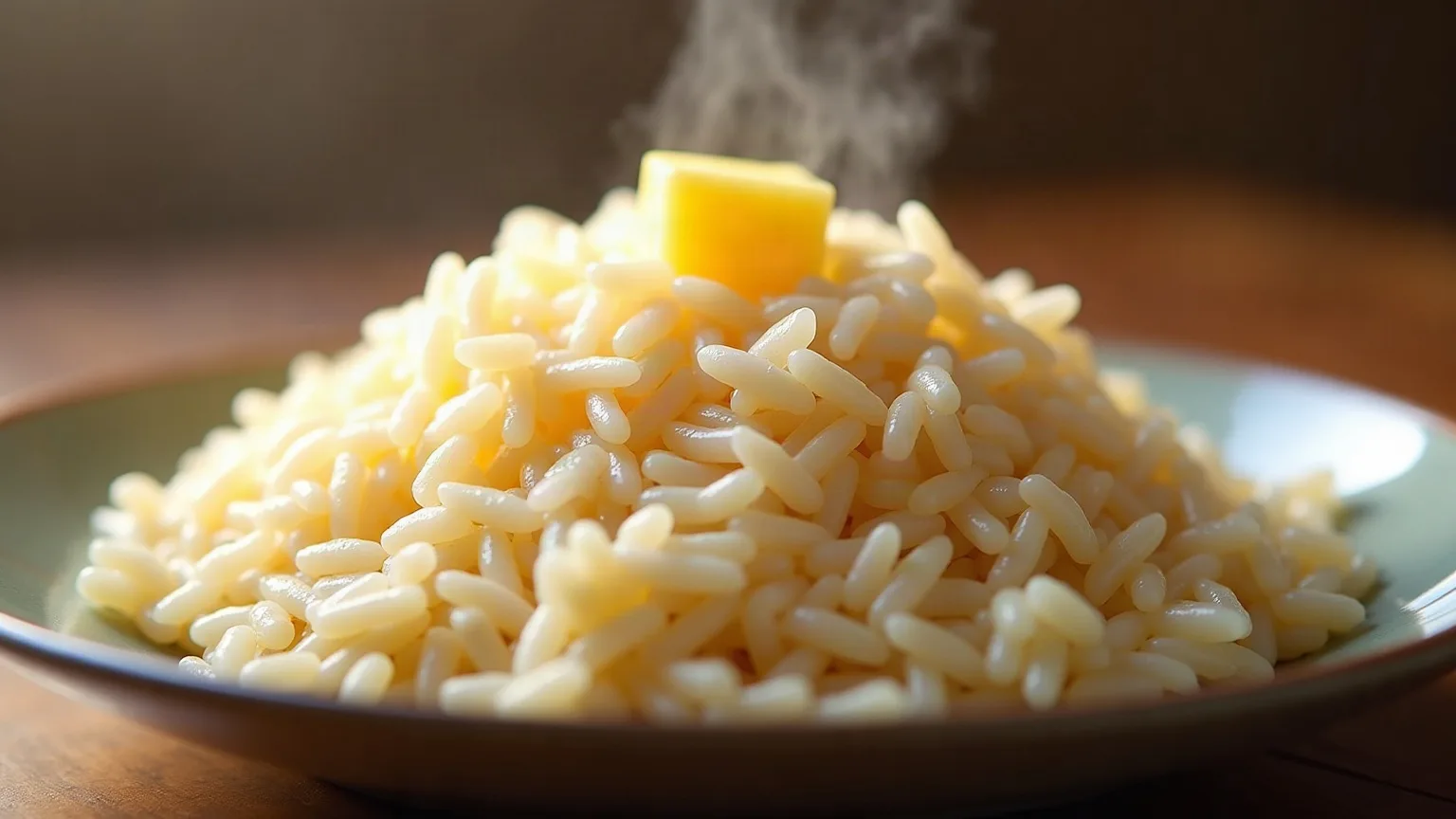
Separate grains are not a recipe but two steps: rinse it, and leave the lid alone.
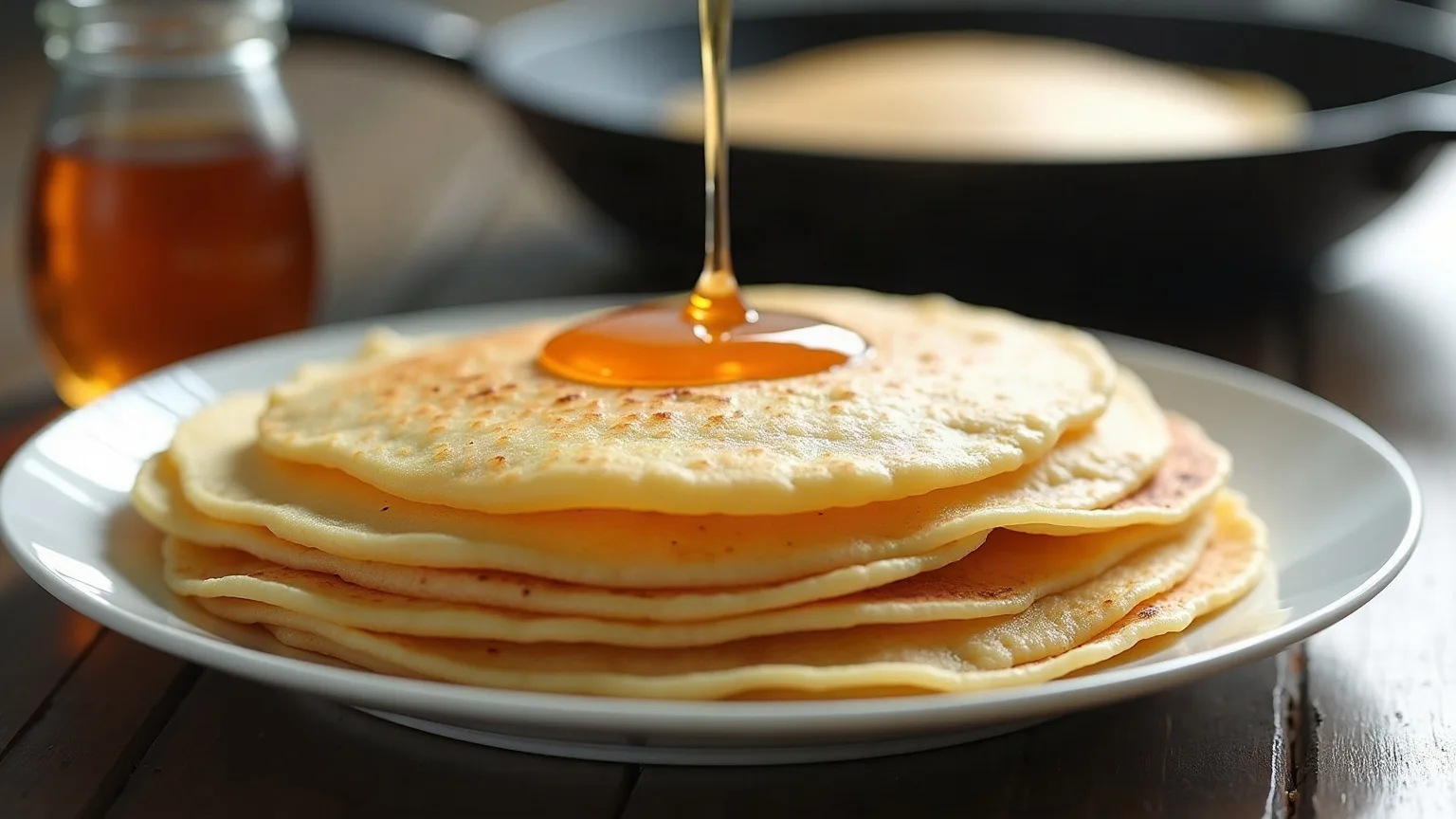
Flour, egg, milk. The one condition for crêpes that do not tear is half an hour of rest.
Boil, crush, roast. A rough surface means more crust.
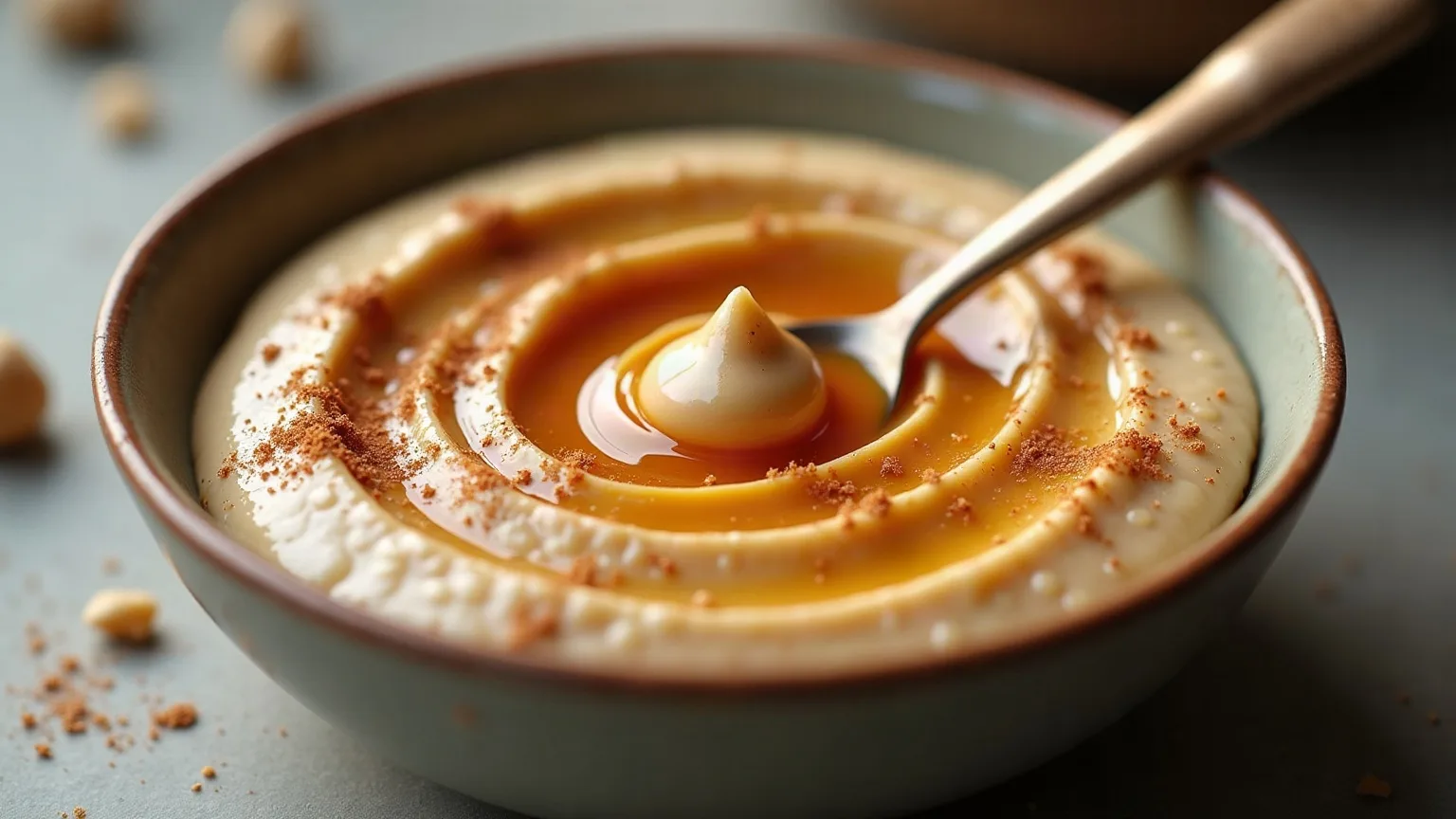
Two ingredients, five minutes. It seizes as you stir; keep going and it loosens.
Eight minutes and one number: the butter must not pass 150 °C.
That mottled skin is Maillard, and it forms in the last ten minutes under the grill.
There is no sauce until the paste has been fried: raw paste stays sour and metallic.
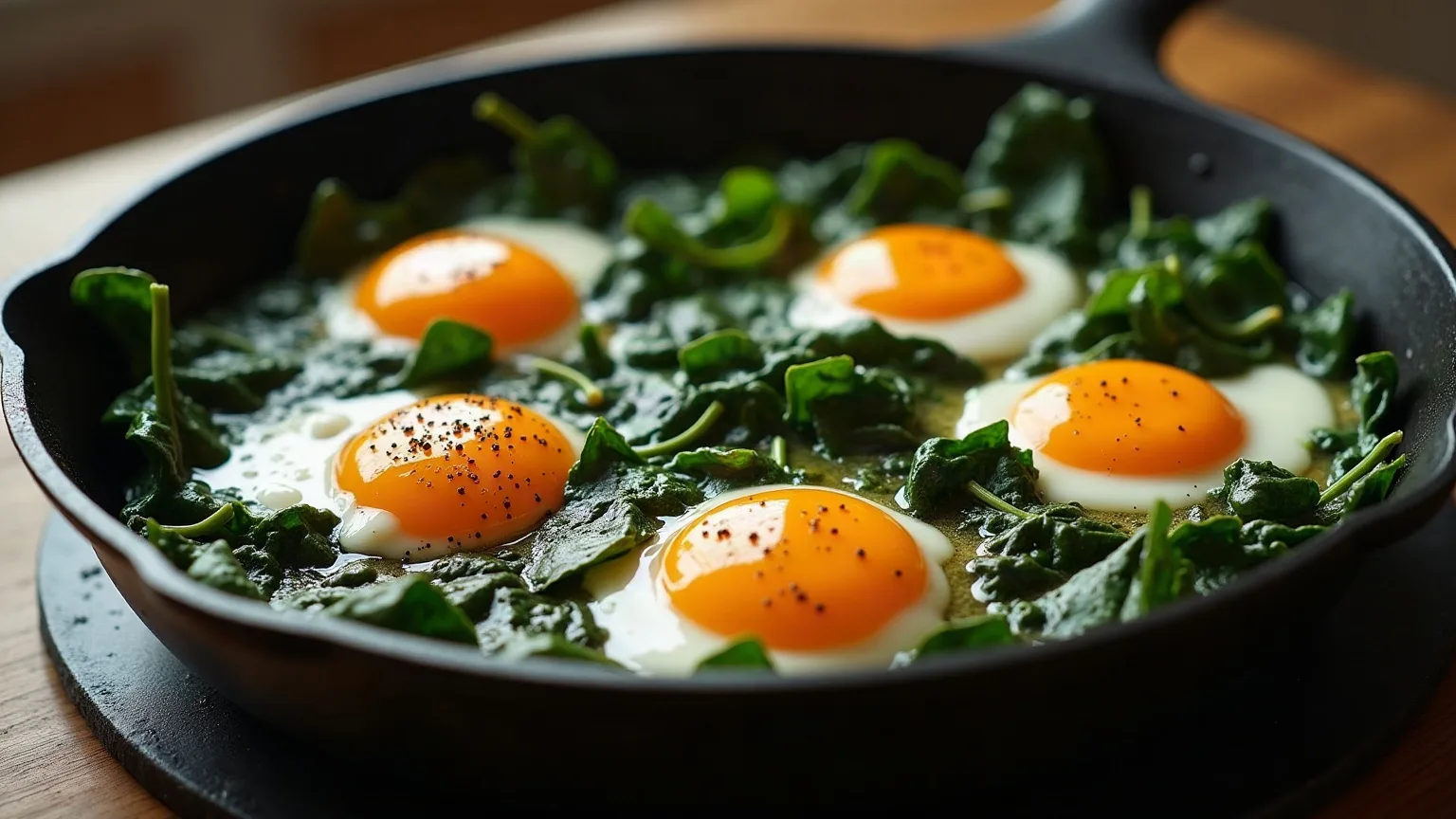
Crack the eggs before the spinach has given up its water and a green puddle collects on the plate.
What went wrong, why it went wrong, and what to do when you have no thermometer. A kitchen is not a lab: most of the time your hands know.
The gas expanded before the structure could carry it. Opening the door drops the temperature and the risen batter collapses; too much leavener does the same, the crumb cannot hold its own roof.
Do not open the door for the first 20 minutes. Maximum 3 g of baking powder per 100 g of flour — more does not lift, it collapses.
3 g of baking powder is one level teaspoon. Look through the glass instead of opening the door. To test it, press the centre lightly: if it springs back without leaving a dent, it is done.
The oil went in faster than the lecithin could coat it. Uncoated droplets found each other, merged, and the mixture fell back into a fat phase.
Whisk a fresh yolk in a clean bowl and dribble the broken mixture onto it. One yolk carries 200 ml of oil; do not push past that.
Out of eggs? A teaspoon of mustard does the same job and is more forgiving. The easiest rescue: put a tablespoon of warm water in the bowl, trickle the split mayo onto it, whisk in one direction.
The meat passed 70 °C. Past that point the muscle fibres contract and wring out their water, while collagen never gets the time to turn into gelatine. It loses moisture and never tenderises.
Beef medium at 57 °C, chicken at 74 °C. Rest it for 10 minutes off the heat; unrested meat leaves its juice on the plate.
The palm test: touch thumb to index finger and press the pad below your thumb — that firmness is rare. Middle finger is medium, ring finger is well done. Watch the juice too: pinkish and clear means you are there, running white means you went too far.
The yoghurt passed 85 °C. The casein micelles lost their charge, the protein clumped and released the water it was holding. Once split, it does not come back.
Stabilise 500 g of yoghurt with a tablespoon of starch and one yolk, stir in one direction, never boil.
Catch the threshold by eye: the moment a few large bubbles appear on the surface you are around 85 °C, take it off. The sauce is ready when it coats the back of a spoon — draw a line with your finger and the line should hold.
The butter was already soft when it went in. The dough melted and ran outward before any structure had a chance to form.
Chill the shaped dough for an hour. Butter is worked at 18 °C, not at 25 °C.
Find the right butter with your finger: it should take a dent without smearing. If it smears, give it 15 minutes in the fridge. In a hot kitchen, freeze the tray for 20 minutes and go into the oven straight from there.
Either the yeast died or the fermentation was cut short. Water above 55 °C kills yeast, and in a cold kitchen dough rises by volume, never by the clock.
Keep the water at 30–35 °C. Wait until it has doubled; ignore the clock.
Test the water on your wrist: it should feel like baby formula, warm but never hot. To check the rise, poke half a centimetre into the dough — the dent should fill back halfway, slowly. Springing straight back means too early; not moving at all means over-proofed.
The oil was not hot enough. Surface water never flashed to steam and never pushed outward, so no shield formed and the oil walked straight in.
Hold the oil at 170–190 °C. Do not crowd the pan; every batch drops the oil 10–15 °C, so let it recover in between.
Drop in a cube of stale bread: golden in 30–40 seconds means 180 °C. Dark in 15 seconds is too hot; longer than a minute is too cold. Or stand a wooden spoon handle in the oil — a steady stream of small bubbles around it means you are there.
Too much water gelatinised the starch, the granules burst and glued together. Stirring only pushed more starch out.
Rinse the rice until the water runs clear. One part rice to one and a half parts water. Do not lift the lid or stir while it steams.
No measuring cup? Use your knuckle: rest a finger on the levelled rice and let the water come up to the first joint. When you leave it to steam, trap a clean cloth under the lid so condensation cannot drip back onto the grains.
Aubergine flesh is a sponge with air trapped between the cells. Hot oil fills those pockets within seconds — it is not absorbed so much as inhaled.
Salt it for 20 minutes and squeeze out the water. Or skip oil altogether: at 200 °C in the oven the cells collapse before they can take any on.
After salting, press it between two plates with a weight on top to draw the water faster. In a hurry, soak it in milk for 10 minutes: the milk fills the pores so there is no room for oil. Pat it properly dry before frying — wet aubergine spits and drinks even more.
Texture and portion by month, an allergen introduction calendar, choking-risk lists and safe cutting shapes.
You do not win a picky eater by arguing. Repetition, texture bridging and letting them cook is what works.
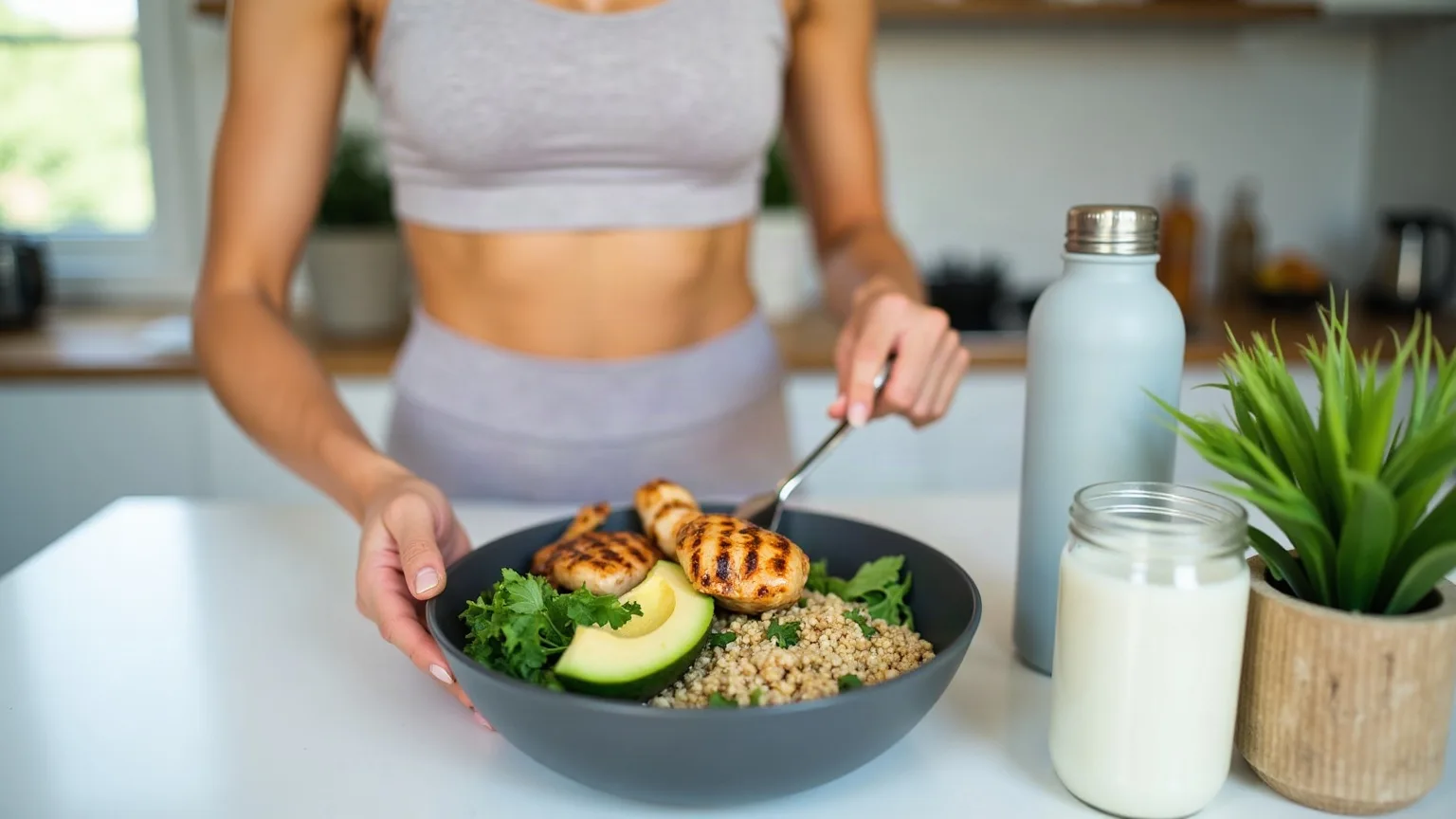
Strength and endurance do not want the same plate. It is planned around your training hour, with protein spread across the day.
Focal point, negative space, height. The shape of the plate, the linen, the napkin, the colour of the candlelight. Half the flavour is eaten with the eyes.
Recipes, techniques and the daily suggestion are open to everyone. Unlimited workshop, weekly planning, pantry tracking and shopping lists come with Pro.
Nothing matches that.