
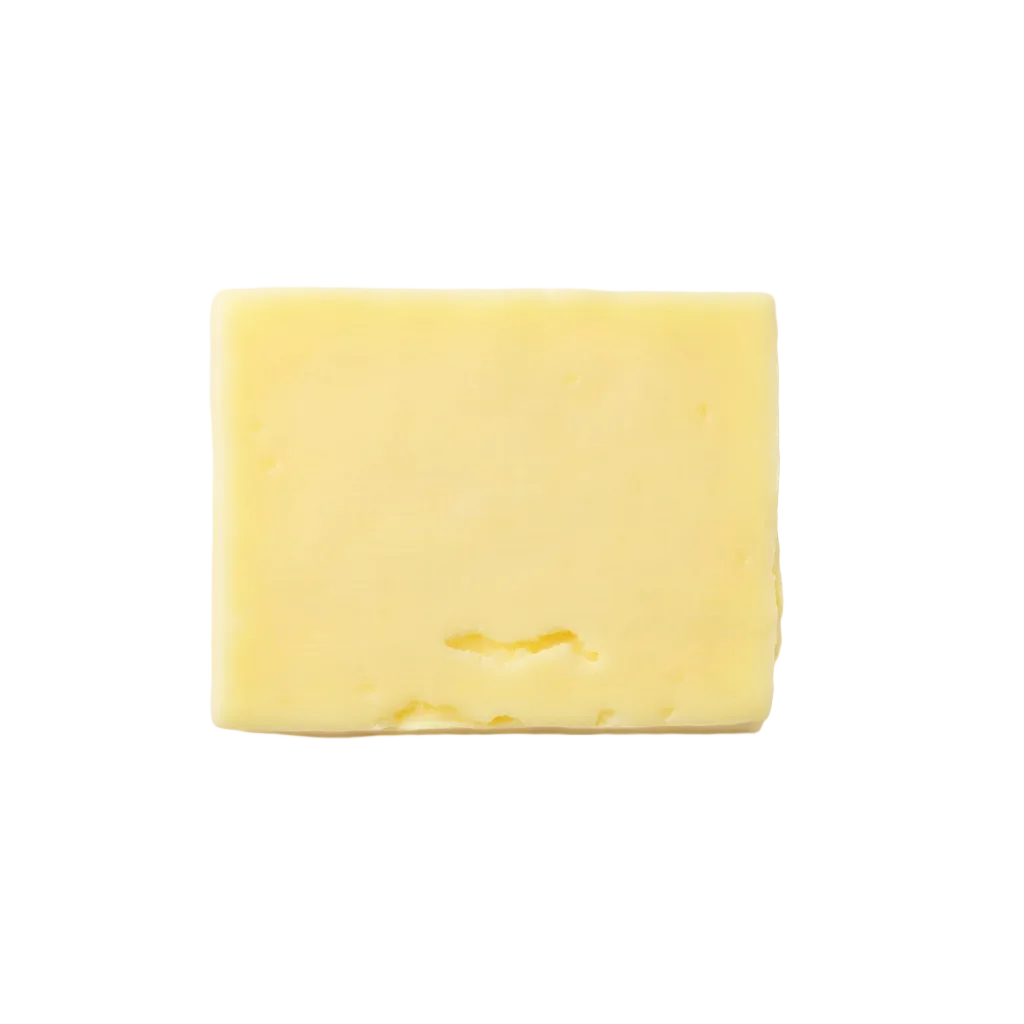
 Butter
→
Butter
→
Fat coats the swollen starch-filled cells and lubricates them past each other; this is how creaminess arrives without rupturing cells.
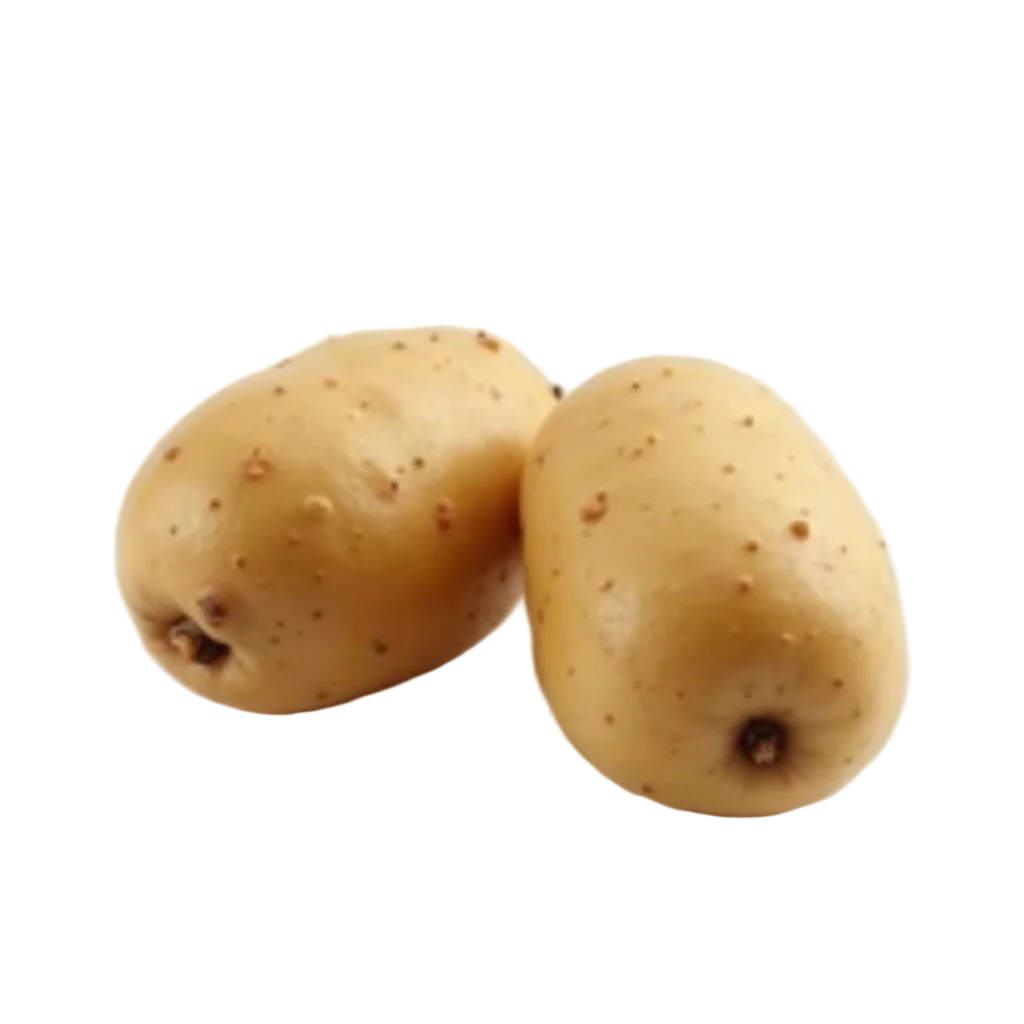
They build structure. Starch granules swell in hot water, burst, and weave a net that traps the liquid — most of what you call body comes from here. Wheat does one extra job on top: gluten.
Starch does nothing before 62 °C, and acid cuts the chains during a long boil. Think about your thickener after the heat and before the acid.
Rinse the surface starch and dry it properly before frying: wet potato steams instead of browning.
Dark, cool (7-10 °C) and ventilated for 2-3 months; never the fridge, where starch turns to sugar and the potato darkens on frying. Keep it away from onions.
Plain potato is naturally gluten-free.
73 — glucose is taken as 100. Below 55 is low, 56–69 medium, 70 and above high. The number says nothing about portion: at the same index, twice the amount is twice the load.
Row in the table: Boiled potato, mean of studies
Atkinson et al., Am J Clin Nutr 2021
"They go well together" is not an explanation. Every pairing below has a chemical or structural mechanism under it.
Butter
→
Fat coats the swollen starch-filled cells and lubricates them past each other; this is how creaminess arrives without rupturing cells.
 Olive oil
→
Olive oil
→
At high heat the surface starch gelatinises then dehydrates and vitrifies into a glassy crust while the interior steams — a genuine two-phase structure, not "sealing".
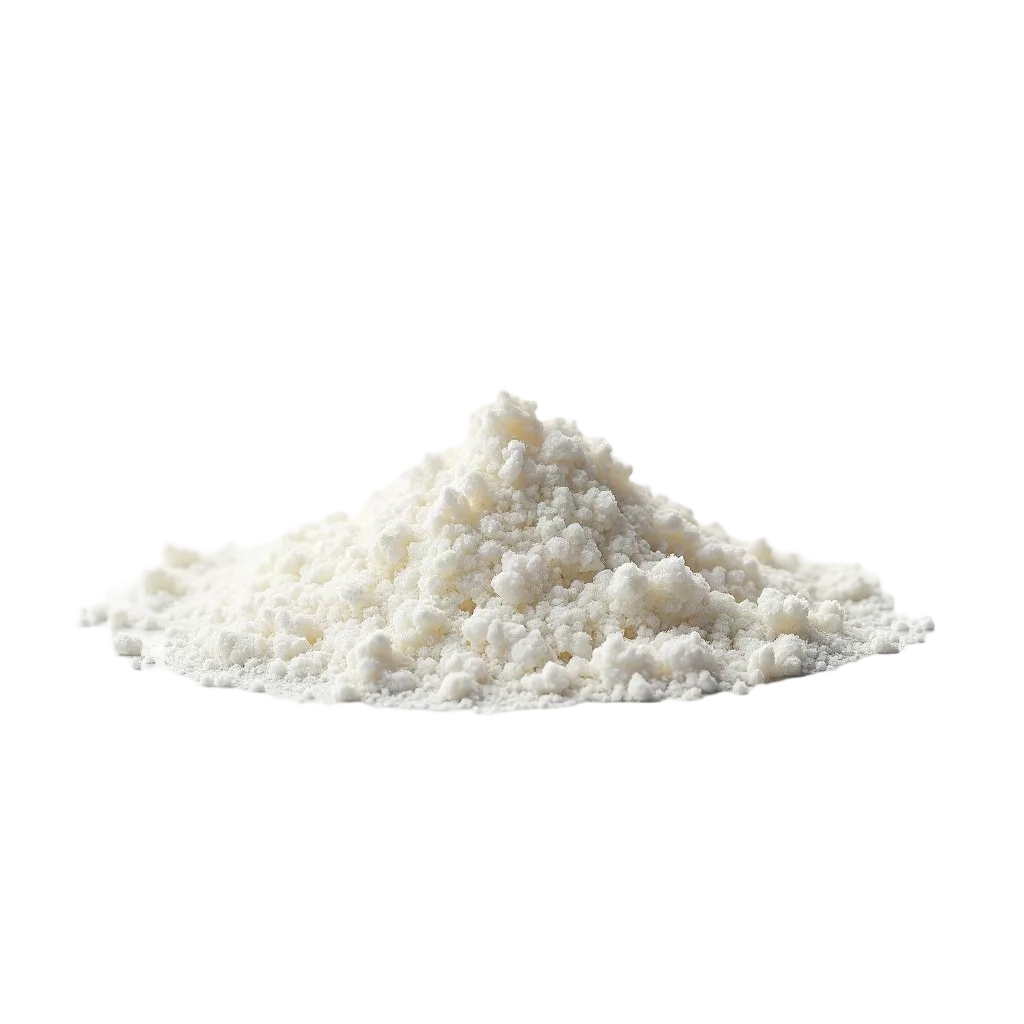 Starch
Never blend mash: shearing ruptures cells and releases free amylose, producing a glue-like paste. The damage is mechanical, not thermal.
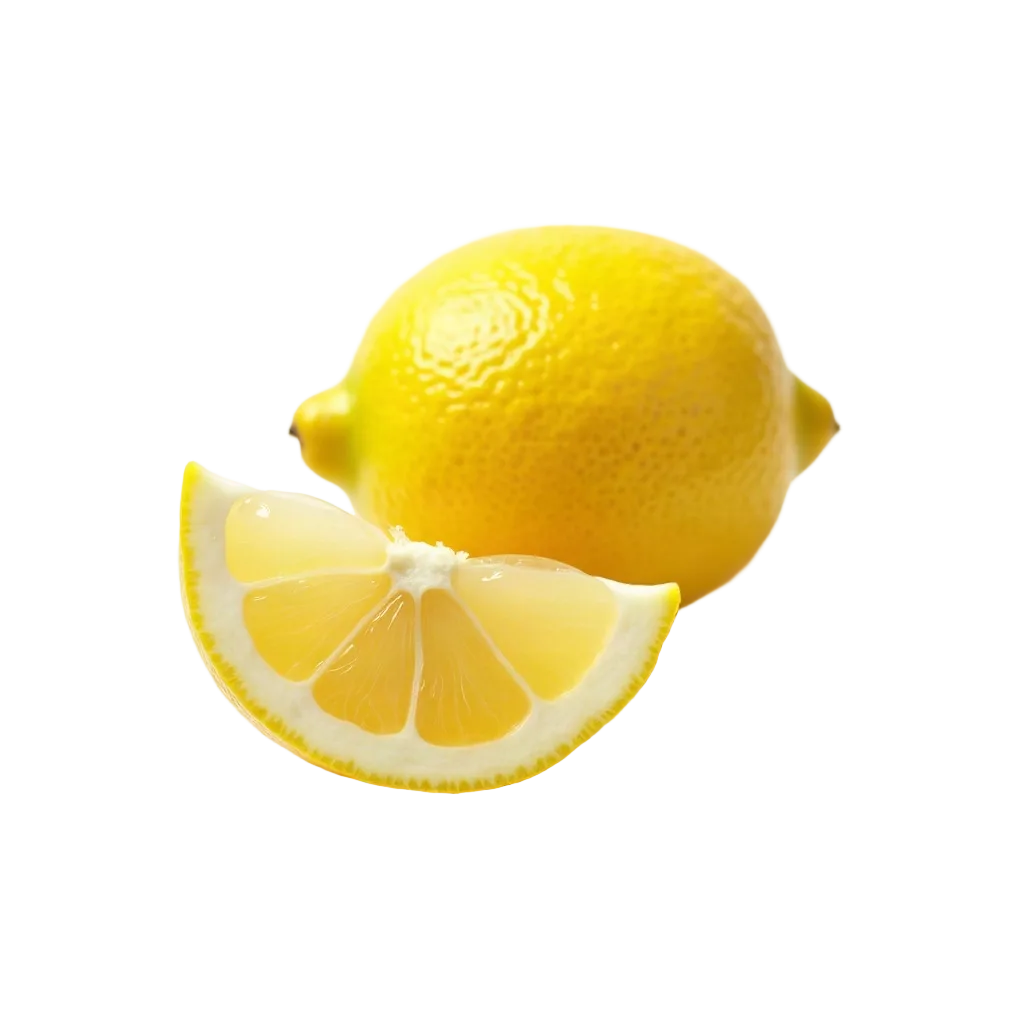 Lemon
Lemon
For fluffy mash acid works against you: it stabilises pectin and keeps the cells stuck together. The same effect is useful in potato salad.
Cooked-then-cooled potato produces a significantly lower glycaemic response than freshly cooked.
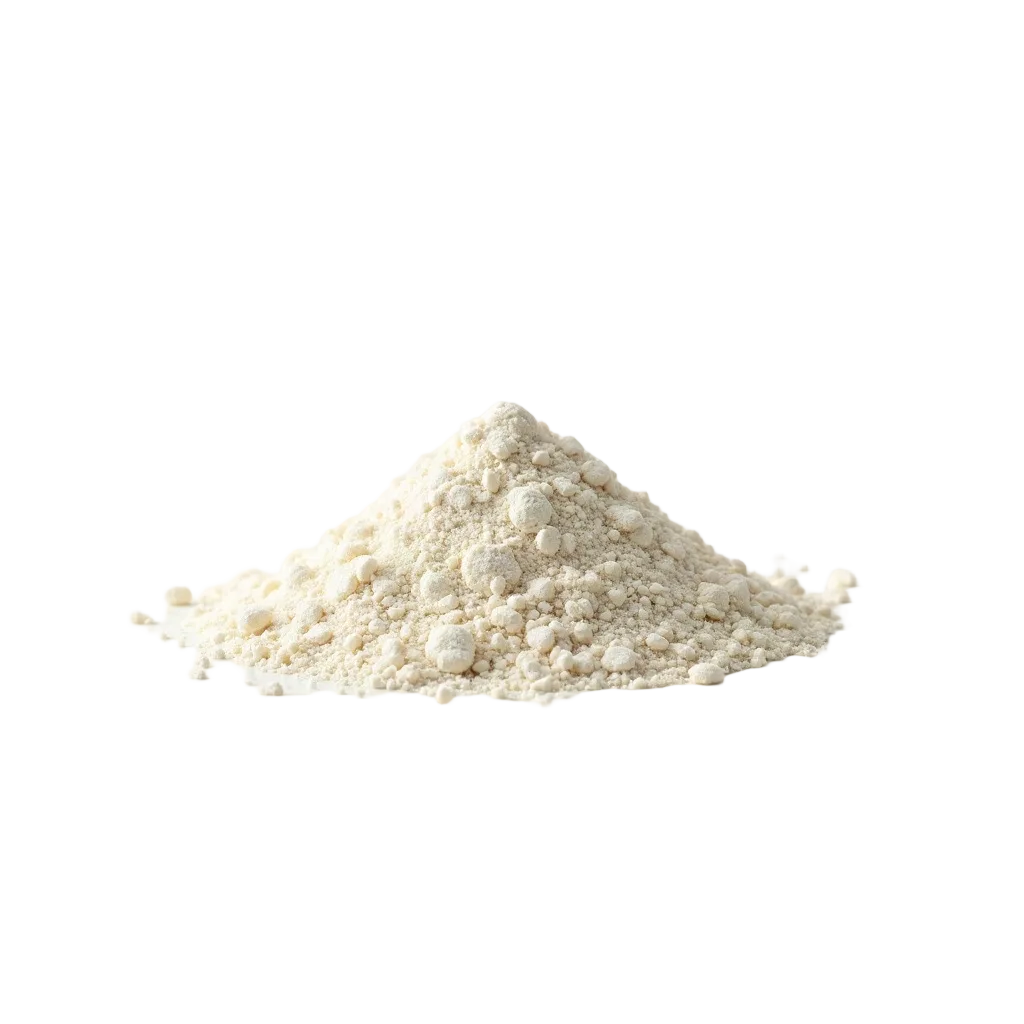 FlourProtein 10–12% · builds gluten
St
StarchGelatinises at 62–72 °C
Ri
FlourProtein 10–12% · builds gluten
St
StarchGelatinises at 62–72 °C
Ri
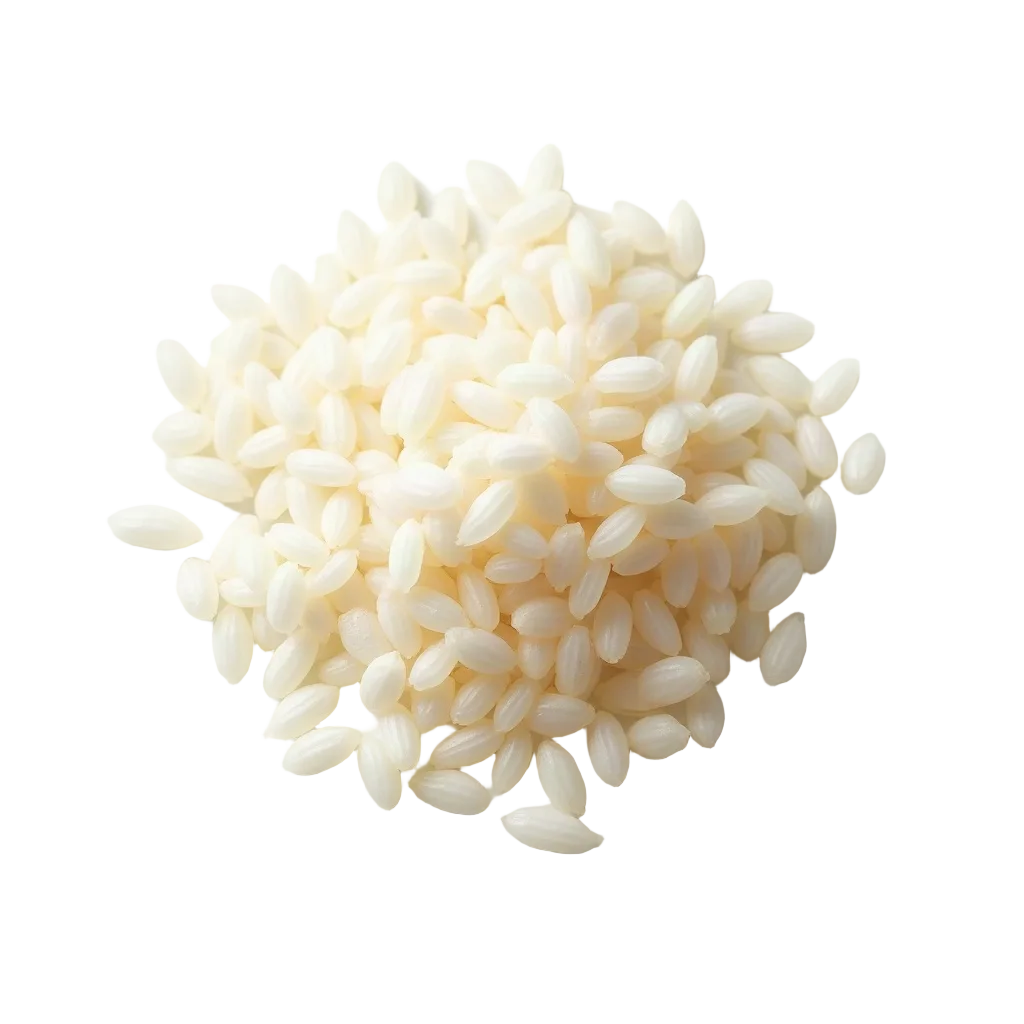 RiceAmylose 20–25% · grains stay separate
Bu
RiceAmylose 20–25% · grains stay separate
Bu
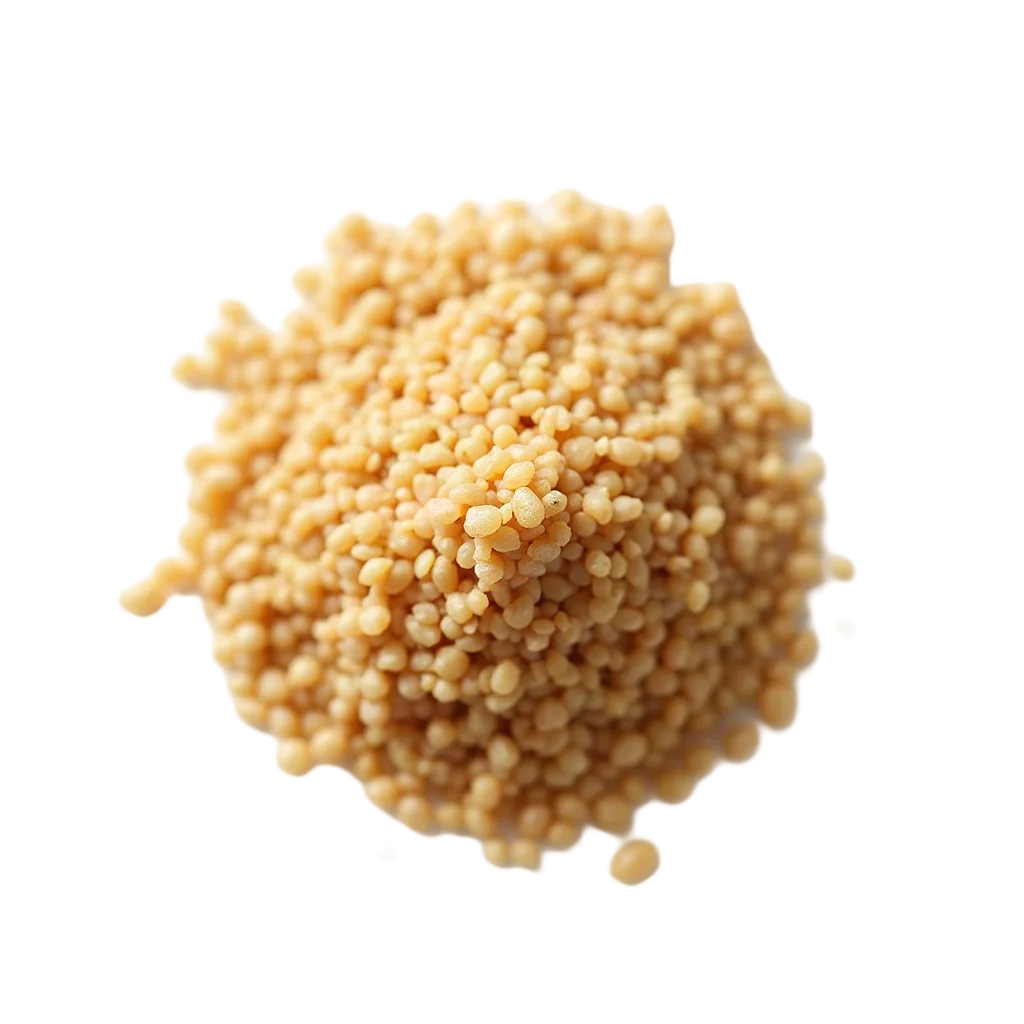 BulgurPre-cooked · steeps in 12 min
Pa
BulgurPre-cooked · steeps in 12 min
Pa
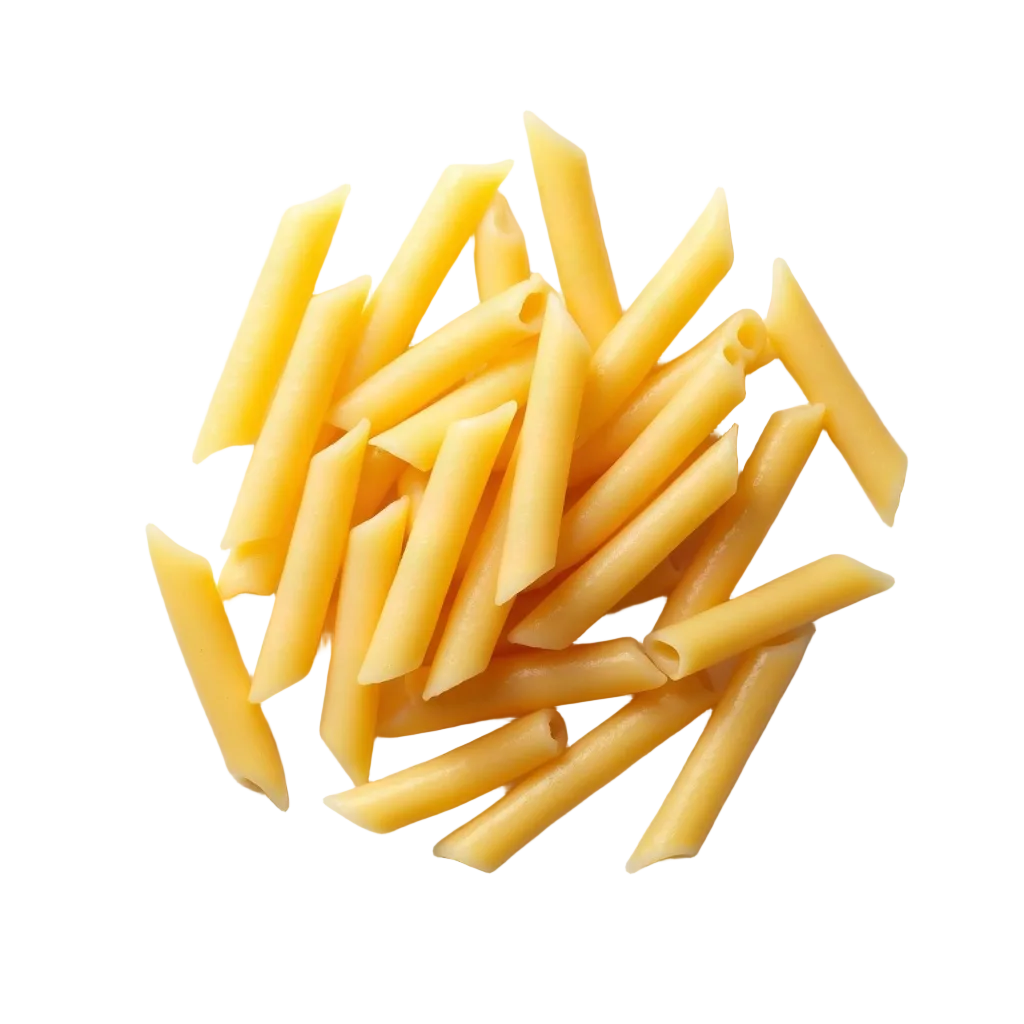 PastaDurum semolina · 1% salted water
Tm
PastaDurum semolina · 1% salted water
Tm
 Sweet corn18.7% carbohydrate · 2% fibre
Ms
Sweet corn18.7% carbohydrate · 2% fibre
Ms
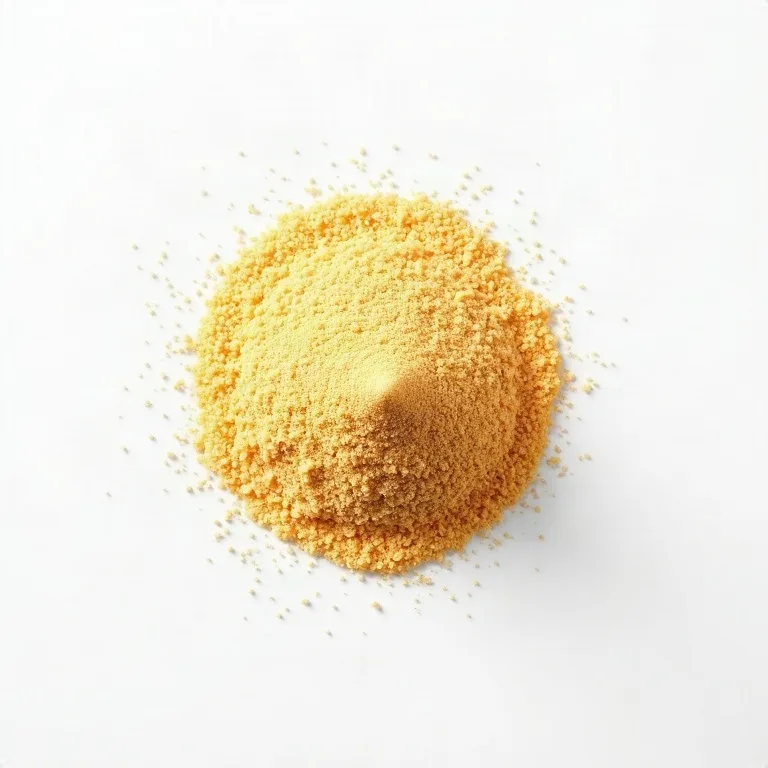 Wholegrain cornmeal76.9% carbohydrate · 7.3% fibre
Ir
Wholegrain cornmeal76.9% carbohydrate · 7.3% fibre
Ir
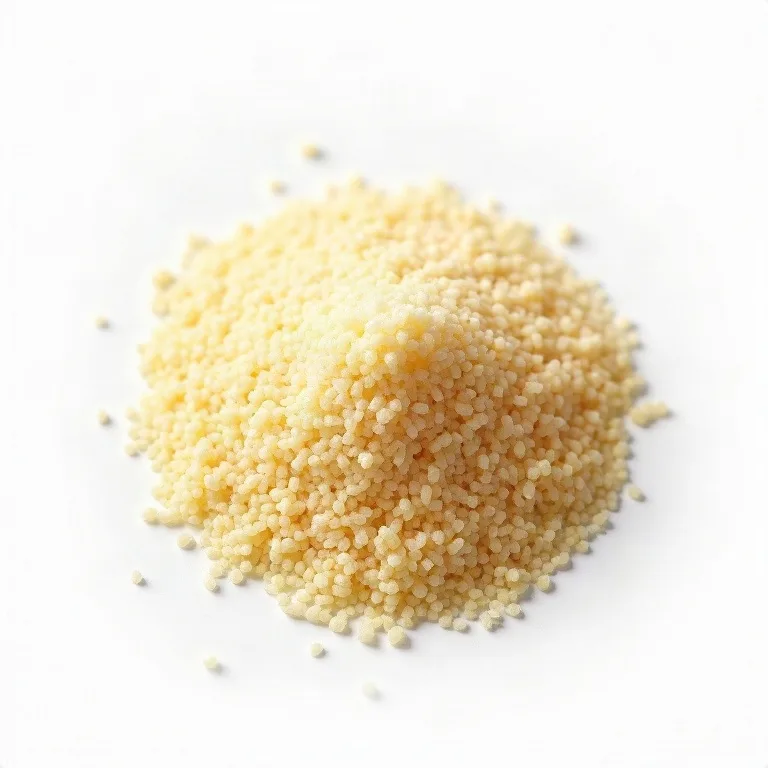 Semolina72.8% carbohydrate · 3.9% fibre
Yu
Semolina72.8% carbohydrate · 3.9% fibre
Yu
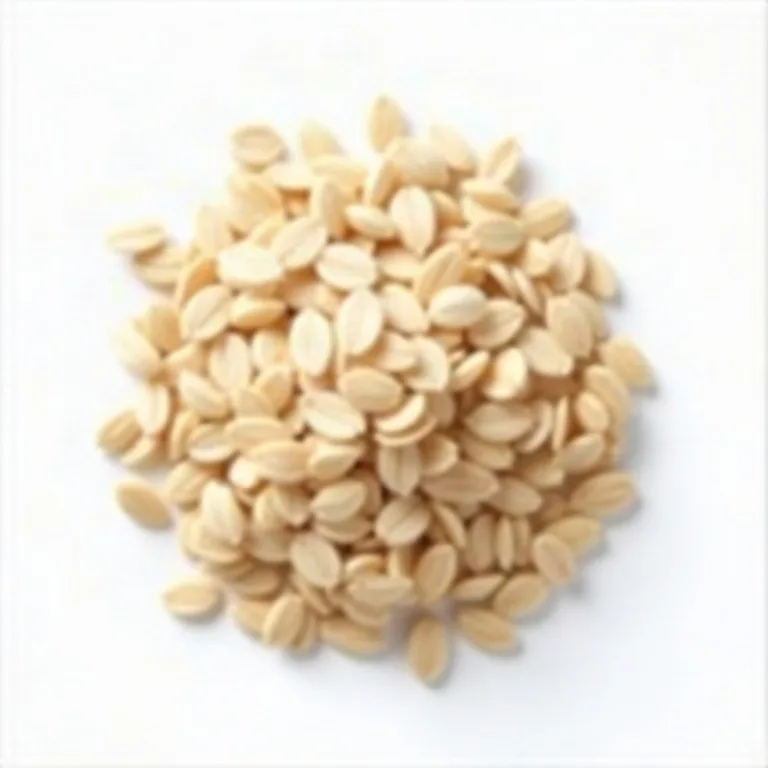 Oats66.3% carbohydrate · 10.6% fibre
As
Oats66.3% carbohydrate · 10.6% fibre
As
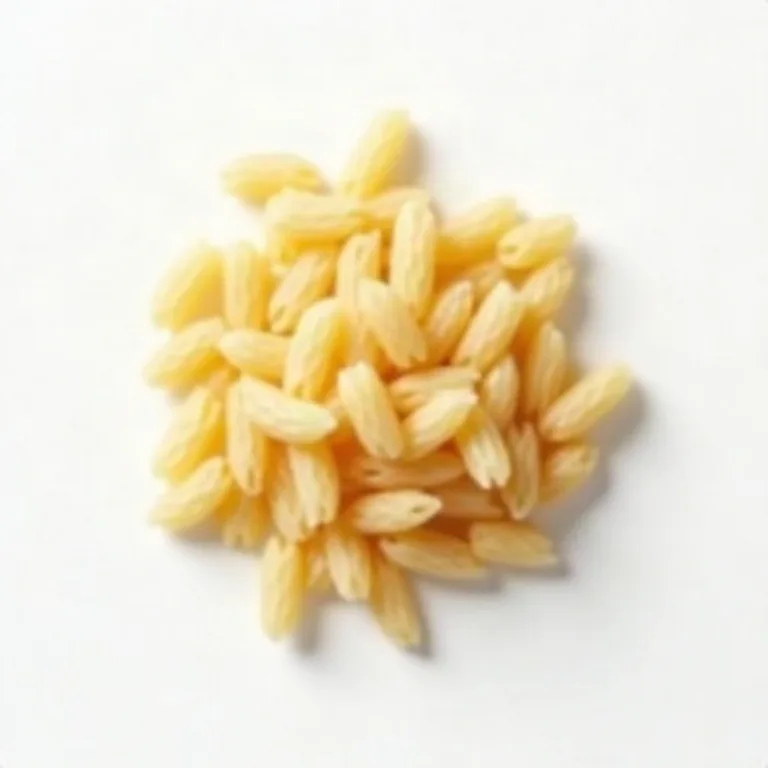 Orzo pasta74.7% carbohydrate · 3.2% fibre
Tl
Orzo pasta74.7% carbohydrate · 3.2% fibre
Tl
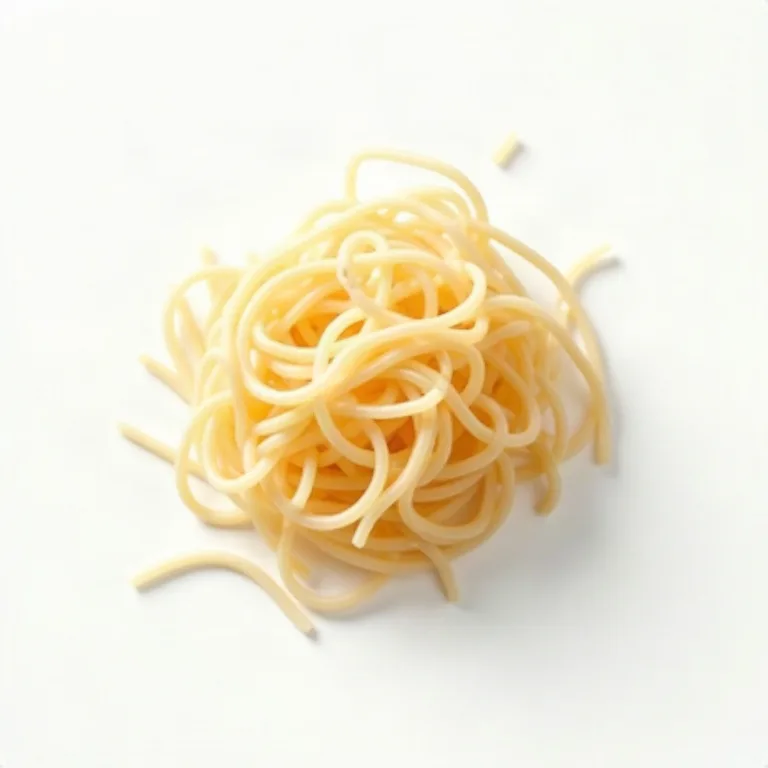 Vermicelli74.7% carbohydrate · 3.2% fibre
Ei
Vermicelli74.7% carbohydrate · 3.2% fibre
Ei
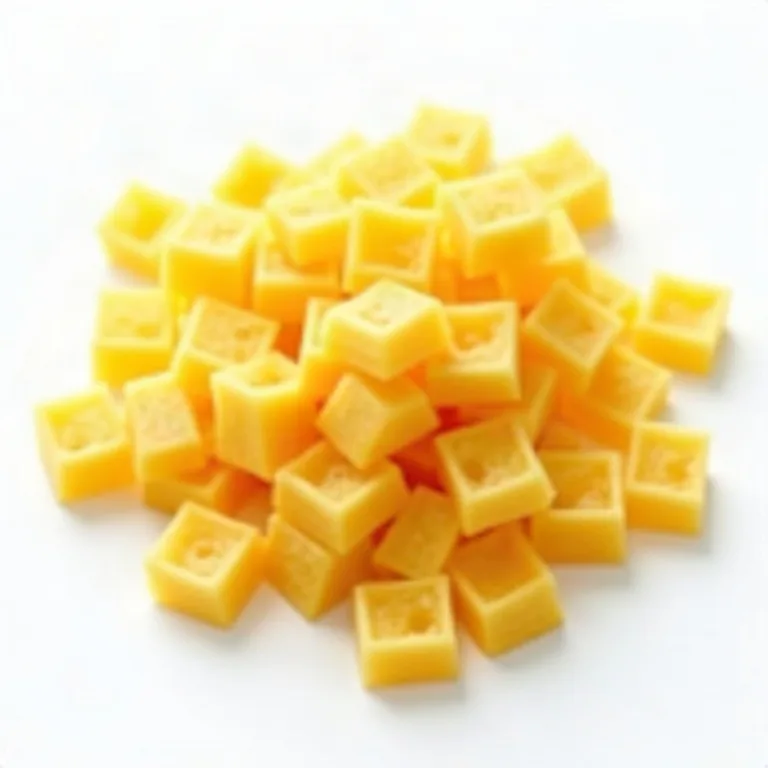 Egg noodles (dry)71.3% carbohydrate · 3.3% fibre
Yf
Egg noodles (dry)71.3% carbohydrate · 3.3% fibre
Yf
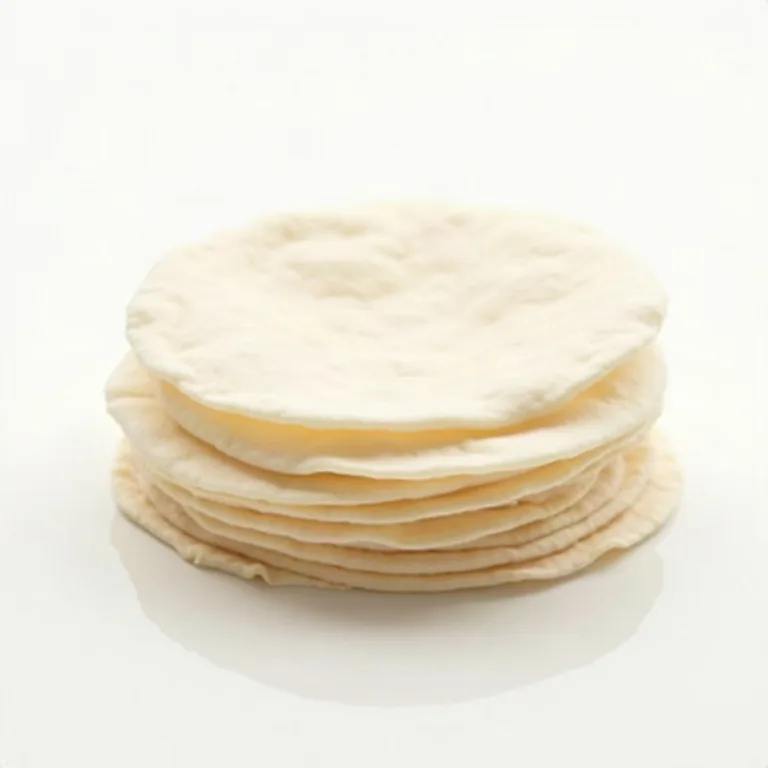 Yufka (uncooked börek sheets)50.1% carbohydrate · 3.1% fibre
Gy
Yufka (uncooked börek sheets)50.1% carbohydrate · 3.1% fibre
Gy
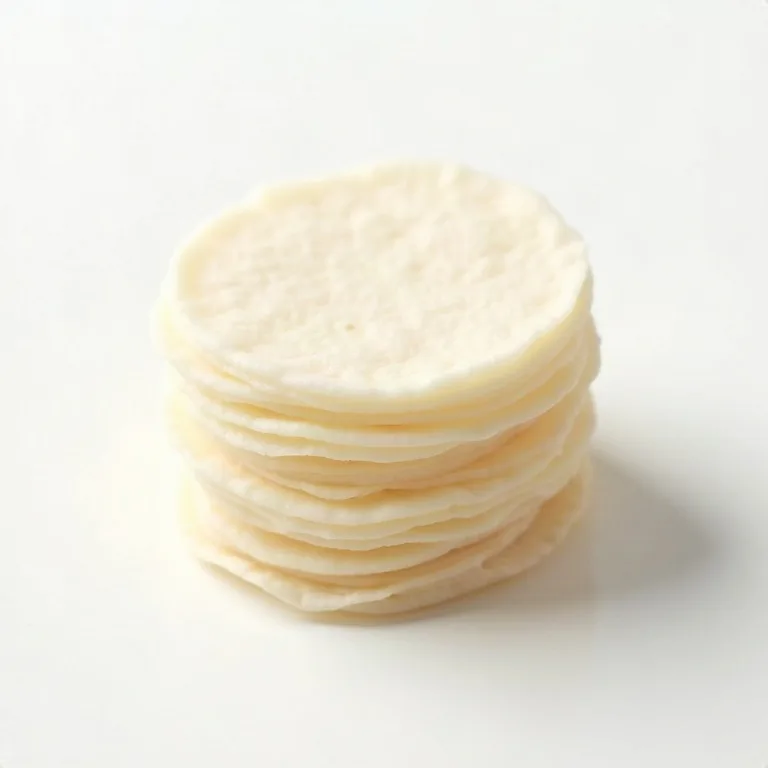 Güllaç sheets82.7% carbohydrate · 2.5% fibre
Tk
Güllaç sheets82.7% carbohydrate · 2.5% fibre
Tk
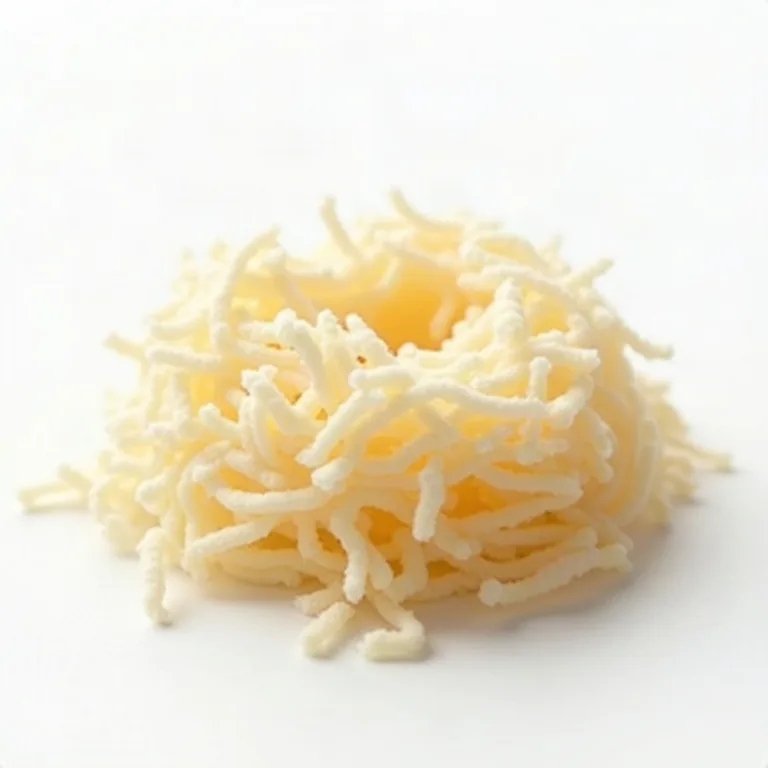 Shredded kadayıf pastry (uncooked)61.7% carbohydrate · 3.5% fibre
Tr
Shredded kadayıf pastry (uncooked)61.7% carbohydrate · 3.5% fibre
Tr
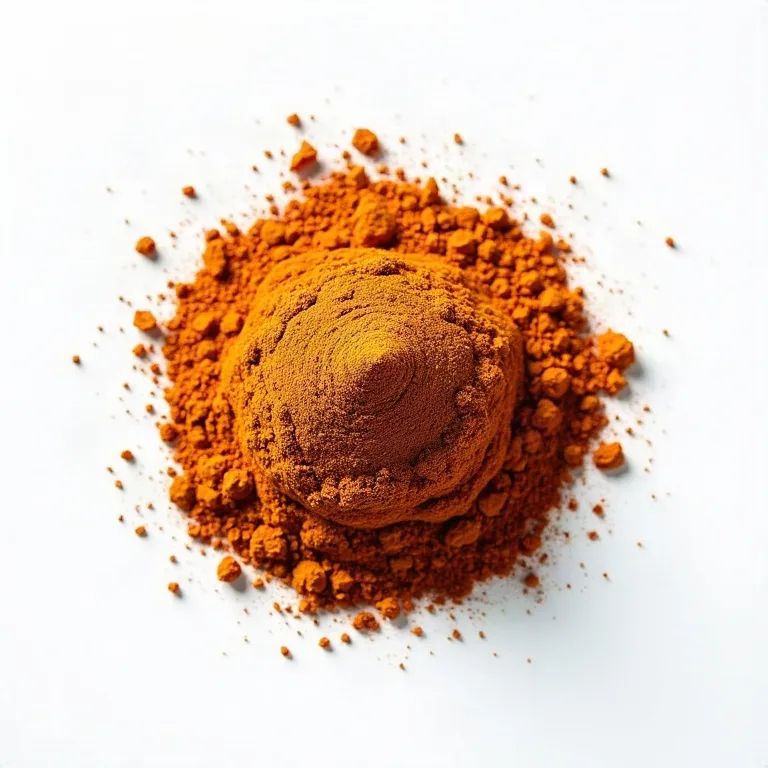 Tarhana (dry)65.3% carbohydrate · 3.8% fibre
Kb
Tarhana (dry)65.3% carbohydrate · 3.8% fibre
Kb
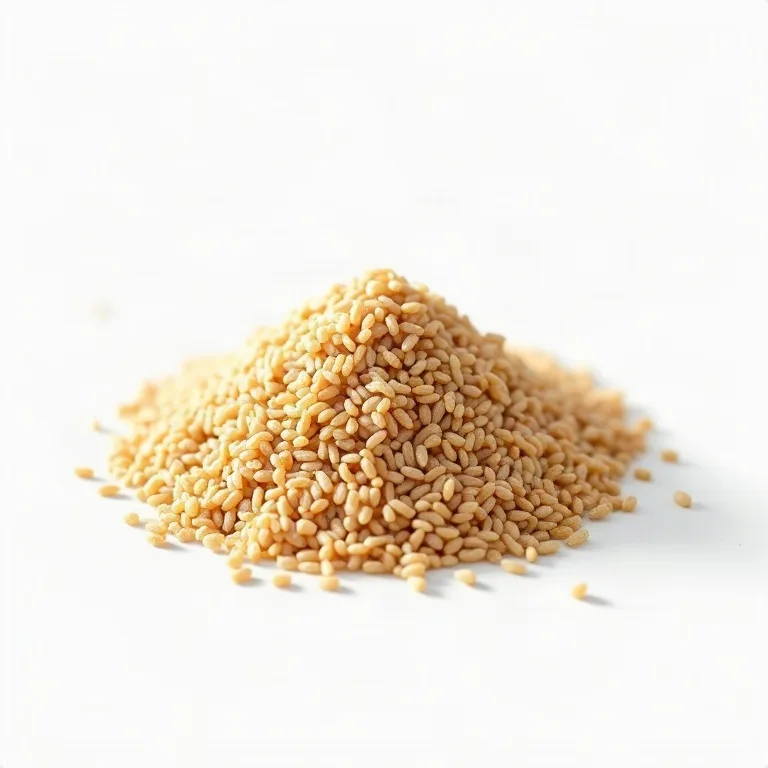 Fine bulgur75.9% carbohydrate · 12.5% fibre
Pb
Fine bulgur75.9% carbohydrate · 12.5% fibre
Pb
 Coarse bulgur70.4% carbohydrate · 6.8% fibre
Sal
Coarse bulgur70.4% carbohydrate · 6.8% fibre
Sal
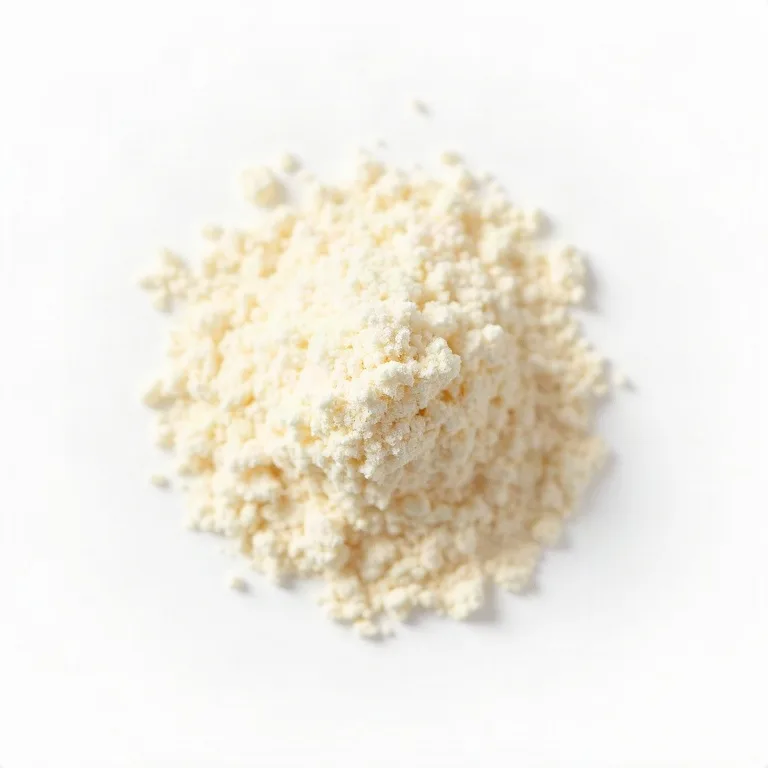 Salep powder (pure)23.7% carbohydrate · 58.8% fibre
Pu
Salep powder (pure)23.7% carbohydrate · 58.8% fibre
Pu
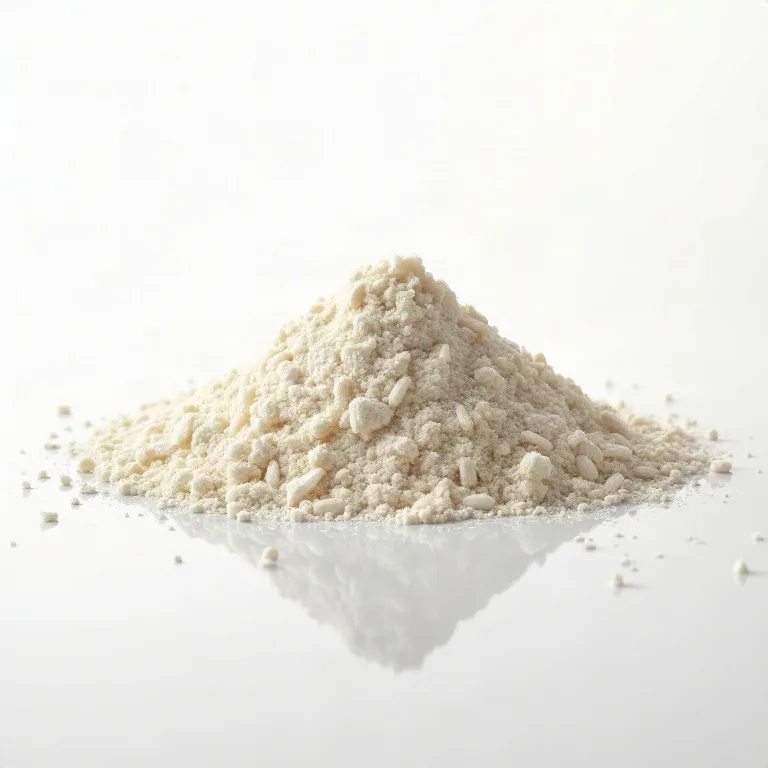 Rice flour80.1% carbohydrate · 2.4% fibre
Dv
Rice flour80.1% carbohydrate · 2.4% fibre
Dv
 Hulled wheat71% carbohydrate · 12.2% fibre
Ys
Oat milk90.6% water · 48 kcal
Hulled wheat71% carbohydrate · 12.2% fibre
Ys
Oat milk90.6% water · 48 kcal
Nothing matches that.
 Milk
Milk  Salt
Salt  Egg
Egg  Black pepper
 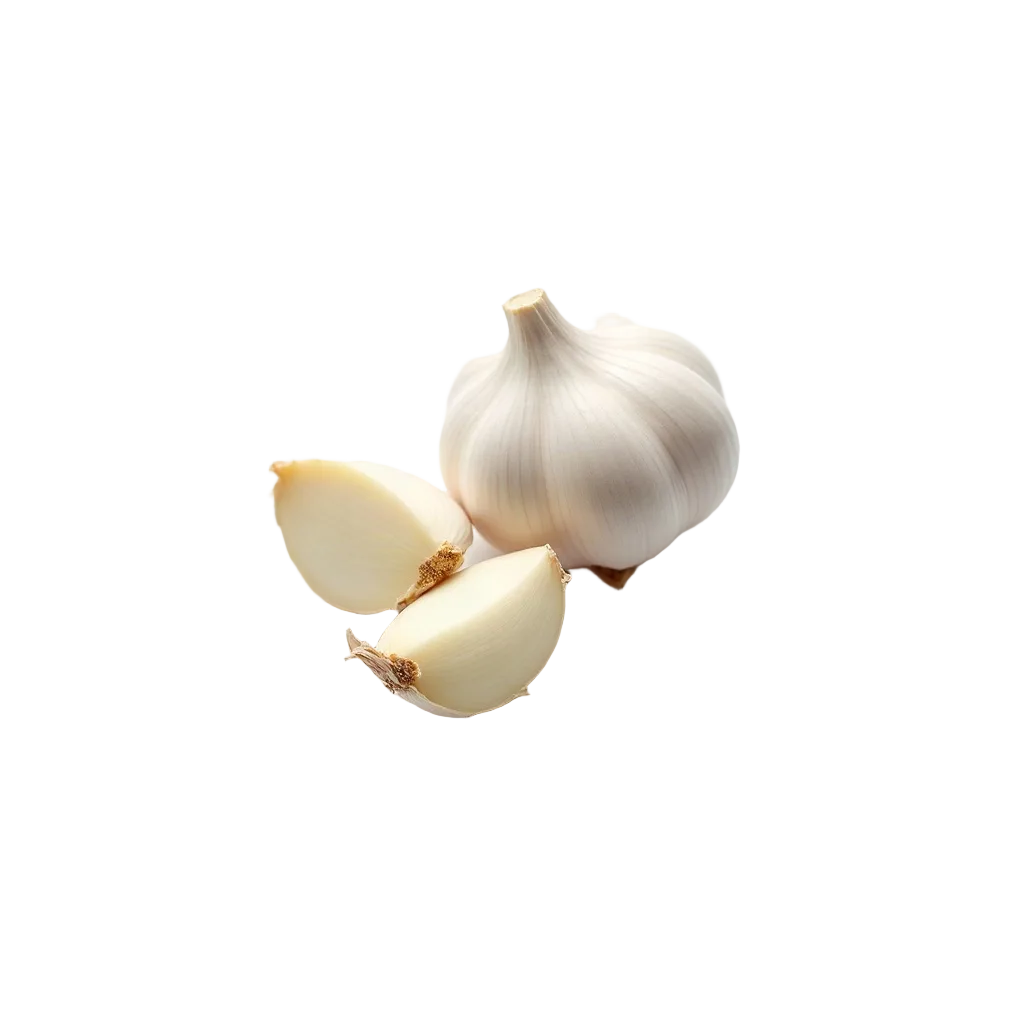 Garlic
 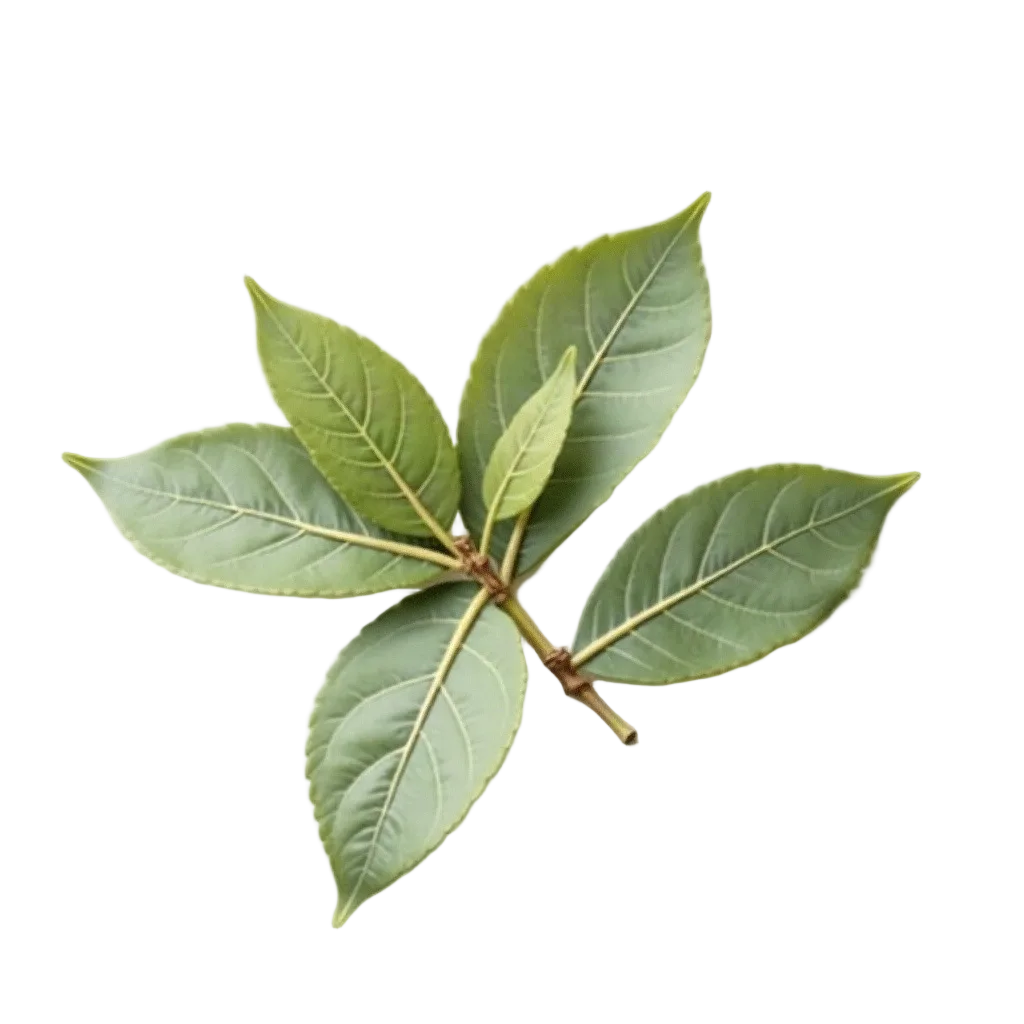 Bay leaf