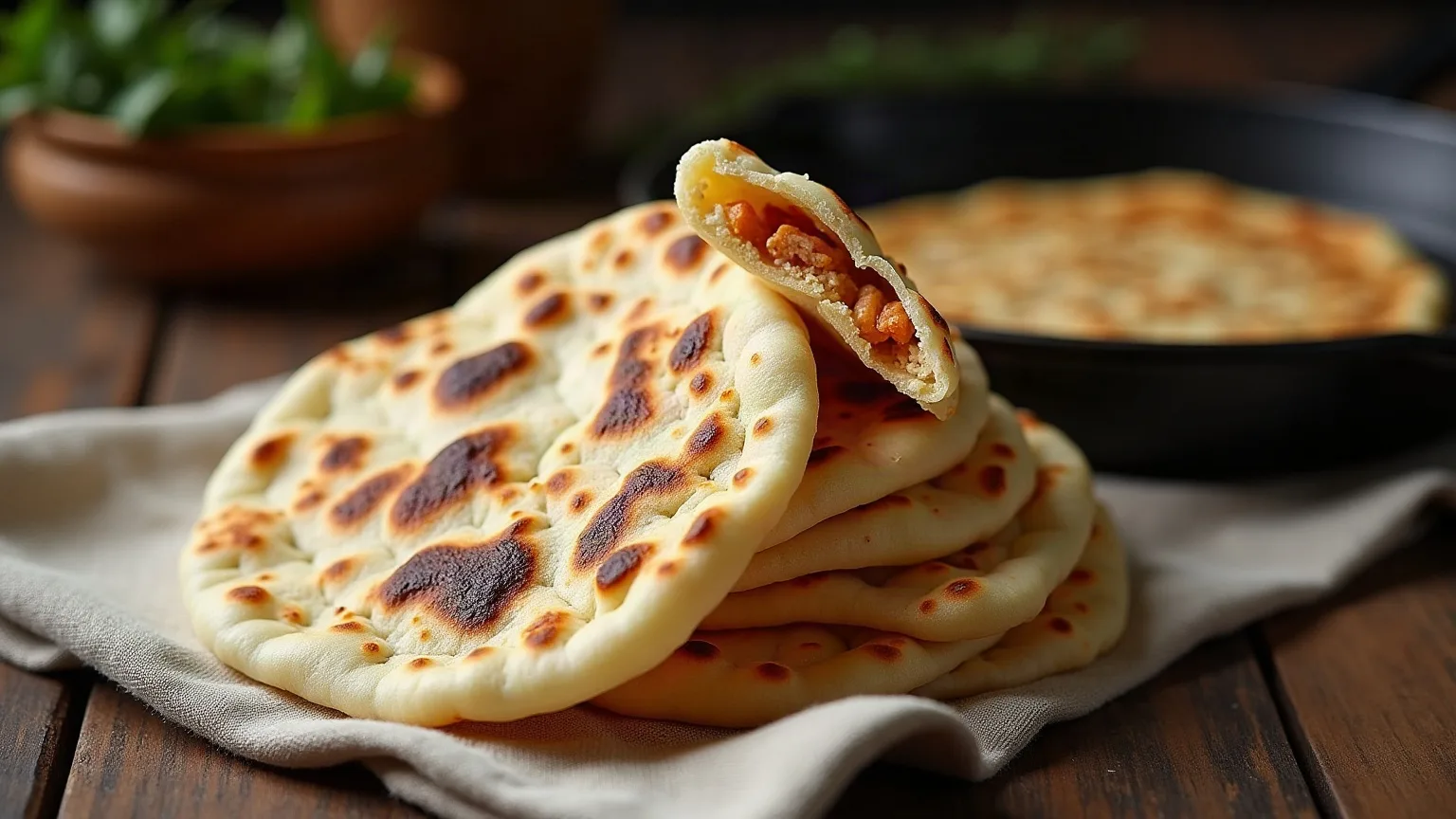
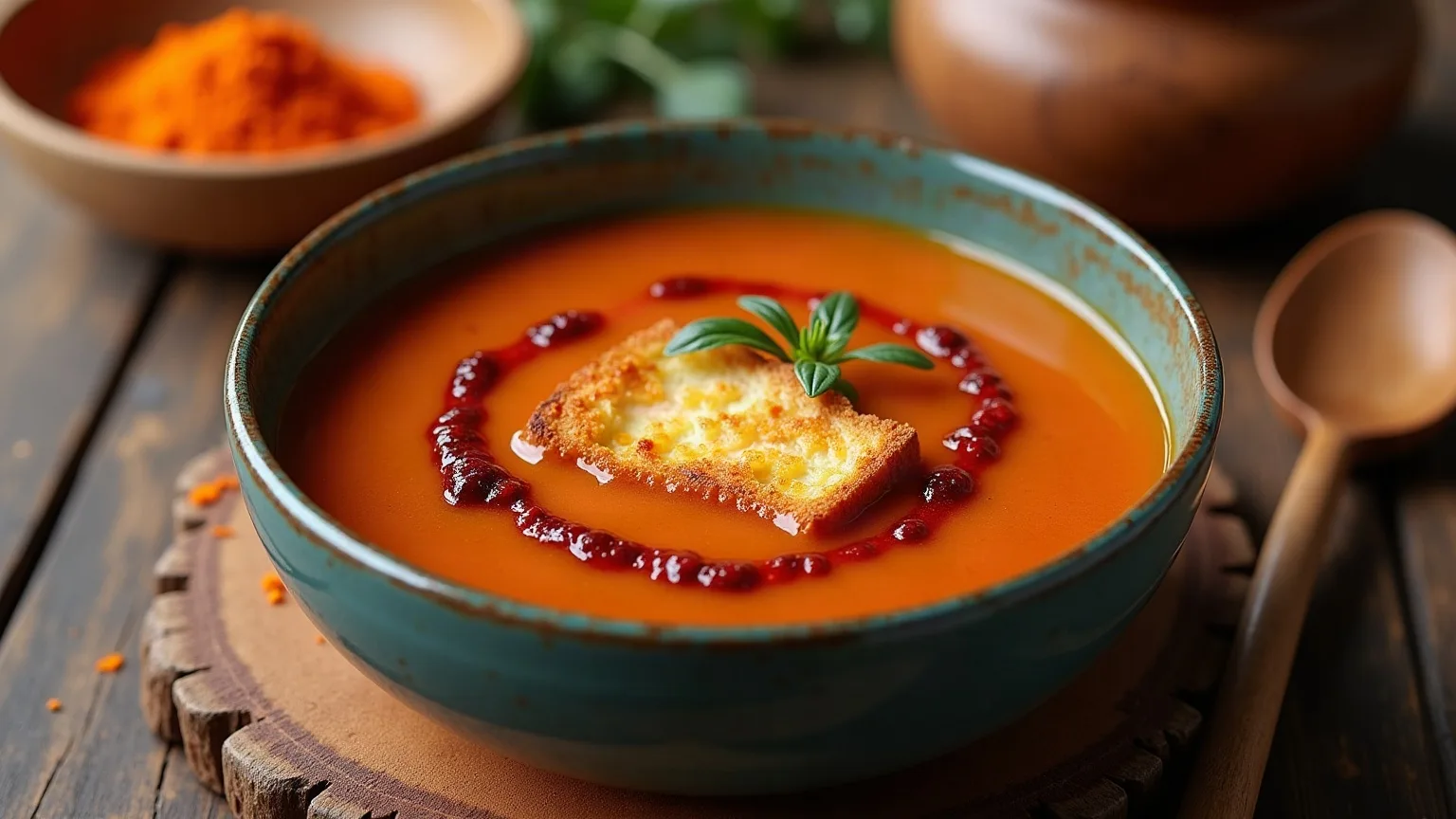
 Water
→
Water
→
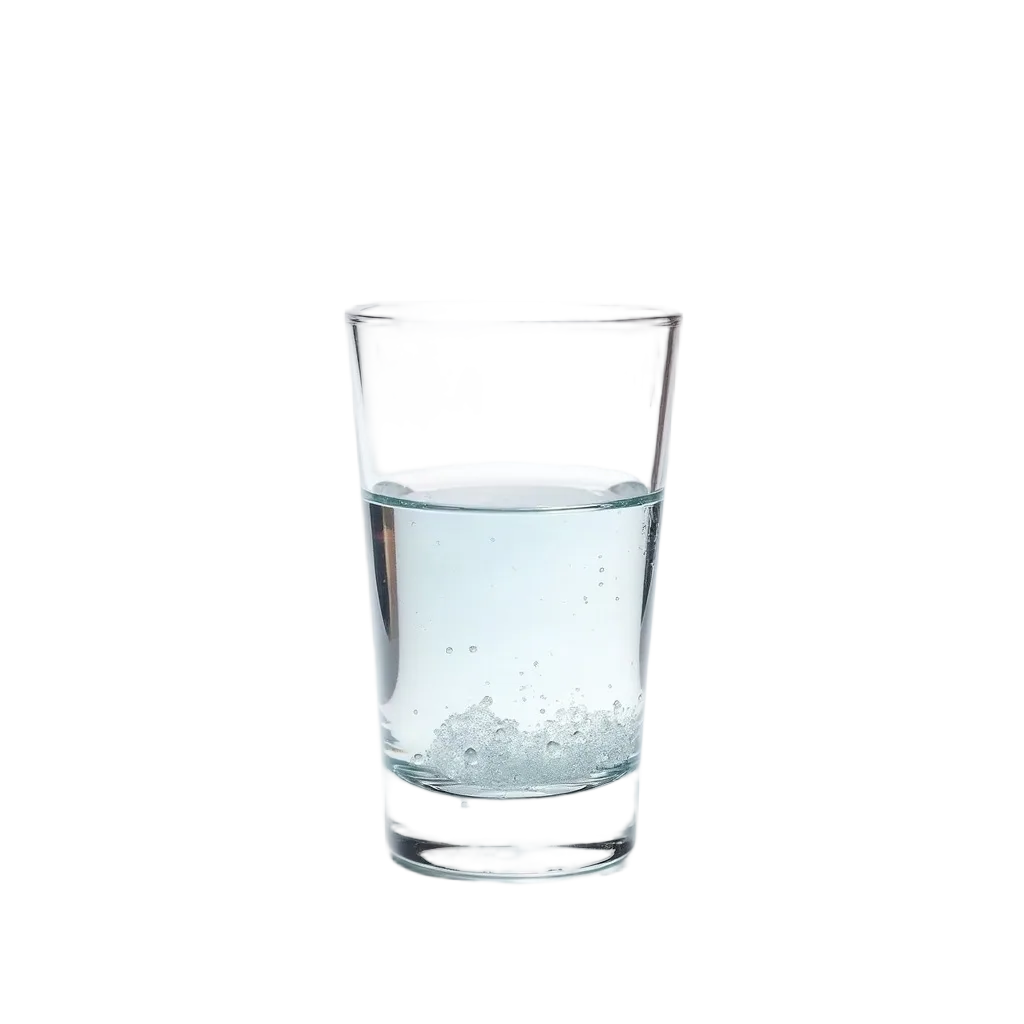
Hydration is not a step before the reaction, it is the reaction: dry flour contains no gluten. Glutenin and gliadin only build the viscoelastic network once water arrives.
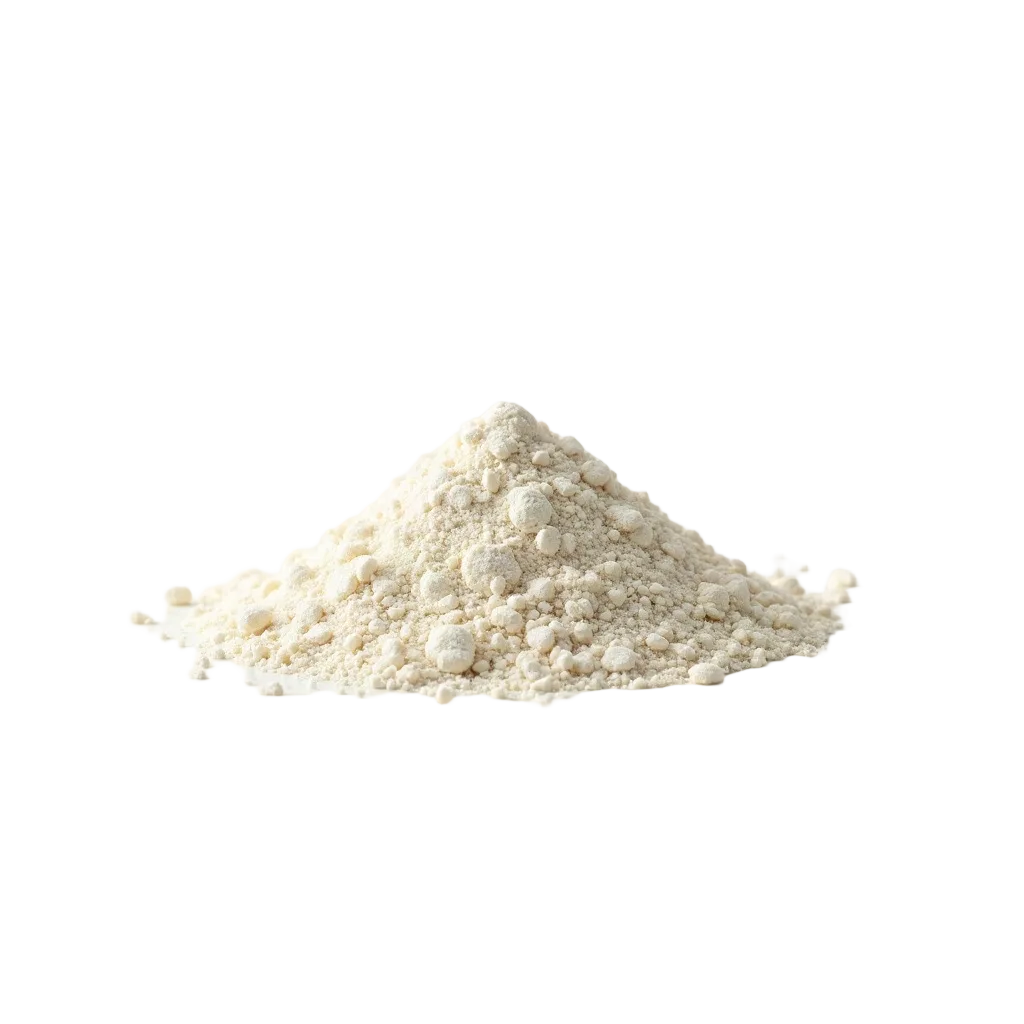
They build structure. Starch granules swell in hot water, burst, and weave a net that traps the liquid — most of what you call body comes from here. Wheat does one extra job on top: gluten.
Starch does nothing before 62 °C, and acid cuts the chains during a long boil. Think about your thickener after the heat and before the acid.
Sifting does not remove lumps, it aerates: the same weight takes more space. Weigh it, never scoop it.
Airtight in a cool dry cupboard for 6-8 months; wholemeal is higher in fat, so refrigerate it and use within 3 months.
Wheat flour is a direct source of gluten: the gliadin and glutenin proteins are in the wheat itself.
Allergen: GLUTEN
"They go well together" is not an explanation. Every pairing below has a chemical or structural mechanism under it.
Water
→
Hydration is not a step before the reaction, it is the reaction: dry flour contains no gluten. Glutenin and gliadin only build the viscoelastic network once water arrives.
 Salt
→
Salt
→
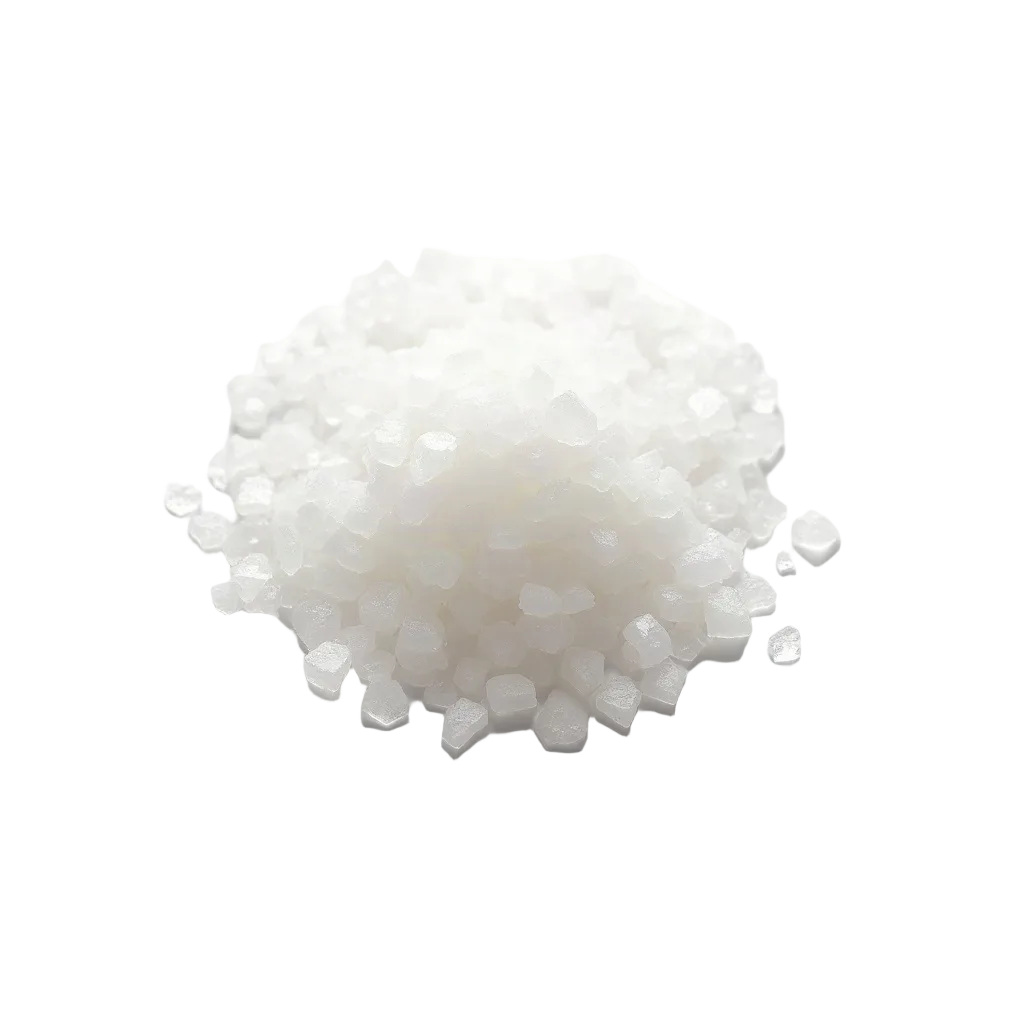
Sodium and chloride screen the negative charges on glutenin chains; with less repulsion they pack closer and the dough strengthens. Salt also inhibits the flour proteases that would degrade gluten.
 Butter
→
Butter
→
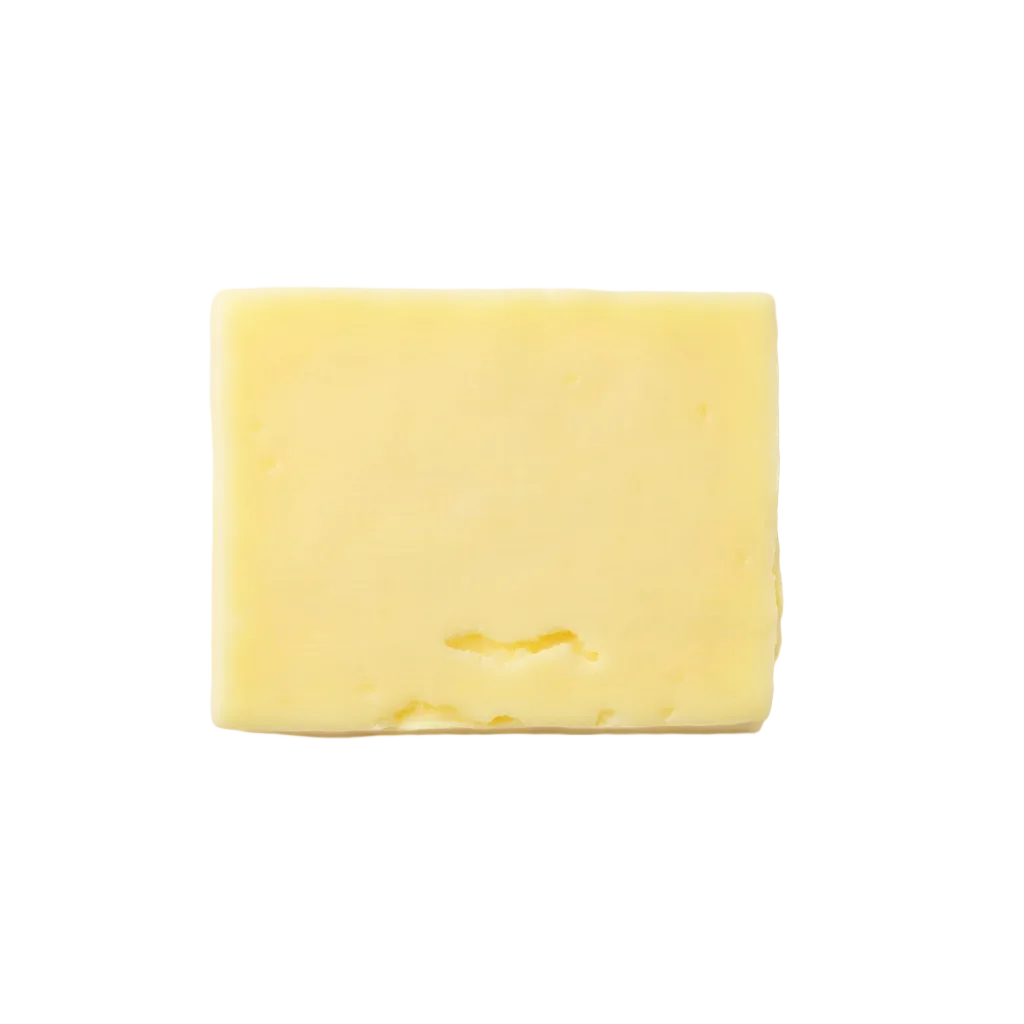
Fat coats the hydrated protein strands and physically interrupts gluten continuity. That is why the same flour gives bread with water and crumbly pastry with fat.
 Vinegar
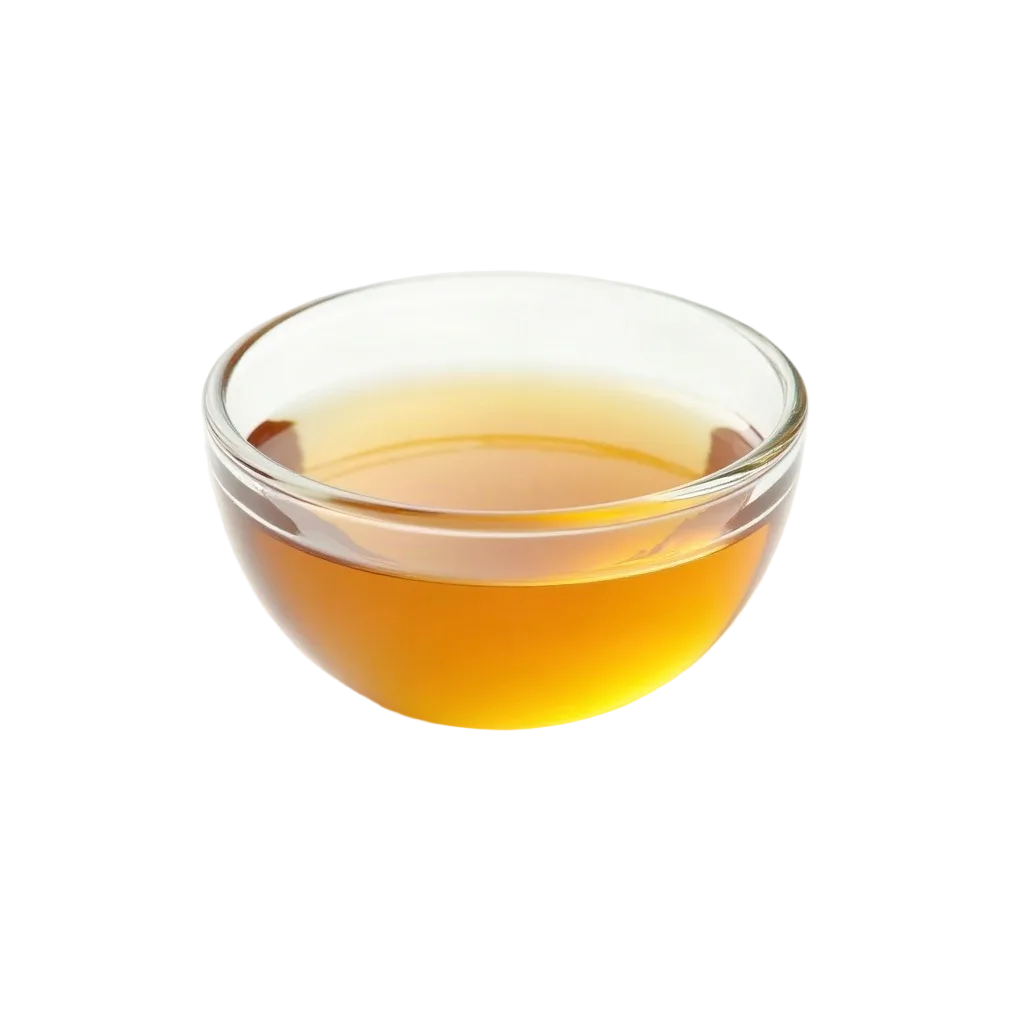
A serious dose of acid depolymerises gluten and over-slackens the dough.
 Baking soda
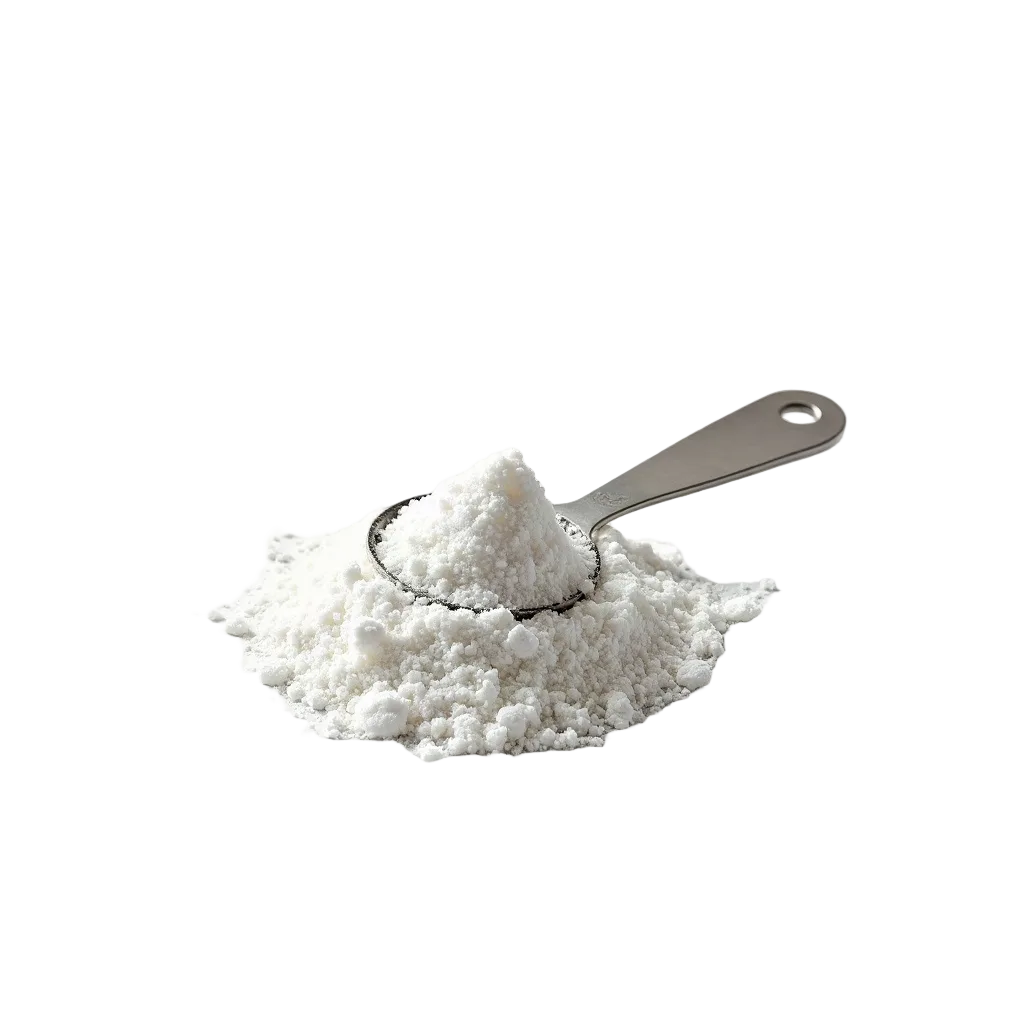
Soda without acid raises the pH, leaves a soapy taste and yellows the wheat flavonoids.
Wheat protein is limiting in lysine and incomplete on its own; legumes complete it. The old rule that they must be eaten in the same meal was withdrawn in 1988 — across the day is enough.
11 dishes in the database use it.
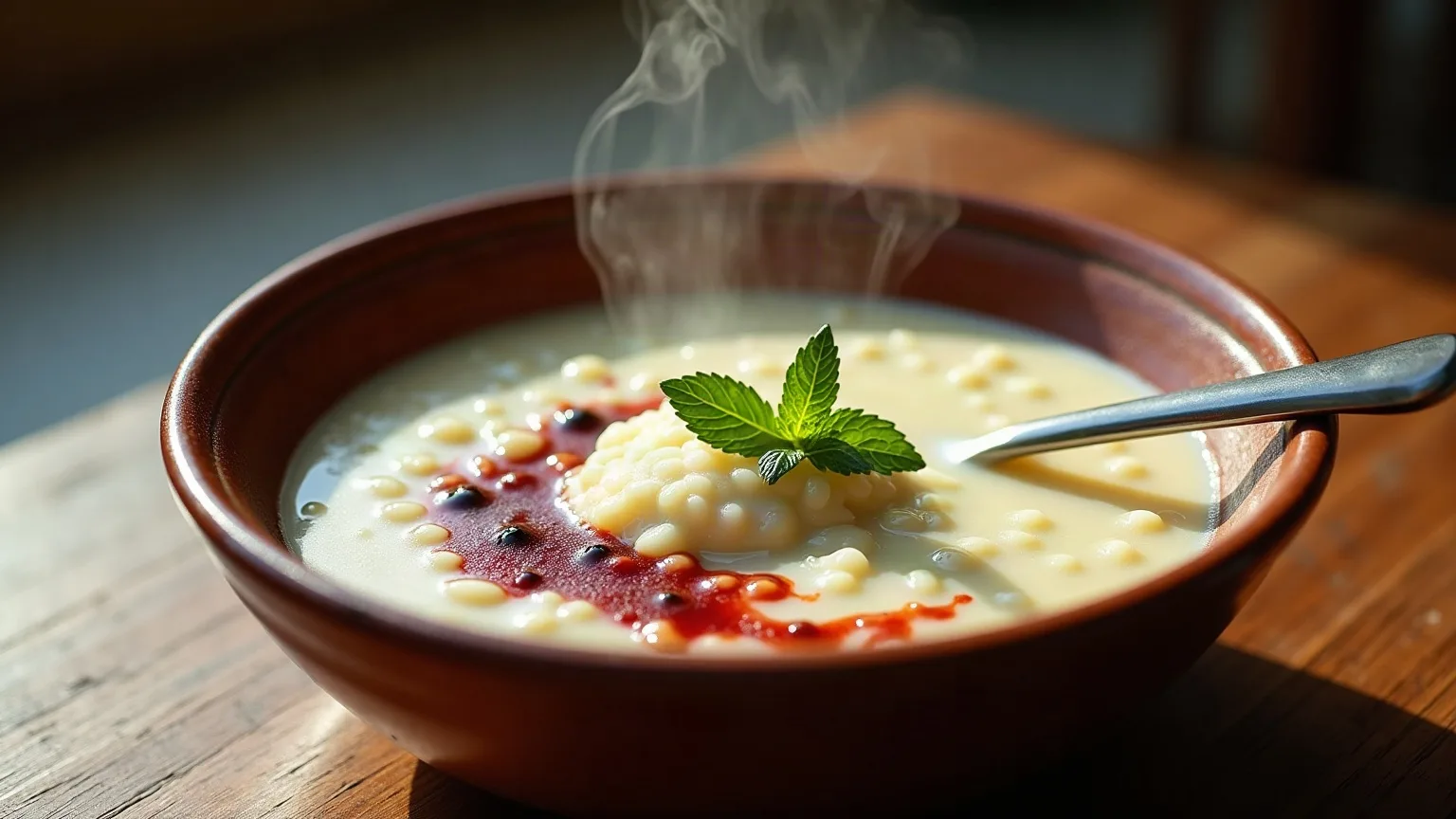
The default Turkish yoghurt soup and the textbook terbiyeli çorba. Rice simmers in water, yoghurt, flour and egg yolk are beaten separately, tempered with hot broth, returned to the pot and thickened without ever boiling. Finished with dried mint bloomed in butter.
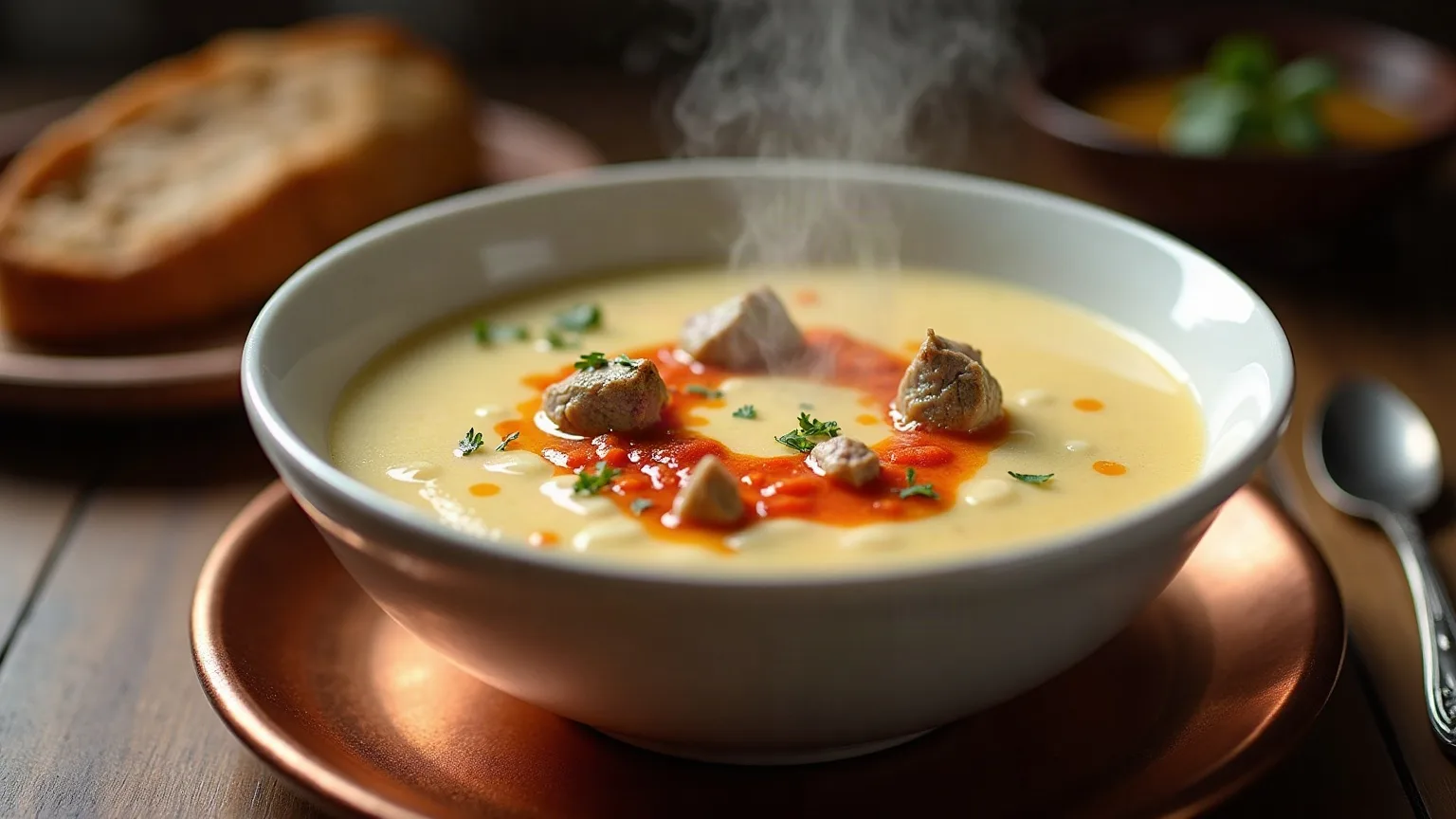
A ceremonial soup cooked in meat broth whose identity is its terbiye: strained yoghurt, egg yolk, flour and lemon juice beaten separately, tempered, and stirred in. Finished with butter and chilli.
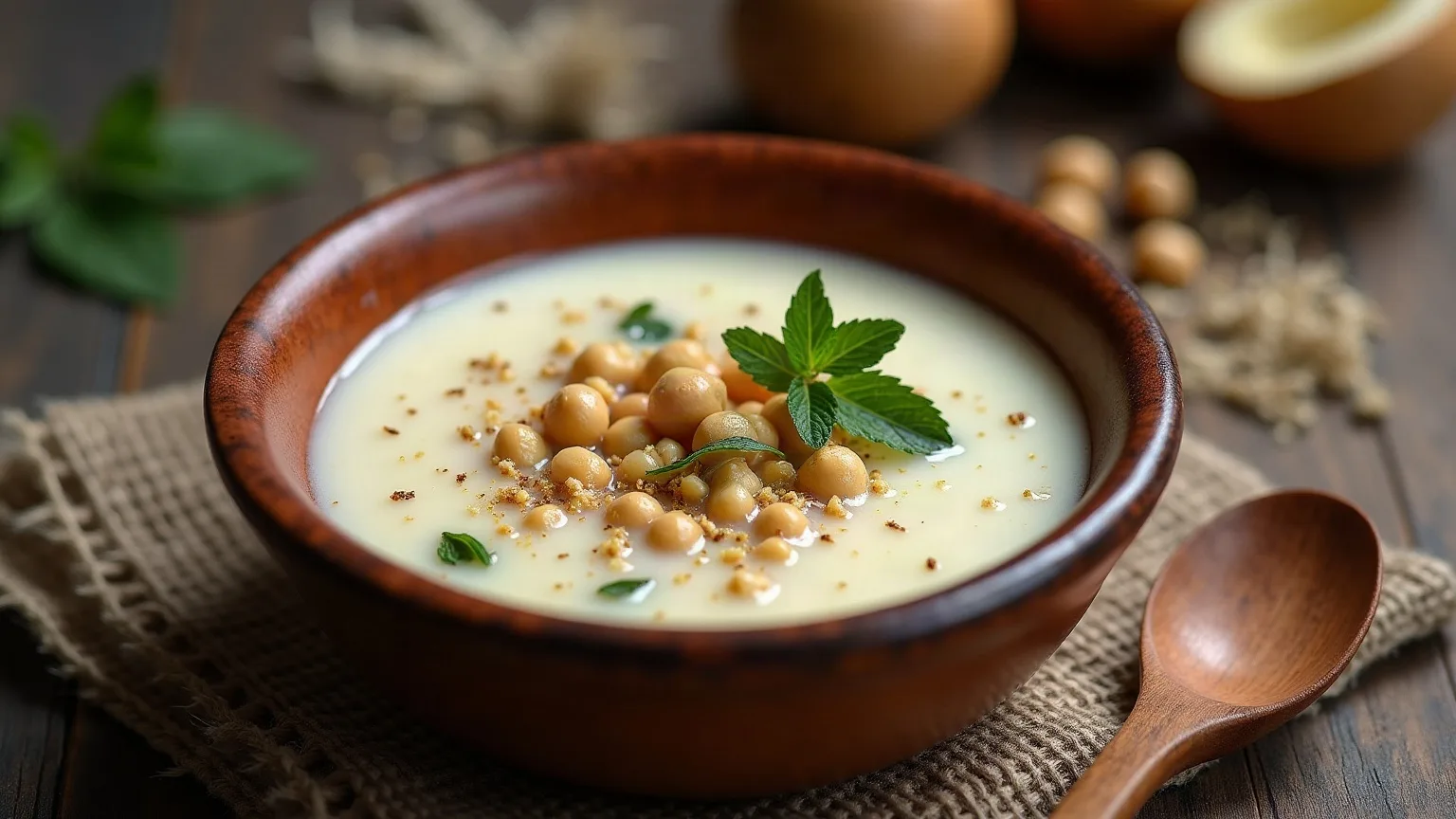
A thicker, more archaic cousin of yayla çorbası: hulled wheat instead of rice, strained yoghurt instead of plain. A hospitality dish made in big pots at religious holidays, eaten hot or cold.
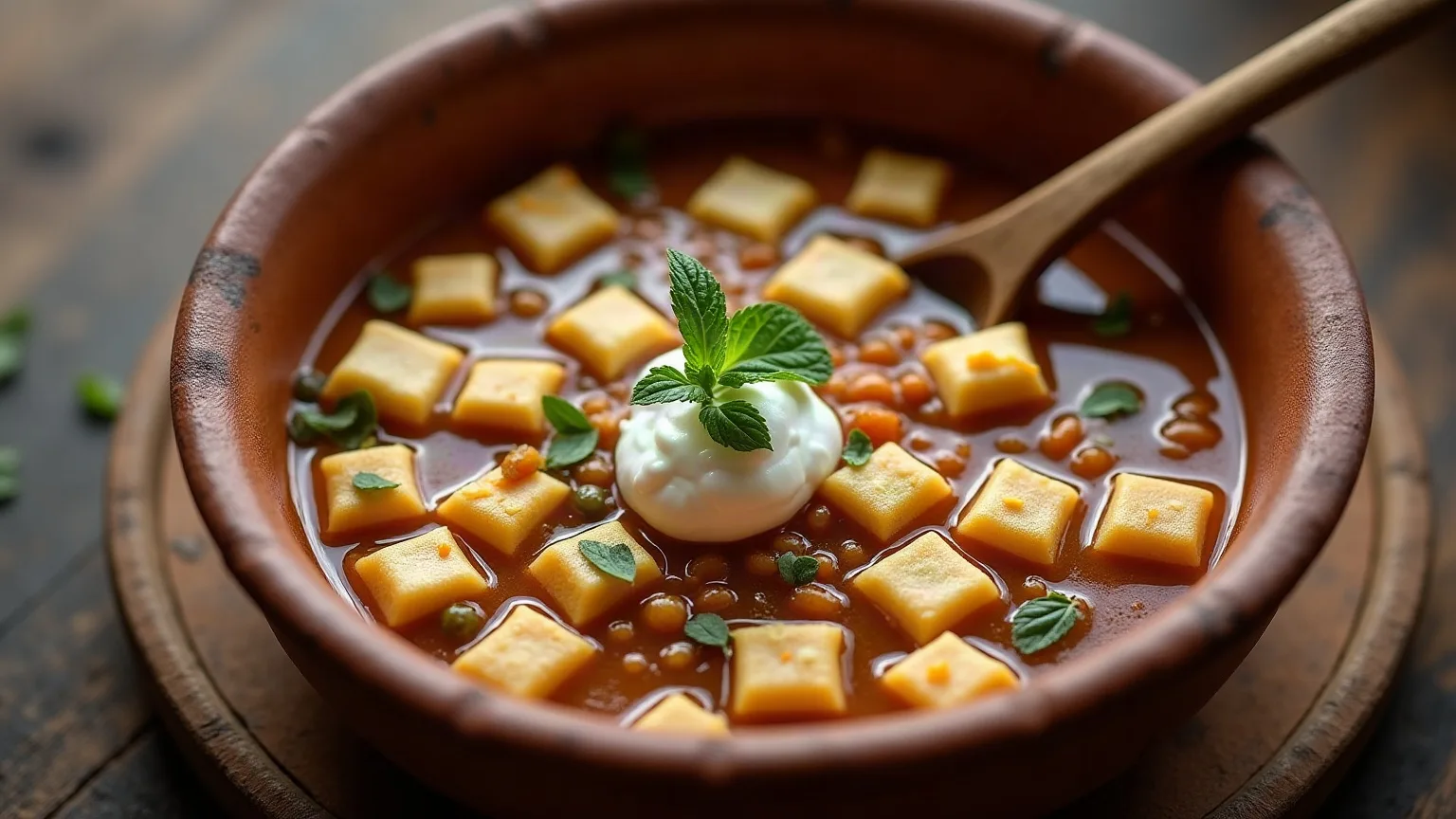
Small cut noodles cooked with meat or lentils, with garlic yoghurt poured over at the plate rather than stirred into the pot. This is a far older and far simpler answer to the curdling problem than terbiye.
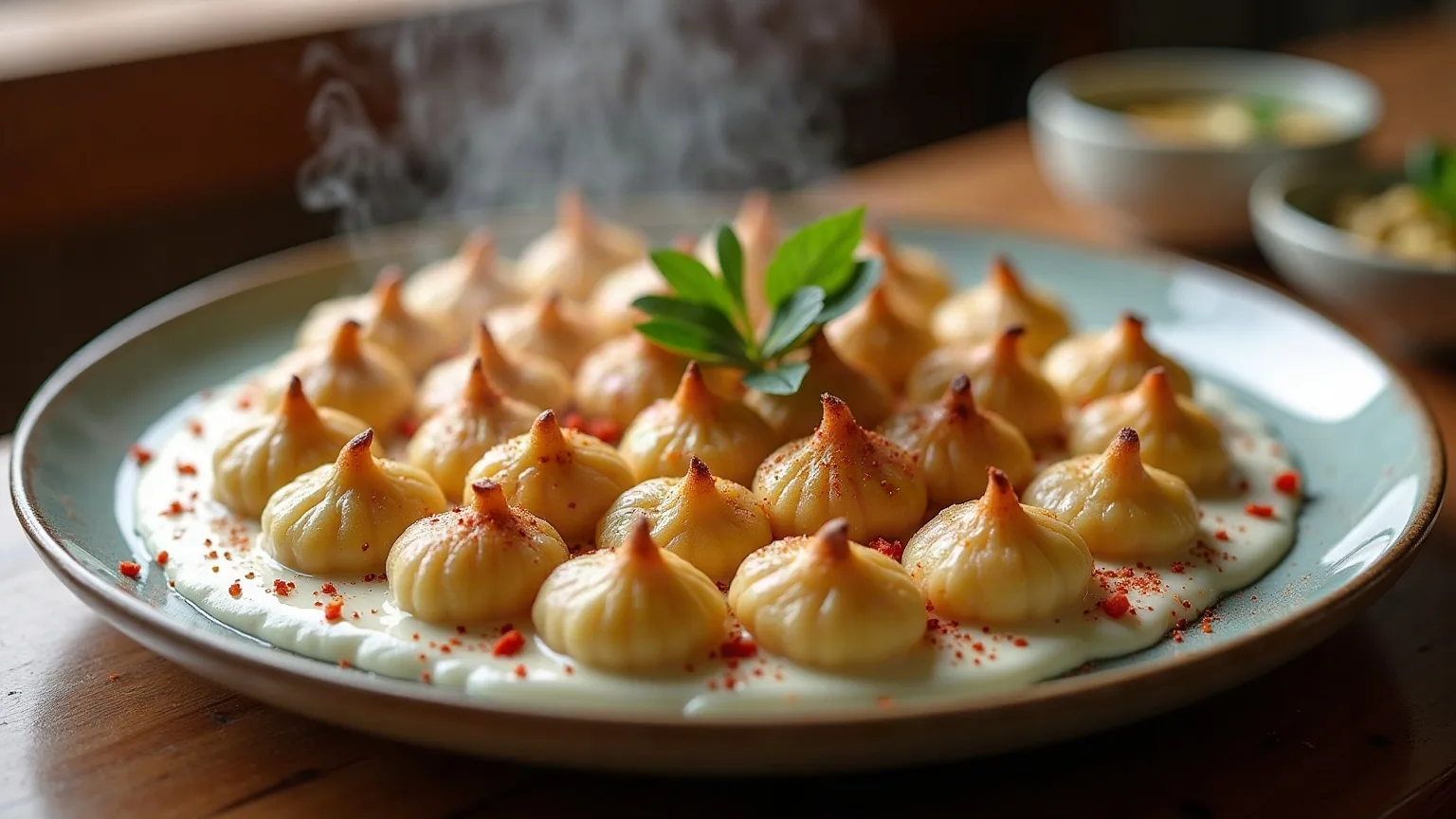
Tiny dough parcels are boiled, laid over garlic yoghurt and finished with sizzled butter and chilli. Dried mint and sumac come last.
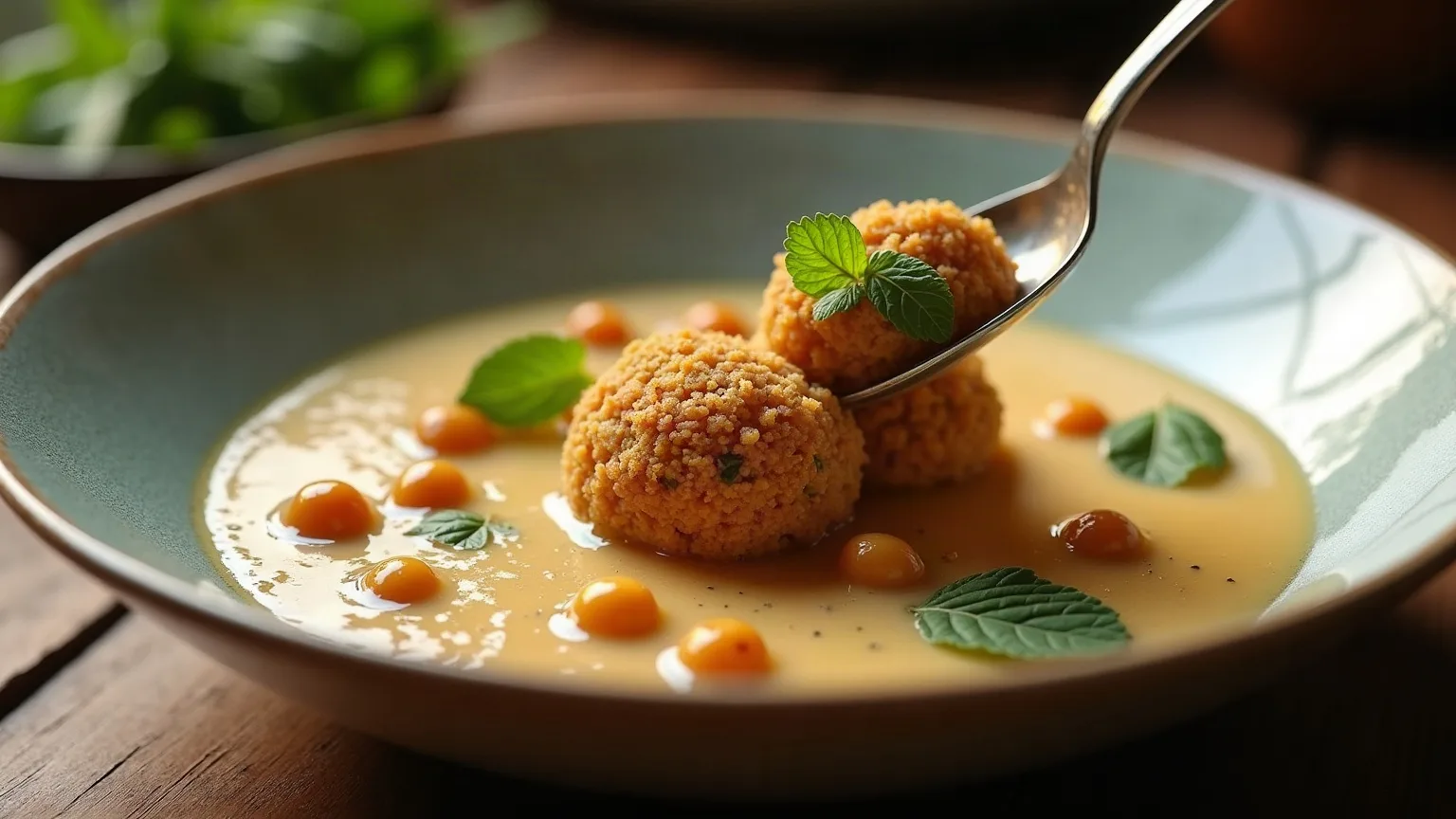
Tiny bulgur-cased köfte cooked with chickpeas in a yoghurt broth. Gaziantep sources insist it is not yuvalama: yuvalama’s balls are rice flour, ufak köfte’s are bulgur.
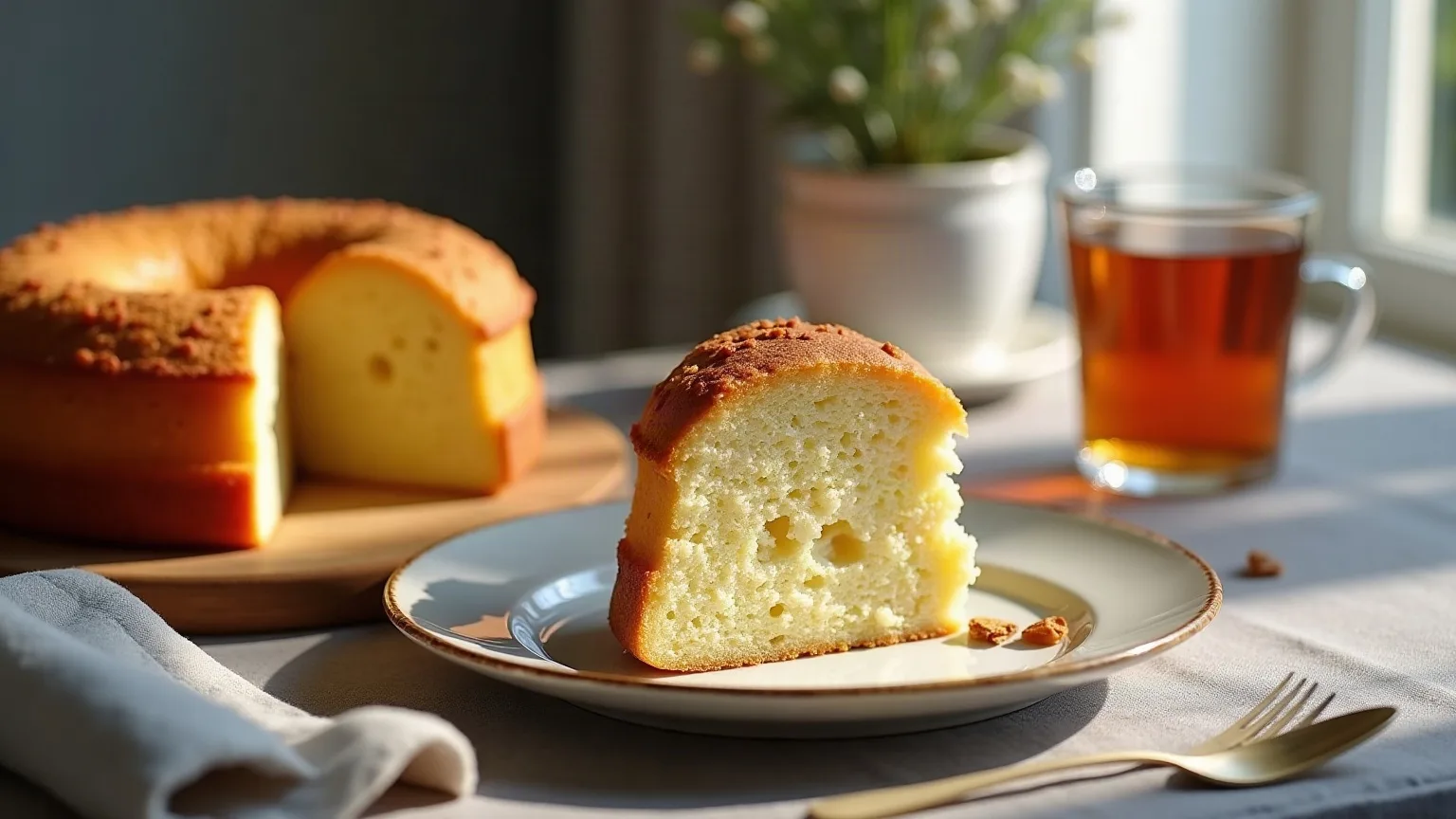
Turkey’s everyday tea cake. The yoghurt is both the liquid phase and the acid half of the chemical leavening.
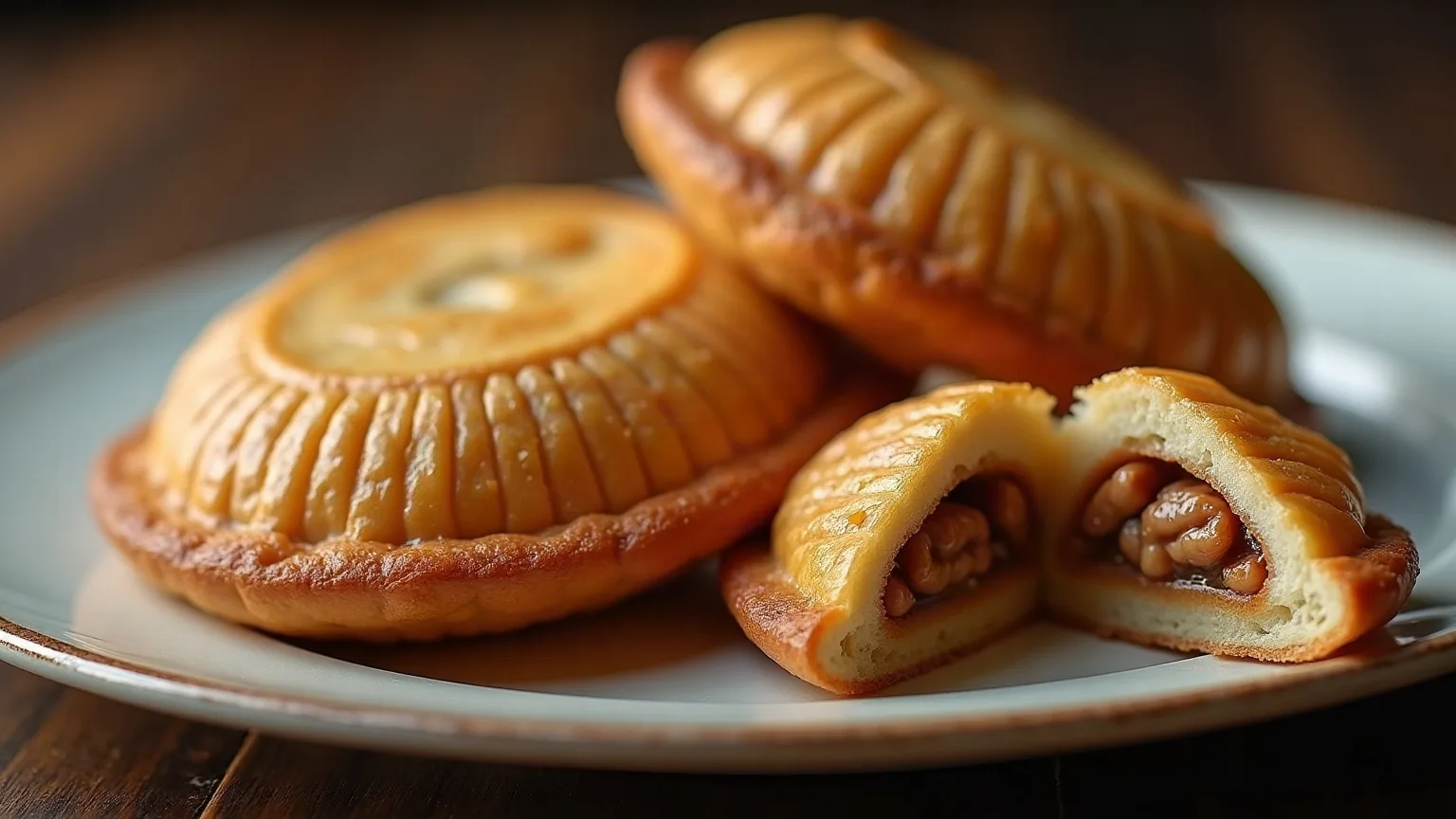
Walnut-filled dough ovals are pressed against a sieve to emboss ridges, baked and soaked in syrup. The name comes straight from that gesture.
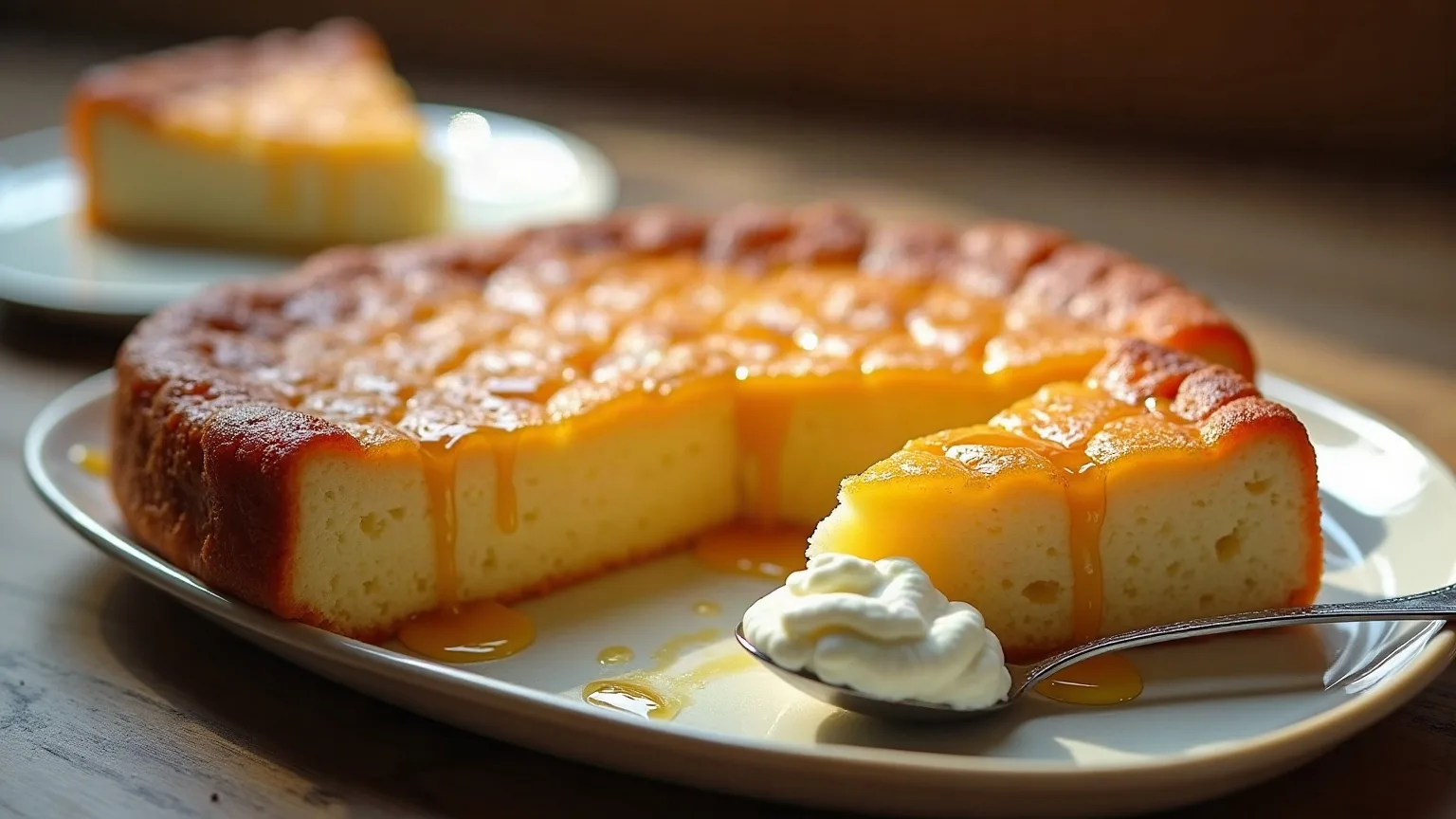
A pale tray bake cut into squares or diamonds and drenched in cold syrup. It looks like revani but is made with flour rather than semolina, and the yoghurt is genuinely in the batter.
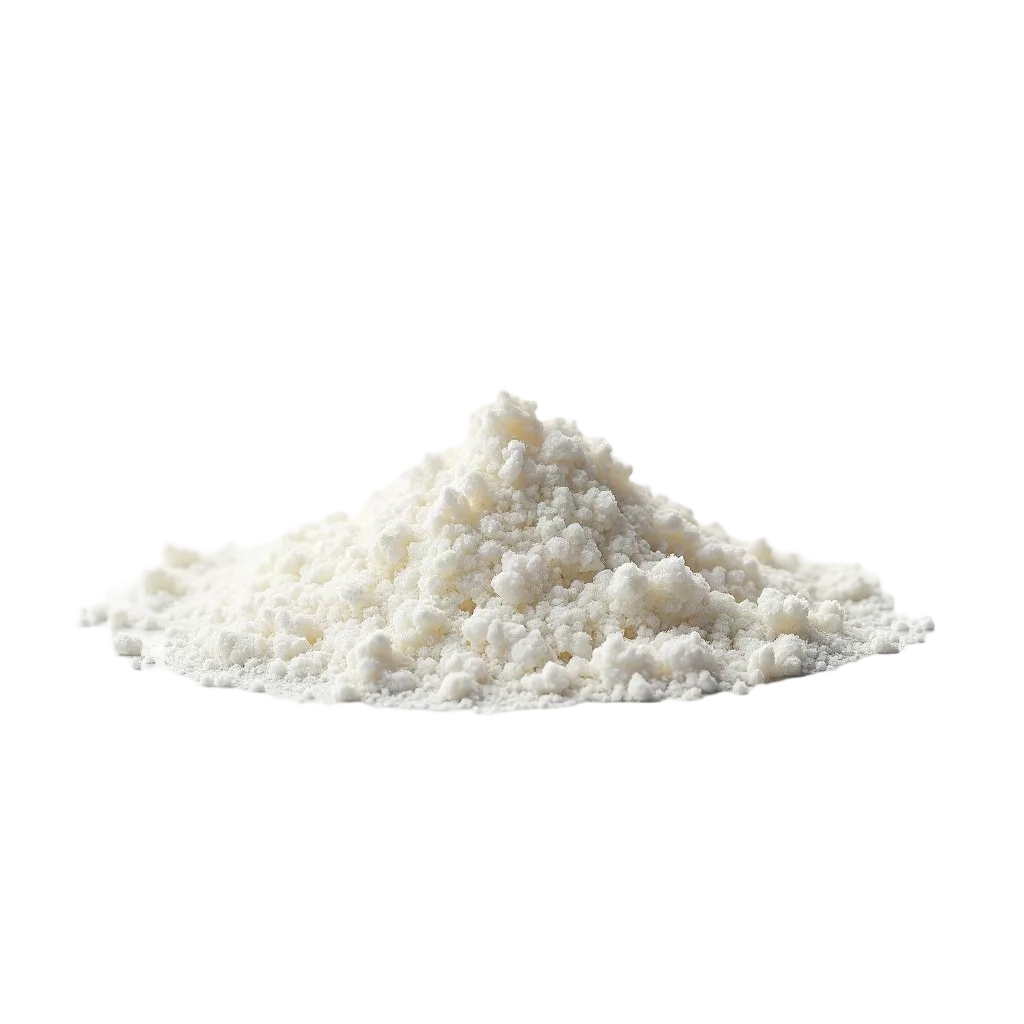 StarchGelatinises at 62–72 °C
Ri
StarchGelatinises at 62–72 °C
Ri
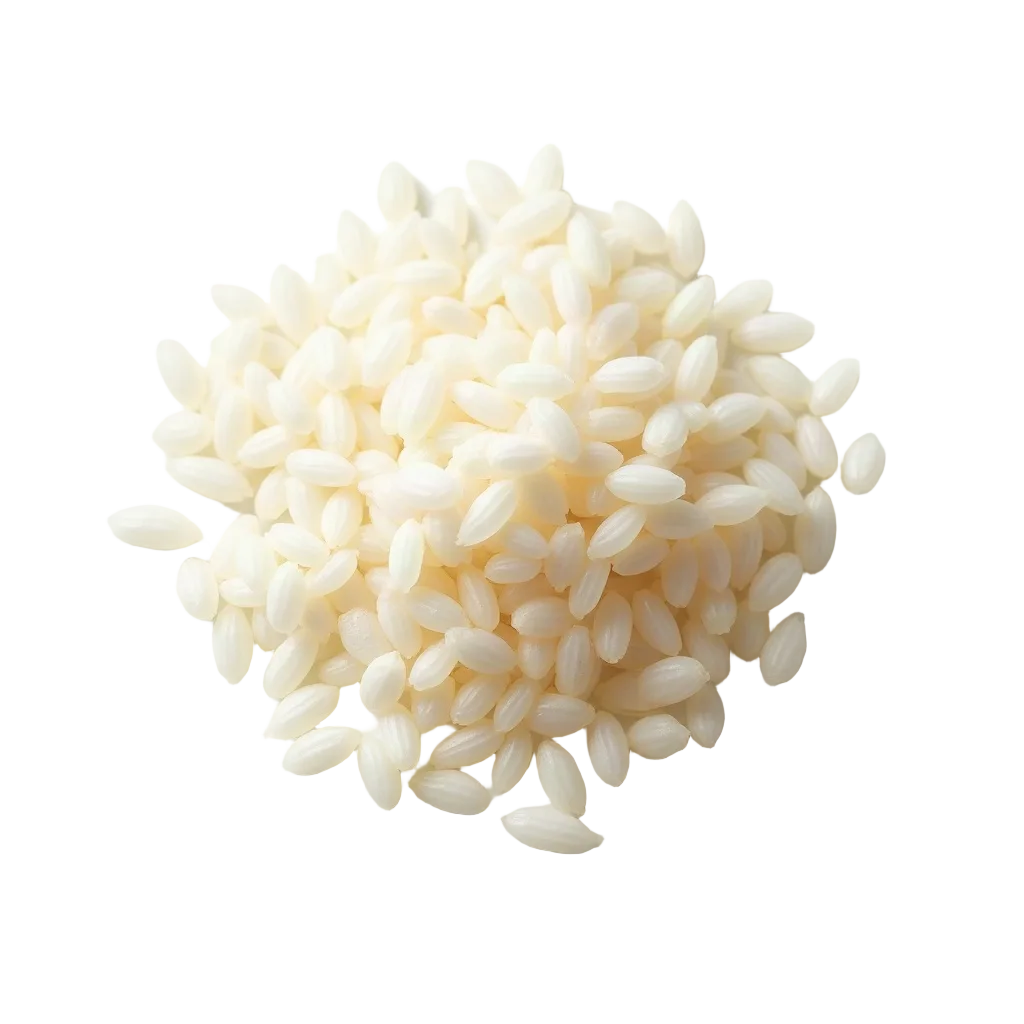 RiceAmylose 20–25% · grains stay separate
Bu
RiceAmylose 20–25% · grains stay separate
Bu
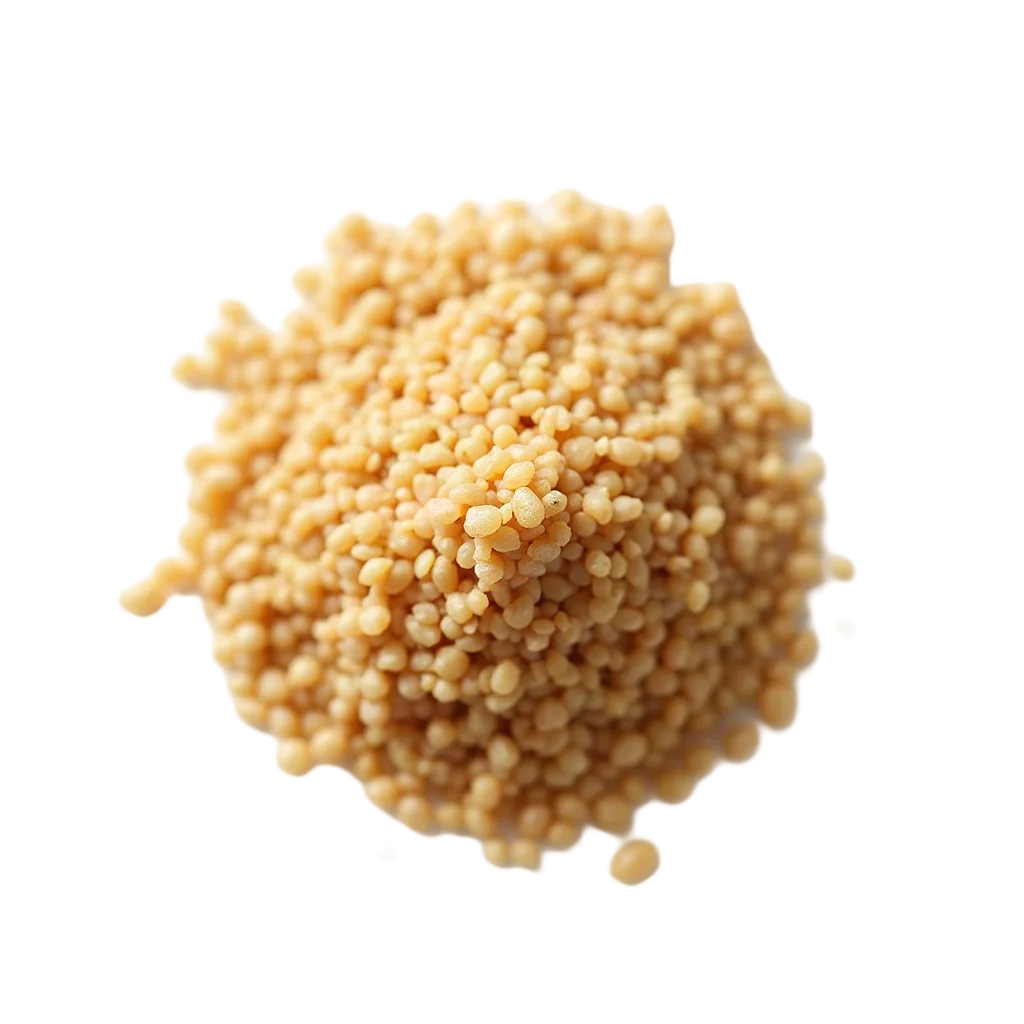 BulgurPre-cooked · steeps in 12 min
Pa
BulgurPre-cooked · steeps in 12 min
Pa
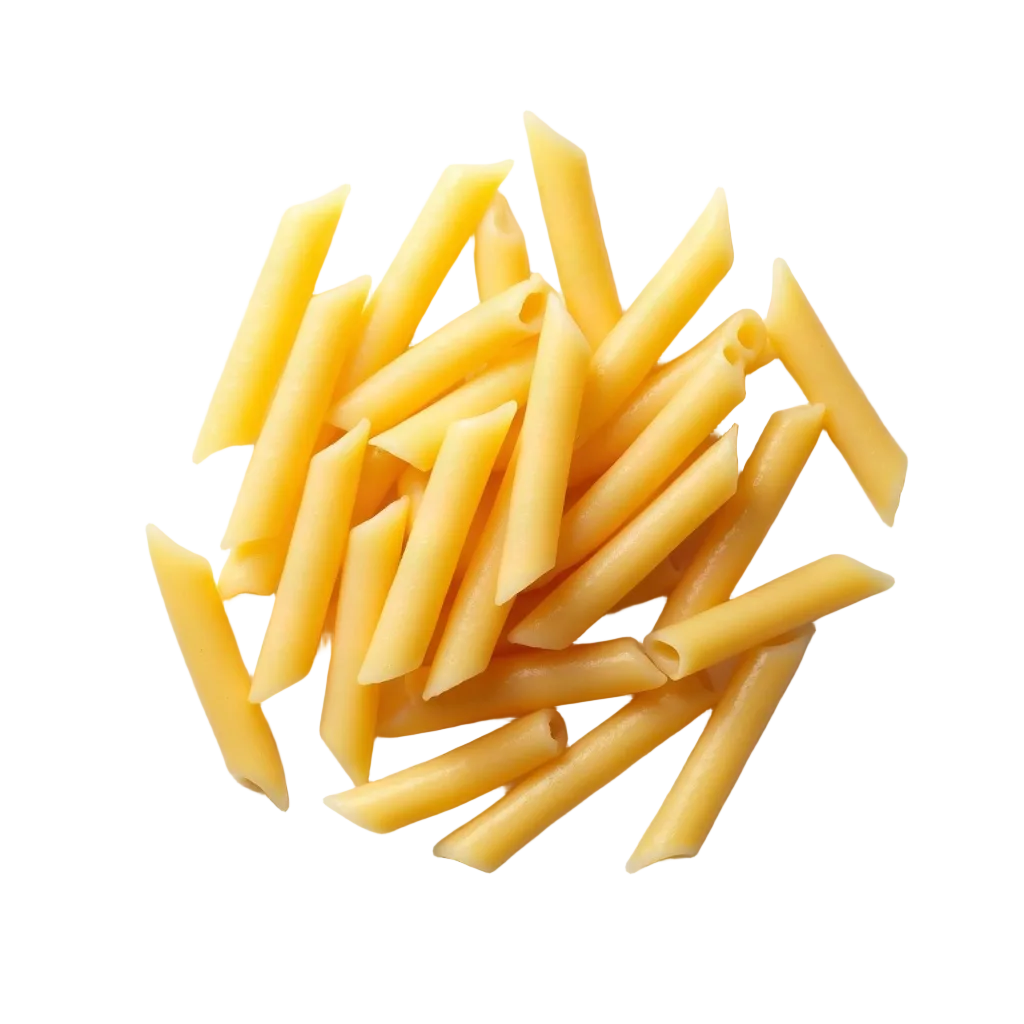 PastaDurum semolina · 1% salted water
Po
PastaDurum semolina · 1% salted water
Po
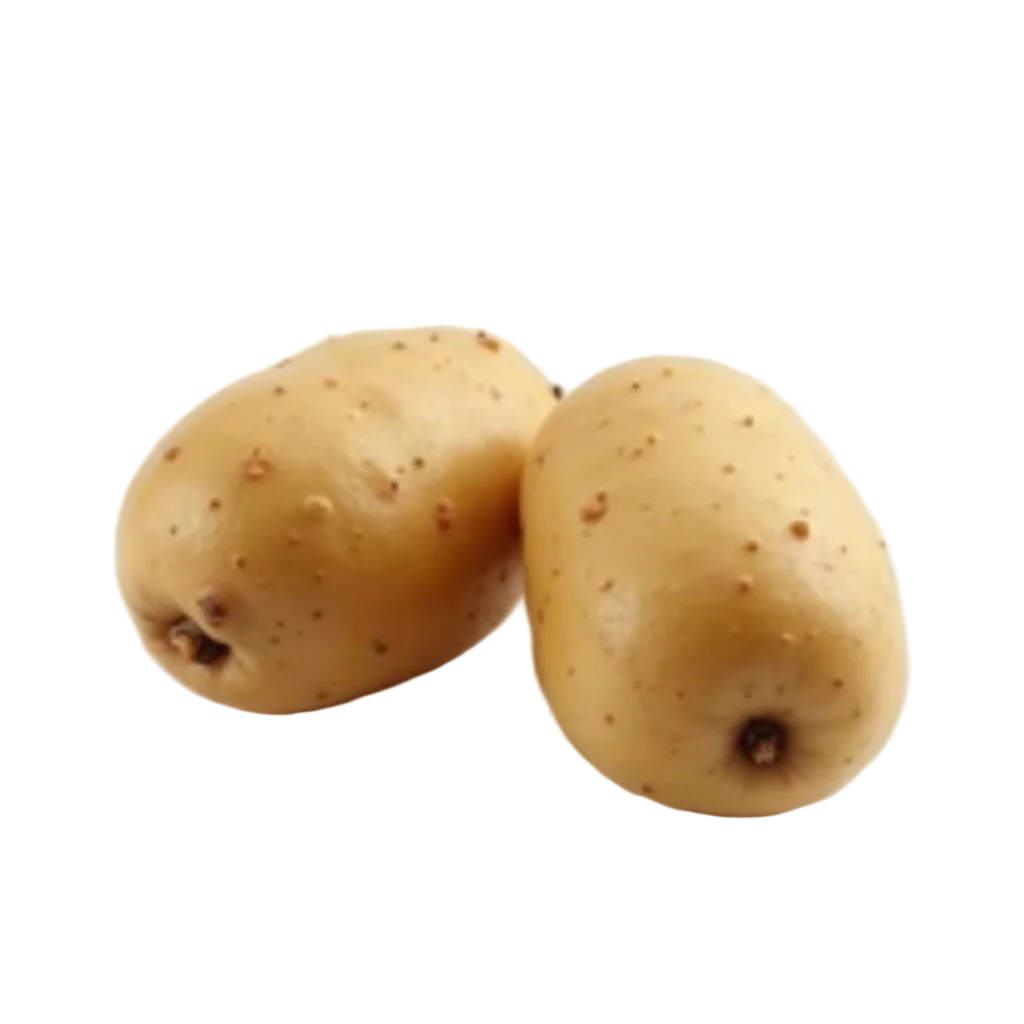 PotatoStarch 15–20% · softens at 60 °C
Tm
PotatoStarch 15–20% · softens at 60 °C
Tm
 Sweet corn18.7% carbohydrate · 2% fibre
Ms
Sweet corn18.7% carbohydrate · 2% fibre
Ms
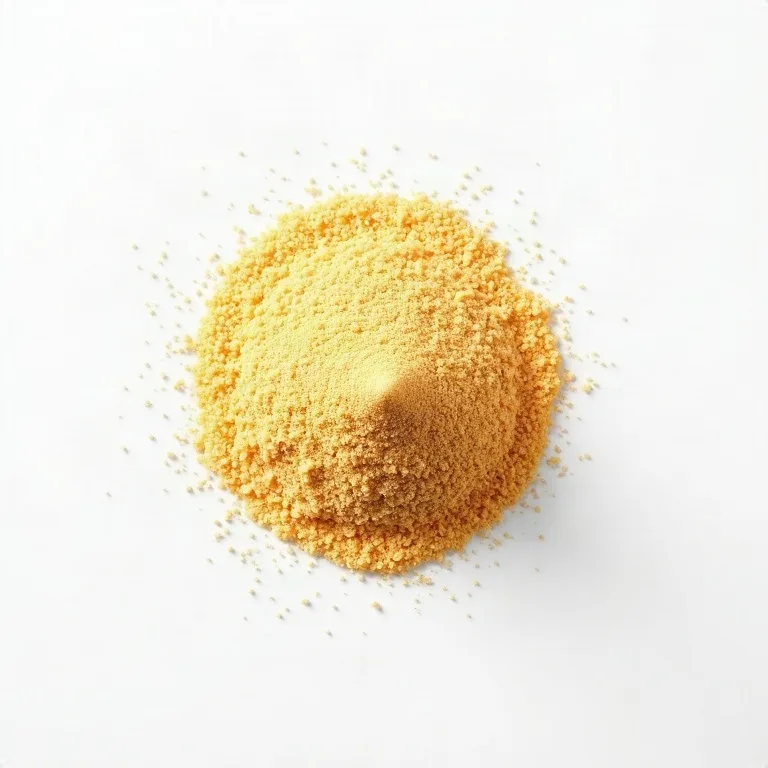 Wholegrain cornmeal76.9% carbohydrate · 7.3% fibre
Ir
Wholegrain cornmeal76.9% carbohydrate · 7.3% fibre
Ir
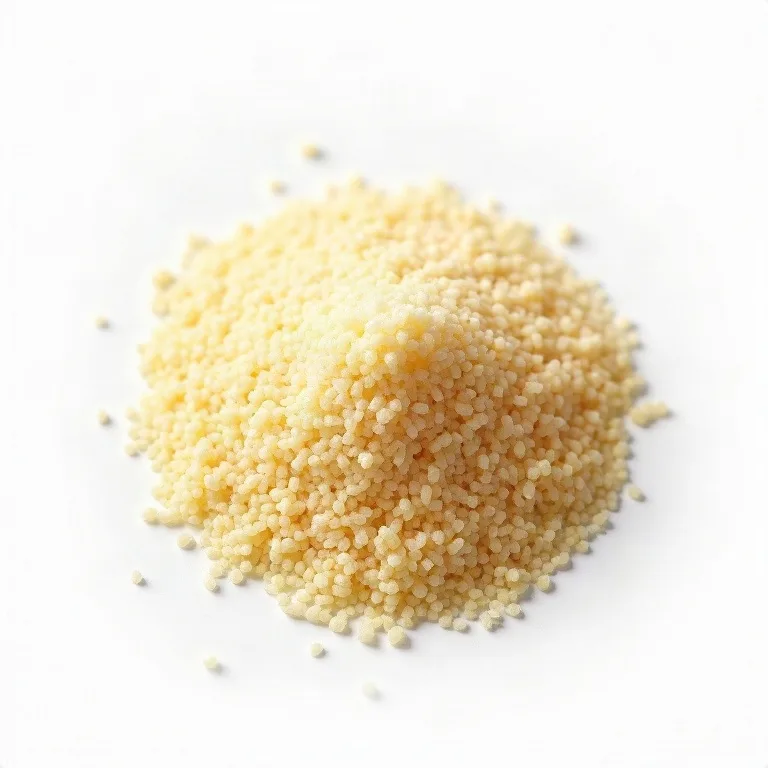 Semolina72.8% carbohydrate · 3.9% fibre
Yu
Semolina72.8% carbohydrate · 3.9% fibre
Yu
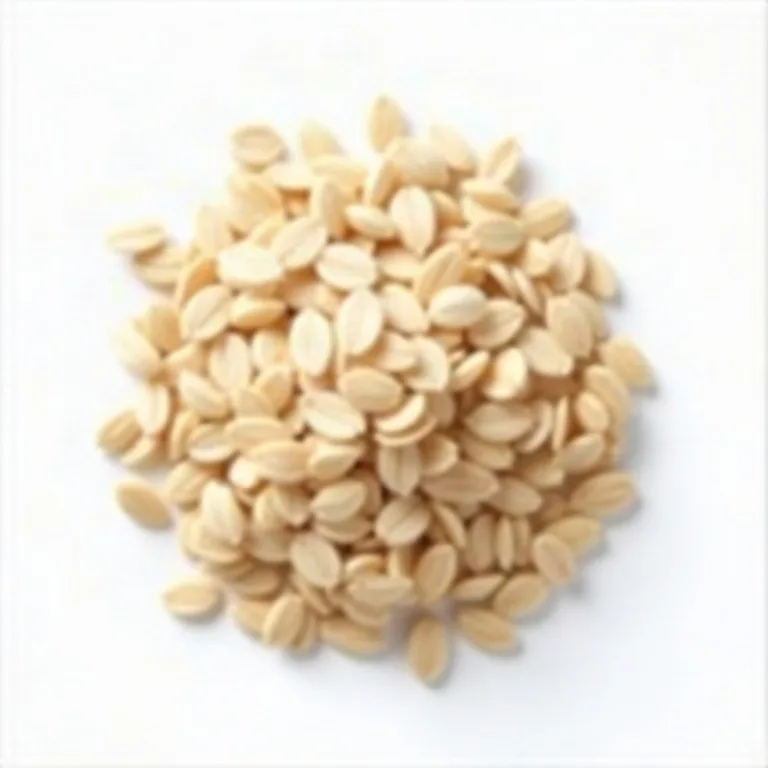 Oats66.3% carbohydrate · 10.6% fibre
As
Oats66.3% carbohydrate · 10.6% fibre
As
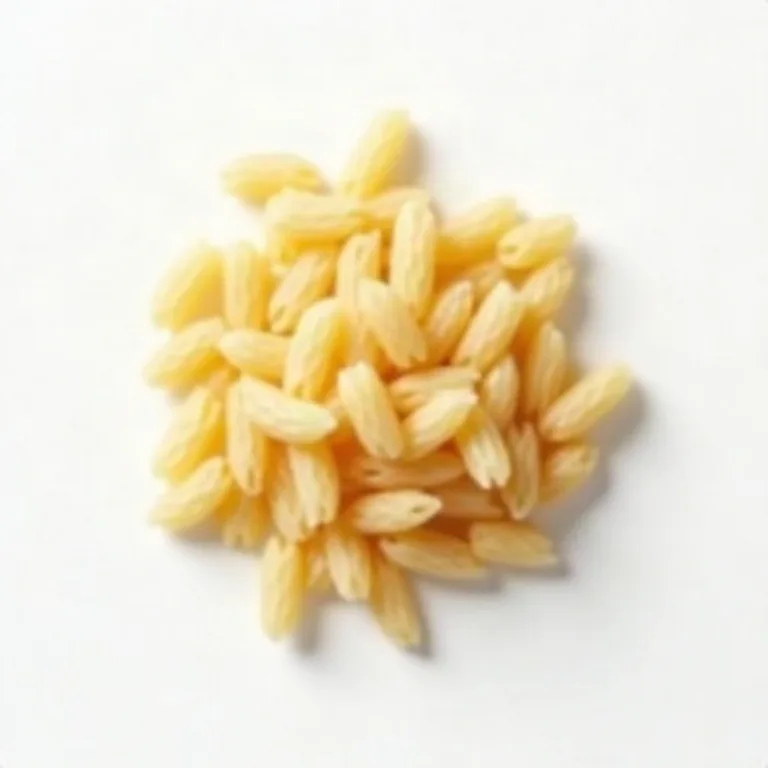 Orzo pasta74.7% carbohydrate · 3.2% fibre
Tl
Orzo pasta74.7% carbohydrate · 3.2% fibre
Tl
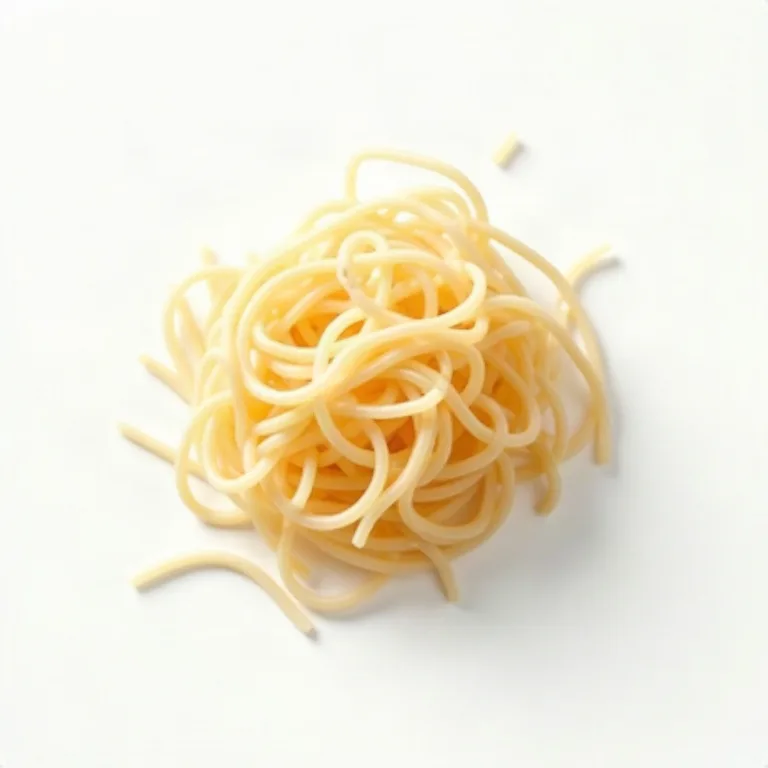 Vermicelli74.7% carbohydrate · 3.2% fibre
Ei
Vermicelli74.7% carbohydrate · 3.2% fibre
Ei
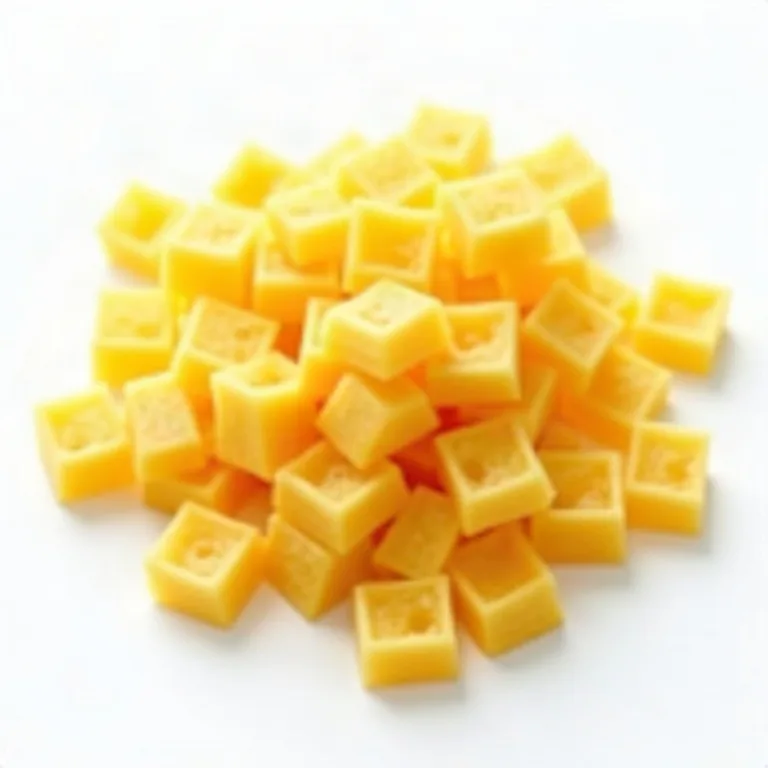 Egg noodles (dry)71.3% carbohydrate · 3.3% fibre
Yf
Egg noodles (dry)71.3% carbohydrate · 3.3% fibre
Yf
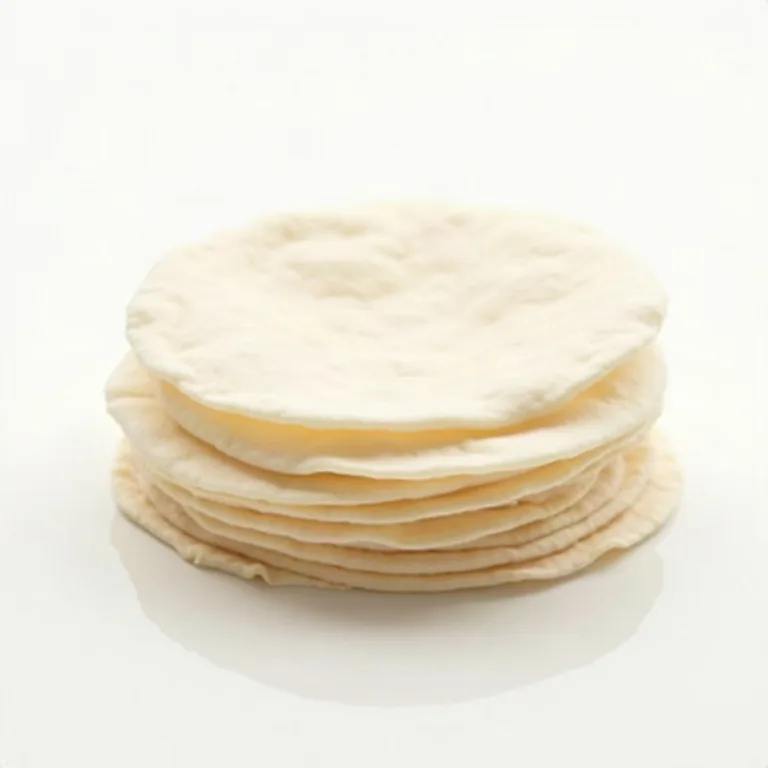 Yufka (uncooked börek sheets)50.1% carbohydrate · 3.1% fibre
Gy
Yufka (uncooked börek sheets)50.1% carbohydrate · 3.1% fibre
Gy
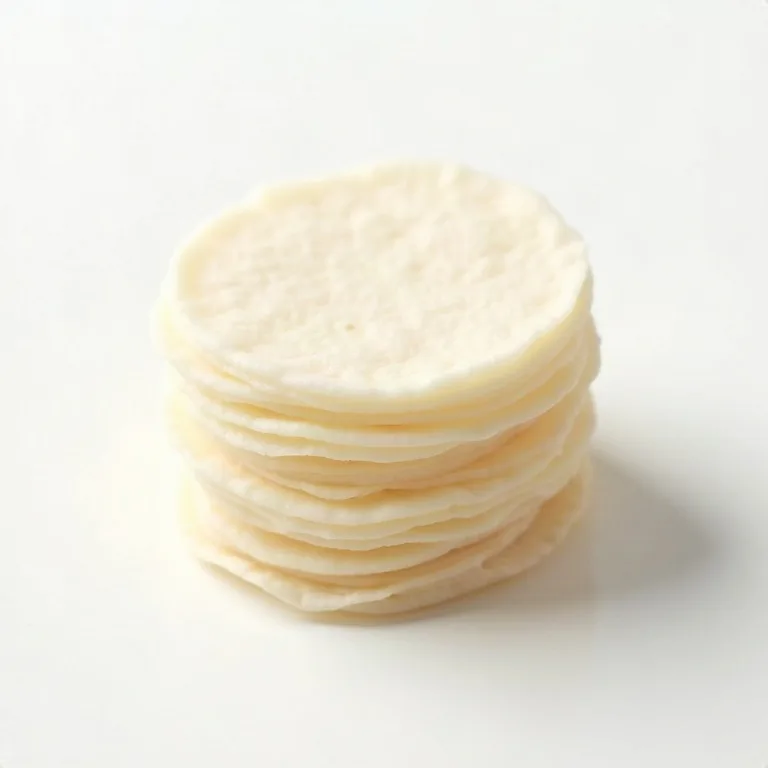 Güllaç sheets82.7% carbohydrate · 2.5% fibre
Tk
Güllaç sheets82.7% carbohydrate · 2.5% fibre
Tk
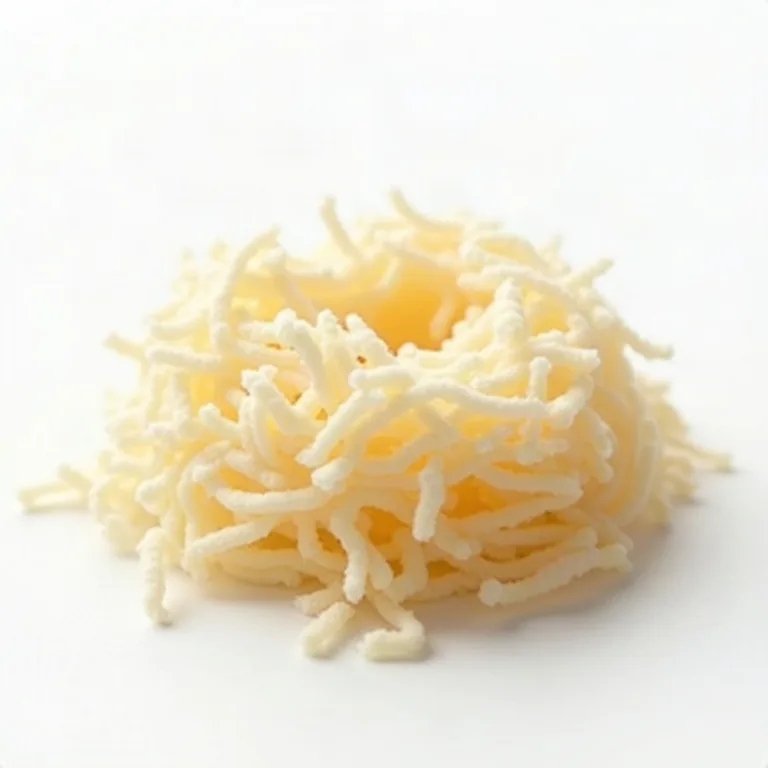 Shredded kadayıf pastry (uncooked)61.7% carbohydrate · 3.5% fibre
Tr
Shredded kadayıf pastry (uncooked)61.7% carbohydrate · 3.5% fibre
Tr
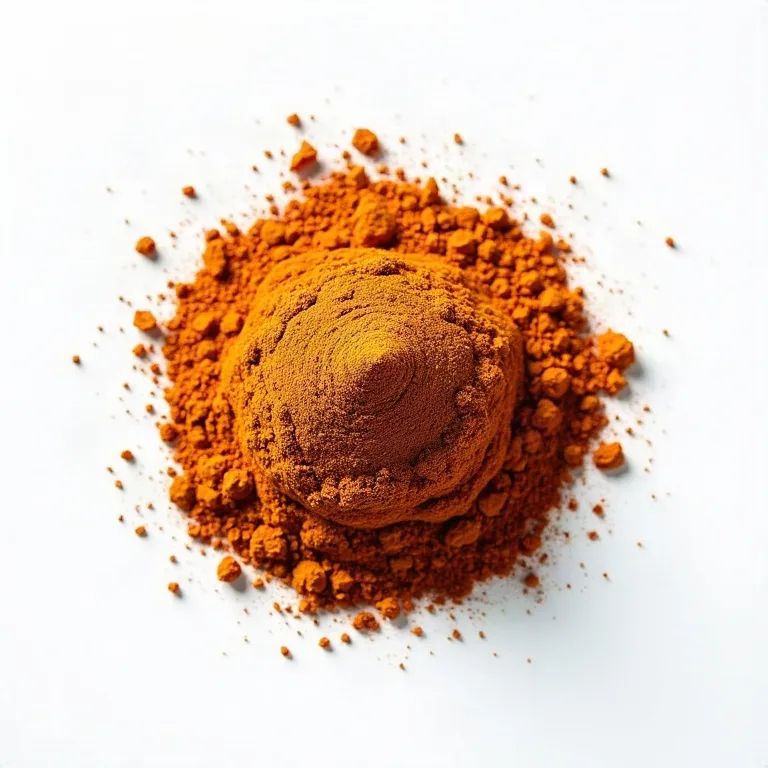 Tarhana (dry)65.3% carbohydrate · 3.8% fibre
Kb
Tarhana (dry)65.3% carbohydrate · 3.8% fibre
Kb
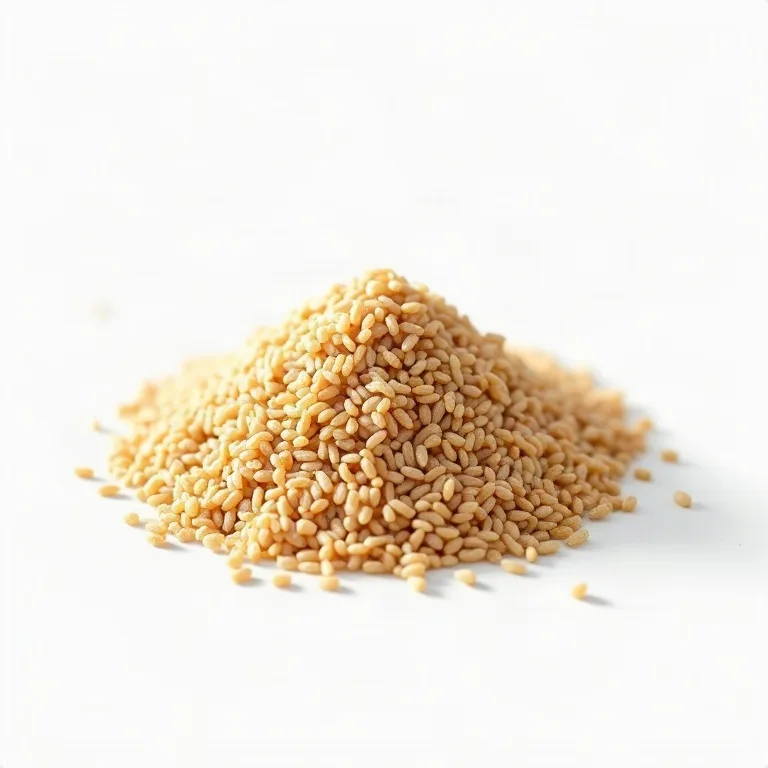 Fine bulgur75.9% carbohydrate · 12.5% fibre
Pb
Fine bulgur75.9% carbohydrate · 12.5% fibre
Pb
 Coarse bulgur70.4% carbohydrate · 6.8% fibre
Sal
Coarse bulgur70.4% carbohydrate · 6.8% fibre
Sal
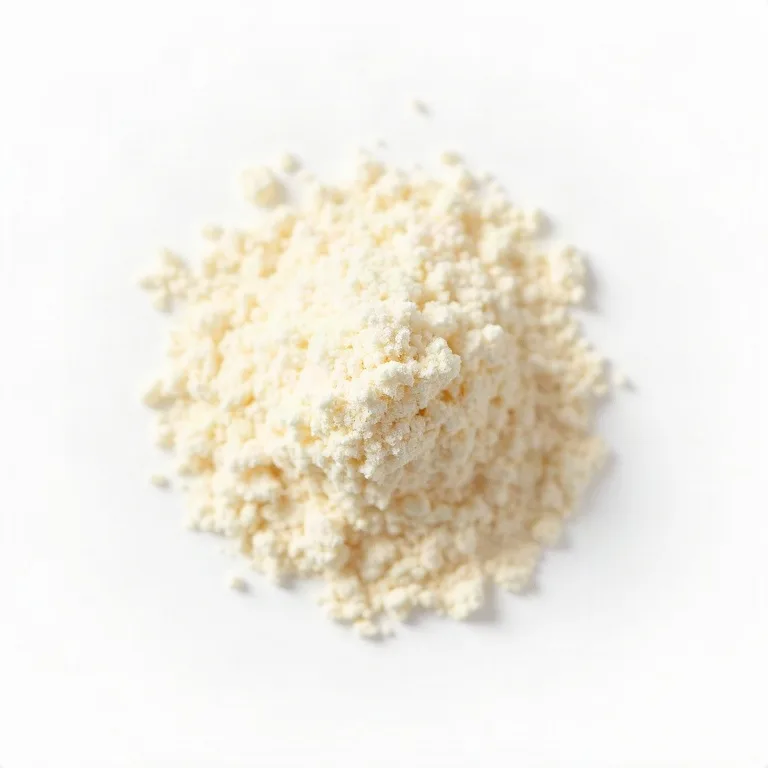 Salep powder (pure)23.7% carbohydrate · 58.8% fibre
Pu
Salep powder (pure)23.7% carbohydrate · 58.8% fibre
Pu
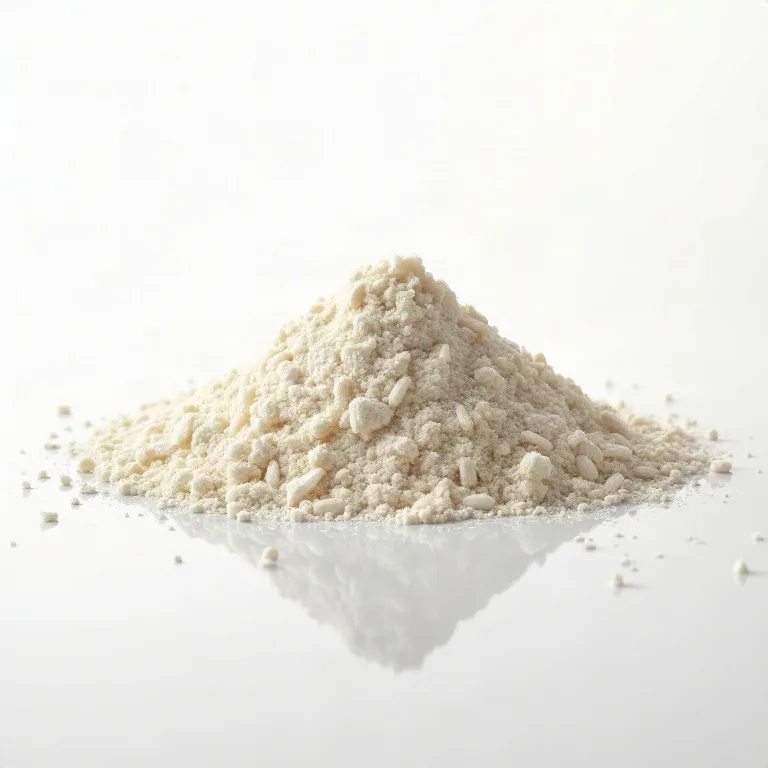 Rice flour80.1% carbohydrate · 2.4% fibre
Dv
Rice flour80.1% carbohydrate · 2.4% fibre
Dv
 Hulled wheat71% carbohydrate · 12.2% fibre
Ys
Oat milk90.6% water · 48 kcal
Hulled wheat71% carbohydrate · 12.2% fibre
Ys
Oat milk90.6% water · 48 kcal
Nothing matches that.
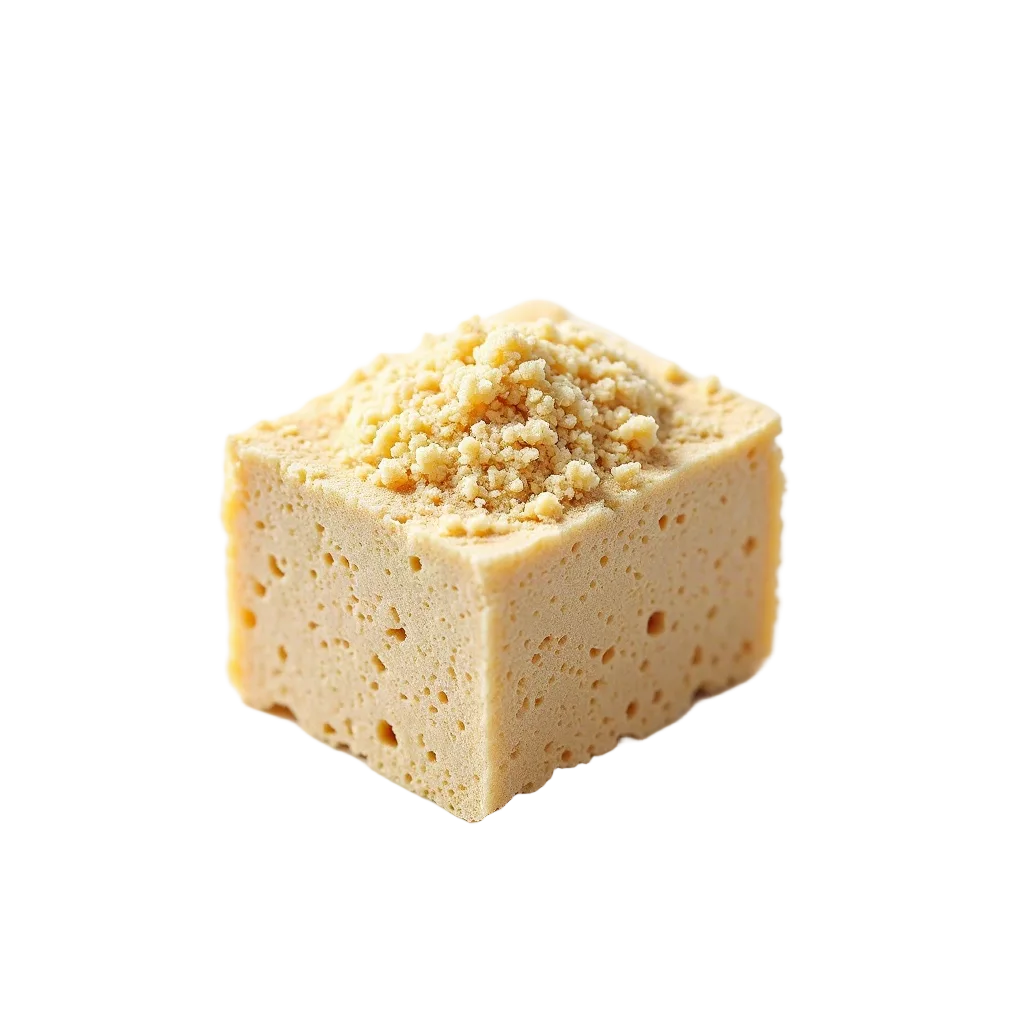 Yeast
Yeast 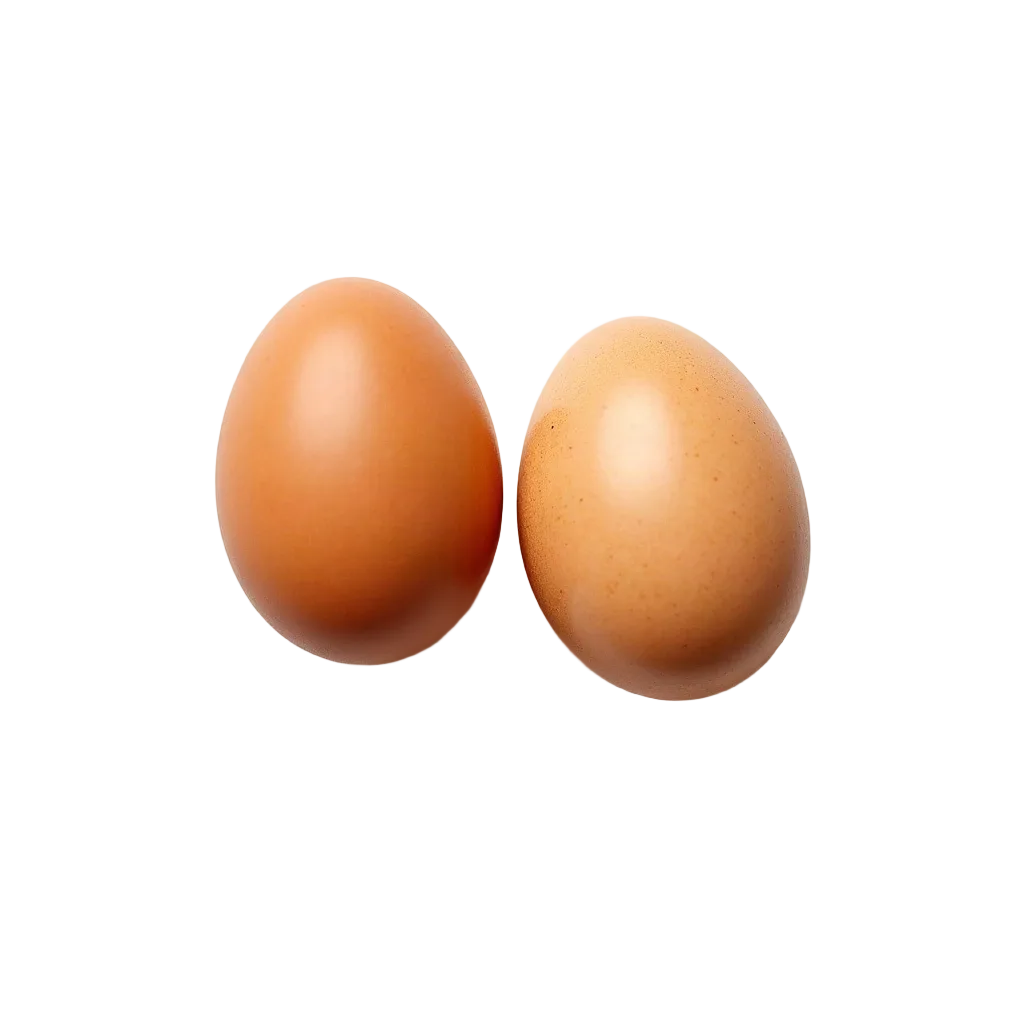 Egg
Egg 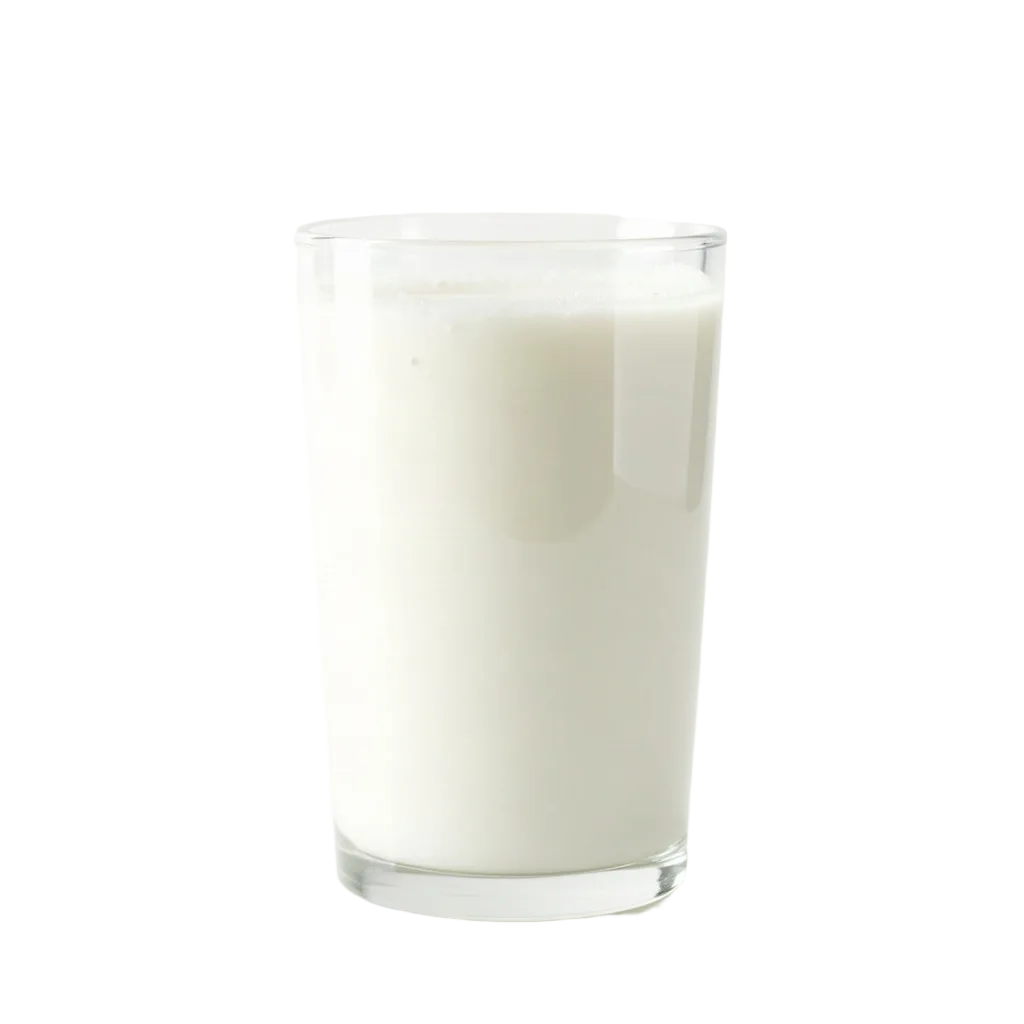 Milk
Milk  Olive oil