What to cook In the mood Workshop Scenarios Actually easy Techniques Dishes Ingredients Diets Recipes
Home · Ingredients · Olive oil
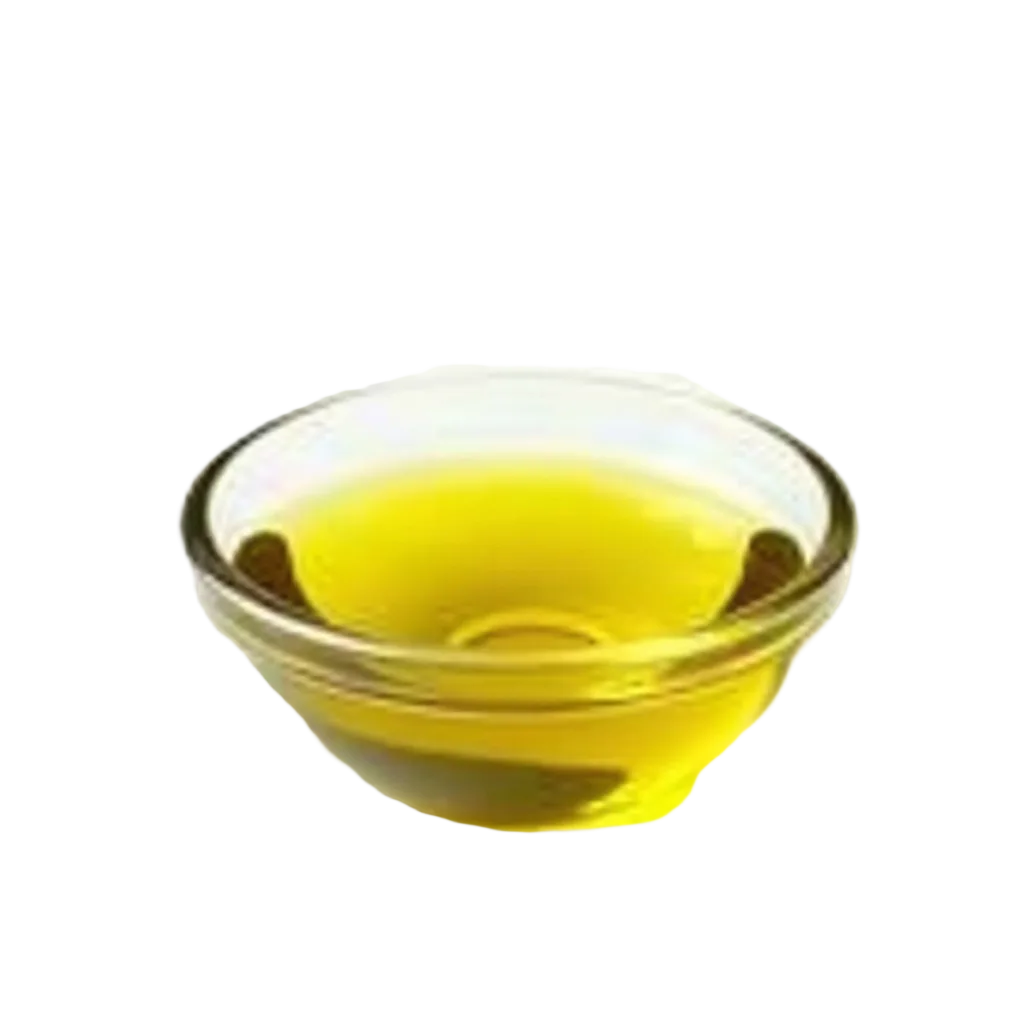
Olive oil
Fats · Oo

Olive oil

Smoke point 190–210 °C (EVOO)

Per 100 g
884 kcal Energy
0 g Protein
0 g Carbs
100 g Fat
0 g Fibre
Gluten-free

Let’s cook with it → Invent something with it

What it is for

They carry aroma. Most smell molecules dissolve in fat rather than water, which is why you bloom spices in oil. They also conduct heat, shorten gluten and soften texture.

Where it catches you out

Every fat has its own smoke point. Butter burns at 150 °C, extra virgin olive oil holds to 190 — choose the fat for the job, not the bottle.

The knack

Do not burn extra virgin on high heat; use it as a finishing oil and leave the frying to a plain one.

Storage and health

How to keep it, and who it suits.

Keeping it

In a dark bottle away from the stove at 14-18 °C: 18 months unopened, 3-6 once opened. Light and heat speed up rancidity.

Gluten-free

Olive oil is naturally gluten-free.

Glycaemic index

This ingredient carries no meaningful carbohydrate, so it has no glycaemic index. On its own it will not move blood sugar; what you eat alongside it decides that.

What it works with

Pairings, and the reason for each

"They go well together" is not an explanation. Every pairing below has a chemical or structural mechanism under it.

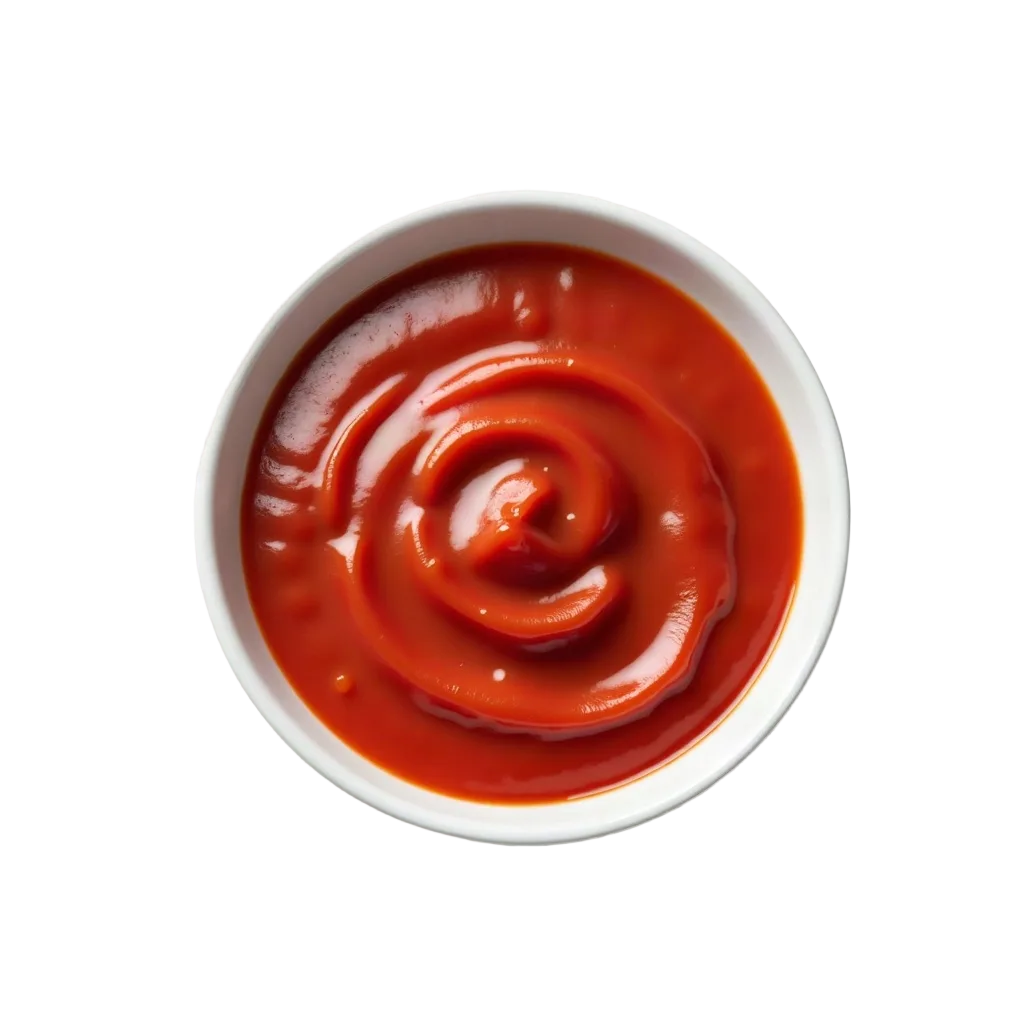
Tomato paste

Lycopene is a fat-soluble carotenoid that must enter mixed micelles to be absorbed. Cooking tomato *in* olive oil raised plasma lycopene by 82% where cooking without oil produced no significant rise. Frying the paste in oil is a bioavailability step.
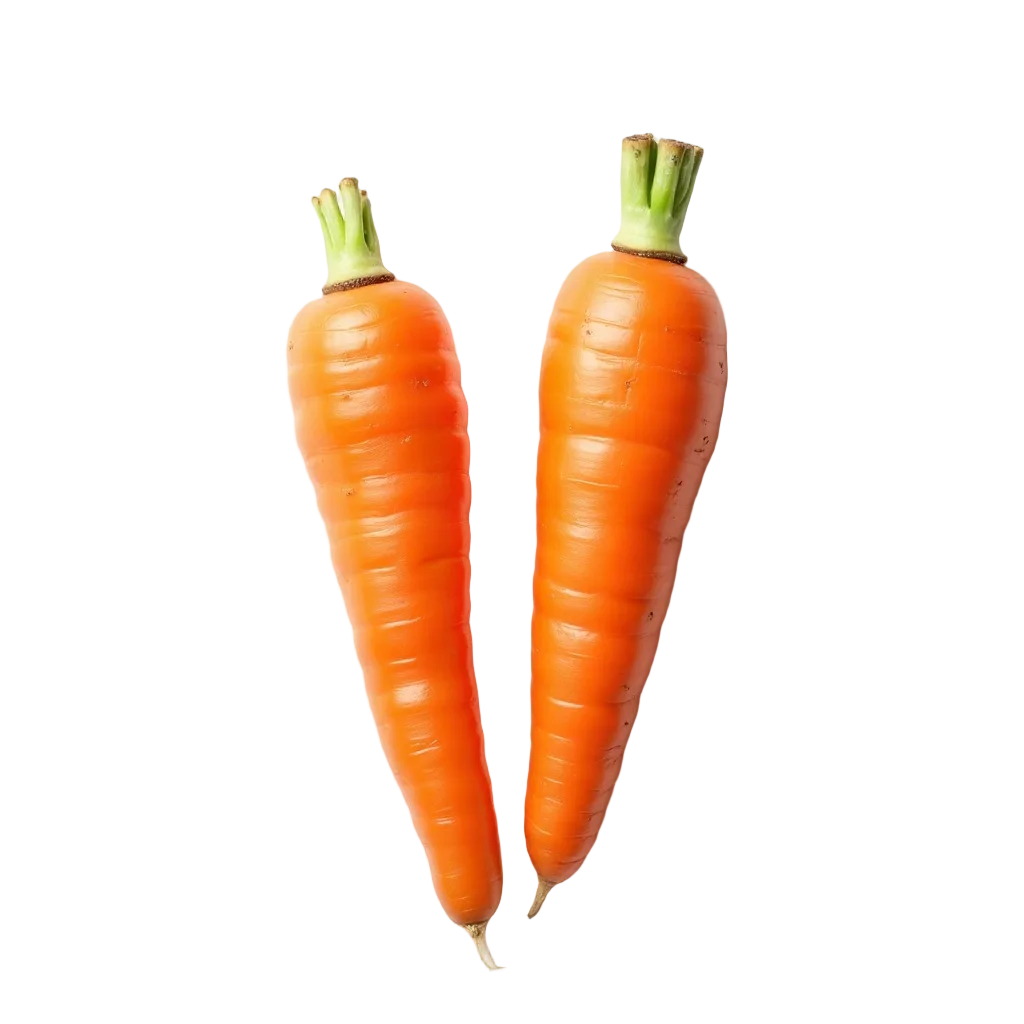
Carrot

Same principle, larger effect: β-carotene bioavailability rises from about 11% raw to roughly 75% stir-fried. Heat disrupts the chromoplast and fat provides the micellar vehicle.

Also works with

What goes on top
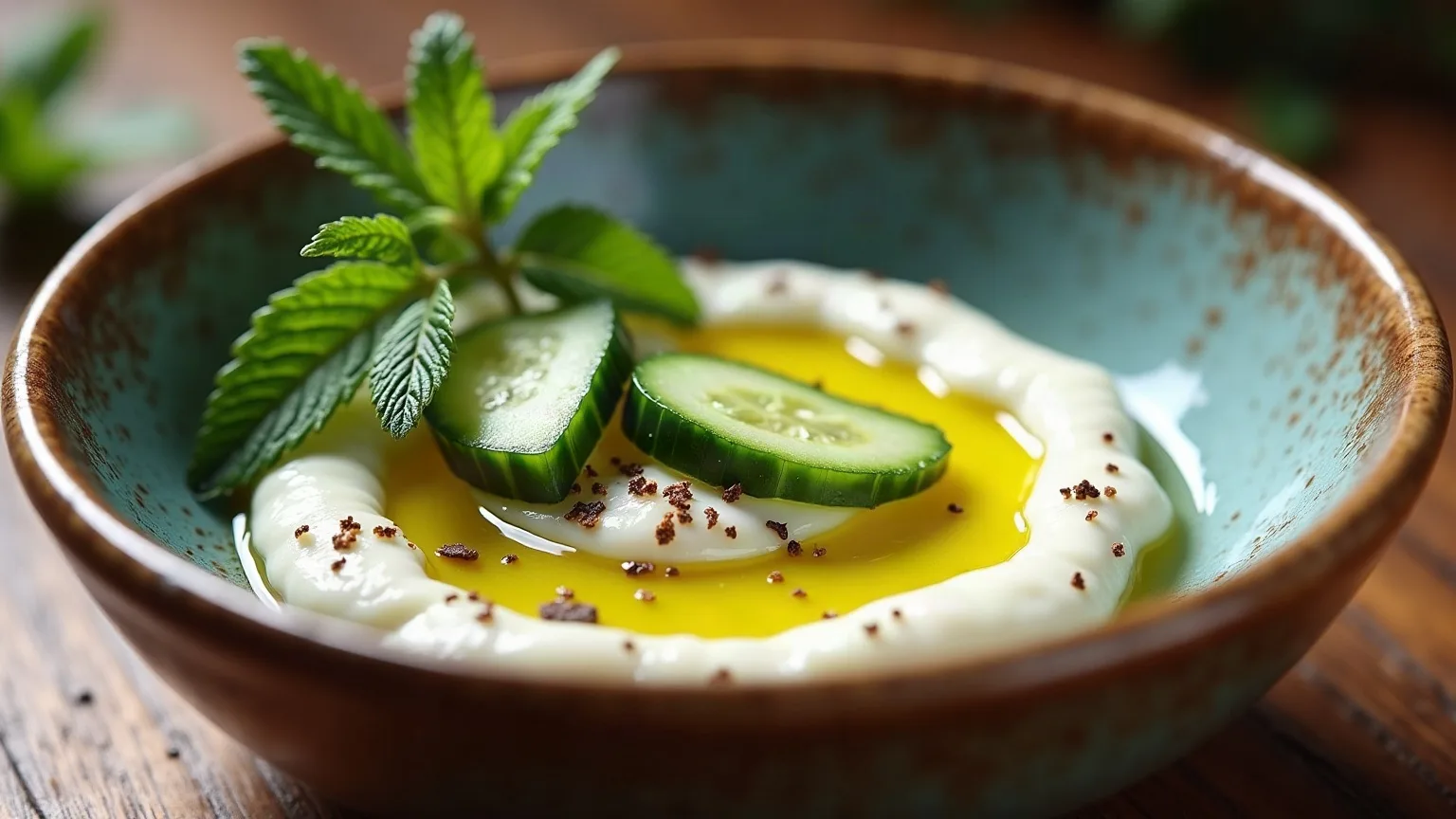
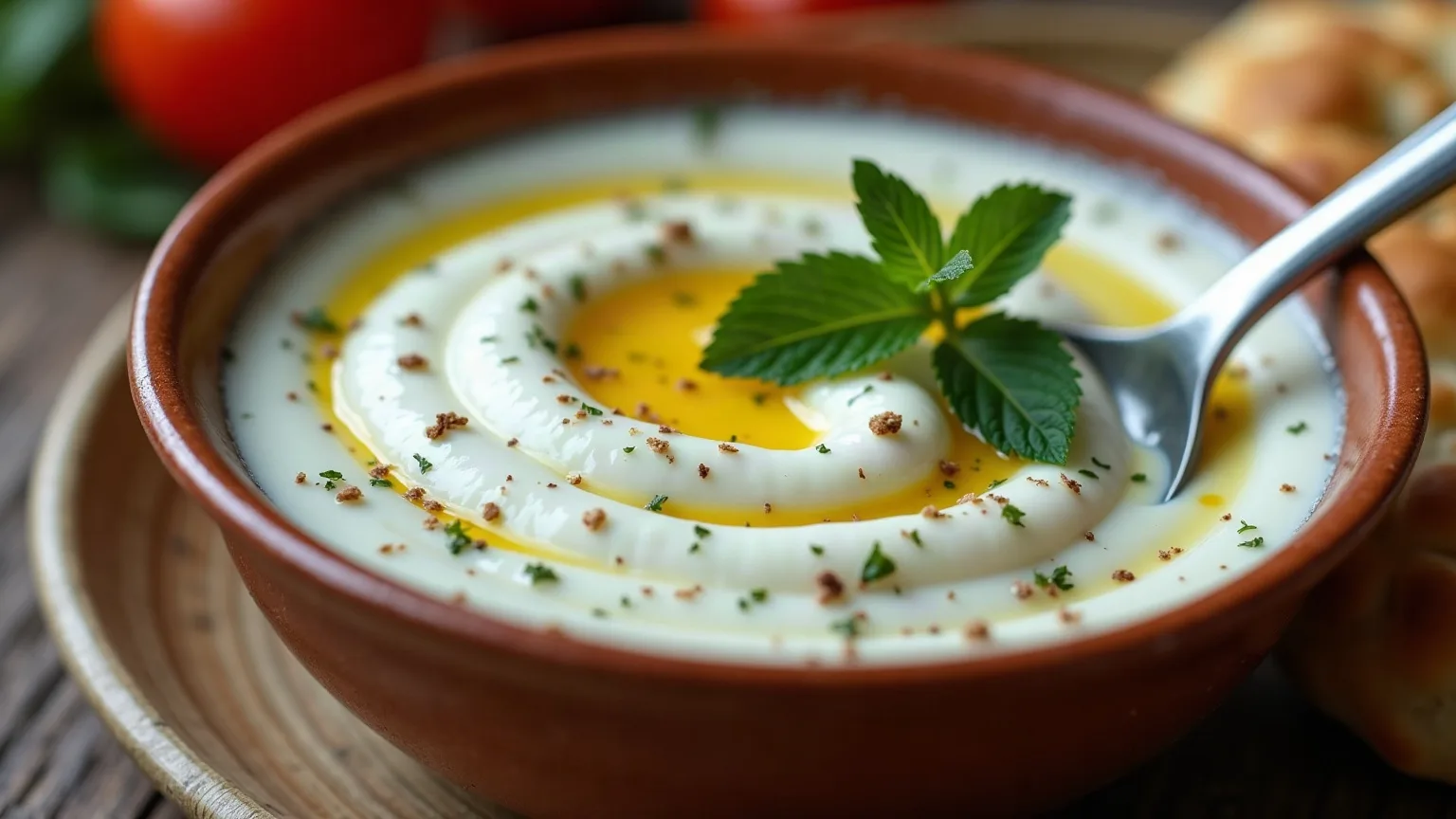
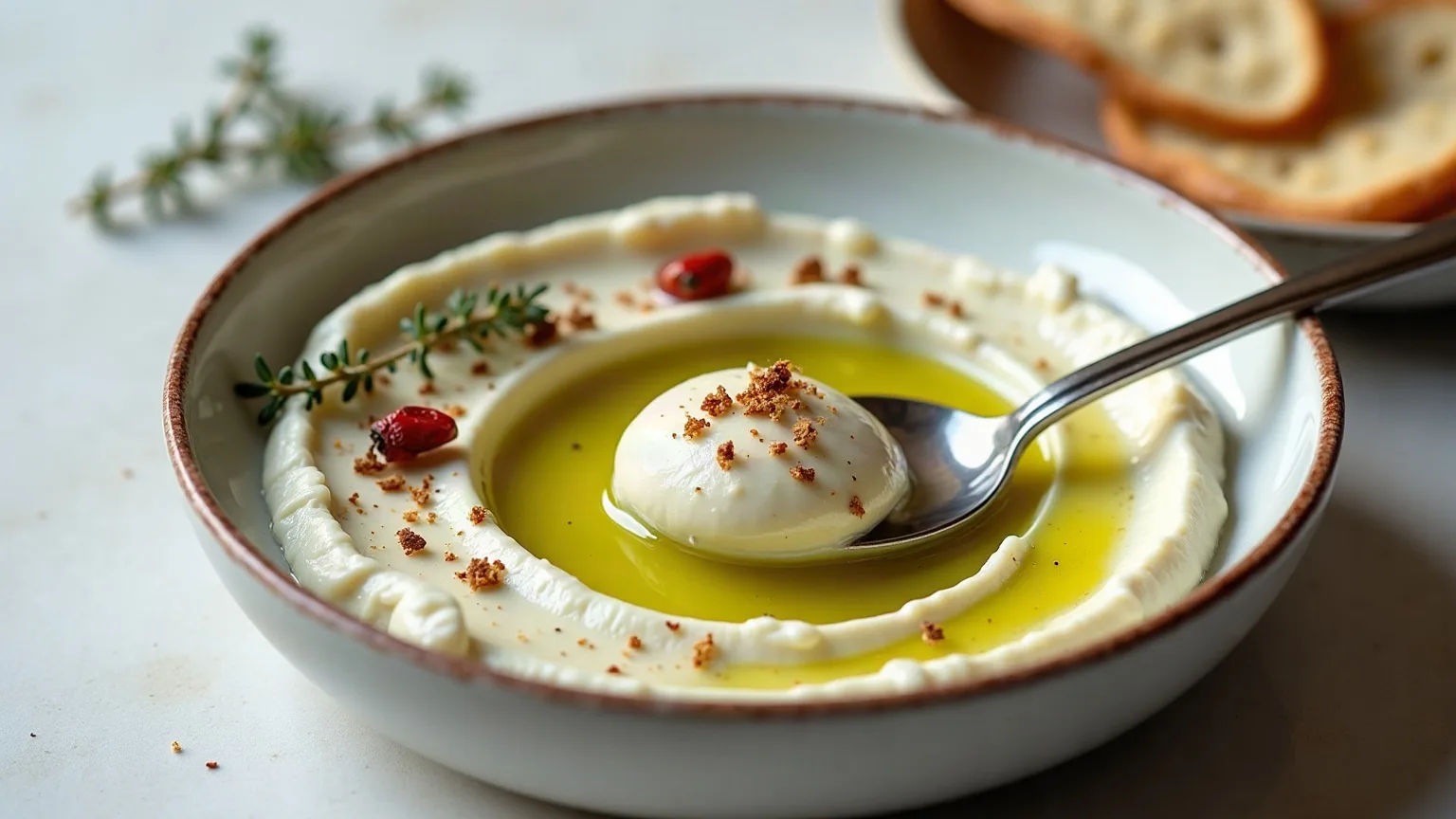
  • Olive oil is the default Turkish finishing topping: over hummus, beans, soup, cheese, salads, aubergine
Key compounds
Oleik asit
Monounsaturated with a single double bond — the source of its stability.
Oleokantal
The throat-catching sting, ibuprofen-like and heat-labile — which is why finishing oil should be raw.
Nutritionally

Olive oil is not only a fat but the vehicle for every fat-soluble nutrient in the meal: vitamins A, D, E and K and all the carotenoids depend on it being in the same dish.

Common myth "Extra virgin olive oil must never be heated" is wrong: its oleic acid and polyphenols make it one of the most oxidatively stable cooking oils, and frying at 160–190 °C sits inside that range. The narrower truth is that oleocanthal and oleuropein are heat-sensitive, so the peppery bite is lost.