What to cook In the mood Workshop Scenarios Actually easy Techniques Dishes Ingredients Diets Recipes
Home · Ingredients · Sugar
Sugar
Sugars · Sg

Sugar

Caramelises at 160 °C

Per 100 g
387 kcal Energy
0 g Protein
99.8 g Carbs
0 g Fat
0 g Fibre
Gluten-free GI 66

Let’s cook with it → Invent something with it

What it is for

They do more than sweeten: they bind moisture, raise the boiling point and produce colour and crust. A jam sets and keeps because of sugar.

Where it catches you out

Each sugar browns at its own temperature. Sucrose at 160 °C, the fructose in honey and molasses at 110 — anything with honey burns sooner.

The knack

A teaspoon in a tomato dish does not sweeten it; it takes the edge off the acid.

Storage and health

How to keep it, and who it suits.

Keeping it

Airtight and dry it keeps indefinitely; if it sets hard it has not spoiled, it has only taken up moisture.

Gluten-free

Sucrose is a purified sugar and carries no cereal protein.

Glycaemic index

66 — glucose is taken as 100. Below 55 is low, 56–69 medium, 70 and above high. The number says nothing about portion: at the same index, twice the amount is twice the load.

Row in the table: Sucrose, mean of seven studies

Atkinson et al., Am J Clin Nutr 2021

What it works with

Pairings, and the reason for each

"They go well together" is not an explanation. Every pairing below has a chemical or structural mechanism under it.

Egg

Sucrose molecules physically interpose between denaturing proteins, raising the coagulation temperature and widening the safe window. A sweet custard is more forgiving than a savoury one for a purely steric reason.
Strawberry

Osmosis: sugar draws water out of the fruit cells, and the resulting syrup both concentrates the fruit and dissolves and carries its volatile esters.

Also works with

What it fights with

Yeast

At high concentration osmotic stress diverts metabolism into glycerol and cuts CO₂ output; very sweet doughs need osmotolerant yeast or much longer proofing.

What goes on top
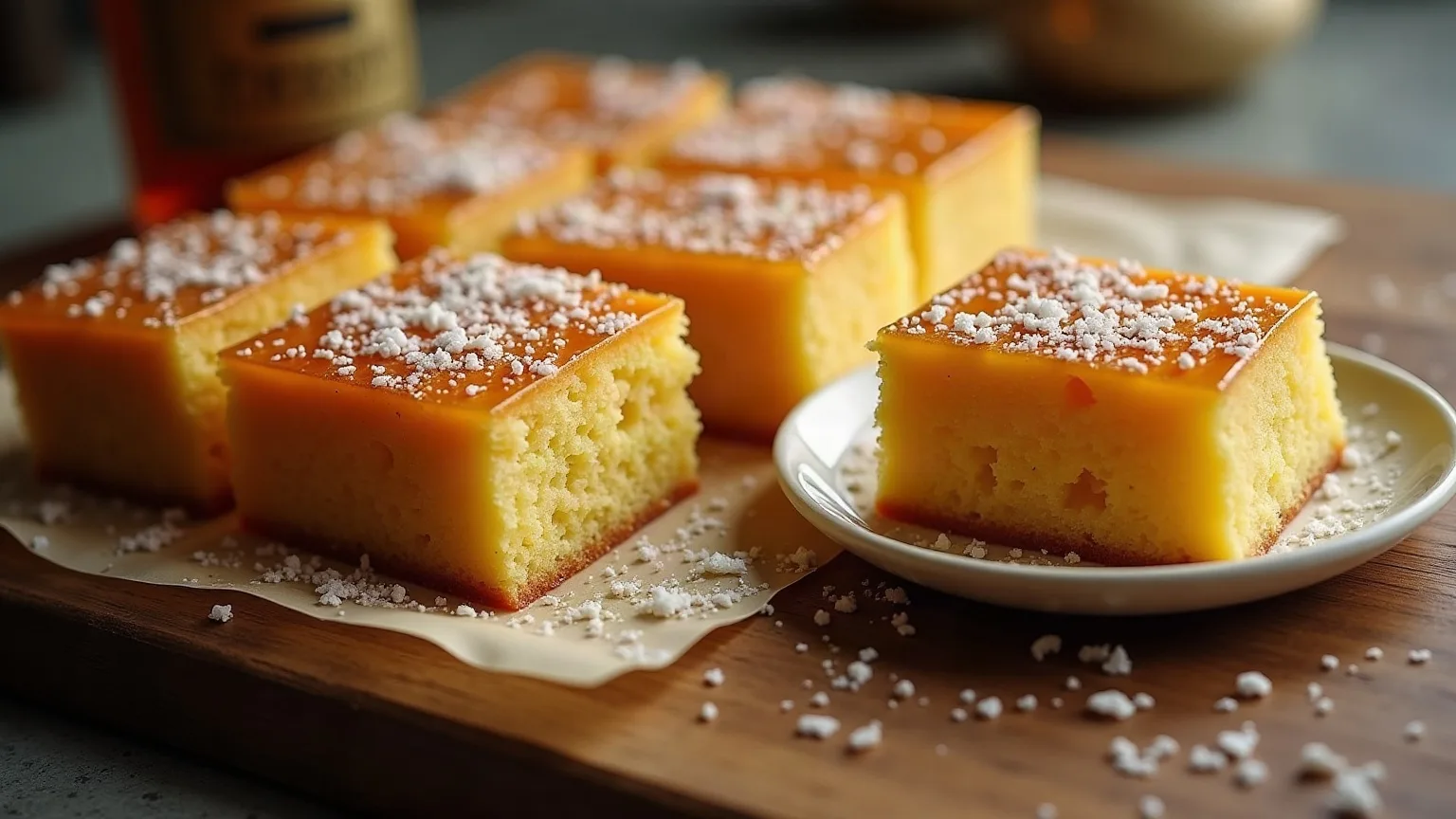
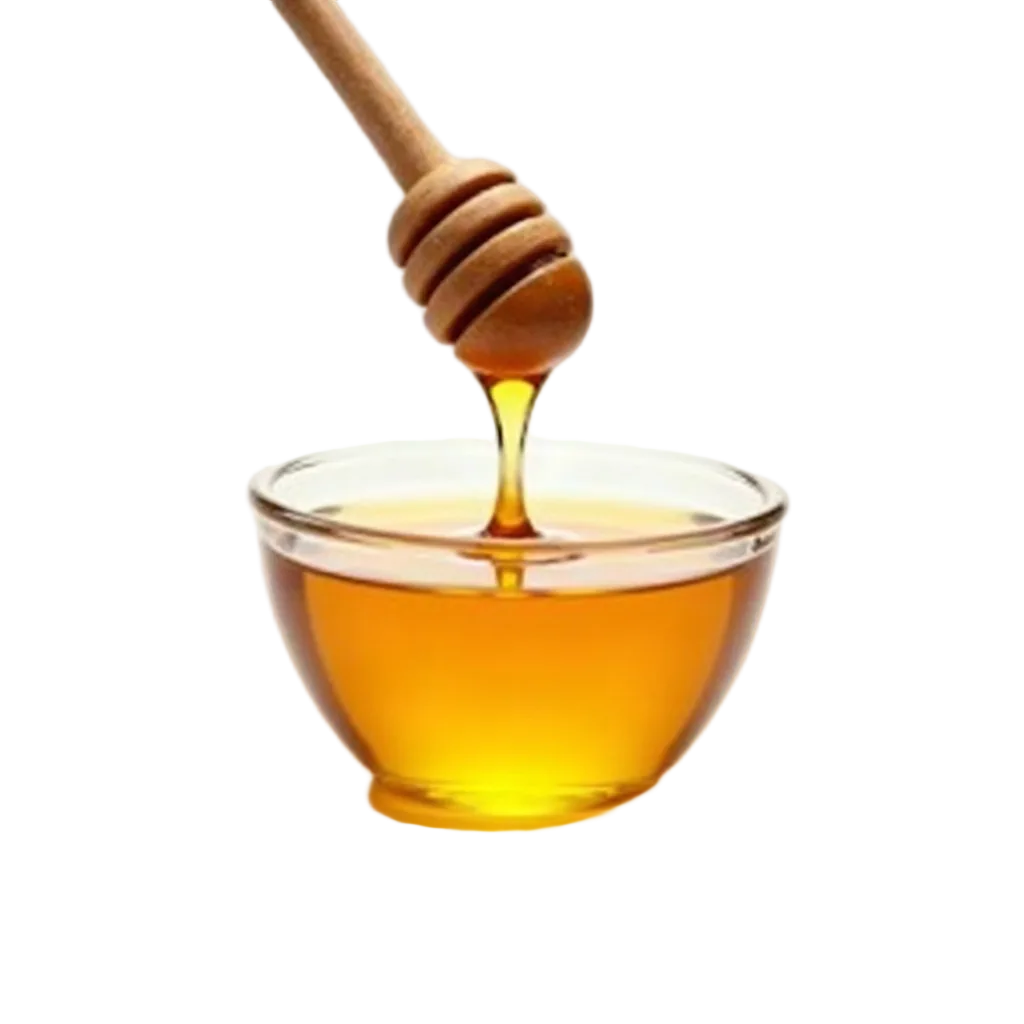
  • Syrups, caramel, dusted sugar
Key compounds
Sükroz
Inverts to glucose and fructose under heat and acid, which is why acidic syrups resist crystallisation.
Nutritionally

Sucrose is 50% fructose by mass and metabolised largely in the liver, so the sugar and fructose arguments are largely the same argument. Glycaemic behaviour depends far more on the food matrix than on the sugar itself.