What it works with
Pairings, and the reason for each
"They go well together" is not an explanation. Every pairing below has a chemical or structural mechanism under it.
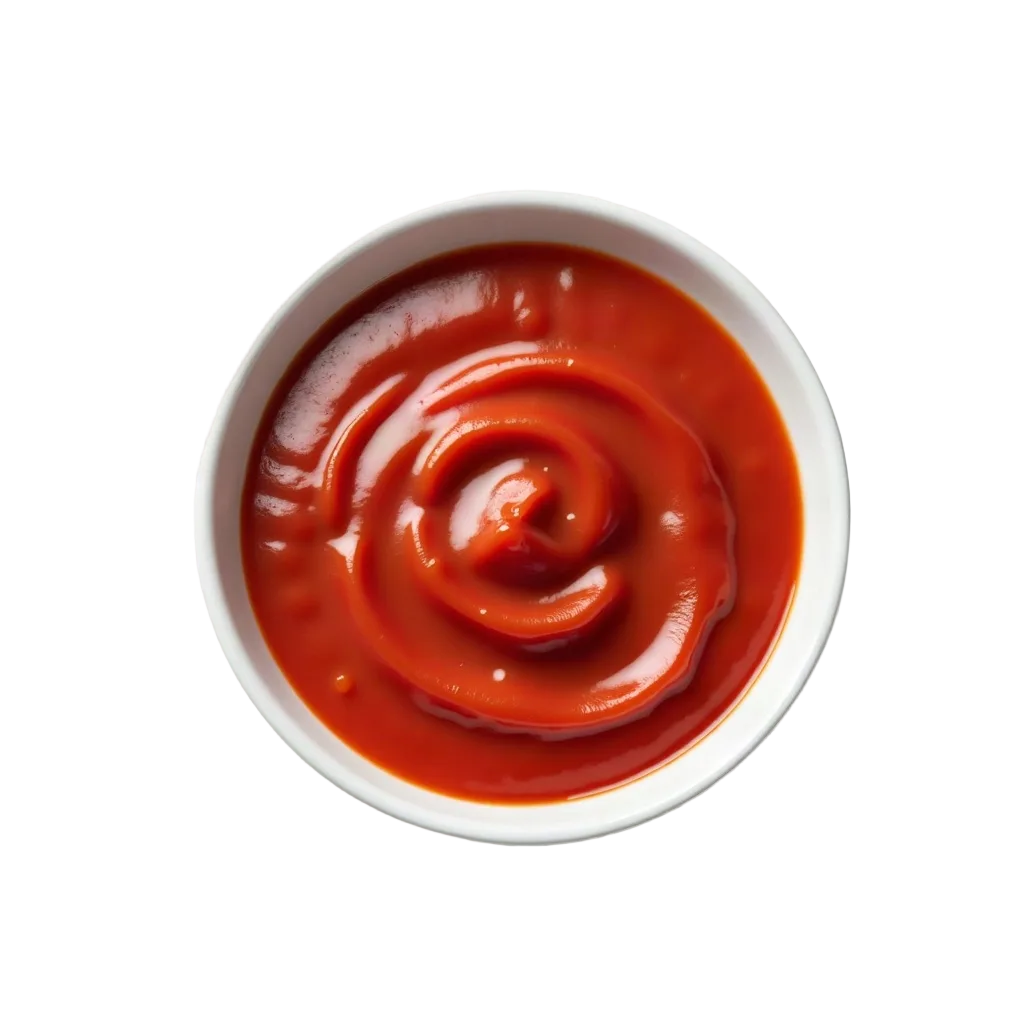 Tomato paste
→
Tomato paste
→
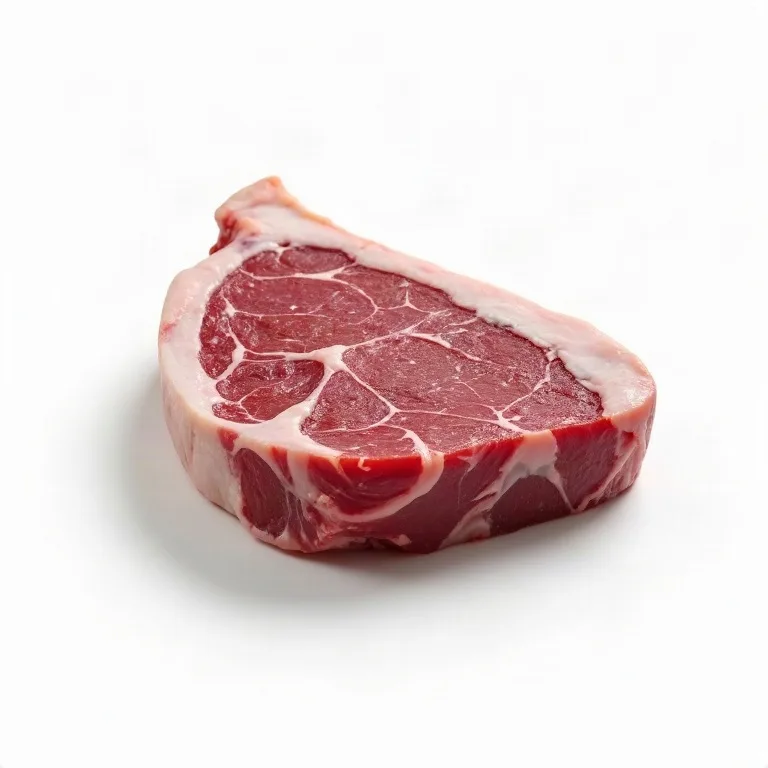
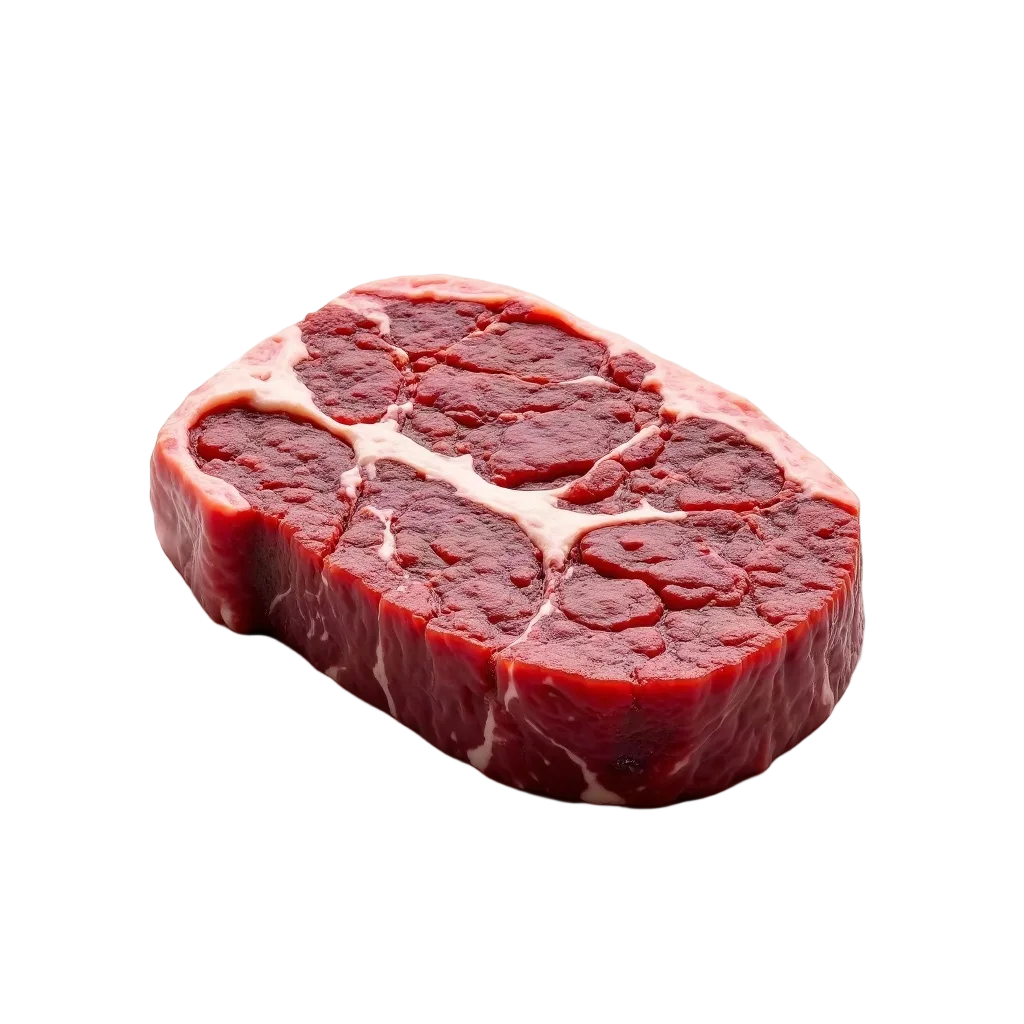
Beef supplies inosinate and tomato supplies free glutamate; the combination is genuinely synergistic at the umami receptor, with perceived intensity reported up to seven or eight times either alone.
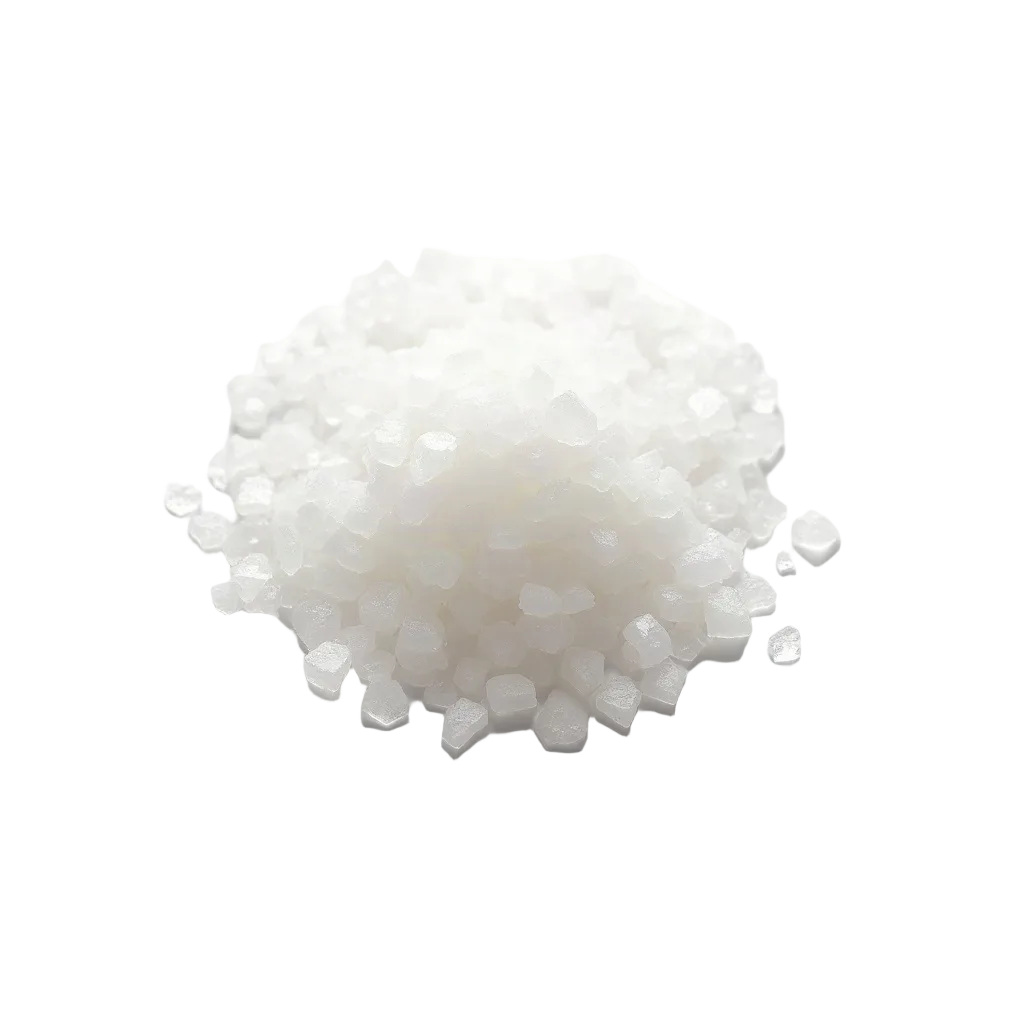 Salt
→
Salt
→
Chloride solubilises the myofibrillar proteins and increases repulsion between filaments, raising water-holding capacity. That is why brined meat is juicier, not drier.
Also works with
What goes on top
- Sizzled butter, sumac onions, chilli flakes, garlic yoghurt, pomegranate molasses
Key compounds
- Miyoglobin
- Gives the red; oxidises to brown metmyoglobin then denatures to grey-brown globin hemichrome. That is doneness colour, not blood.
- Kollajen
- Converts to gelatine slowly above 60 °C: it needs time, not temperature.
Nutritionally
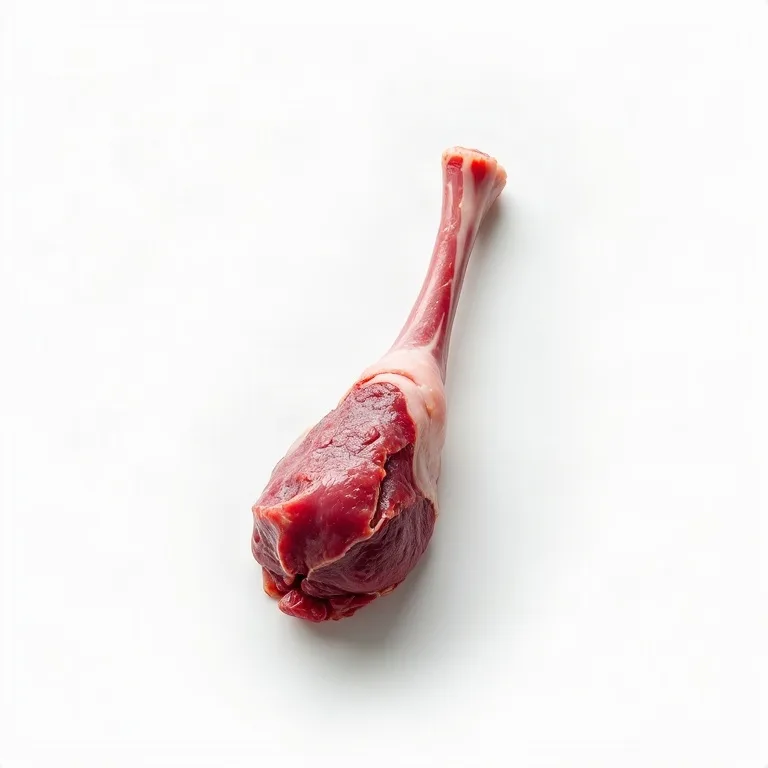
Heme iron from meat is absorbed at roughly 15–35% against 2–20% for non-heme plant iron, and it is largely unaffected by phytate — a little meat even improves iron uptake from the legumes beside it.
Terms on this page
- Maillard
- Protein meeting sugar above 140 °C to produce crust, colour and that roasted smell.
Common myth
"Searing seals in the juices" is false — seared meat loses at least as much moisture. Searing is for Maillard flavour.
Common myth
"Salting early dries the meat" is also wrong: once the salt has time to be reabsorbed, the opposite happens.

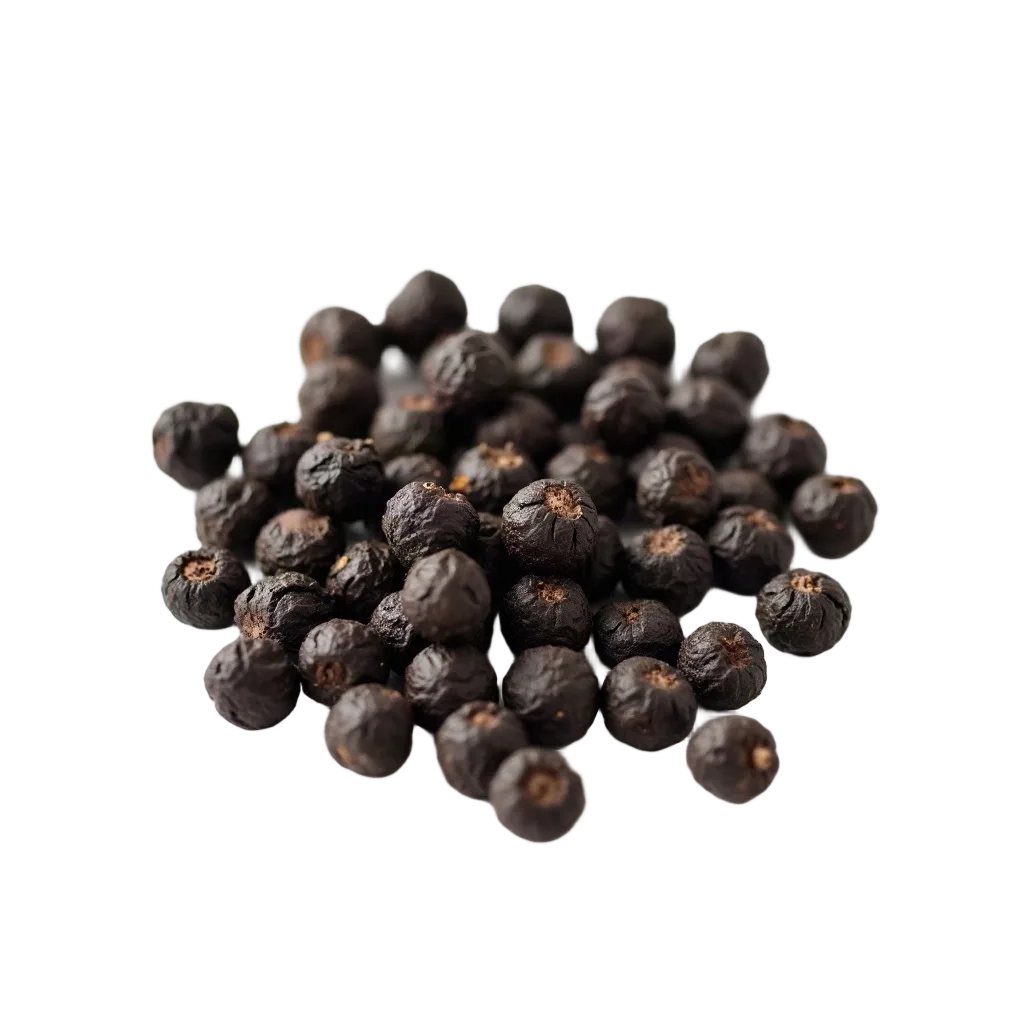 Black pepper
 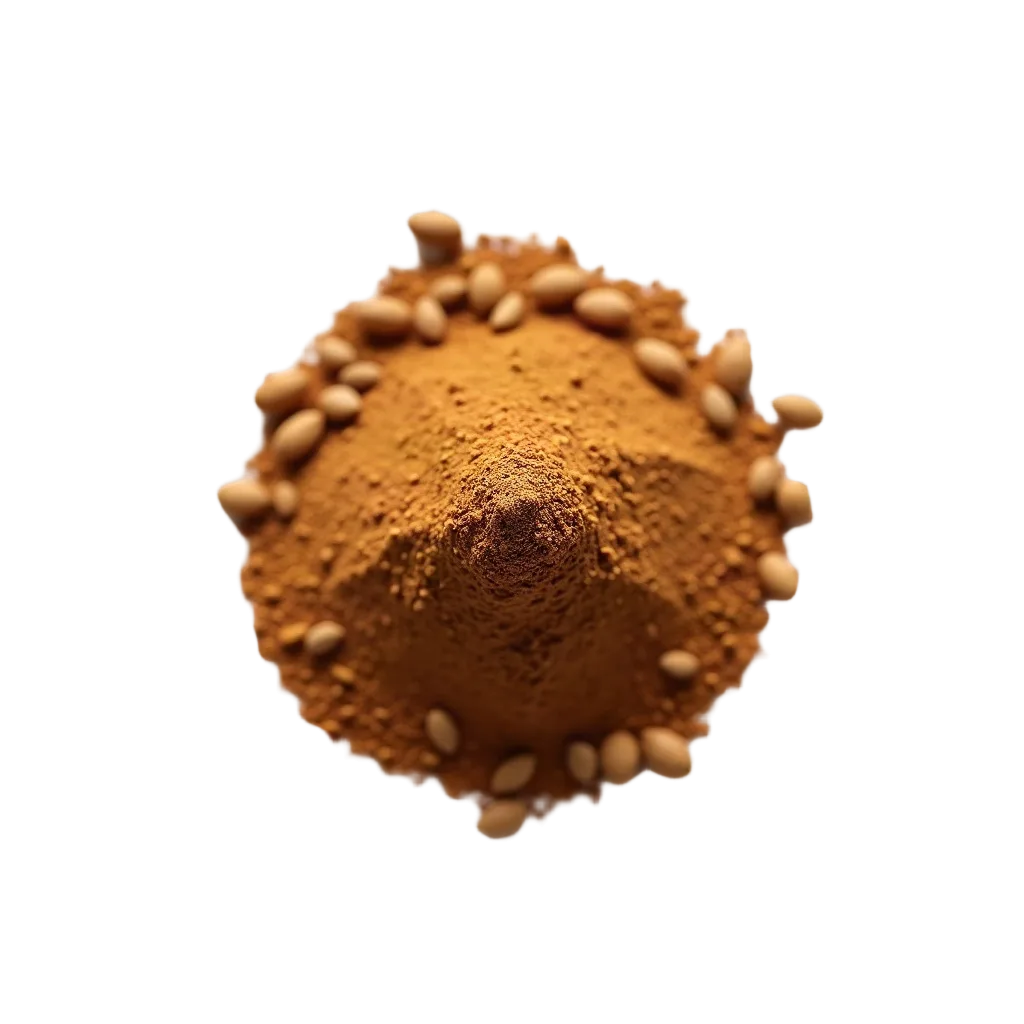 Cumin
Cumin 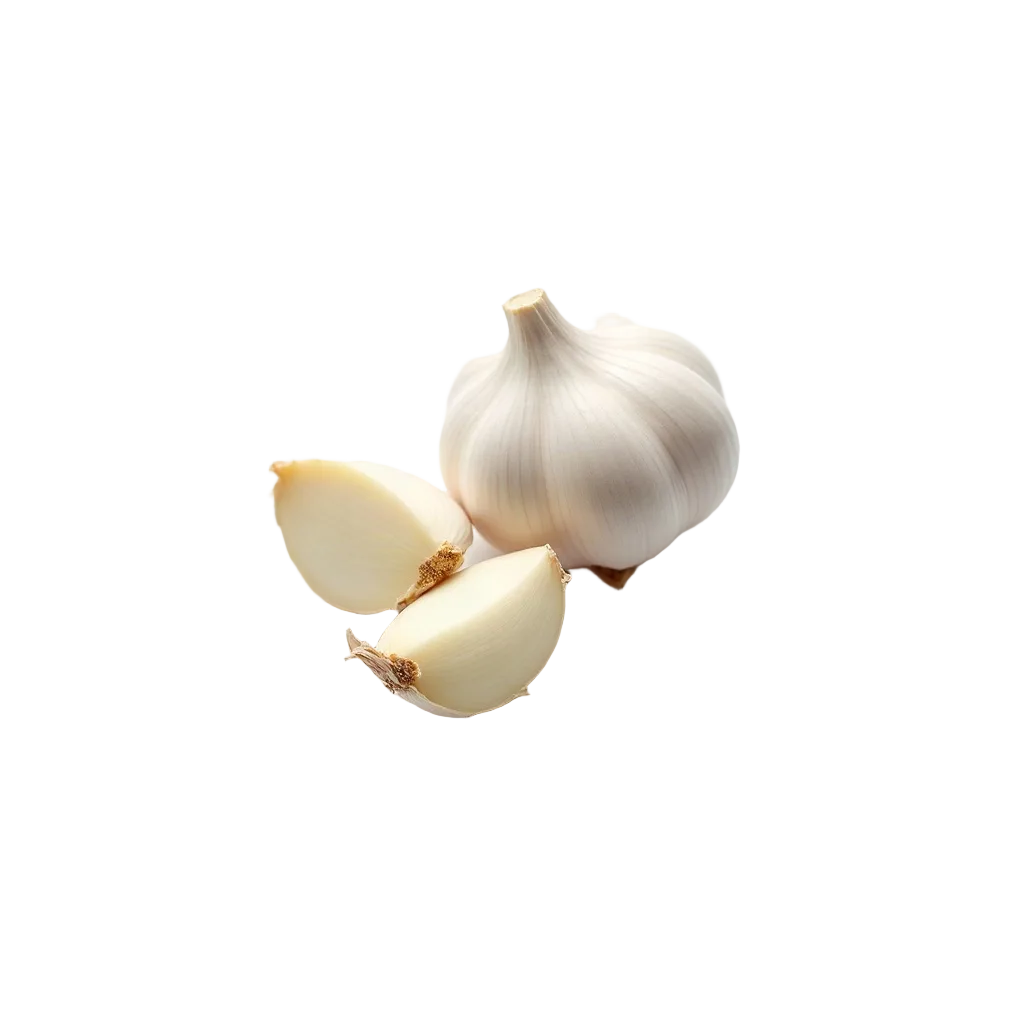 Garlic
  Butter
  Bay leaf
  Yoghurt