
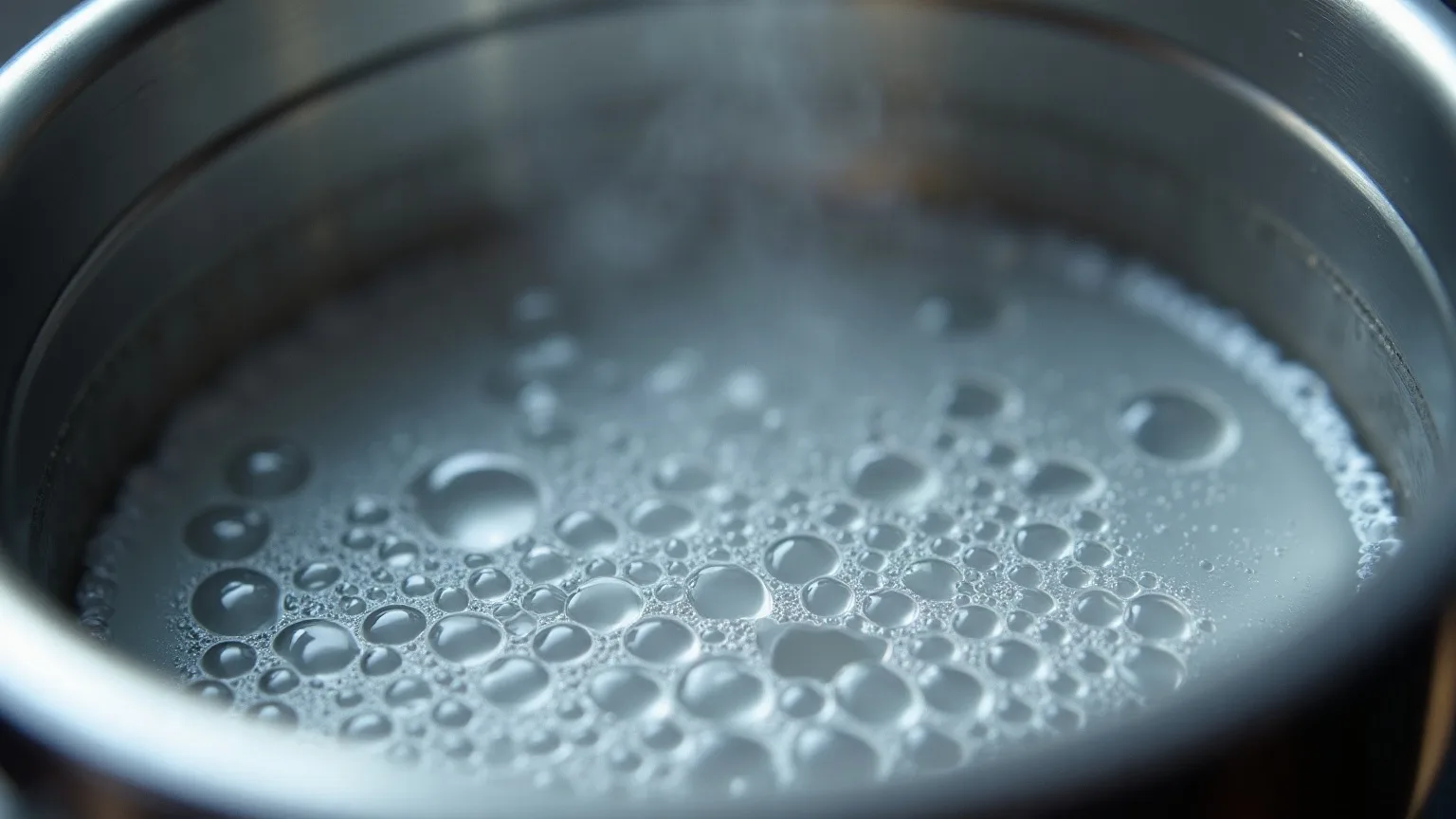
Boiling & poaching
Water cannot pass 100 °C, so turning the flame up changes nothing. Boiling is set by time and salt, not by temperature.
The mechanism
At sea level water boils at 100 °C and no amount of flame changes that; the extra energy does not heat the water, it evaporates it. Two things follow. First, Maillard never happens — 100 °C is far below the 140 °C a crust needs, which is why boiled meat takes no colour. Second, only one variable is left: time. Collagen turns to gelatine between 70 and 80 °C over hours, while muscle fibre toughens above 70 °C. Good boiling means holding that window without a rolling boil. Salt is a technical decision too: if the water is less salty than the food, the food gives up salt and flavour to the water.
The thresholds that define it
“Medium heat” is not a technique. Every line below is a point where something starts or stops.
- 62–65 °C Egg white sets while the yolk still runs. The whole art of a poached egg lives in these ten degrees.
- 70–80 °C Collagen becomes gelatine. Trotters, shanks and tough cuts want hours in this band.
- 82–90 °C Poaching: the surface trembles, nothing bubbles. Fish and chicken breast cook here without breaking up.
- 96 °C A bare simmer. Right for pulses and soups: a full boil smashes them apart.
- 1 °C / 300 m Altitude lowers the boiling point. At 1,850 m water boils at 93 °C — which is why beans take longer in Erzurum.
How to read it by hand
Watch the bubbles, not the noise. Bubbles forming on the base and rising one at a time is 85–90 °C: poaching. A steady stream with a calm surface is 96 °C: a simmer. A surface breaking everywhere is 100 °C — a full boil, and more than most jobs need. For salt: 7–10 g per litre of pasta water, a little less salty than the sea.
The three mistakes people make
01 The meat boiled for hours and is still tough ⌄
Why
The temperature was too high. Above 85 °C the fibres contract and wring themselves out, so the meat dries even as the collagen dissolves.
What to do
Hold the water below a simmer, around 80 °C, and give it longer. Leaving the lid ajar is the simplest way to hold it down.
02 The green vegetable went drab ⌄
Why
Long cooking under a lid. The vegetable’s own acid cannot escape as steam, drops back into the water and turns chlorophyll to pheophytin.
What to do
Blanch in plenty of boiling salted water, uncovered, for three to four minutes, then straight into iced water. Never add lemon: acid kills the colour on contact.
03 The beans cooked for hours and the skins stayed hard ⌄
Why
Hard water, or acid added early. Calcium and acid both keep the pectin in the skin intact. Salt has nothing to do with it — salting does not toughen beans, whatever you have been told.
What to do
Soak overnight, discard the water, cook in soft water. Add tomato, paste and vinegar only once the beans are soft. Salt from the start if you like — the skins soften more evenly for it.
- Maillard
- Protein meeting sugar above 140 °C to produce crust, colour and that roasted smell.
Where it comes from
Boiling starts with the cooking pot: without a vessel that survives fire you cannot boil water, so it arrives long after roasting and frying. In Turkish cooking it centres on soup — tarhana, yayla, işkembe, düğün çorbası. The technical thread is the same: boil a yoghurt soup and it breaks, because heat curdles the casein. So yoghurt never goes in directly; it is tempered with egg and flour first, and the flour starch gets between the casein micelles and stops them clumping. Anatolian kitchens have applied that chemistry as a rule of craft for centuries without ever naming it.
Dishes cooked this way
Tutmaç
Small cut noodles cooked with meat or lentils, with garlic yoghurt poured over at the plate rather than stirred into the pot. This is a far older and …
Mantı
Tiny dough parcels are boiled, laid over garlic yoghurt and finished with sizzled butter and chilli. Dried mint and sumac come last.…
Yuvalama
Tiny balls of rice flour and minced lamb, rolled by hand, cooked with lamb shank and chickpeas, with a yoghurt and butter sauce stirred in at service.…
Small meatballs in yoghurt
Tiny bulgur-cased köfte cooked with chickpeas in a yoghurt broth. Gaziantep sources insist it is not yuvalama: yuvalama’s balls are rice flour, ufak k…
Giving the heat another way
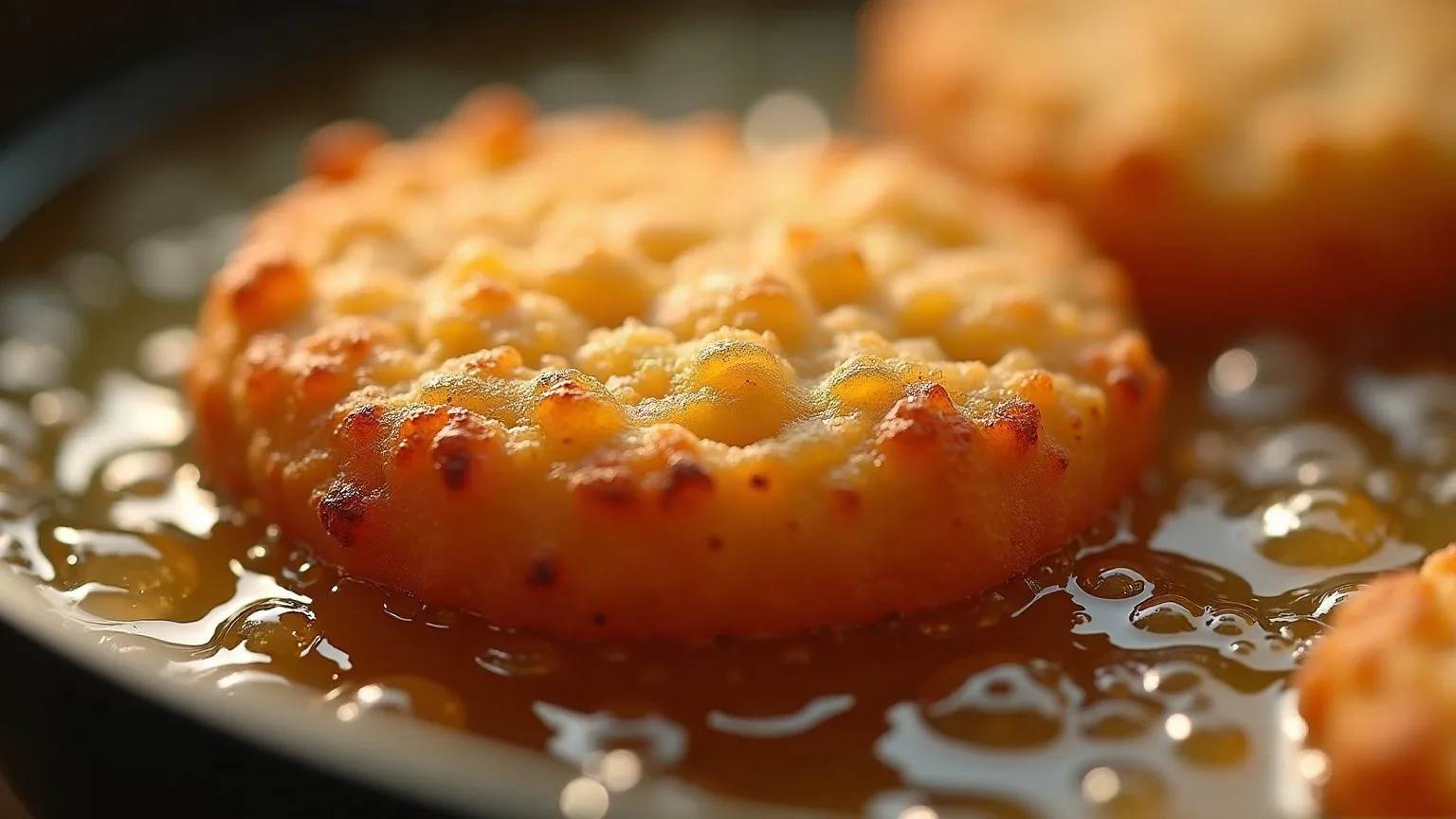
Deep frying
Surface water flashes to steam and pushes outward — that is the shield keeping oil out. Cold oil never builds it, and the food drinks the fat instead.
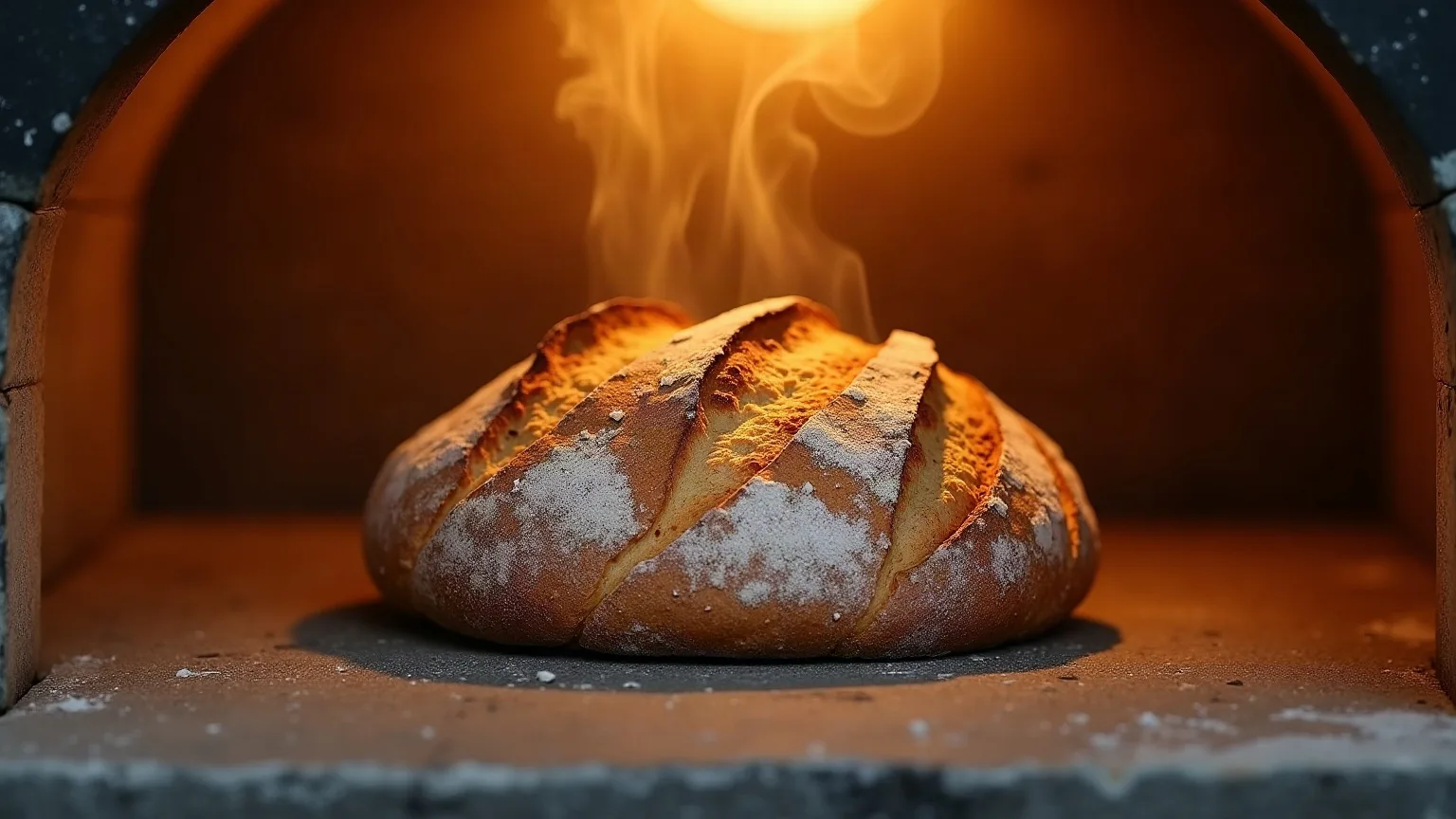
The oven
Air carries heat badly, so a 200 °C oven does not make 200 °C food. The inside stays where water boils, at 100 °C.
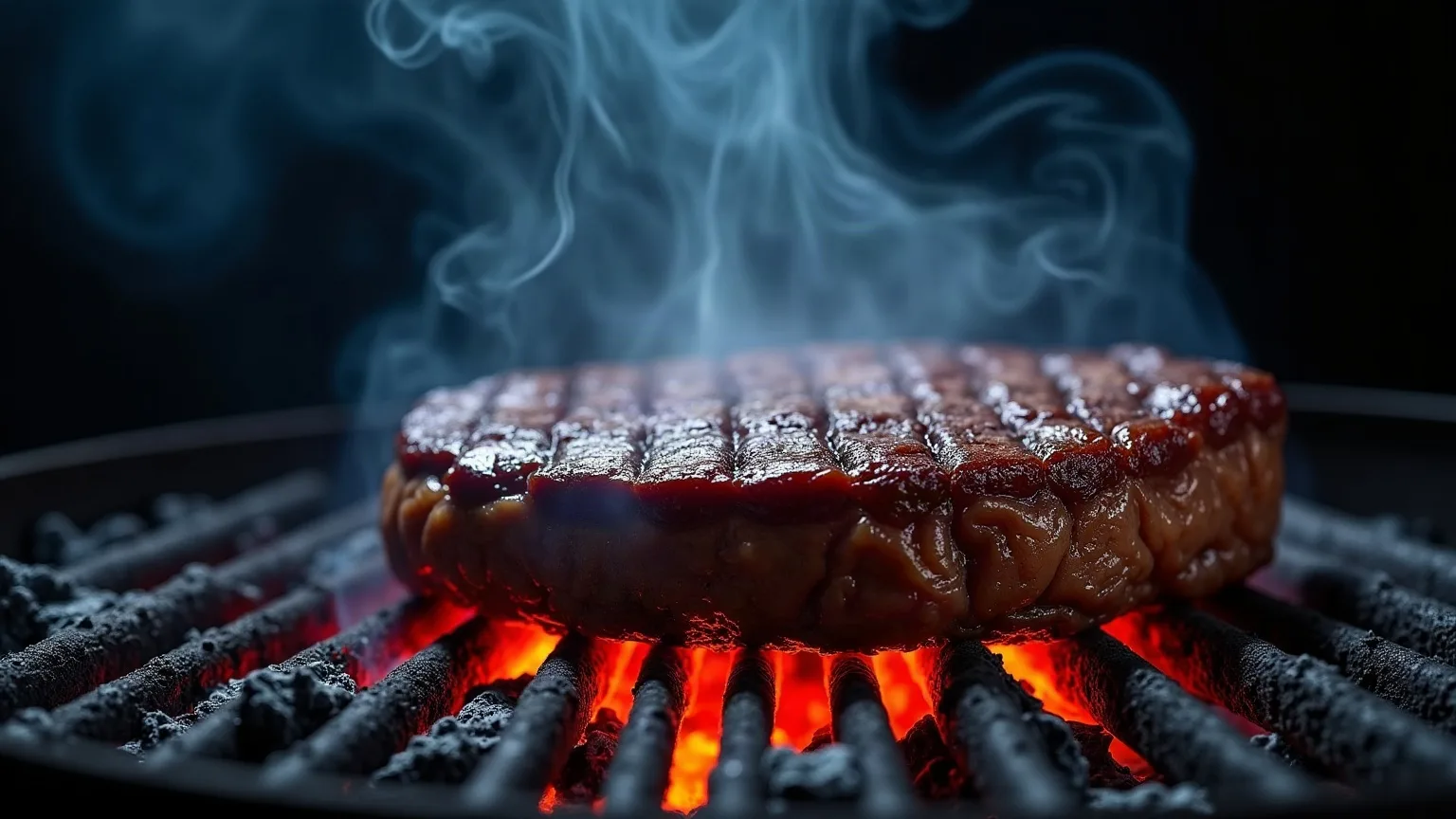
Grill & BBQ
Embers deliver heat by radiation and the surface passes 200 °C in seconds. Smoke phenols bind to the meat, and that is where the flavour comes from.