
“Medium heat” is not a technique.
Every method is defined by a number: 170 °C for frying, radiation for the grill, a falling pH for fermentation. Once you know the number, the method works without a recipe.
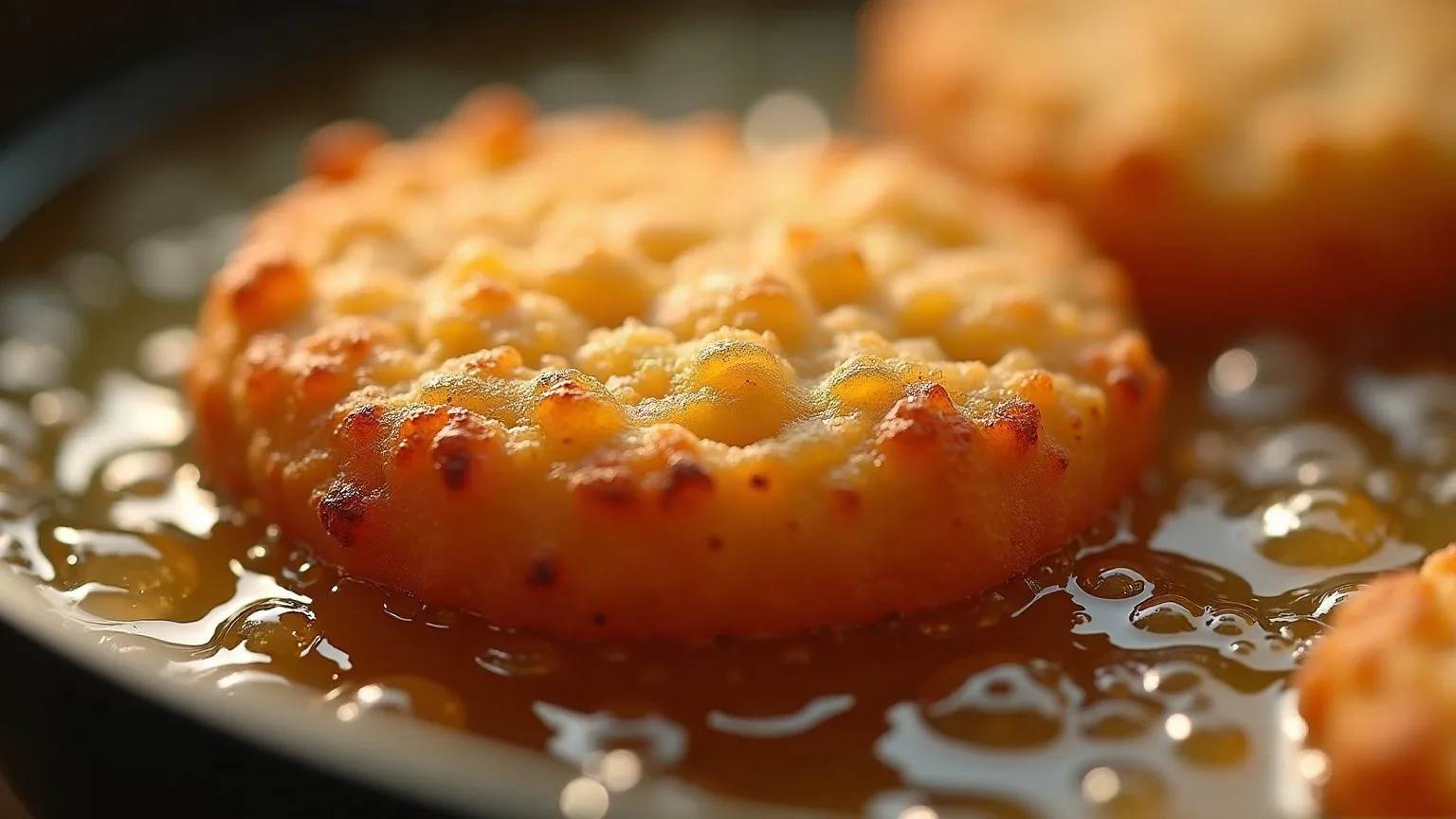
Deep frying
Surface water flashes to steam and pushes outward — that is the shield keeping oil out. Cold oil never builds it, and the food drinks the fat instead.
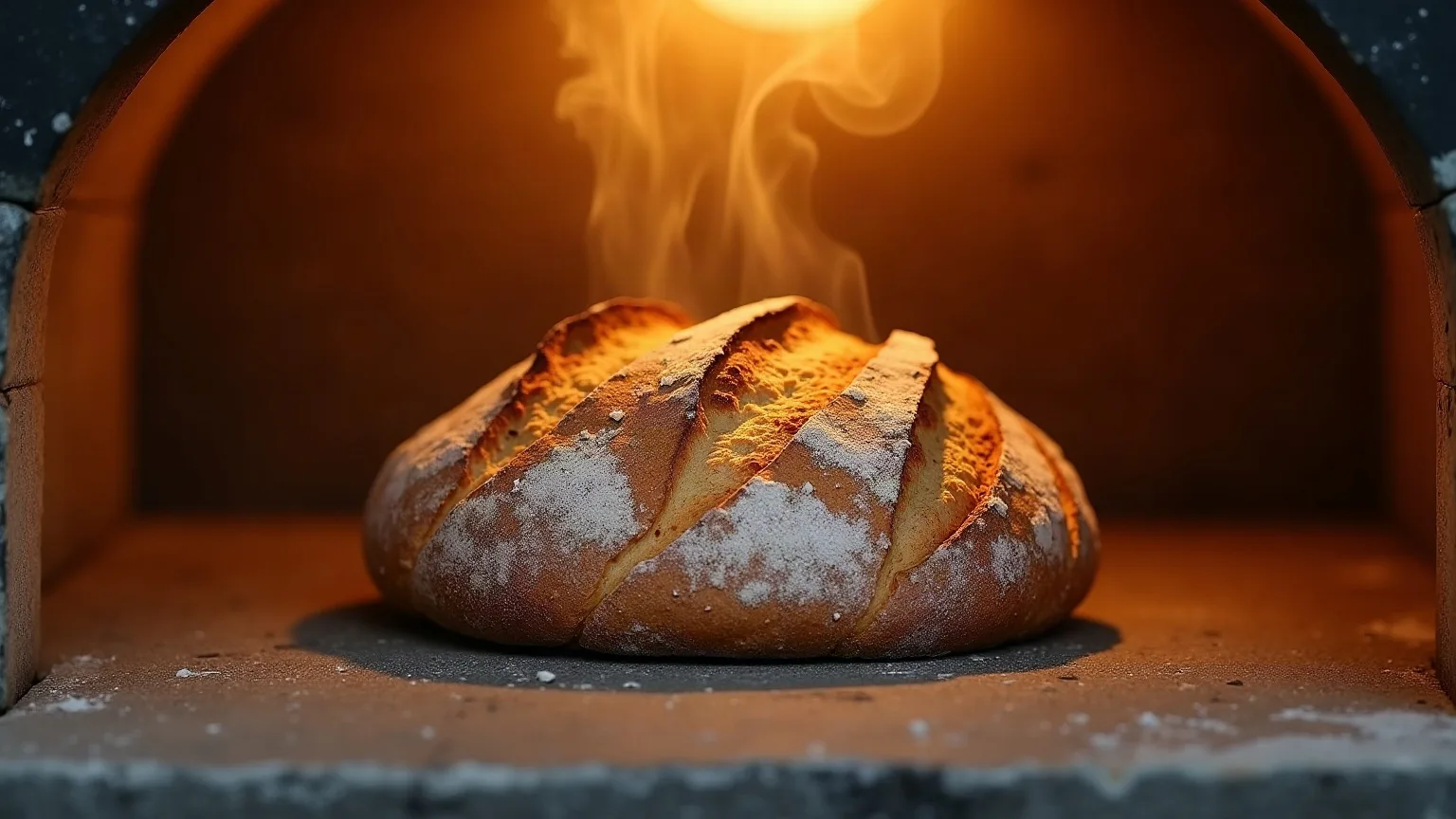
The oven
Air carries heat badly, so a 200 °C oven does not make 200 °C food. The inside stays where water boils, at 100 °C.
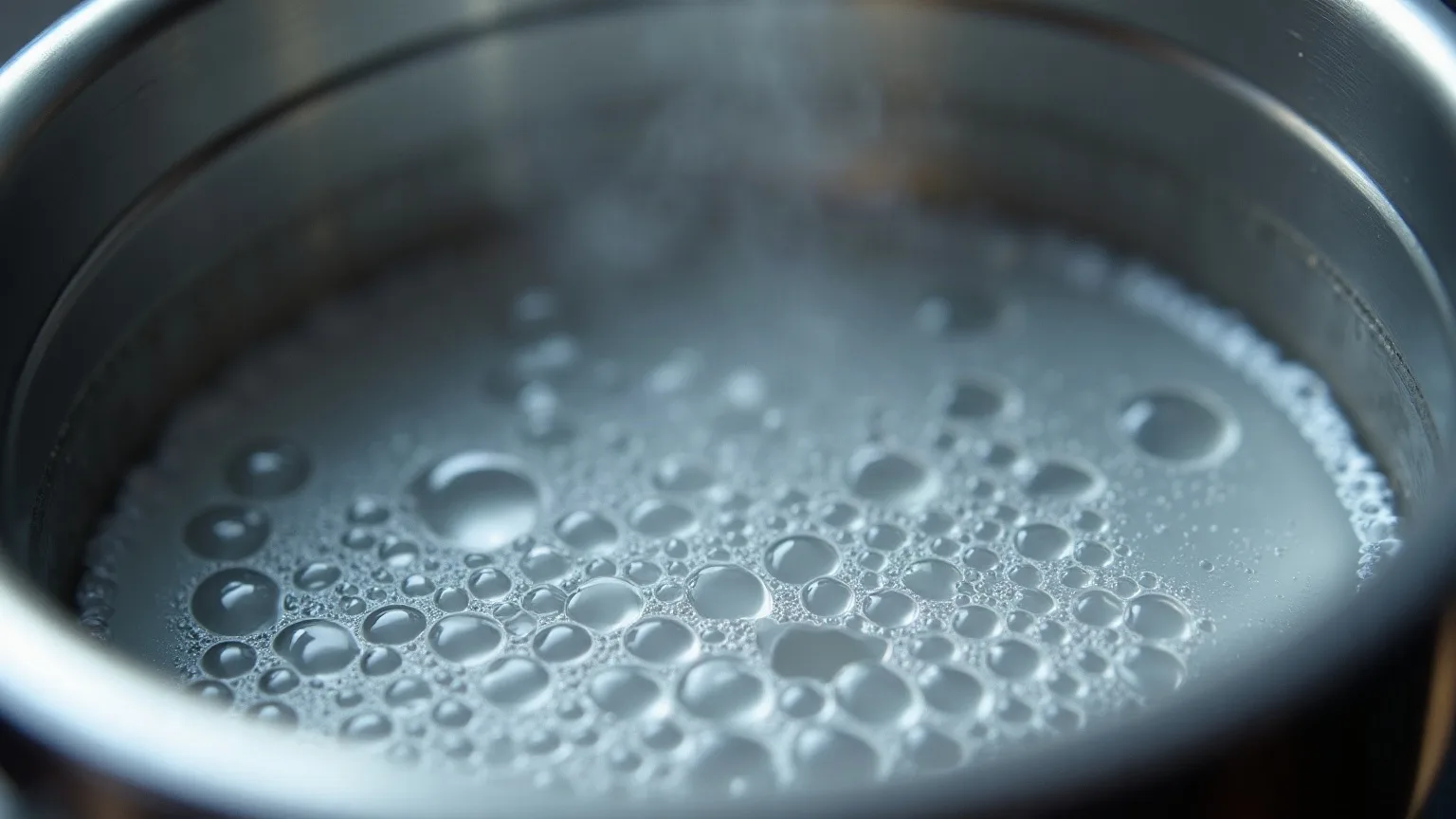
Boiling & poaching
Water cannot pass 100 °C, so turning the flame up changes nothing. Boiling is set by time and salt, not by temperature.
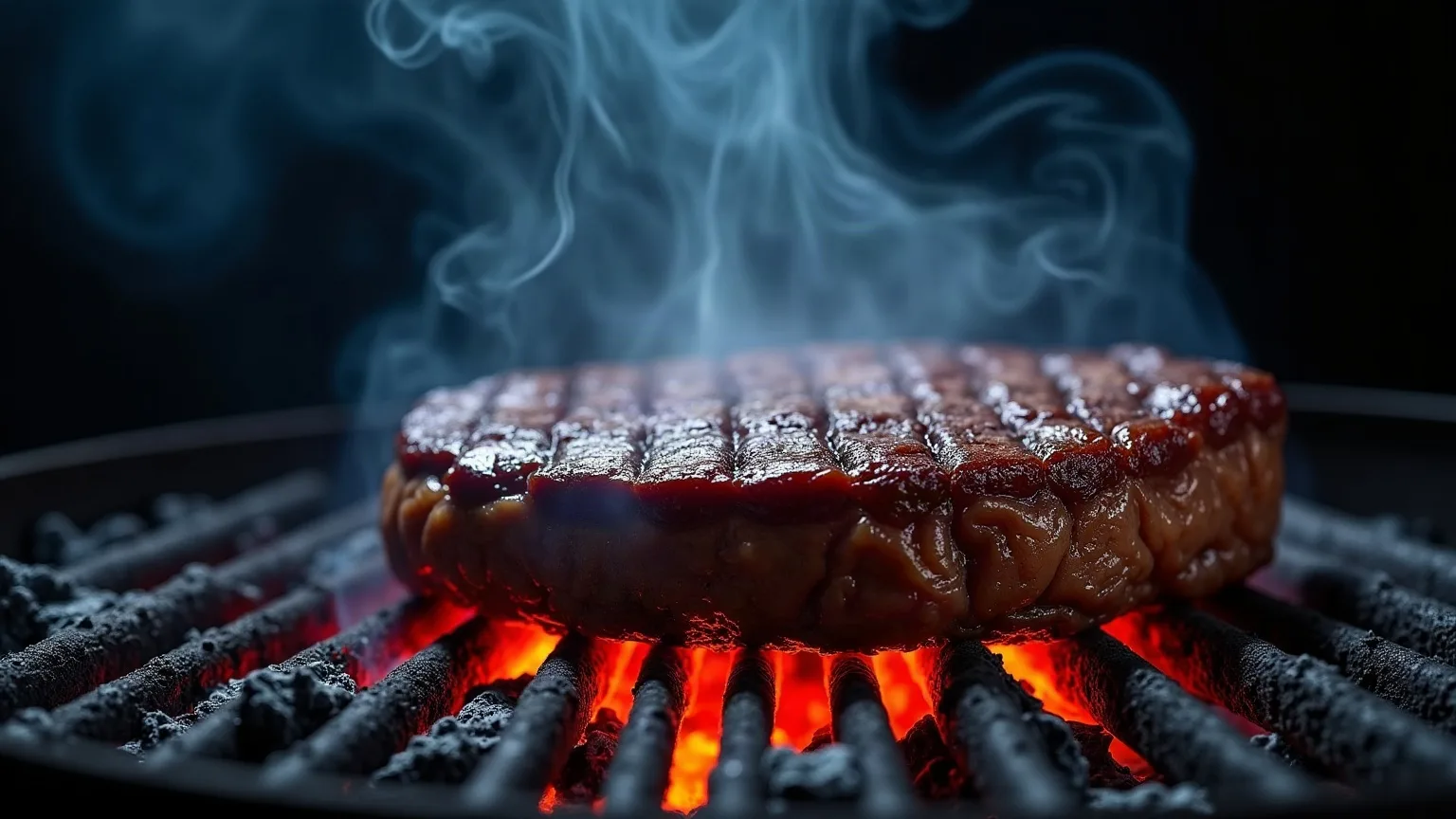
Grill & BBQ
Embers deliver heat by radiation and the surface passes 200 °C in seconds. Smoke phenols bind to the meat, and that is where the flavour comes from.
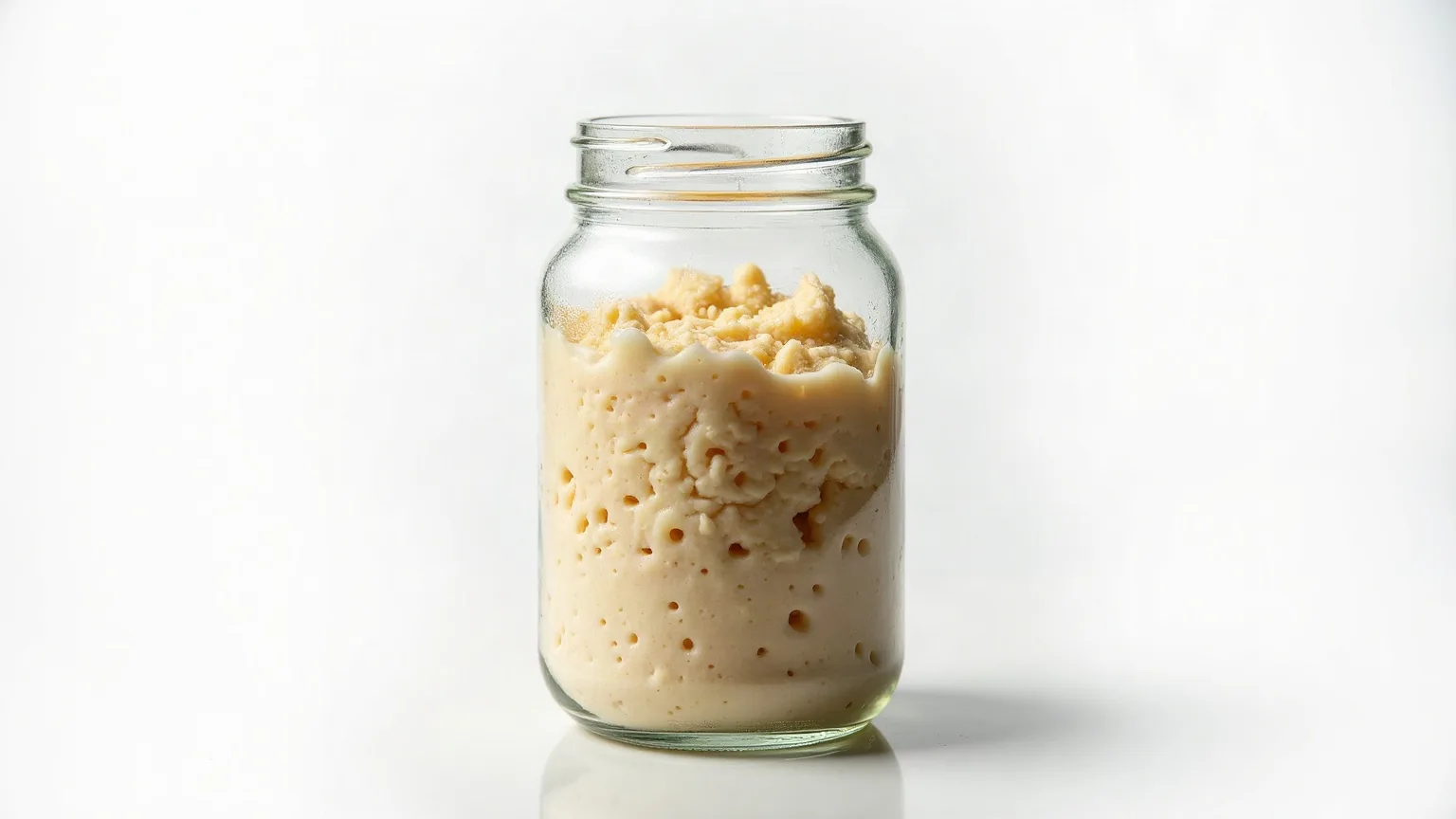
Fermentation
Microbes turn sugar into acid and gas. As the pH falls, flavour deepens and spoilage stops; sourdough and pickles are the same job at different speeds.
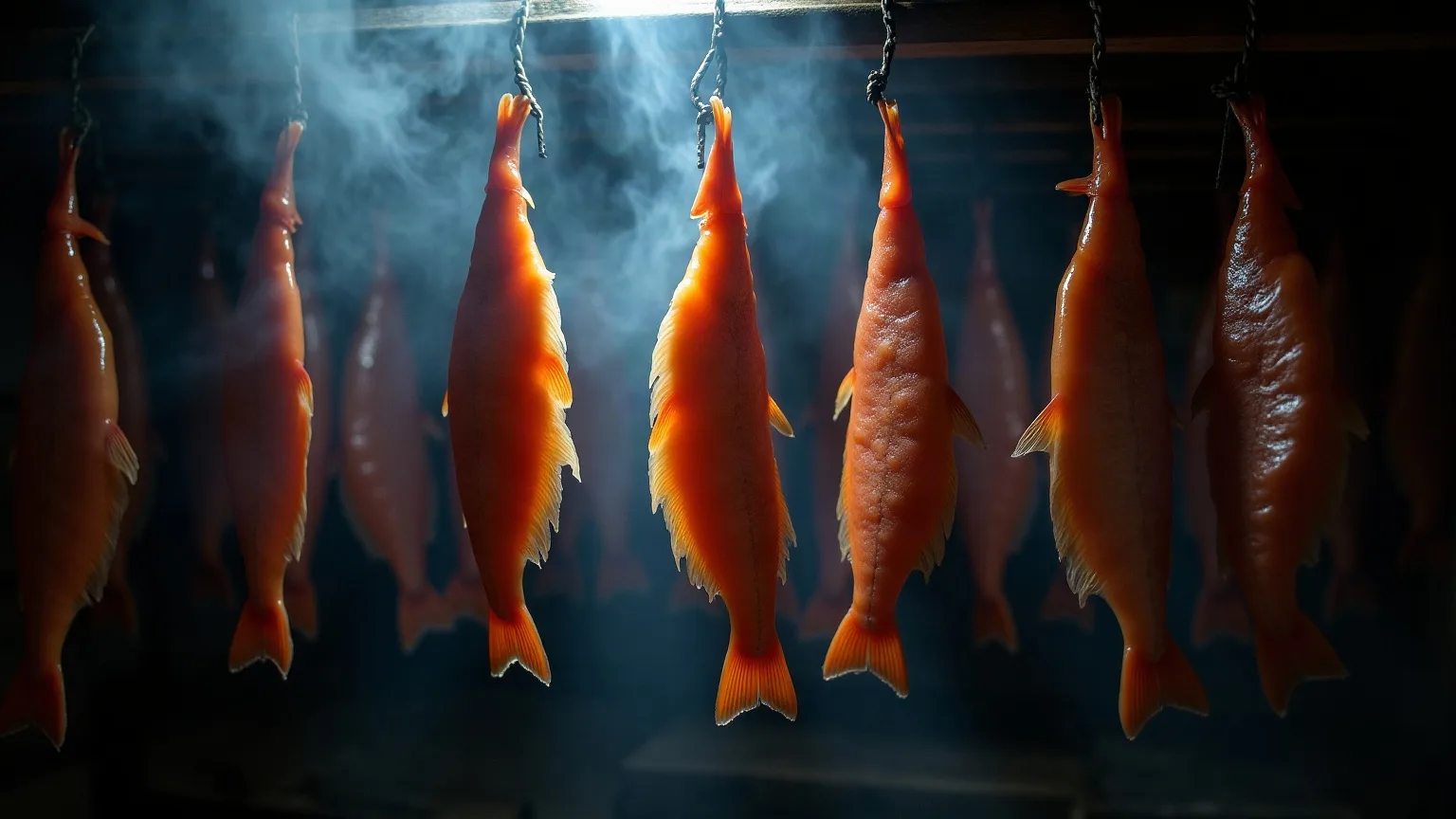
Smoking
Cold smoke does not cook — it dries and preserves; hot smoke cooks at the same time. The wood decides the aroma: fruitwood gentle, oak assertive, pine never.
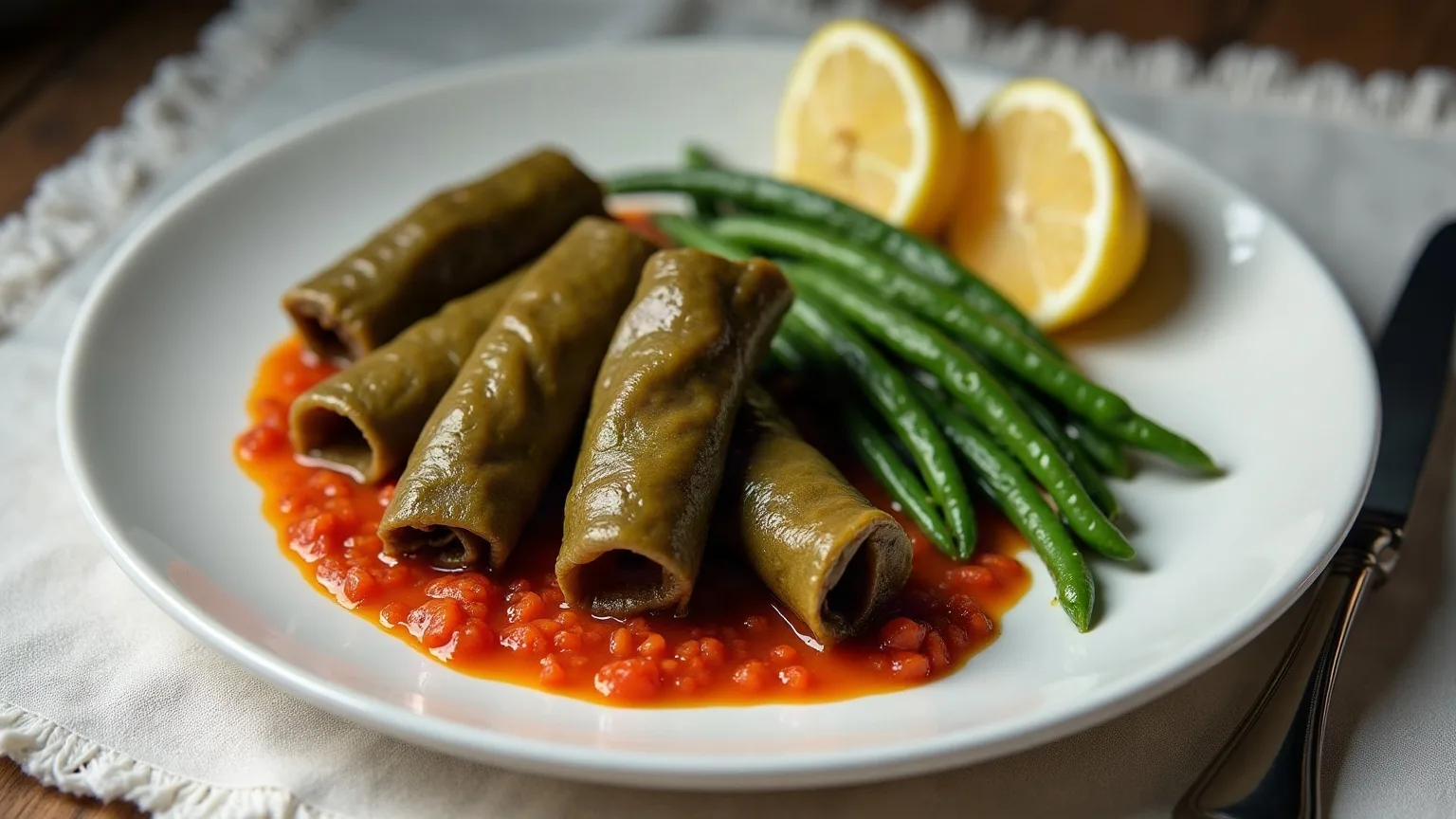
Olive oil dishes
The vegetable cooks in its own water, on a low flame, under a lid. Olive oil is not frying fat here: it carries the aroma and pulls the texture together as it cools.
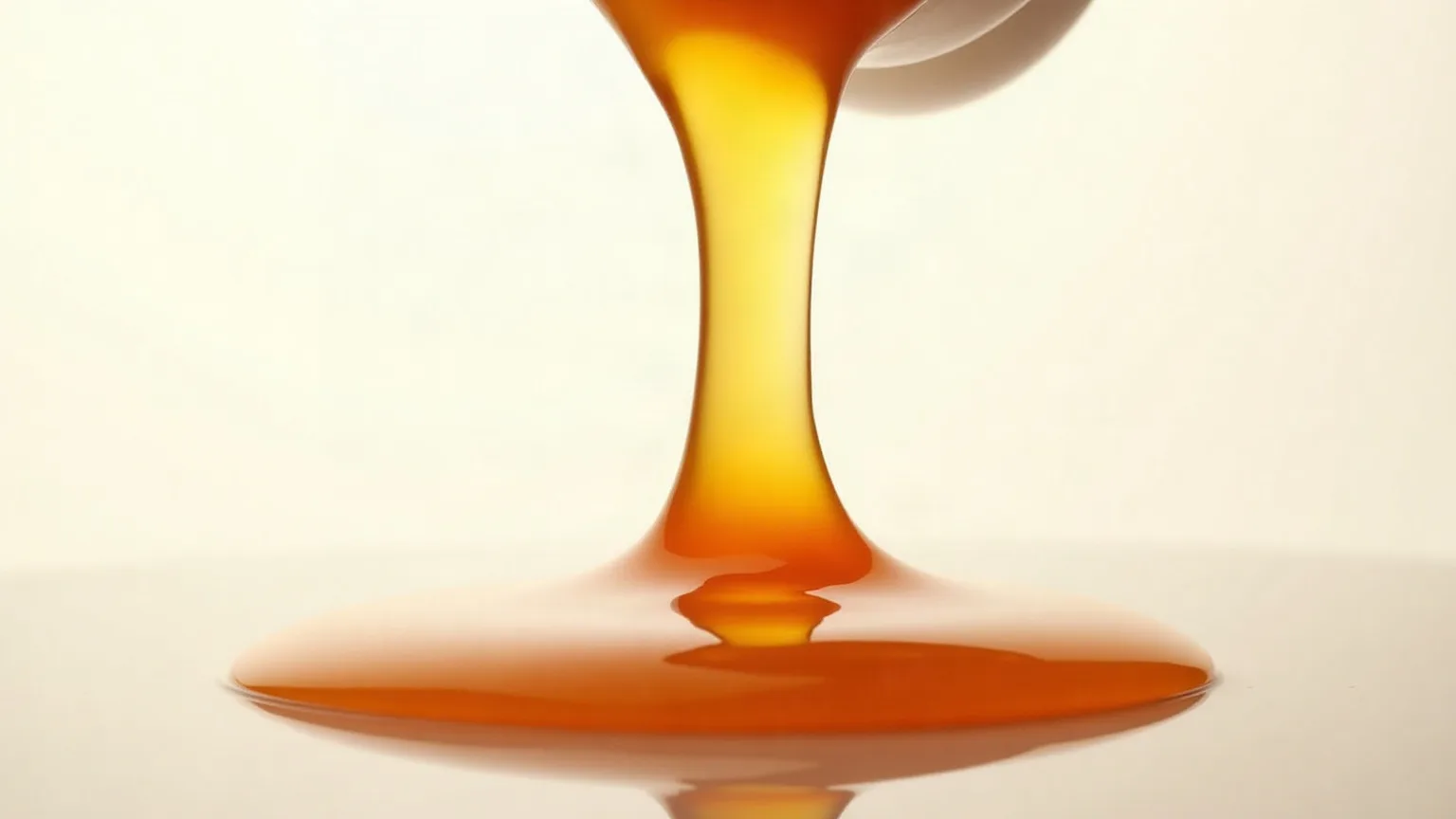
Caramelisation
Sucrose breaks apart at 160 °C into hundreds of new aroma molecules. Fructose does it at 110 °C, which is why anything with honey darkens sooner.
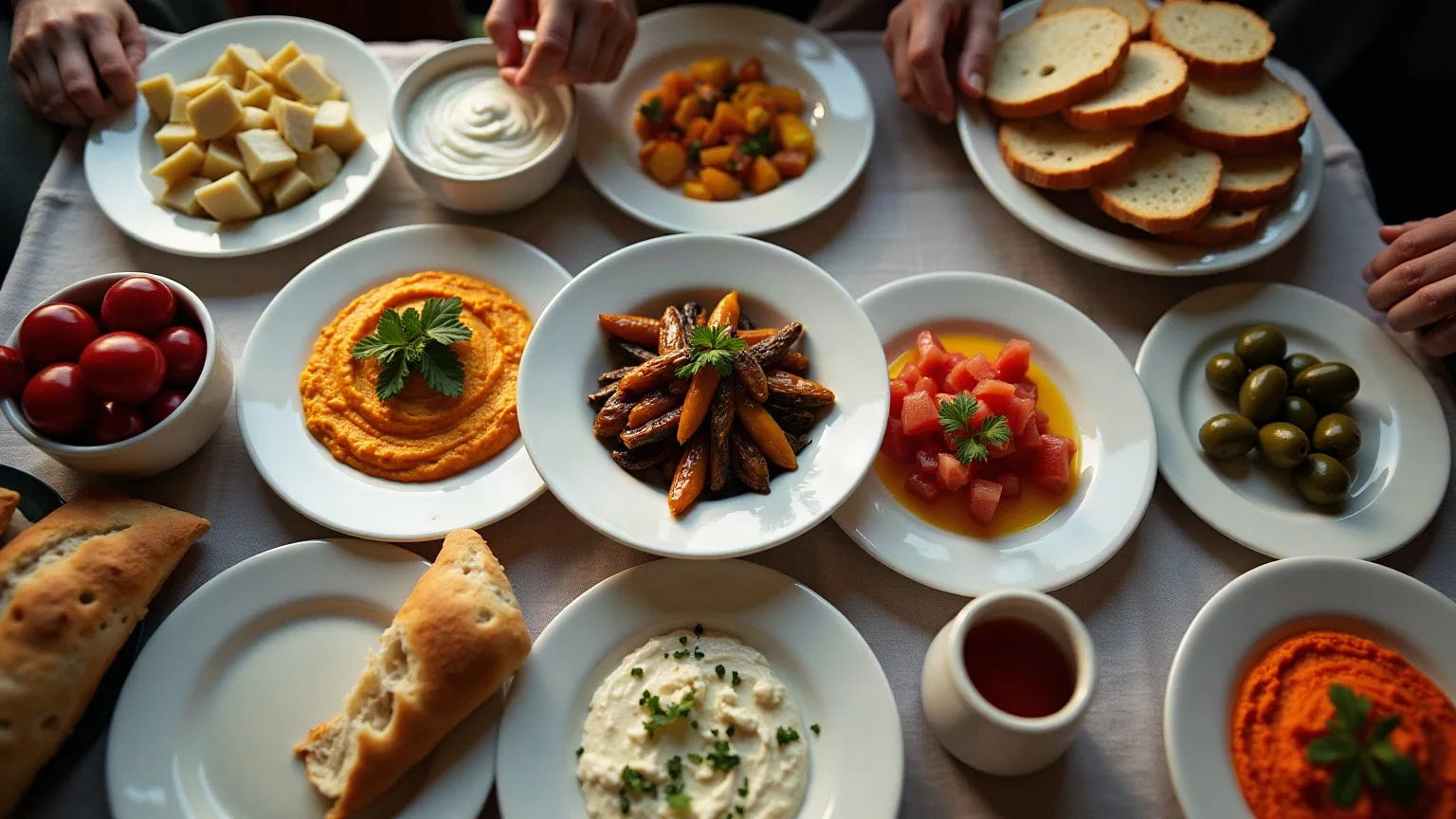
Meze
A meze table is a composition rather than a plate: acid, fat, salt and freshness sit side by side. Each dish is designed against its neighbour, never alone.
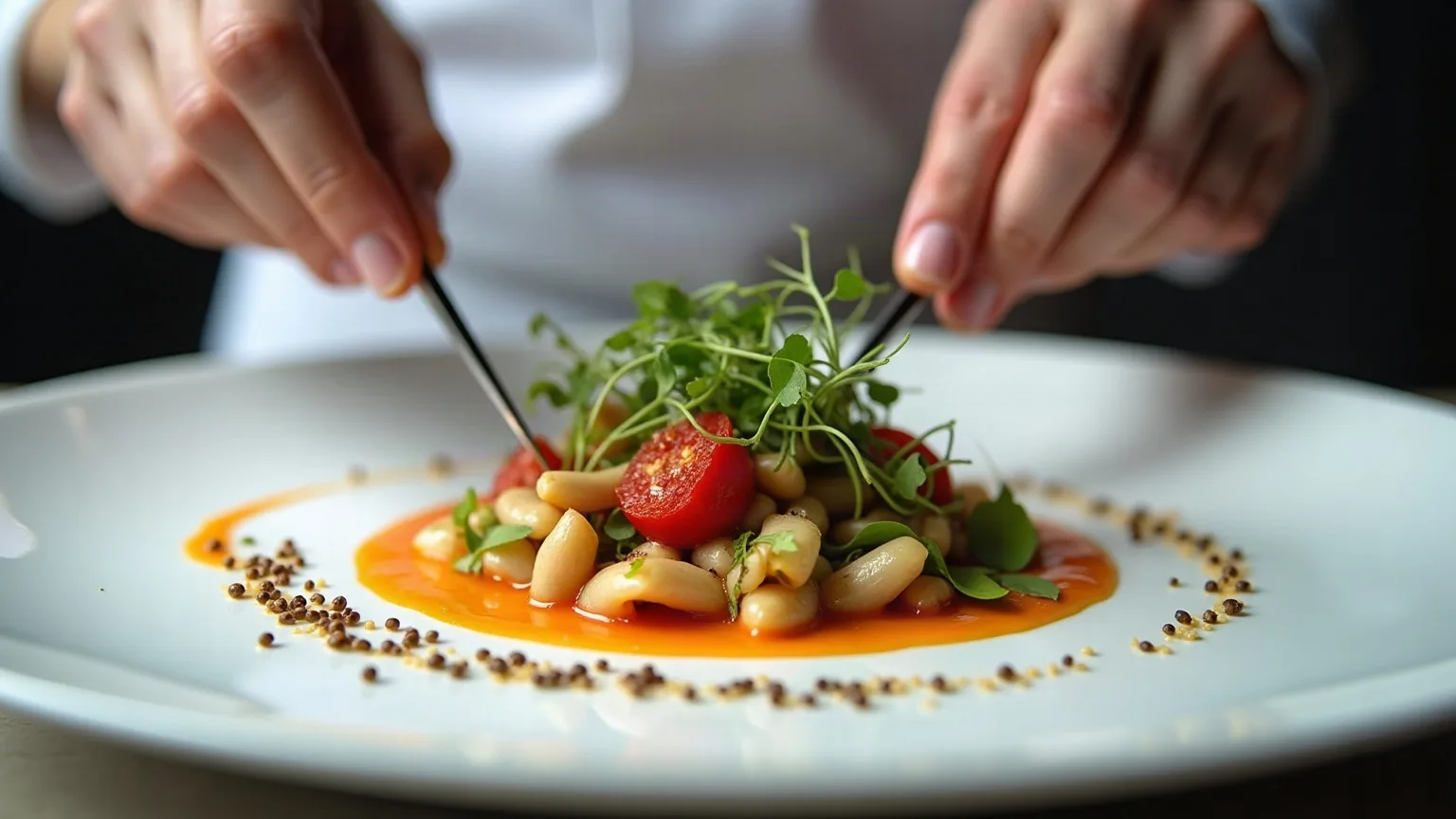
Plating & table
Focal point, negative space, height, odd numbers. The linen, the napkin and the colour of the light are part of the taste; the table is where the dish continues.
Terbiye — tempering a sauce
Yoghurt tipped into boiling soup splits. Terbiye brings the pot to the yoghurt instead of the yoghurt to the pot: hot liquid goes in a ladle at a time, so the temperature climbs slowly.
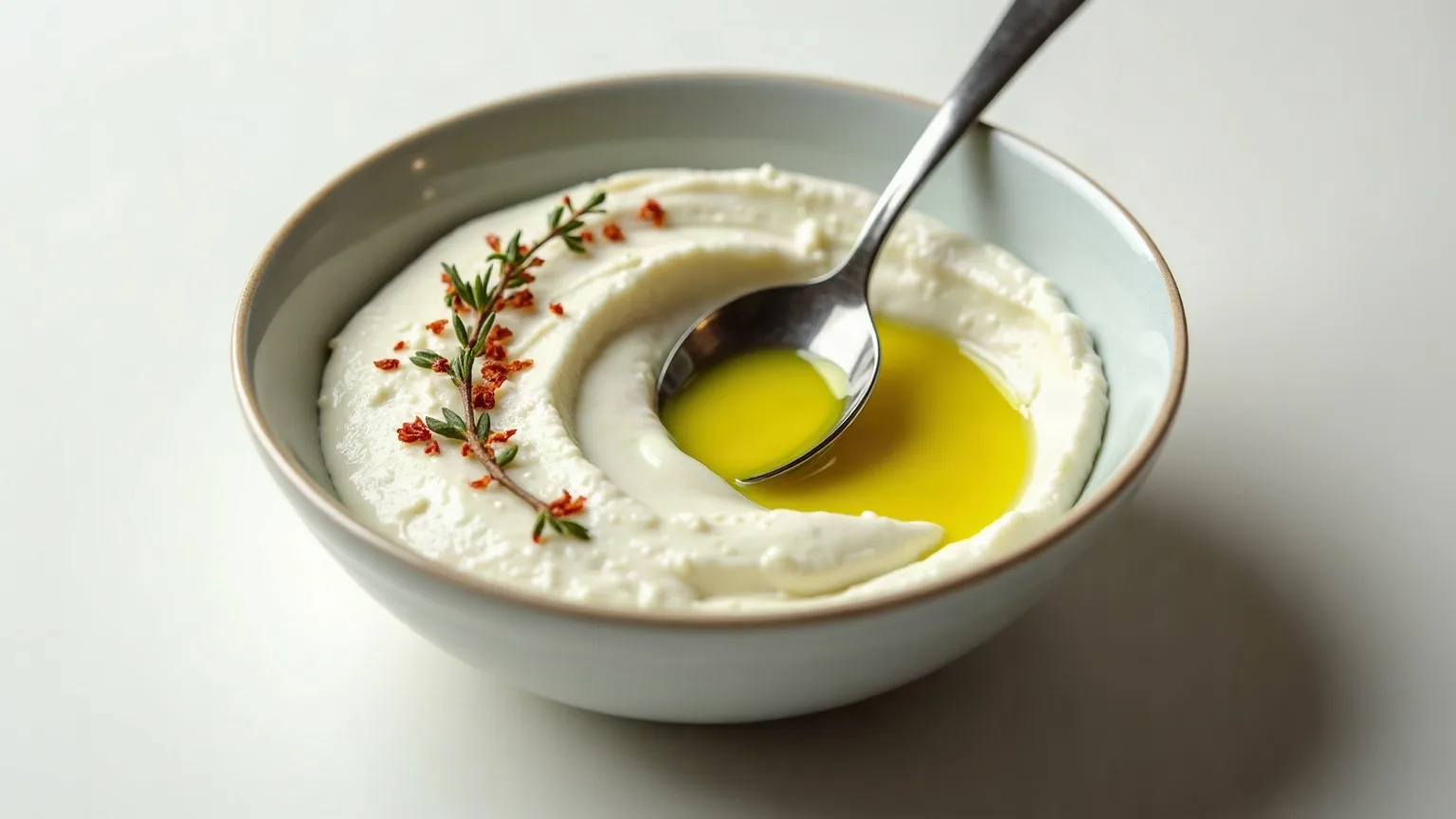
Straining
Yoghurt in a cloth bag, letting gravity take the whey. Nothing is added and nothing is cooked: water leaves, and everything left behind concentrates.
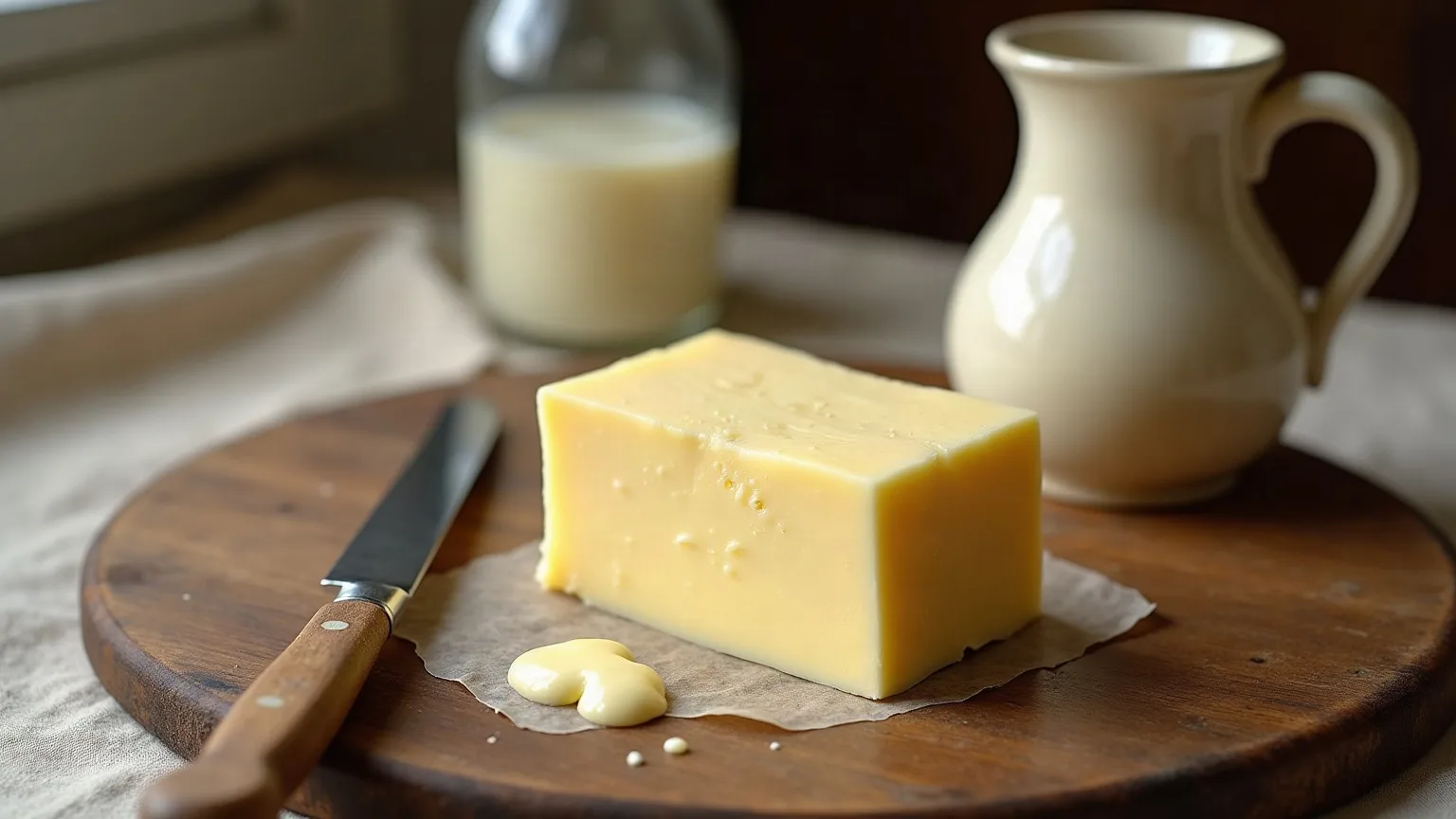
Churning
Shaking yoghurt or cream until the fat separates. Two products come out of it and both are the point: butter, and the buttermilk left behind.
Heat-acid curdling
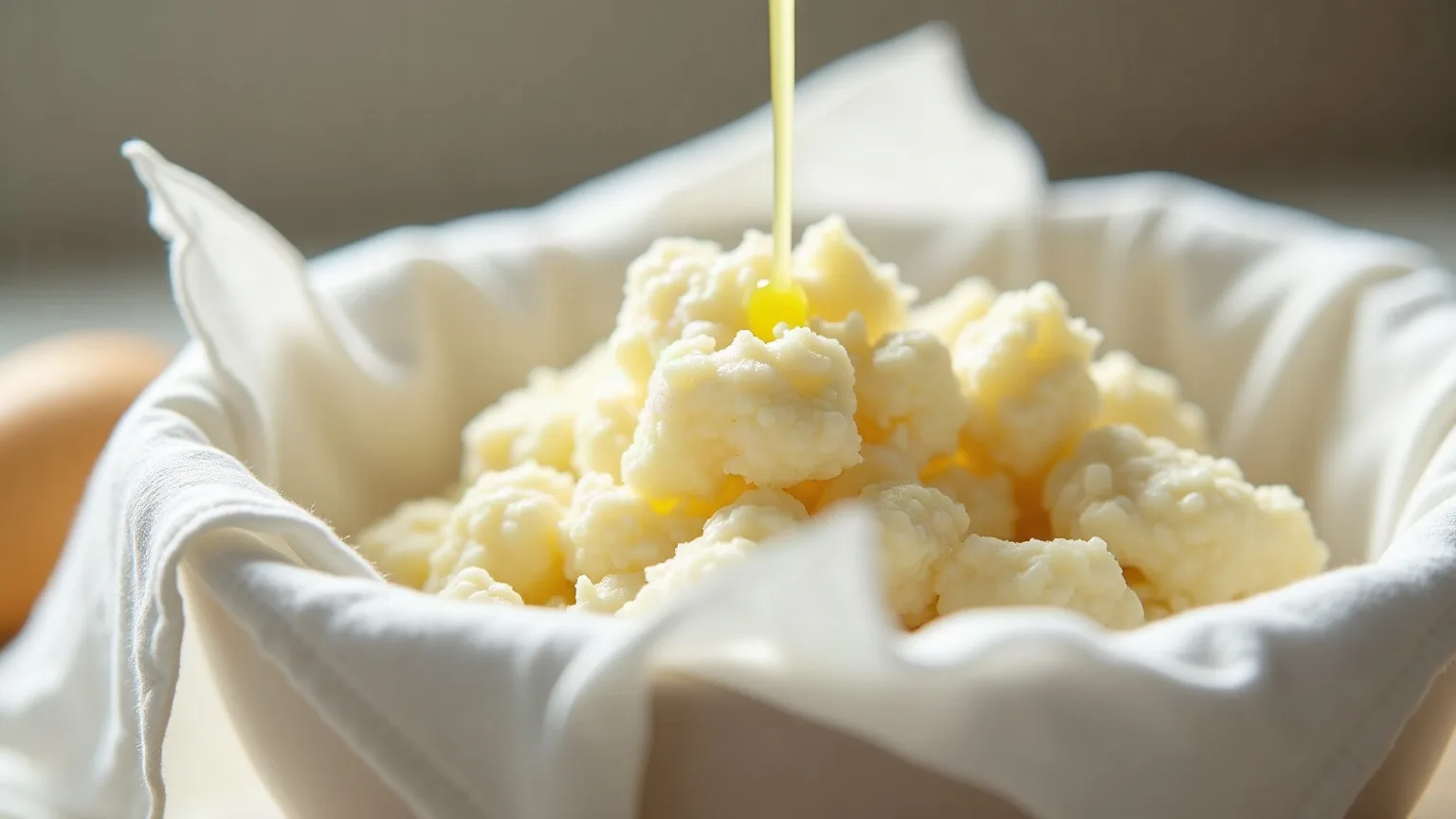
Cheesemaking without rennet. Curdling is an accident in a yoghurt soup; here it is the product. Heat and acid together collapse the casein, and the drained curd is çökelek.
The griddle
Hot metal in direct contact, with no fat. Unlike an oven the heat comes only from below and only by conduction, which is why the bread is turned and each face cooks separately.
Drying
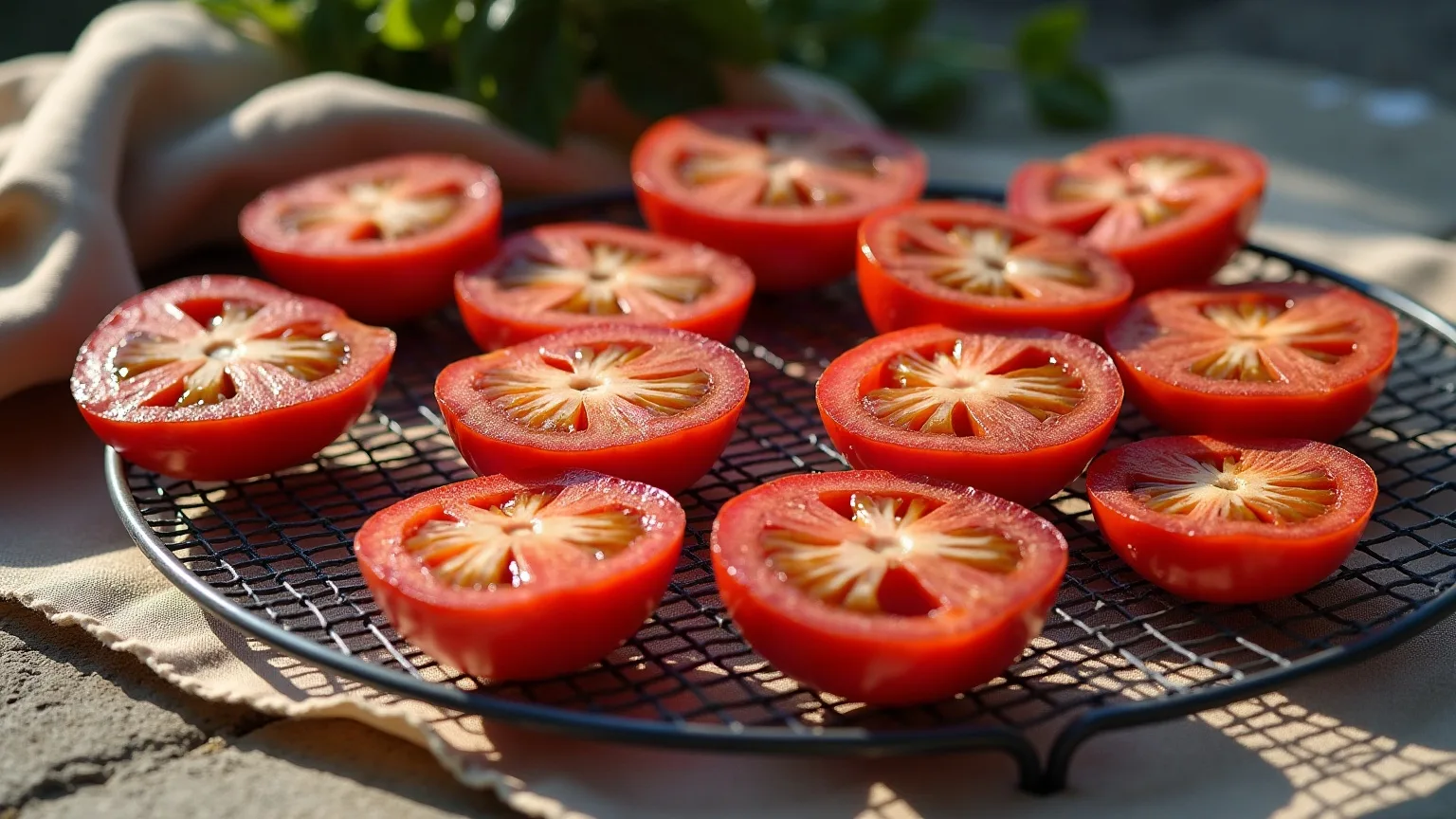
What stops spoilage is not cold but the absence of water. More precisely: water that microorganisms cannot reach.
Blooming in fat
Holding a spice briefly in hot fat. In Turkish cooking it is usually the last step: chilli flakes or dried mint go into sizzling butter and the whole thing is poured over the dish.
Cold
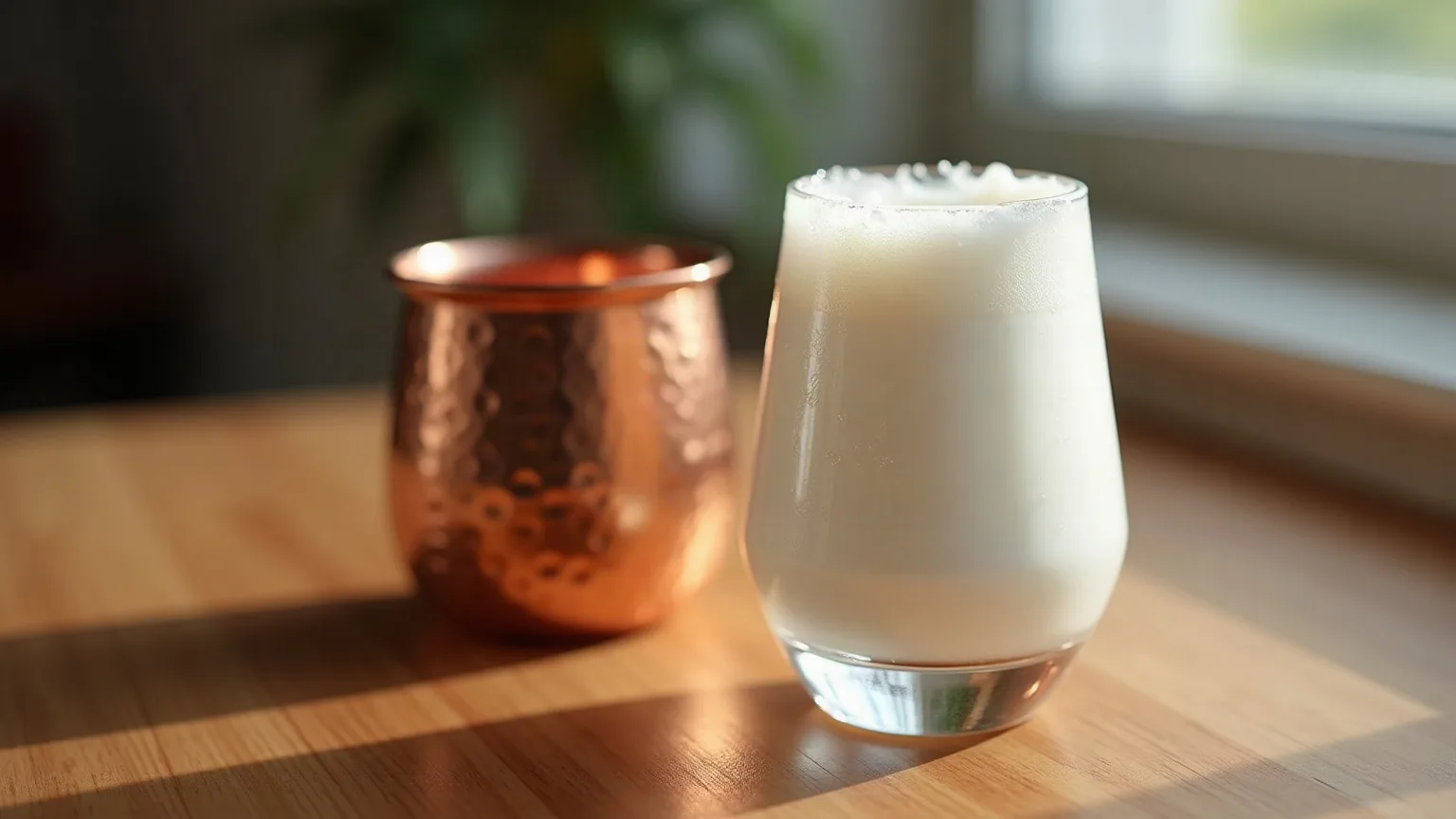
The technique where nothing is cooked. That does not make it the absence of technique: cold changes how flavour is perceived, and a recipe is balanced around that.