
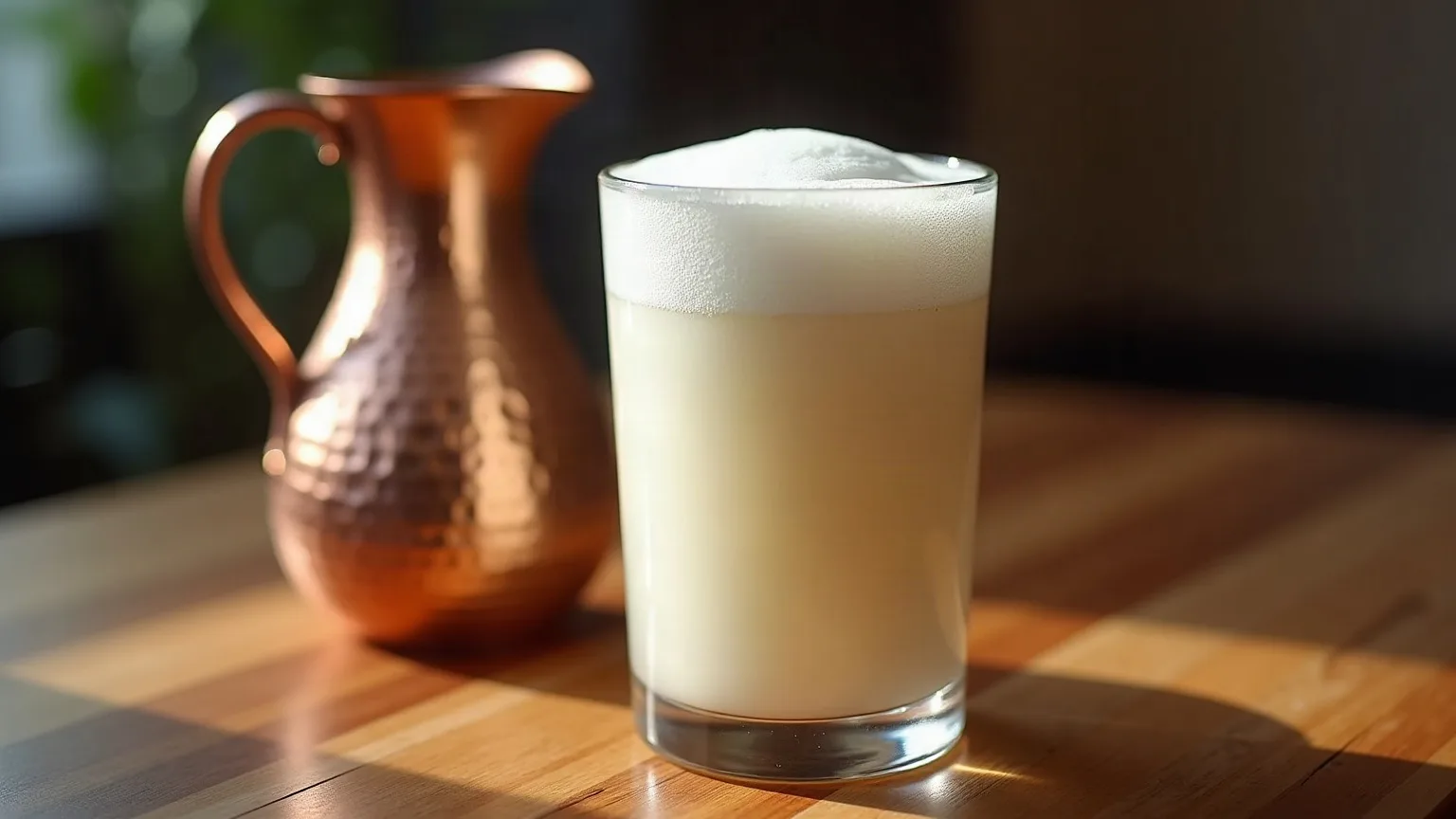
Ayran
Yoghurt let down with water and salted. Turkey’s national drink, and really yoghurt made portable: on the move it both slowed spoilage in heat and replaced the salt lost through sweat.
The Turkish Food Codex defines ayran two ways: by adding water to yoghurt, or by adjusting the milk solids and fermenting directly. TS 3810 sets the fat classes — full fat at least 1.5%, half fat 0.8%, fat free at most 0.15%. Traditional churn ayran runs about half water, with salt between 0.5 and 1.0%.
What it is made of
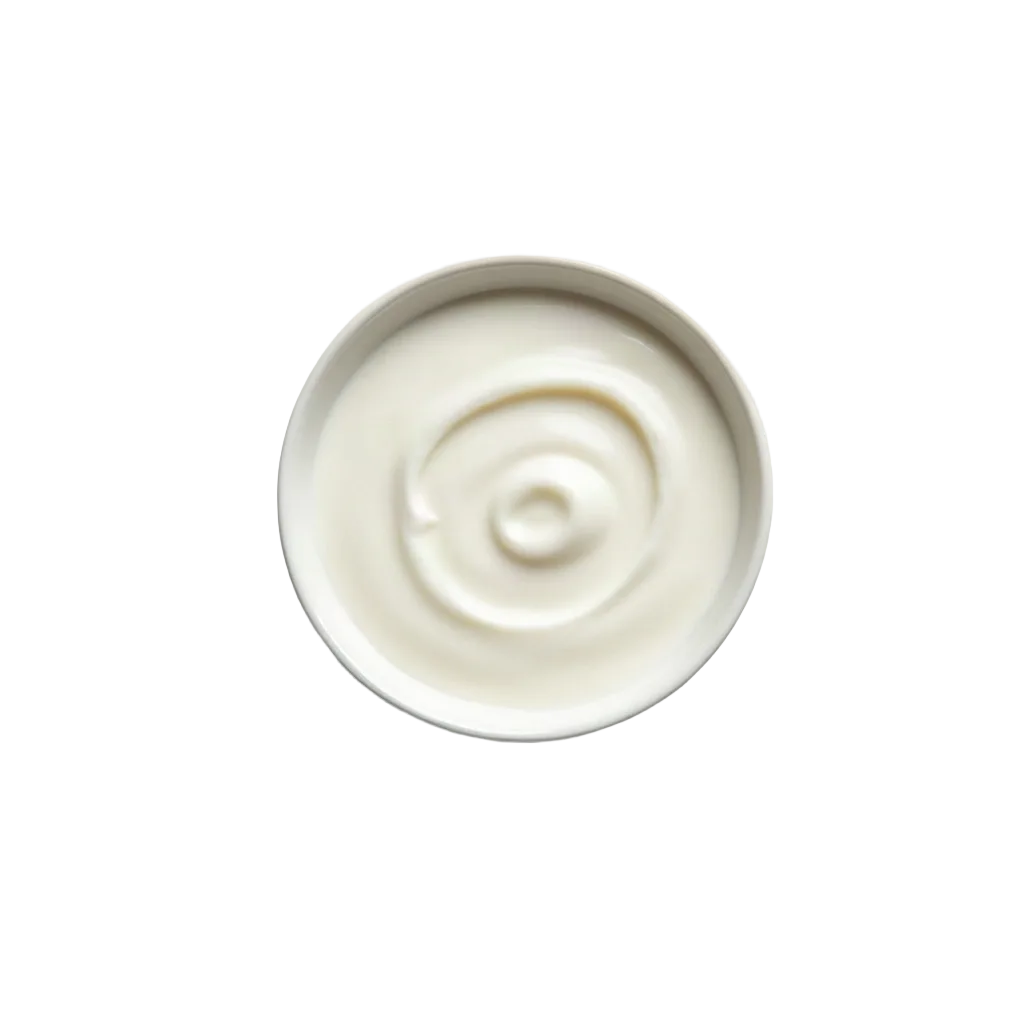 Yoghurt
pH 4.4 · splits above 85 °C
Dairy: it brings creaminess, protein and calcium.
Temper it with a few spoons of the hot liquid before it goes in; added straight, it splits.
H2O
Yoghurt
pH 4.4 · splits above 85 °C
Dairy: it brings creaminess, protein and calcium.
Temper it with a few spoons of the hot liquid before it goes in; added straight, it splits.
H2O
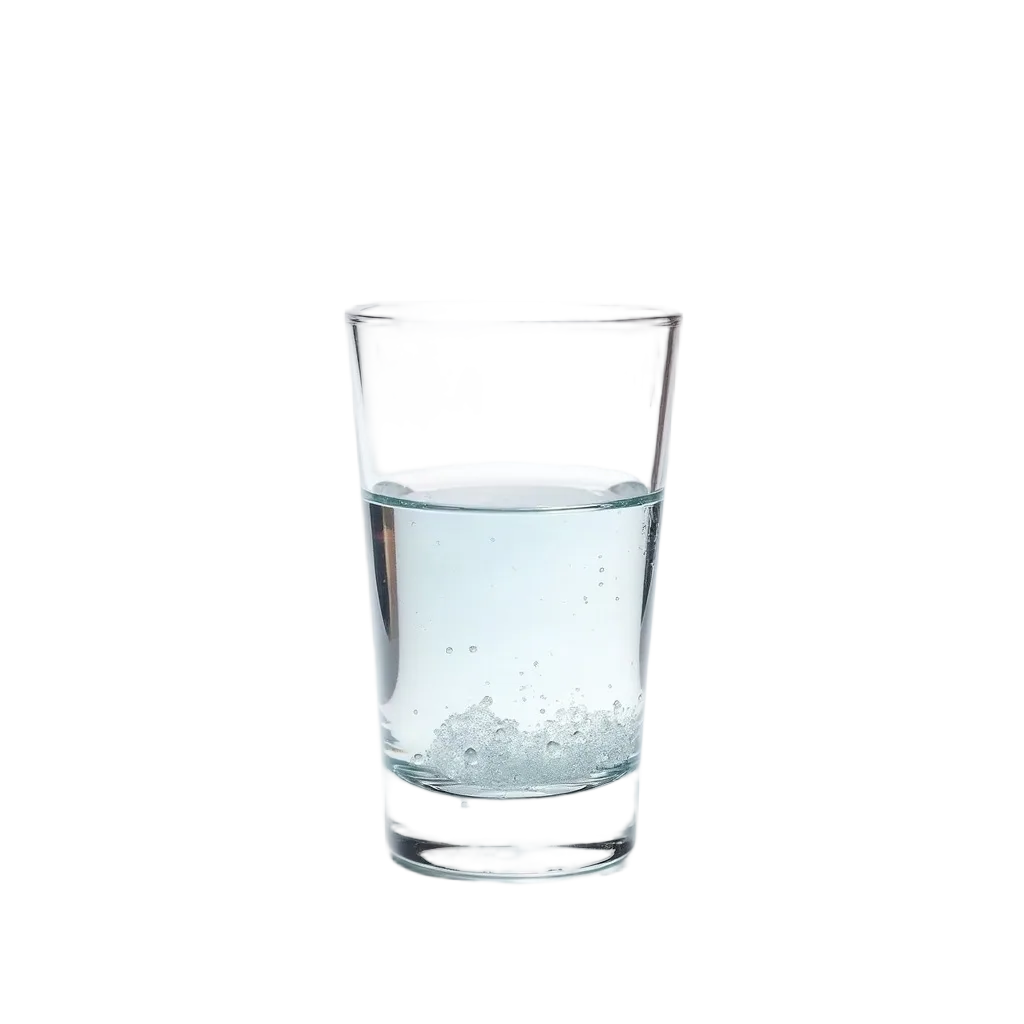 Water
Starch only gelatinises above 60 °C with water
Liquid: it makes the medium and carries the heat.
Do not add water to a vegetable dish: it is already 90% water and makes its own liquid under a lid.
Sa2
Water
Starch only gelatinises above 60 °C with water
Liquid: it makes the medium and carries the heat.
Do not add water to a vegetable dish: it is already 90% water and makes its own liquid under a lid.
Sa2
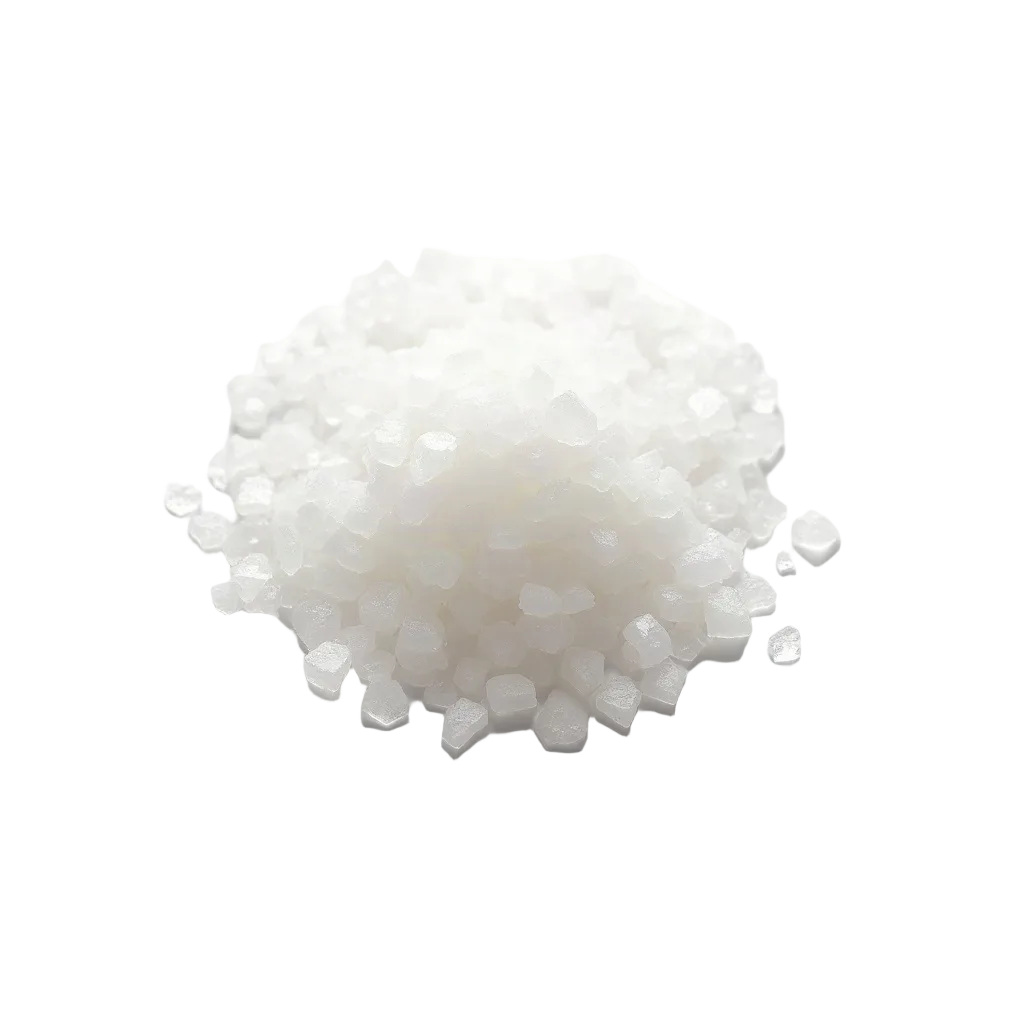 Salt
0.8–1.5% of the weight of the food
Seasoning: it sets the perception and balances the salt.
0.8–1.5% of the weight of the food. Coarse and fine salt do not weigh the same by the spoon, so weigh it.
Salt
0.8–1.5% of the weight of the food
Seasoning: it sets the perception and balances the salt.
0.8–1.5% of the weight of the food. Coarse and fine salt do not weigh the same by the spoon, so weigh it.
What it tastes like
The axes that define this dish: sour 37, salty 33 — the ones sitting clearly above the average.
This profile is computed rather than measured: the role-weighted average of its ingredients’ taste vectors, shifted by what the cooking does. The thin line is the database average on that axis.
How it is made
-
Put the yoghurt in a wide bowl, scatter the salt over it and whisk it smooth.
Why Added with the water the salt never distributes evenly — it has to go into the yoghurt first. -
Whisk in cold water a little at a time — about a third of the weight of the yoghurt.
Why More than that drops the solids below 8% and the drink separates as it stands. -
Whisk hard for a final minute to raise the foam, and serve at once.
Why Milk protein builds that foam; with low-fat yoghurt the film is weak and it collapses in minutes.
Where it comes from
Ayran is as old as yoghurt itself. Yoghurt is recorded in Kaşgarlı Mahmud’s Dîvânu Lugâti’t-Türk in the 11th century and the word comes from the Turkish verb *yoğurmak*; ayran is that same cultured milk let down with water, out of the same nomadic culture.