
 Milk
→
Milk
→
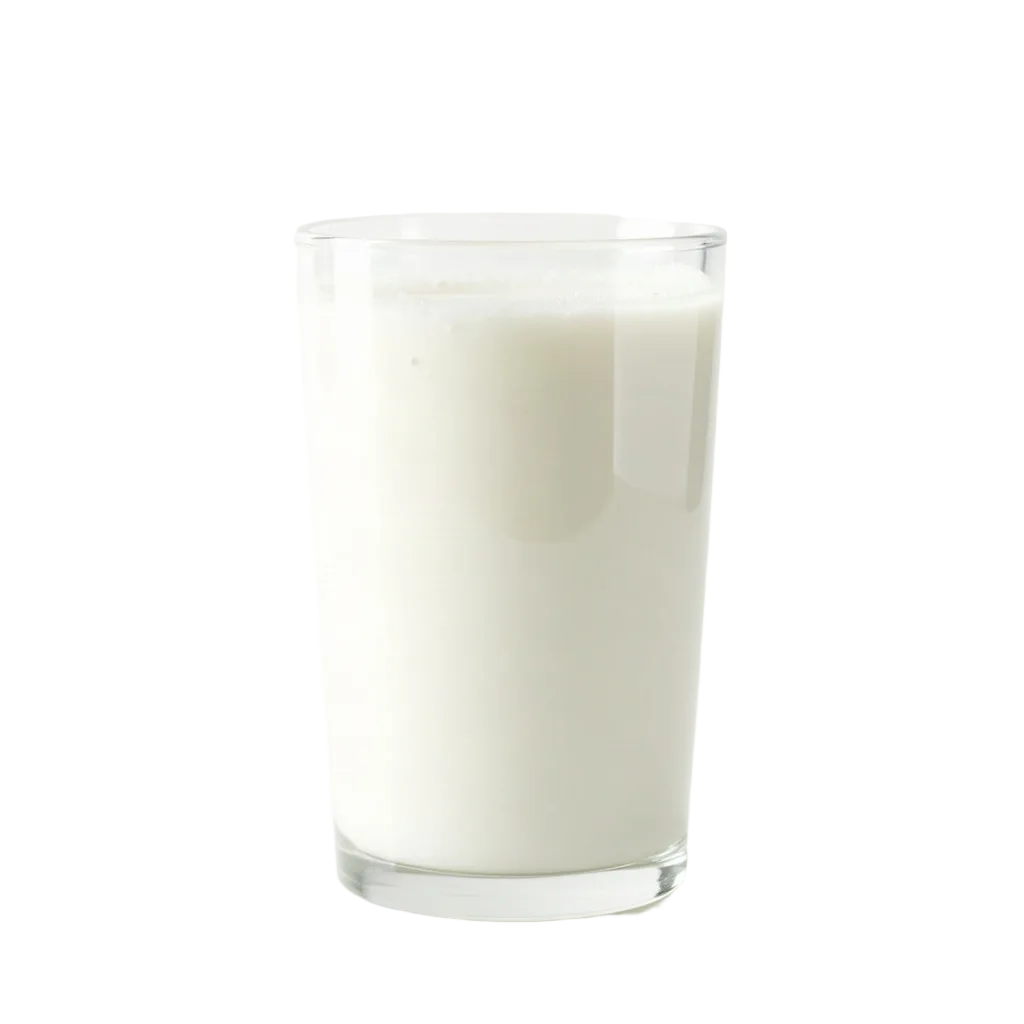
Granules swell above 60 °C, amylose leaches out and forms the continuous gel, and casein micelles disperse within it. Muhallebi’s opaque set is the product of both.
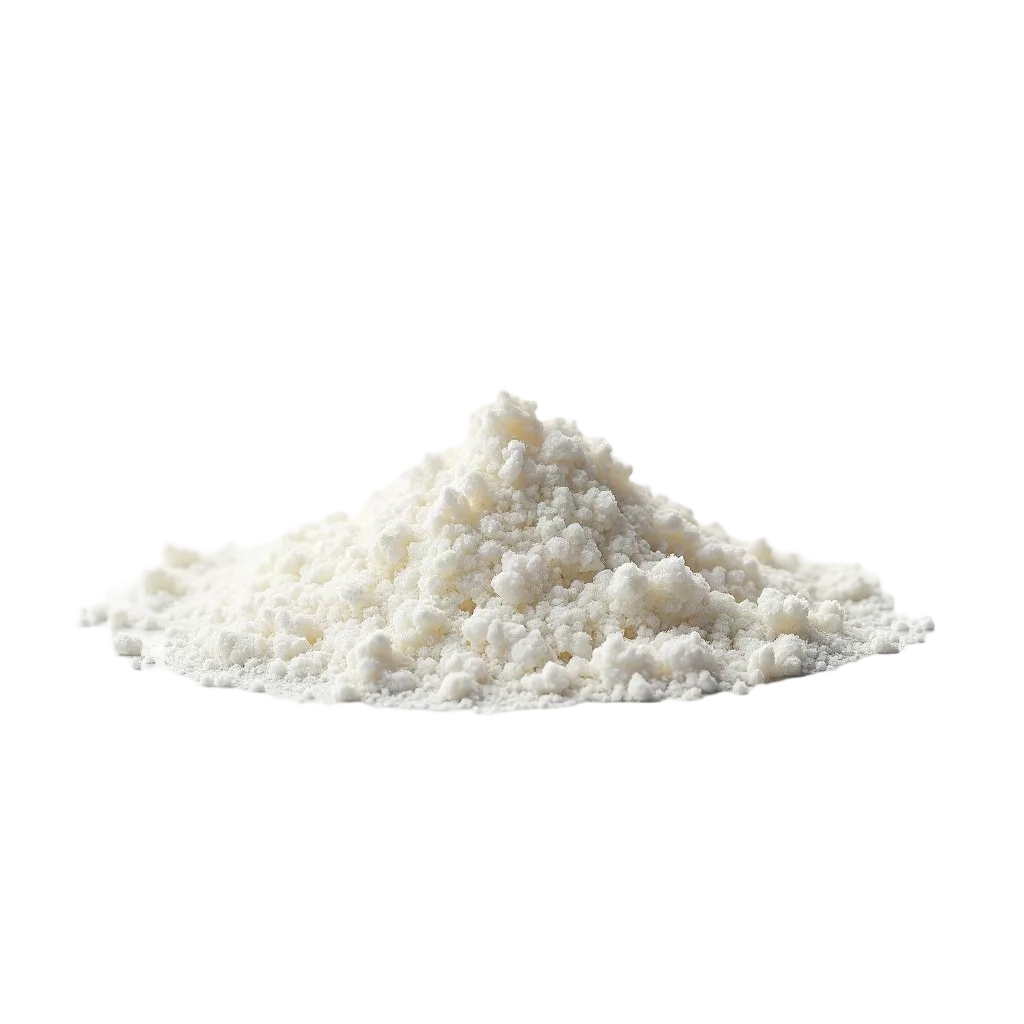
They build structure. Starch granules swell in hot water, burst, and weave a net that traps the liquid — most of what you call body comes from here. Wheat does one extra job on top: gluten.
Starch does nothing before 62 °C, and acid cuts the chains during a long boil. Think about your thickener after the heat and before the acid.
Never tip it into hot liquid; slurry it in cold water first, or you get lumps that are set outside and raw inside.
Airtight and dry it keeps almost indefinitely; once it takes up moisture it clumps and never disperses cleanly again.
In Turkey starch usually means corn starch, which is gluten-free, but wheat starch is sold under the same name. Do not assume gluten-free without reading the label.
"They go well together" is not an explanation. Every pairing below has a chemical or structural mechanism under it.
Milk
→
Granules swell above 60 °C, amylose leaches out and forms the continuous gel, and casein micelles disperse within it. Muhallebi’s opaque set is the product of both.
 Egg
→
Egg
→
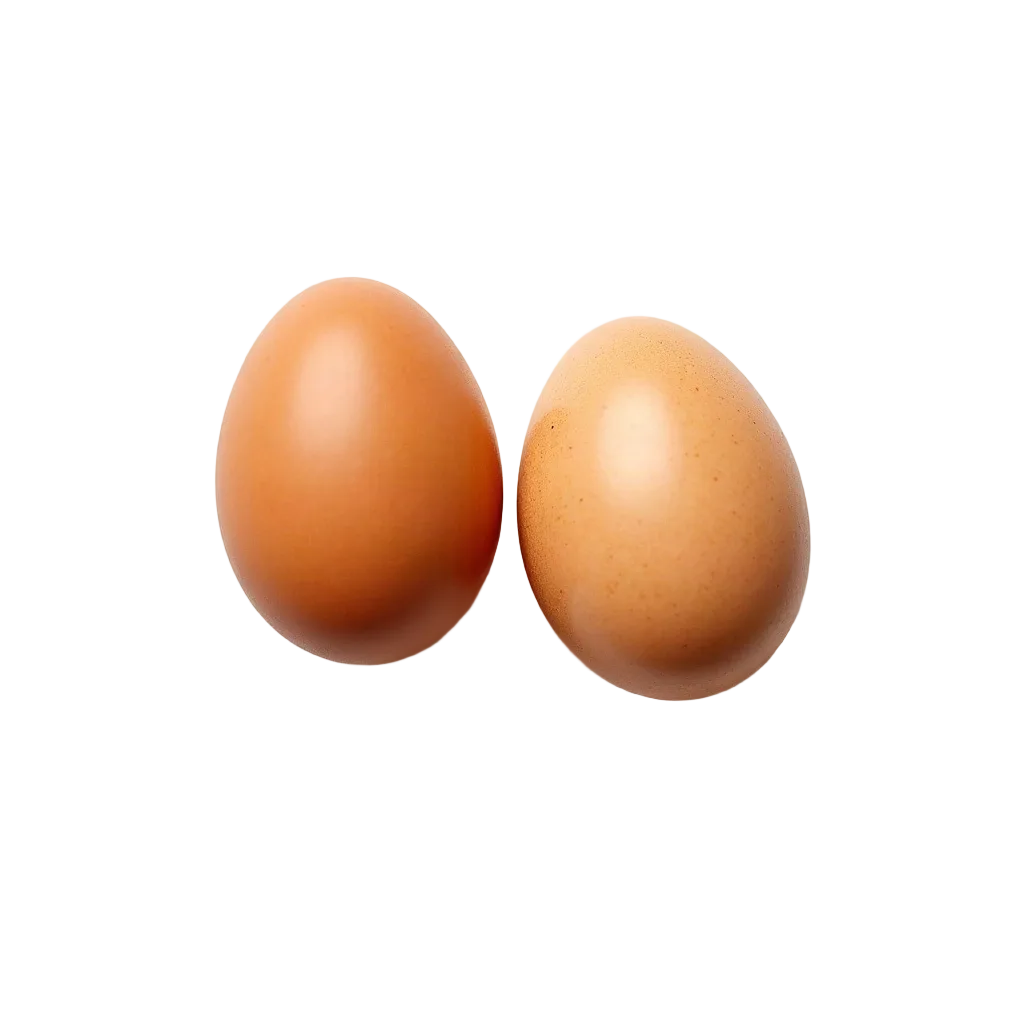
Starch raises the temperature at which egg proteins aggregate and physically blocks protein-to-protein contact. That is exactly why a floured pastry cream can be boiled while a plain custard curdles.
 Lemon
→
Lemon
→
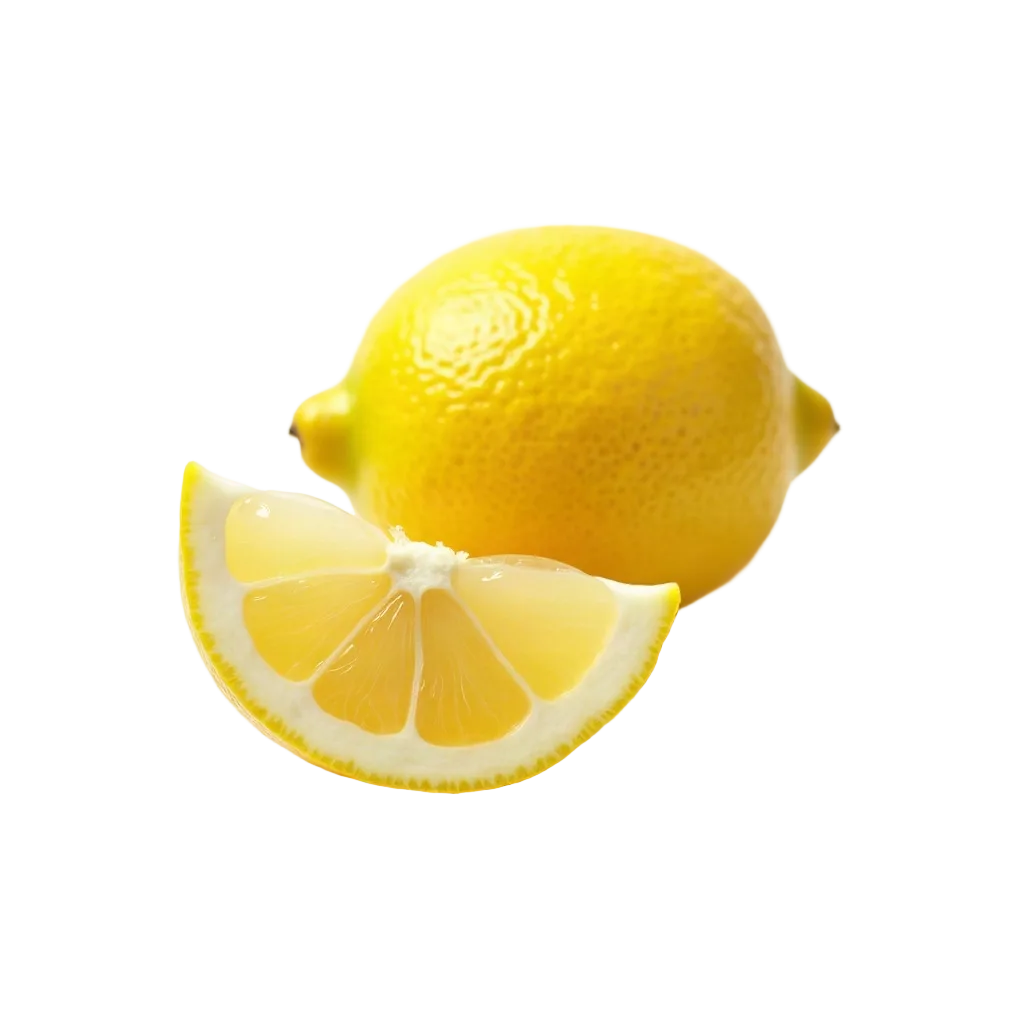
Acid hydrolyses the glycosidic bonds in amylose. Added before the gel sets, the body drops irreversibly; added after, the sauce survives.
 Sugar
Sugar
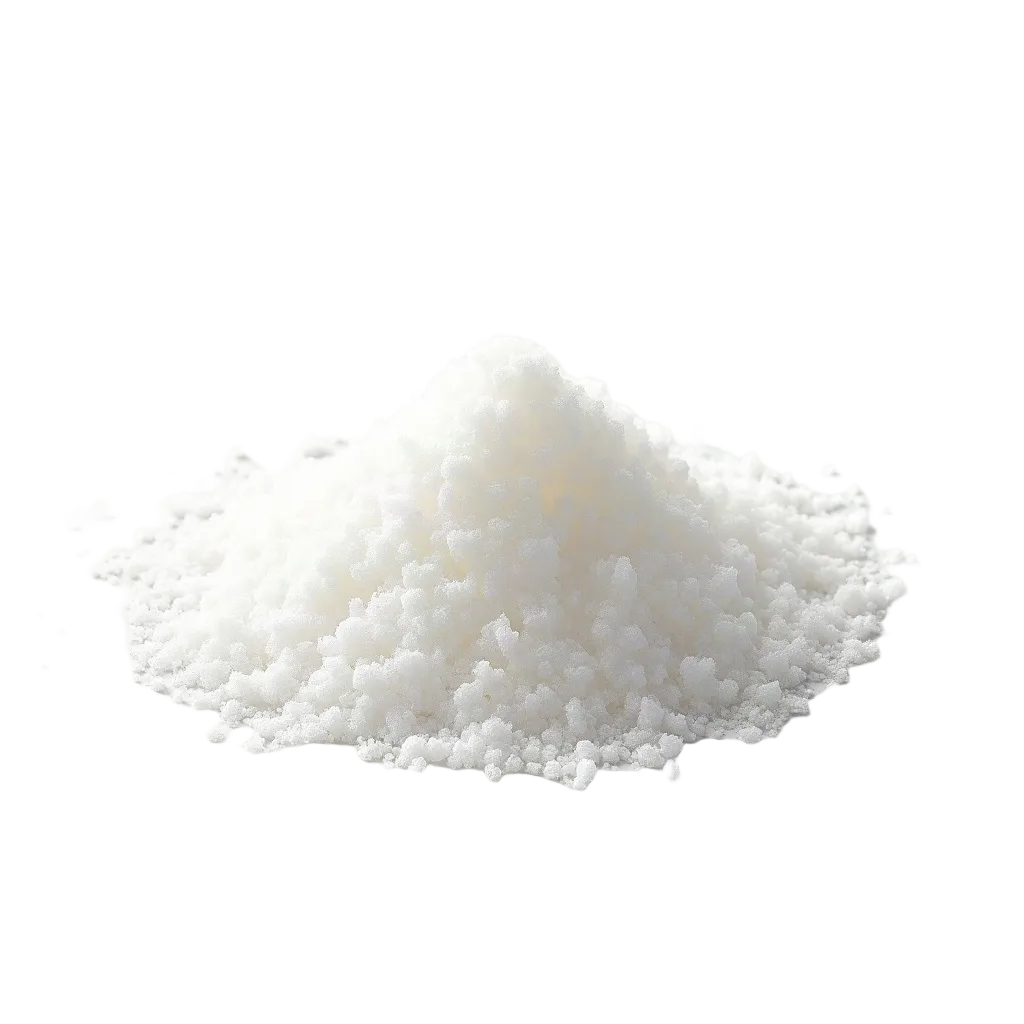
High sugar competes for water and raises the gelatinisation temperature, so doubling it makes the same recipe fail.
Cooling gelatinised starch turns amylose into resistant starch that passes undigested to the colon and measurably lowers postprandial glucose. The effect survives reheating.
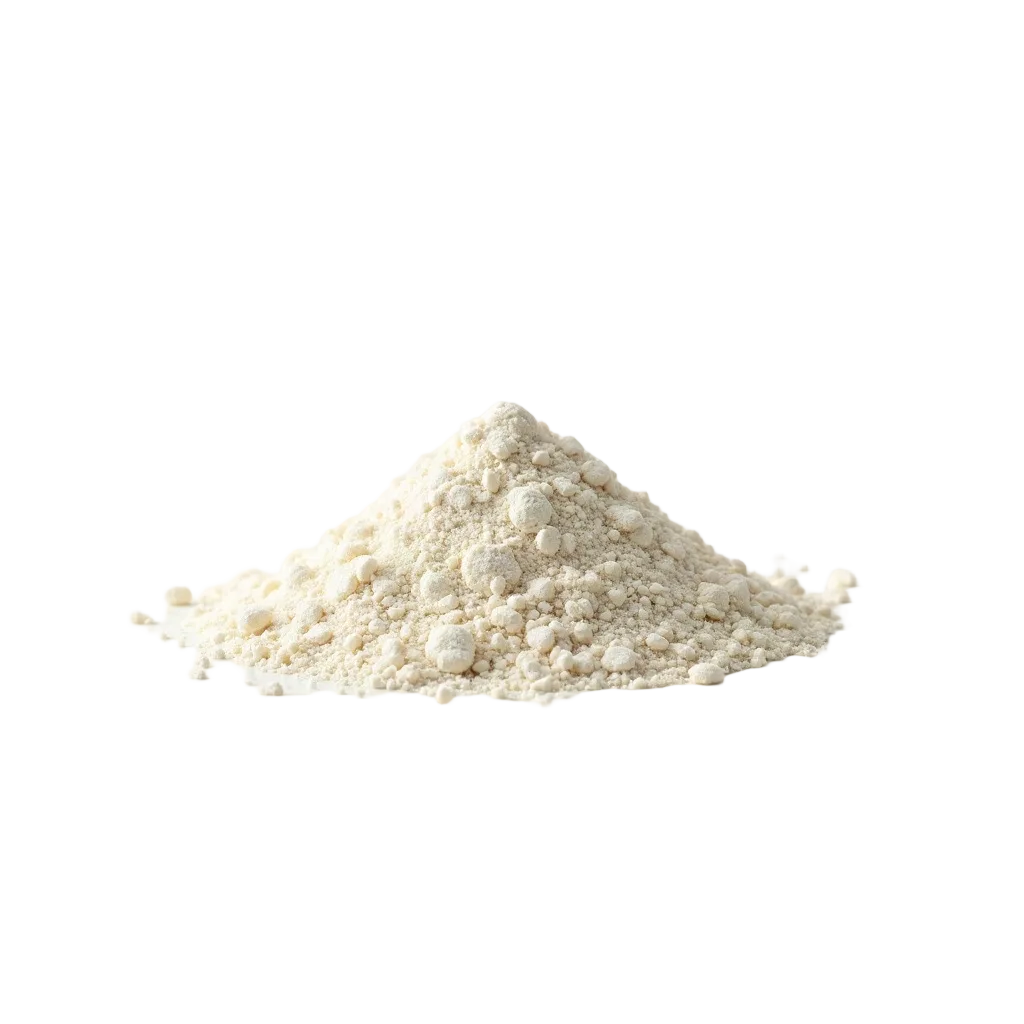 FlourProtein 10–12% · builds gluten
Ri
FlourProtein 10–12% · builds gluten
Ri
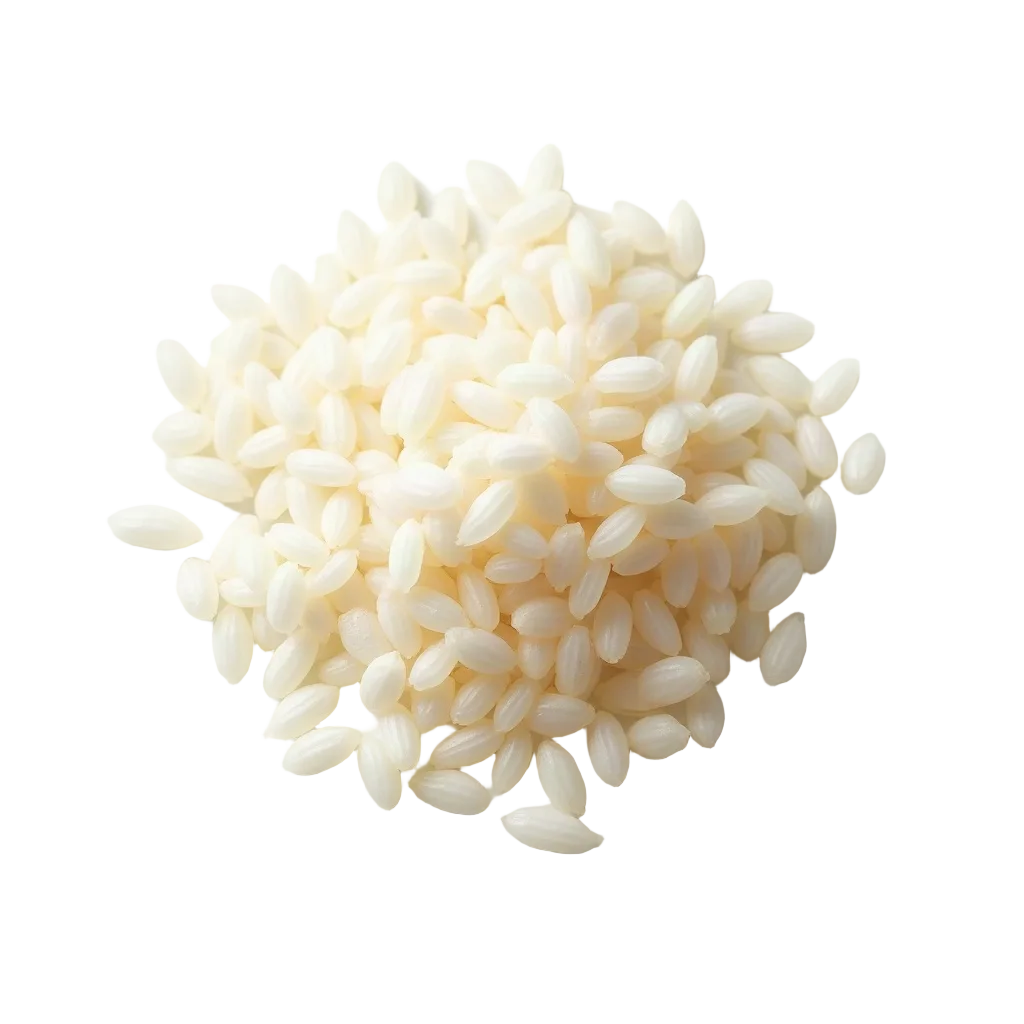 RiceAmylose 20–25% · grains stay separate
Bu
RiceAmylose 20–25% · grains stay separate
Bu
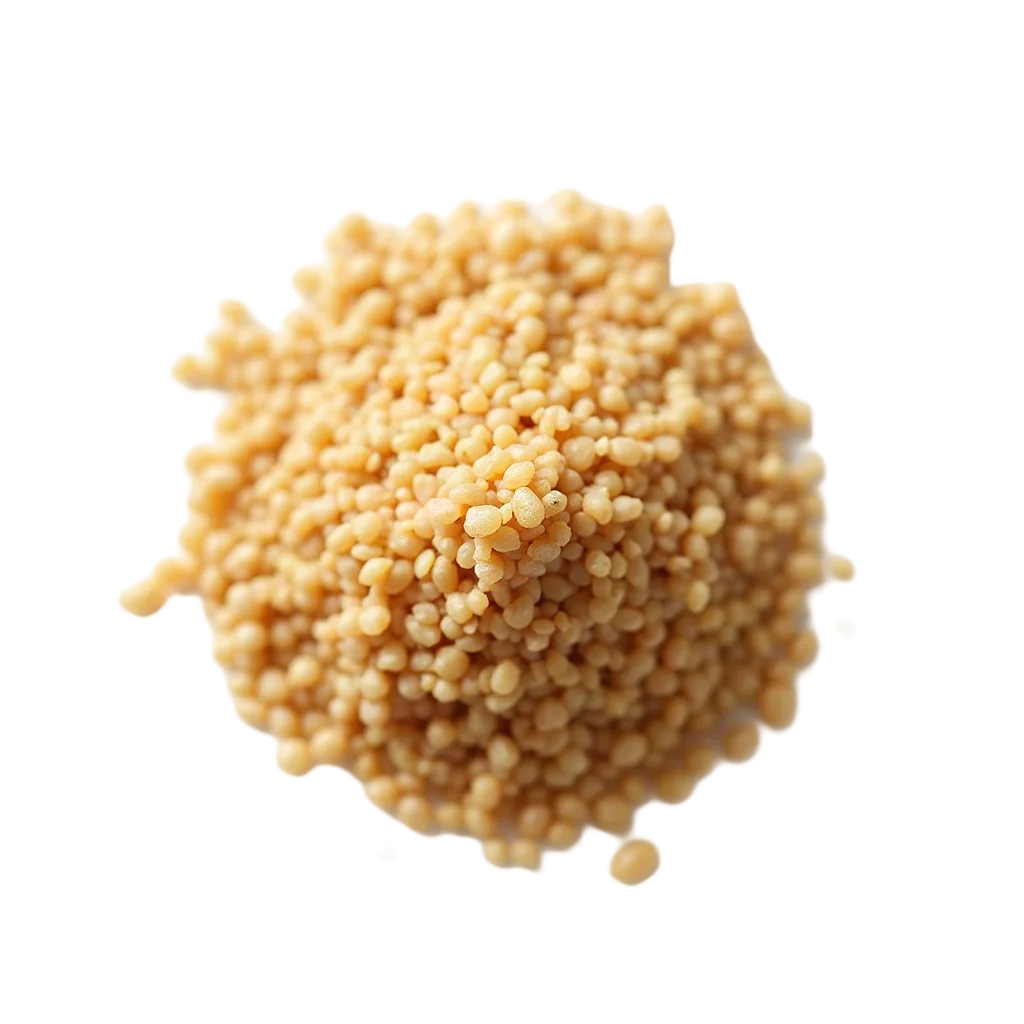 BulgurPre-cooked · steeps in 12 min
Pa
BulgurPre-cooked · steeps in 12 min
Pa
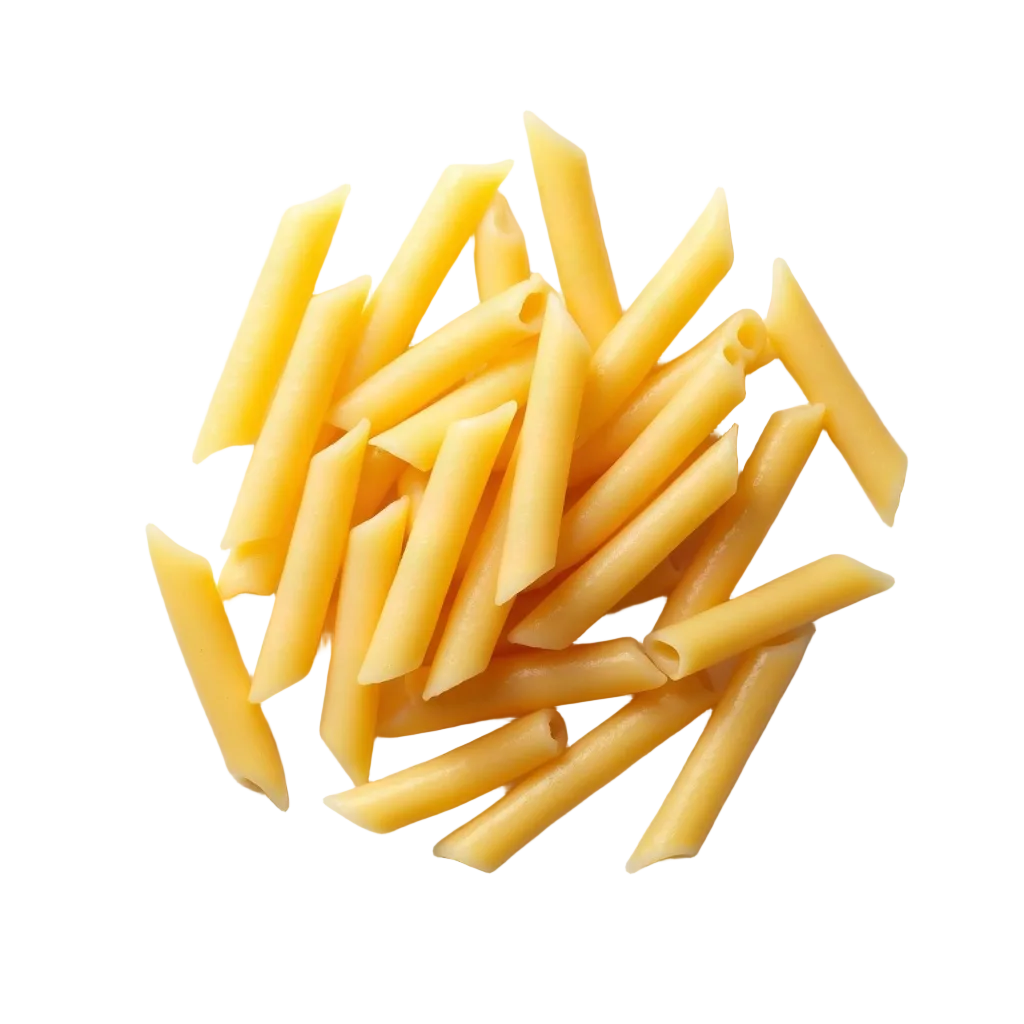 PastaDurum semolina · 1% salted water
Po
PastaDurum semolina · 1% salted water
Po
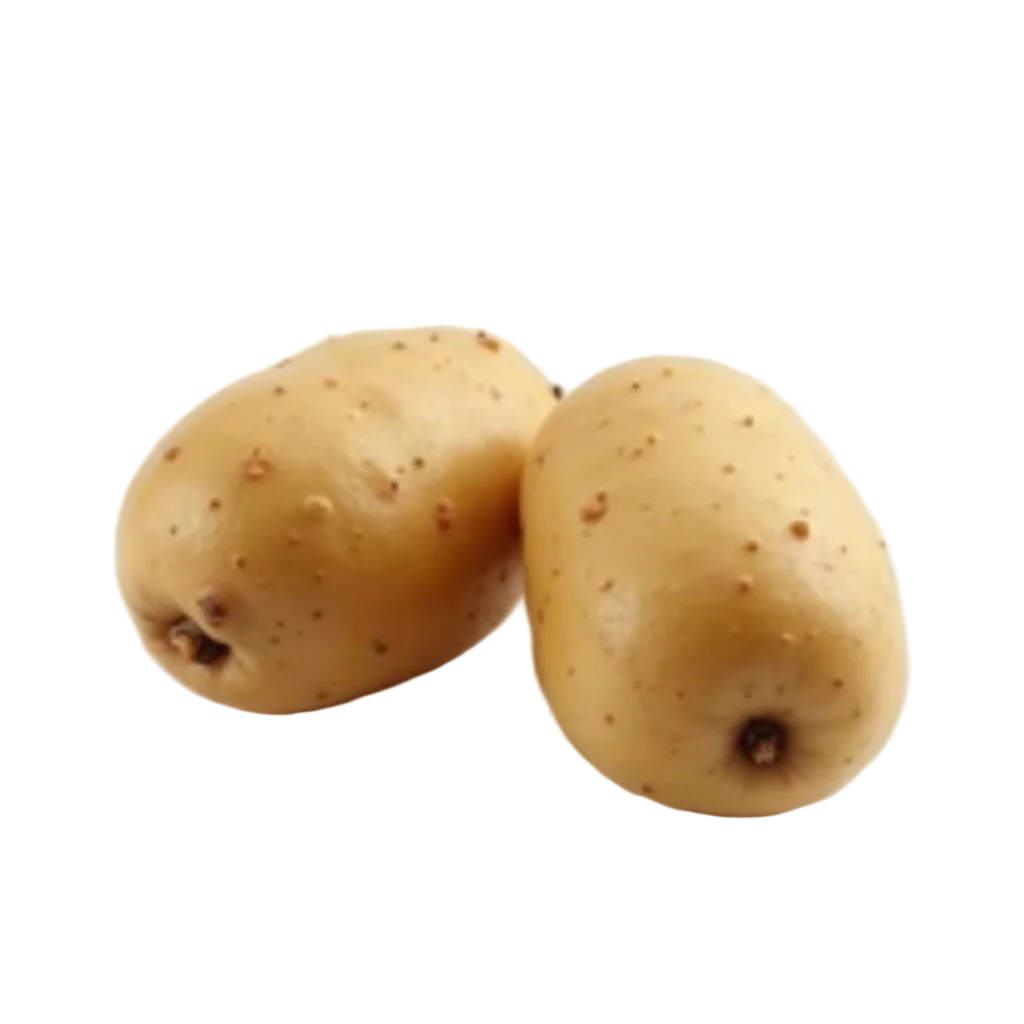 PotatoStarch 15–20% · softens at 60 °C
Tm
PotatoStarch 15–20% · softens at 60 °C
Tm
 Sweet corn18.7% carbohydrate · 2% fibre
Ms
Sweet corn18.7% carbohydrate · 2% fibre
Ms
 Wholegrain cornmeal76.9% carbohydrate · 7.3% fibre
Ir
Wholegrain cornmeal76.9% carbohydrate · 7.3% fibre
Ir
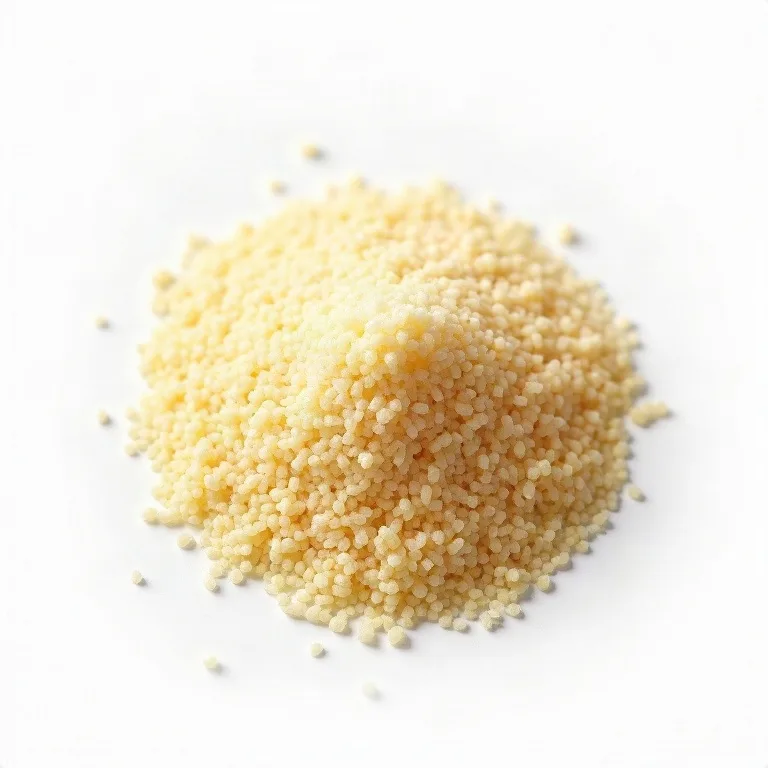 Semolina72.8% carbohydrate · 3.9% fibre
Yu
Semolina72.8% carbohydrate · 3.9% fibre
Yu
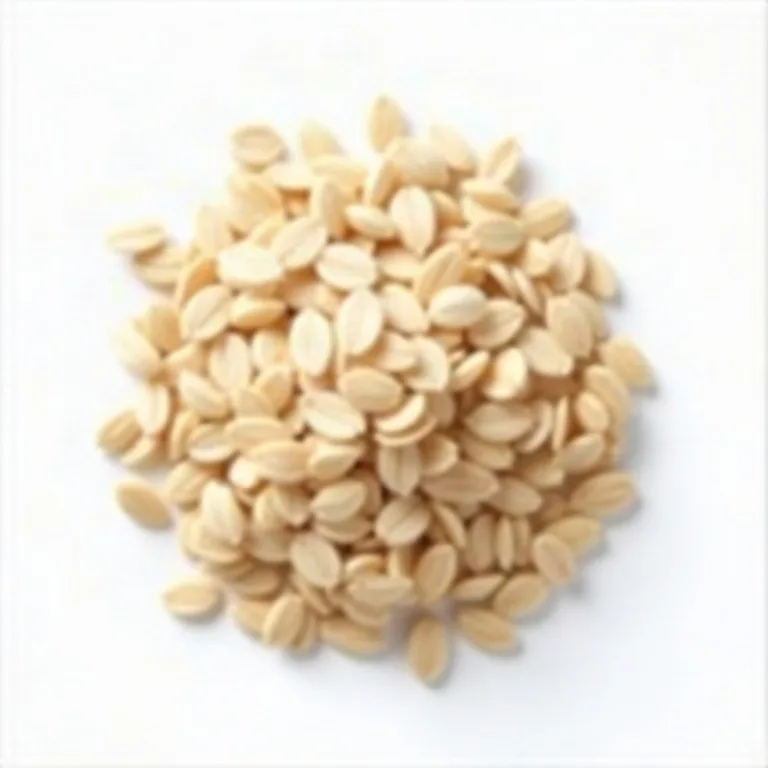 Oats66.3% carbohydrate · 10.6% fibre
As
Oats66.3% carbohydrate · 10.6% fibre
As
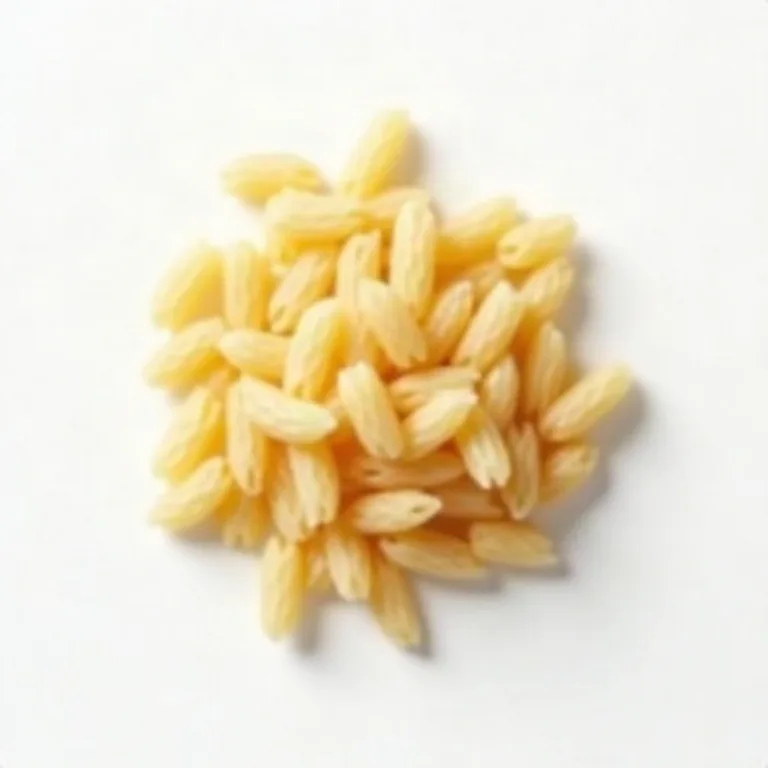 Orzo pasta74.7% carbohydrate · 3.2% fibre
Tl
Orzo pasta74.7% carbohydrate · 3.2% fibre
Tl
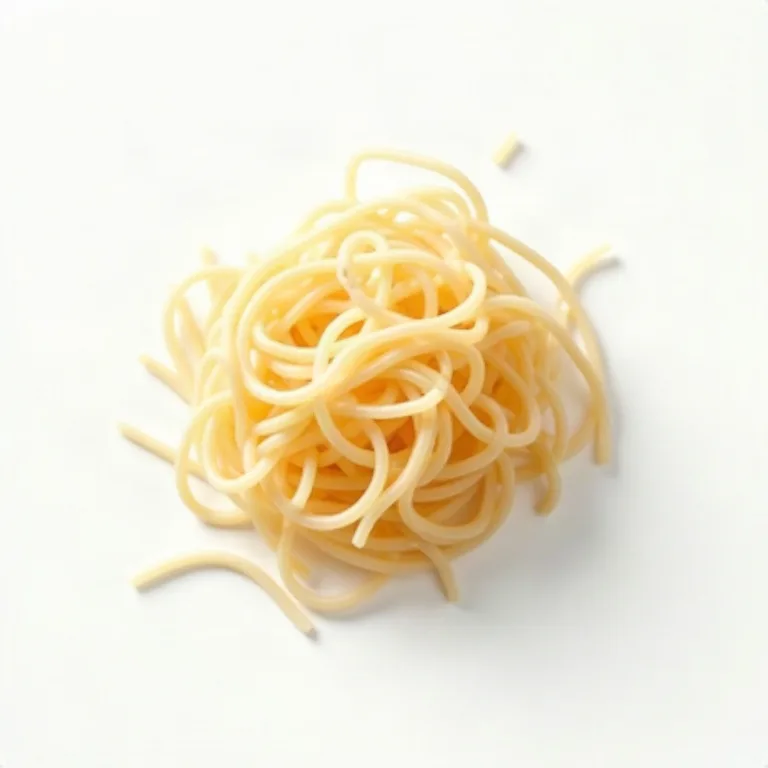 Vermicelli74.7% carbohydrate · 3.2% fibre
Ei
Vermicelli74.7% carbohydrate · 3.2% fibre
Ei
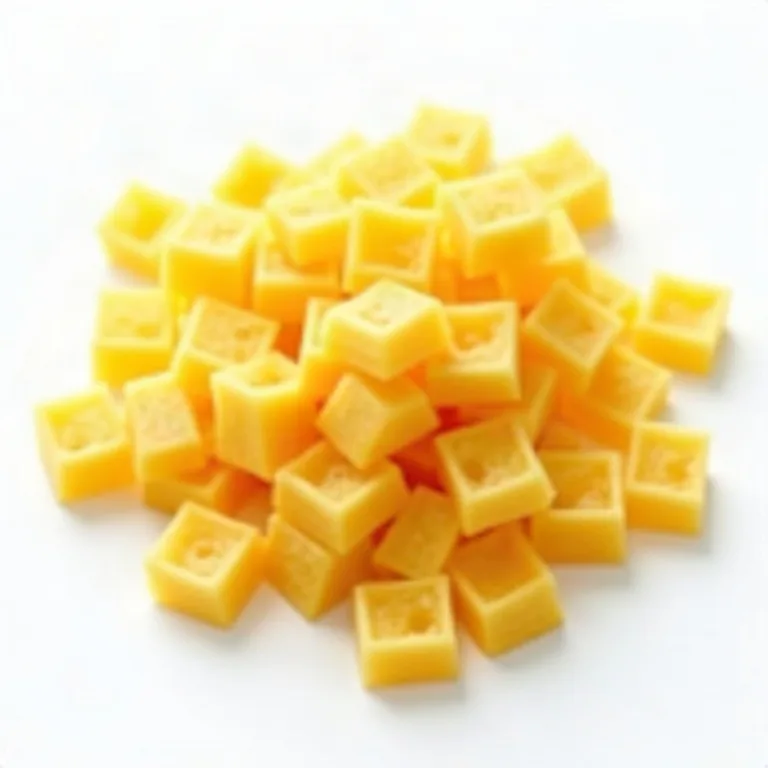 Egg noodles (dry)71.3% carbohydrate · 3.3% fibre
Yf
Egg noodles (dry)71.3% carbohydrate · 3.3% fibre
Yf
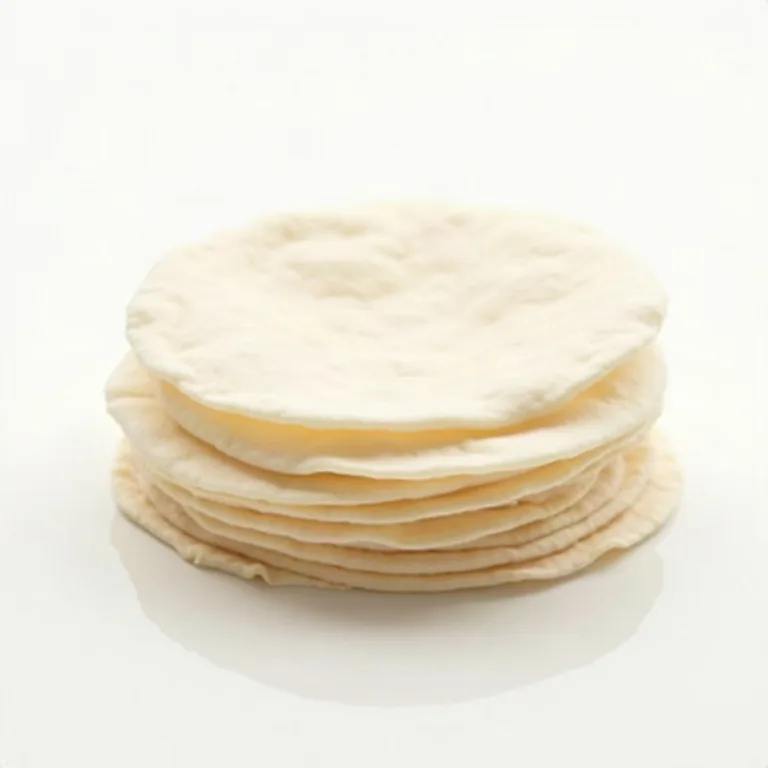 Yufka (uncooked börek sheets)50.1% carbohydrate · 3.1% fibre
Gy
Yufka (uncooked börek sheets)50.1% carbohydrate · 3.1% fibre
Gy
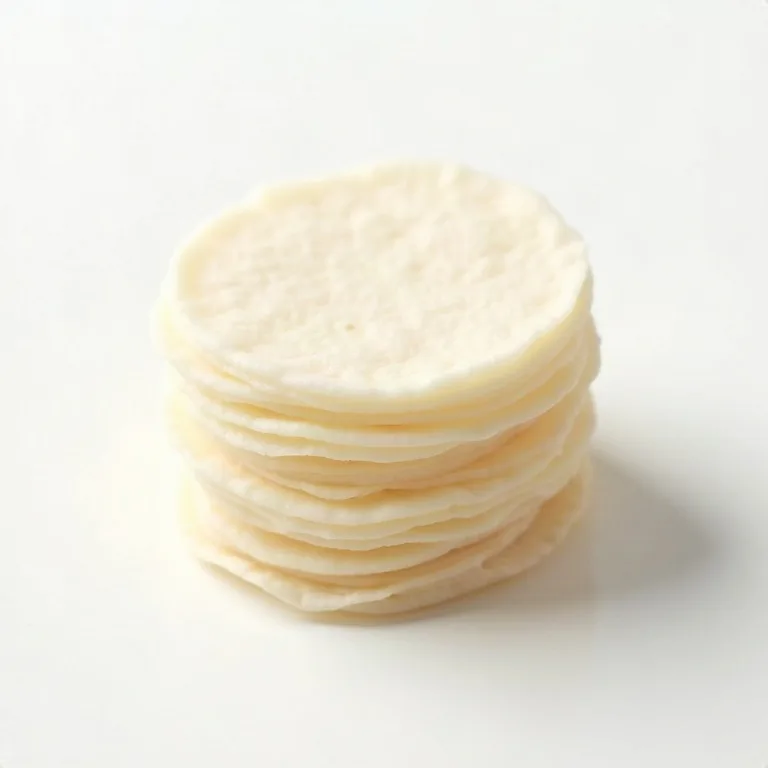 Güllaç sheets82.7% carbohydrate · 2.5% fibre
Tk
Güllaç sheets82.7% carbohydrate · 2.5% fibre
Tk
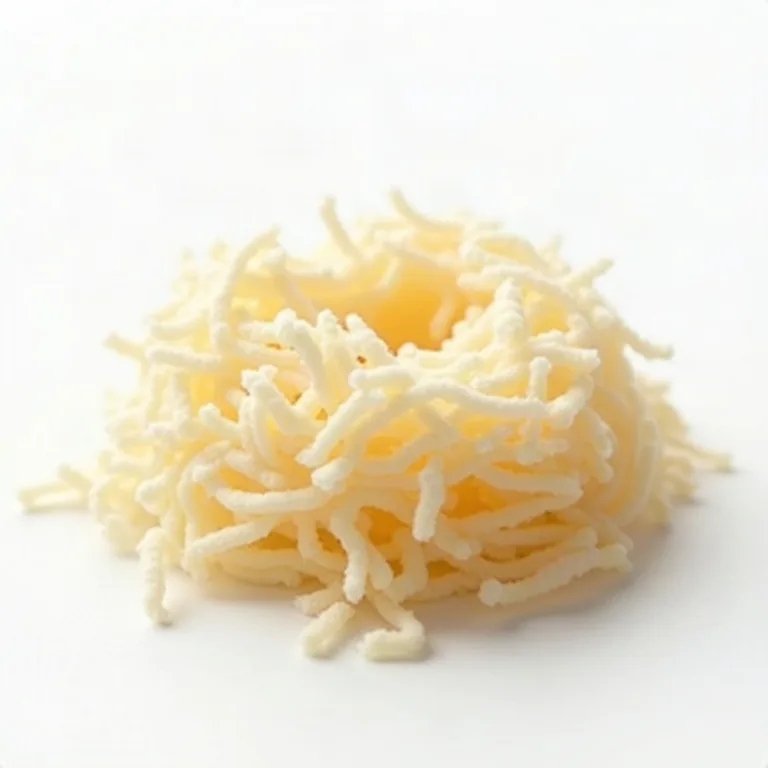 Shredded kadayıf pastry (uncooked)61.7% carbohydrate · 3.5% fibre
Tr
Shredded kadayıf pastry (uncooked)61.7% carbohydrate · 3.5% fibre
Tr
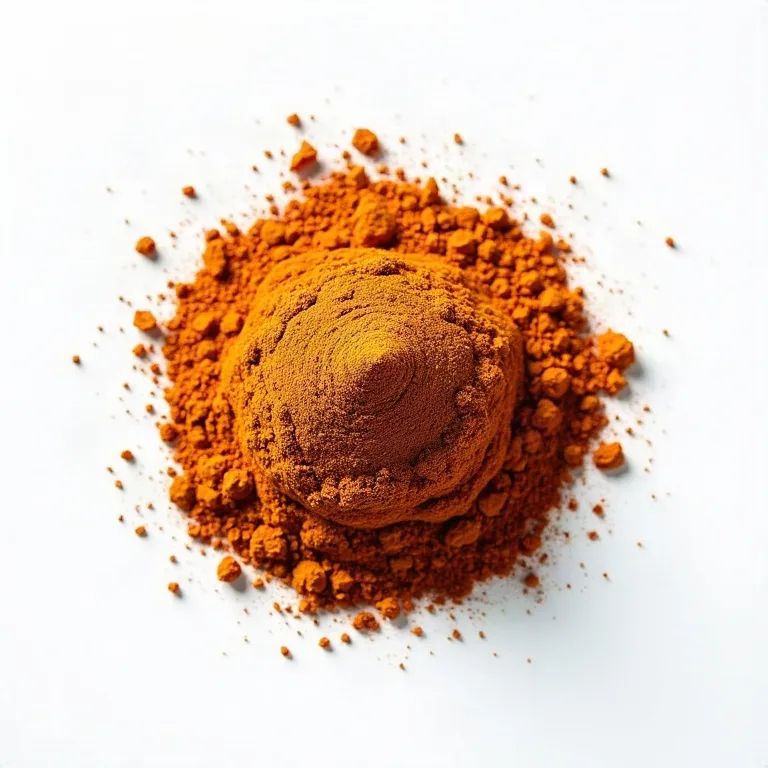 Tarhana (dry)65.3% carbohydrate · 3.8% fibre
Kb
Tarhana (dry)65.3% carbohydrate · 3.8% fibre
Kb
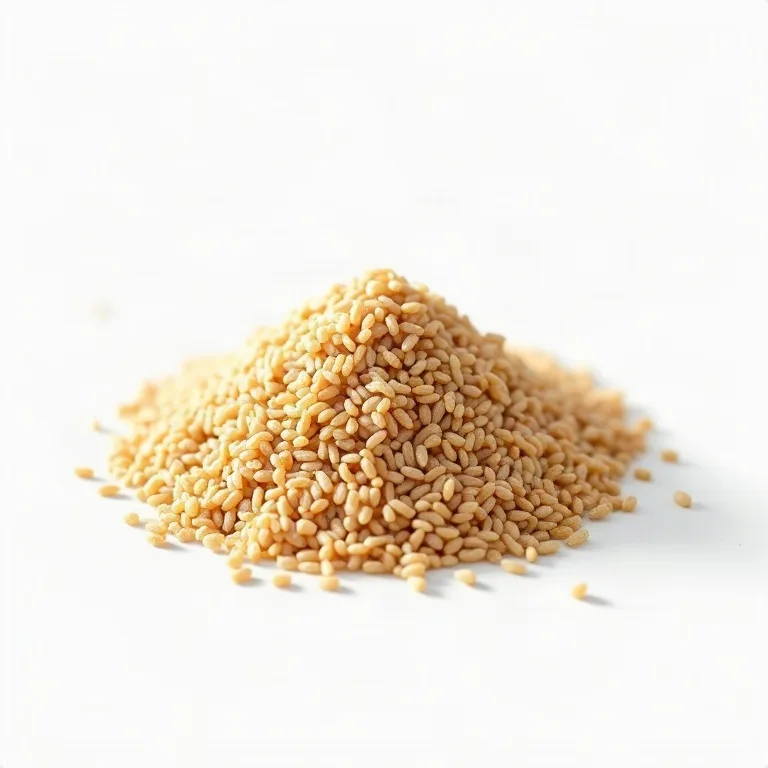 Fine bulgur75.9% carbohydrate · 12.5% fibre
Pb
Fine bulgur75.9% carbohydrate · 12.5% fibre
Pb
 Coarse bulgur70.4% carbohydrate · 6.8% fibre
Sal
Coarse bulgur70.4% carbohydrate · 6.8% fibre
Sal
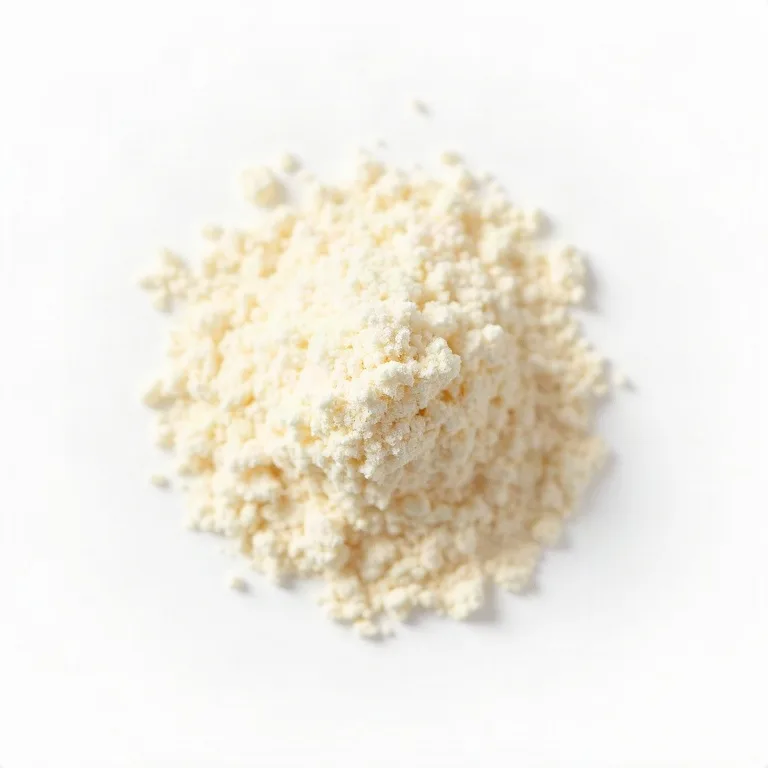 Salep powder (pure)23.7% carbohydrate · 58.8% fibre
Pu
Salep powder (pure)23.7% carbohydrate · 58.8% fibre
Pu
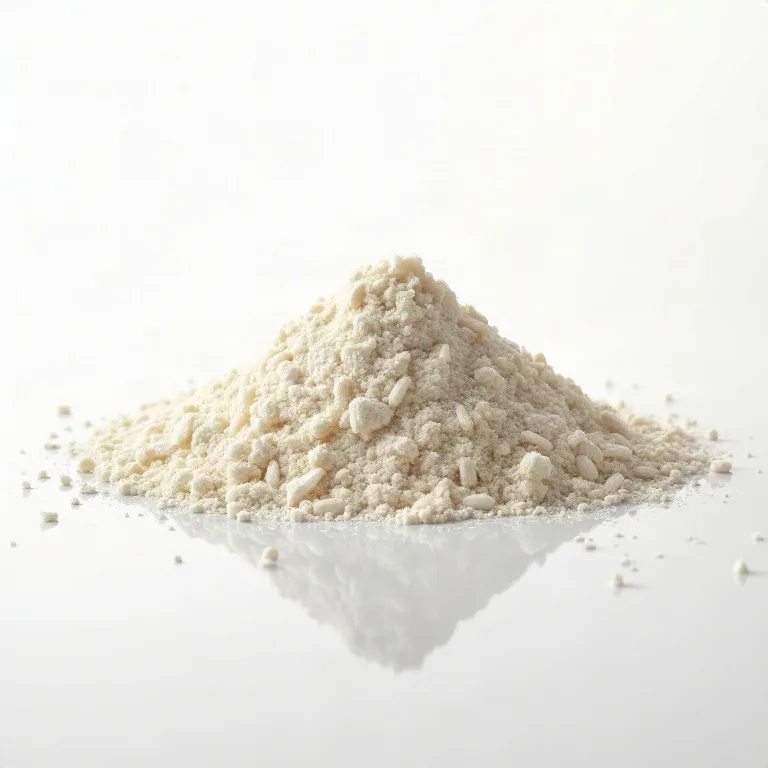 Rice flour80.1% carbohydrate · 2.4% fibre
Dv
Rice flour80.1% carbohydrate · 2.4% fibre
Dv
 Hulled wheat71% carbohydrate · 12.2% fibre
Ys
Oat milk90.6% water · 48 kcal
Hulled wheat71% carbohydrate · 12.2% fibre
Ys
Oat milk90.6% water · 48 kcal
Nothing matches that.
 Water
Water  Butter
  Saffron