What to cook In the mood Workshop Scenarios Actually easy Techniques Dishes Ingredients Diets Recipes
Home · Ingredients · Butter
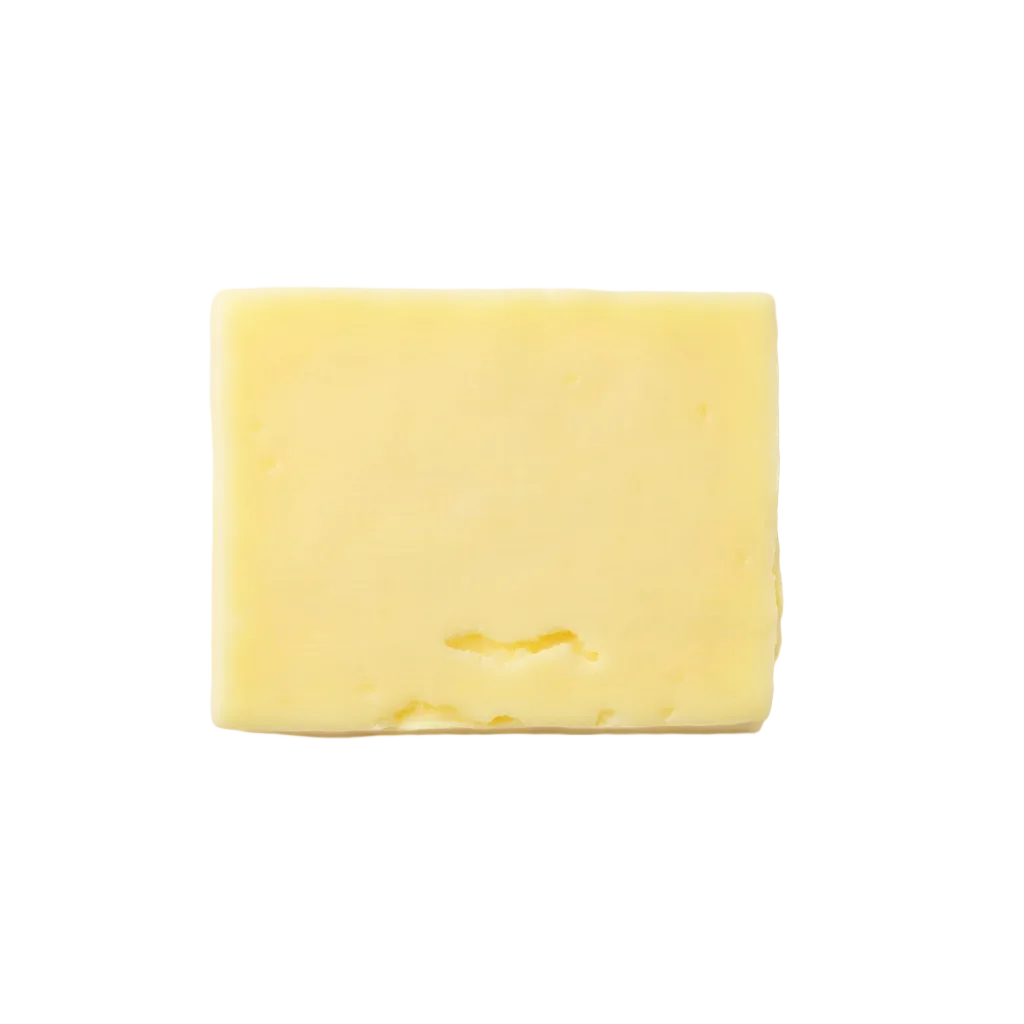
Butter
Fats · Bt

Butter

Smoke point 150 °C · milk solids burn

Per 100 g
717 kcal Energy
0.9 g Protein
0.1 g Carbs
81.1 g Fat
0 g Fibre
Gluten-free DAIRY

Let’s cook with it → Invent something with it

What it is for

They carry aroma. Most smell molecules dissolve in fat rather than water, which is why you bloom spices in oil. They also conduct heat, shorten gluten and soften texture.

Where it catches you out

Every fat has its own smoke point. Butter burns at 150 °C, extra virgin olive oil holds to 190 — choose the fat for the job, not the bottle.

The knack

Add a spoon of neutral oil alongside it: the mix survives a higher temperature before the solids burn.

Storage and health

How to keep it, and who it suits.

Keeping it

Wrapped in the fridge, in its own compartment because it takes up odours, for 1-3 months; frozen, 6-9. Salted butter keeps longer.

Gluten-free

Plain butter is naturally gluten-free.

Allergen: DAIRY

Glycaemic index

This ingredient carries no meaningful carbohydrate, so it has no glycaemic index. On its own it will not move blood sugar; what you eat alongside it decides that.

What it works with

Pairings, and the reason for each

"They go well together" is not an explanation. Every pairing below has a chemical or structural mechanism under it.

Chilli flakes

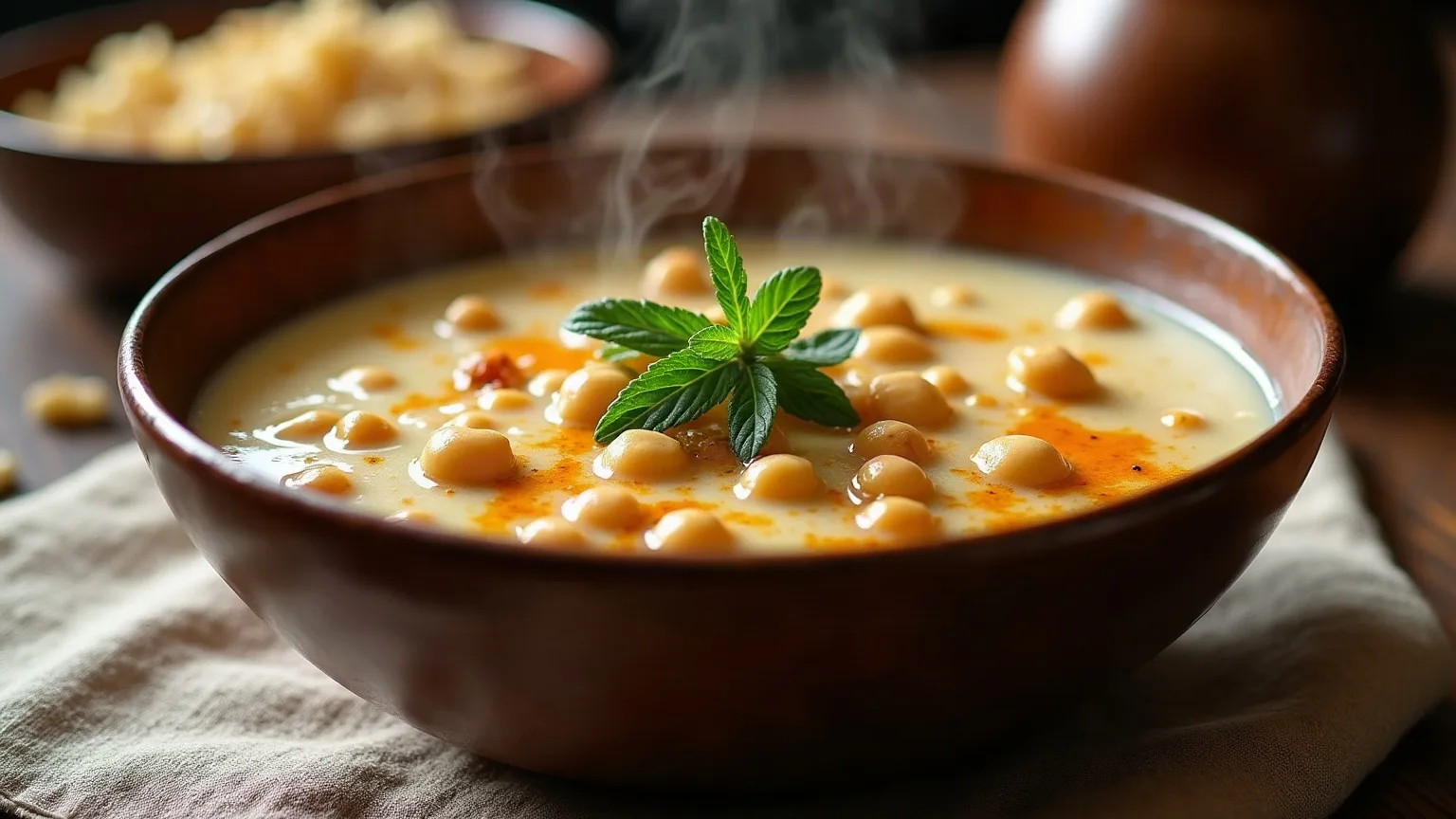
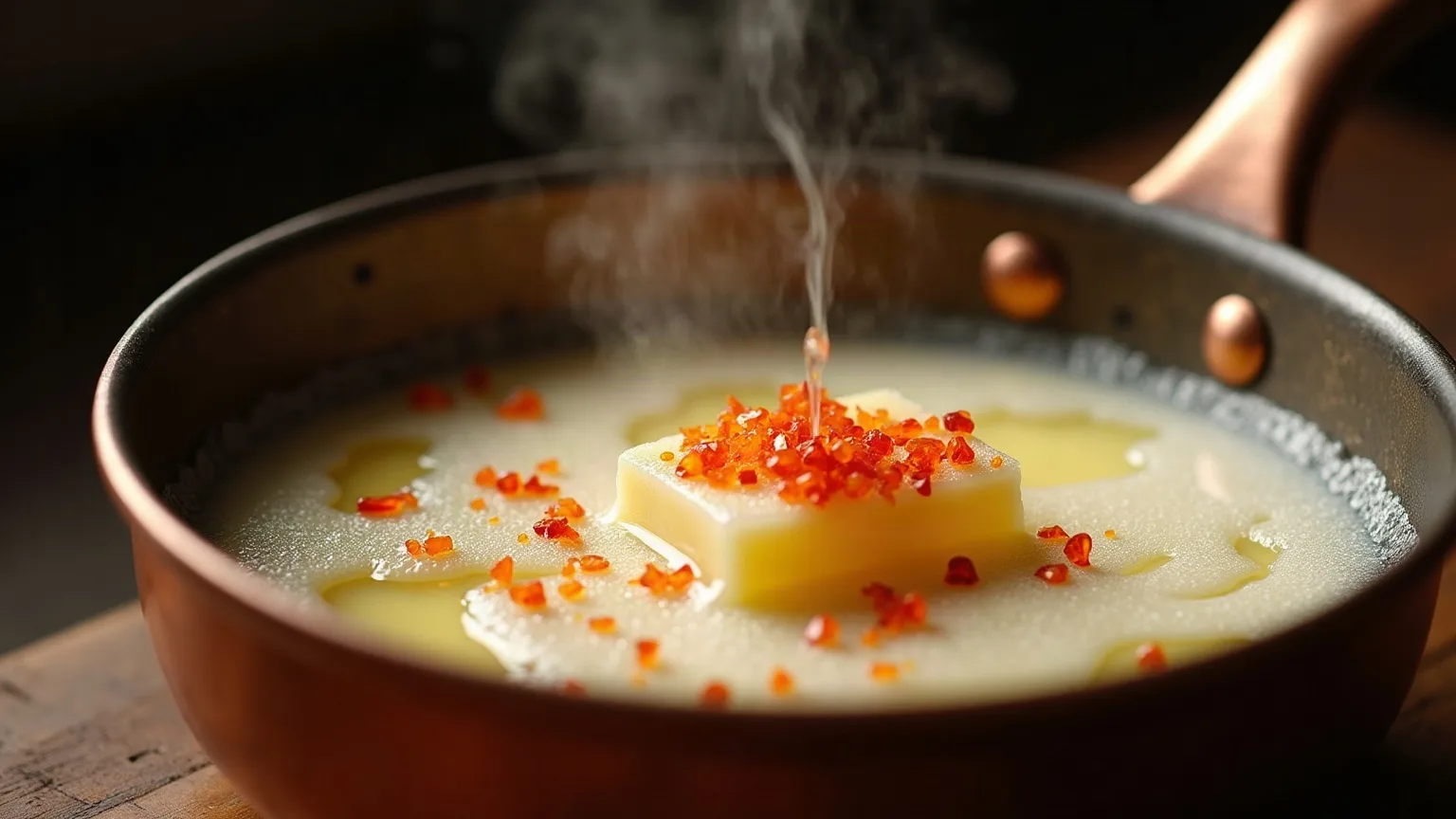
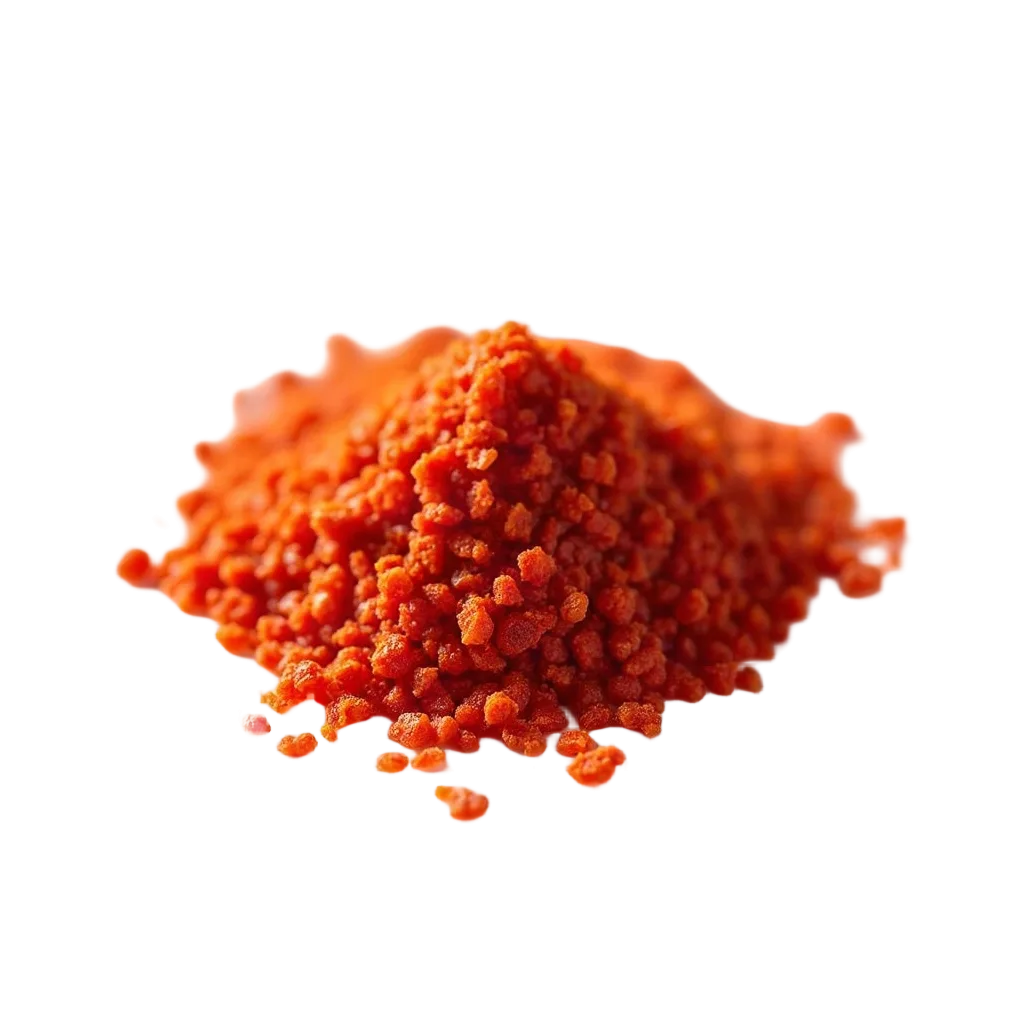
Capsaicin is strongly lipophilic with a log P around 3.8 and effectively insoluble in water. Melting chilli into hot butter is a solvent extraction that also pulls out the fat-soluble red pigment capsanthin, which is why the topping is both hot and vividly coloured.
Mint

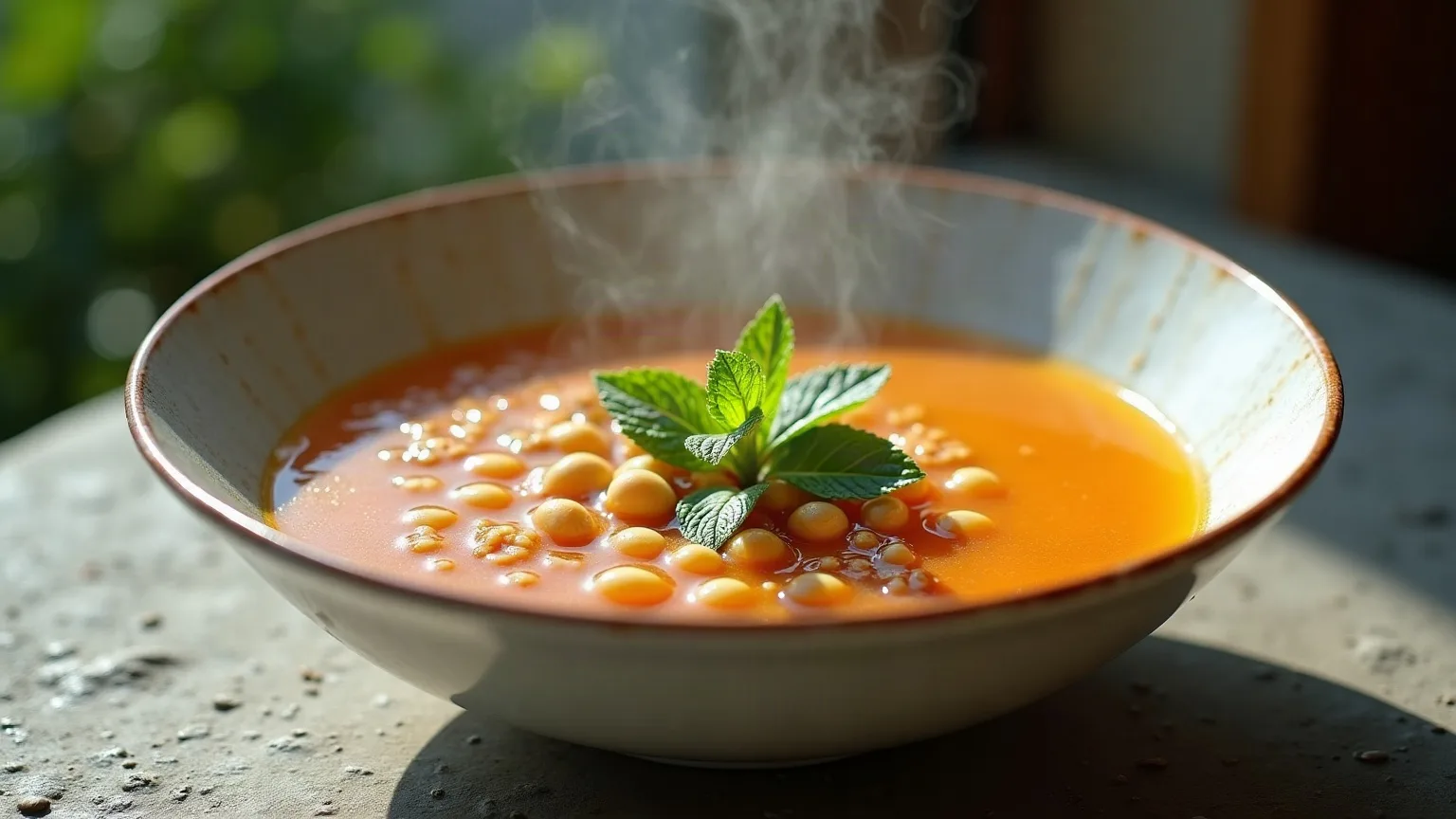
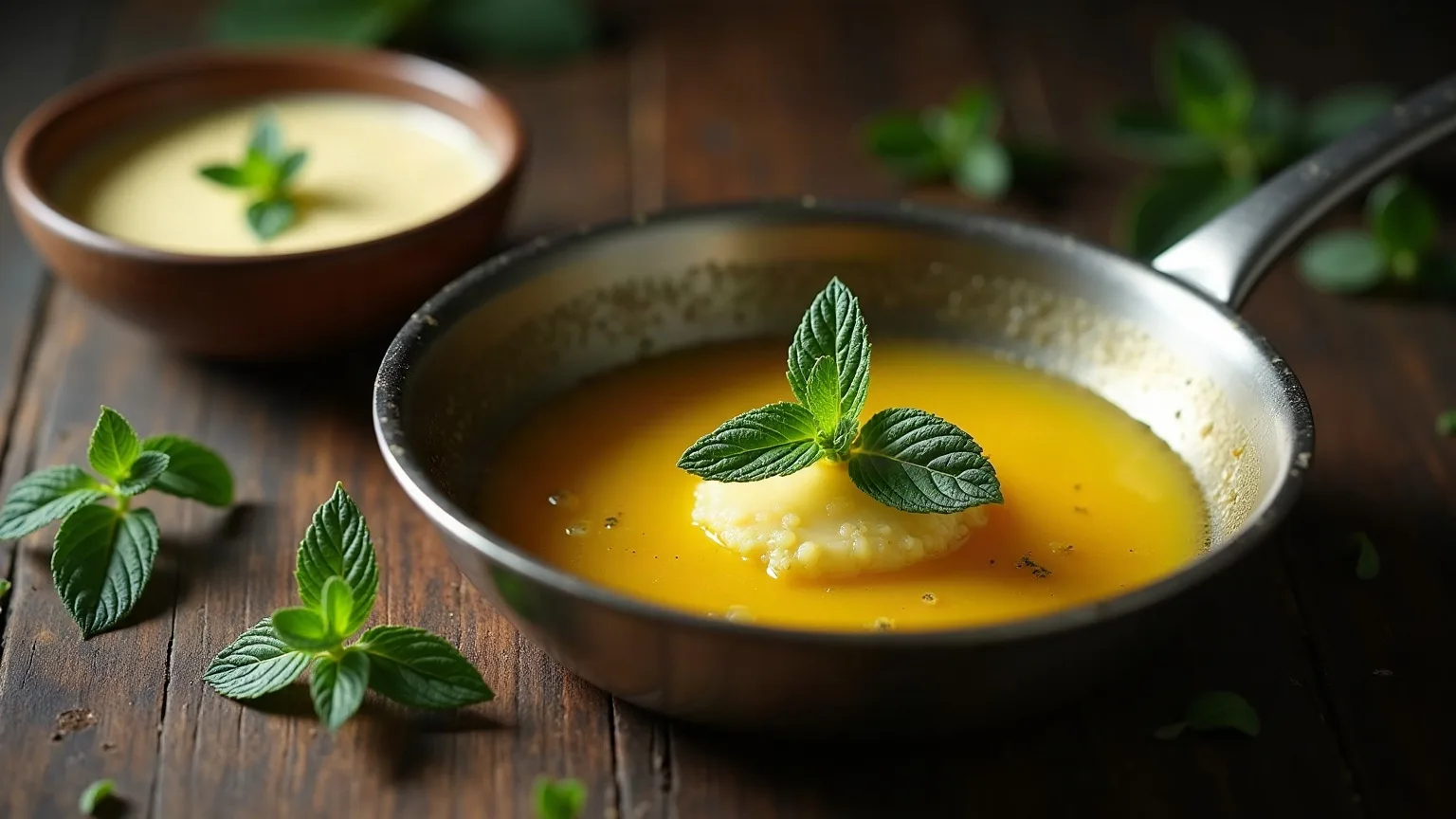
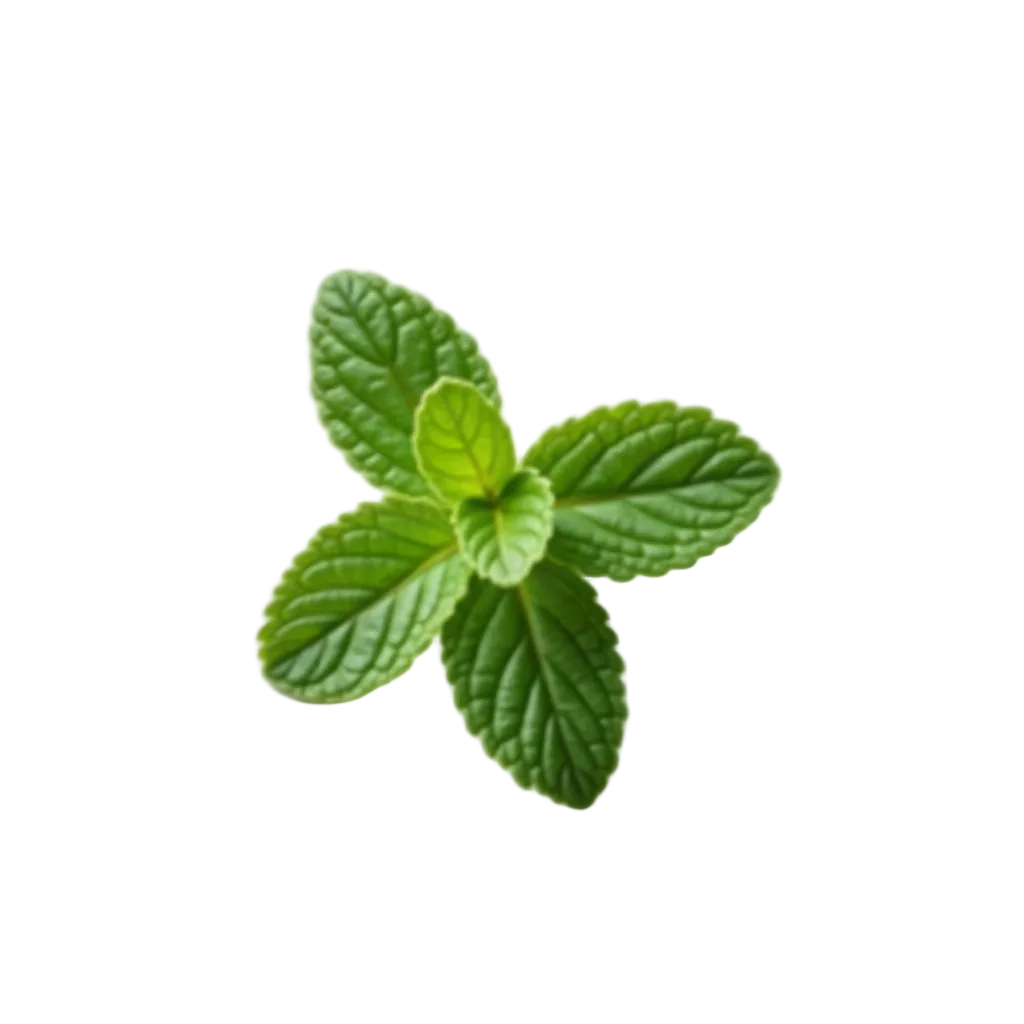
Carvone and menthol are terpenoids that dissolve into butterfat; the brief sizzle extracts them and the fat spreads them across a whole bowl of yoghurt or soup.

Also works with

What it fights with

Flour

High dry heat without clarifying: the 4% milk solids scorch well below the fat’s own limit.

What goes on top
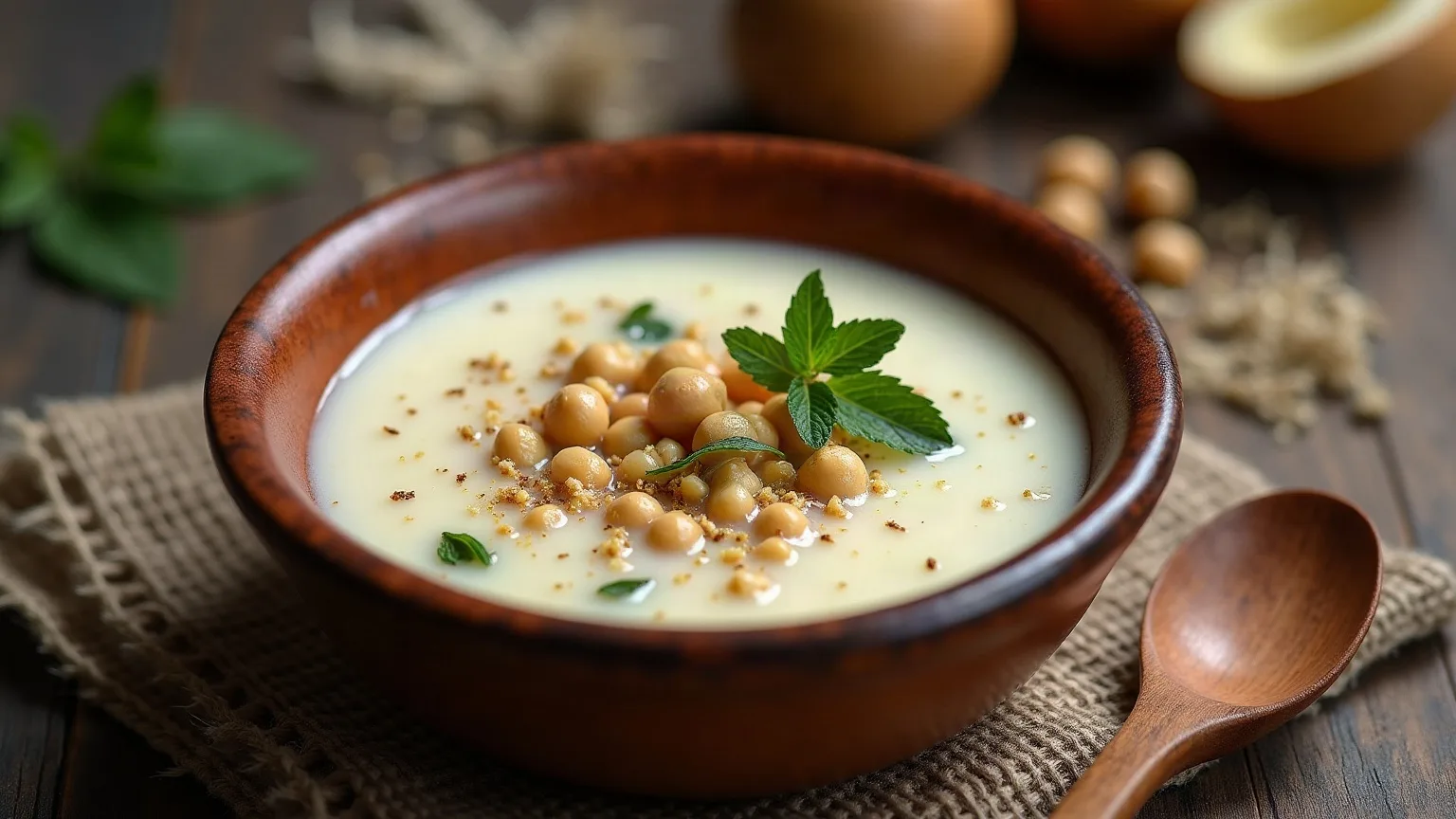
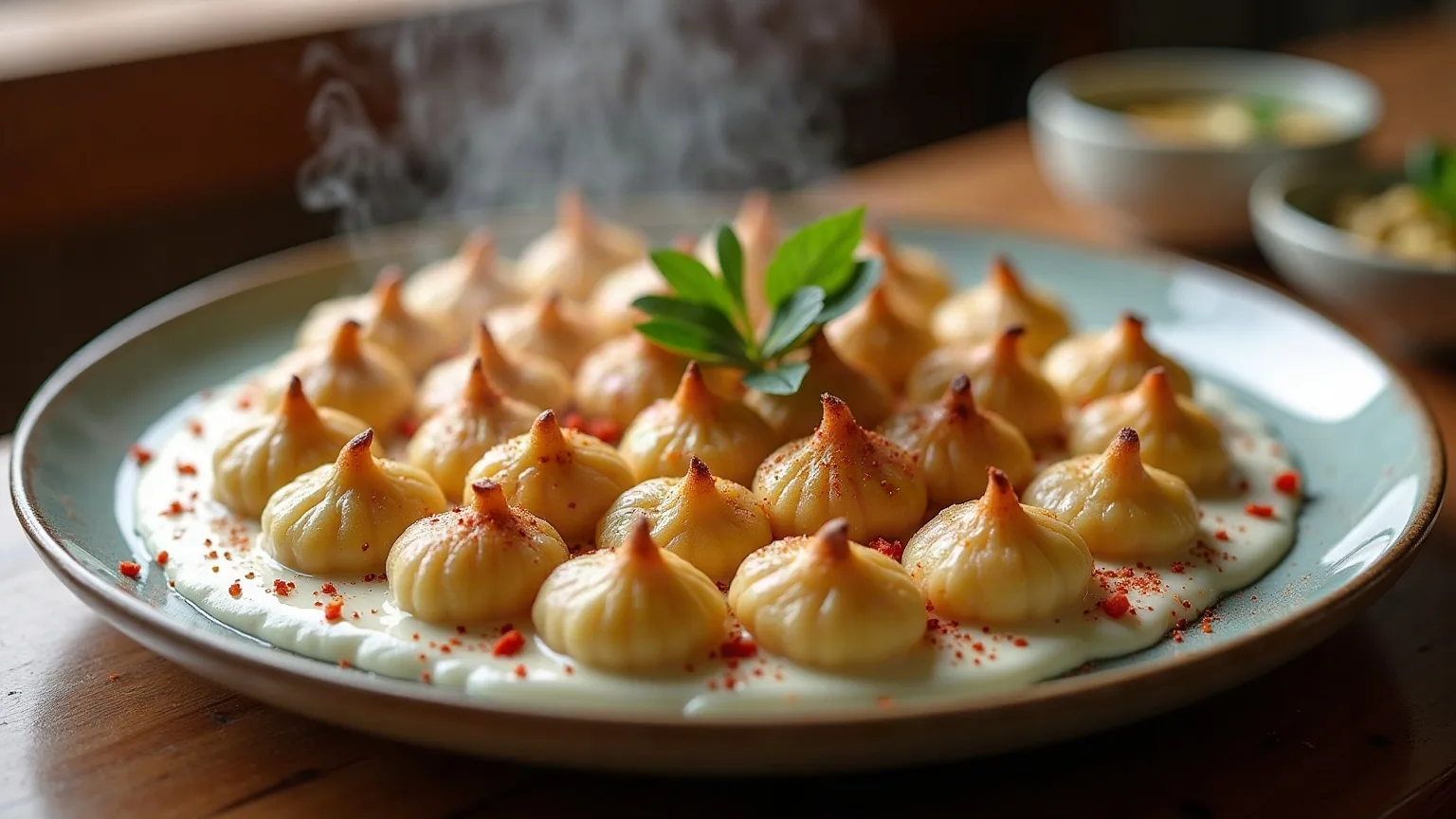
  • Browned butter is the archetypal Turkish topping, alone or with chilli and mint
Key compounds
Bütirik asit
The short-chain acid that gives butter its identity and, when free, its rancid note.
Alkilpirazinler
Form when the milk solids Maillard at 140–150 °C — the entire flavour of beurre noisette.
Nutritionally

Butter is about 80% fat, 16% water and 4% milk solids. The water is why it behaves differently from oil in pastry, and the solids are why it browns where oil does not.

Terms on this page
Maillard
Protein meeting sugar above 140 °C to produce crust, colour and that roasted smell.
Where it turns up

What is made with it

13 dishes in the database use it.

Soups 5

Mains 4

Desserts 2

Sauces & finishes 2