What to cook In the mood Workshop Scenarios Actually easy Techniques Dishes Ingredients Diets Recipes
Home · Ingredients · Tomato paste
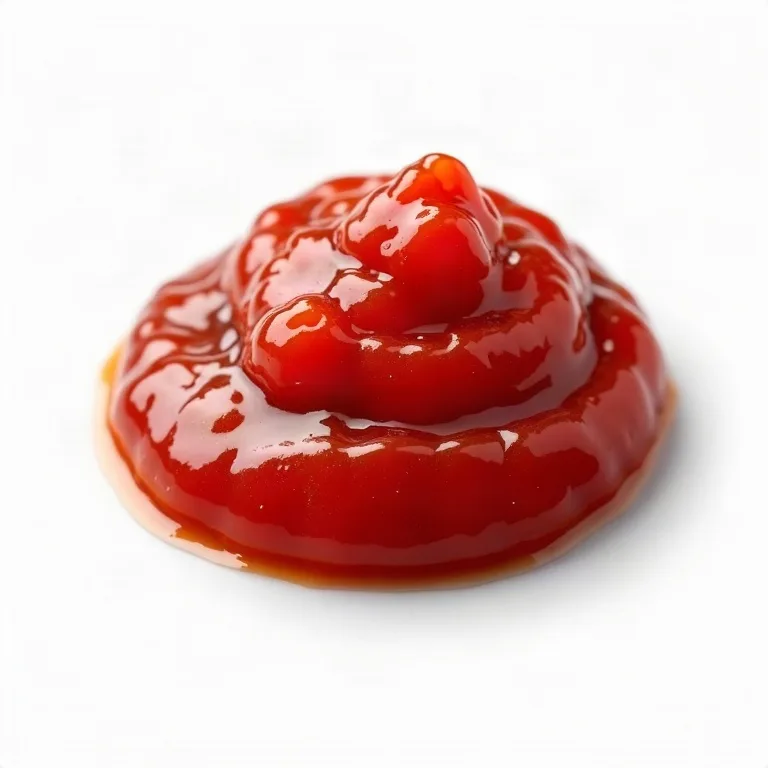
Tomato paste
Acids · Tp

Tomato paste

pH 4.3 · glutamate 250 mg/100 g

Per 100 g
82 kcal Energy
4.3 g Protein
18.9 g Carbs
0.5 g Fat
4.1 g Fibre
Trace risk

Let’s cook with it → Invent something with it

What it is for

They set the balance. Acid cuts fat, reins in sweetness, denatures protein and triggers leaveners. When a dish tastes like something is missing, it is usually acid rather than salt.

Where it catches you out

Heat drives the aroma out of acid. Squeeze the lemon at the table, not into the pot, and add vinegar at the end.

The knack

Fry it in oil for a minute before any liquid: that is the only step that removes the raw taste and opens the colour.

Storage and health

How to keep it, and who it suits.

Keeping it

An unopened jar keeps two years in the cupboard. Once open, refrigerate it under a thin film of olive oil for a month, and always use a clean spoon.

Cross-contamination risk

Paste itself is tomato and salt and carries no gluten. Additives and shared production lines mean a commercial jar is not called gluten-free without a label saying so.

Glycaemic index

This ingredient carries no meaningful carbohydrate, so it has no glycaemic index. On its own it will not move blood sugar; what you eat alongside it decides that.

What it works with

Pairings, and the reason for each

"They go well together" is not an explanation. Every pairing below has a chemical or structural mechanism under it.

Olive oil

Lycopene is fat-soluble and locked in crystalline form in the fruit; cooking the paste in oil solubilises it into micelles and drives the isomerisation that absorbs better still. The measured result is an 82% rise in plasma lycopene, against no significant rise without oil.
Red meat

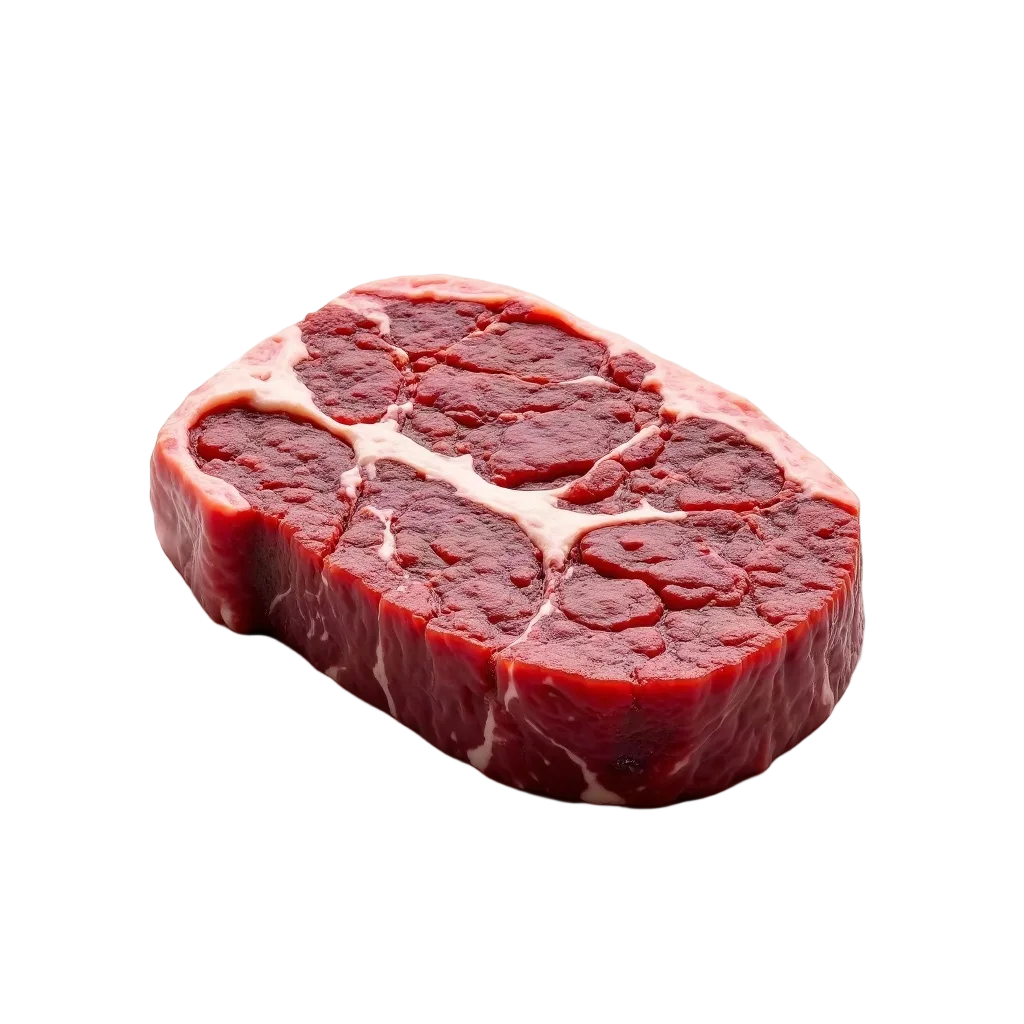
Tomato glutamate and meat inosinate multiply at the umami receptor, with perceived intensity reported at seven to eight times either alone.

Sugar

Tomato paste sits near pH 4.2, and a little sugar suppresses sour perception at the receptor so the glutamate can register.

Also works with

What it fights with

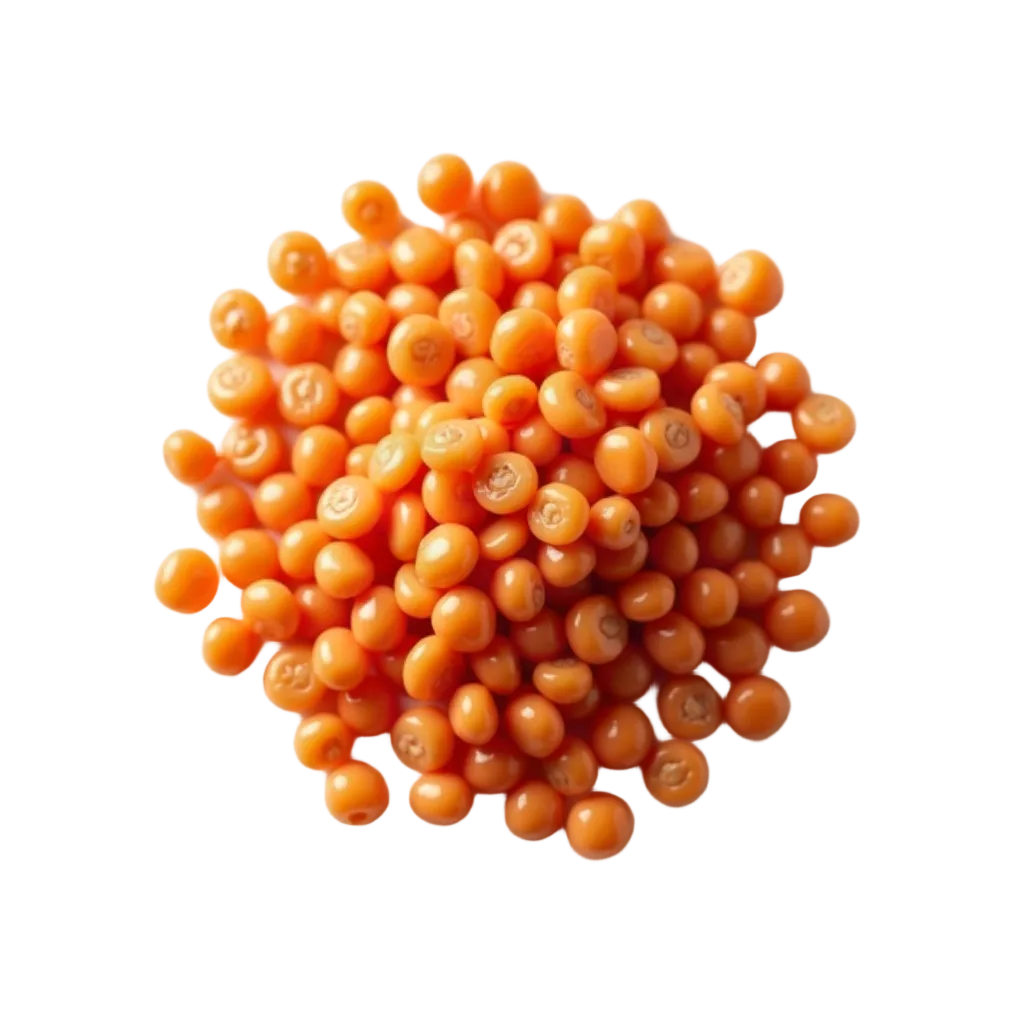
Lentil

Its acid early in cooking keeps pectin insoluble and the pulses never soften.

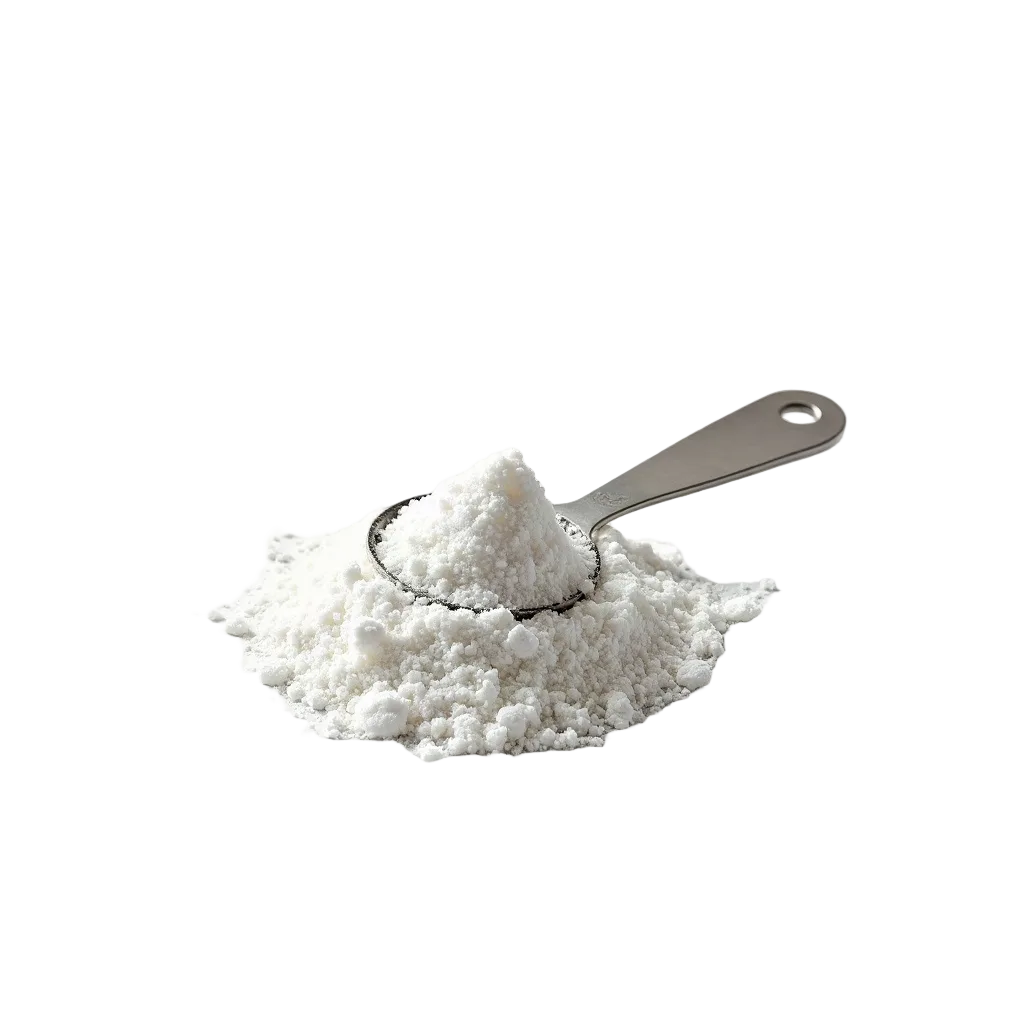
Baking soda

Soda does cut the acidity, but it flattens the flavour, can taste soapy, and destroys the acid-umami balance that makes tomato useful.

What goes on top
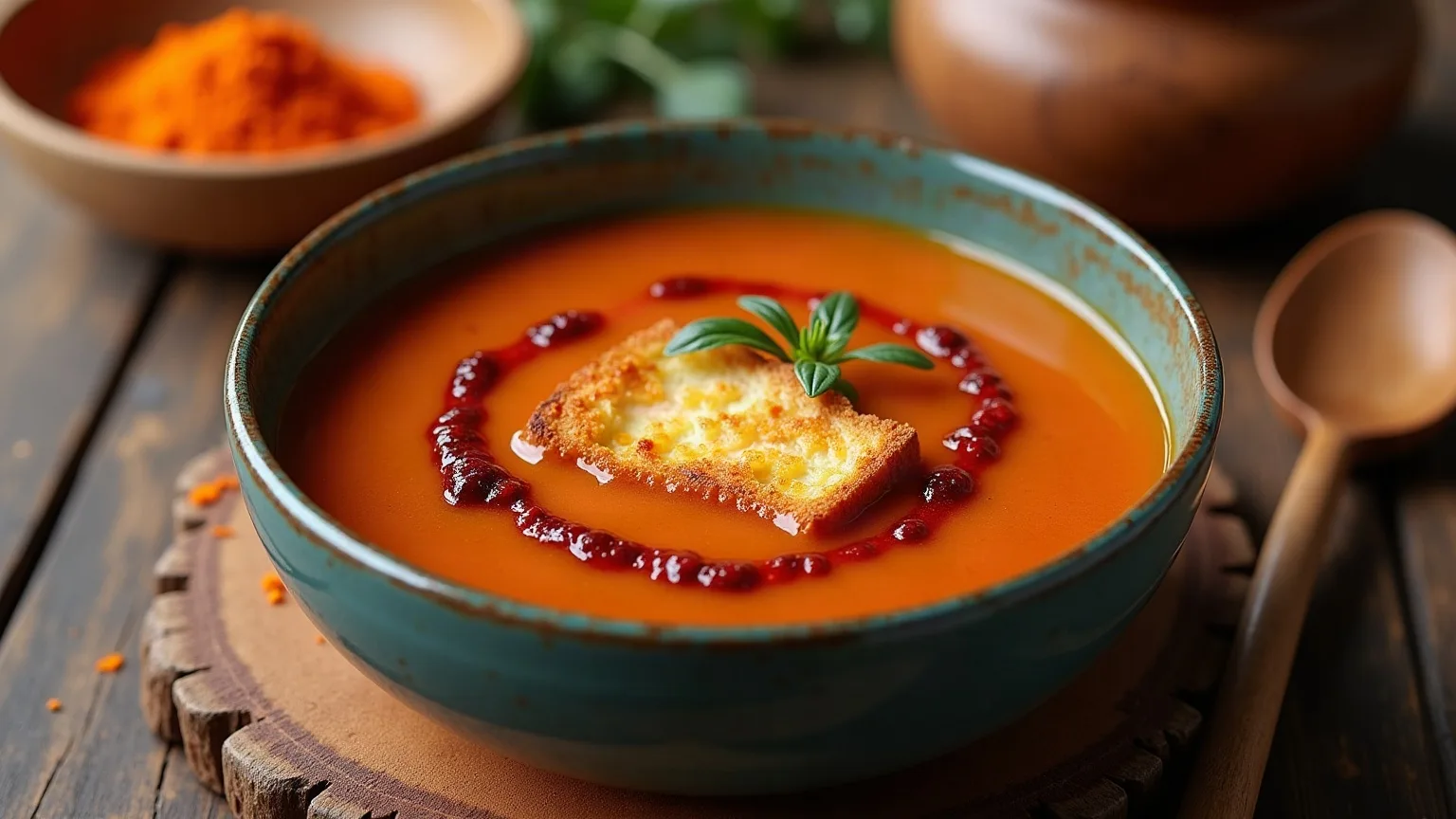
  • Paste bloomed in oil is itself poured over as a topping, with sizzled butter over tomato-based soups
Key compounds
Likopen
Gives the red; fat-soluble, heat-stable and *more* available after cooking — the rare nutrient processing improves.
(Z)-3-heksenal
The green, fresh-tomato note, entirely absent from paste — which is why paste and fresh tomato are not substitutes.
Nutritionally

Tomato paste is the most concentrated dietary source of lycopene there is, and nutritionally near-inert without fat in the same dish.