
You do not need to buy any of this.
Bread is four ratios. Butter is fifteen minutes of whipping cream. Pasta is semolina and water. Tahini is sesame ground for long enough. Every page carries the mechanism, the numbers, how long it keeps and when to bin it.
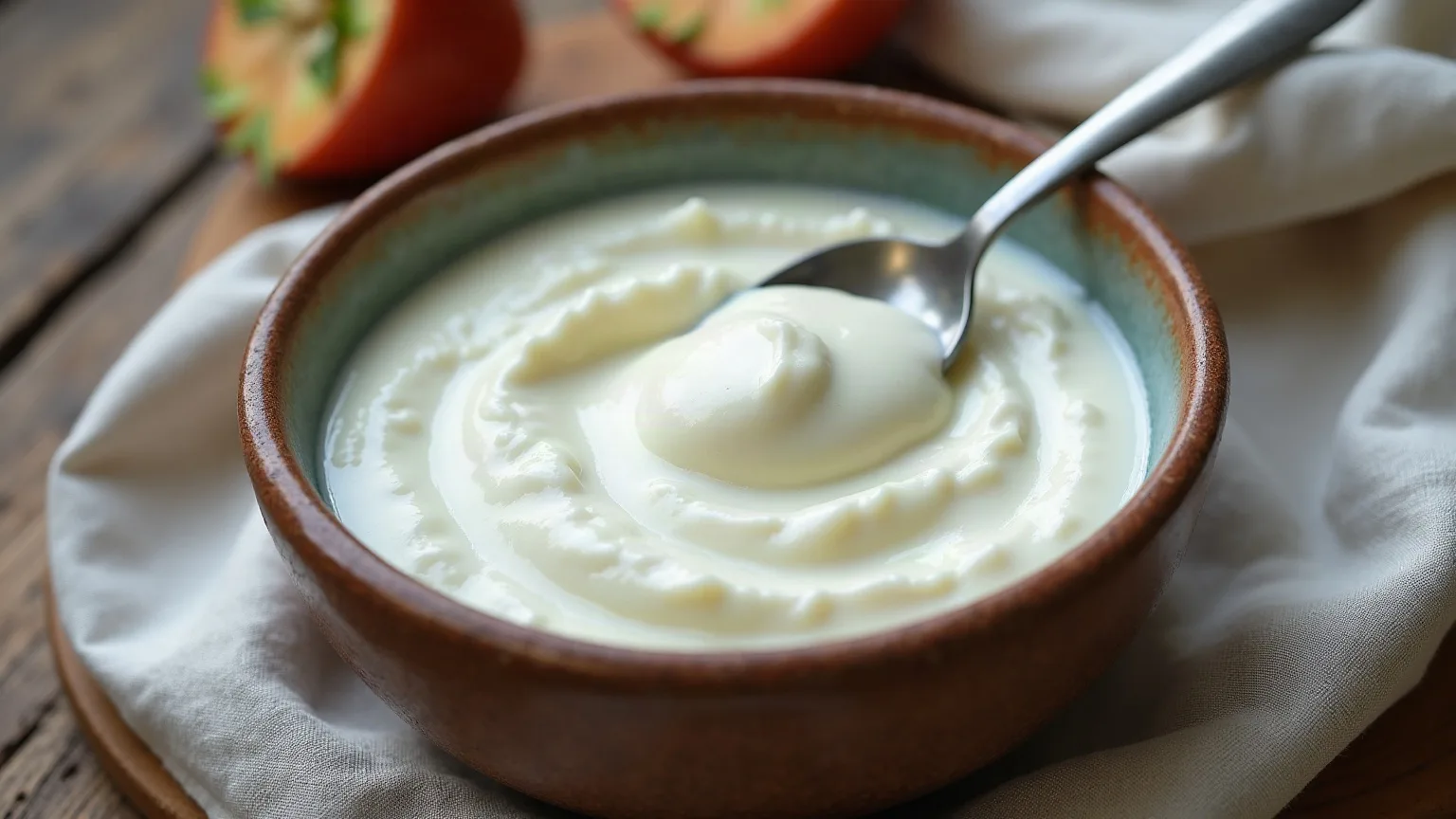
Yoghurt
The beliefPeople treat culturing yoghurt as a craft, and blame their hands when it fails.
The truthBesides milk you need one spoon of yoghurt. The rest is holding a temperature and waiting.

Strawberry jam
The beliefJam is imagined as an all-day, jar-after-jar production.
The truthIt is a balance of three things: pectin, acid and sugar. Get the balance and it takes forty minutes.
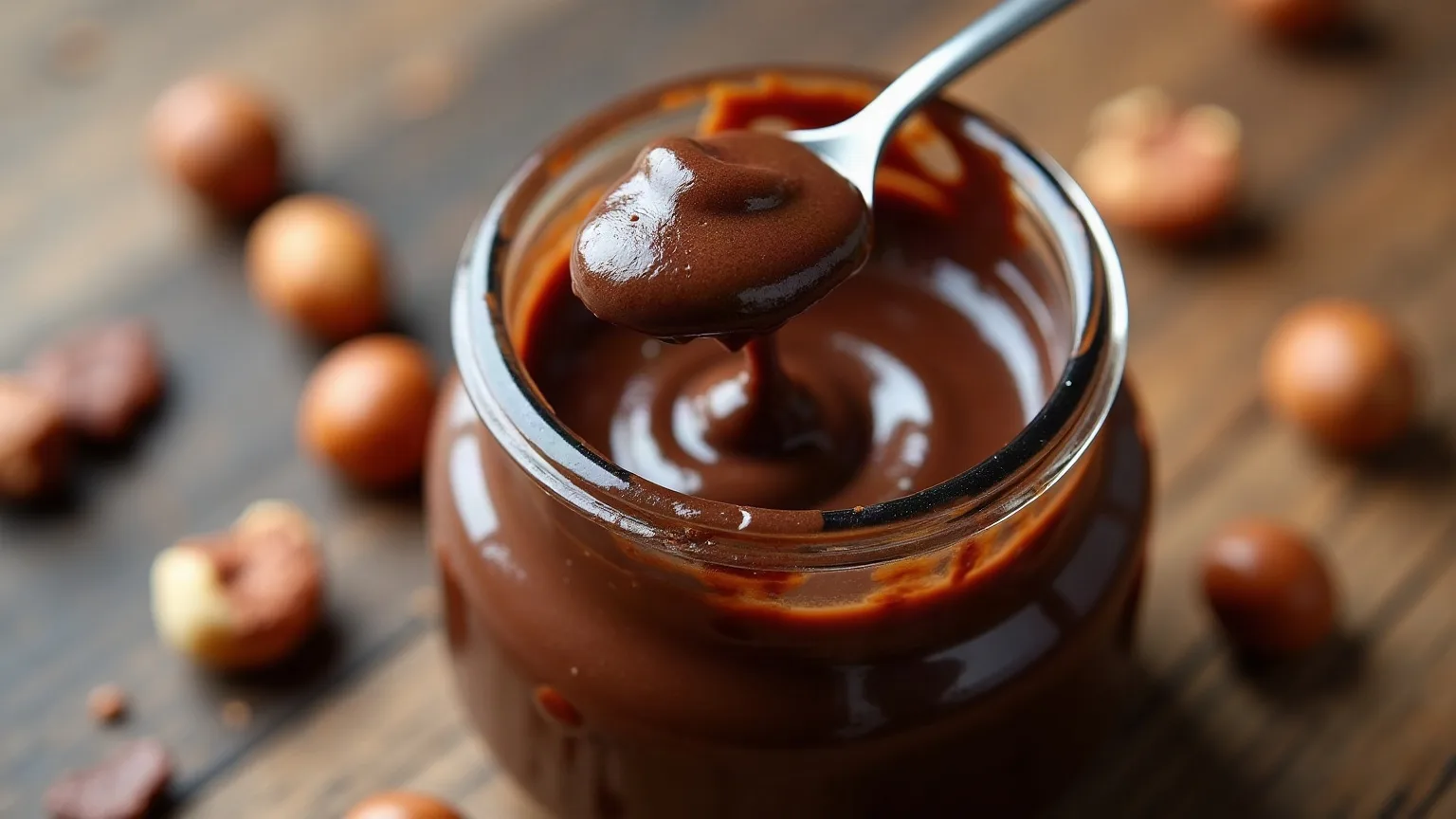
Hazelnut spread
The beliefThat jar is assumed to be factory magic.
The truthRoasted hazelnuts, ground long enough, release their own oil and turn to cream on their own. The rest is cocoa and sugar.
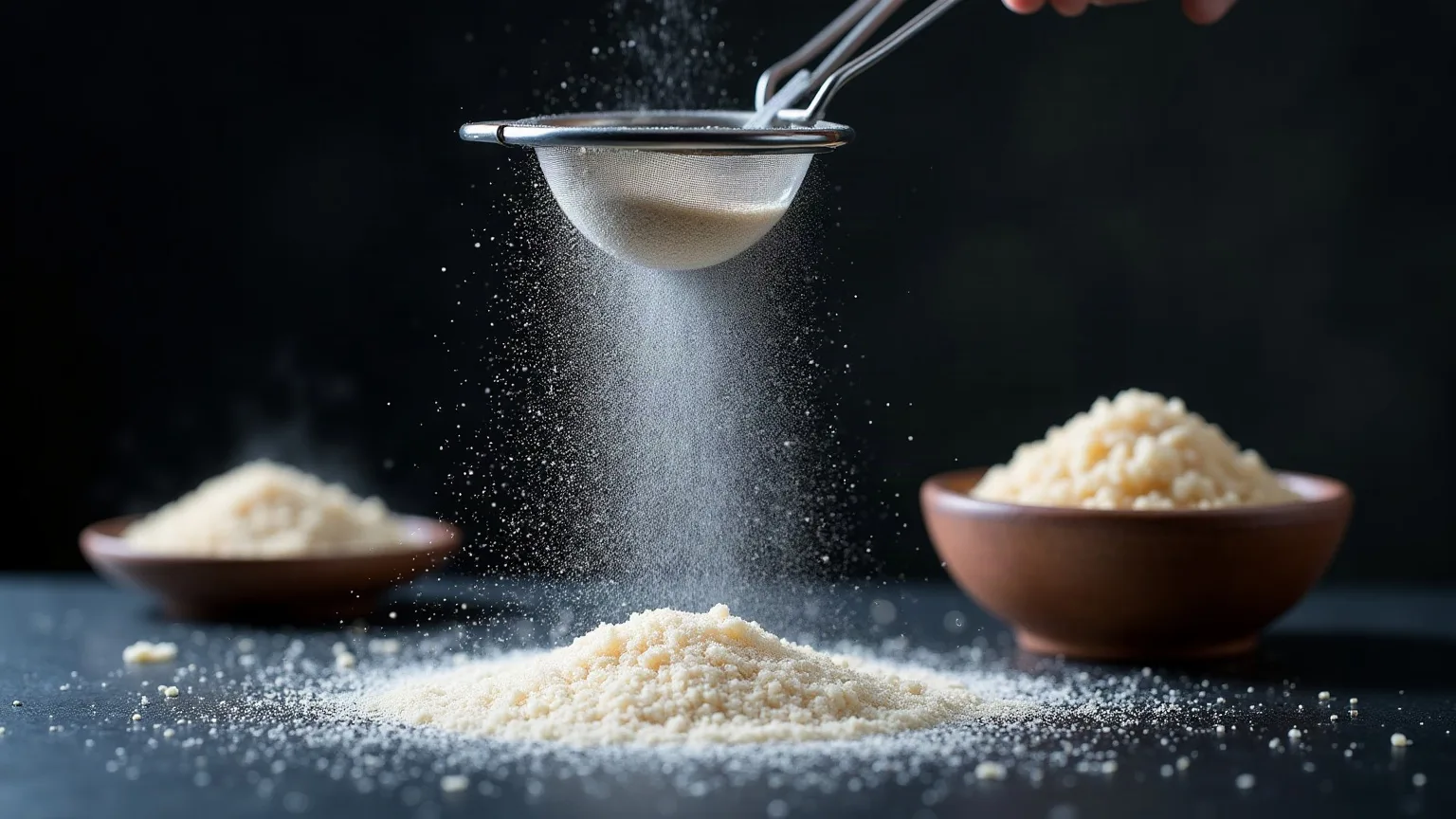
Icing sugar
The beliefIt is treated as a separate product you have to go out and buy.
The truthIcing sugar is granulated sugar, ground. That is the entire difference.
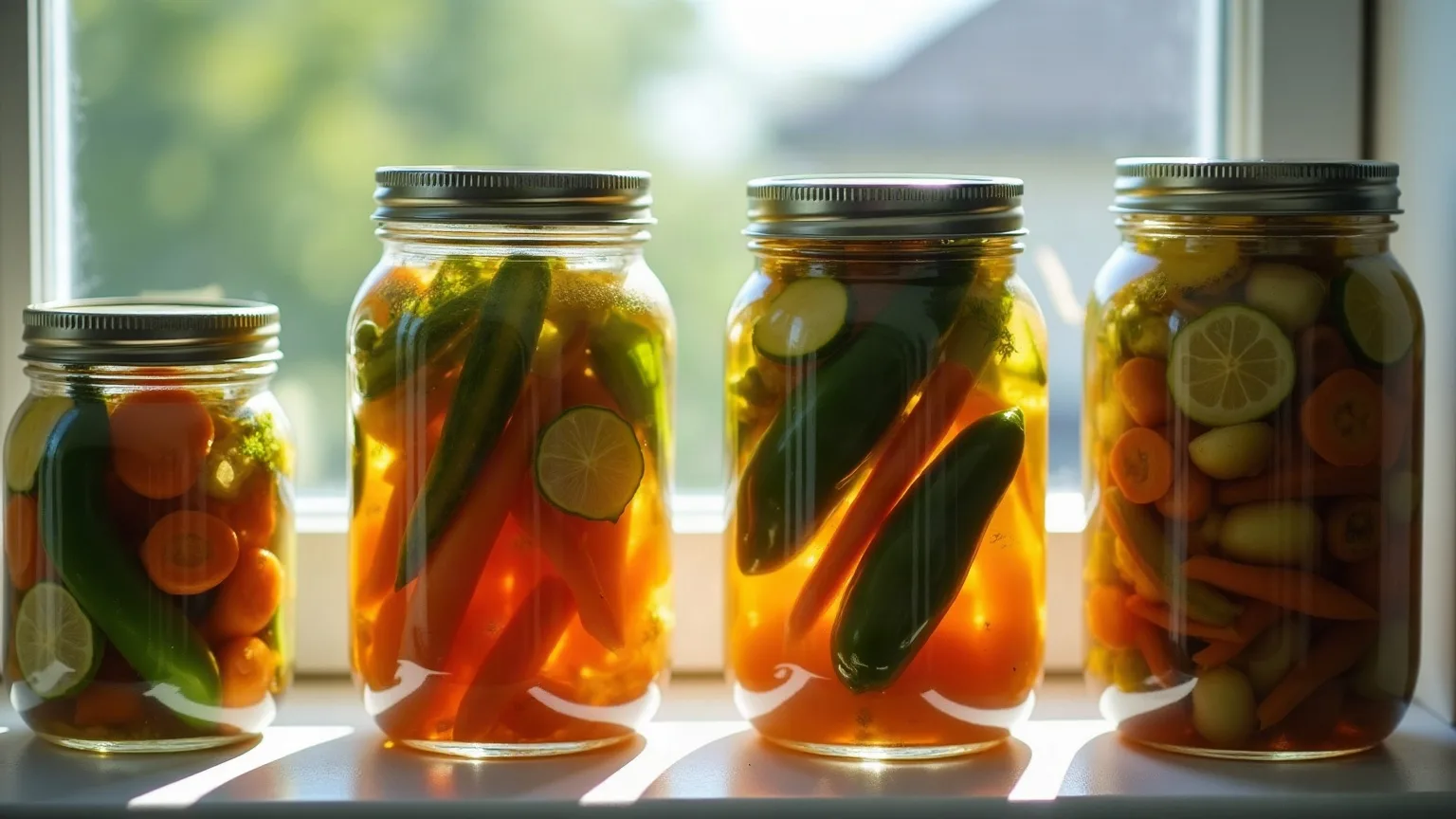
Pickles
The beliefPickling is treated as a gift some people have, and everyone is afraid of it spoiling.
The truthHit the right salt ratio and the jar protects itself. The whole craft is one number.

Apple cider vinegar
The beliefMaking vinegar is assumed to need expertise and equipment.
The truthApples, water, a little sugar and time. You cover the jar with a cloth and wait.
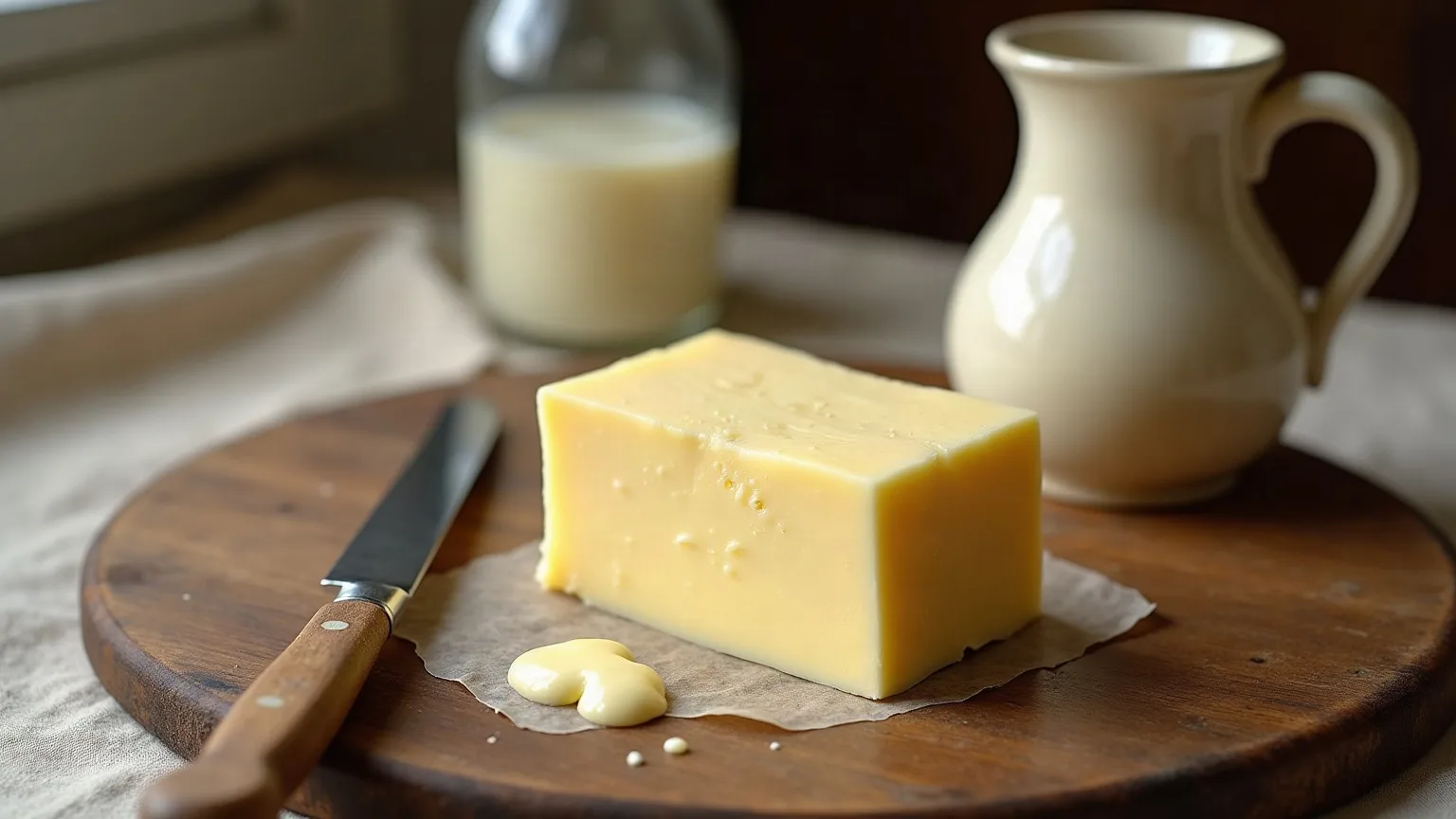
Butter
The beliefButter is assumed to be a factory product, and whatever you make at home to be something lesser.
The truthIt is whipped cream taken too far. Around the fifteenth minute it separates on its own and you have both butter and buttermilk.
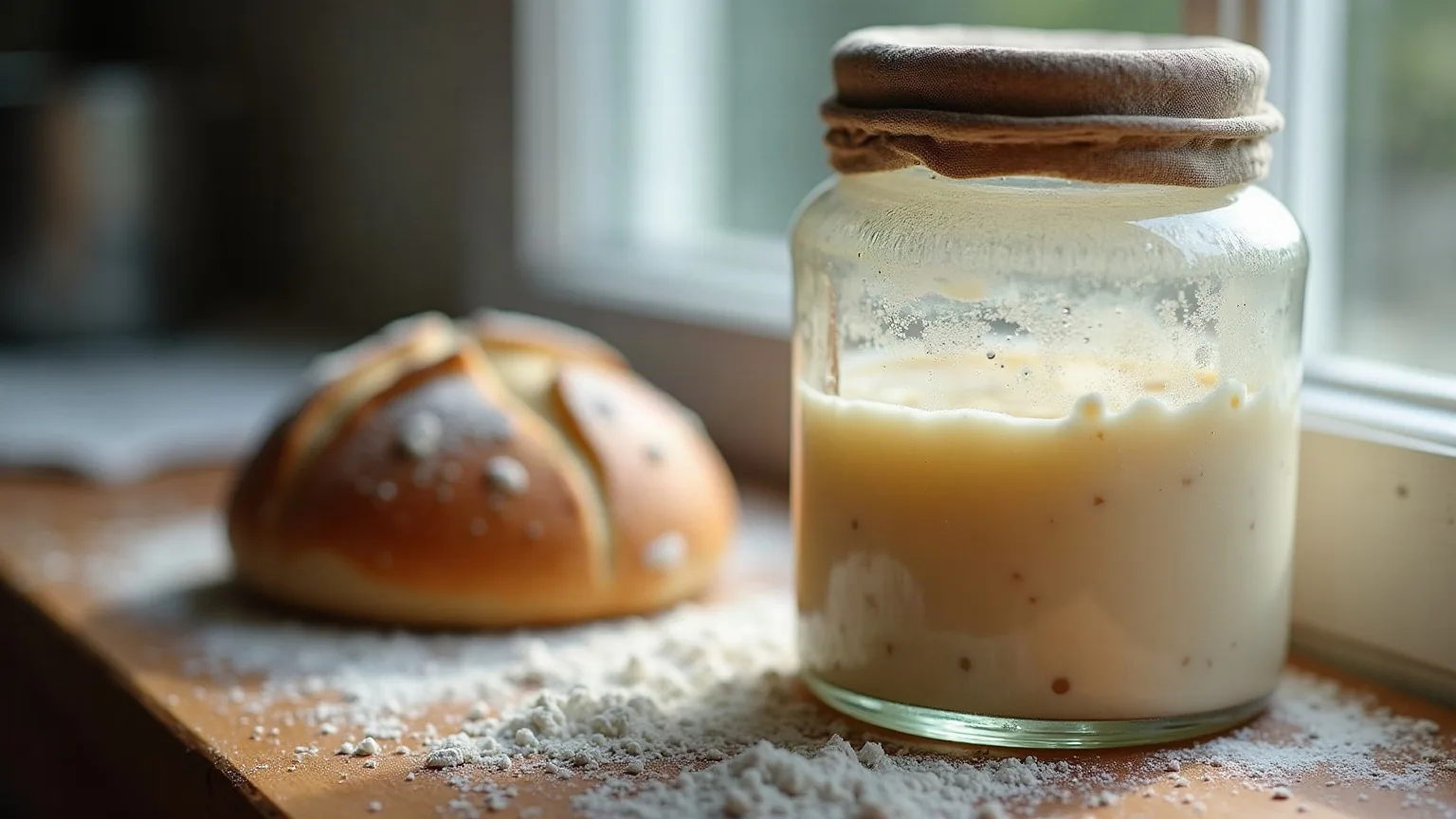
Sourdough starter
The beliefA sourdough starter is treated as something mythical — inherited from someone, aged for years, demanding a special flour.
The truthFlour and water. Nothing else. Five days and you have your own; being “decades old” shapes the habit, not the taste.
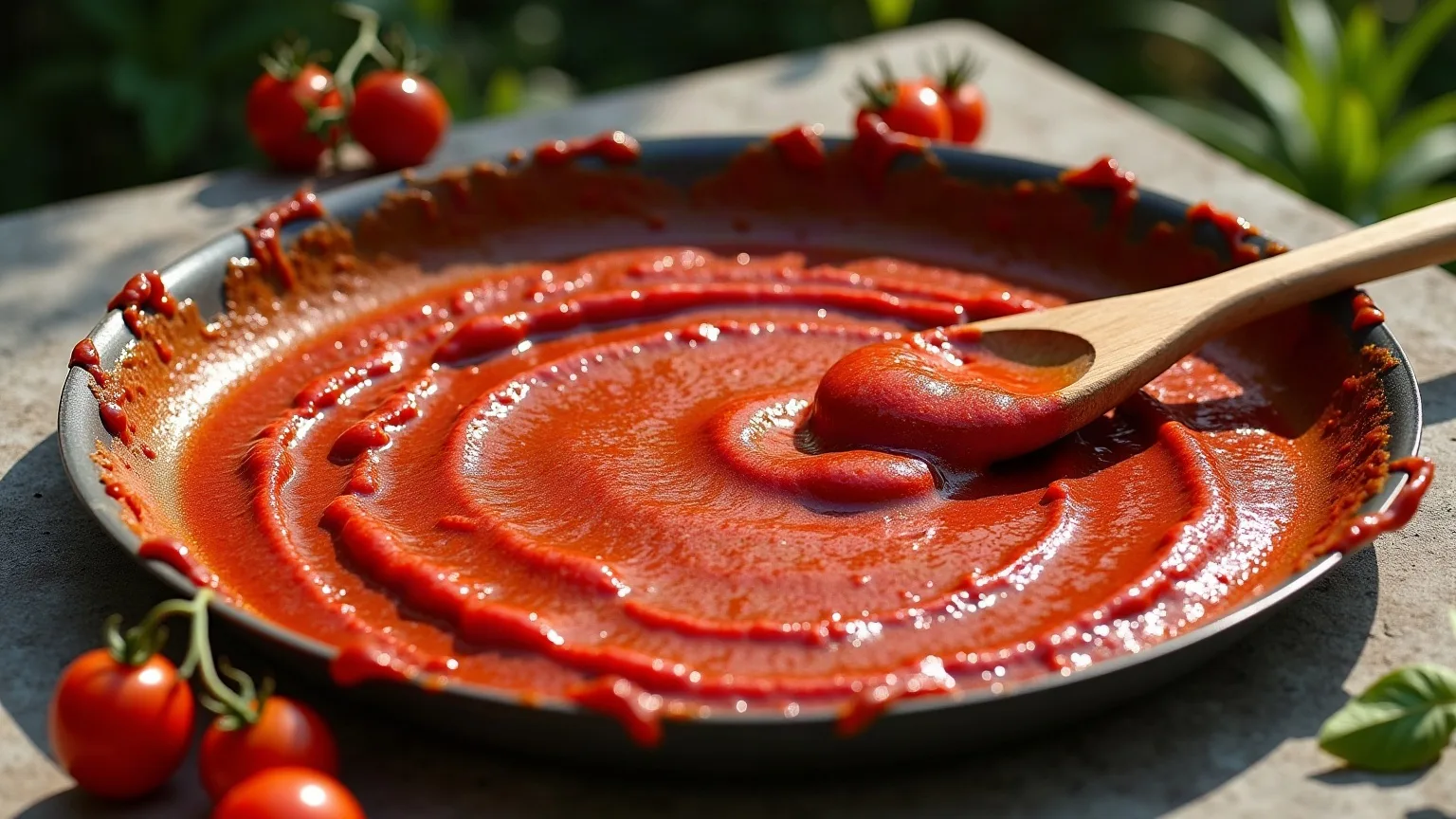
Tomato paste
The beliefMaking paste is imagined as days of boiling, sun-drying and wrestling with enormous trays.
The truthThe only job is taking the water out. Three hours in the oven or two days in the sun — the work is identical either way.
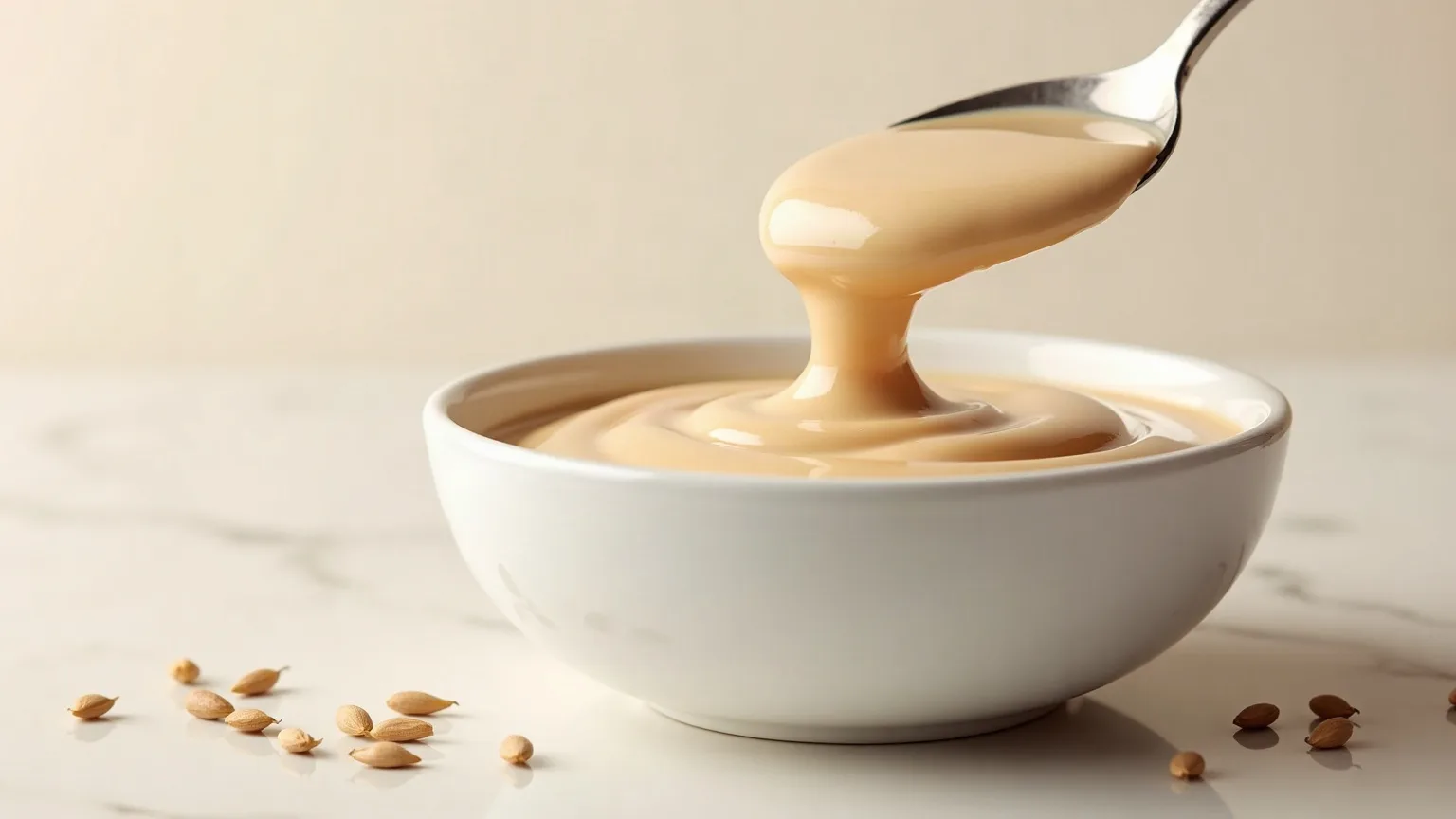
Tahini
The beliefTahini is assumed to need a stone mill, and anything made at home to end up a dry paste.
The truthGrind roasted sesame for long enough and it releases its own oil. You add nothing.
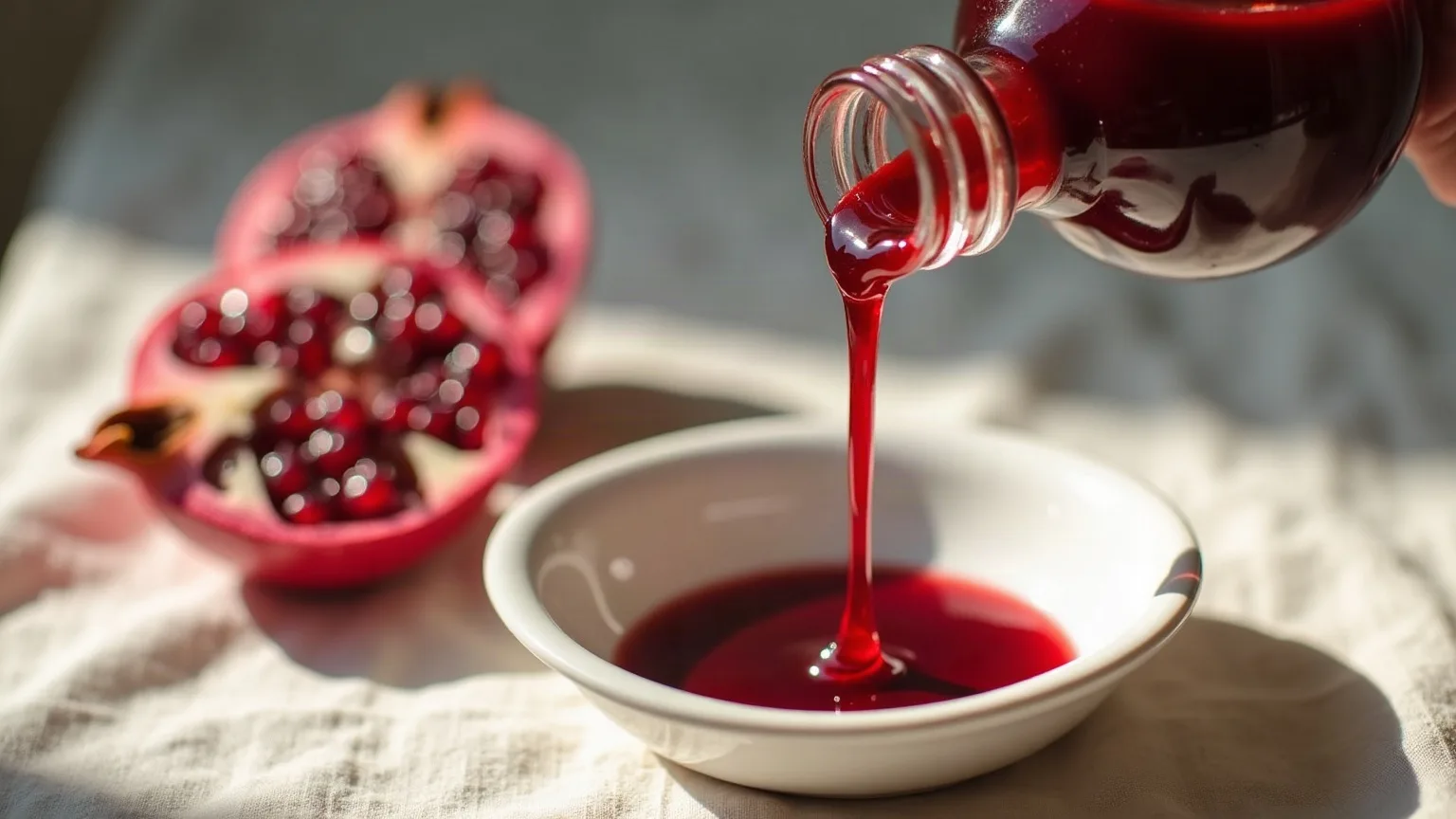
Pomegranate molasses
The beliefPomegranate molasses is thought to need some involved process, and anything homemade to come out thin.
The truthYou boil pomegranate juice down to a fifth. The only decision is when to stop.
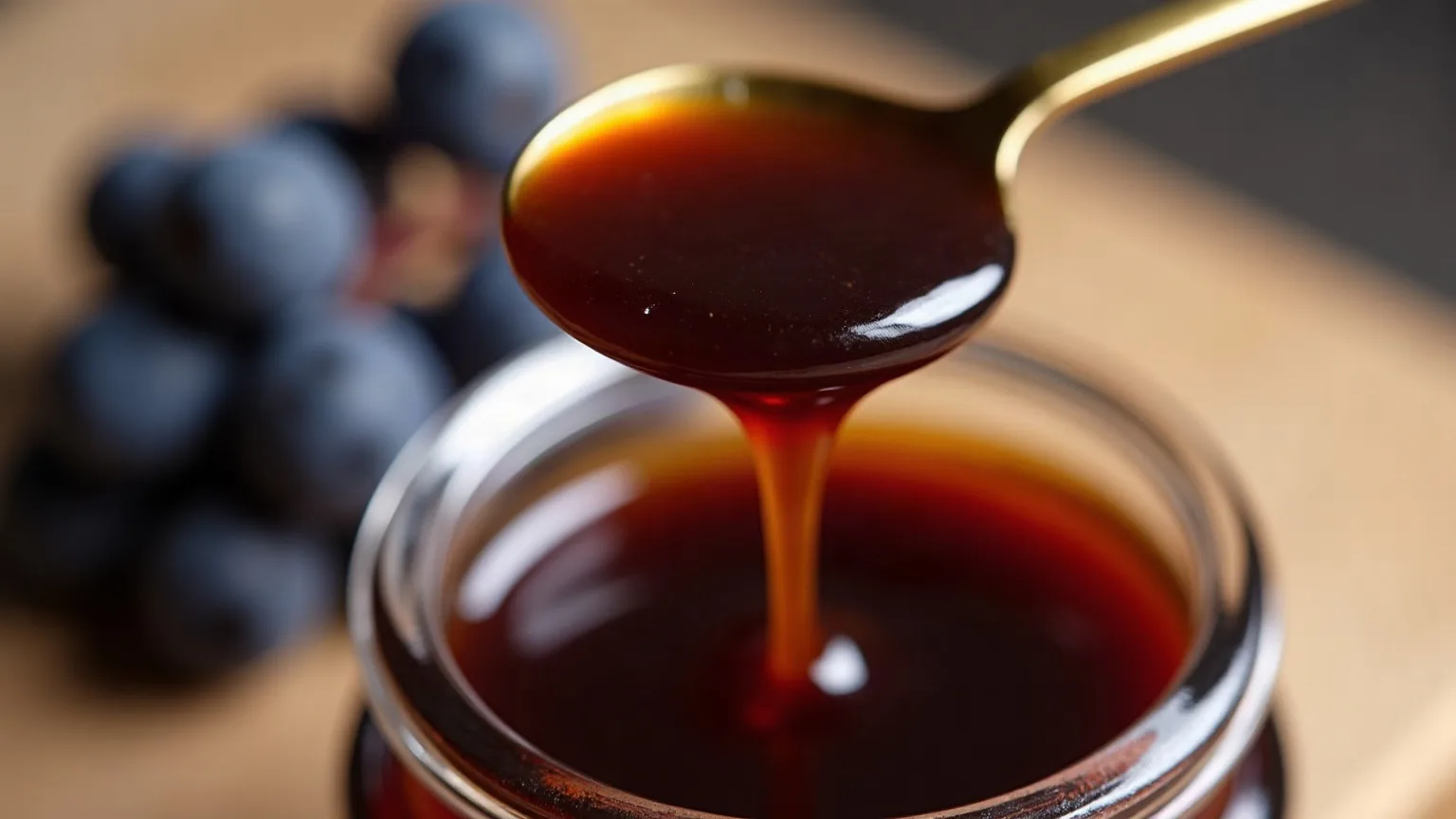
Grape molasses
The beliefPeople assume pekmez is made with added sugar, or that it needs a cauldron and a village.
The truthThe grape’s own sugar is enough. You clarify the must with earth and boil it down to a third.
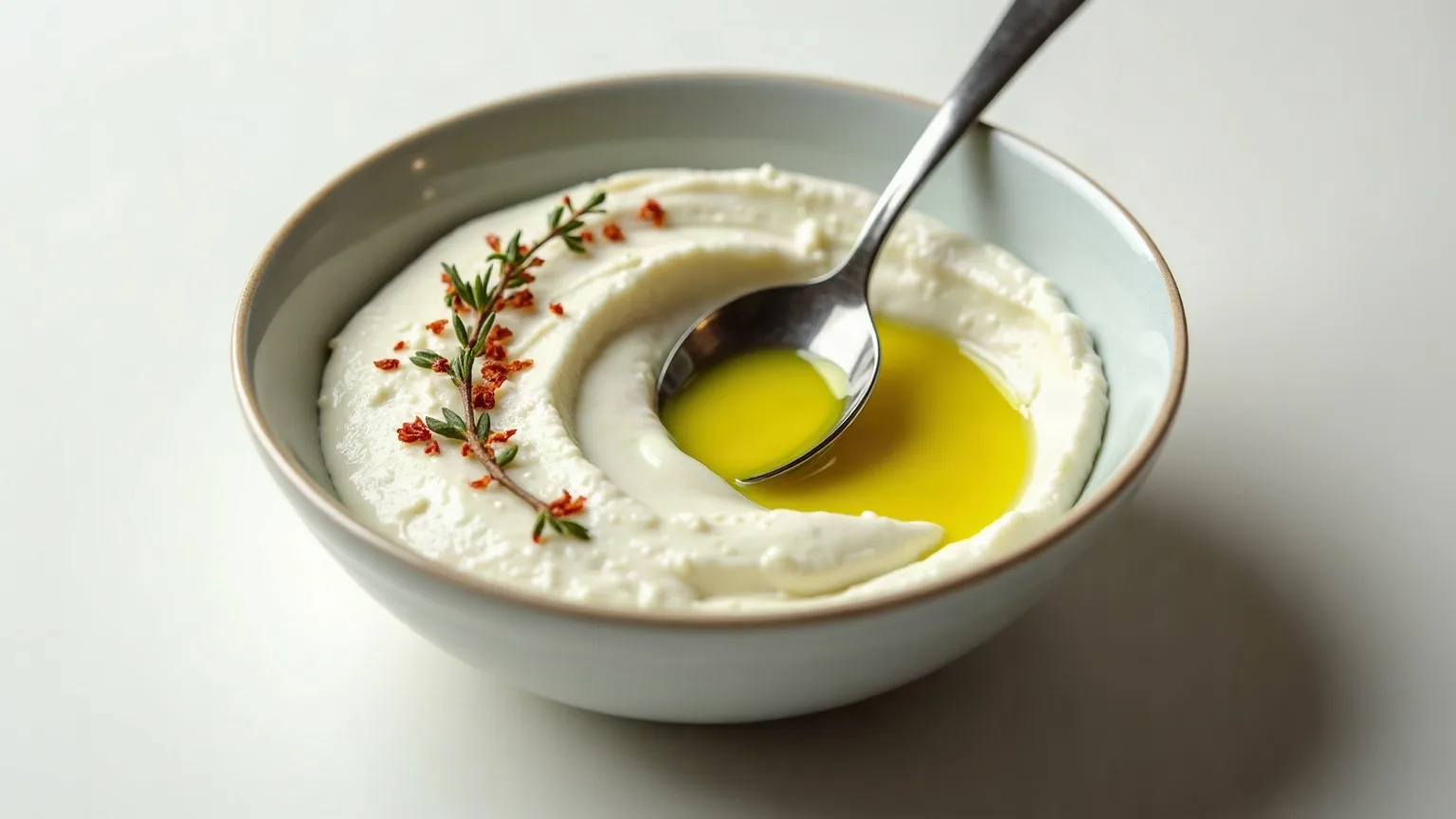
Labneh
The beliefLabneh is taken for a separate kind of cheese, made with some special culture.
The truthIt is strained yoghurt, and the only variable is time: six hours gives a thick yoghurt, twenty-four a cheese.
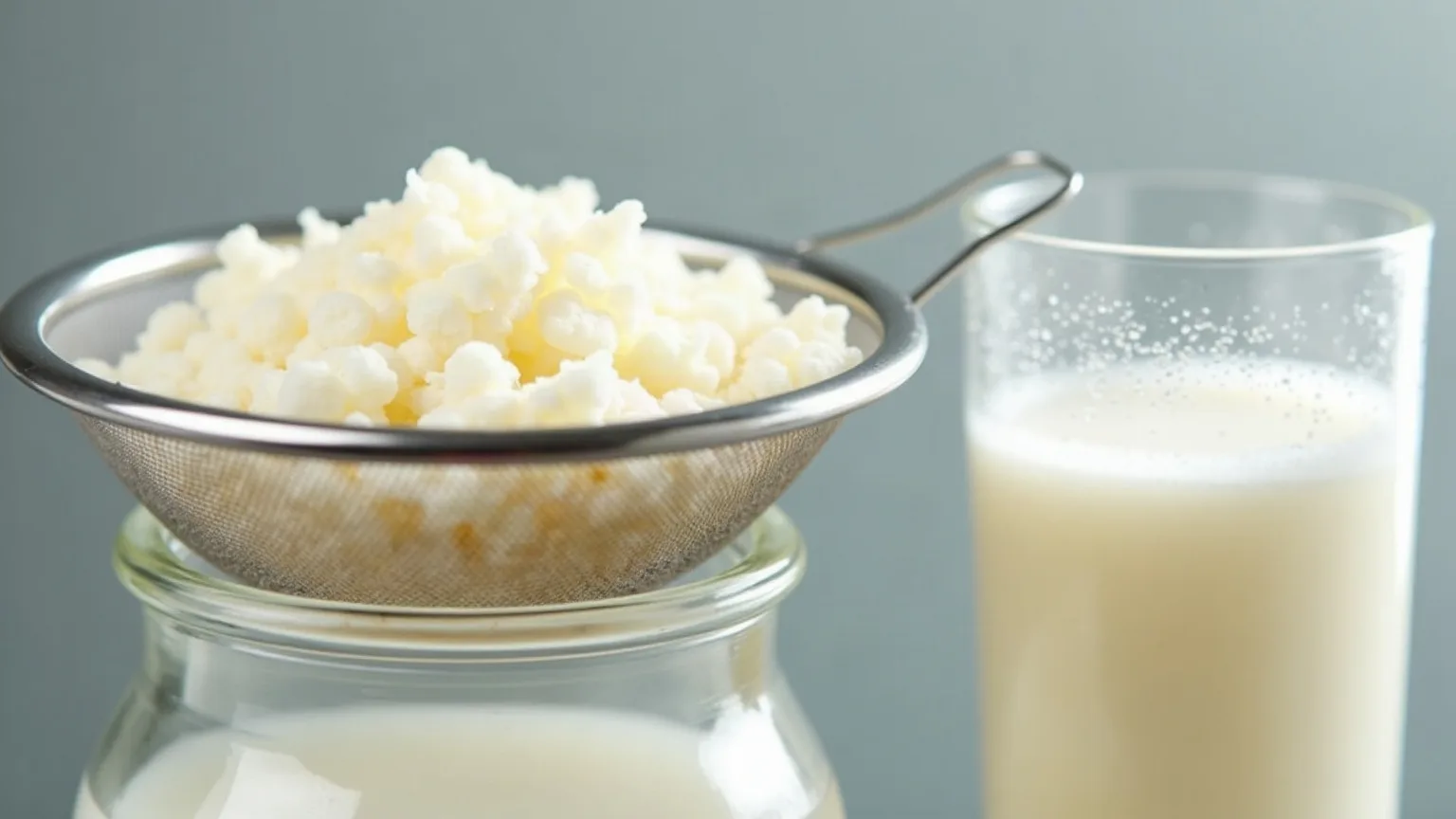
Kefir
The beliefKefir is taken for a runnier yoghurt, or for something that needs a machine.
The truthDrop the grains into milk, leave them a day at room temperature and strain. The grains come back every time.
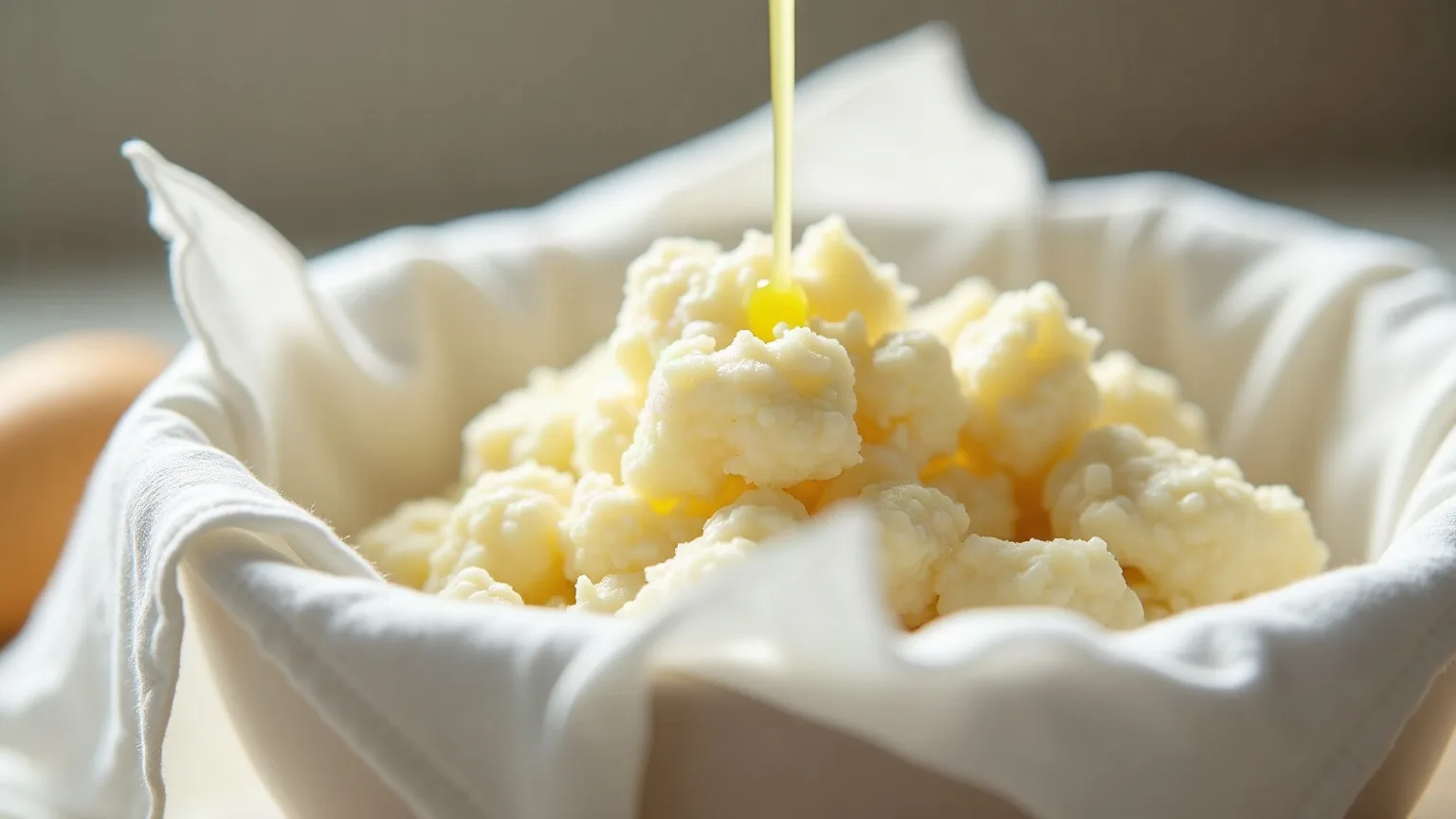
Çökelek
The beliefCheesemaking is assumed to need rennet, cultures and a thermometer, and anything at home to end up as curdled milk.
The truthHeat milk and add acid. No rennet, no culture — the curd separates in ten minutes.
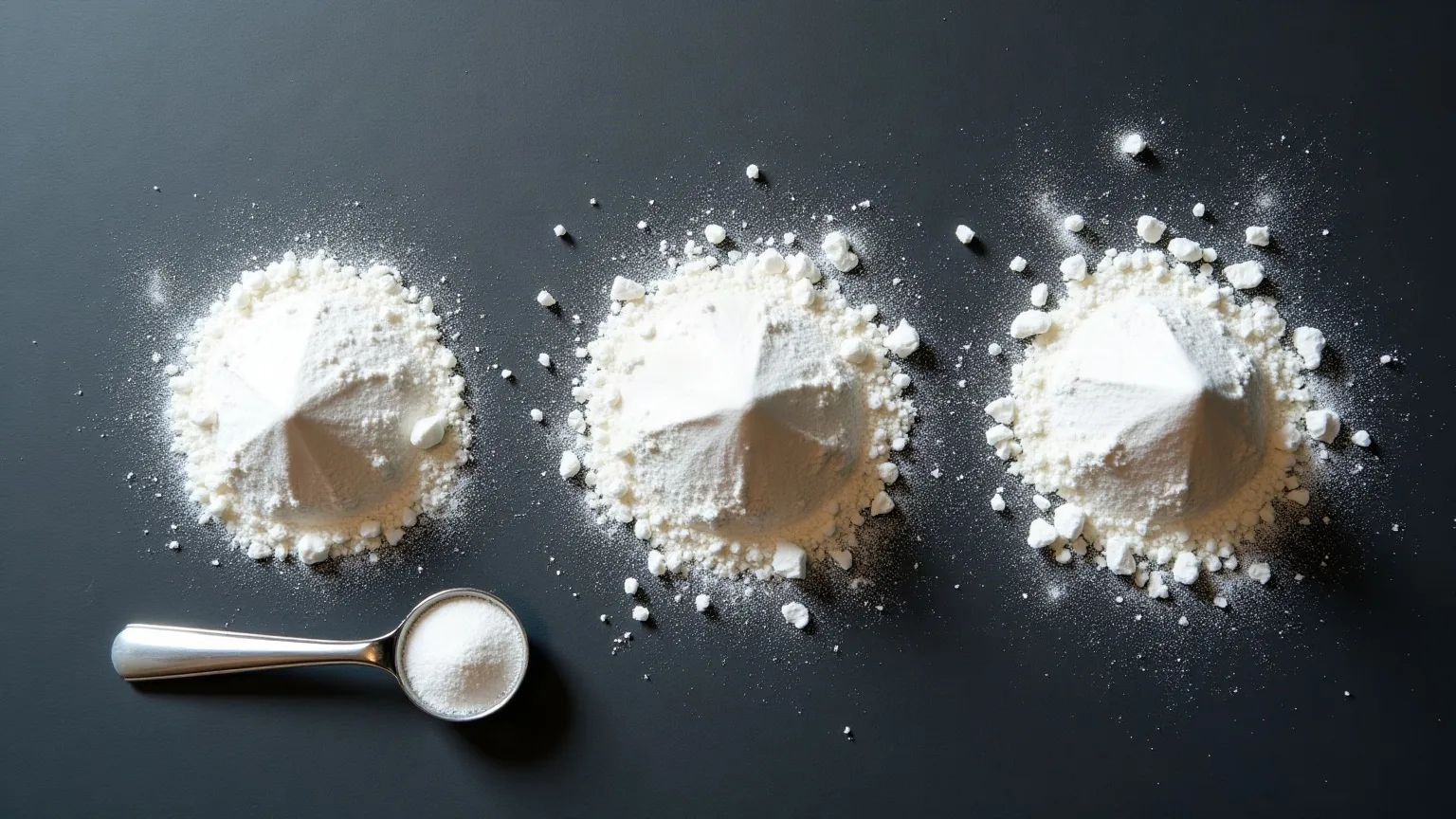
Baking powder
The beliefBaking powder is assumed to be a chemical of its own, unrelated to bicarbonate of soda.
The truthBicarbonate plus a dry acid plus starch. Three things, two minutes, all of them already in the kitchen.

Vanilla extract
The beliefThe sachet on the shelf is taken for vanilla, and the real thing for an unreachable luxury.
The truthTwo pods and a glass of vodka. After two months the jar lasts for years, topped up with more spirit as you go.
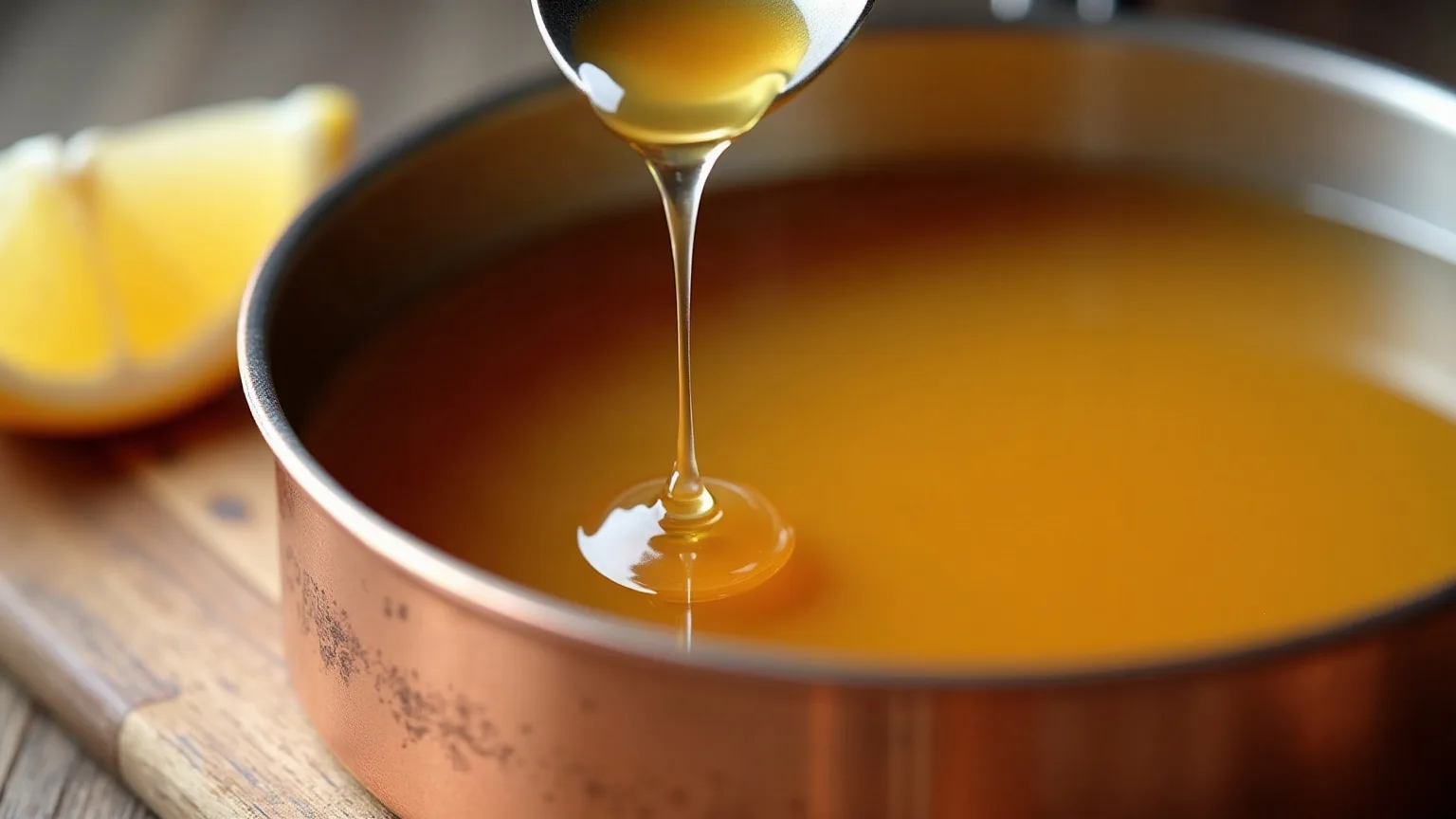
Invert sugar syrup
The beliefGlucose syrup and ready-made sherbet are assumed to be factory goods, and home syrup certain to crystallise.
The truthSugar, water and a pinch of acid. The acid splits the sucrose in two, and the syrup never crystallises again.
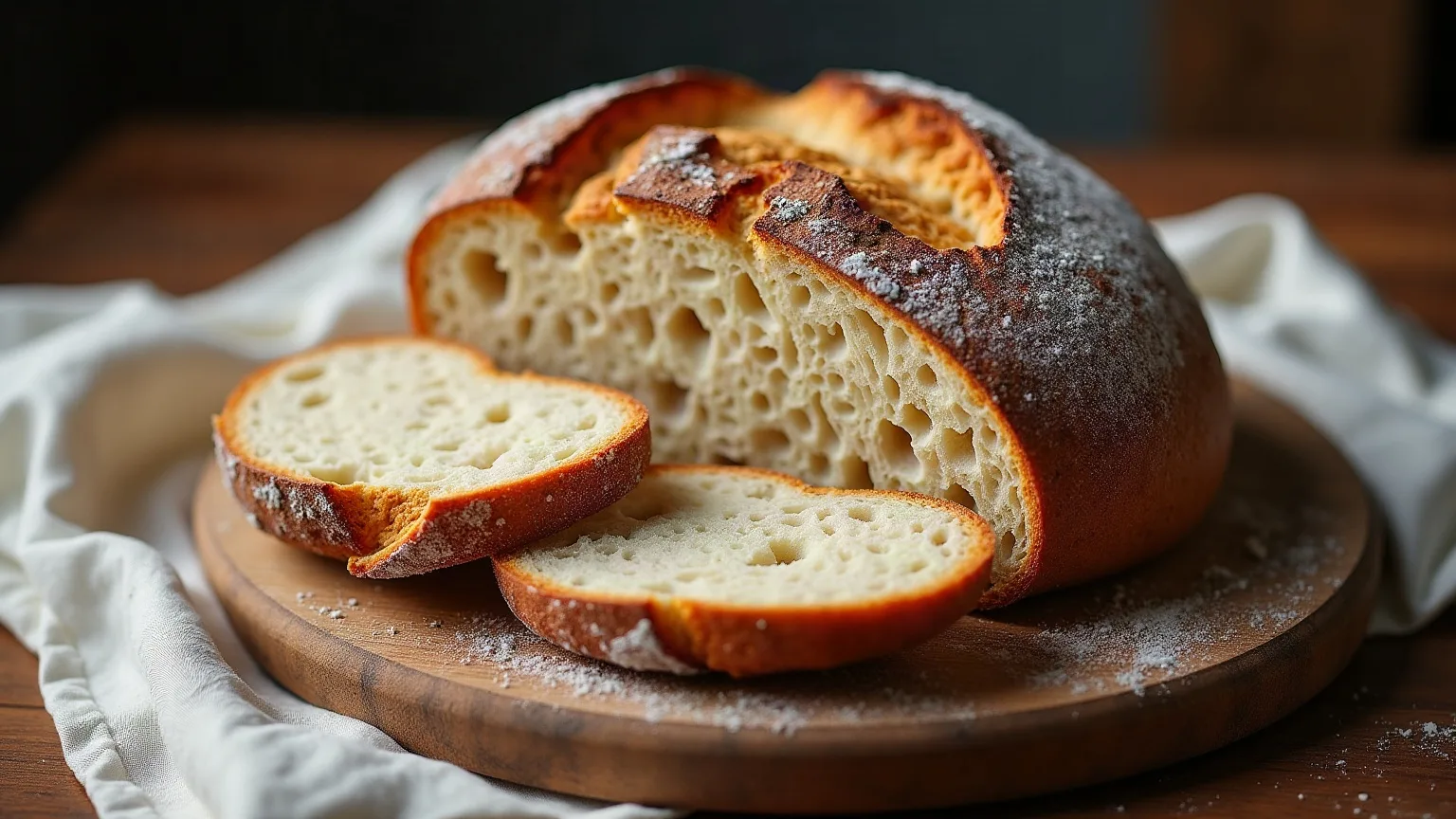
Bread
The beliefBread is assumed to need a kneading technique, a special flour and a stone oven.
The truthFlour, water, salt, yeast. Four ingredients and four ratios — what looks like craft is the ratios.
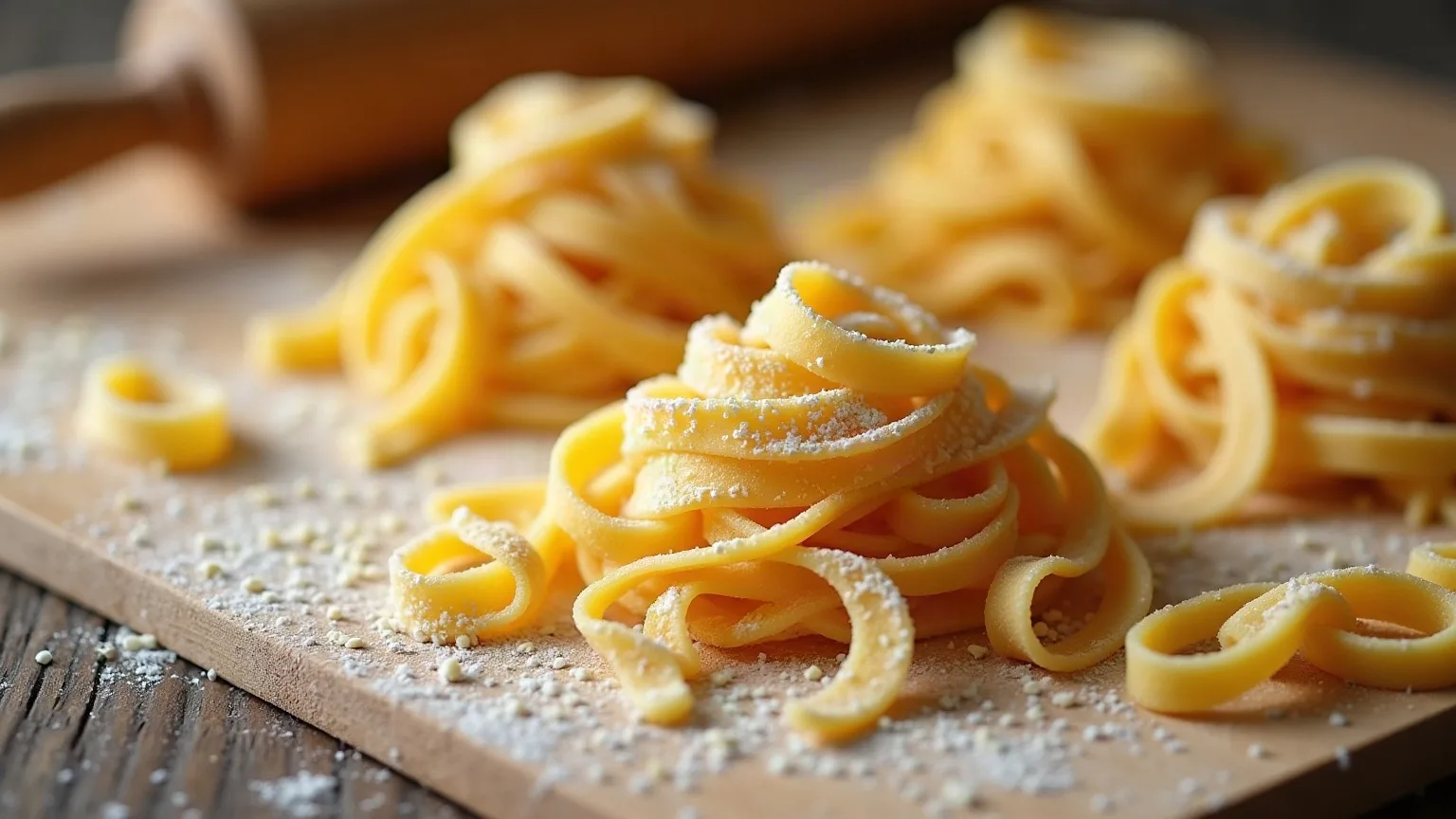
Pasta
The beliefPasta is assumed to require a machine, a special flour and Italian ancestry.
The truthSemolina and water at 30% hydration. The rest is a rolling pin and a little patience.
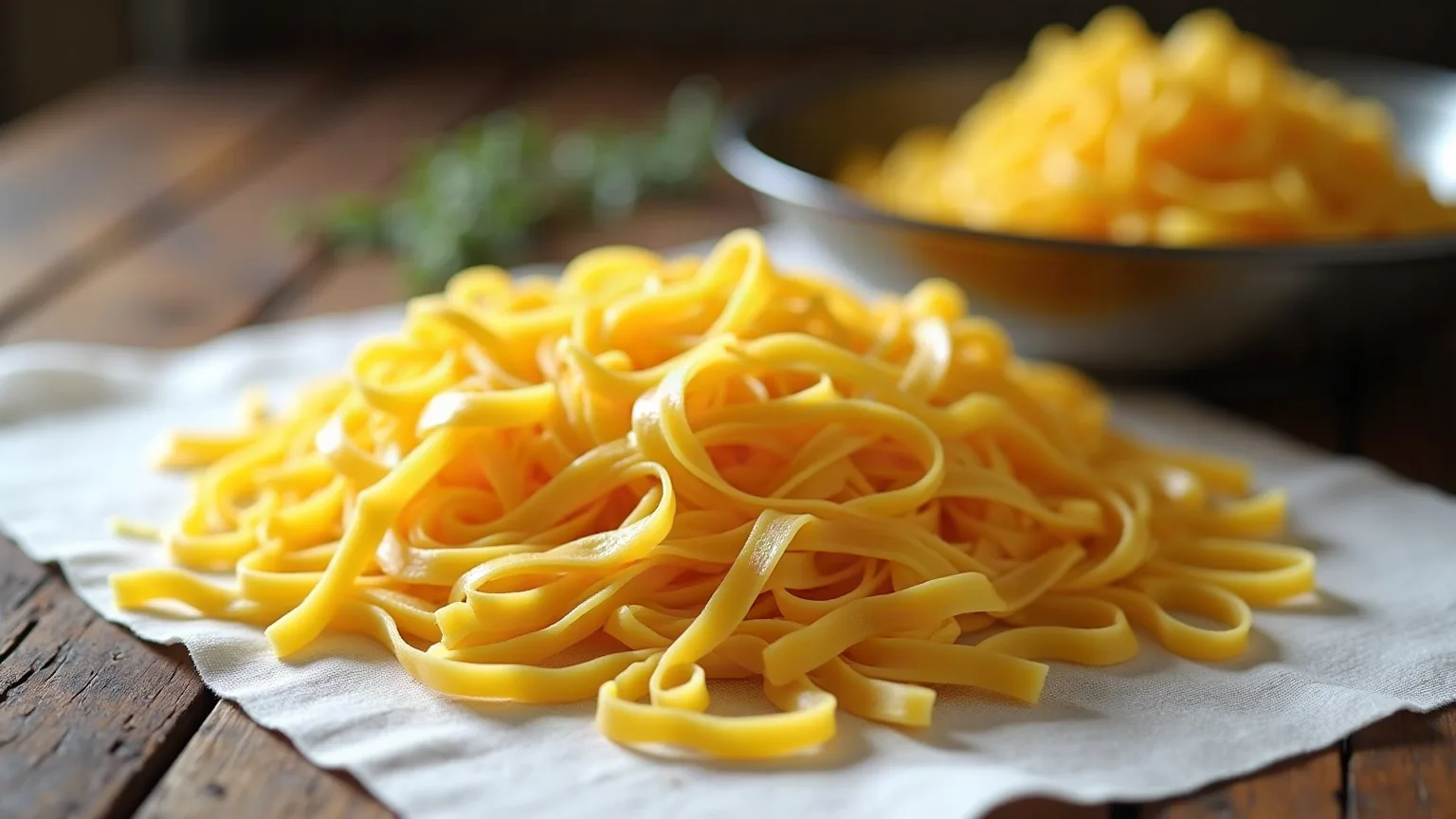
Erişte noodles
The beliefCutting erişte is imagined as a day-long job that needs a crowd.
The truthIt is egg dough rolled thin and cut. One person makes a winter’s worth in an hour — the crowd is custom, not technique.
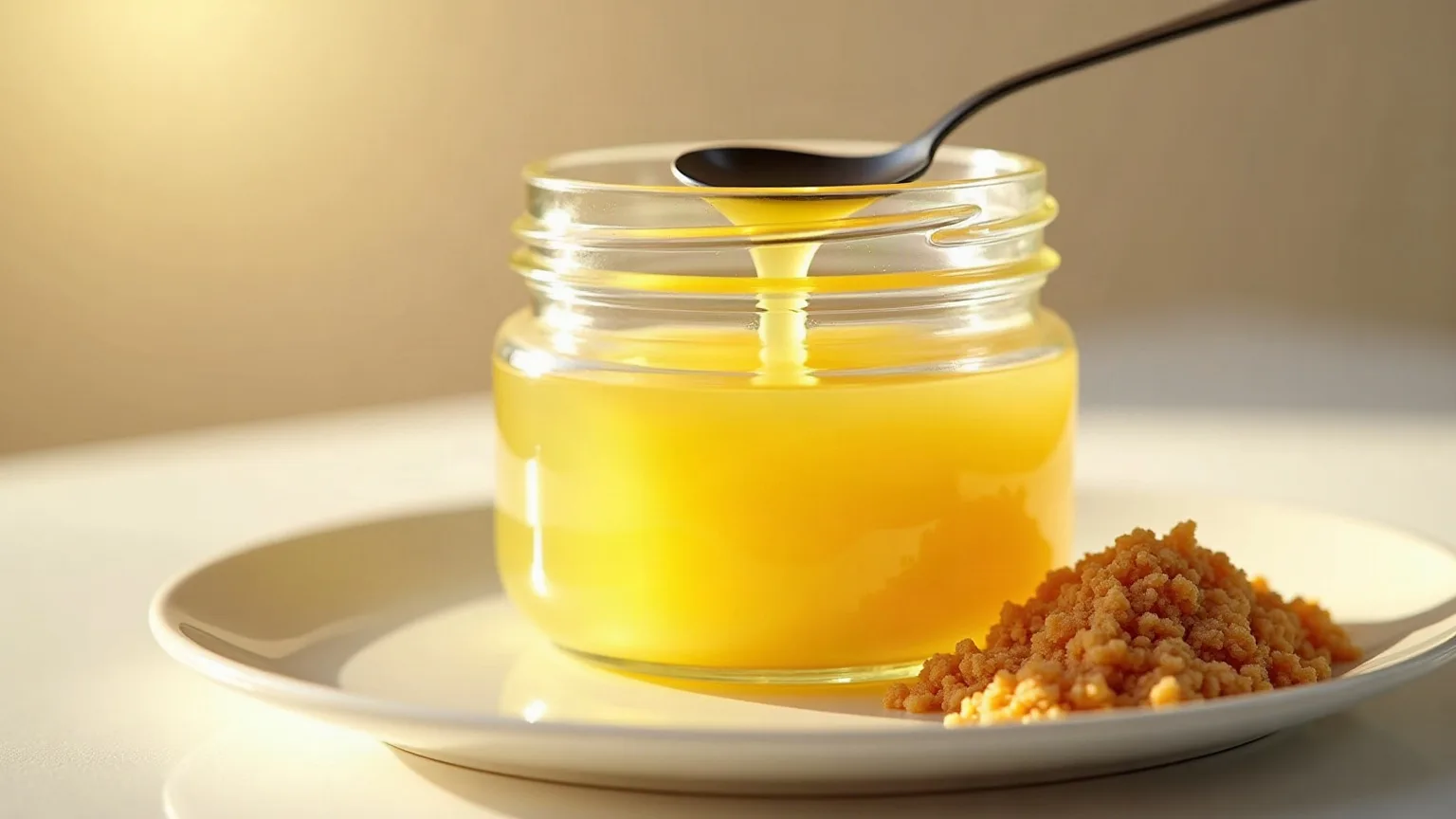
Ghee
The beliefGhee is taken for a separate product, made in some way quite unlike butter.
The truthYou melt butter and take out its water and milk solids. What is left is pure fat, and it keeps for months without a fridge.
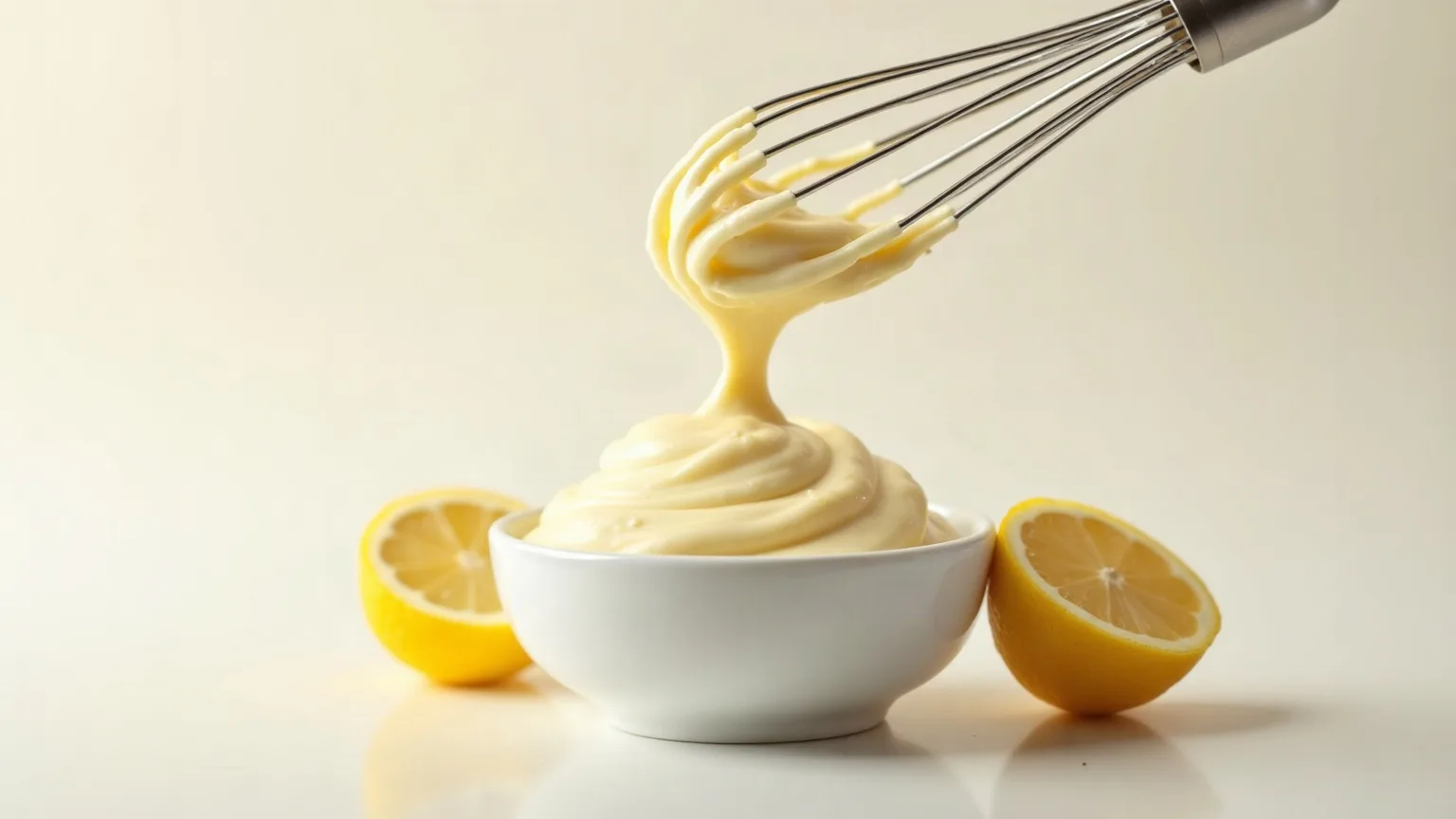
Mayonnaise
The beliefMayonnaise is assumed to be a gamble that usually splits.
The truthOne yolk binds 200 ml of oil. The only reason it splits is adding the oil too fast.
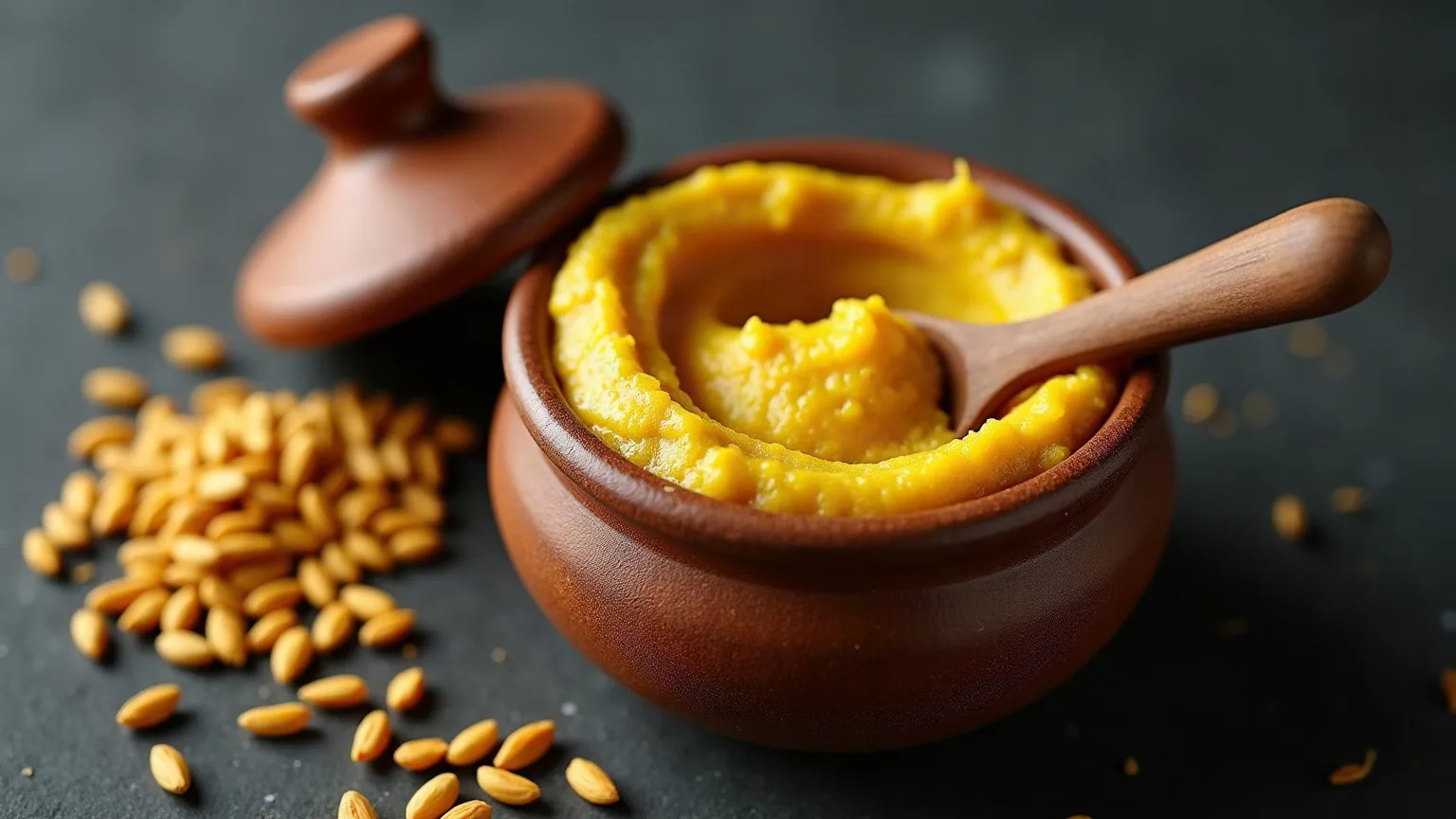
Mustard
The beliefMustard’s heat is assumed to come from spice, or from chilli.
The truthThe heat is not in the seed: an enzyme creates it when the crushed seed meets water. The temperature of that water decides how fierce it gets.
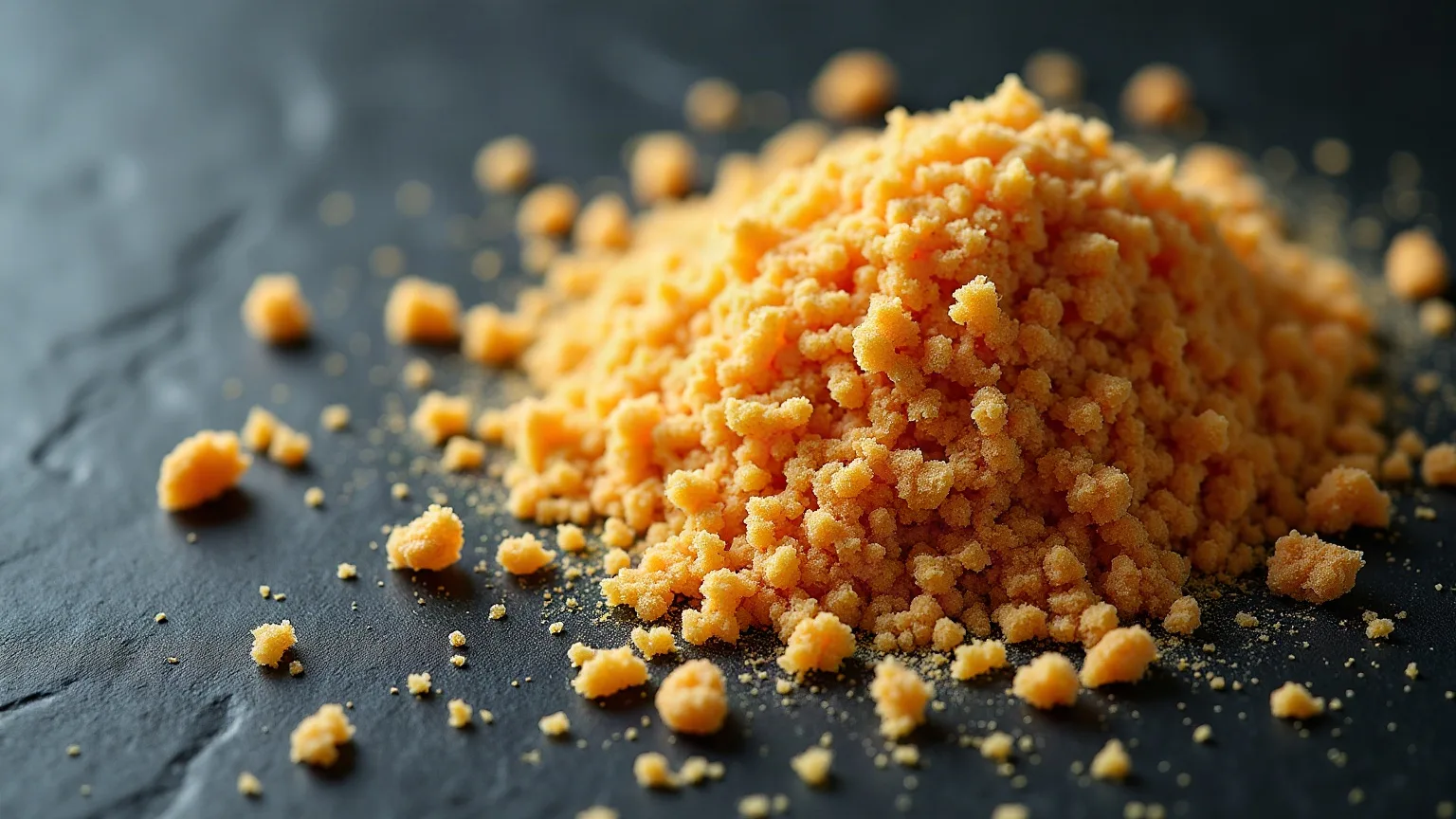
Breadcrumbs
The beliefBreadcrumbs are taken for a product of their own, something you have to buy.
The truthIt is stale bread dried and ground. The loaf you were about to throw away is the best raw material.
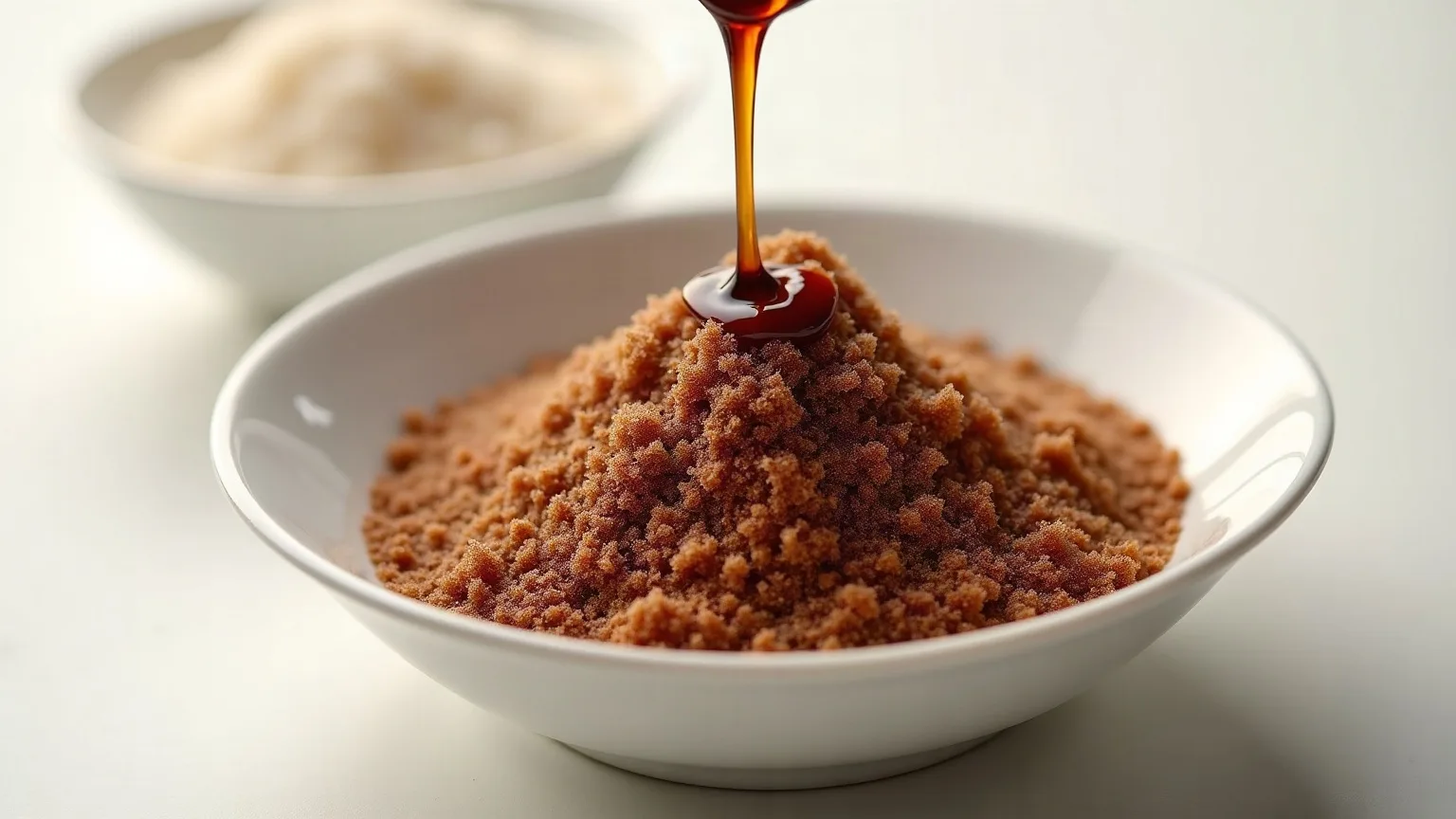
Brown sugar
The beliefBrown sugar is assumed to come from another plant or another process, and to be healthier than white.
The truthWhite sugar plus molasses at 5–10%. Stir it with a spoon and you have brown sugar.
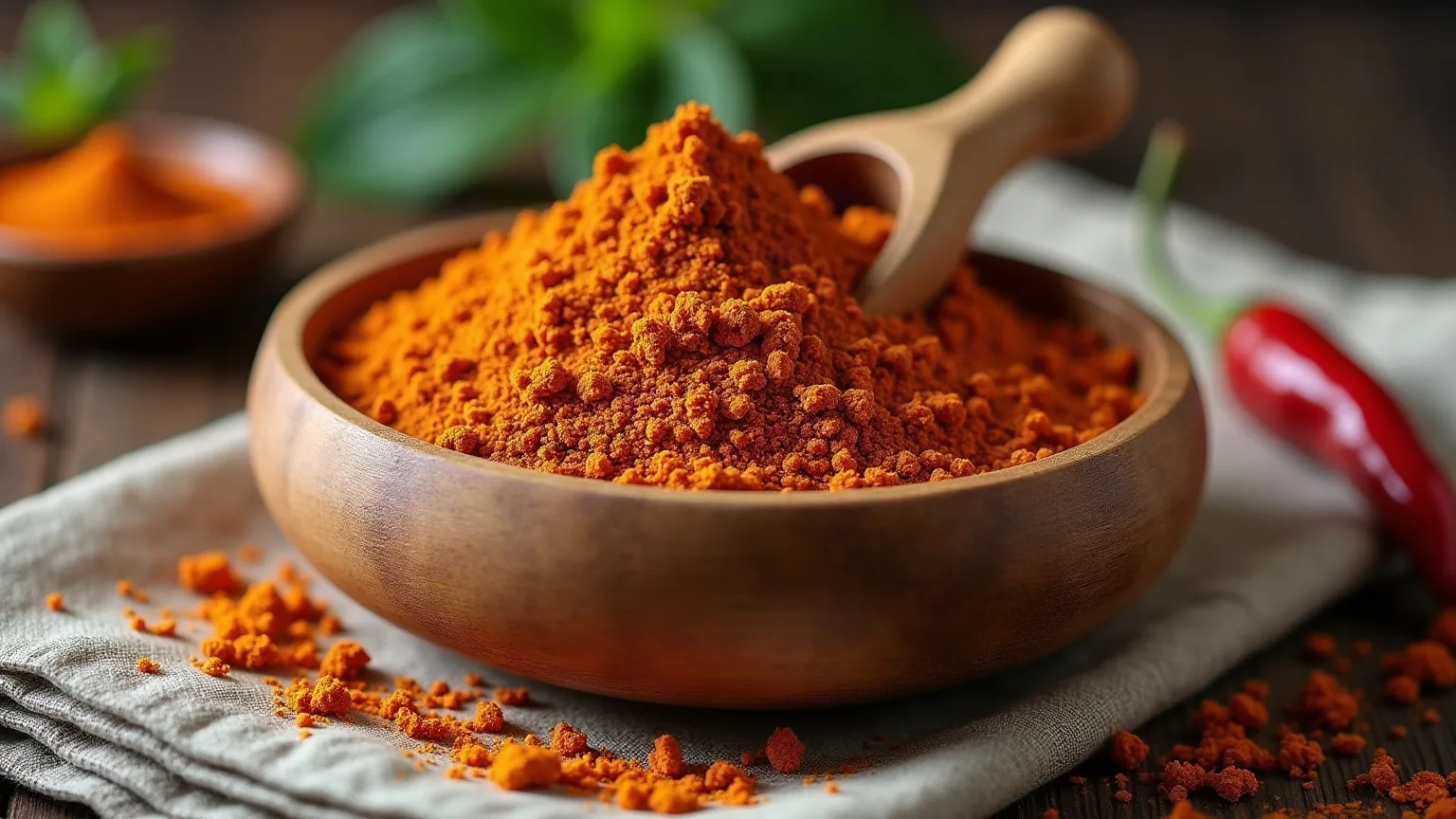
Tarhana
The beliefTarhana is thought of as village work needing a crowd and huge troughs, impossible in a flat.
The truthYoghurt, flour and vegetables. A week of fermenting, then dried and ground. A single bowl is enough.
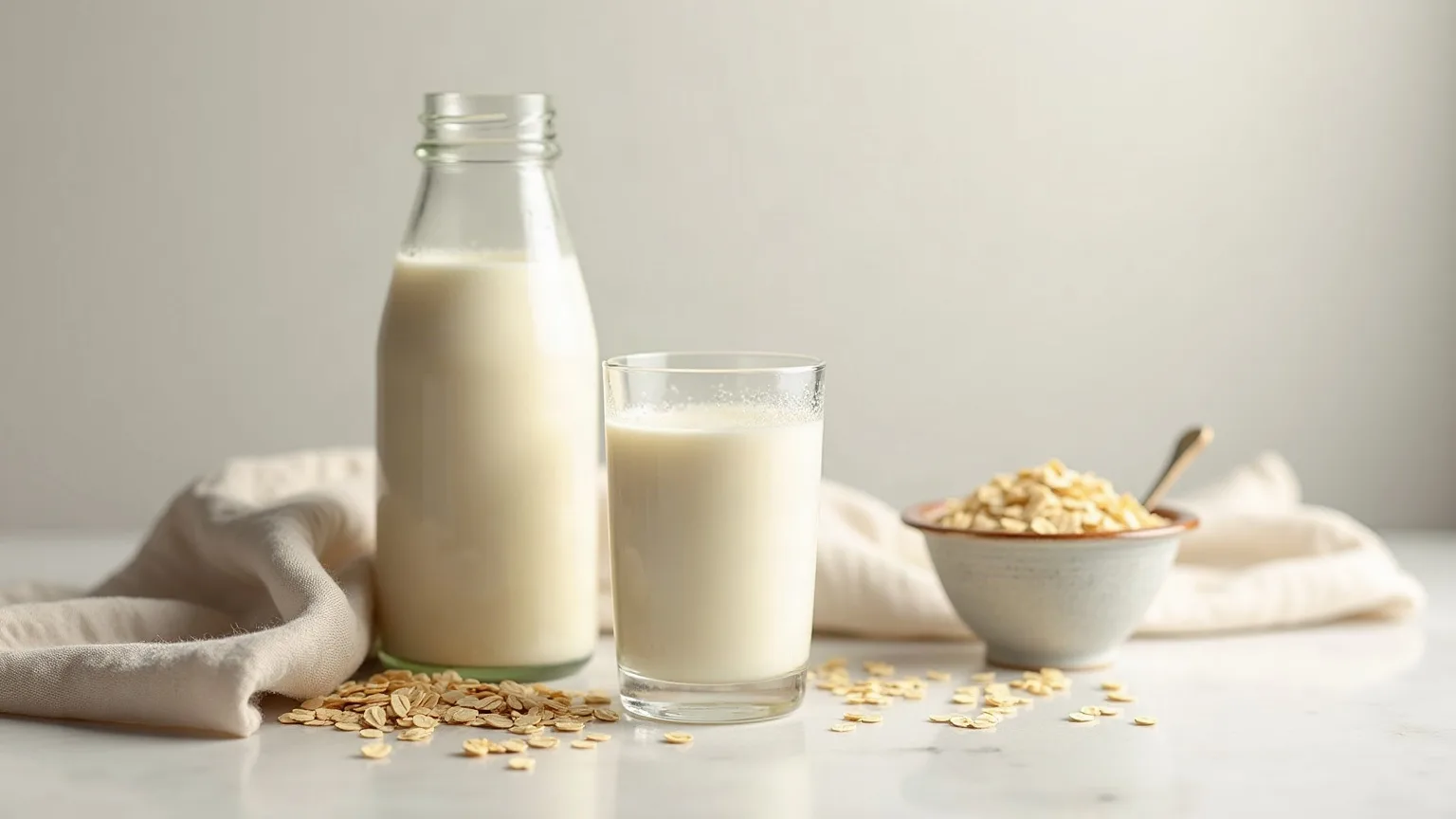
Oat milk
The beliefPlant milk is assumed to be impossible at home, and slimy and undrinkable if attempted.
The truthOats and water. It only turns slimy from warm water and long blending — avoid both and it takes ten minutes.
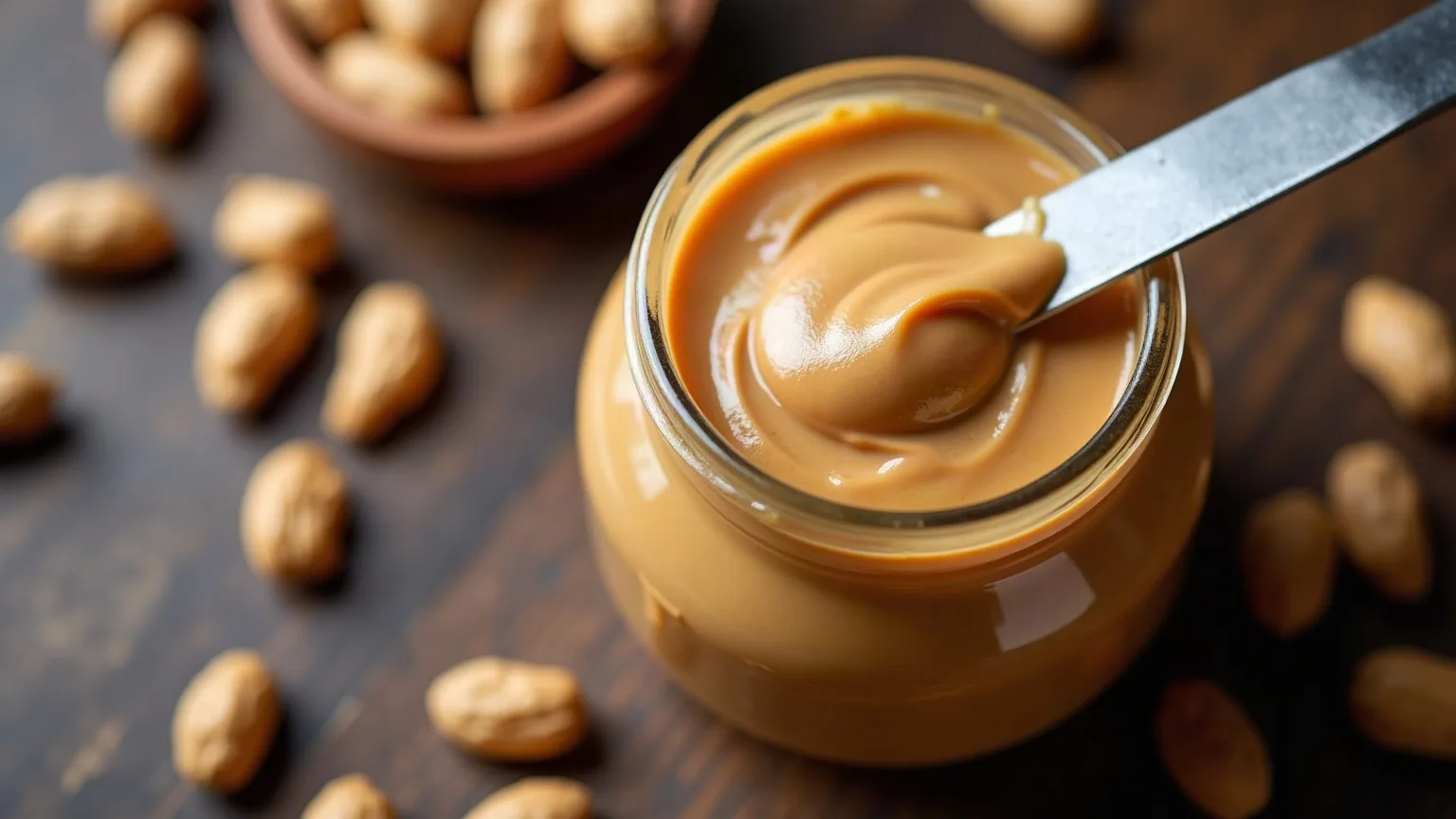
Peanut butter
The beliefPeanut butter is assumed to need added oil, sugar and emulsifiers.
The truthJust peanuts. They give up their own oil — all it takes is patience with the grinder.

Ayran
The beliefAyran is taken for yoghurt and water, with the foam on top down to luck.
The truthIt is a ratio and a salt decision: a third water to yoghurt, salt at 0.6% by weight. The foam is a consequence of how you whisk.
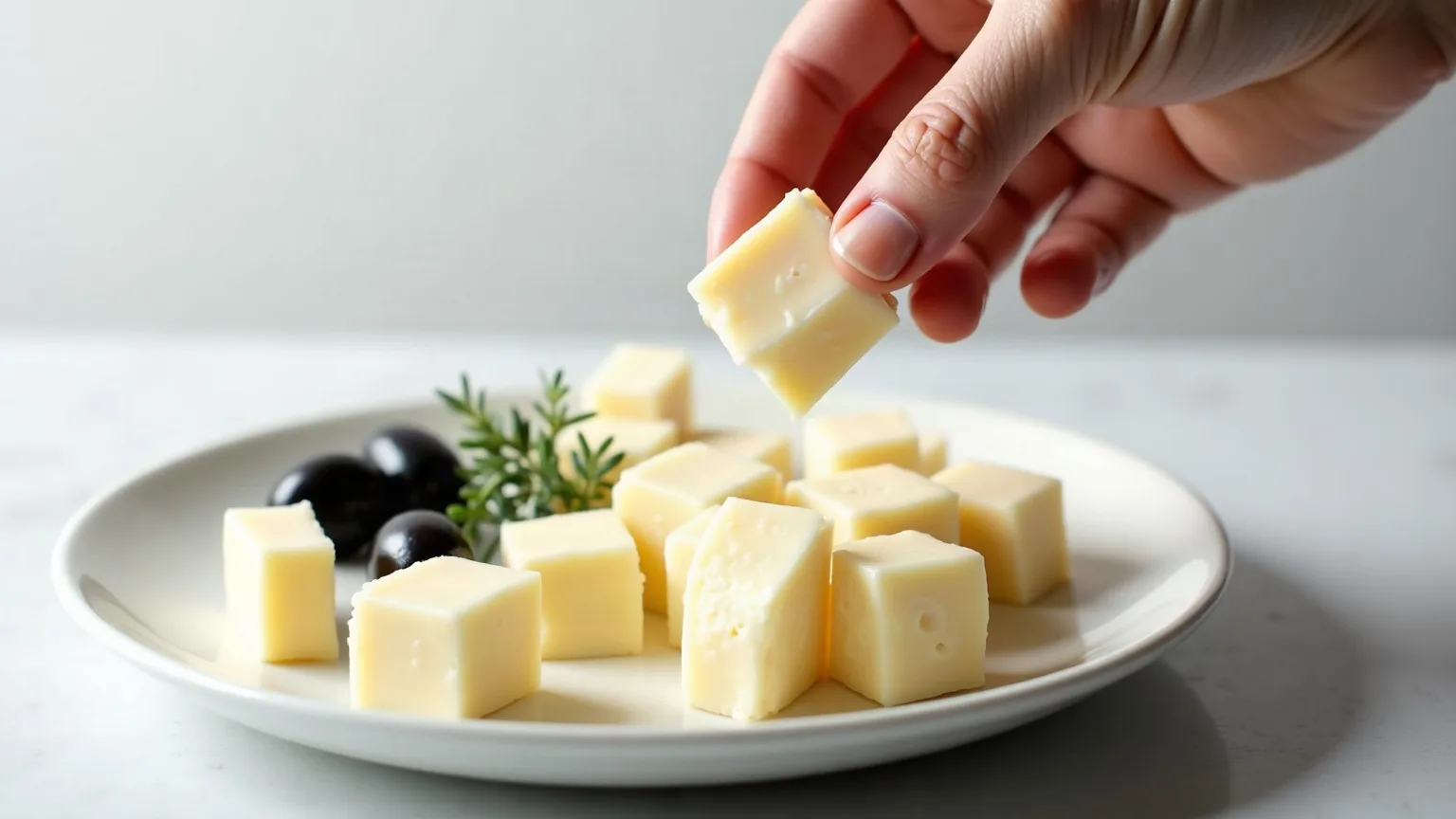
White cheese
The beliefCheesemaking is assumed to belong to a dairy, with only something curd-like achievable at home.
The truthMilk, rennet and salt. Here an enzyme cuts the curd rather than acid — and that is the whole difference.
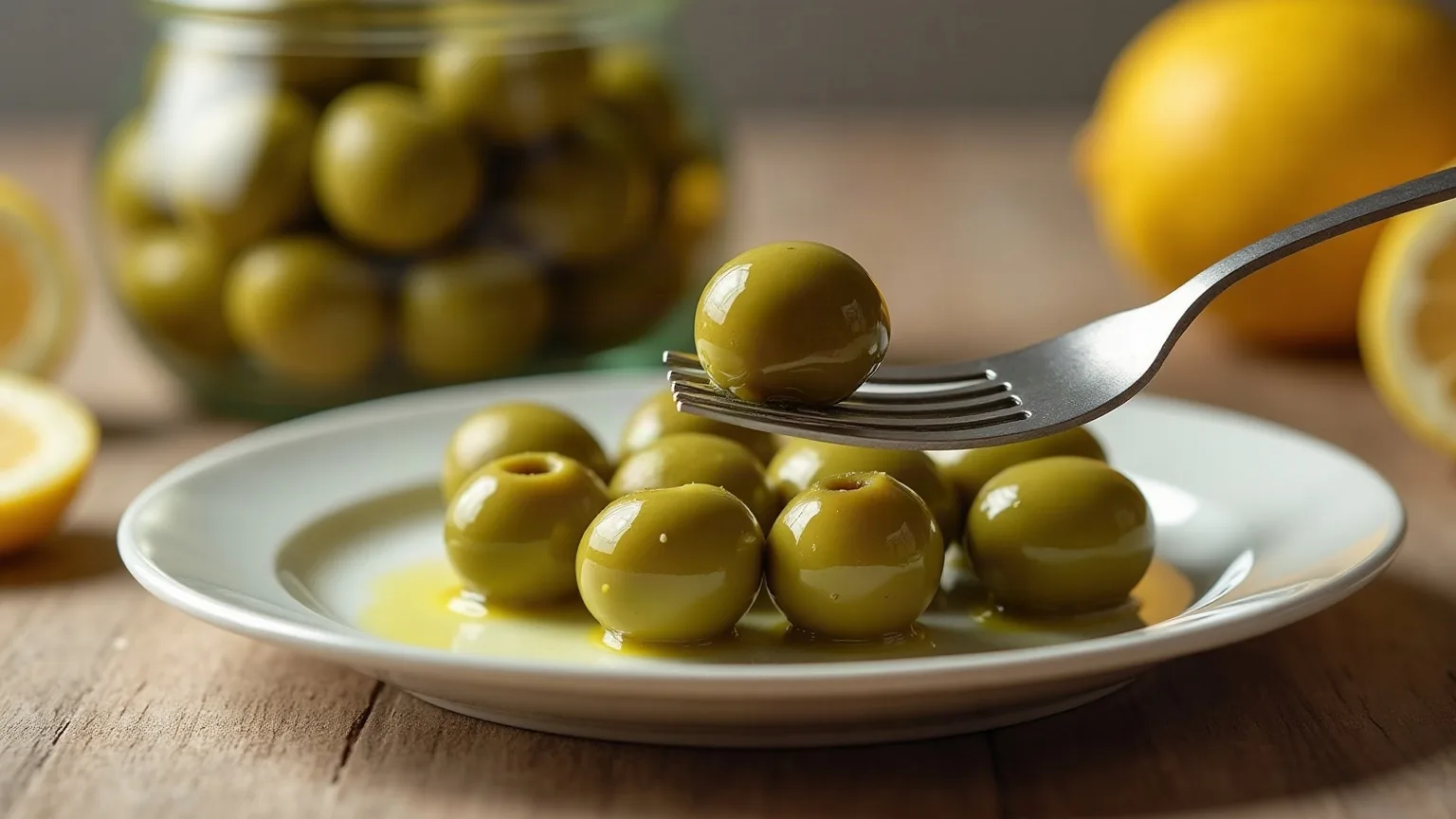
Cured green olives
The beliefPeople assume an olive can be eaten off the tree, and that its bitterness is a matter of variety.
The truthNo olive is edible raw. Its bitterness is one molecule, and water or salt draws it out over months.
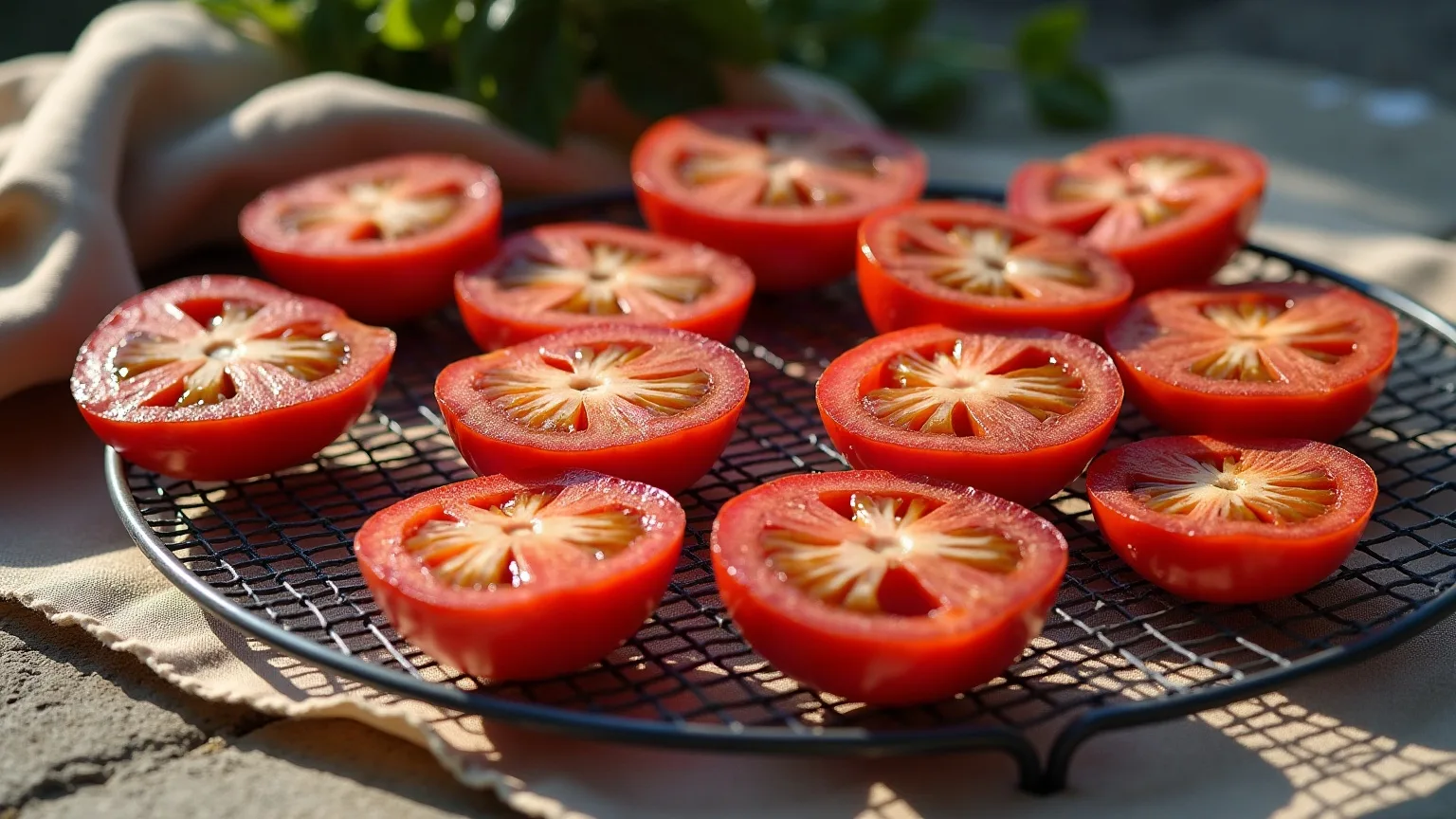
Sun-dried tomatoes
The beliefDried tomatoes are assumed to need a facility, or at least a dehydrator.
The truthSun, salt and three days. The one real rule is to bring them in at night.
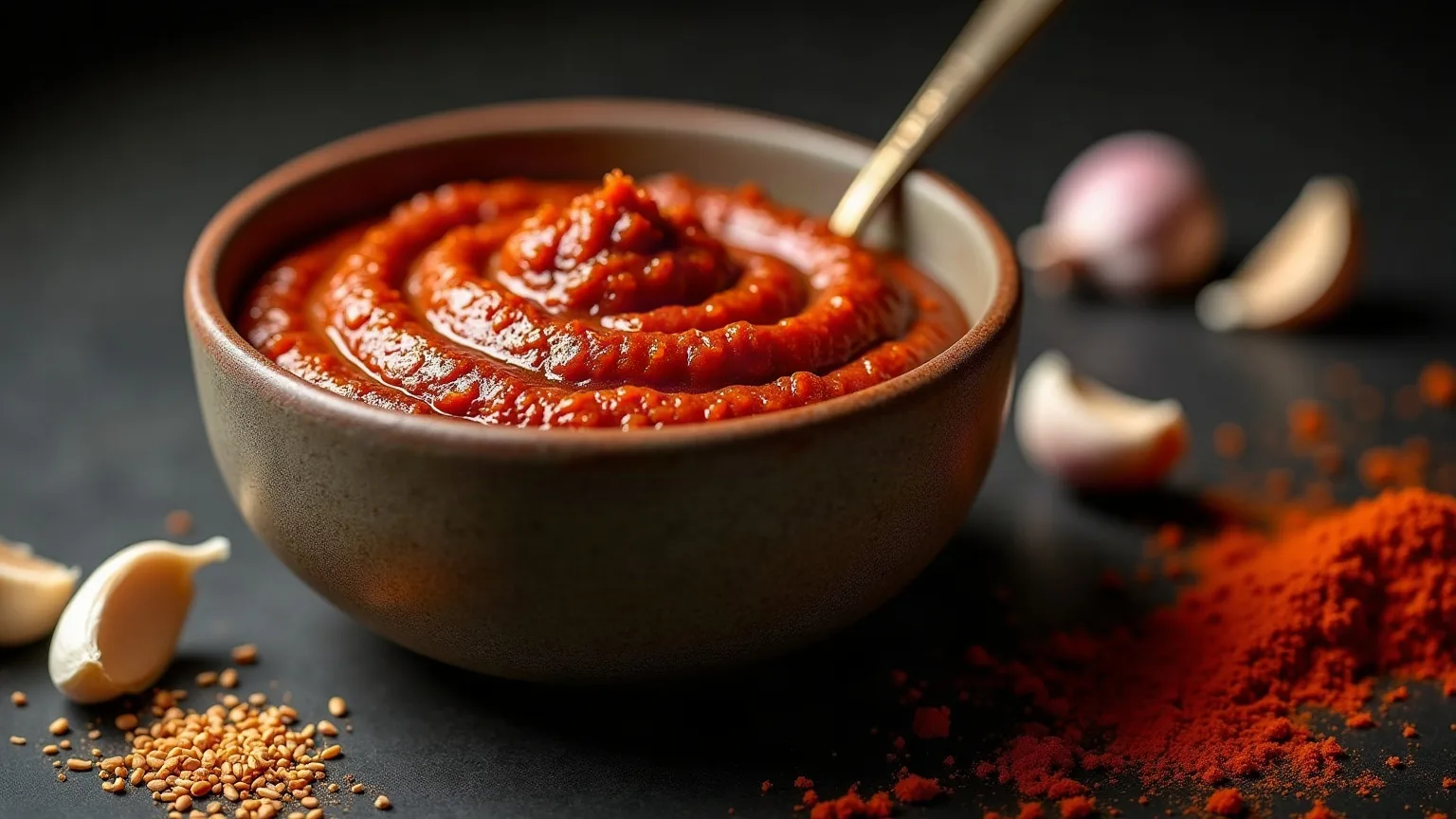
Çemen paste
The beliefÇemen is taken for decoration on pastırma, or for a spice mix.
The truthIt is not a coating but a technical layer: it shuts out oxygen, balances moisture and is what makes pastırma pastırma.
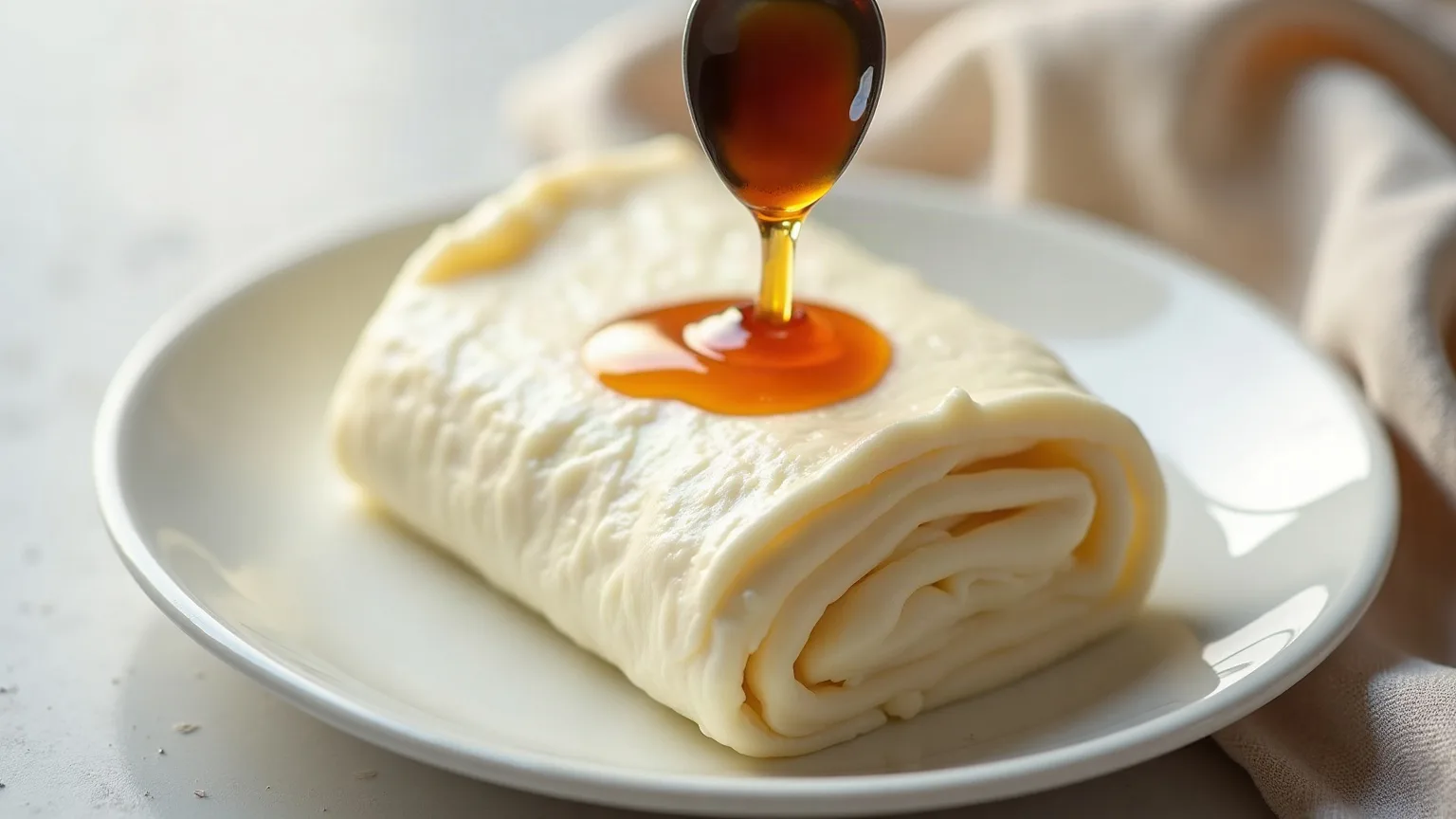
Kaymak
The beliefKaymak is assumed to need buffalo milk and a proper dairy, and to be impossible at home.
The truthYou hold fatty milk over a low flame for a long time and then cool it. Buffalo milk is best but not the only option.

Dried mint
The beliefHerbs are assumed to be dried in the sun, and heat to improve the drying.
The truthThe opposite is true. The oils that carry the aroma are volatile: shade and moving air are what you want, while sun and heat drive them off.
Nothing matches both filters. Try loosening the time or the ease.