
 Honey
→
Honey
→
The cheese’s 2–5% salt suppresses bitterness and enhances sweetness while the sugar suppresses the salt. The two curves cross and each tastes cleaner than alone.
Heat unfolds them and they link to each other: they bind, they firm, they build crust. They are one half of the Maillard reaction; sugar is the other.
Every protein has its own threshold and none of them are reversible. Egg turns at 82 °C, meat at 70, fish at 55 — once past, there is no coming back.
If it is too salty, soak it for half an hour: osmosis pulls the salt out without wrecking the texture.
In its own brine at 4 °C for 2-3 months; if the brine runs low, top it up with 5% salt water that has been boiled and cooled.
Plain white cheese is milk, rennet and salt, with no gluten.
Allergen: DAIRY
This ingredient carries no meaningful carbohydrate, so it has no glycaemic index. On its own it will not move blood sugar; what you eat alongside it decides that.
"They go well together" is not an explanation. Every pairing below has a chemical or structural mechanism under it.
Honey
→
The cheese’s 2–5% salt suppresses bitterness and enhances sweetness while the sugar suppresses the salt. The two curves cross and each tastes cleaner than alone.
 Walnut
→
Walnut
→
Casein binds the walnut tannins before they can precipitate salivary proteins, so the astringency is neutralised and only the nut flavour remains.
 Lemon
Lemon
Extra acid in a hot dish: the curd is already acid- and salt-set, so more acid plus heat contracts the casein network, squeezes out whey and turns it rubbery.
Brined white cheese delivers substantial calcium and a substantial sodium load together. They cannot be separated without soaking the cheese in fresh water first.
Pepper, tomato and egg. Know the order and the heat and it takes fifteen minutes; miss them and you get a watery omelette.
Three ingredients. What makes the difference is not an ingredient but the ladle of cooking water you keep.
Eight minutes and one number: the butter must not pass 150 °C.
There is no sauce until the paste has been fried: raw paste stays sour and metallic.
Crack the eggs before the spinach has given up its water and a green puddle collects on the plate.
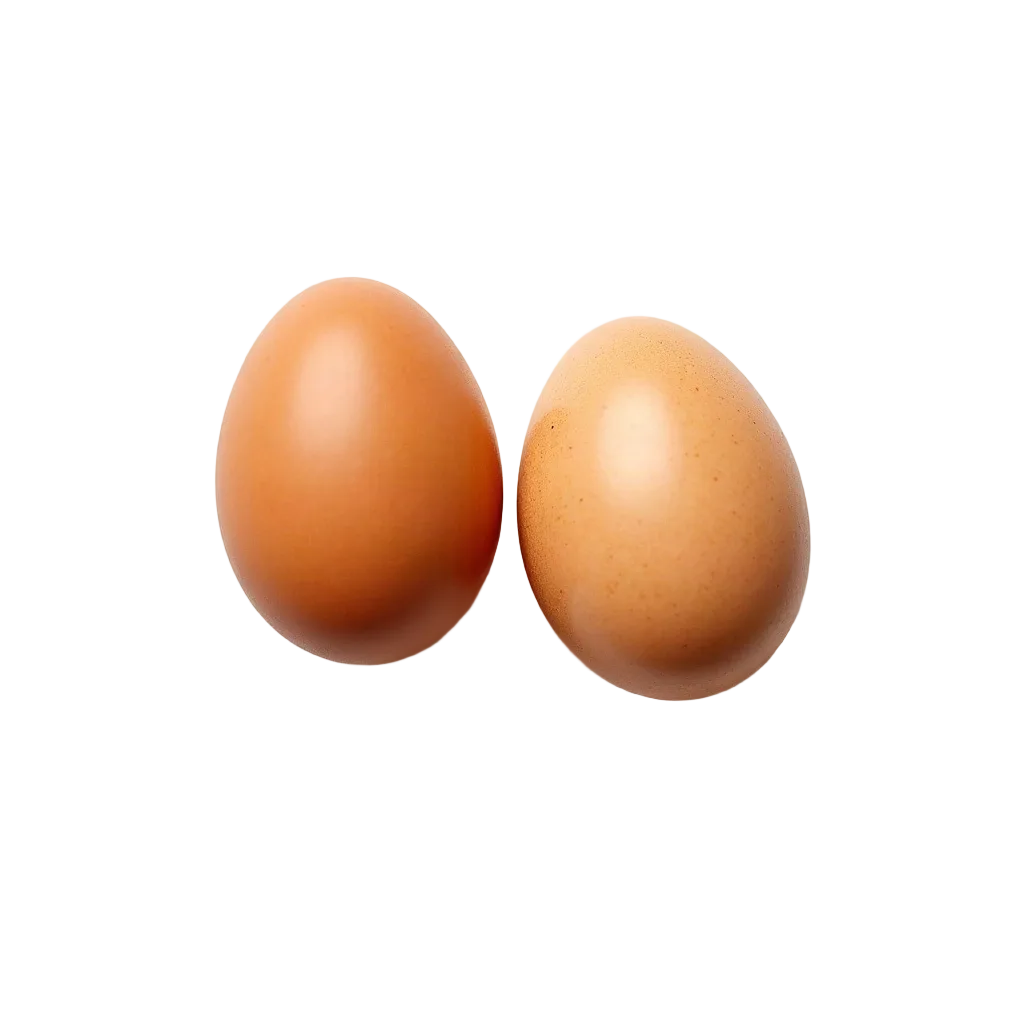 EggWhite 62 °C · yolk 65 °C
Be
EggWhite 62 °C · yolk 65 °C
Be
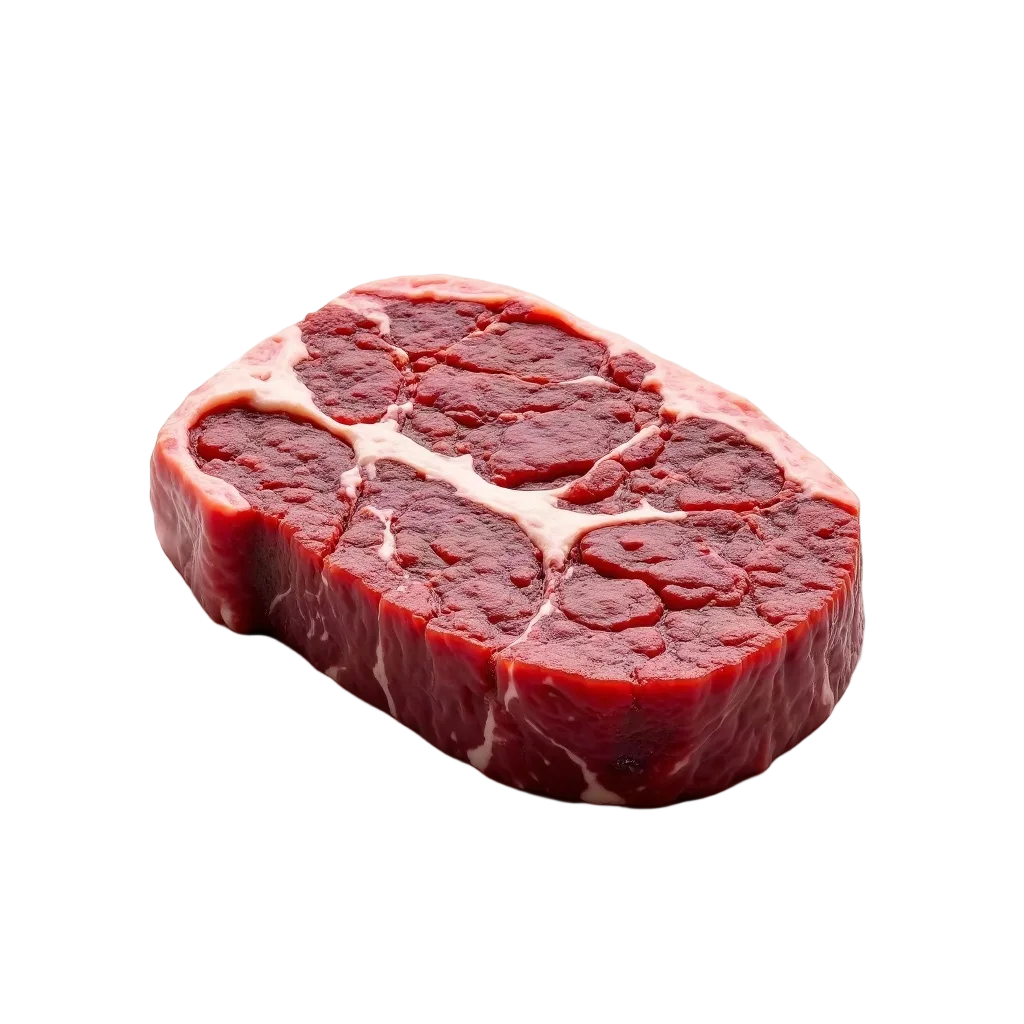 Red meatMedium 57 °C · collagen melts at 68 °C
Ch
Red meatMedium 57 °C · collagen melts at 68 °C
Ch
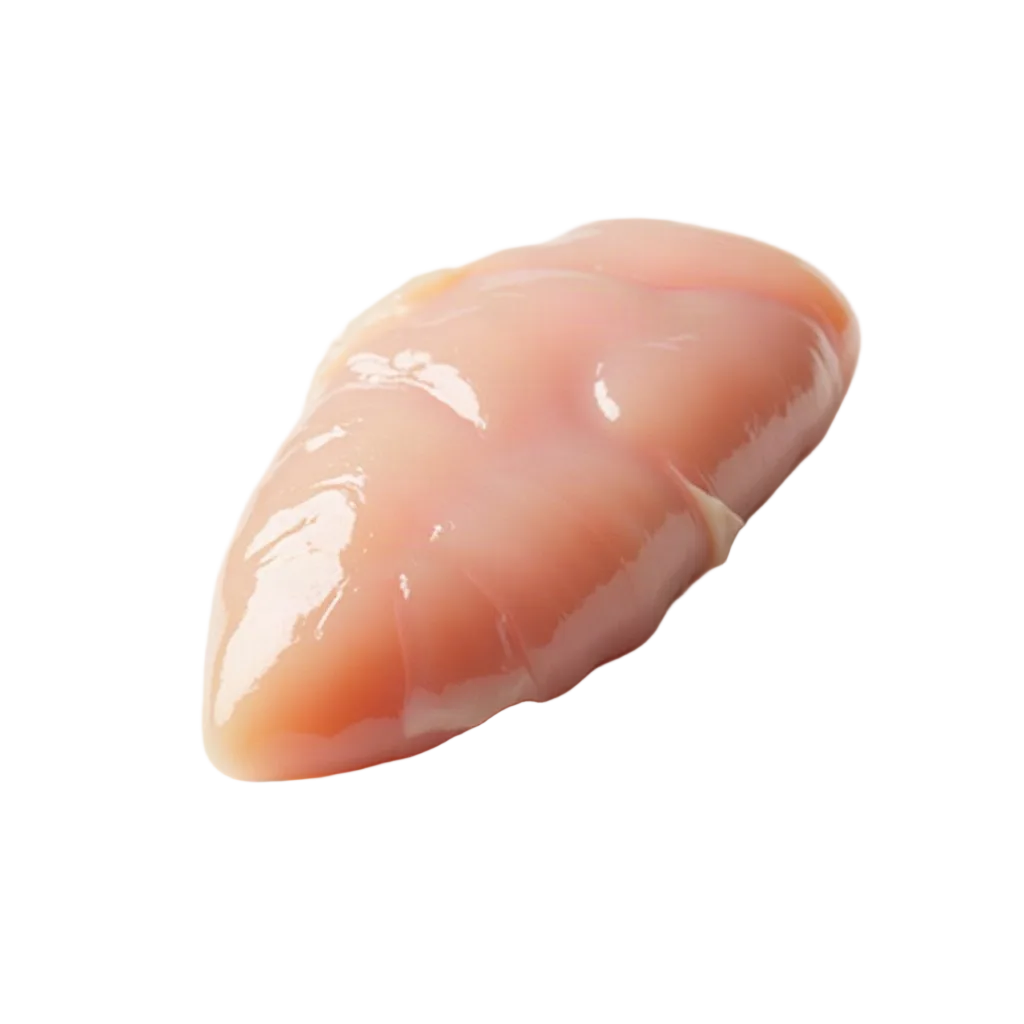 ChickenSafe internal temperature 74 °C
Fi
ChickenSafe internal temperature 74 °C
Fi
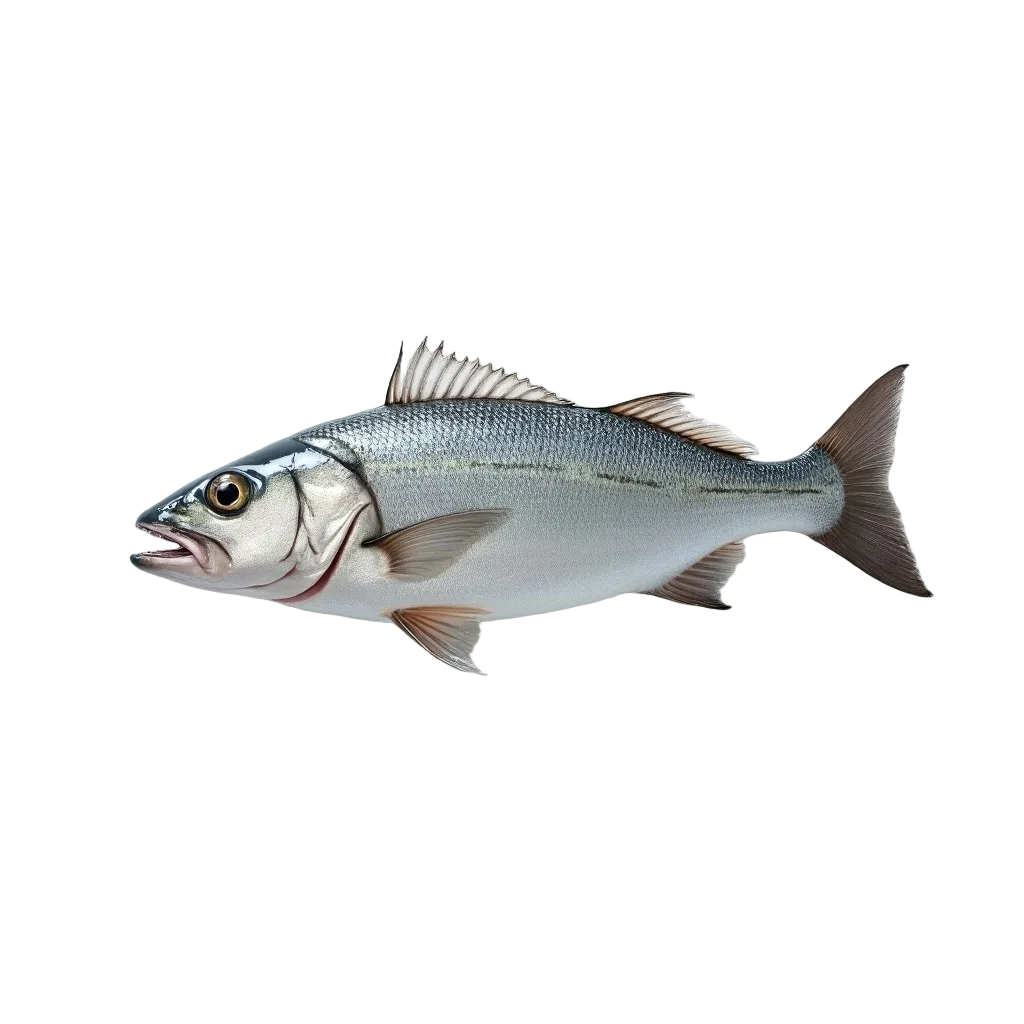 FishSets at 50–55 °C · dries fast
Ln
FishSets at 50–55 °C · dries fast
Ln
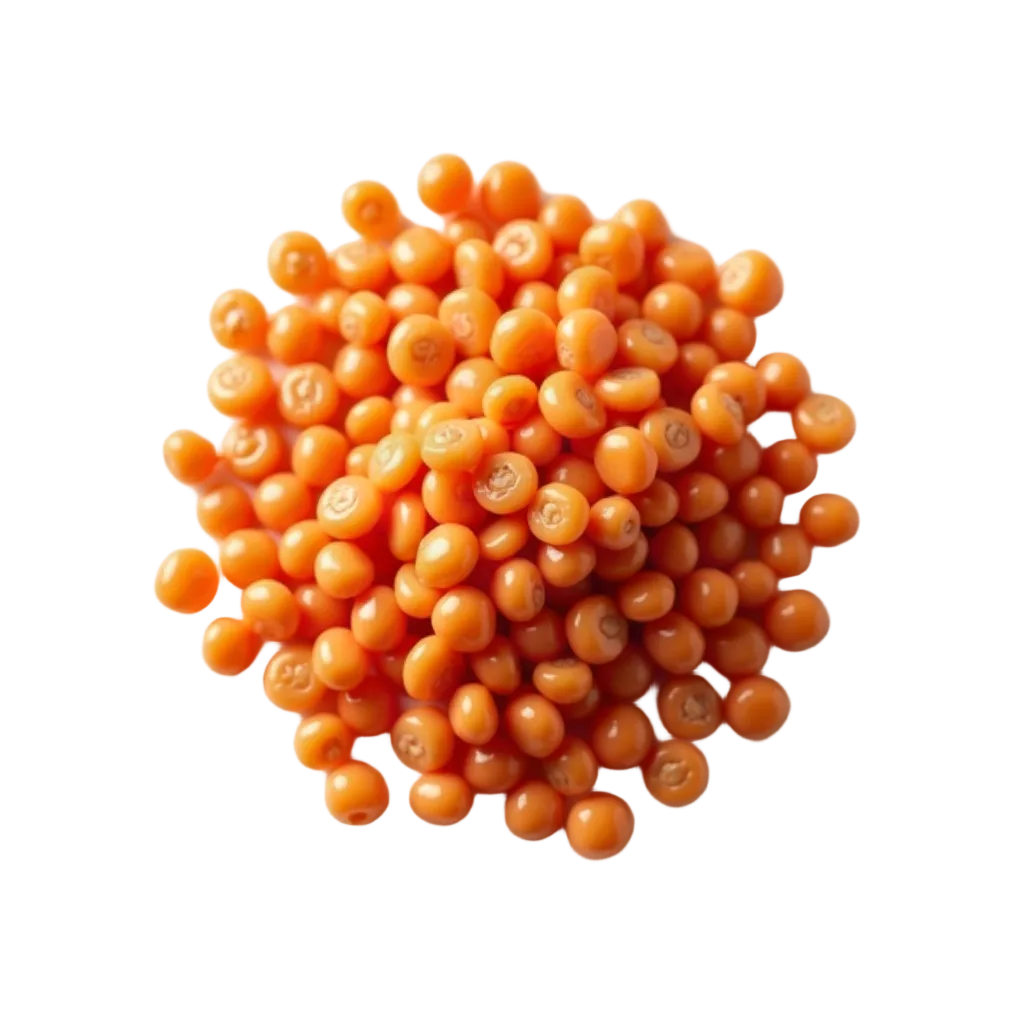 LentilProtein 25% · breaks down in 20 min
Ck
LentilProtein 25% · breaks down in 20 min
Ck
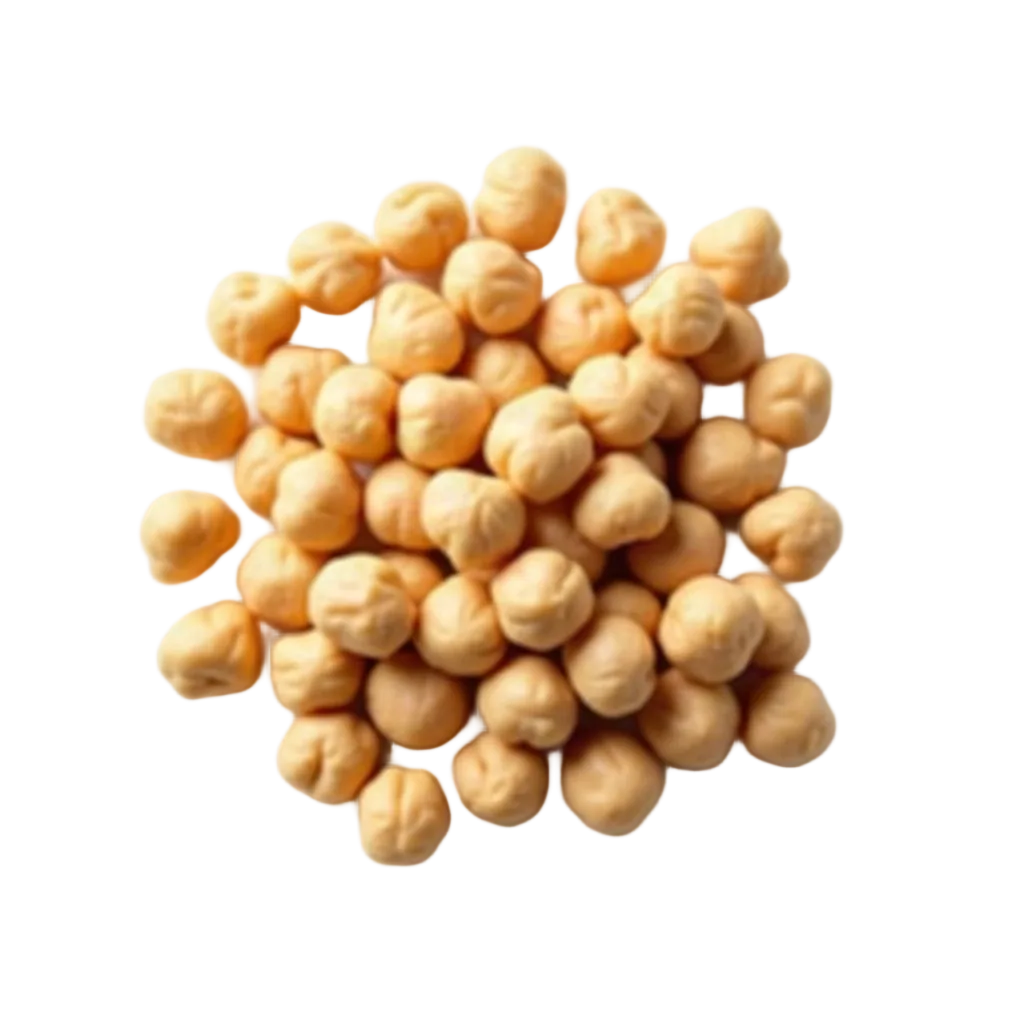 ChickpeaProtein 19% · skin dissolves in alkaline water
Bar
ChickpeaProtein 19% · skin dissolves in alkaline water
Bar
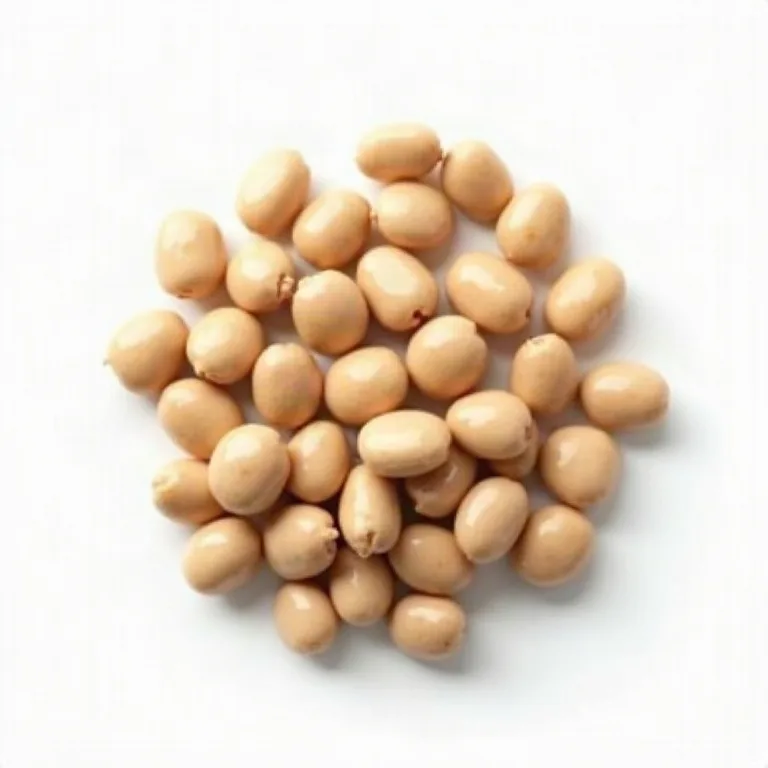 Borlotti beans (dry)23% protein · 335 kcal
Kf
Borlotti beans (dry)23% protein · 335 kcal
Kf
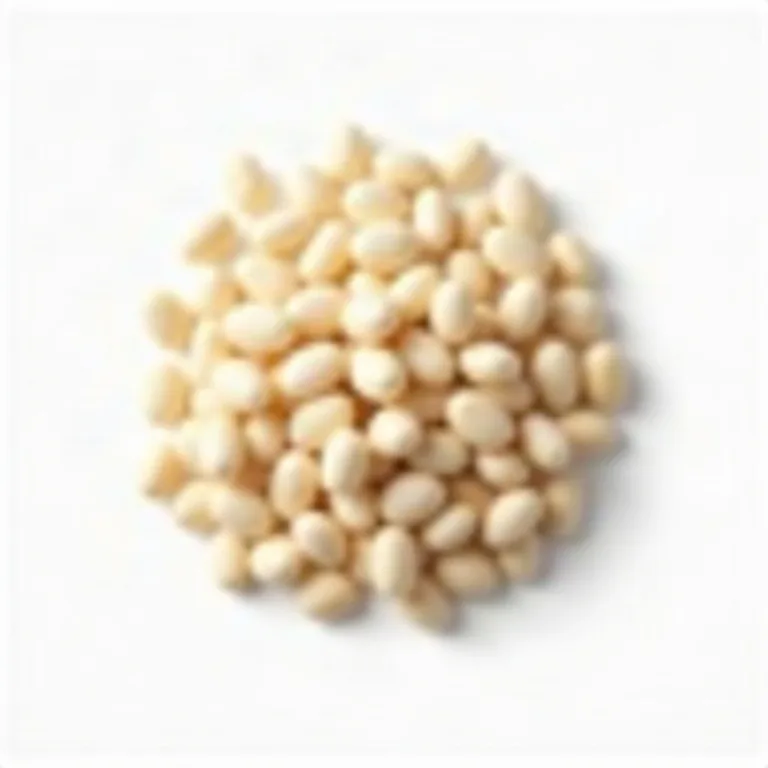 White beans (dry)23.4% protein · 333 kcal
Bo
White beans (dry)23.4% protein · 333 kcal
Bo
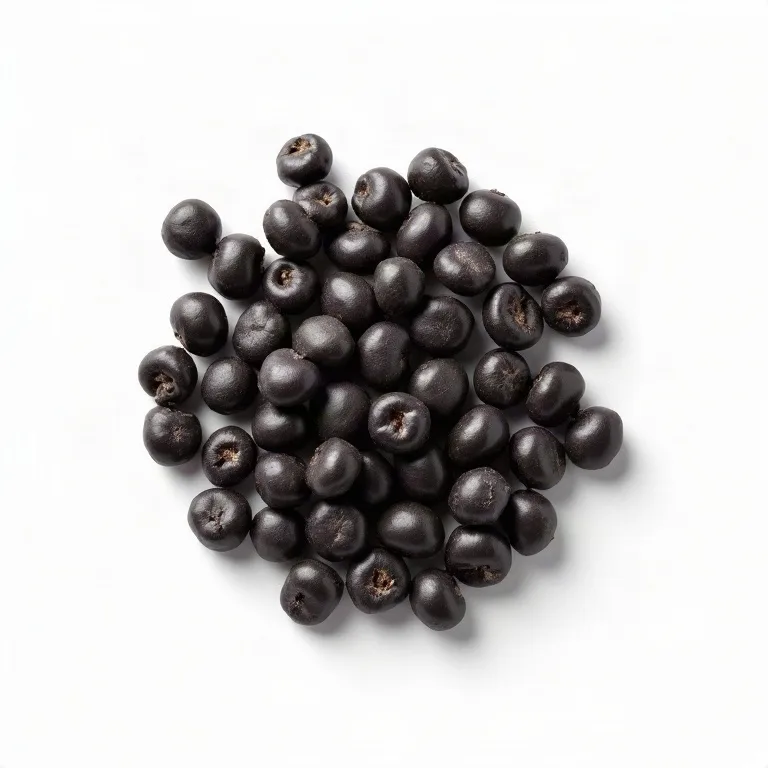 Black-eyed peas (dry)23.5% protein · 336 kcal
Ym
Black-eyed peas (dry)23.5% protein · 336 kcal
Ym
 Green lentils (dry)24.6% protein · 352 kcal
Kz
Green lentils (dry)24.6% protein · 352 kcal
Kz
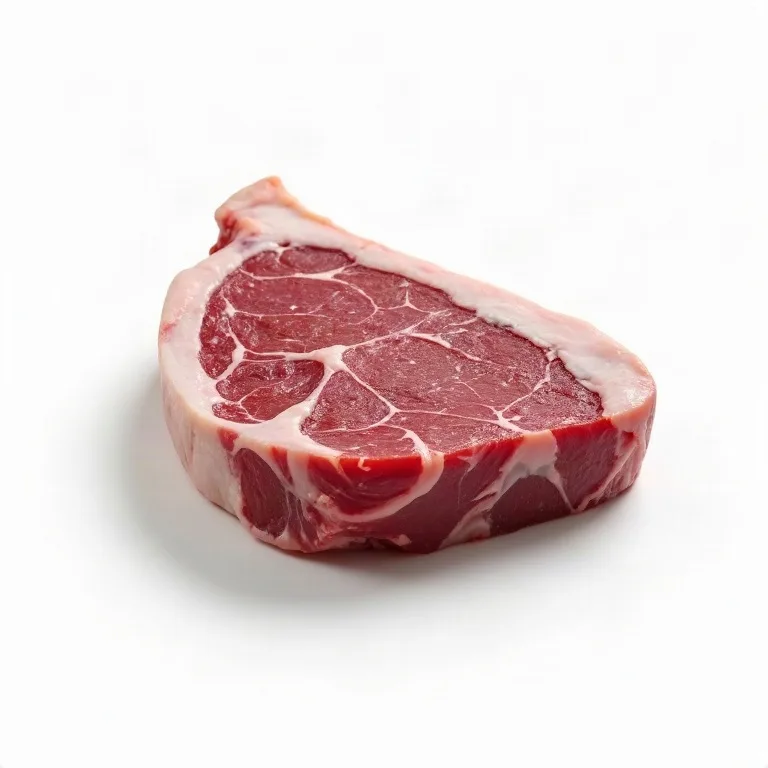 Lamb16.9% protein · 267 kcal
Kuz
Lamb16.9% protein · 267 kcal
Kuz
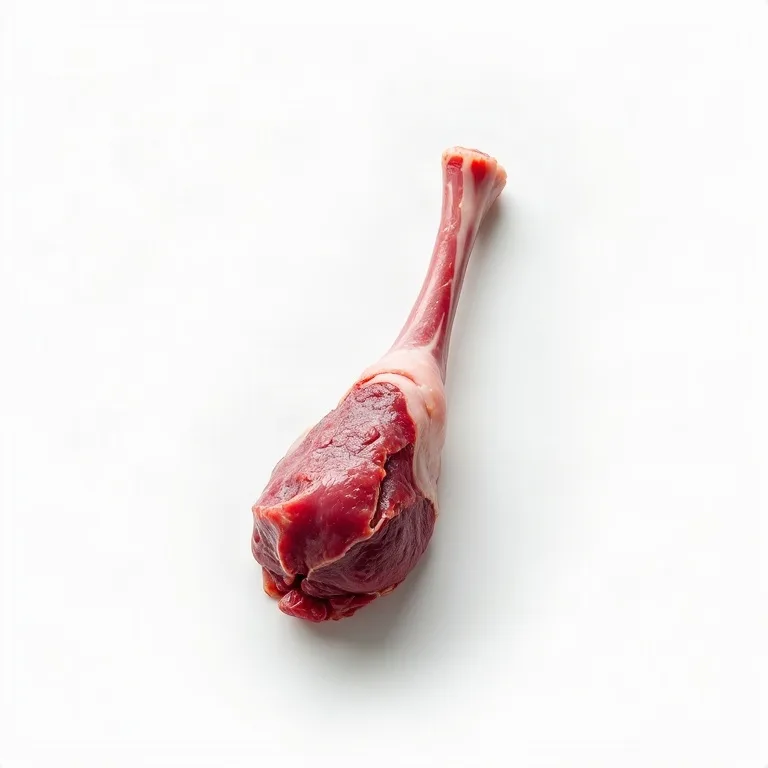 Lamb foreshank18.9% protein · 201 kcal
Dk
Lamb foreshank18.9% protein · 201 kcal
Dk
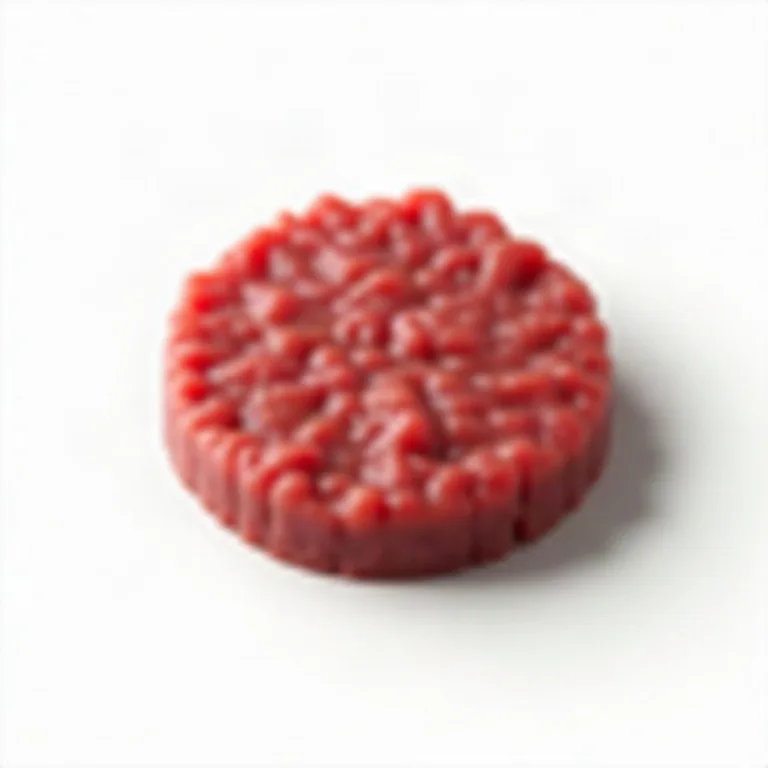 Beef mince (15% fat)18.6% protein · 215 kcal
Tb
Beef mince (15% fat)18.6% protein · 215 kcal
Tb
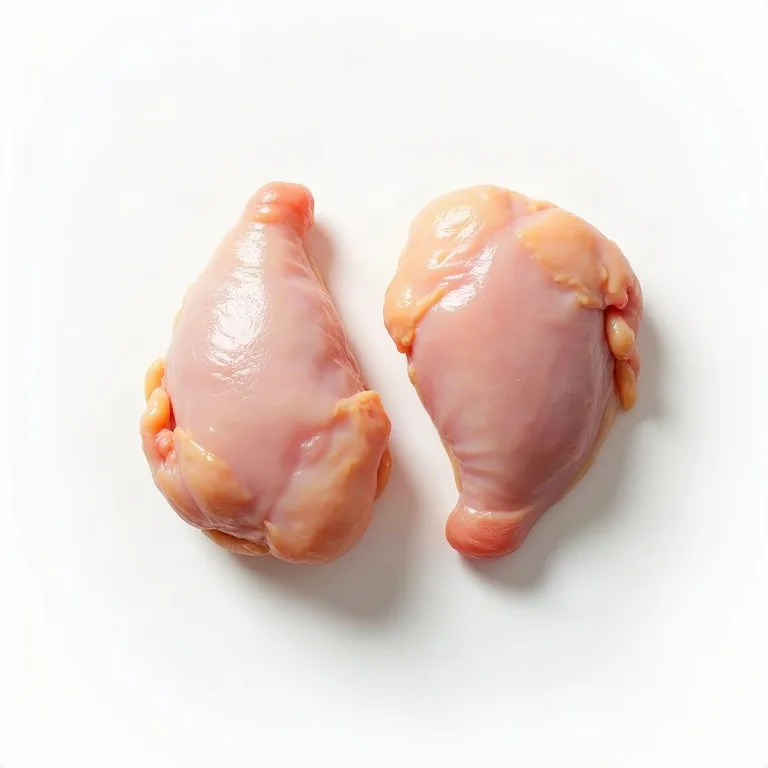 Chicken thigh (skin on)16.5% protein · 221 kcal
He
Chicken thigh (skin on)16.5% protein · 221 kcal
He
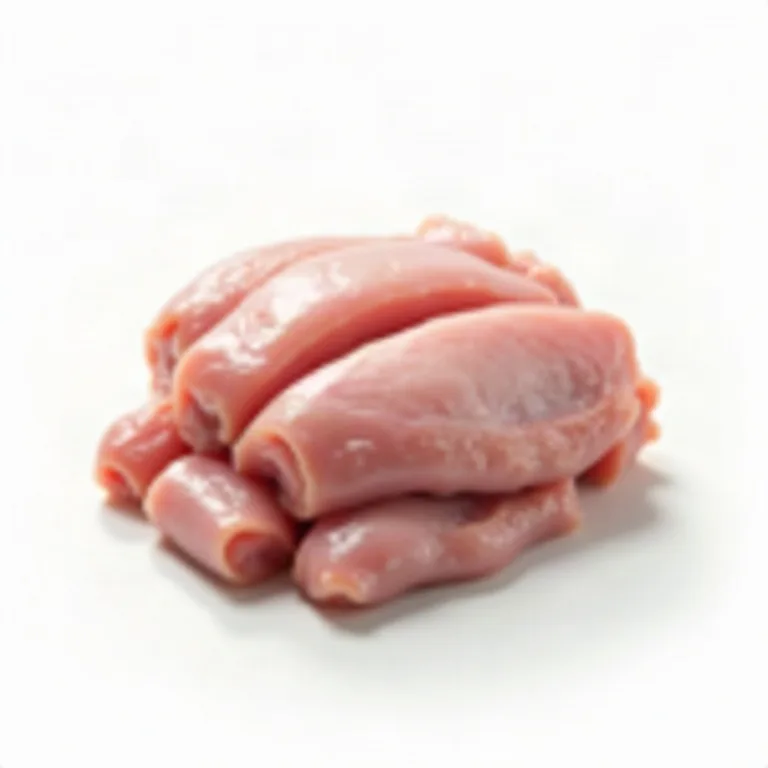 Turkey meat (skinless)22.6% protein · 115 kcal
Ds
Turkey meat (skinless)22.6% protein · 115 kcal
Ds
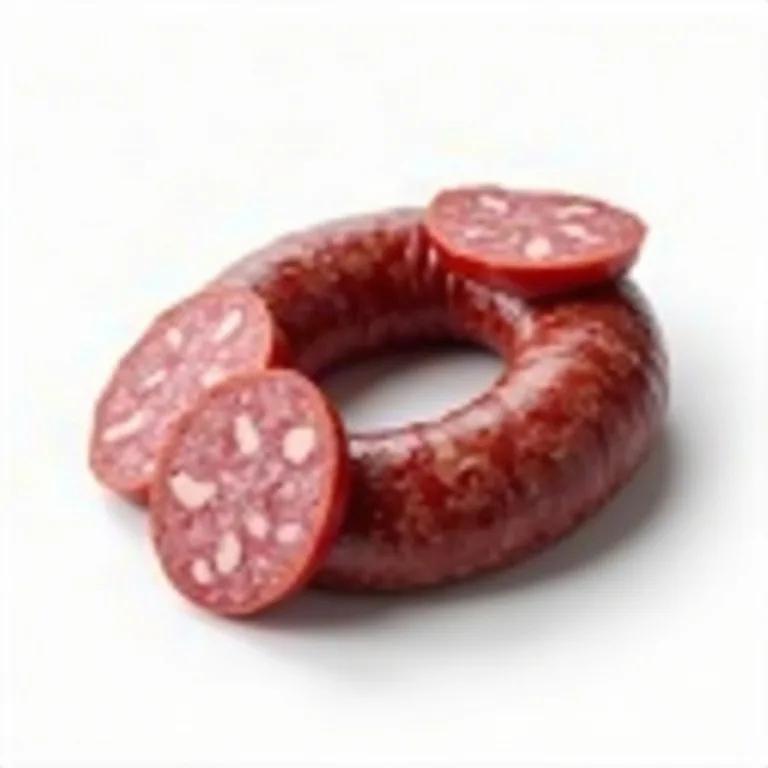 Beef sucuk23.8% protein · 454 kcal
Ps
Beef sucuk23.8% protein · 454 kcal
Ps
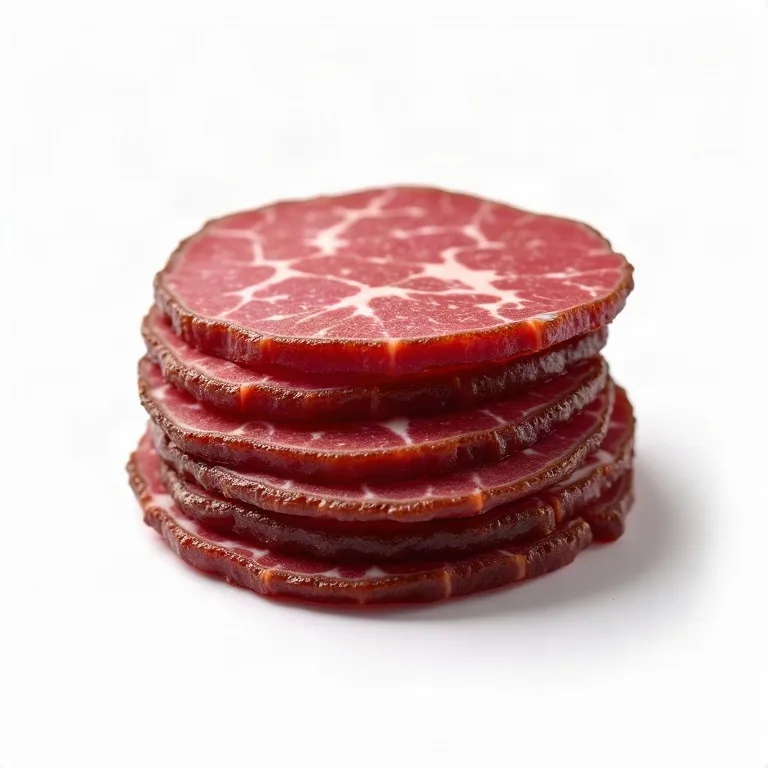 Pastırma cured beef28.6% protein · 252 kcal
Di
Pastırma cured beef28.6% protein · 252 kcal
Di
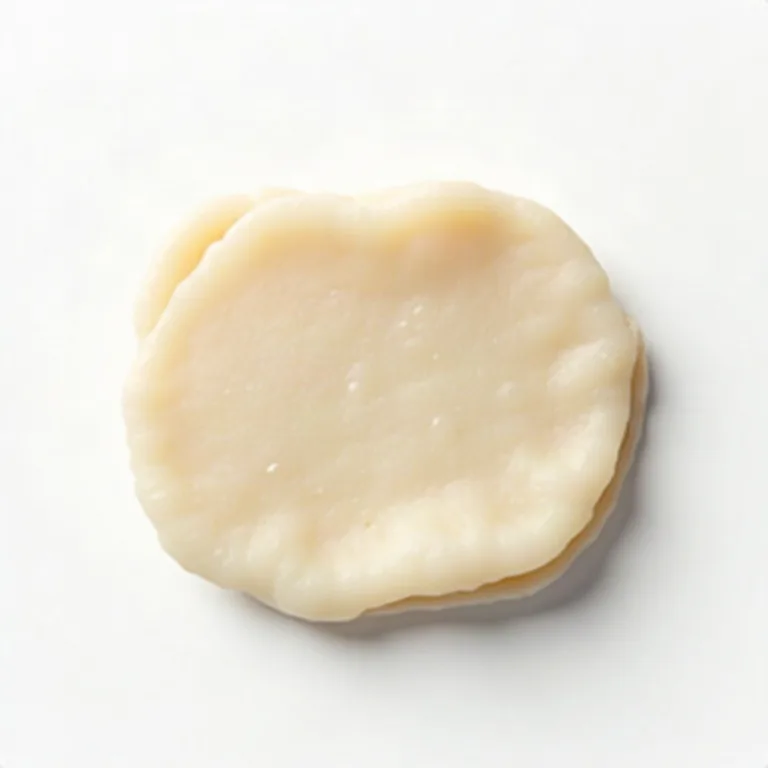 Beef tripe12.1% protein · 85 kcal
Kp
Beef tripe12.1% protein · 85 kcal
Kp
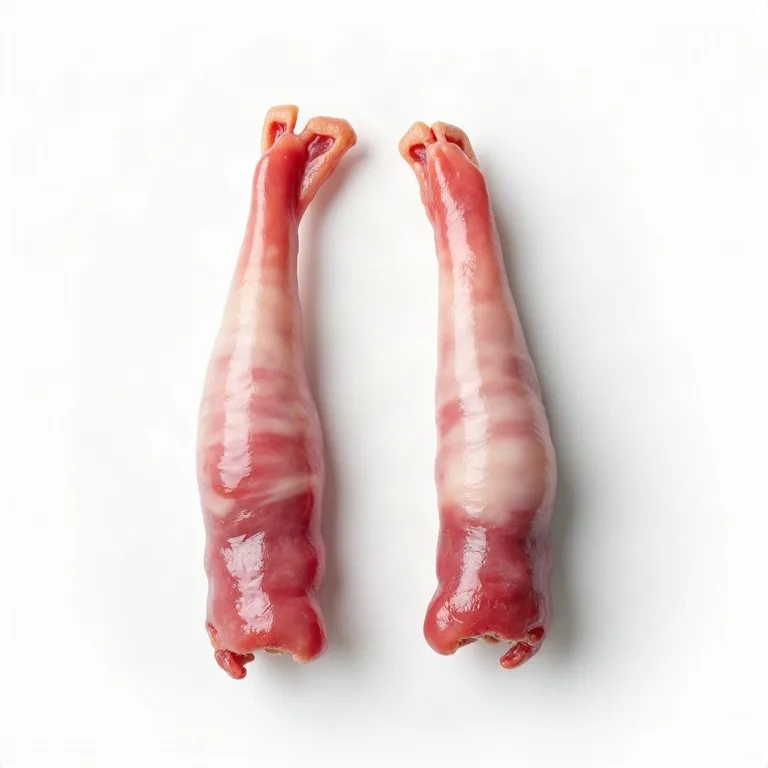 Lamb trotters?
Mm
Lamb trotters?
Mm
 Sheep intestine?
Ha
Sheep intestine?
Ha
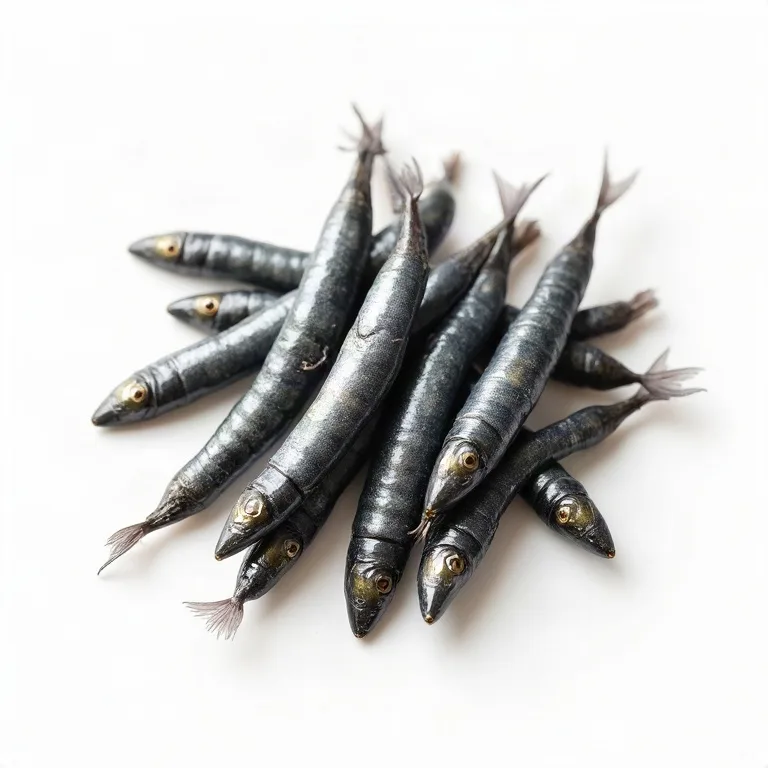 European anchovy20.4% protein · 131 kcal
Lv
European anchovy20.4% protein · 131 kcal
Lv
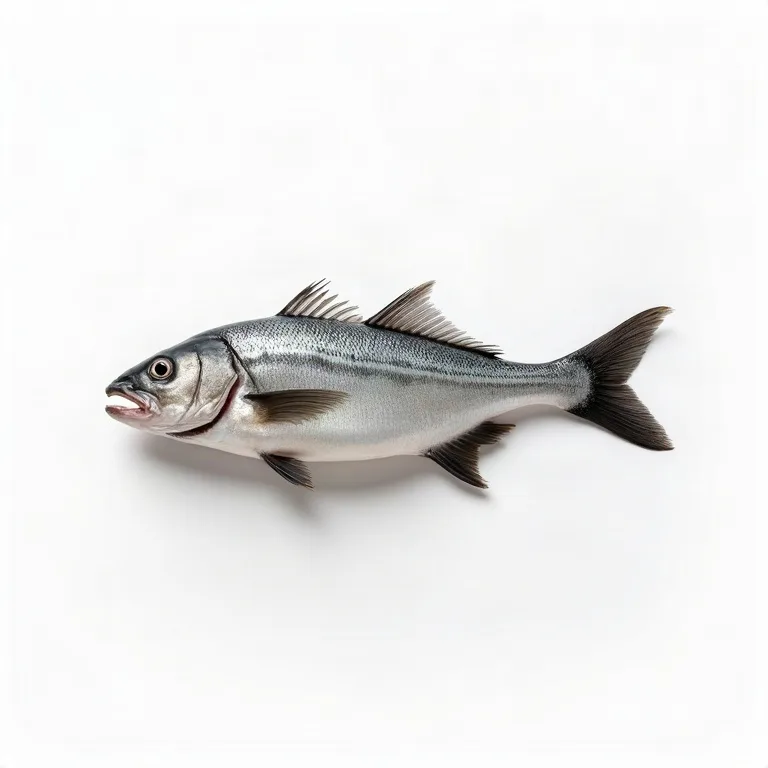 European sea bass19.5% protein · 128 kcal
Cp
European sea bass19.5% protein · 128 kcal
Cp
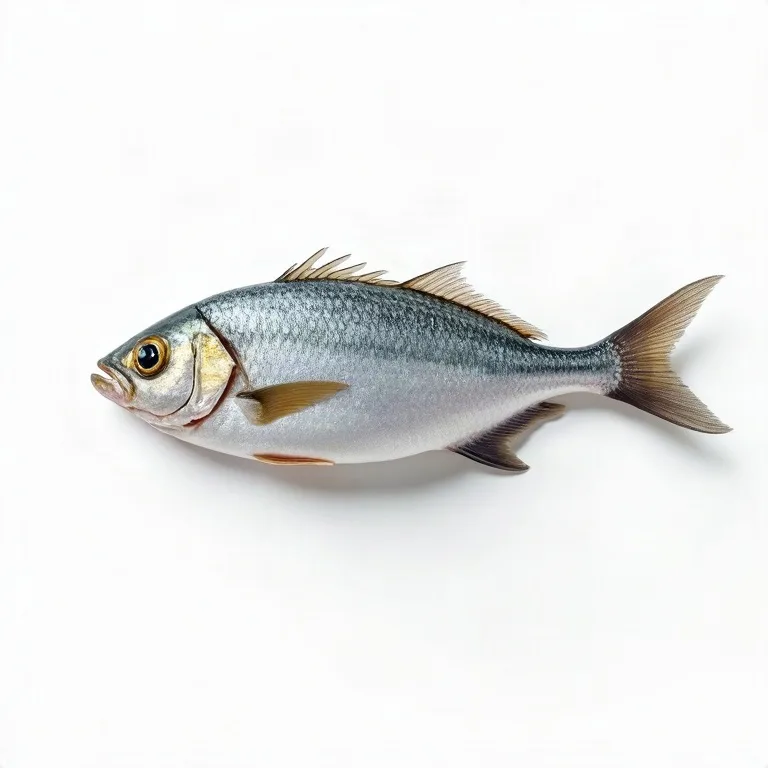 Gilthead sea bream19.1% protein · 130 kcal
Pl
Gilthead sea bream19.1% protein · 130 kcal
Pl
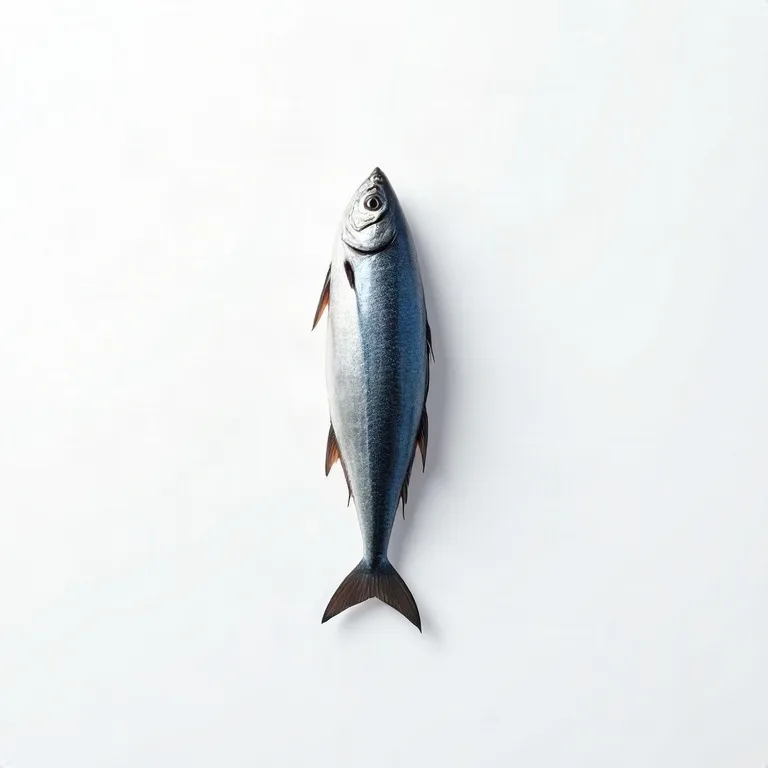 Atlantic bonito20.2% protein · 216 kcal
Md
Atlantic bonito20.2% protein · 216 kcal
Md
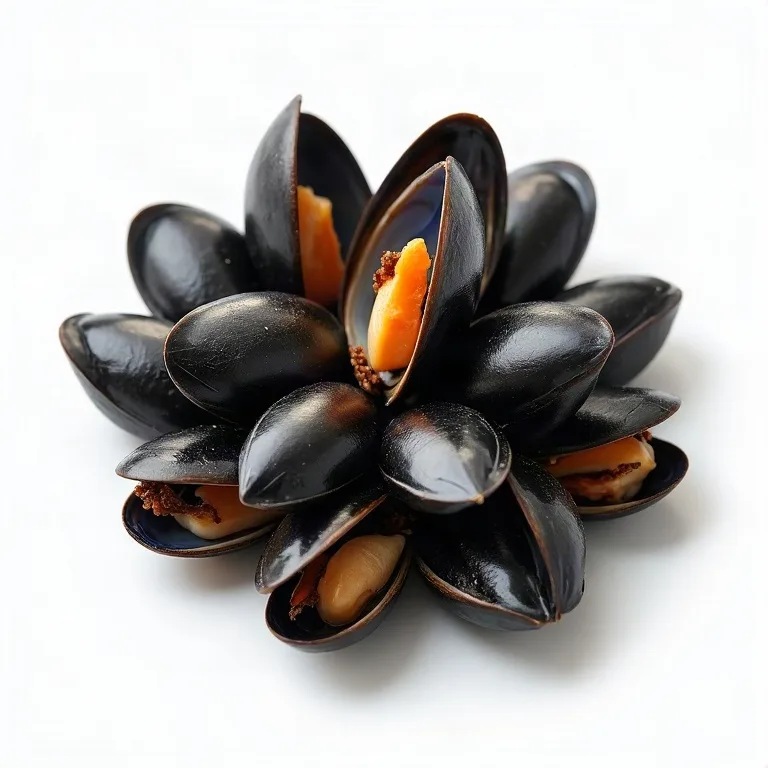 Mussels (raw meat)11.9% protein · 86 kcal
K4
Mussels (raw meat)11.9% protein · 86 kcal
K4
 Fava beans (dry)?
Es
Fava beans (dry)?
Es
 Meat stockCarries gelatine · 4–6 kcal per 100 ml
Nothing matches that.
 Olive oil
  Mint
Mint 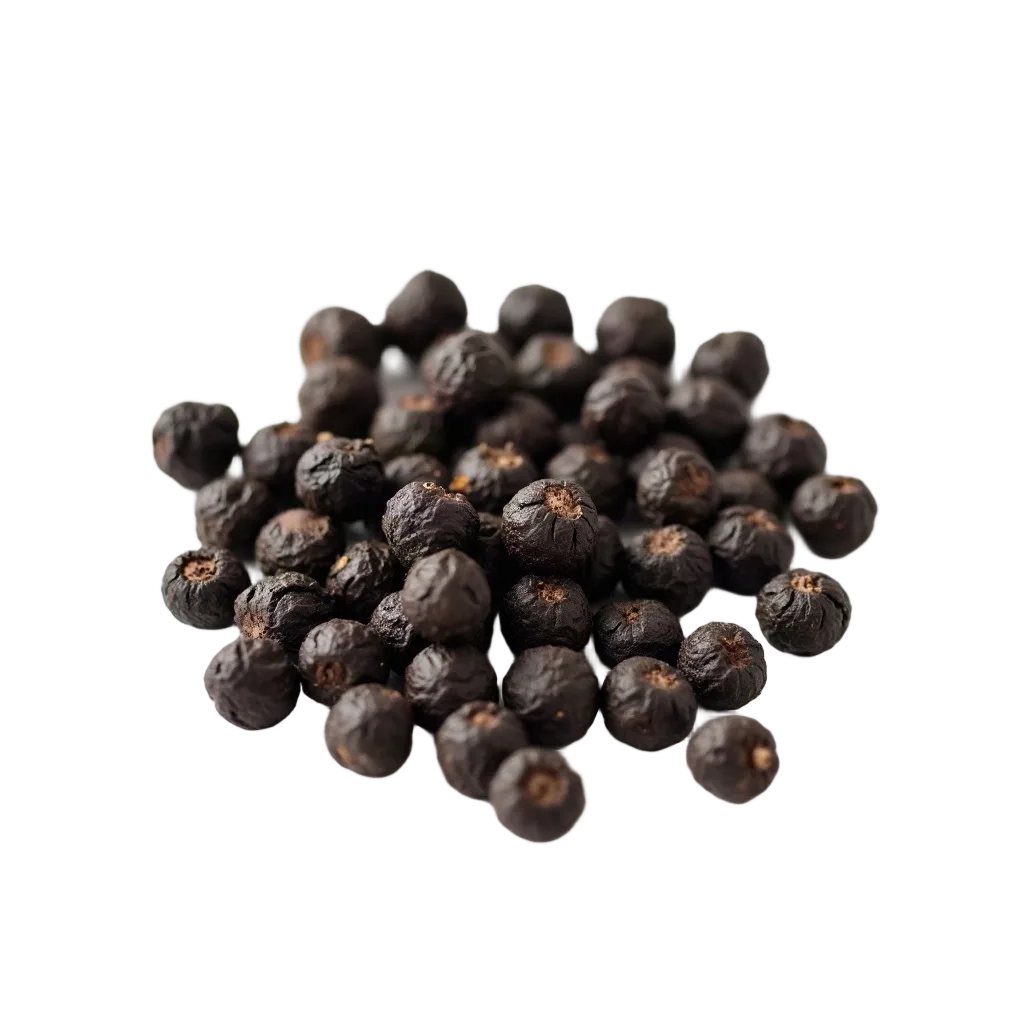 Black pepper
  Flour
Flour  Pepper