
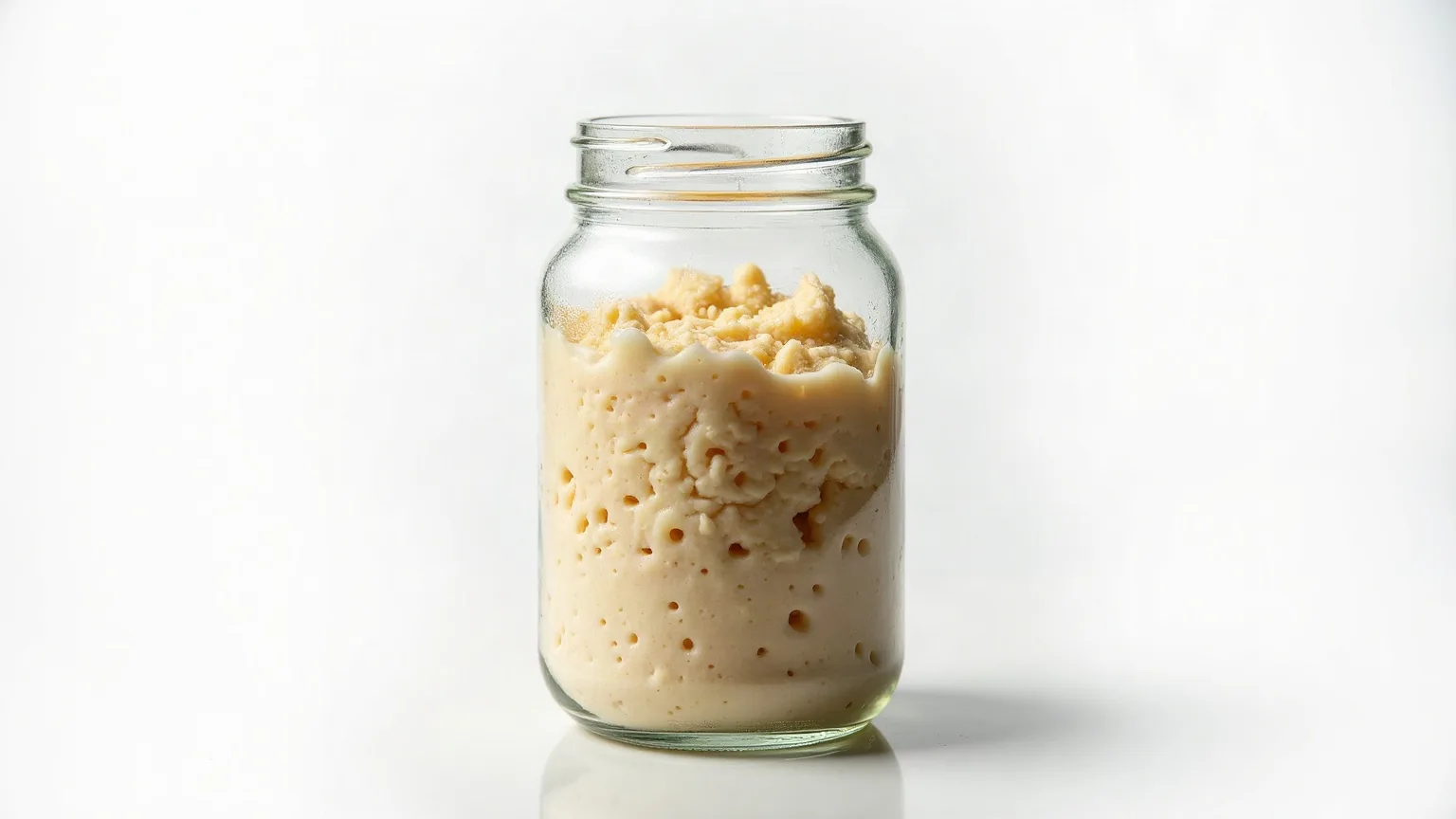
Fermentation
Microbes turn sugar into acid and gas. As the pH falls, flavour deepens and spoilage stops; sourdough and pickles are the same job at different speeds.
The mechanism
Fermentation is not cooking but managing a race. The environment holds both the lactic acid bacteria you want and the organisms that rot things; the whole technique is giving the first group an advantage. Salt does that: 2–3% stops most spoilers without slowing the lactic bacteria. As they convert sugar into lactic acid the pH falls, and below 4.6 pathogens including Clostridium botulinum can no longer multiply — which makes 4.6 a safety threshold rather than a matter of taste. Oxygen is the enemy: moulds and film yeasts work at the surface with air, so keeping everything under the brine is not a tip, it is the technique.
The thresholds that define it
“Medium heat” is not a technique. Every line below is a point where something starts or stops.
- pH 4,6 The safety line. Below it pathogens cannot grow — the real measure of a pickle.
- %2–3 tuz Brine strength. Below it things soften and mould; above it the lactic bacteria stall too.
- 18–22 °C Best for pickles and cabbage. Warmer is faster but softer; cooler is slower but crisper.
- 24–28 °C Sourdough. Here the lactic bacteria and wild yeast stay in balance.
- 42–45 °C Yoghurt culture works fastest here: it dies at 50 °C and stalls below 35 °C.
How to read it by hand
You read it with three senses. Bubbles: fine bubbles should reach the surface within 48 hours; if not, it is too cold or too salty. Smell: a clean, sharp sourness — yeasty or acetone notes mean air is getting in. Cloudiness: milky brine is normal, that is the bacteria themselves. A pickle is ready the moment the sourness overtakes the salt.
The three mistakes people make
01 A white film formed on the surface ⌄
Why
Kahm yeast, which grows wherever the surface meets air. Harmless, but it flattens the flavour and lowers the acidity.
What to do
Skim it off and weigh everything back under the brine. But a fuzzy, pink or green patch means the whole jar goes: mould roots below the surface.
02 The pickles went soft ⌄
Why
Low salt or a warm room: the vegetable’s own pectinase and some bacteria broke the pectin down.
What to do
Take the salt to 3% and move the jar somewhere cool. A vine or cherry leaf in the brine genuinely helps: its tannins inhibit the enzyme.
03 Weeks on, and it has not soured ⌄
Why
Too much salt or too cold a room has stalled the lactic bacteria as well. Chlorinated water suppresses the culture too.
What to do
Dilute the brine to 2%, move the jar to 18–22 °C, and leave the water out overnight to let the chlorine go.
Where it comes from
Fermentation is a founding technique of Turkish cooking. Yoghurt was made by Turks in Central Asia and the word itself is Turkish, from *yoğurmak*, to knead. Tarhana is one of its cleverest forms: yoghurt, flour and vegetables fermented together and then dried, so acidity and dryness preserve at once — this was how a winter was survived before refrigeration. Pickles, şalgam, boza and vinegar belong to the same family. Their shared logic is this: the most reliable way to stop food spoiling is to spoil it yourself first, with the right organism.
Dishes cooked this way
Tarhana
A winter store made by fermenting, drying and milling a dough of flour, yoghurt, vegetables and spices. One of the few doubly fermented cereal-dairy c…
Kefir
A tangy, slightly effervescent fermented milk drink made with kefir grains — cauliflower-like living granules of bacteria and yeasts in a polysacchari…
Giving the heat another way
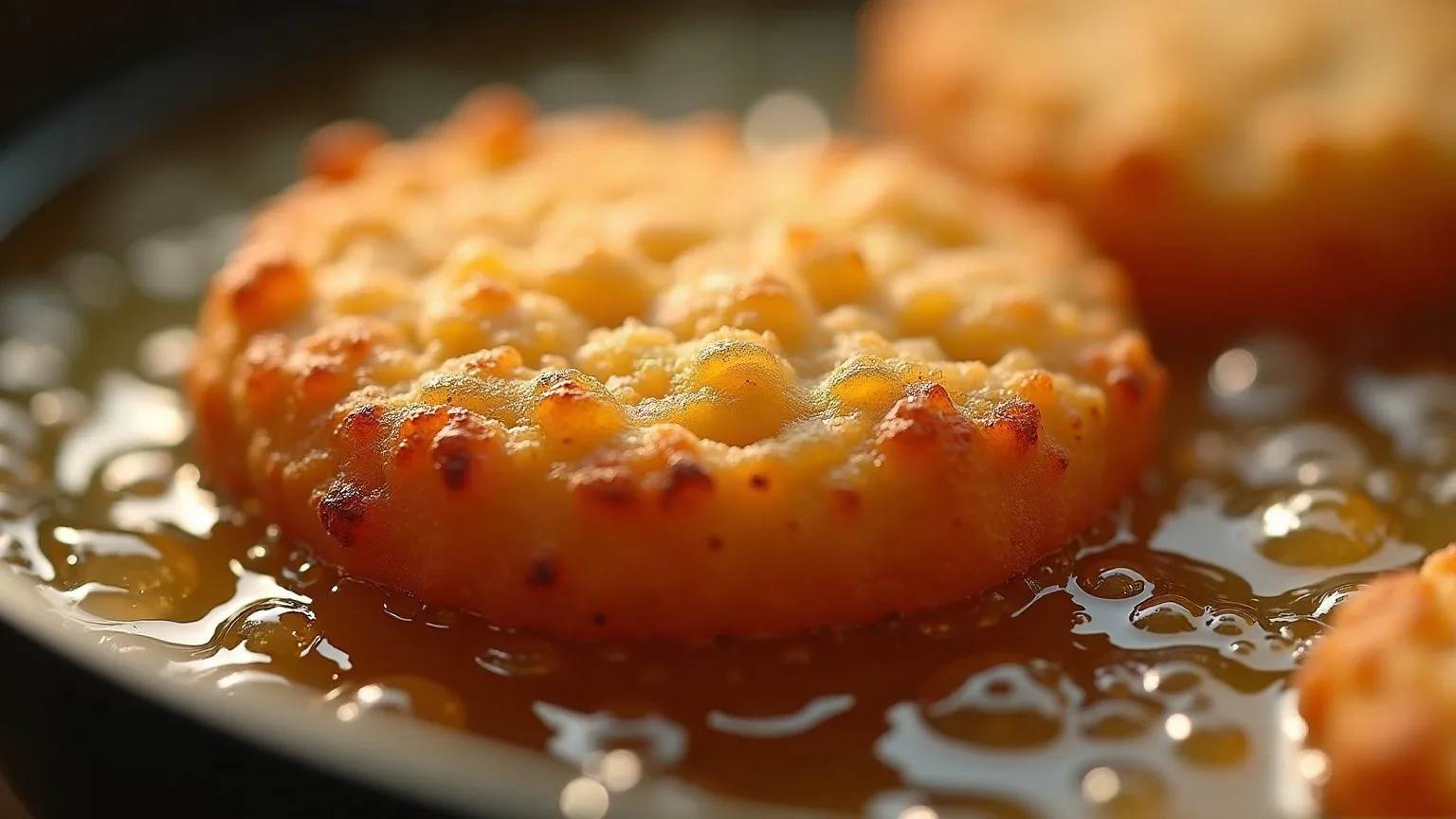
Deep frying
Surface water flashes to steam and pushes outward — that is the shield keeping oil out. Cold oil never builds it, and the food drinks the fat instead.
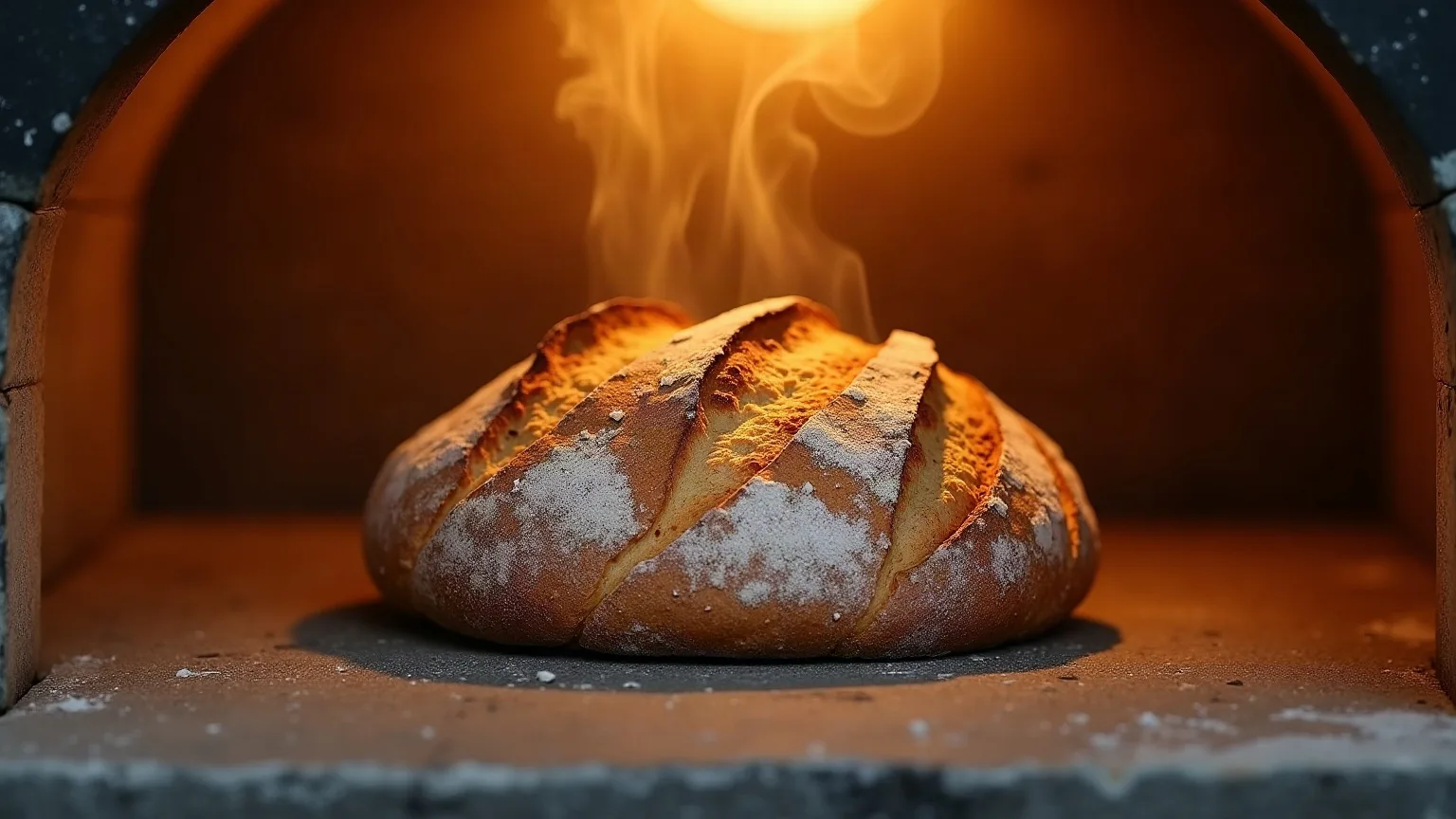
The oven
Air carries heat badly, so a 200 °C oven does not make 200 °C food. The inside stays where water boils, at 100 °C.
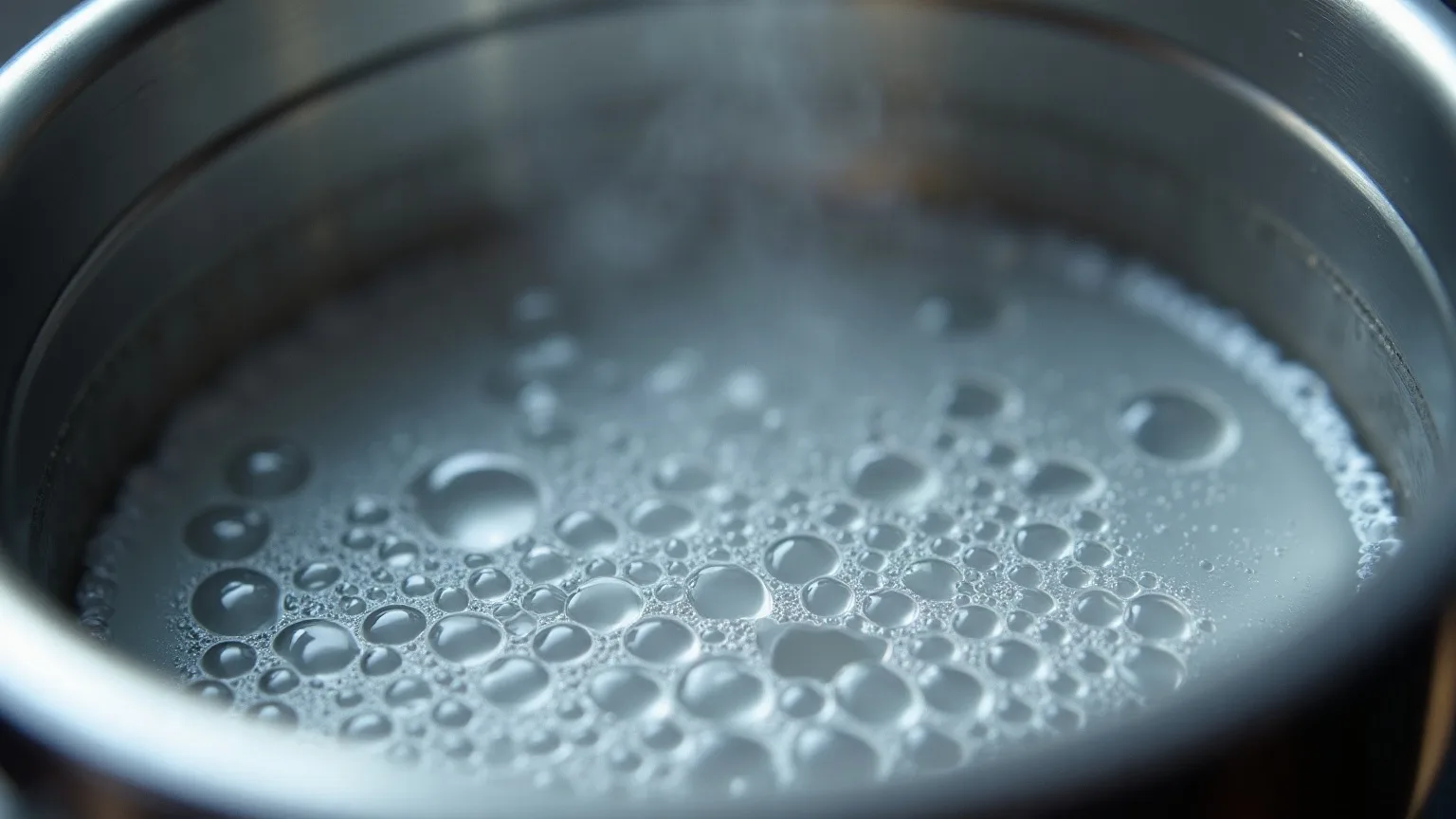
Boiling & poaching
Water cannot pass 100 °C, so turning the flame up changes nothing. Boiling is set by time and salt, not by temperature.