
Churning
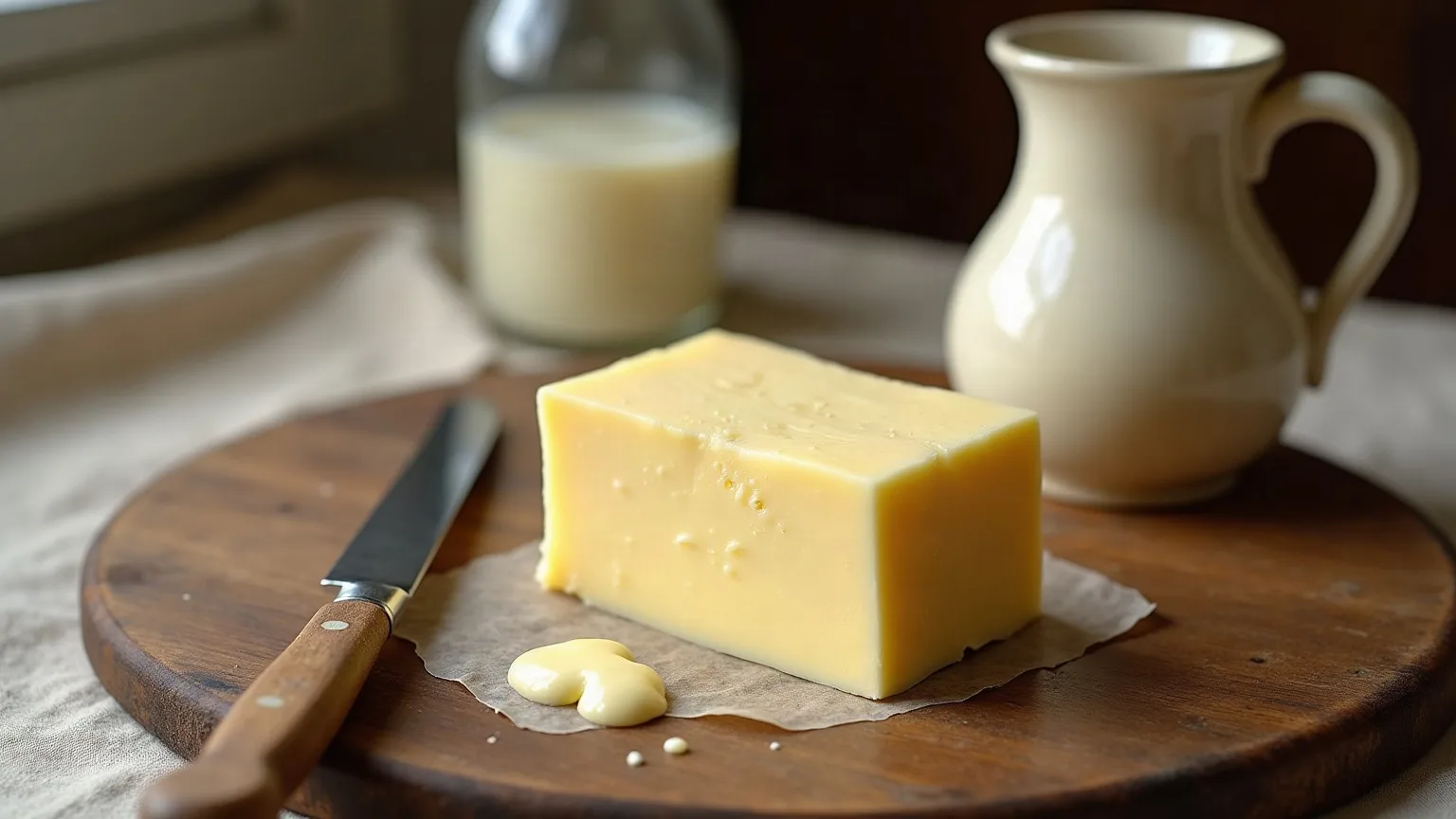
Shaking yoghurt or cream until the fat separates. Two products come out of it and both are the point: butter, and the buttermilk left behind.
The mechanism
The fat in milk hangs in droplets, each wrapped in a membrane. Churning tears those membranes mechanically; the exposed fat sticks to itself, grows, and separates out of the liquid. Temperature decides it: below 10 °C the fat is too solid to join up, above 14 °C it is too soft and turns to ointment.
The thresholds that define it
“Medium heat” is not a technique. Every line below is a point where something starts or stops.
- 10–14 °C The band where the fat joins up. Outside it, it either never gathers or turns to ointment.
- %82 The fat content of butter. Most of the rest is water, and that is what foams when you melt it.
How to read it by hand
The sound changes. The flat slap of churning turns deeper and slower the moment the fat starts gathering, and that is the moment it is done.
The three mistakes people make
01 The fat never gathered, after hours of churning ⌄
Why
Too cold. Below 10 °C the droplets are too solid to coalesce.
What to do
Warm the vessel in tepid water to about 12 °C and carry on.
02 The butter is soft and greasy and will not come together ⌄
Why
Too warm. The fat melted into a continuous phase.
What to do
Move it to iced water, then knead again once firm. Washing matters too: buttermilk left inside turns butter sour within days.
Where it comes from
The churn is one of the oldest tools in nomadic cooking and is still used in Anatolia as a leather skin or a wooden barrel. The part usually missed: the yoghurt set aside for butter is deliberately fermented longer, which is why churn buttermilk is markedly sourer than ordinary ayran. Buttermilk is not a by-product of butter — it is the second product, designed alongside it.
Giving the heat another way
Deep frying
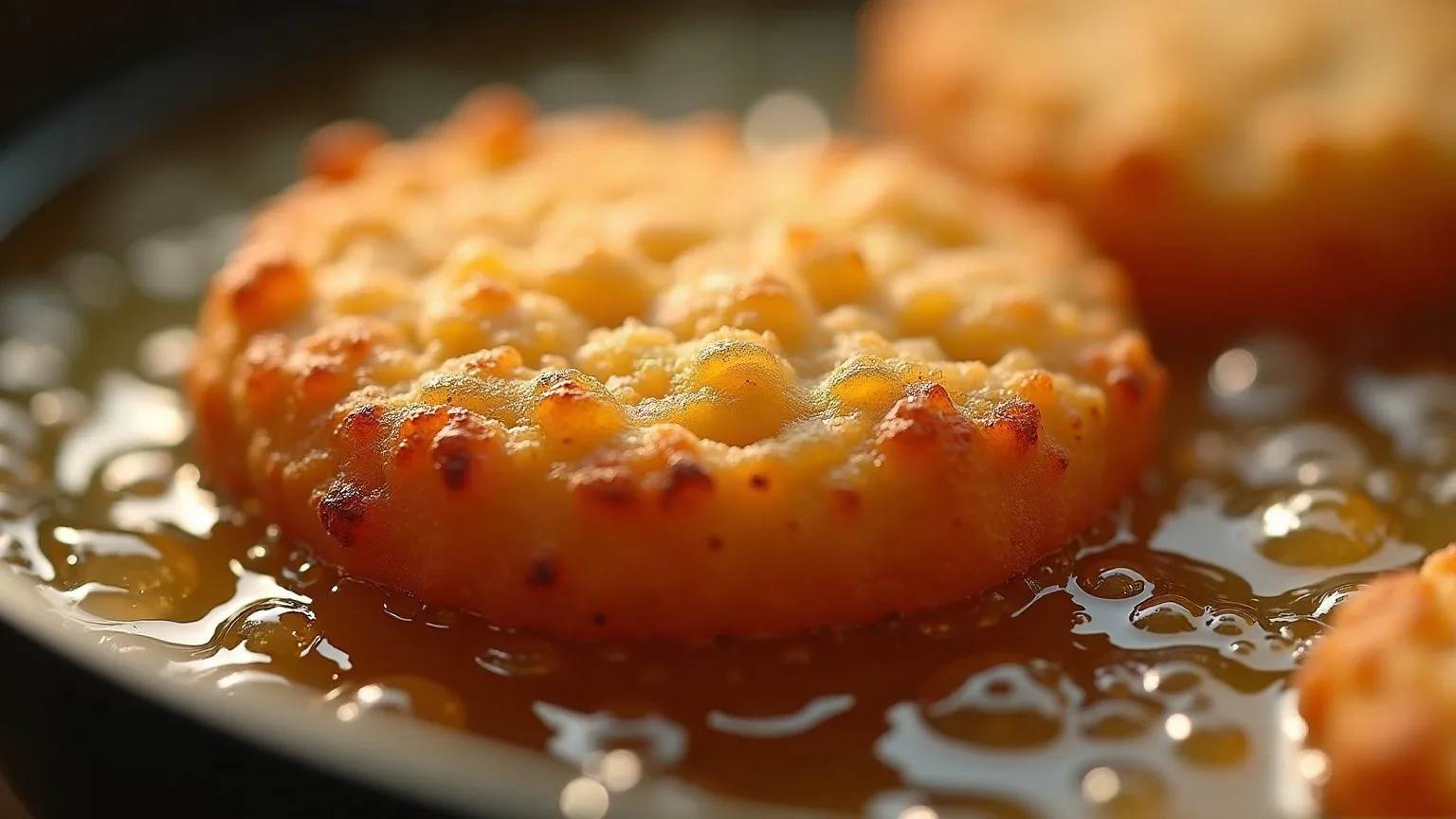
Surface water flashes to steam and pushes outward — that is the shield keeping oil out. Cold oil never builds it, and the food drinks the fat instead.
The oven
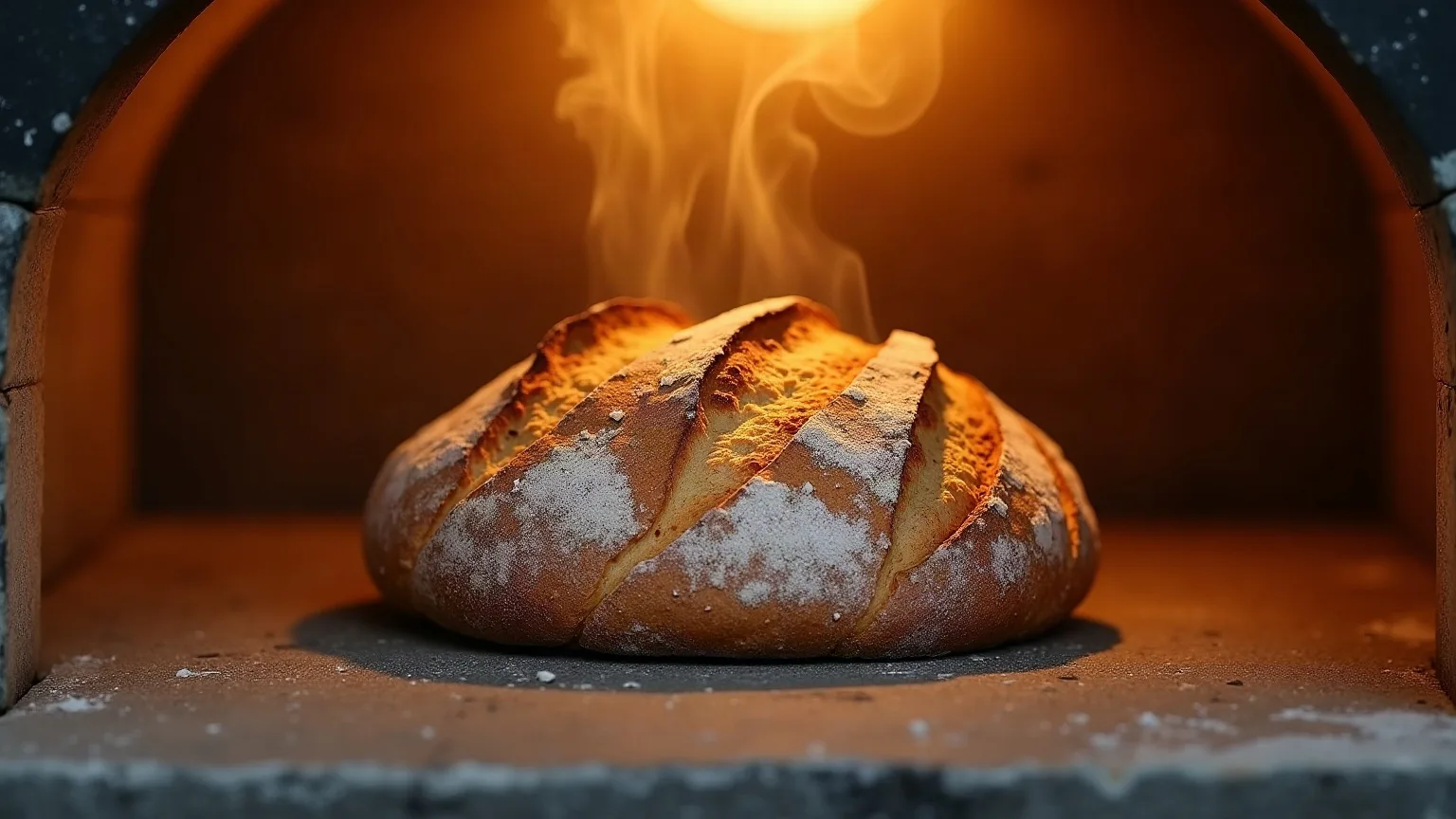
Air carries heat badly, so a 200 °C oven does not make 200 °C food. The inside stays where water boils, at 100 °C.
Boiling & poaching
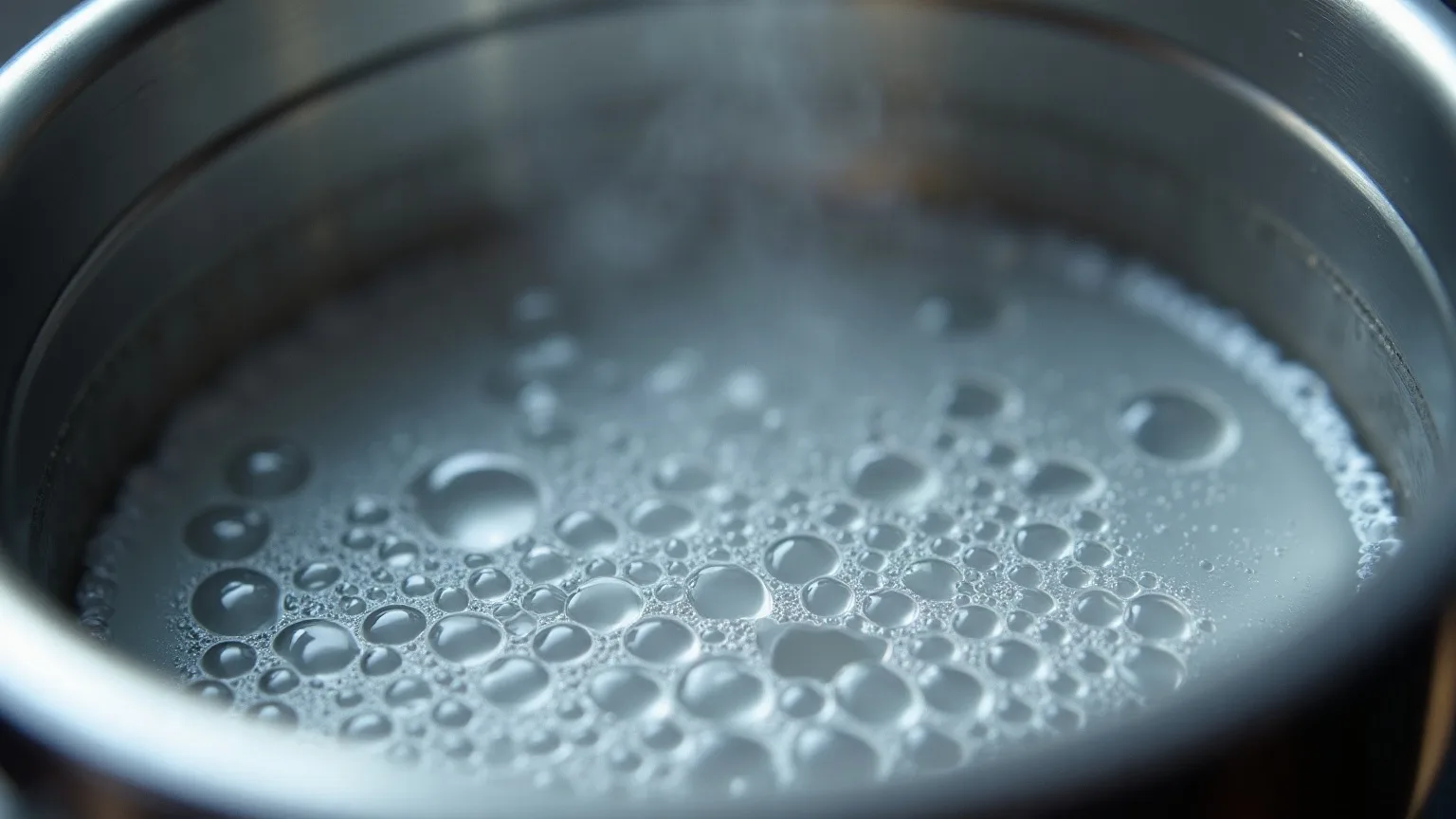
Water cannot pass 100 °C, so turning the flame up changes nothing. Boiling is set by time and salt, not by temperature.