What to cook In the mood Workshop Scenarios Actually easy Techniques Dishes Ingredients Diets Recipes
Home · Ingredients · Sumac
Sumac
Aromatics · Su

Sumac

pH 3.1 · dry acid that adds no water

Per 100 g
320 kcal Energy
5 g Protein
70 g Carbs
7 g Fat
25 g Fibre
Gluten-free

Let’s cook with it → Invent something with it

What it is for

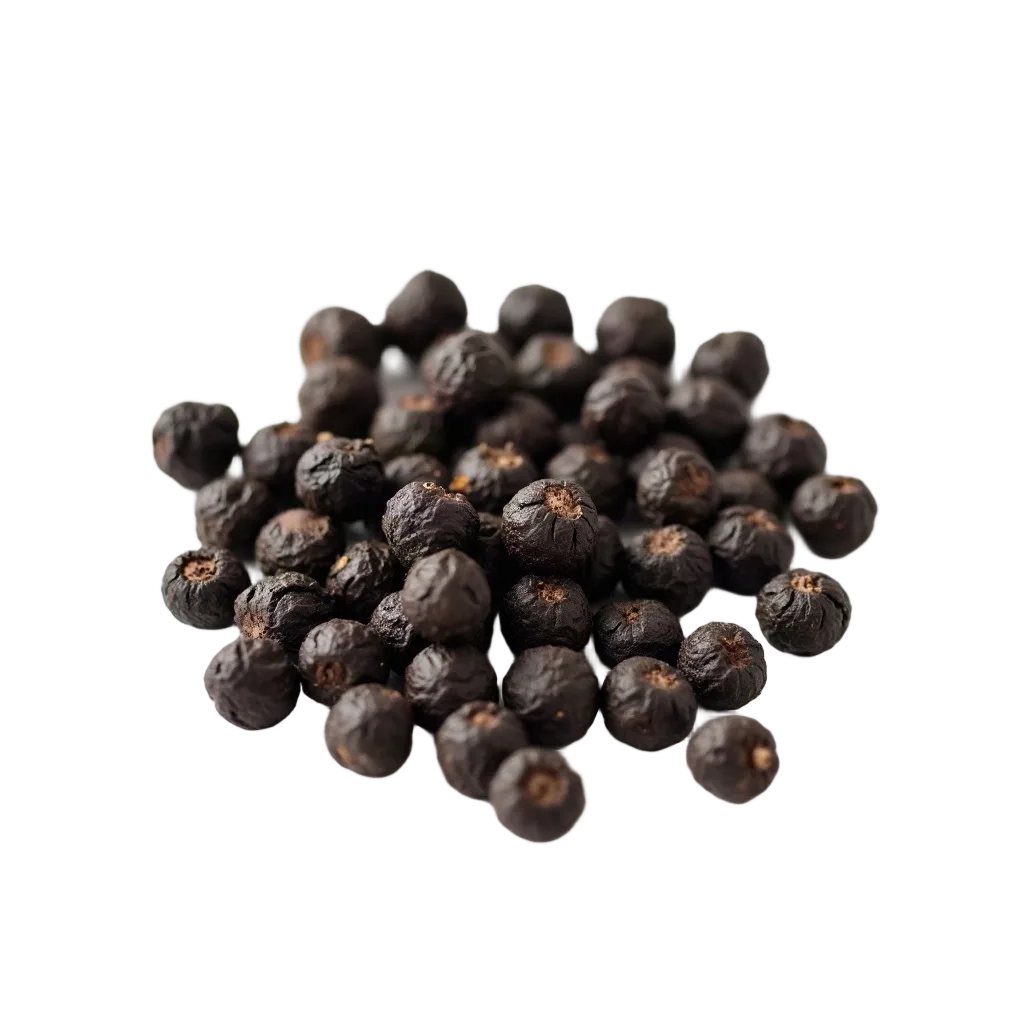
They give the character. Same technique, same ingredient, a different trio of spices — and the dish moves to another cuisine entirely. Most of their aroma molecules are volatile.

Where it catches you out

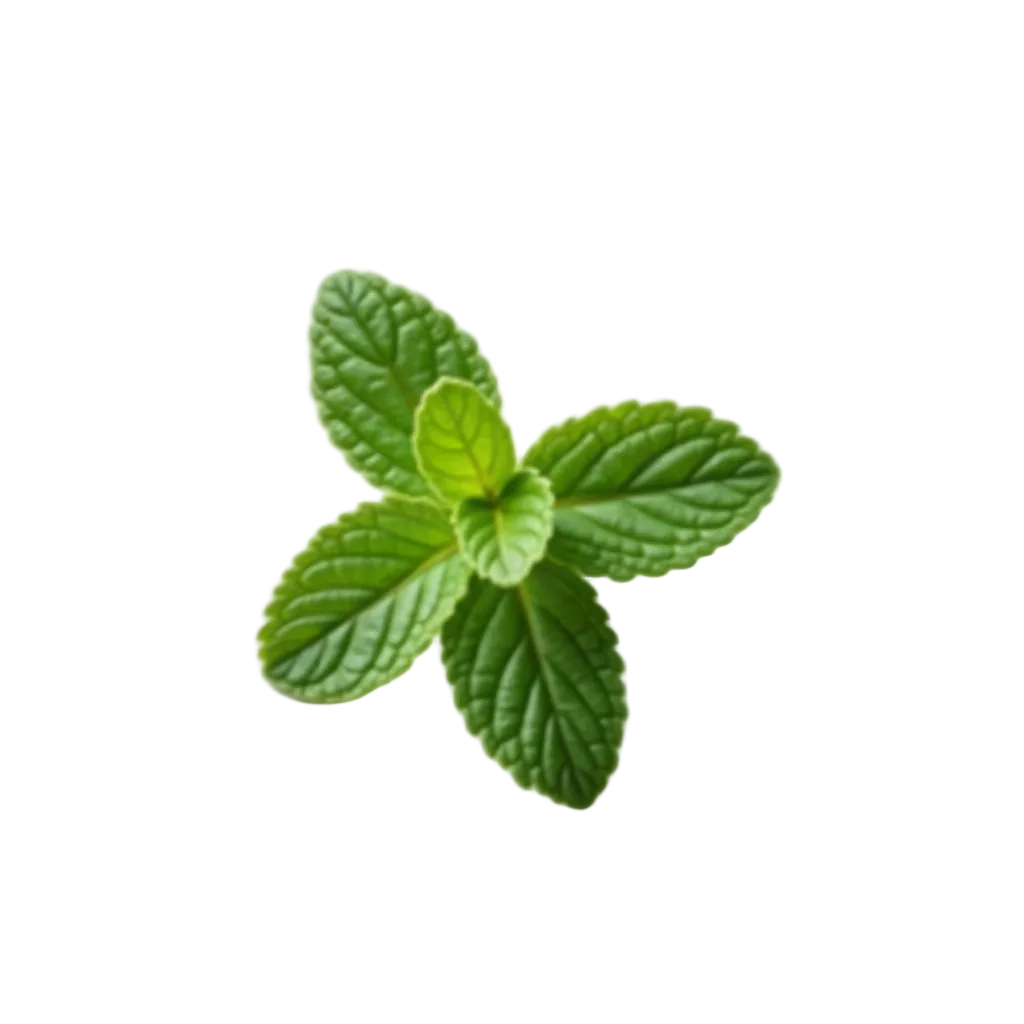
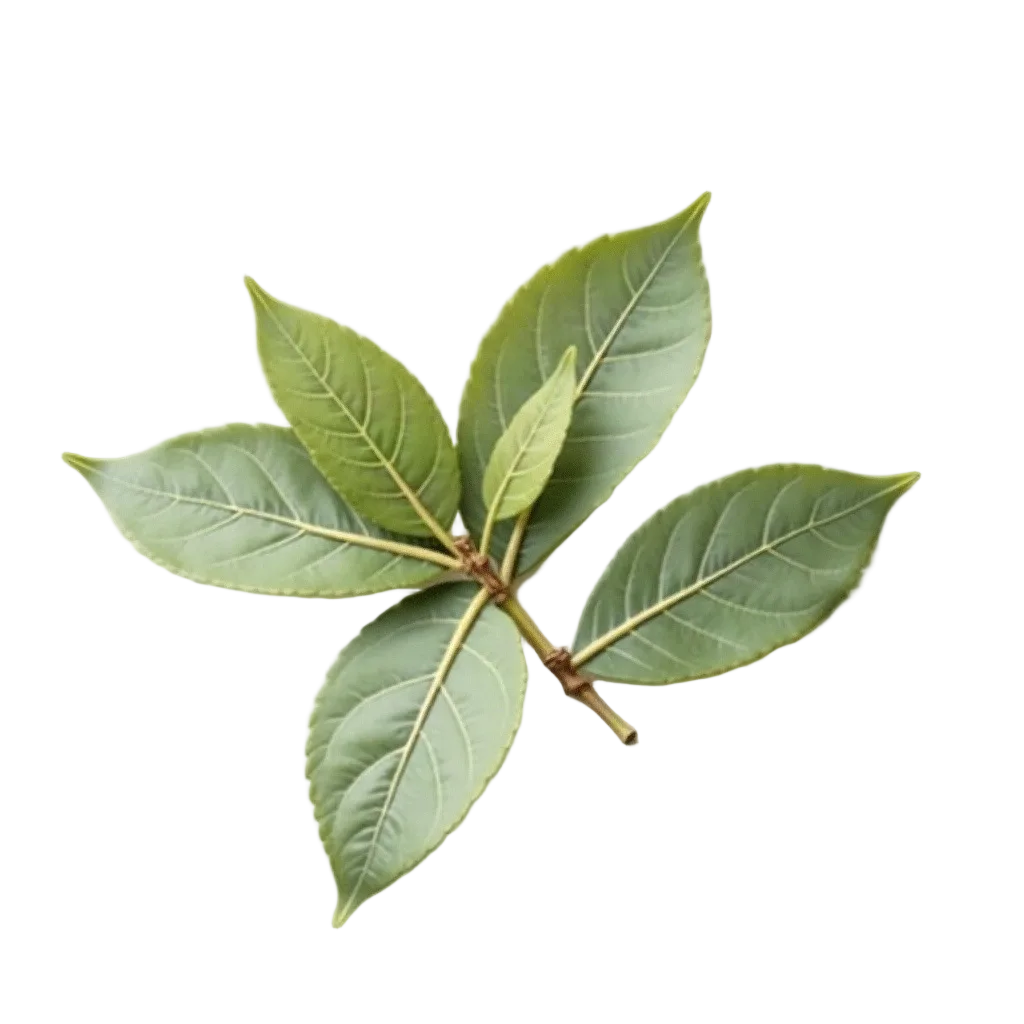
Volatile ones go in last, sturdy ones first. Mint and basil after the heat; bay and cinnamon right at the start.

The knack

It stands in for lemon without adding water: use it when you want acidity in a salad that must stay dry.

Storage and health

How to keep it, and who it suits.

Keeping it

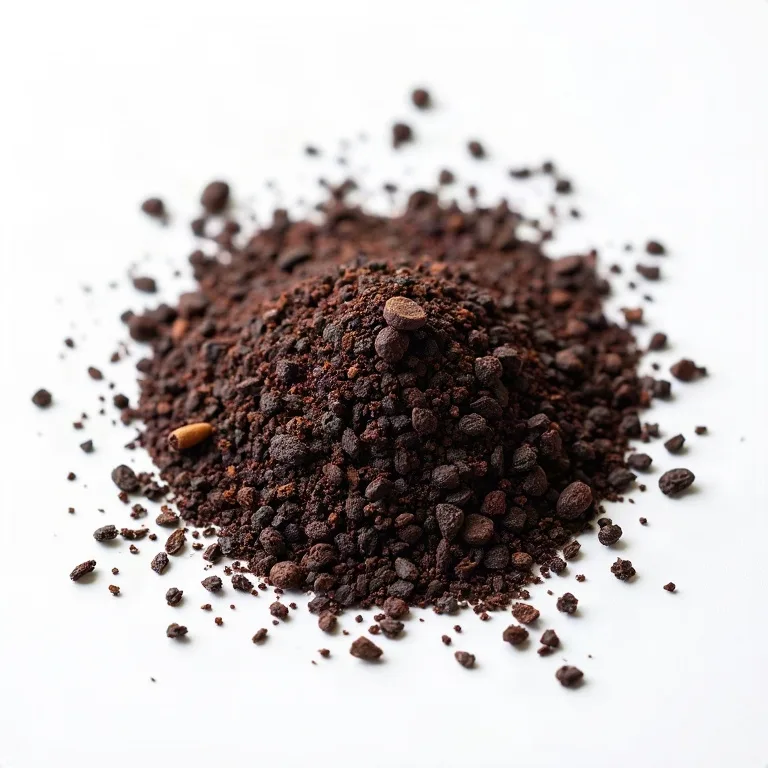
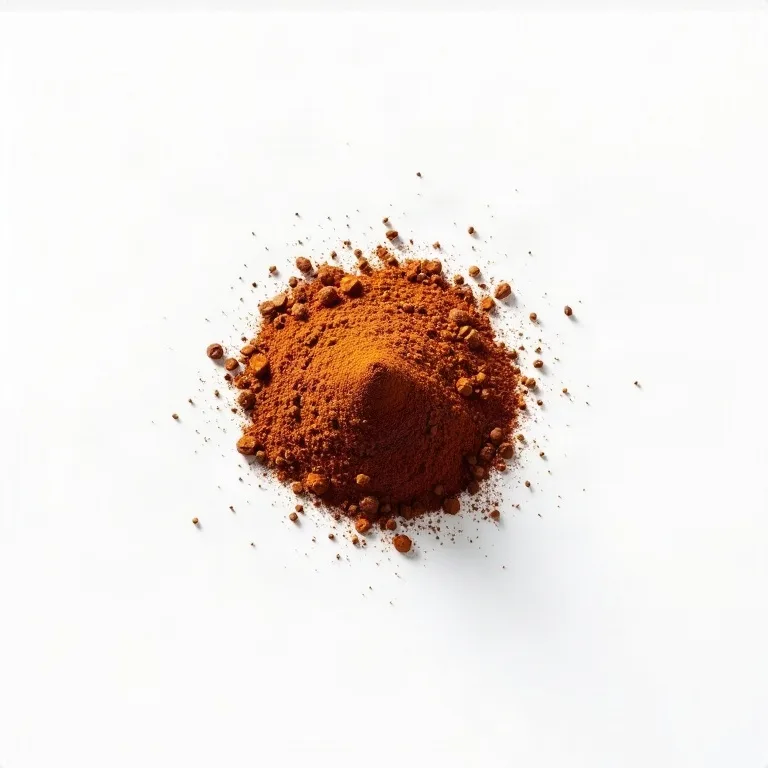
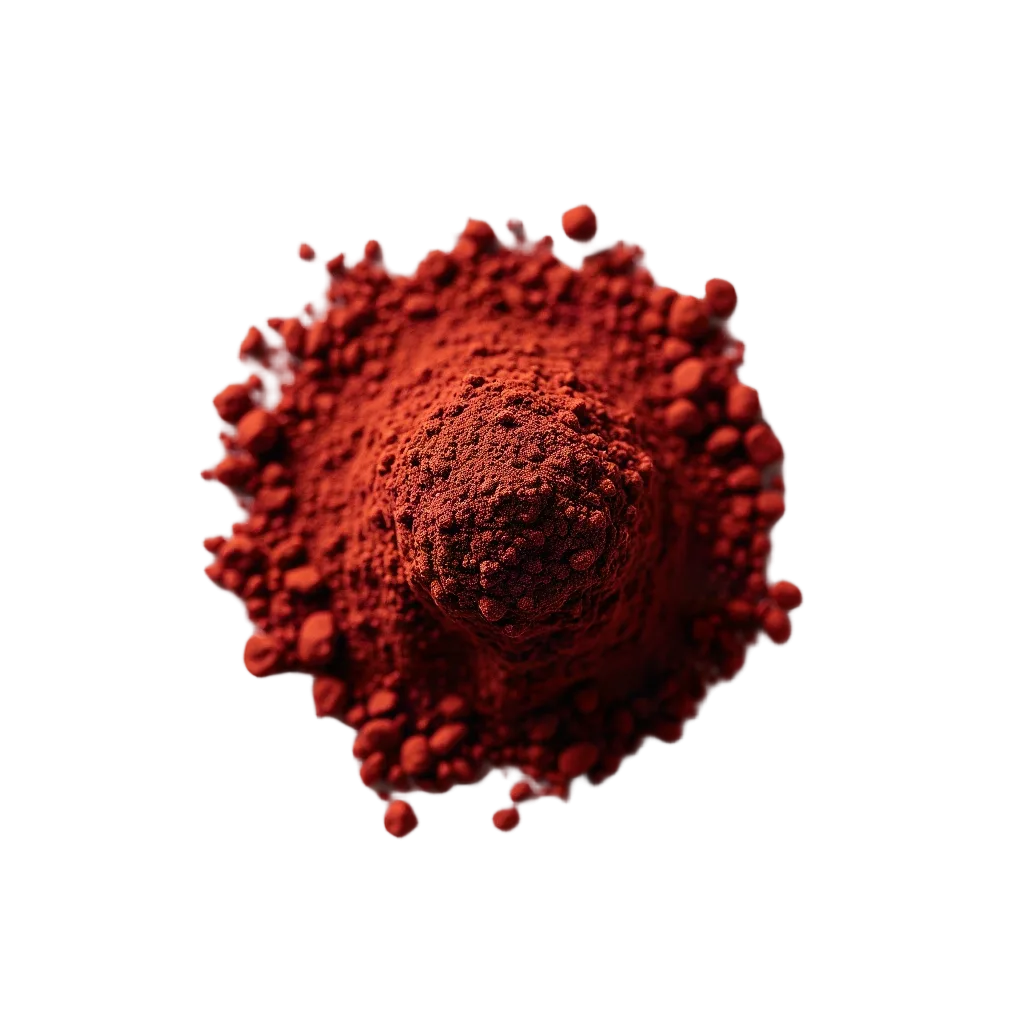
Airtight in the dark for a year; once the colour dulls towards brown the sourness has gone with it.

Gluten-free

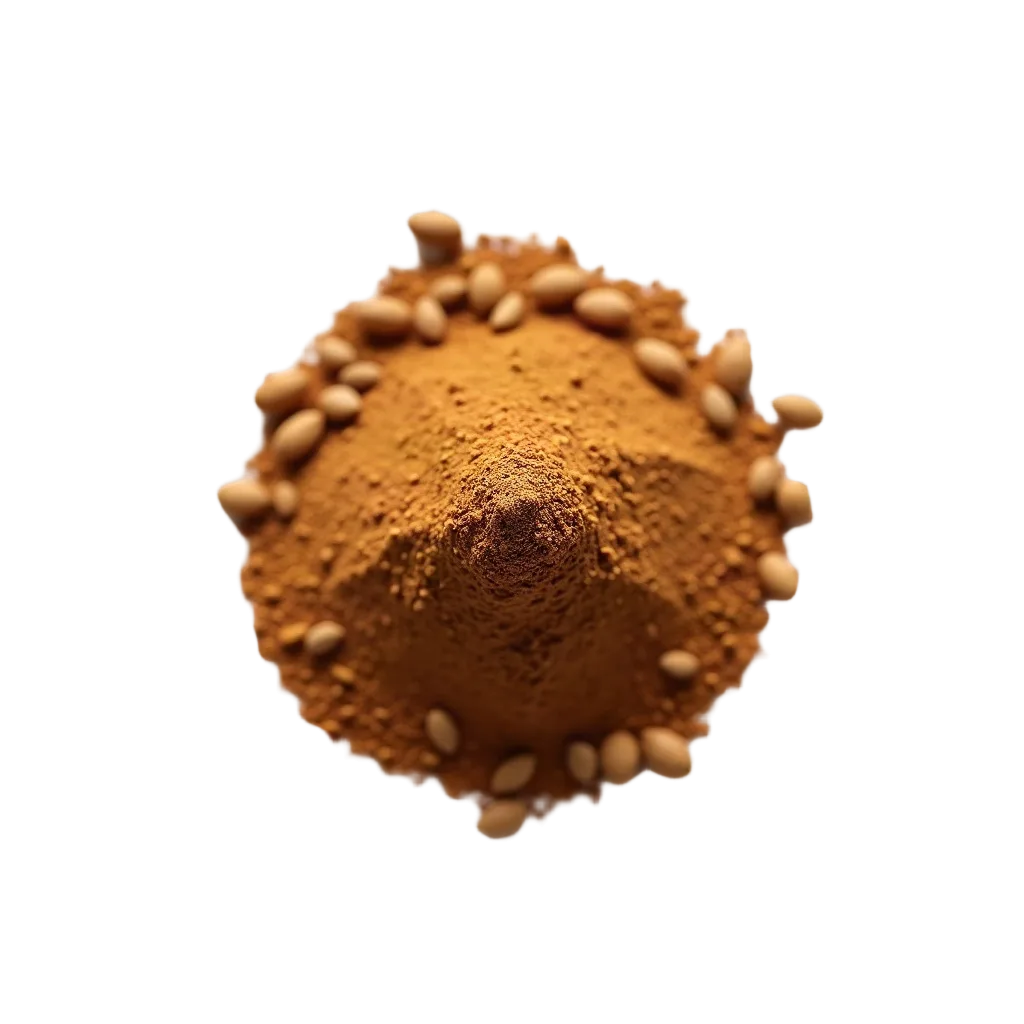
Plain sumac is dried, ground fruit. Some commercial blends are bulked with flour or salt, so the label still matters.

Glycaemic index

This ingredient carries no meaningful carbohydrate, so it has no glycaemic index. On its own it will not move blood sugar; what you eat alongside it decides that.

What it works with

Pairings, and the reason for each

"They go well together" is not an explanation. Every pairing below has a chemical or structural mechanism under it.

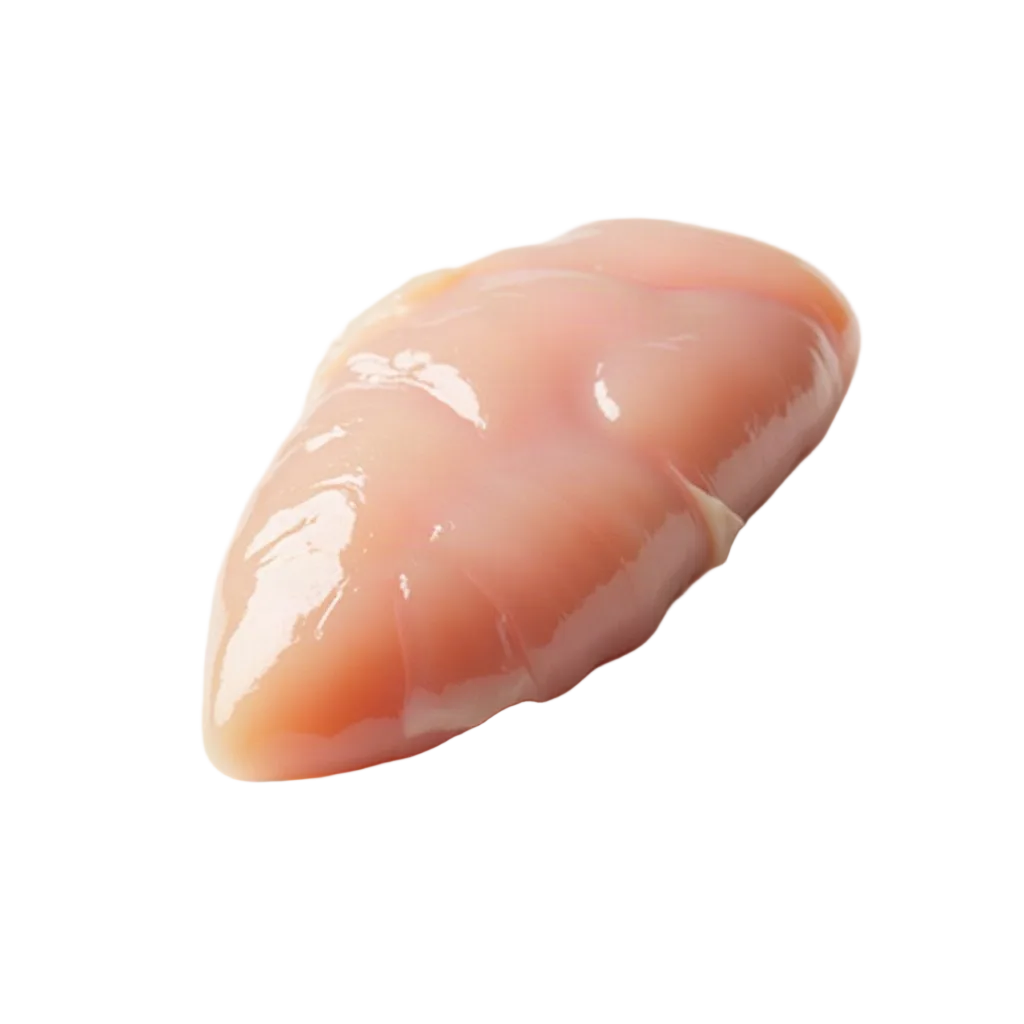
Chicken

Sumac’s dominant acid is malic acid, present in far higher concentration than its citric acid. Being non-volatile it delivers sourness onto a hot surface where lemon aroma simply steams away.
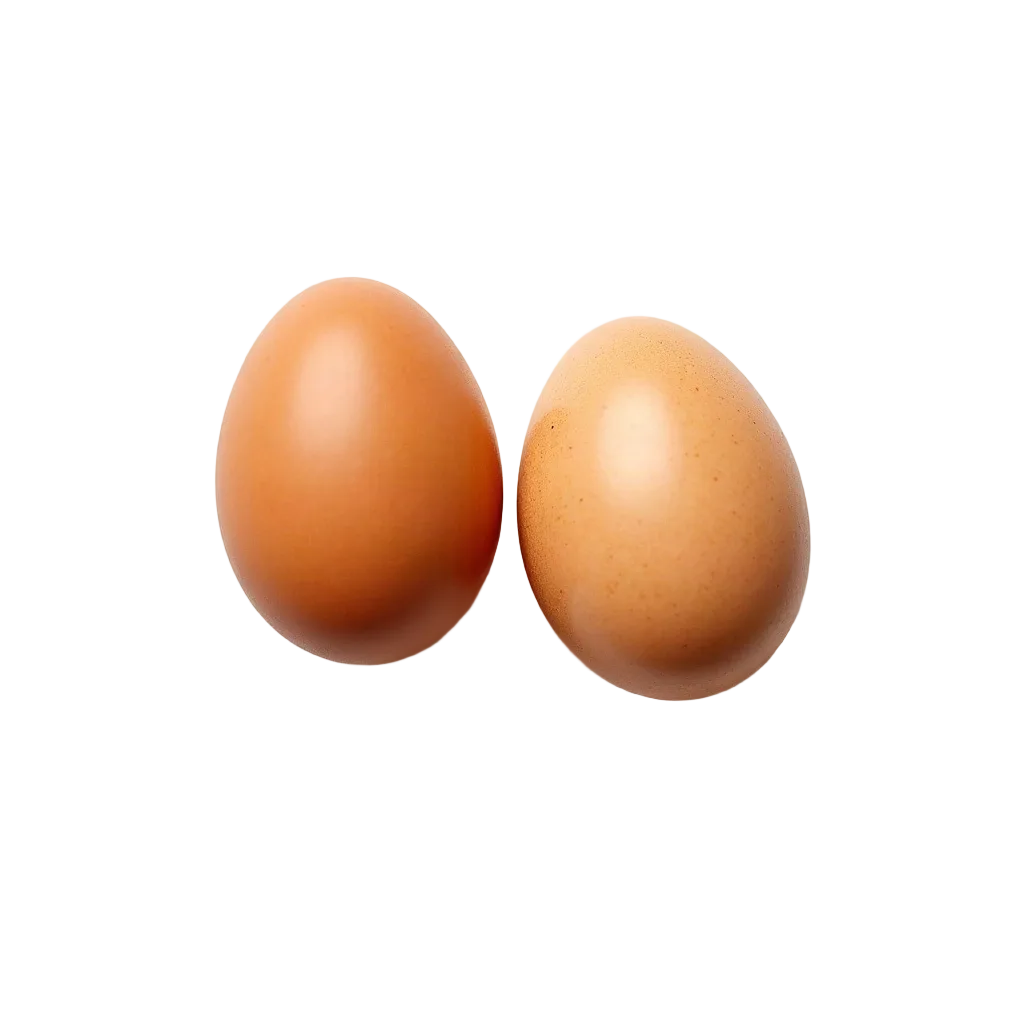
Egg

Around 4% gallotannins bind salivary proline-rich proteins, producing a drying, palate-clearing astringency that lemon cannot give.

Also works with

What it fights with

Baking soda
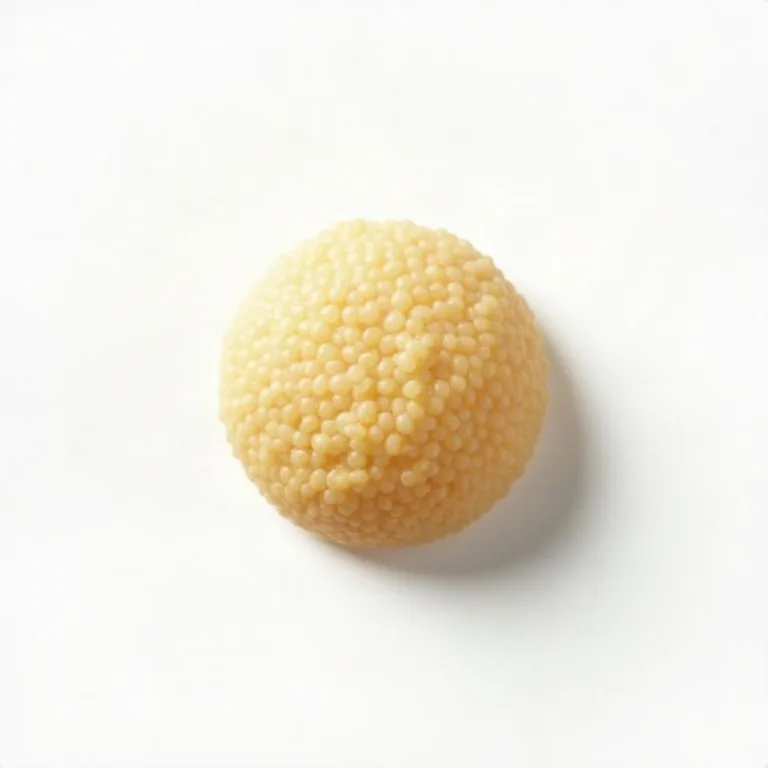
Alkali destroys the cyanidin and delphinidin anthocyanins responsible for the red, turning sumac brown.

What goes on top
  • Sumac is the topping: over kebab onions, hummus, lentil soup, eggs
Key compounds
Gallotanenler
Precipitate salivary proteins to create astringency — a tactile effect, not a taste.
Nutritionally

Sumac’s antioxidant capacity per gram is genuinely high, but culinary doses are 1–2 g, so the nutritional contribution is negligible. Use it for acid and astringency, not health.