 Red meat
→
Red meat
→
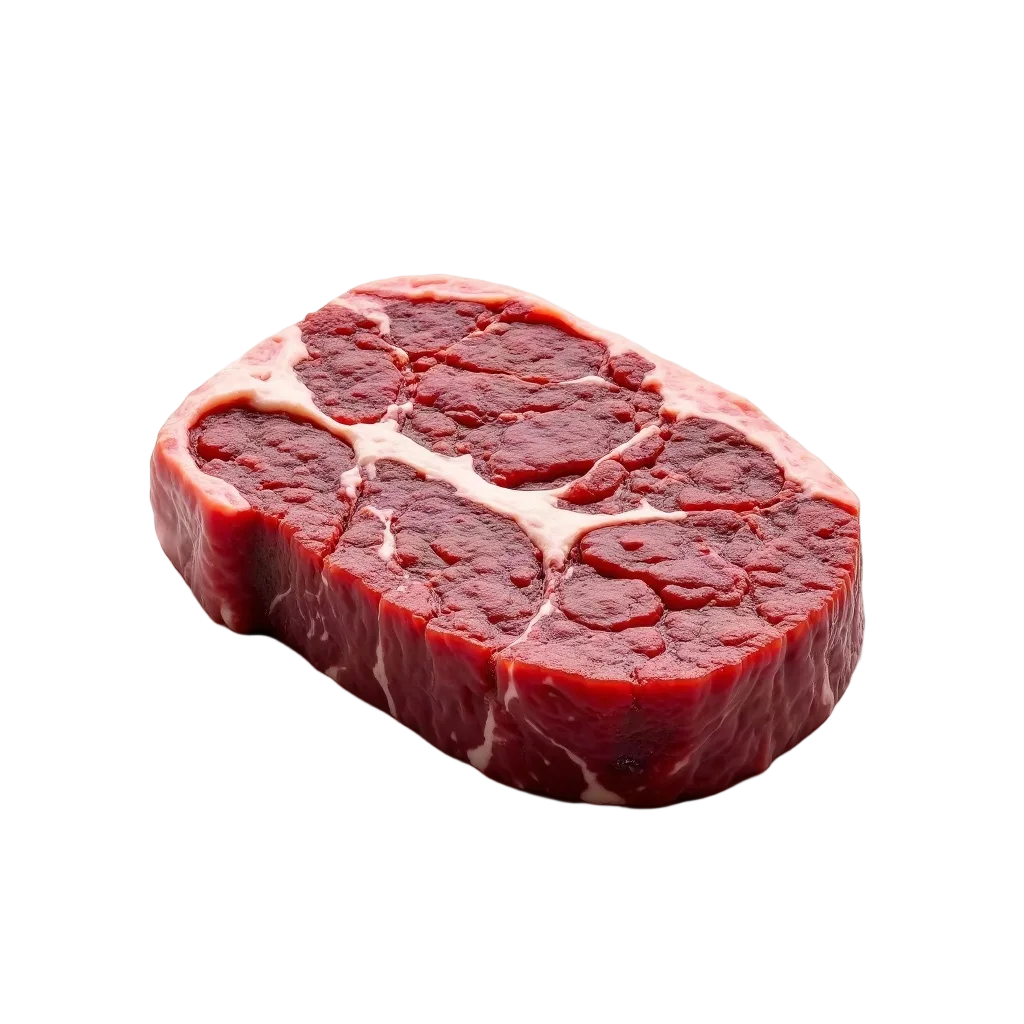
Chloride solubilises myosin and increases water-holding capacity, which is why brining works and why unsalted meat is drier.
Invisible, and they decide everything. Salt solubilises protein, holds water, suppresses bitterness and lifts sweetness and umami. Water is the medium of most reactions: without it starch cannot gelatinise and gluten cannot form.
The salt window is narrow: 0.8–1.5% of the weight of the food. Above it, osmosis pulls water out, texture tightens and flavour closes down, with no way back. And do not add water to a vegetable dish: the vegetable is already 90% water.
0.8–1.5% of the weight of the food. Coarse and fine salt do not weigh the same by the spoon, so weigh it.
Airtight and dry, indefinitely — it does not spoil. Iodised salt loses its iodine in light, so it should not sit on the counter in a clear jar.
Salt is a mineral and has no relationship to any grain.
This ingredient carries no meaningful carbohydrate, so it has no glycaemic index. On its own it will not move blood sugar; what you eat alongside it decides that.
"They go well together" is not an explanation. Every pairing below has a chemical or structural mechanism under it.
Red meat
→
Chloride solubilises myosin and increases water-holding capacity, which is why brining works and why unsalted meat is drier.
 Chickpea
→
Chickpea
→
Sodium exchanges with the calcium and magnesium bound to the seed-coat pectin, reducing calcium pectate cross-linking and letting water in faster.
 Egg
Egg
In whole-egg custards salt can lower the aggregation temperature and narrow the margin before curdling.
Sodium is about 40% of salt by weight — 1 g of salt is roughly 400 mg of sodium — and about three quarters of dietary sodium in industrialised diets comes from processed food rather than the salt cellar.
23 dishes in the database use it.
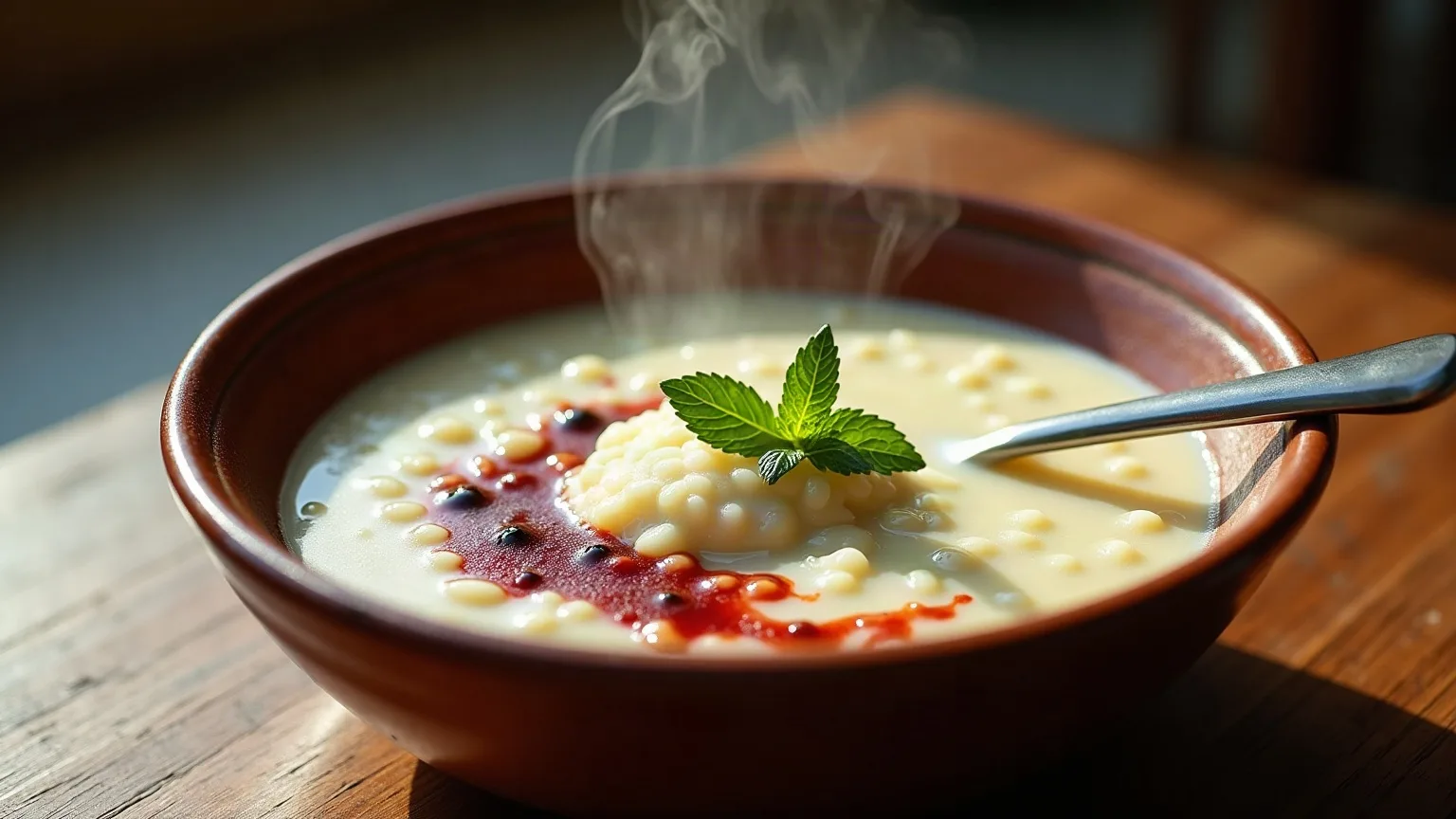
The default Turkish yoghurt soup and the textbook terbiyeli çorba. Rice simmers in water, yoghurt, flour and egg yolk are beaten separately, tempered with hot broth, returned to the pot and thickened without ever boiling. Finished with dried mint bloomed in butter.
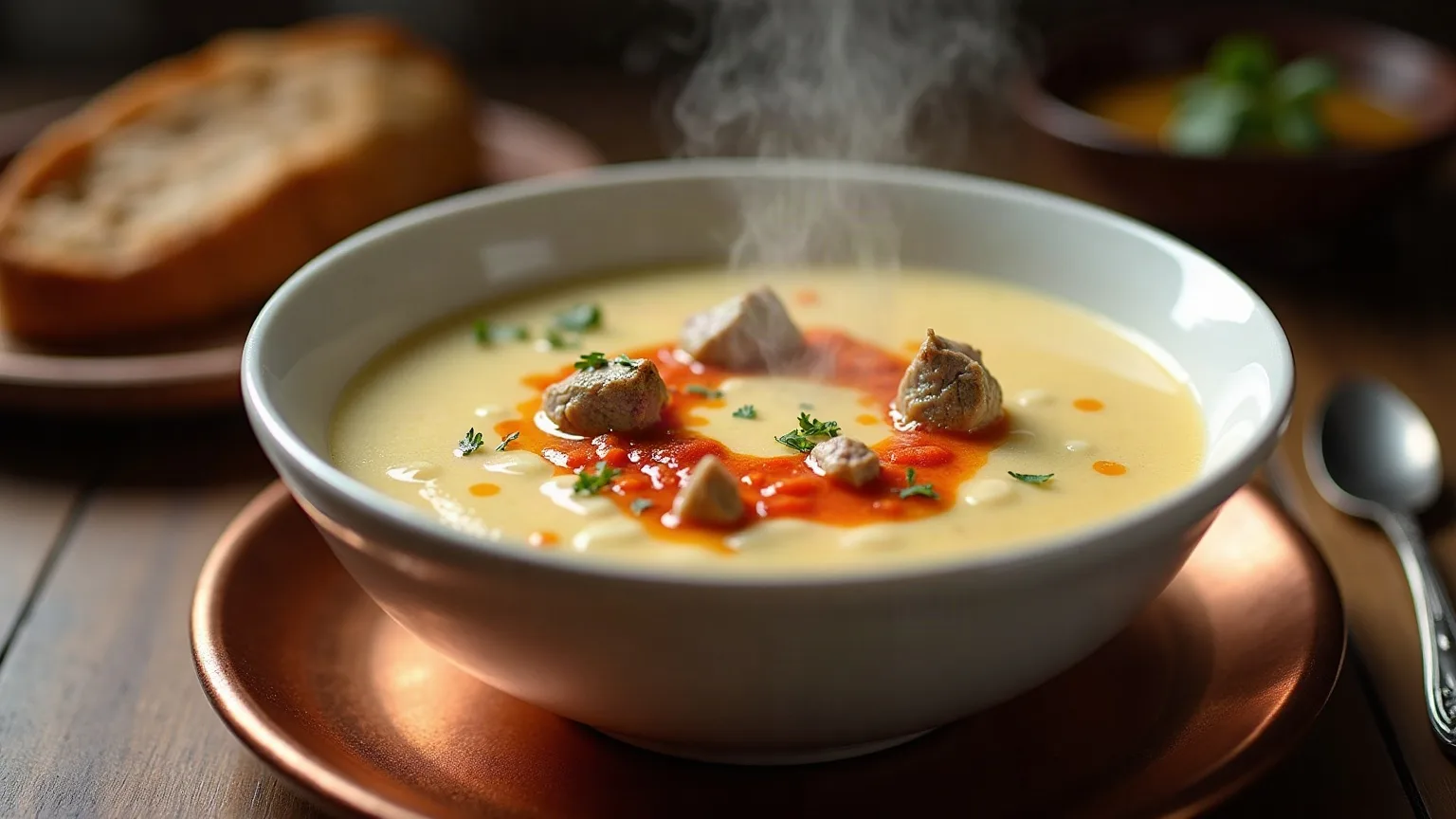
A ceremonial soup cooked in meat broth whose identity is its terbiye: strained yoghurt, egg yolk, flour and lemon juice beaten separately, tempered, and stirred in. Finished with butter and chilli.
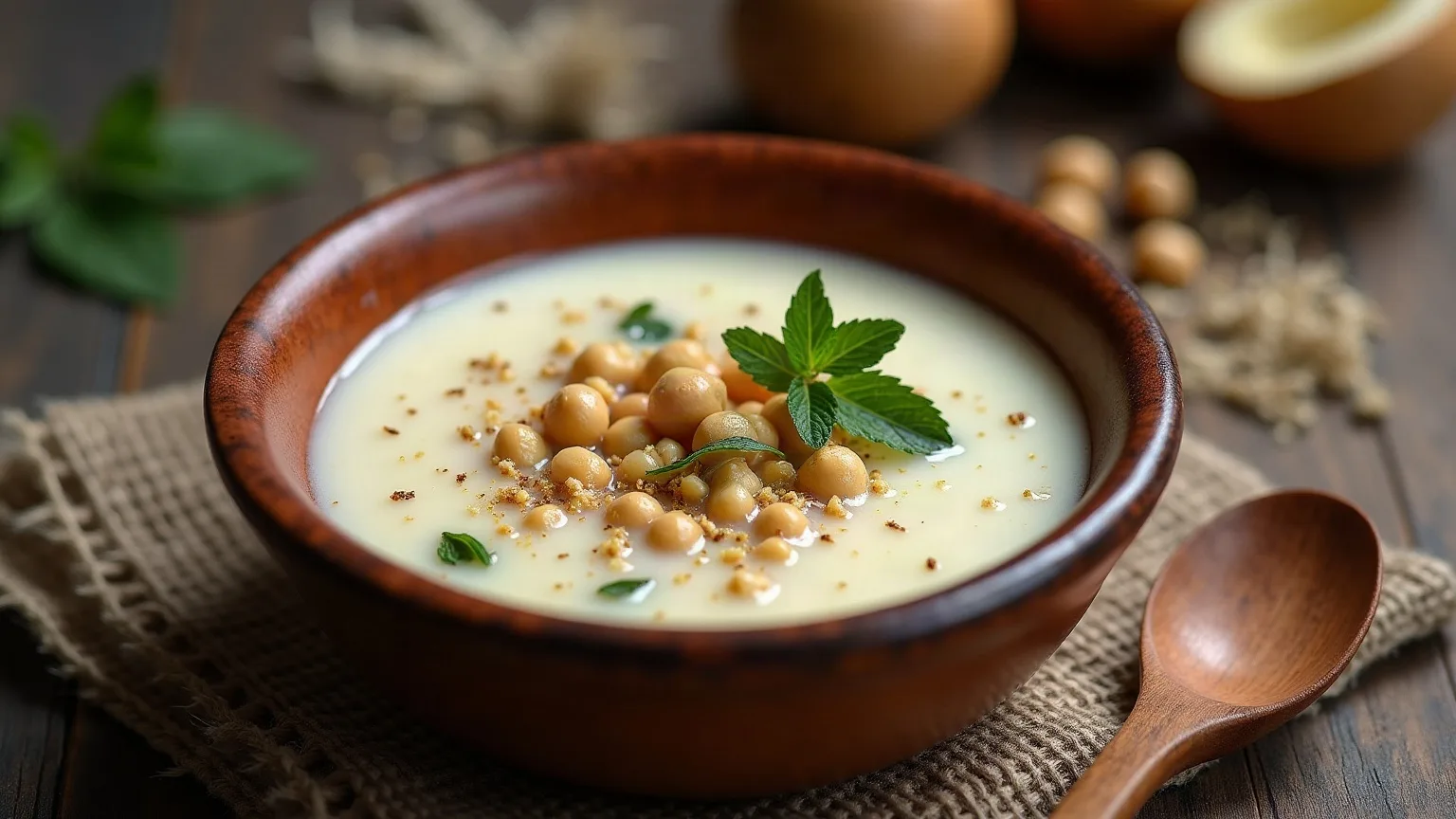
A thicker, more archaic cousin of yayla çorbası: hulled wheat instead of rice, strained yoghurt instead of plain. A hospitality dish made in big pots at religious holidays, eaten hot or cold.
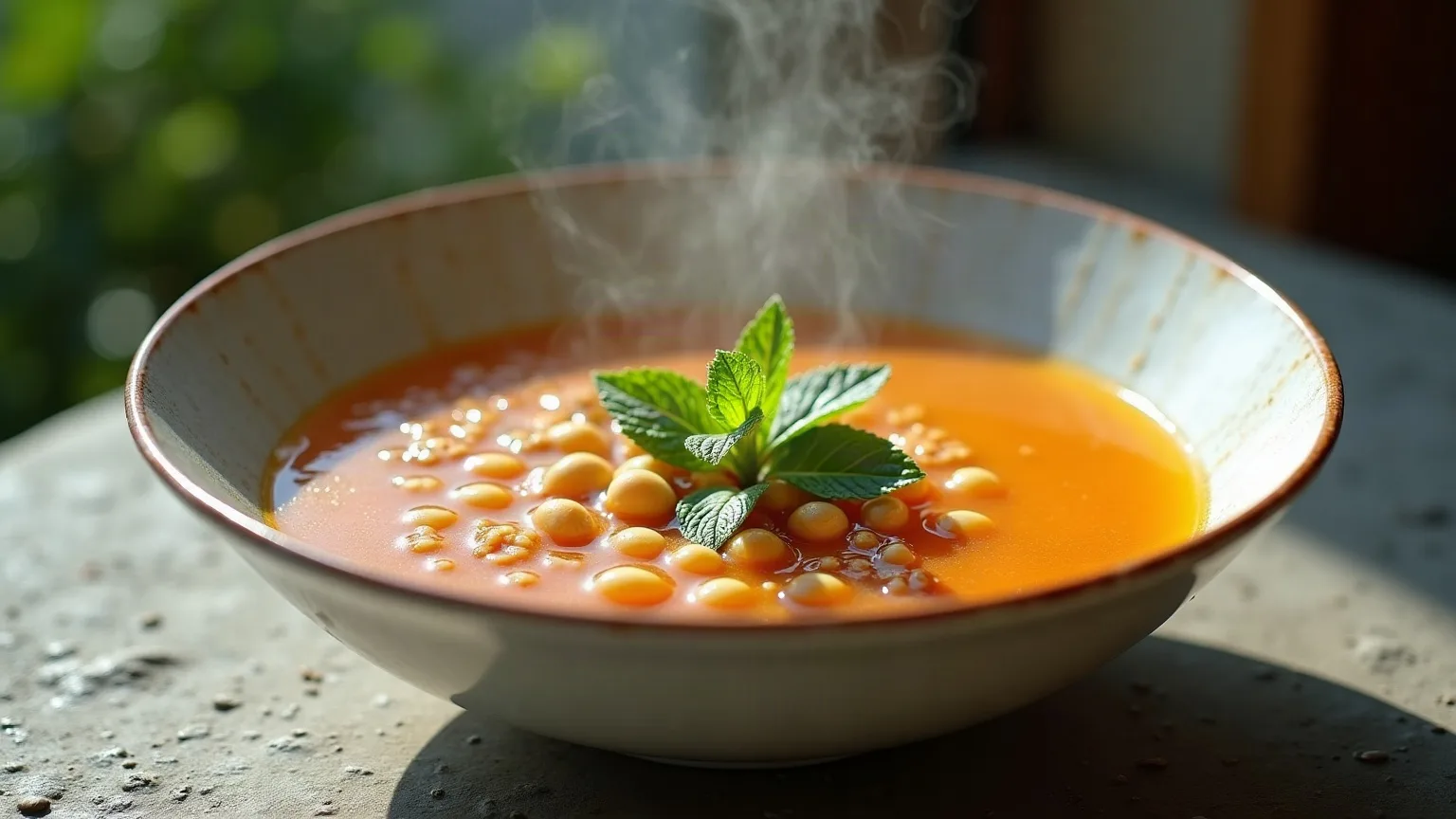
A grain and pulse soup carried on thinned yoghurt. Wheat and chickpeas are soaked overnight, boiled separately, then folded into salted, watered yoghurt. Made hot in some regions and cold in others.
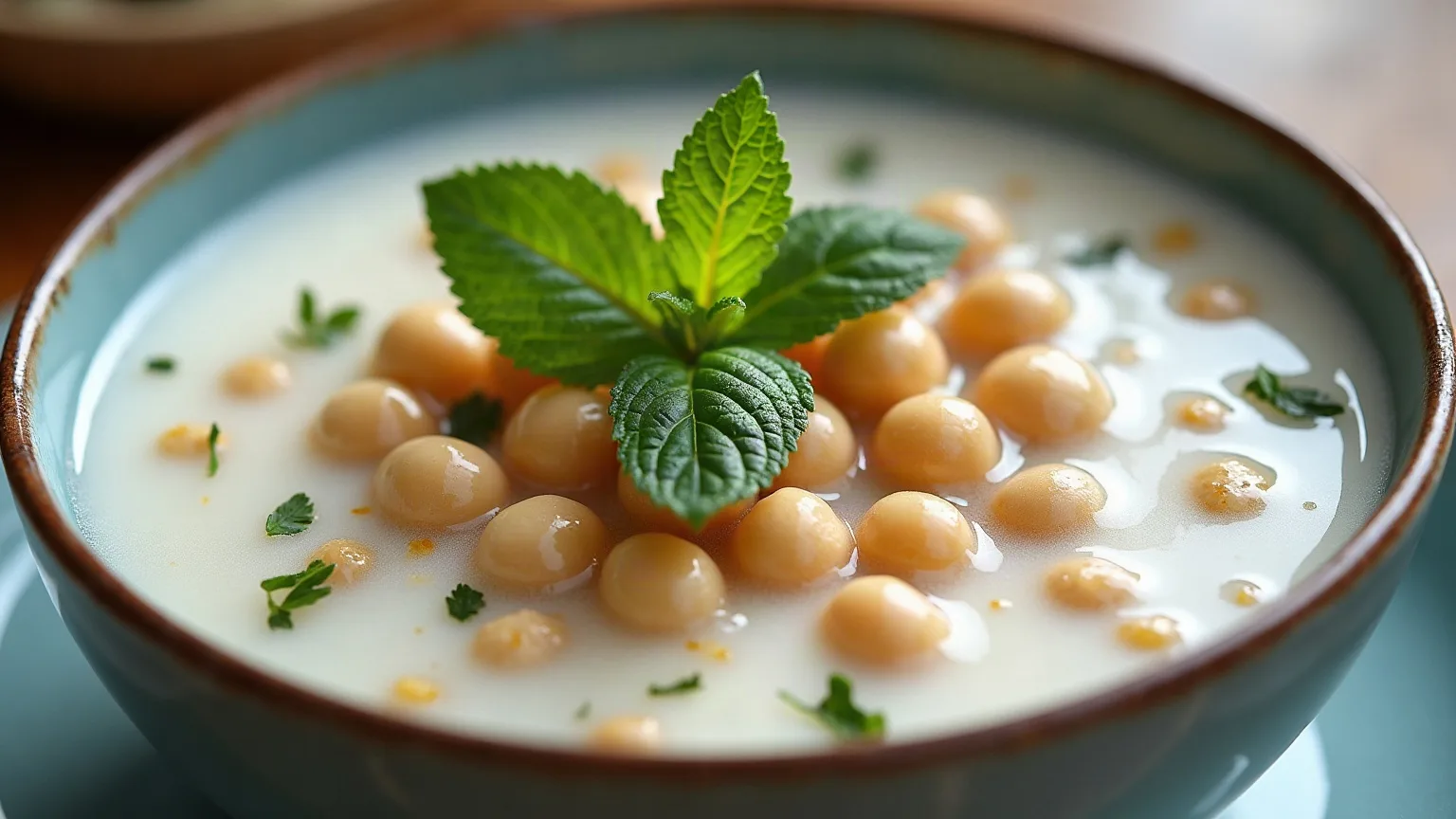
It deserves its own record because the technique is categorically different: nothing is heated. Boiled and cooled chickpeas and wheat are stirred into yoghurt thinned with cold water and salted, then dill, dried mint and ice go in.
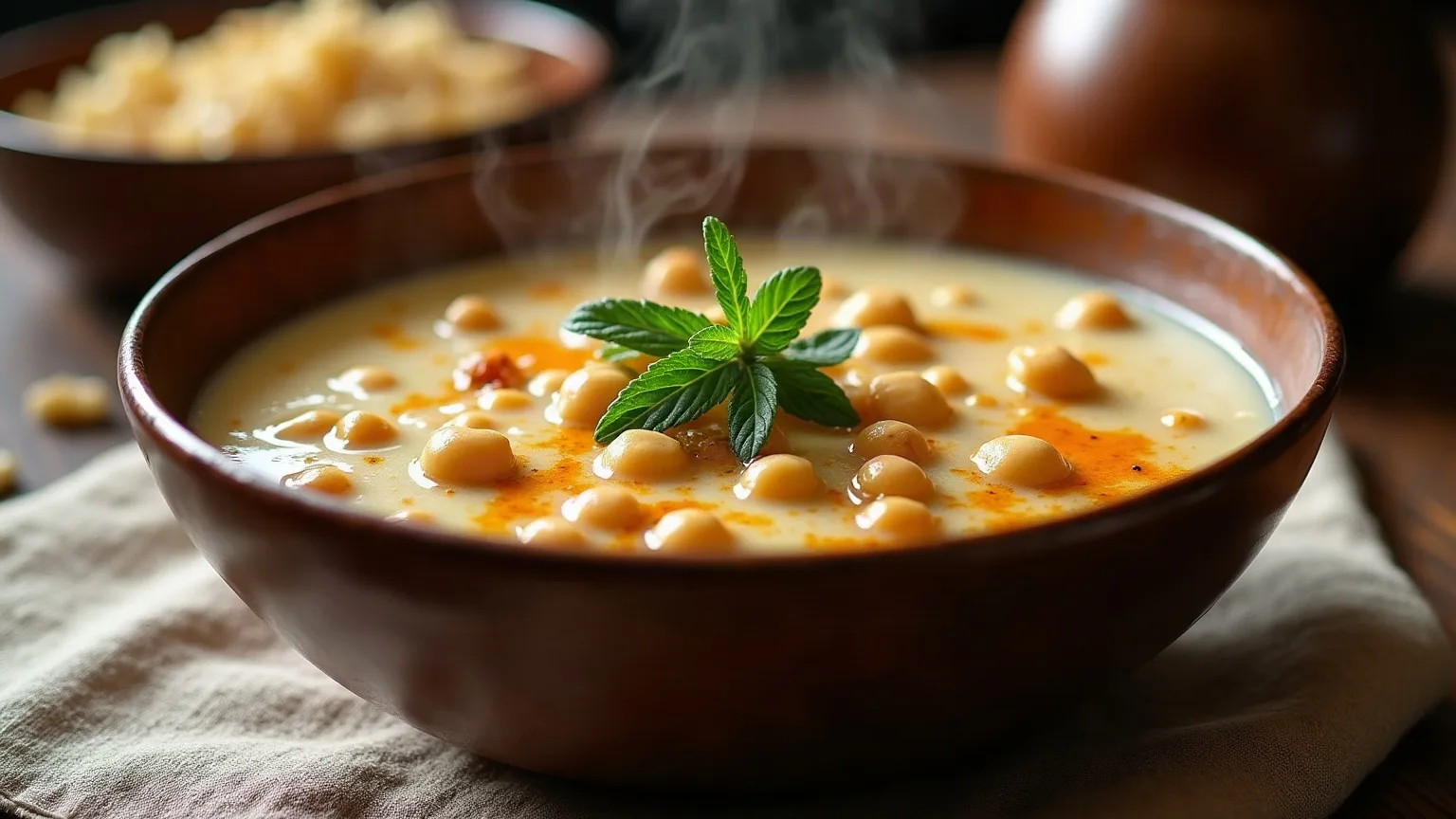
A yoghurt soup thickened with chickpeas and hulled wheat, finished with garlic and mint in butter. The Antep version adds small köfte. In Mardin it goes by çoban çorbası.
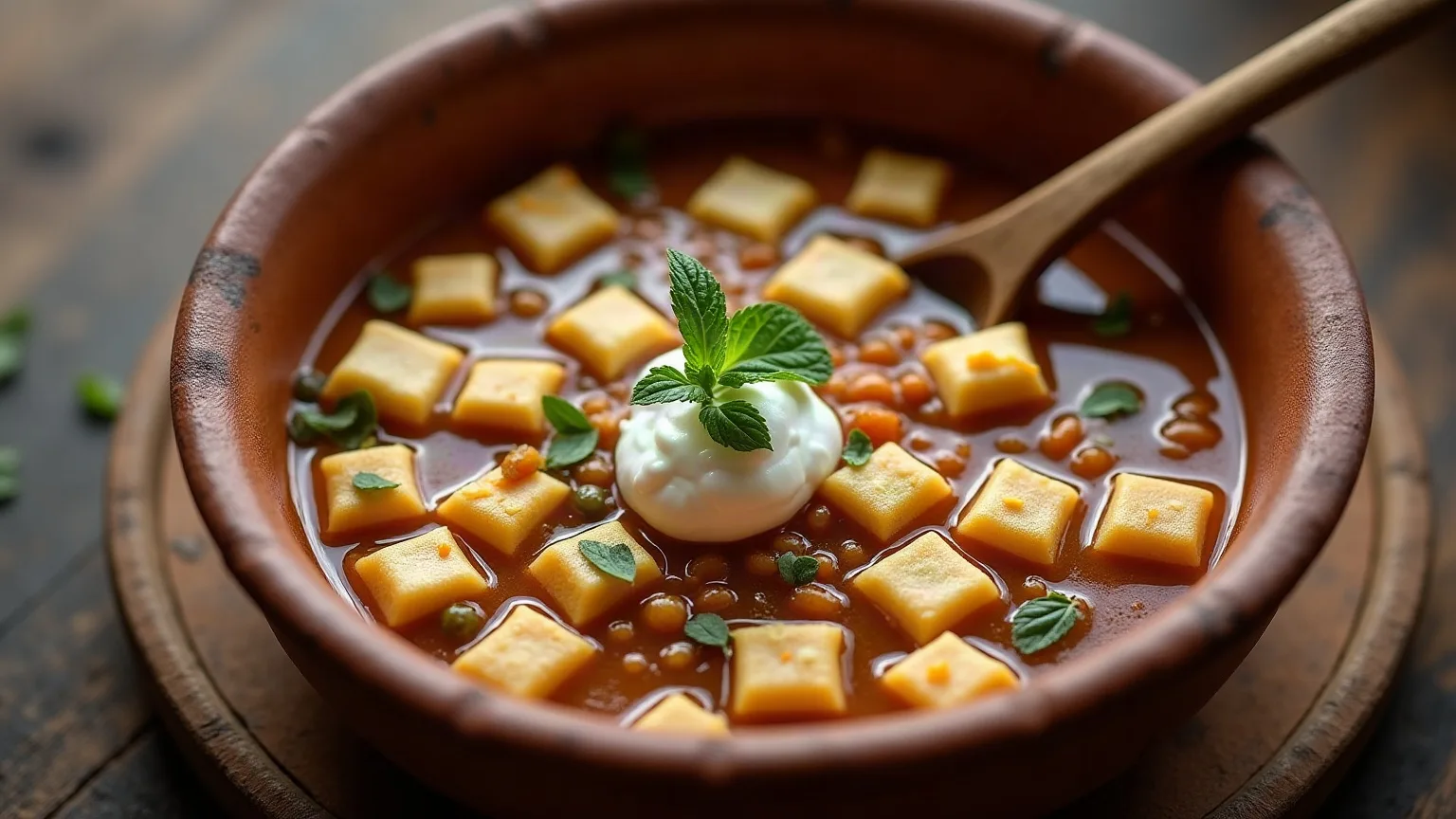
Small cut noodles cooked with meat or lentils, with garlic yoghurt poured over at the plate rather than stirred into the pot. This is a far older and far simpler answer to the curdling problem than terbiye.
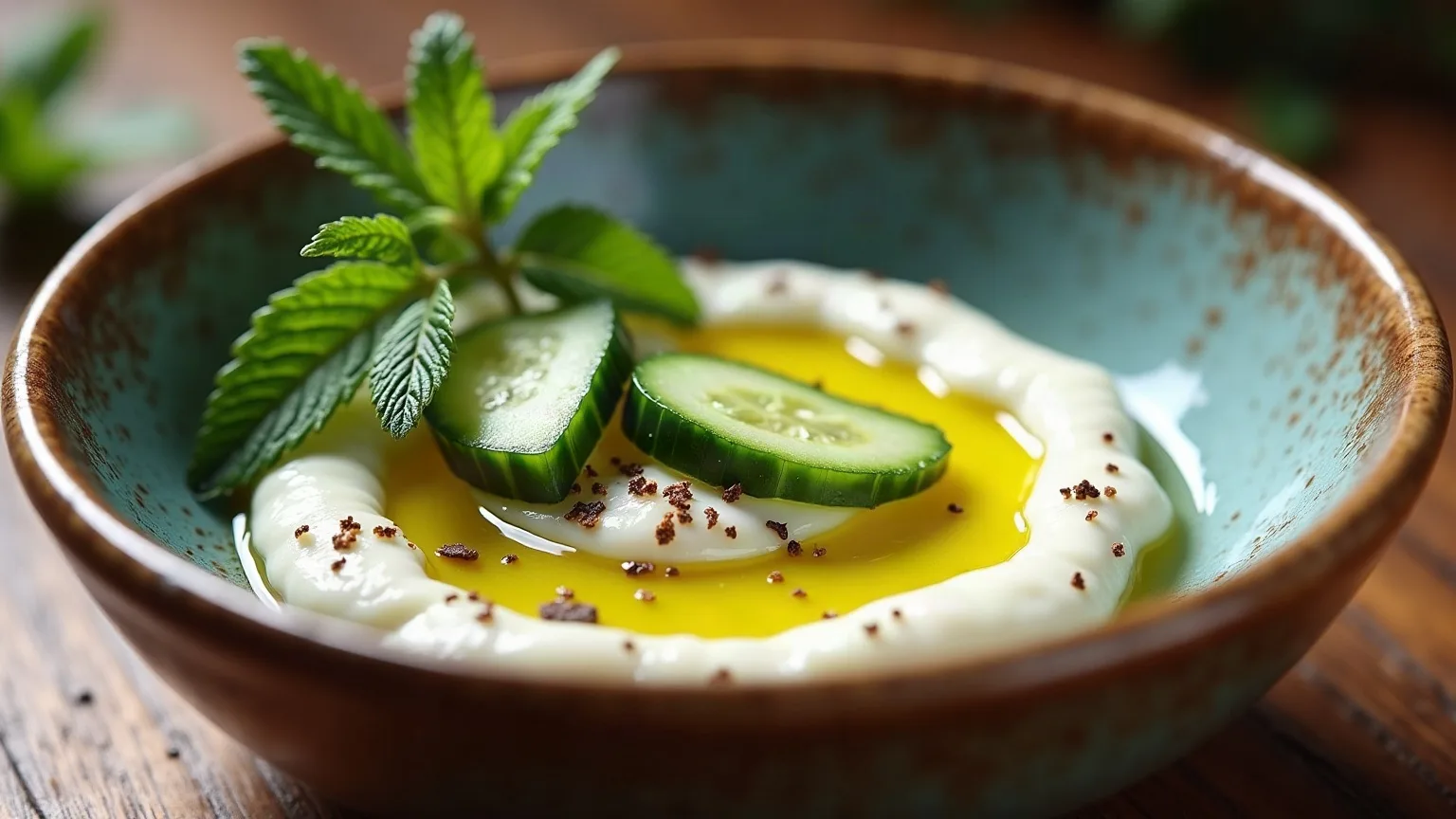
A Turkish mezze of yoghurt, cucumber, garlic, salt, water and olive oil. A hot-weather dish whose consistency runs from thick enough to spoon to loose enough to drink — both are correct, and it varies by region.
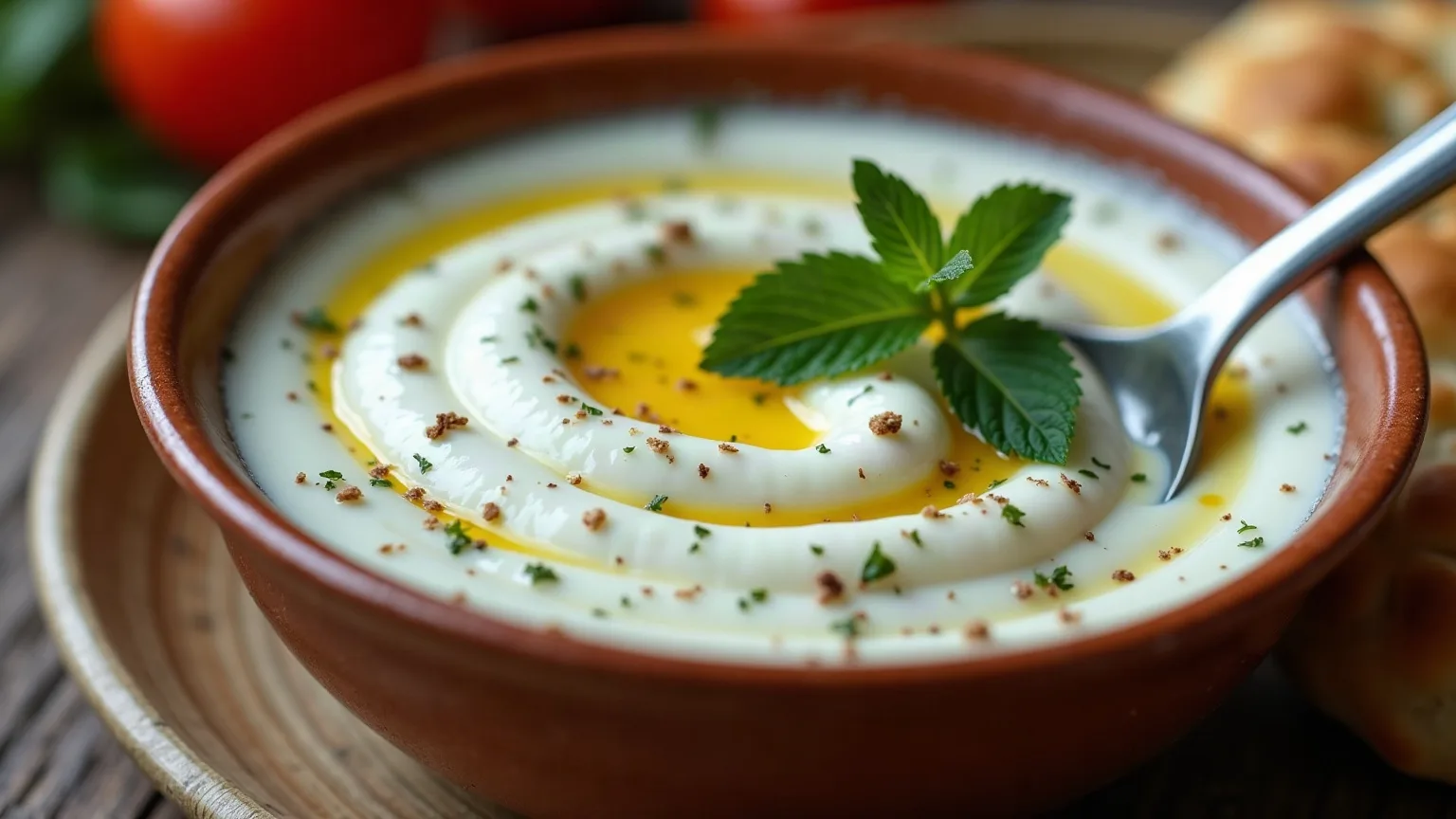
A thick mezze of strained yoghurt, garlic and herbs. One thing separates it from cacık and it is decisive: haydari has no cucumber and the yoghurt is strained, so a spoon stands up in it.
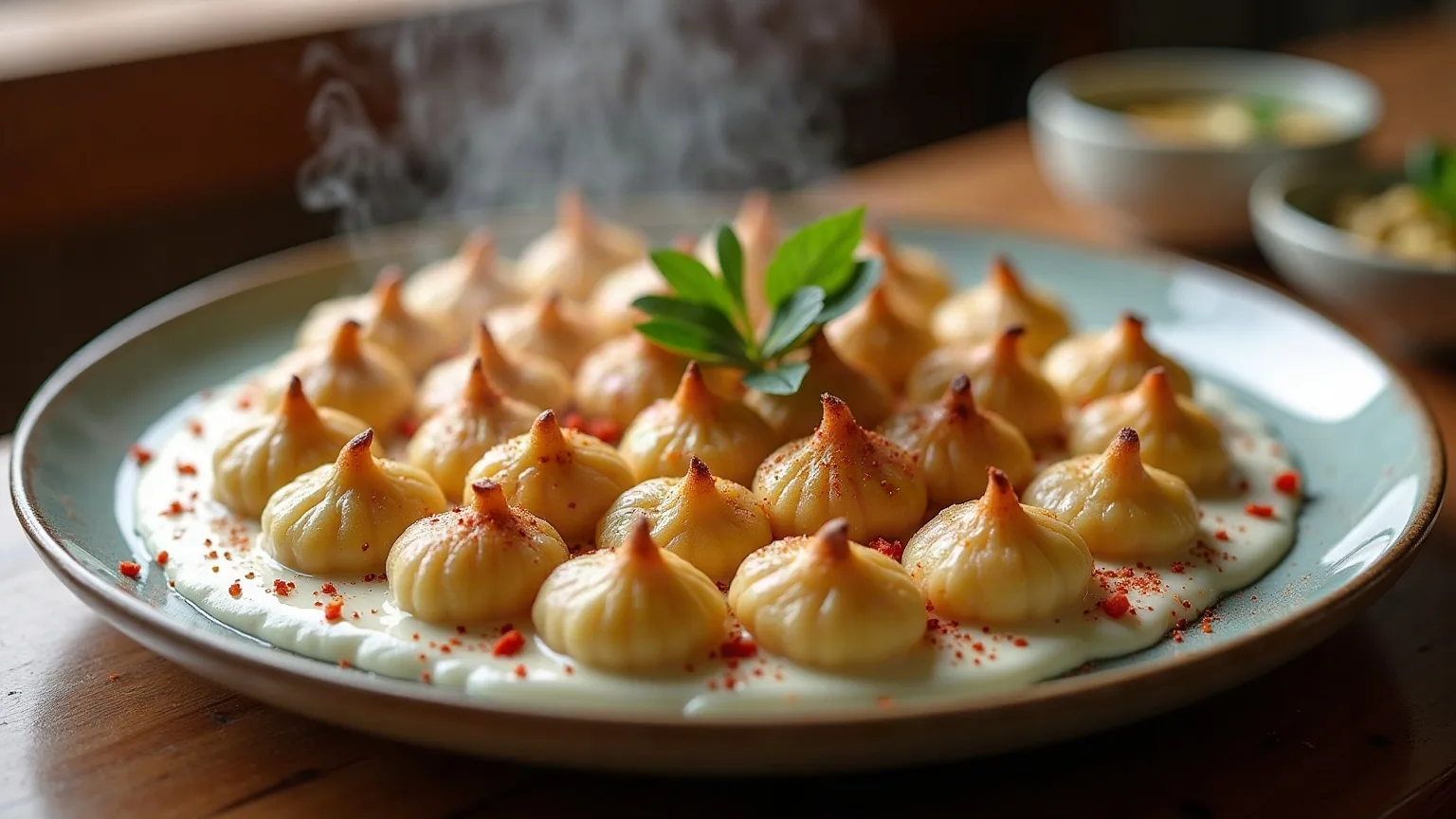
Tiny dough parcels are boiled, laid over garlic yoghurt and finished with sizzled butter and chilli. Dried mint and sumac come last.
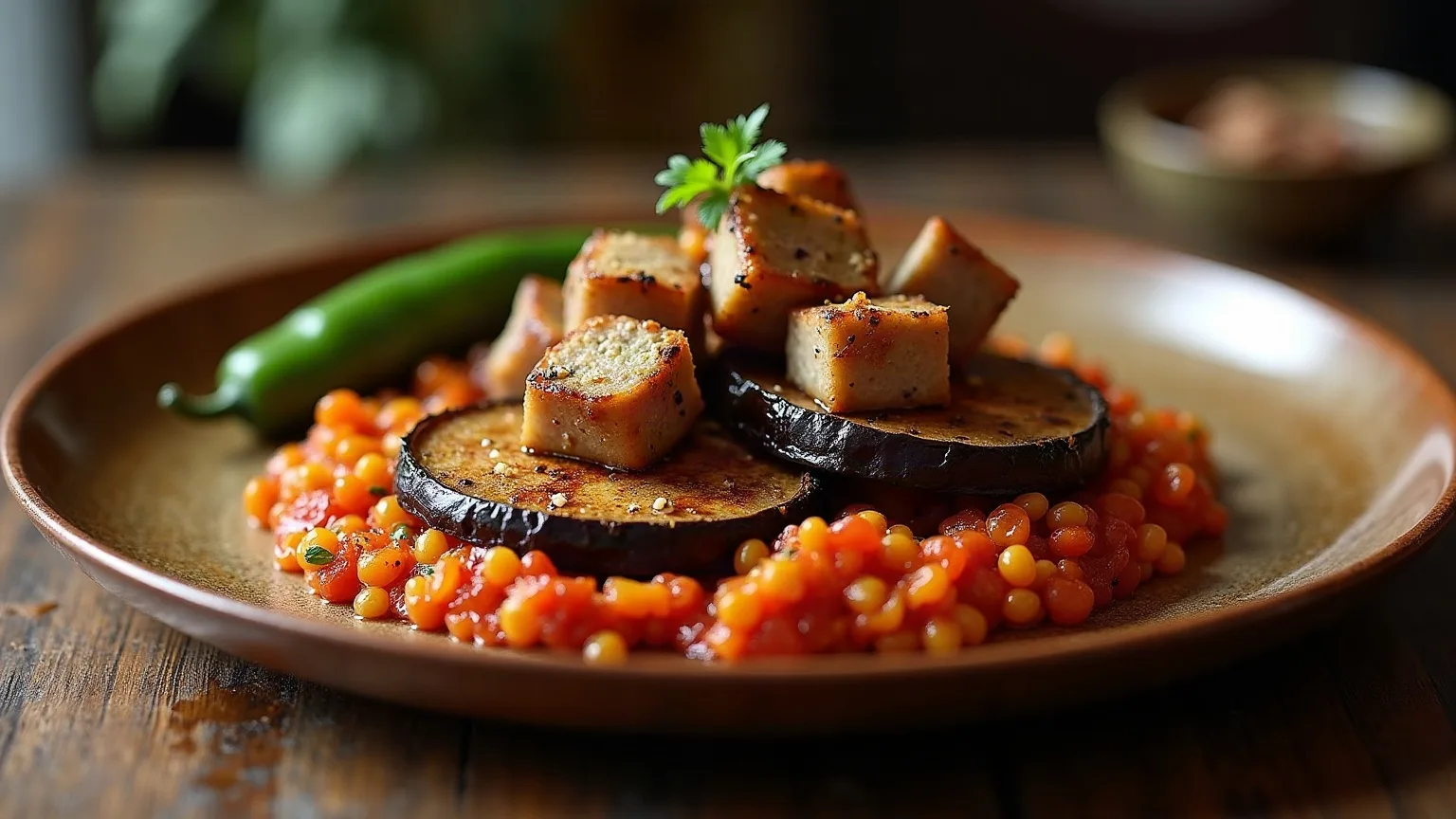
The Gaziantep classic: charred aubergine crushed with garlicky yoghurt under sautéed lamb. The aubergine must meet fire; made with oven-roasted aubergine it is simply not the dish.
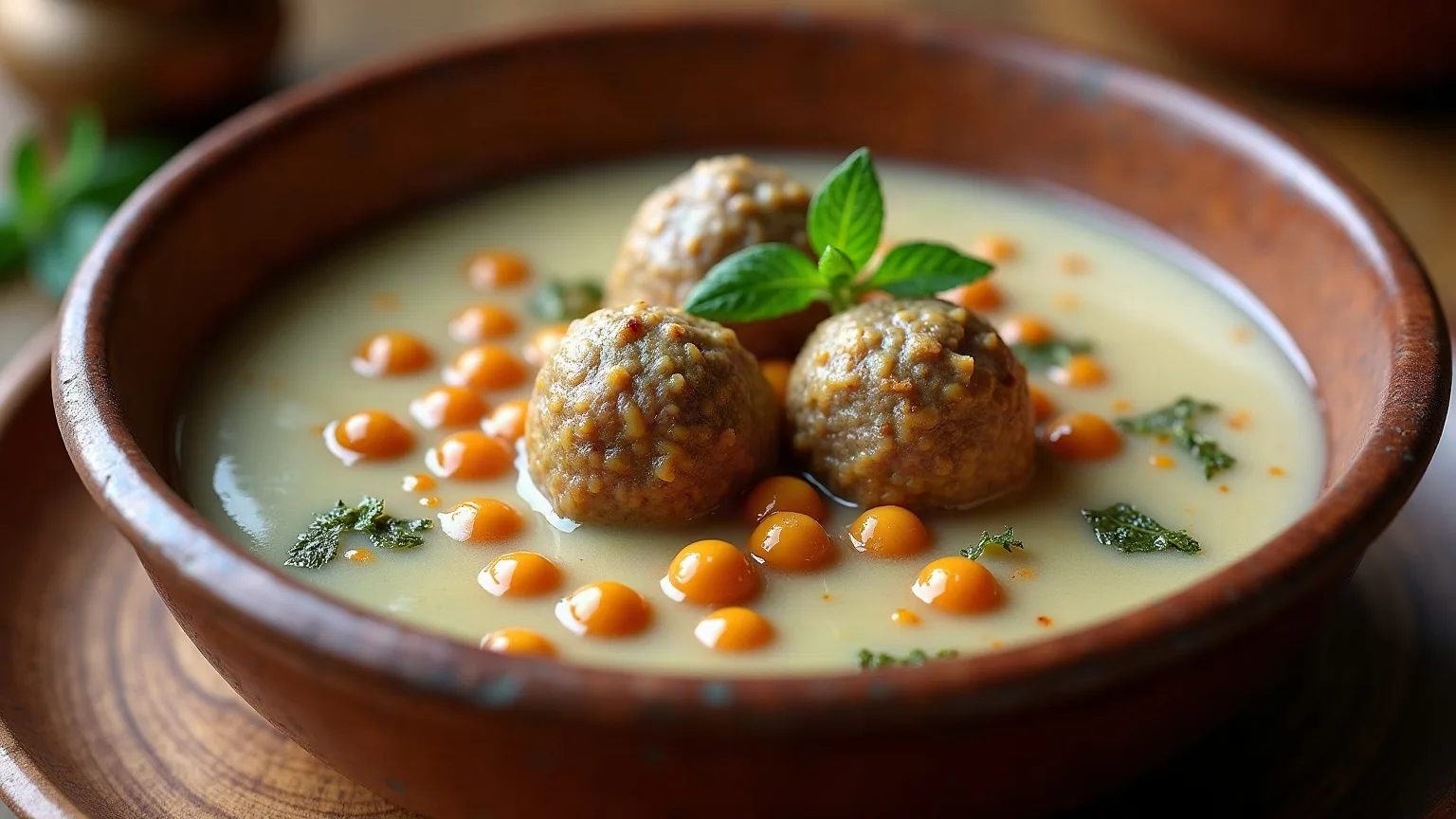
Tiny balls of rice flour and minced lamb, rolled by hand, cooked with lamb shank and chickpeas, with a yoghurt and butter sauce stirred in at service. The consistency is close to a soup, but in Gaziantep it counts as a main.
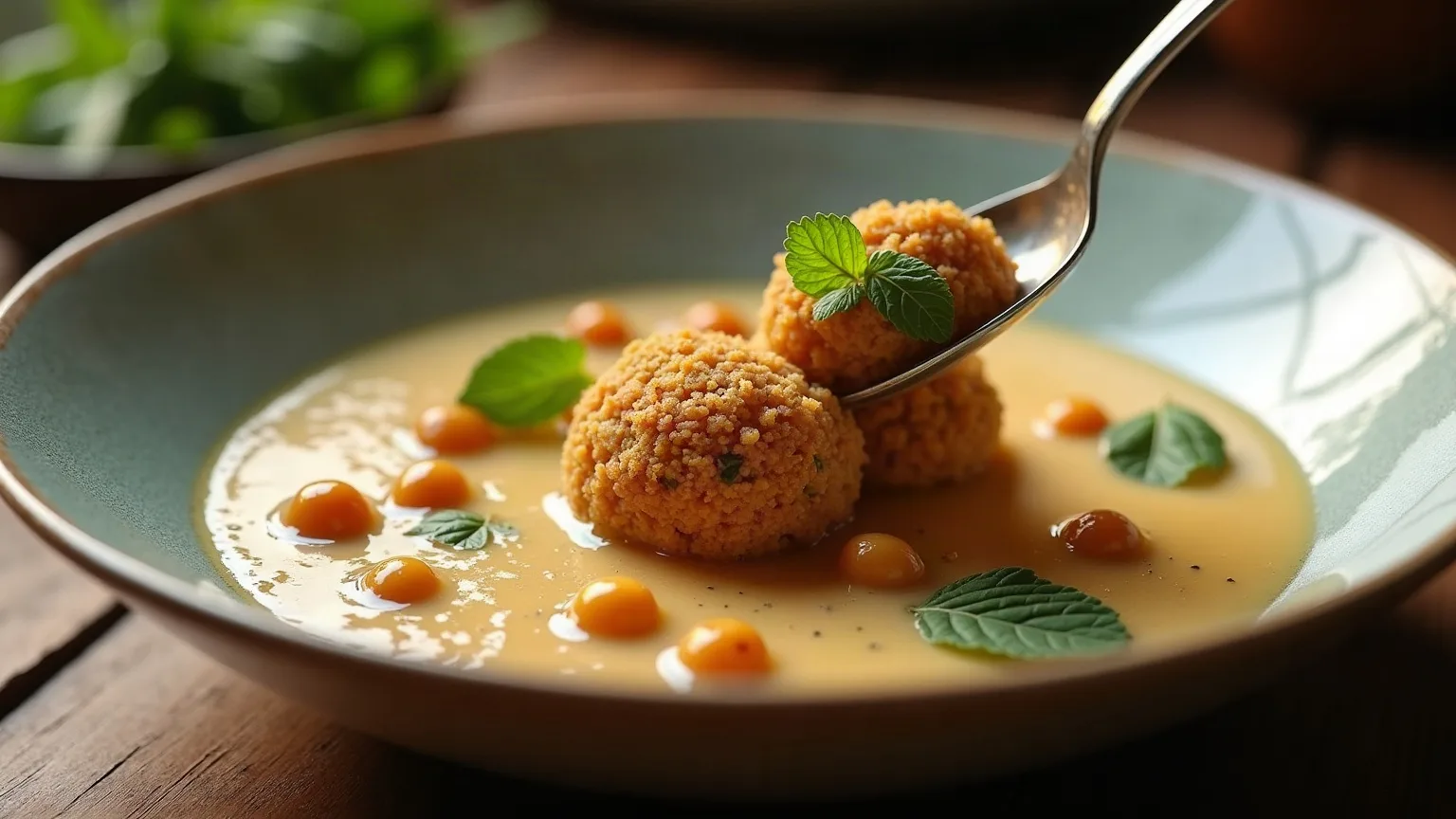
Tiny bulgur-cased köfte cooked with chickpeas in a yoghurt broth. Gaziantep sources insist it is not yuvalama: yuvalama’s balls are rice flour, ufak köfte’s are bulgur.
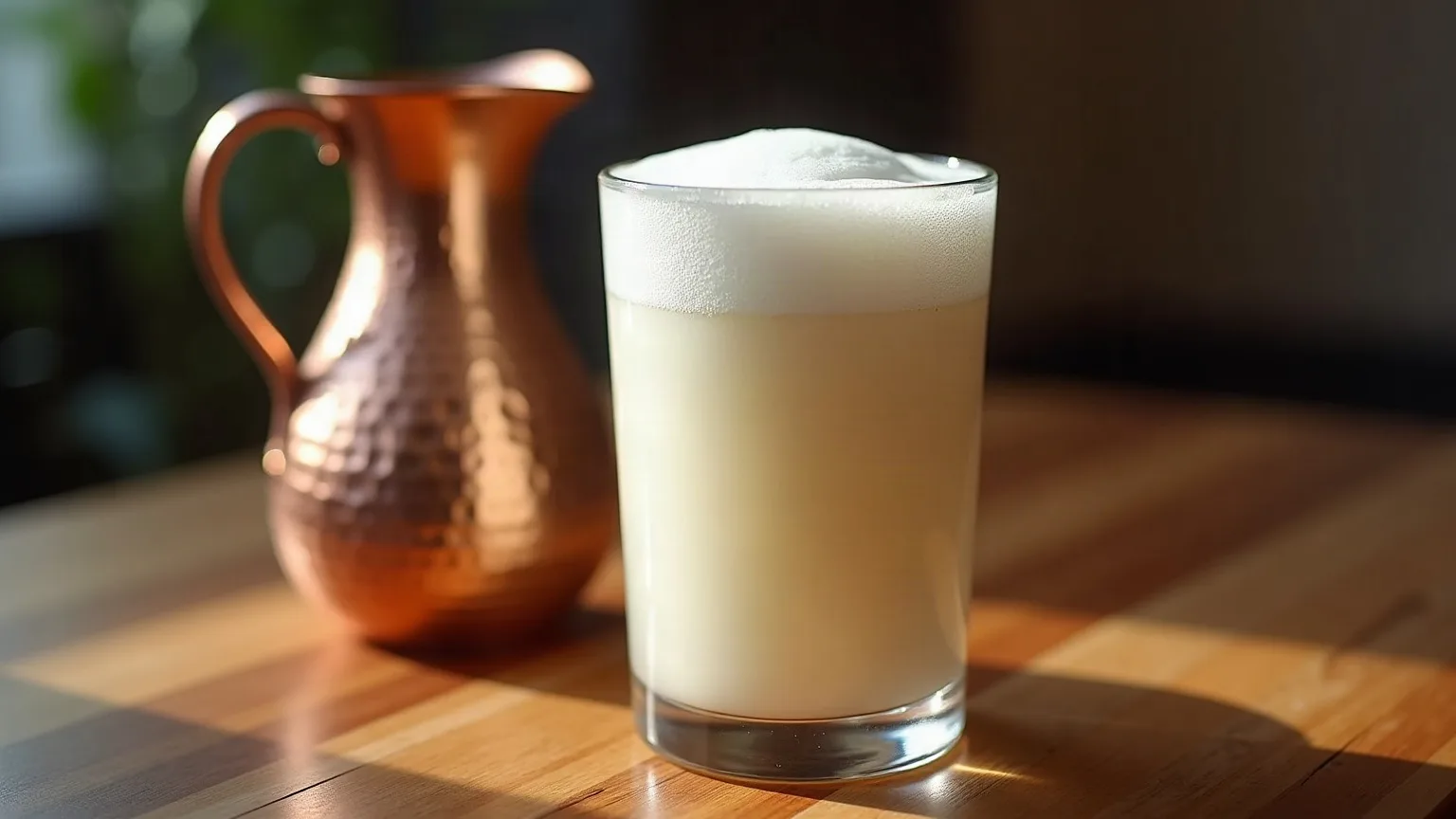
Yoghurt let down with water and salted. Turkey’s national drink, and really yoghurt made portable: on the move it both slowed spoilage in heat and replaced the salt lost through sweat.
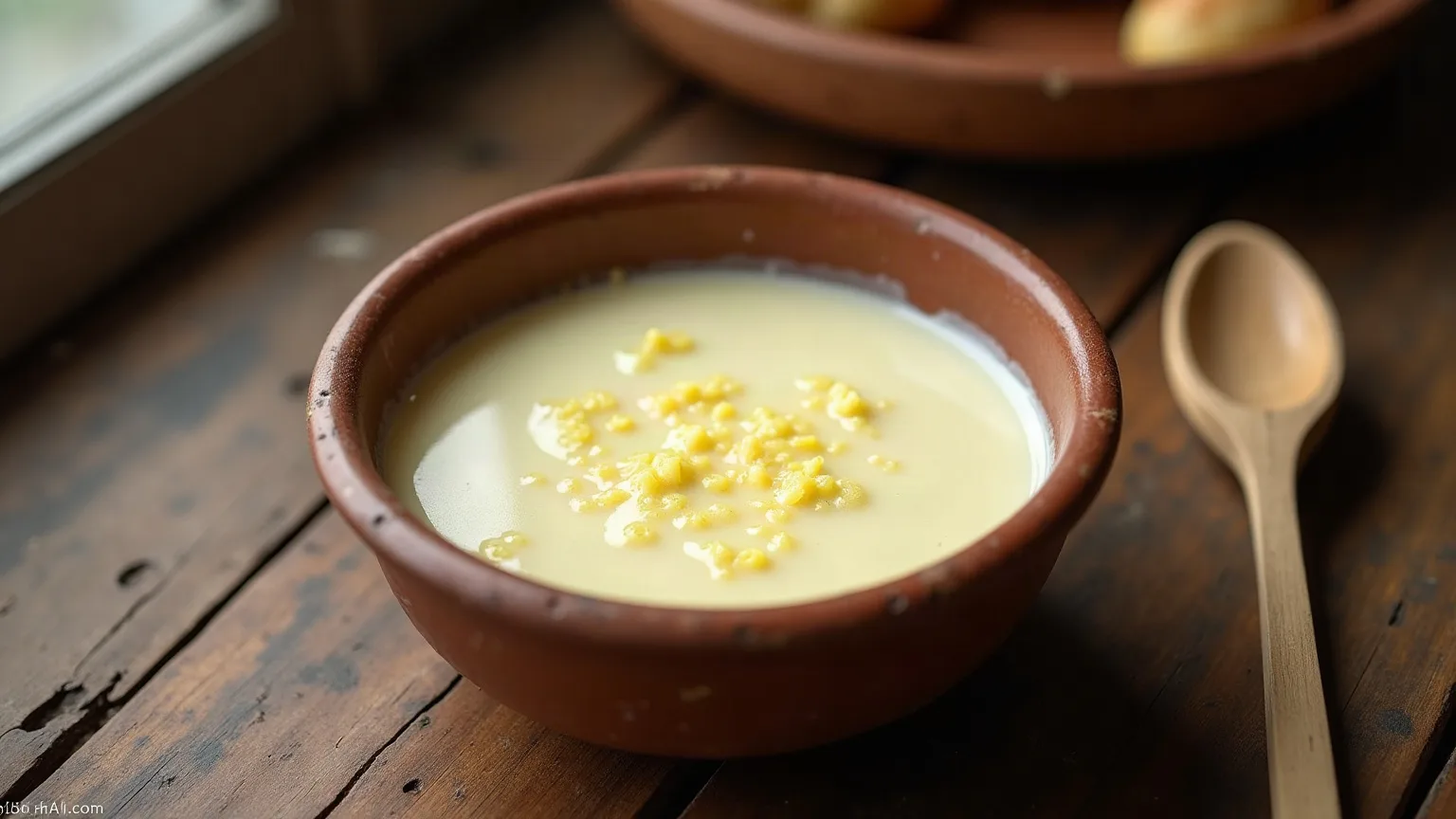
Not to be confused with ordinary ayran — it is a different substance: the liquid left after butter has been churned out of yoghurt. Yoghurt destined for butter is deliberately fermented longer, which is why churn ayran is markedly sourer.
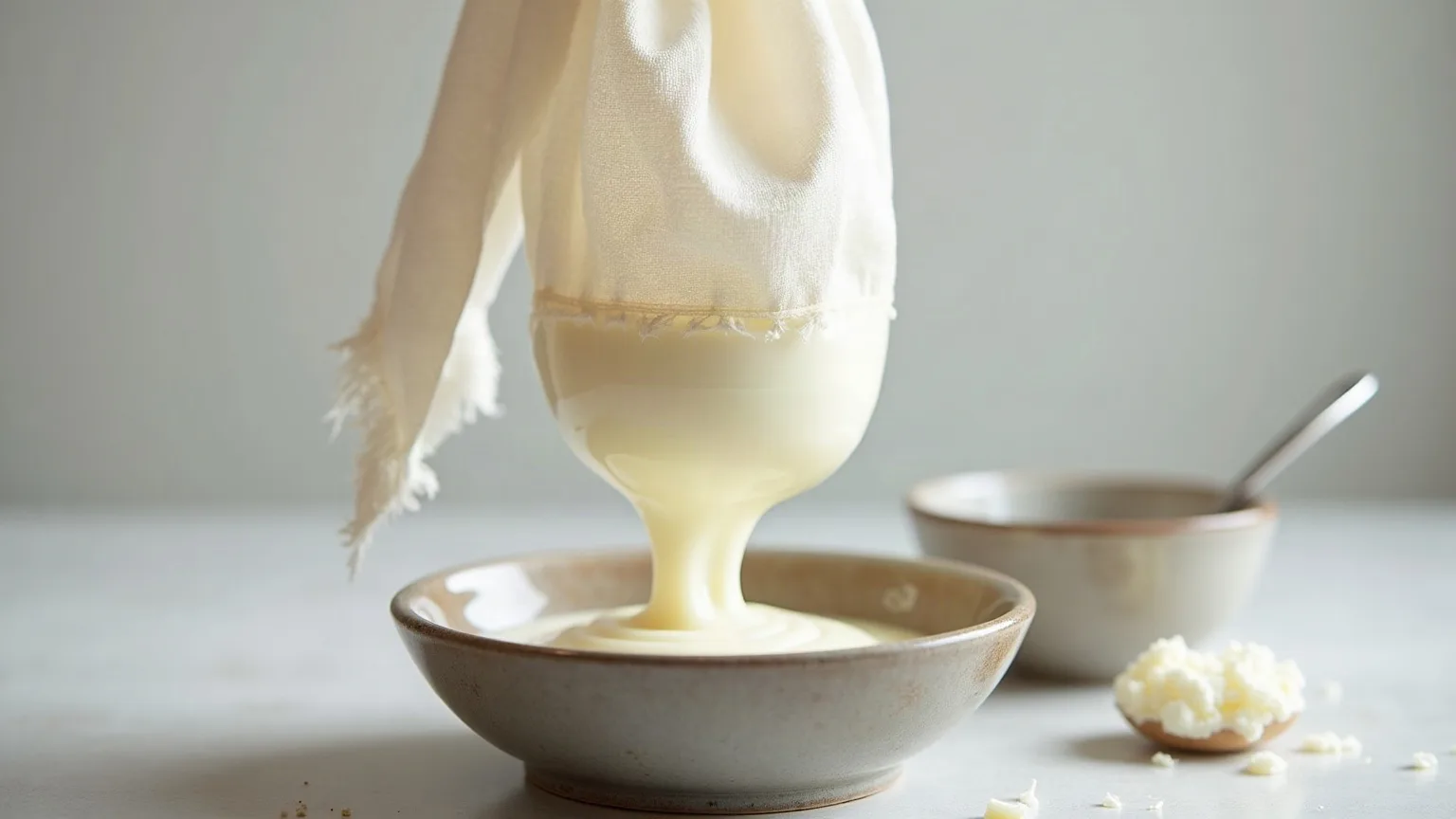
Yoghurt drained in a cloth bag to remove the whey. The base for mezes, and the terbiye of toyga and düğün çorbası.
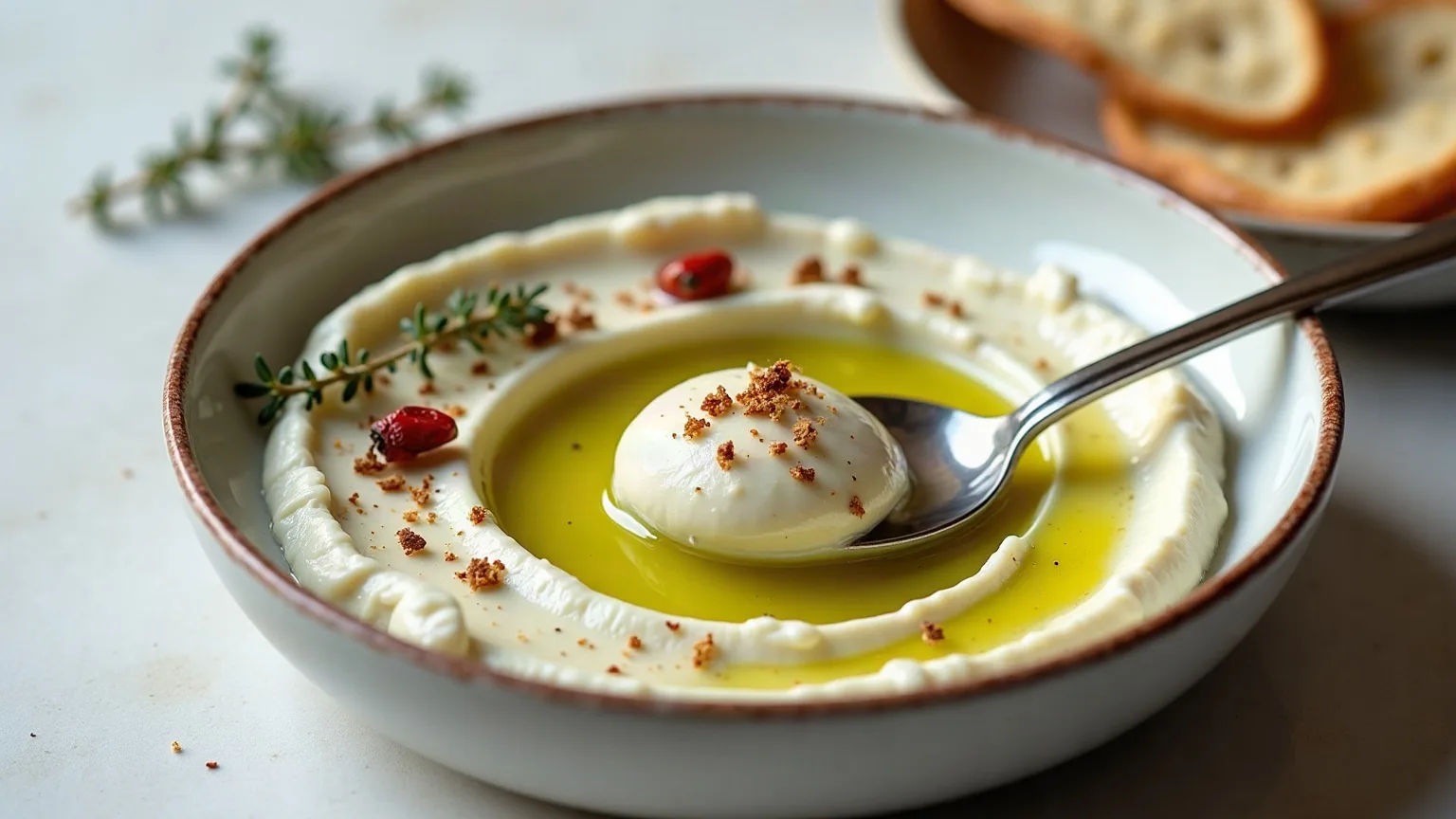
Yoghurt strained further than süzme, salted, and taken to a spreadable consistency. Süzme is lighter and silkier; labne is denser and sharper, and is served with olive oil.
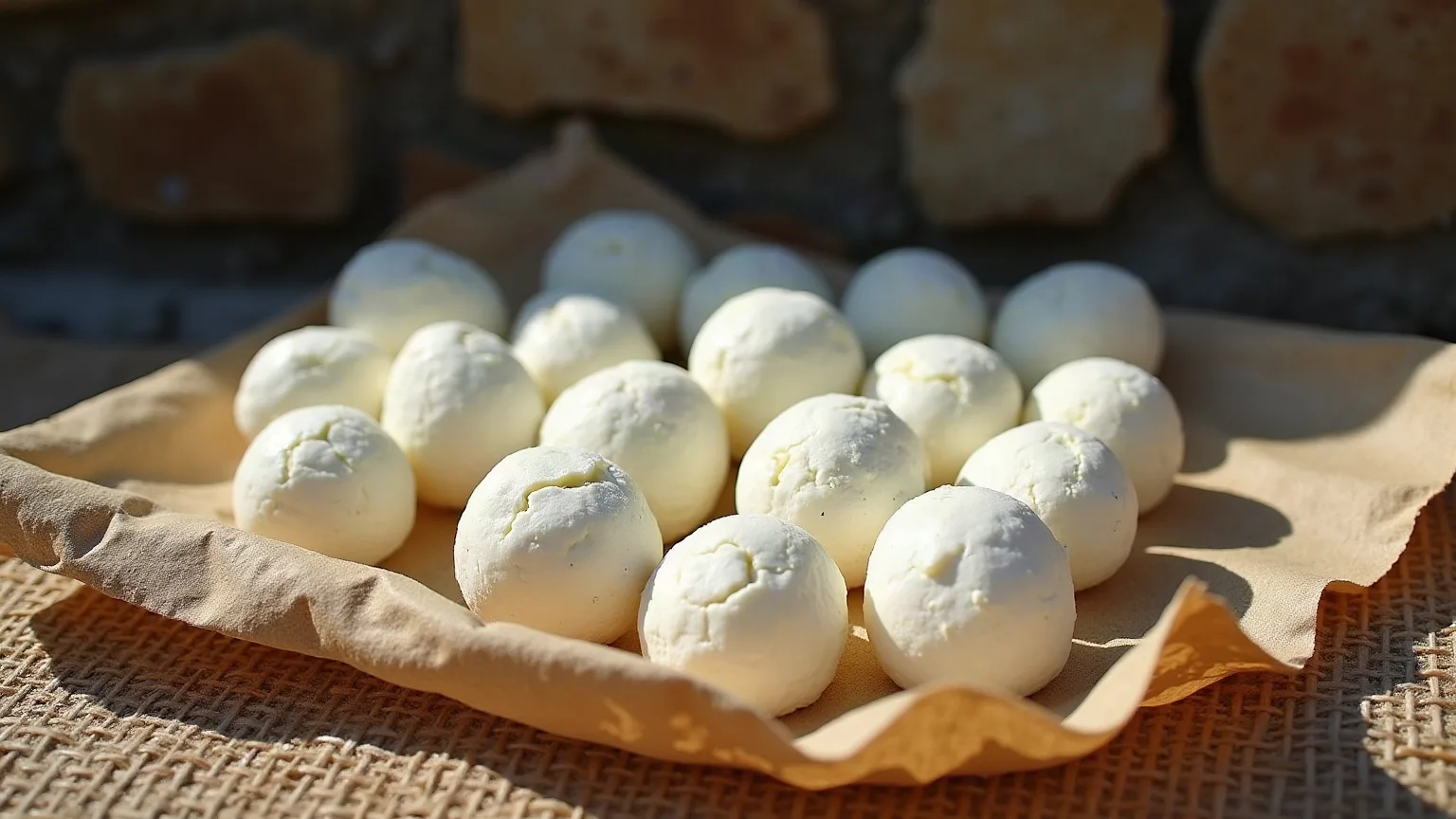
Skimmed yoghurt or churn buttermilk is strained, kneaded hard with salt, formed into egg-sized balls and sun-dried until rock hard. It rehydrates into a sour paste or is grated into soups.
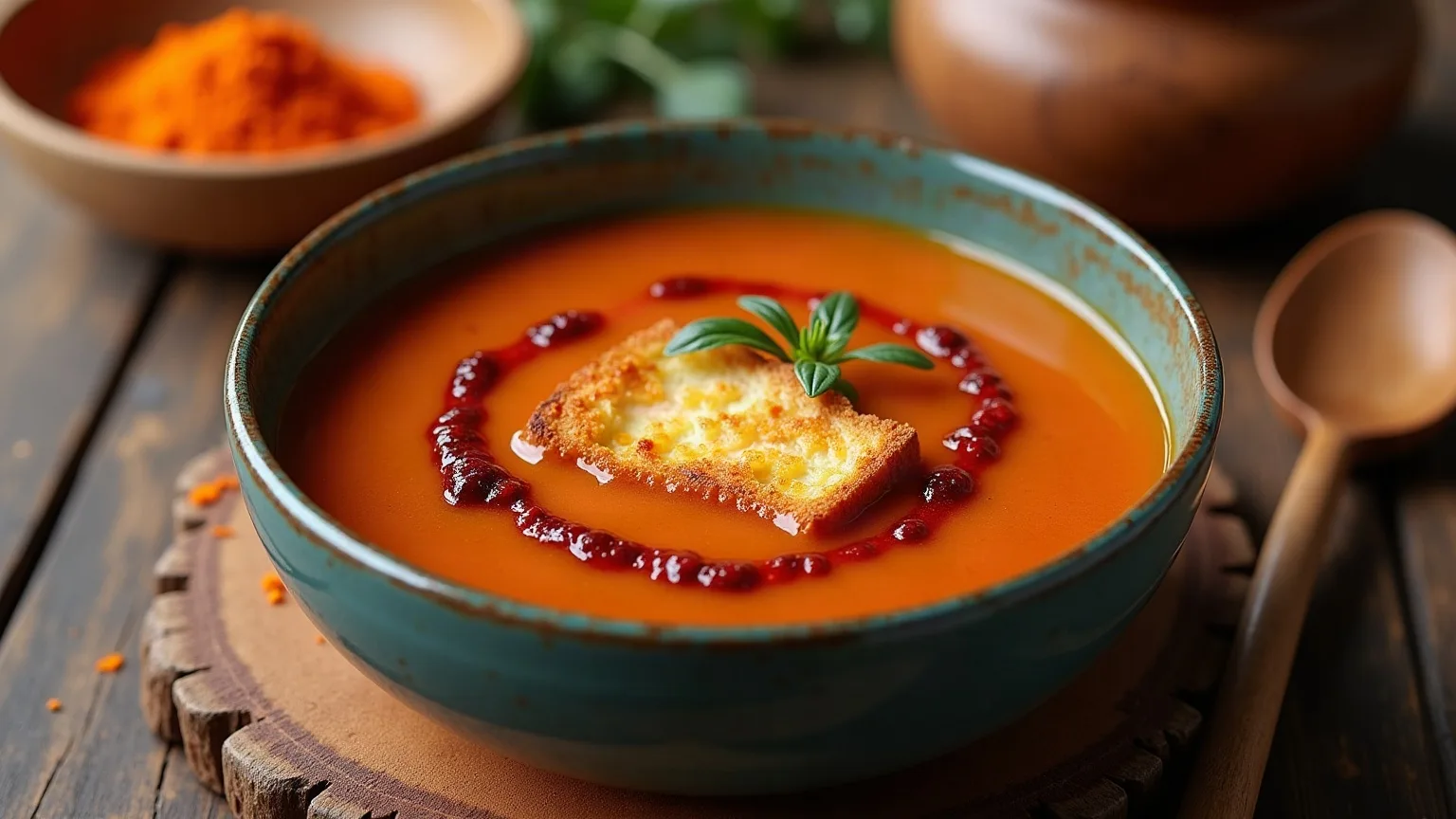
A winter store made by fermenting, drying and milling a dough of flour, yoghurt, vegetables and spices. One of the few doubly fermented cereal-dairy composites in the world: both lactic acid bacteria and yeasts are at work.
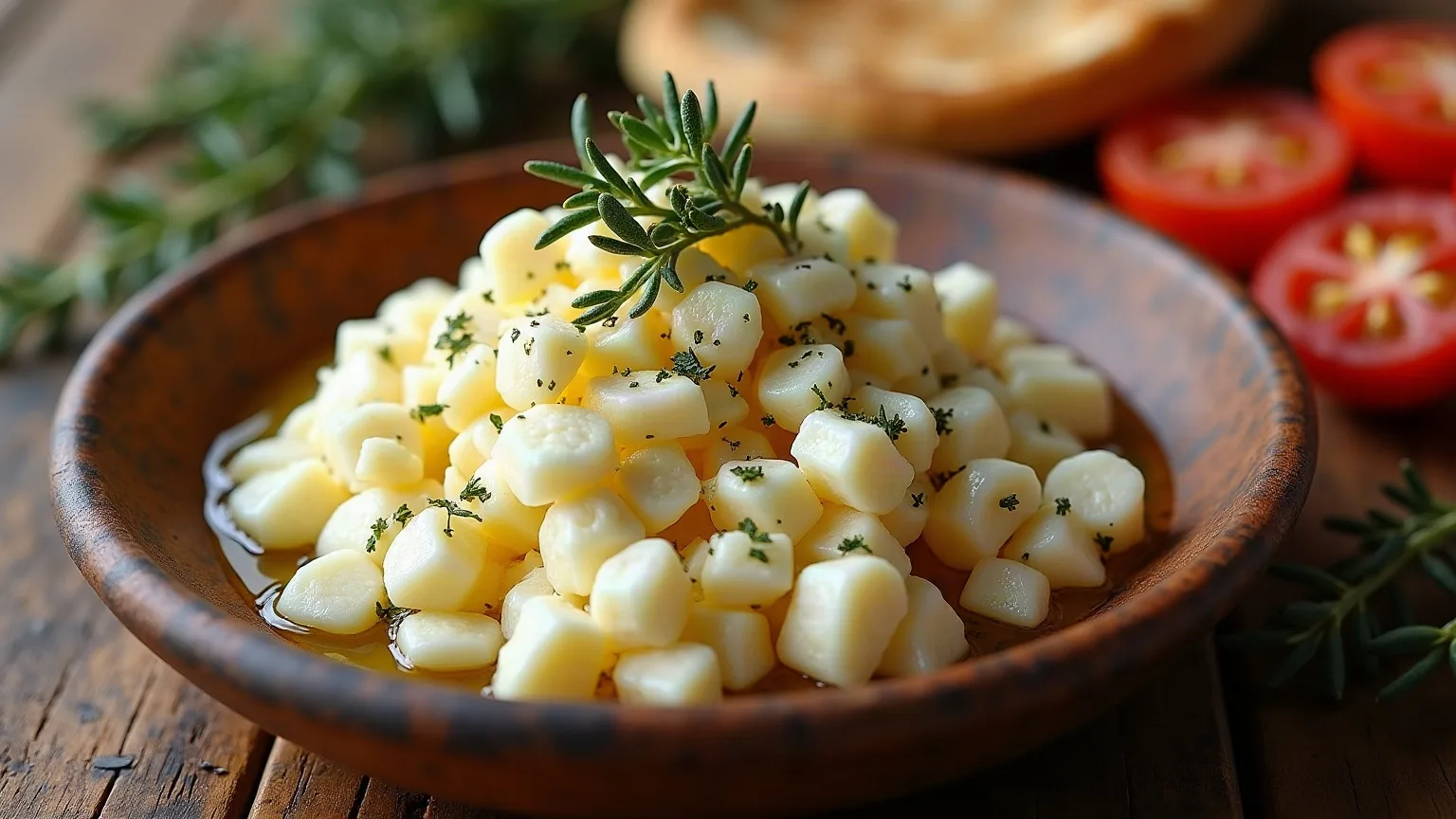
The curd that precipitates when de-fatted ayran or churn buttermilk is heated. In some regions it is made from whey instead, so çökelek is a product class defined by its acid-and-heat coagulation rather than by one starting material.
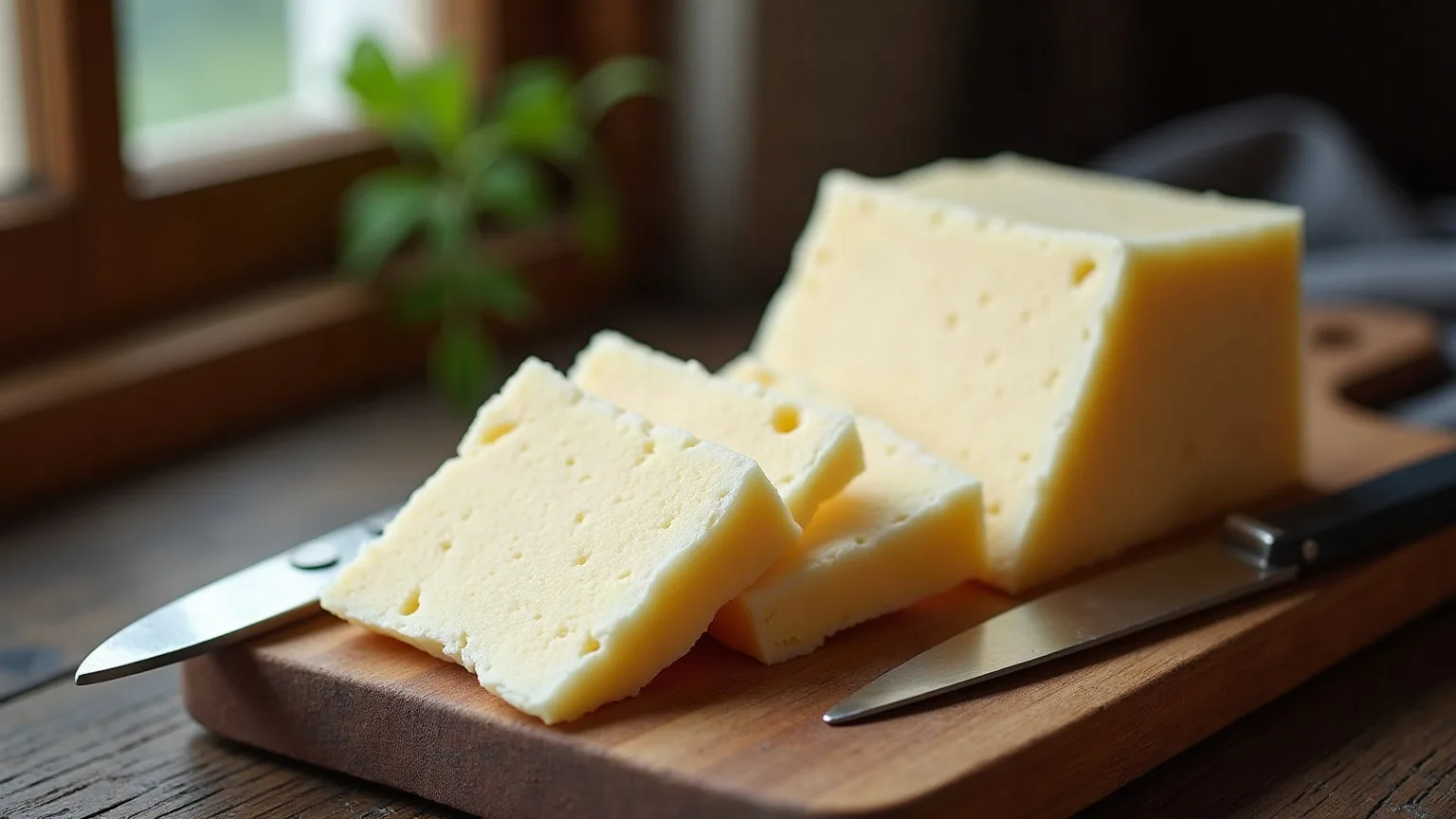
A hard cheese made from strained yoghurt and put through a ten-day drying. Bolu keş comes in blocks; the related katık keşi is shaped like a spinning top.
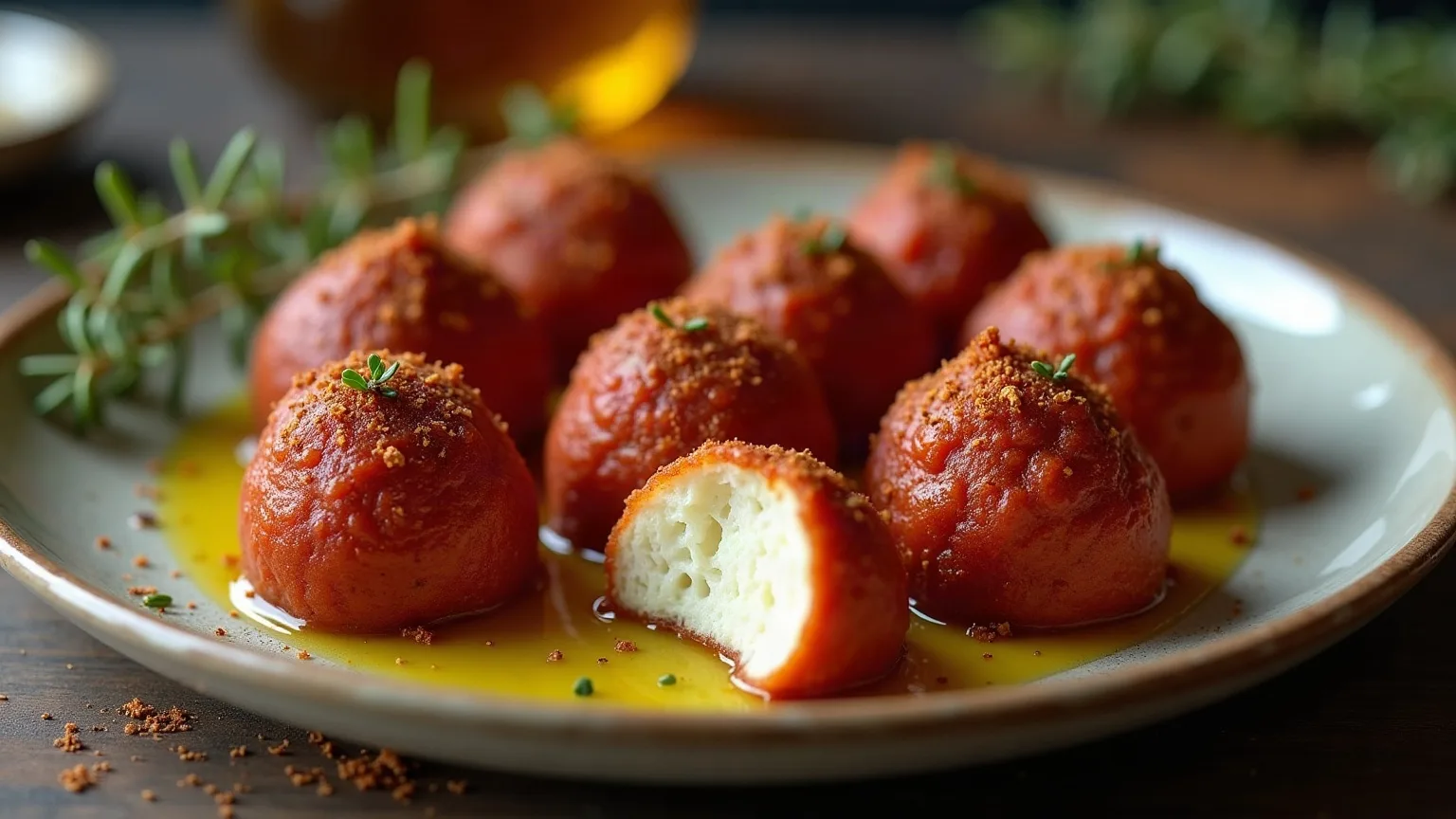
The most heavily spiced member of the çökelek family. The curd is kneaded with pepper paste and a broad spice battery led by wild thyme, then formed into cones and matured.
Turkey’s default soup. Four ingredients, thirty-five minutes and one rule: the lemon is squeezed at the table.
Three ingredients. What makes the difference is not an ingredient but the ladle of cooking water you keep.
Dried chickpeas, tomato paste and olive oil — and a pinch of bicarbonate that halves the cooking time.
Separate grains are not a recipe but two steps: rinse it, and leave the lid alone.
Flour, egg, milk. The one condition for crêpes that do not tear is half an hour of rest.
Boil, crush, roast. A rough surface means more crust.
Nothing matches that.
 Flour
Flour  Yeast
Yeast  Chicken
  Aubergine
  Water
Water  Sugar
Sugar