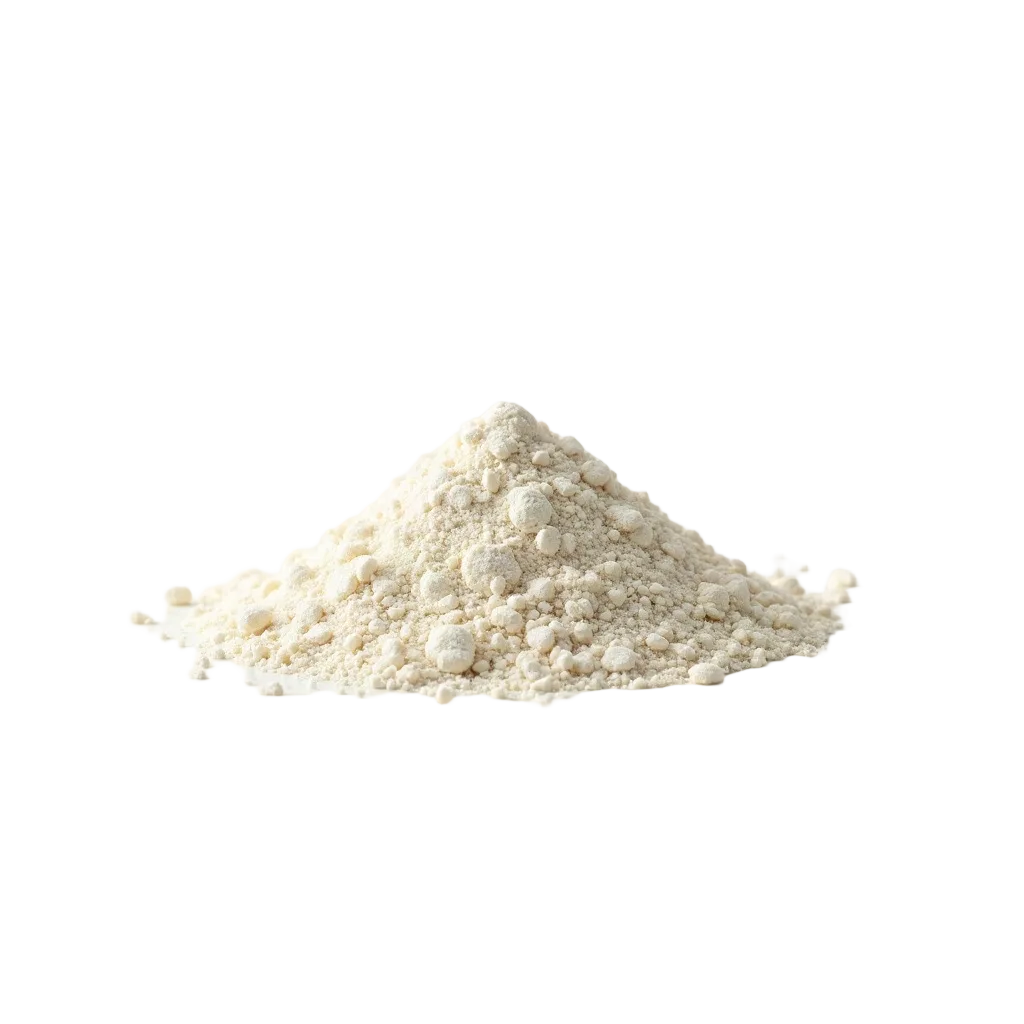
 Flour
→
Flour
→
Hydration is the reaction, not a step before it: gluten does not exist in dry flour.
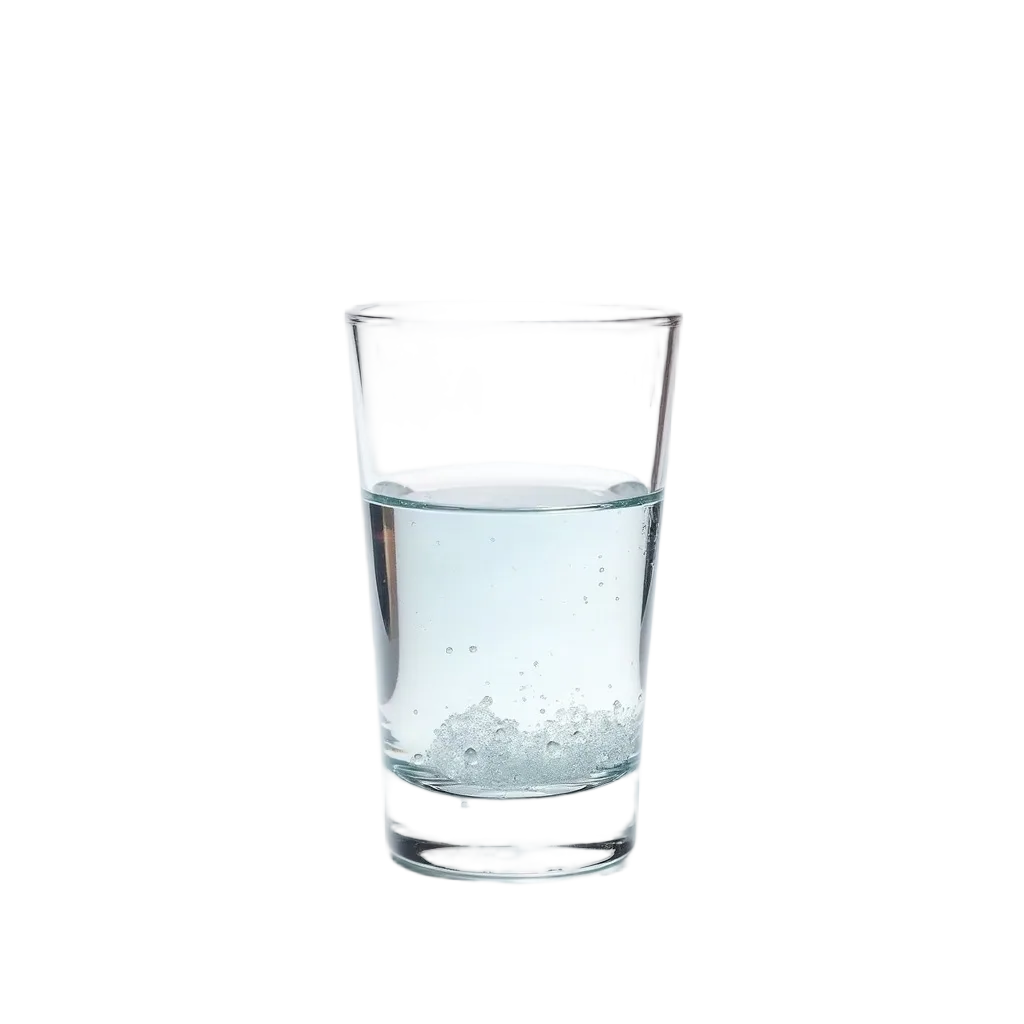
Invisible, and they decide everything. Salt solubilises protein, holds water, suppresses bitterness and lifts sweetness and umami. Water is the medium of most reactions: without it starch cannot gelatinise and gluten cannot form.
The salt window is narrow: 0.8–1.5% of the weight of the food. Above it, osmosis pulls water out, texture tightens and flavour closes down, with no way back. And do not add water to a vegetable dish: the vegetable is already 90% water.
Do not add water to a vegetable dish: it is already 90% water and makes its own liquid under a lid.
Tap water keeps three days in a covered jug in the fridge; left open it picks up odours and microorganisms from the air.
Water contains no gluten.
This ingredient carries no meaningful carbohydrate, so it has no glycaemic index. On its own it will not move blood sugar; what you eat alongside it decides that.
"They go well together" is not an explanation. Every pairing below has a chemical or structural mechanism under it.
Flour
→
Hydration is the reaction, not a step before it: gluten does not exist in dry flour.
 Rice
→
Rice
→
Gelatinisation requires water *and* heat together above roughly 60 °C; without enough water the granules cannot swell however hot the pan.
 Chickpea
Hard water: calcium and magnesium form insoluble calcium pectate cross-links that resist water penetration. Pre-boil the water, or salt the soak.
Water is the loss pathway for water-soluble vitamins: B vitamins and vitamin C leach into the cooking water in proportion to volume and time. That is the entire nutritional argument for steaming and for using the cooking liquid.
6 dishes in the database use it.
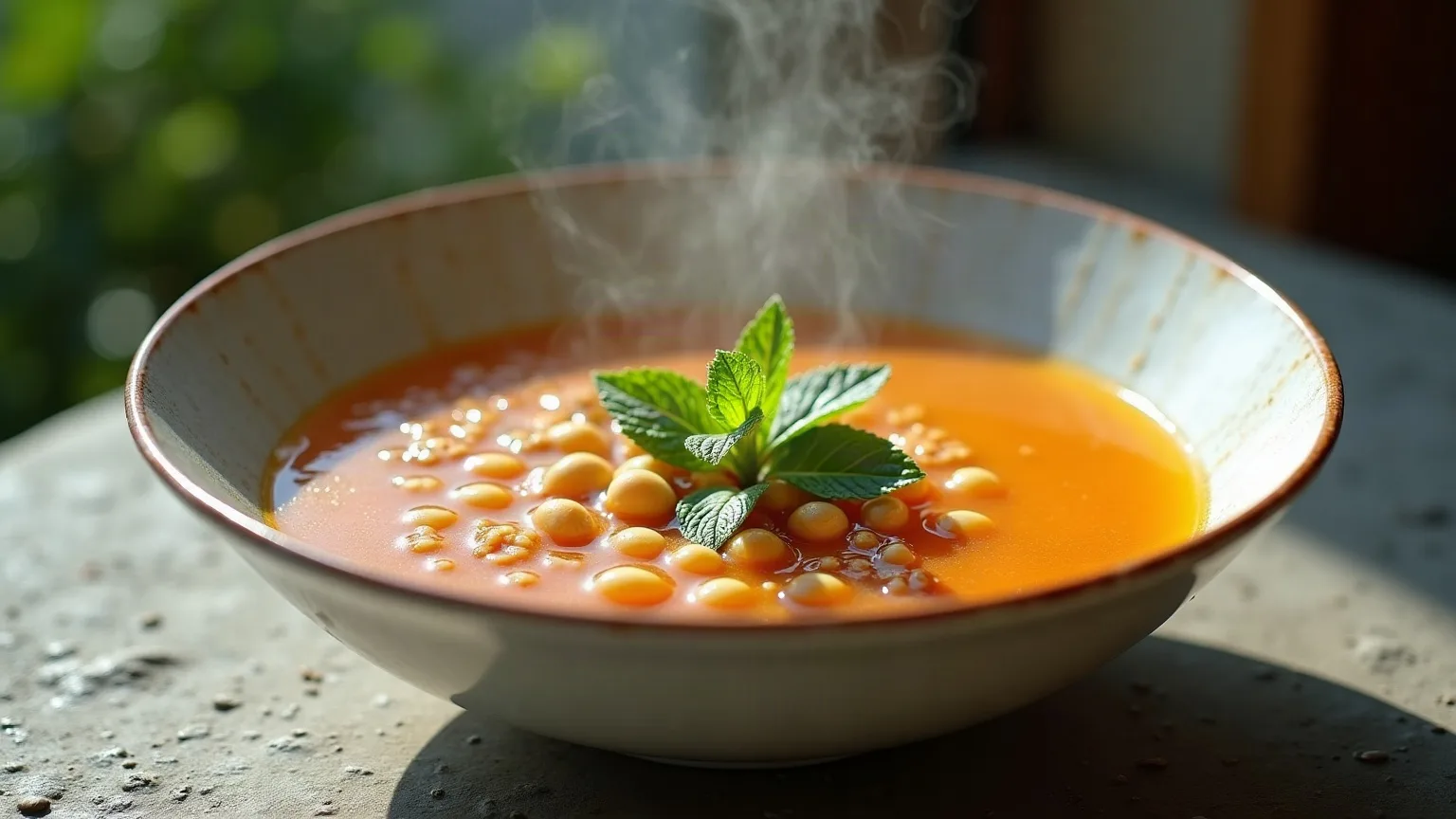
A grain and pulse soup carried on thinned yoghurt. Wheat and chickpeas are soaked overnight, boiled separately, then folded into salted, watered yoghurt. Made hot in some regions and cold in others.
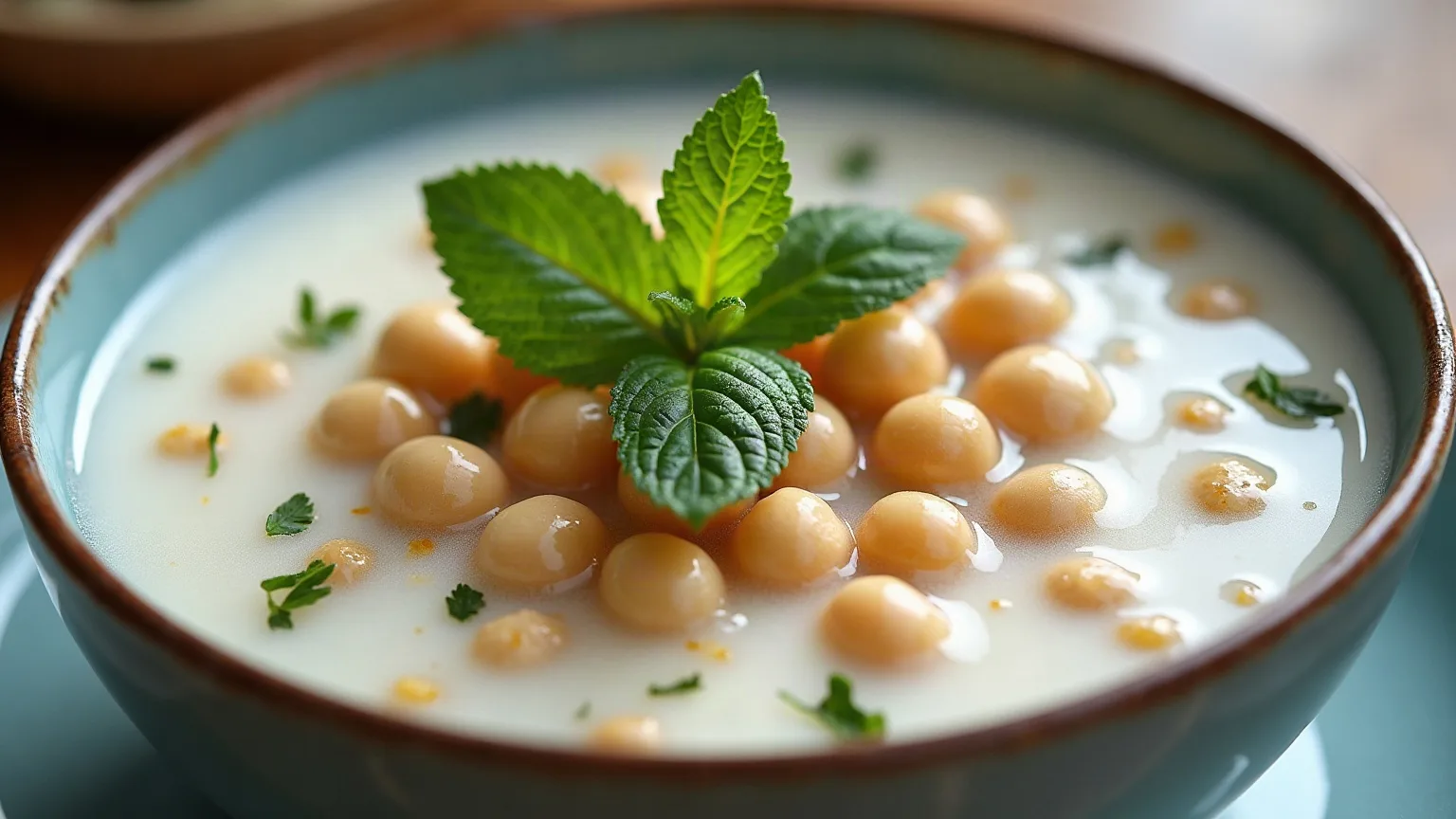
It deserves its own record because the technique is categorically different: nothing is heated. Boiled and cooled chickpeas and wheat are stirred into yoghurt thinned with cold water and salted, then dill, dried mint and ice go in.
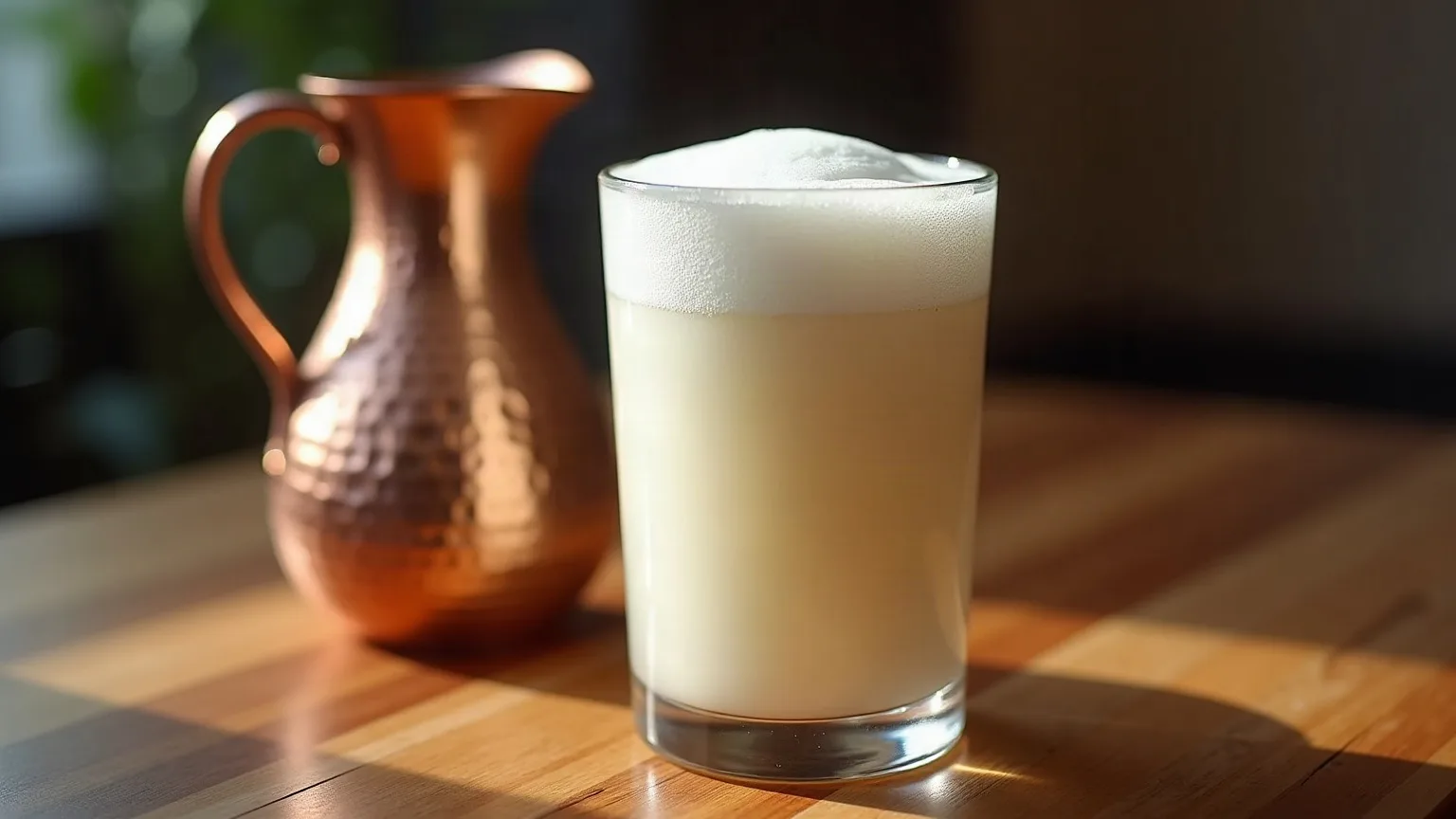
Yoghurt let down with water and salted. Turkey’s national drink, and really yoghurt made portable: on the move it both slowed spoilage in heat and replaced the salt lost through sweat.
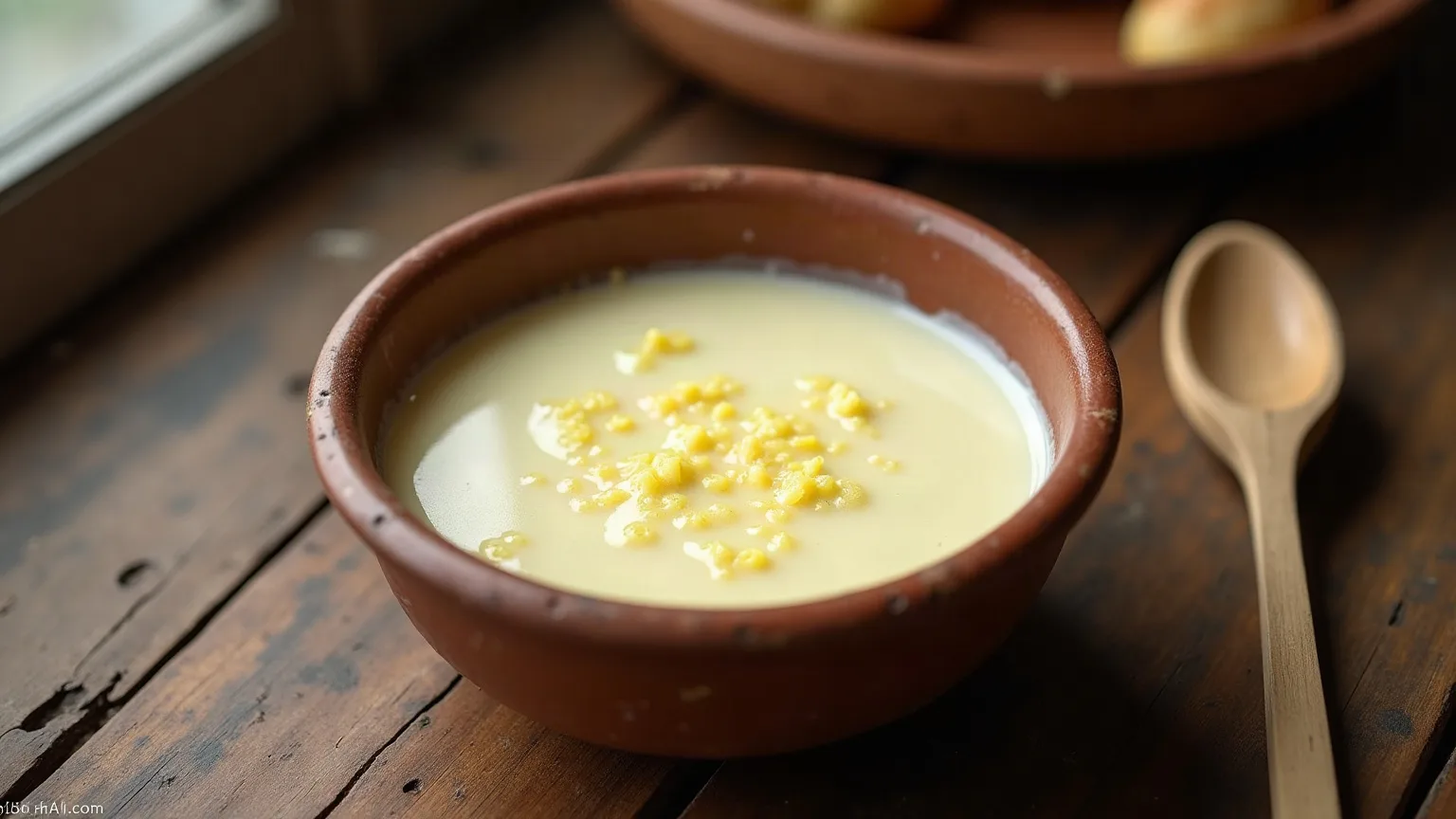
Not to be confused with ordinary ayran — it is a different substance: the liquid left after butter has been churned out of yoghurt. Yoghurt destined for butter is deliberately fermented longer, which is why churn ayran is markedly sourer.
Nothing matches that.
 Starch
  Lentil
  Salt
Salt  Bulgur
  Pasta
Pasta