
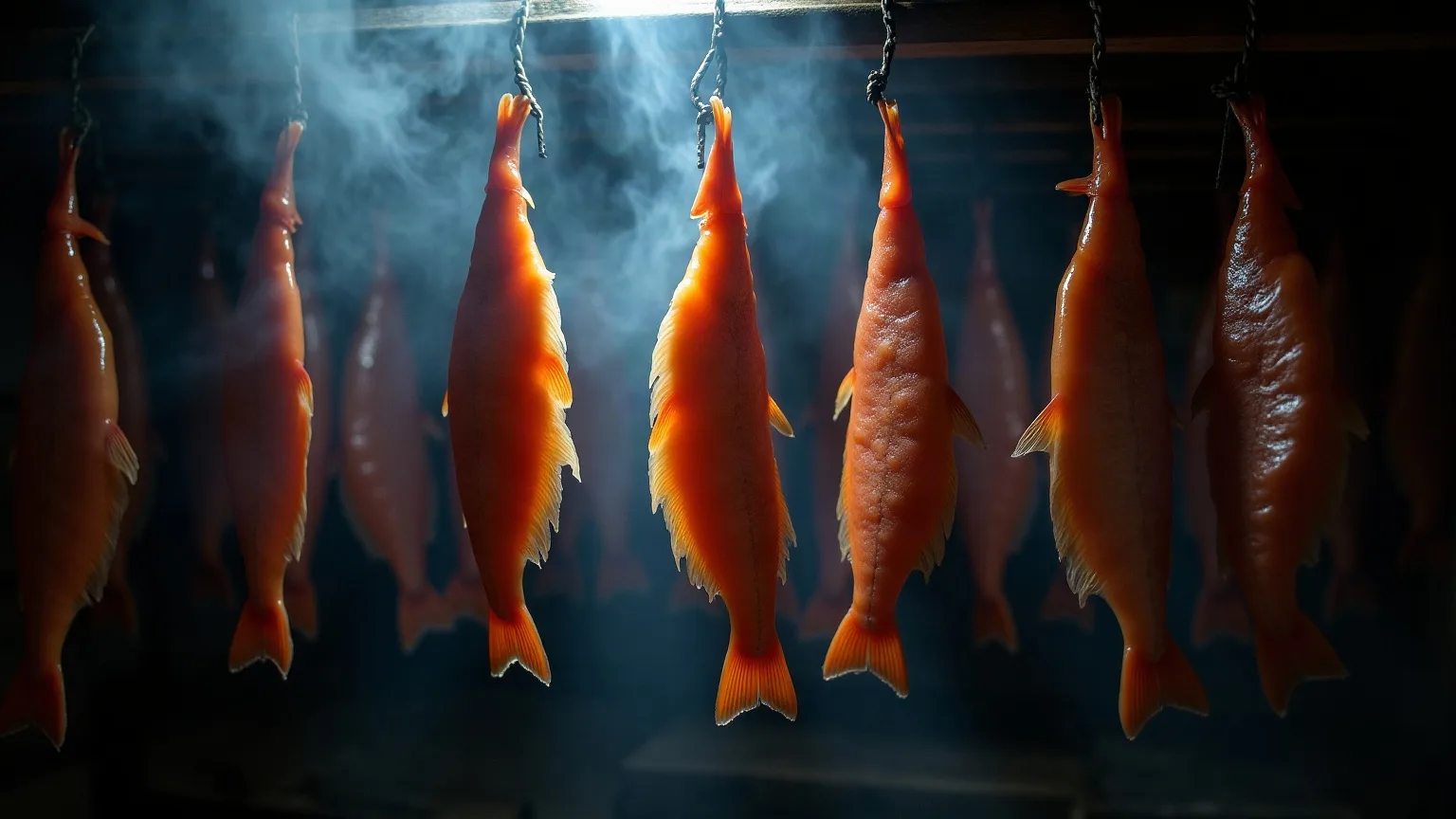
Smoking
Cold smoke does not cook — it dries and preserves; hot smoke cooks at the same time. The wood decides the aroma: fruitwood gentle, oak assertive, pine never.
The mechanism
Smoke is pyrolysis, not combustion: wood heated to 300–400 °C with limited oxygen breaks its lignin down and releases aroma molecules — phenols, guaiacol, syringol. Those same molecules are antimicrobial, and combining with surface moisture they form a thin protective layer. For smoke to bind, the surface must be tacky and slightly damp; that layer is called a pellicle, and it forms by leaving the salted product in moving air for a few hours. Smoke will not stick to a dry surface, and on a wet one the running moisture washes the aroma away.
The thresholds that define it
“Medium heat” is not a technique. Every line below is a point where something starts or stops.
- 20–25 °C Cold smoke. It does not cook: salt and drying preserve, smoke flavours.
- 60–80 °C Hot smoke, cooking and smoking at once — the band for fish and poultry.
- 300–400 °C The pyrolysis window for wood, where the aroma molecules are made.
- 500 °C üstü The wood flames: soot and PAHs instead of aroma, and the taste turns bitter.
- 2–4 saat Pellicle drying. Without that skin the smoke has nothing to hold on to.
How to read it by hand
Watch the colour of the smoke. Thin, bluish, almost invisible smoke is the right smoke. Thick white or yellow smoke means the wood is smouldering rather than pyrolysing; it carries unburnt particles that leave a bitter, ashy taste. Soaking wood chips is usually a mistake for the same reason: wet wood makes steam first, drops the temperature and produces white smoke. To test the pellicle, touch the surface — tacky but not transferring to your finger means it is ready.
The three mistakes people make
01 It tastes bitter and ashy ⌄
Why
Thick white smoke, or a resinous wood. Once soot and unburnt particles settle, the taste cannot be undone.
What to do
Use a little wood with plenty of airflow, and stay with oak, beech, apple or cherry. Never resinous woods — pine, spruce, eucalyptus.
02 The smoke did not take and the flavour is superficial ⌄
Why
The surface was either dry or wet: no pellicle had formed.
What to do
After salting, leave it uncovered in the fridge for two to four hours. Smoke it when the surface is matte and slightly tacky.
03 Dry outside, still raw inside ⌄
Why
Low heat over a long time. In dry air the surface dries faster than the middle and the crust seals the moisture in.
What to do
Put a tray of water in the chamber and take it to 70–80 °C: humidity stops the surface setting too early.
Where it comes from
Pastırma is not smoked, but it is the oldest Anatolian product built on the same logic: the meat is salted, pressed, dried and coated in çemen, which acts as both aroma and an oxygen barrier. In Kayseri the work is planned around the wind, because drying speed is set by airflow rather than temperature. Smoke itself shows up in Black Sea fish and Thracian sucuk. The shared idea: you preserve food by taking its water and building a layer at the surface that microbes dislike — and smoke does that while adding flavour.
Giving the heat another way
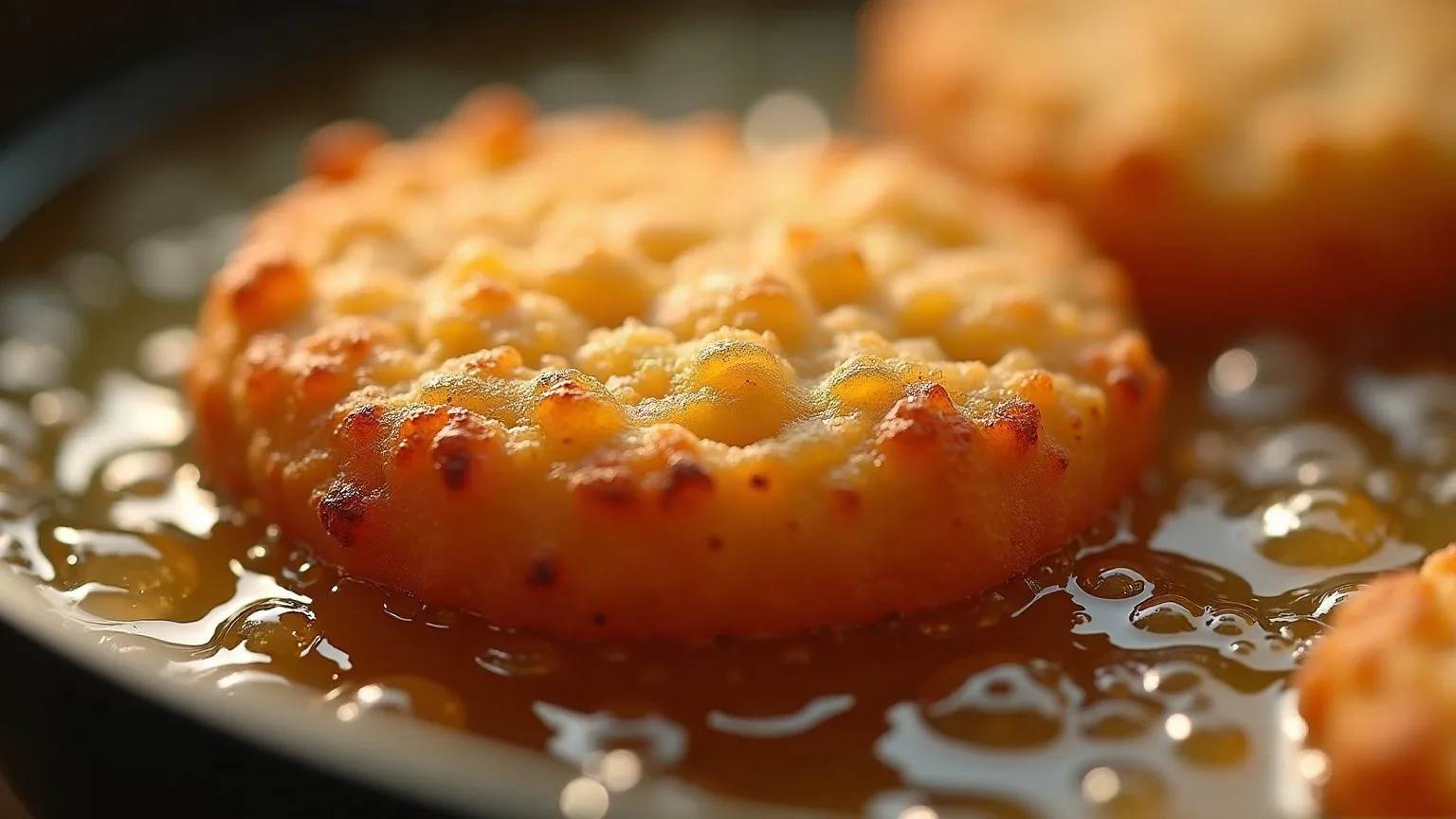
Deep frying
Surface water flashes to steam and pushes outward — that is the shield keeping oil out. Cold oil never builds it, and the food drinks the fat instead.
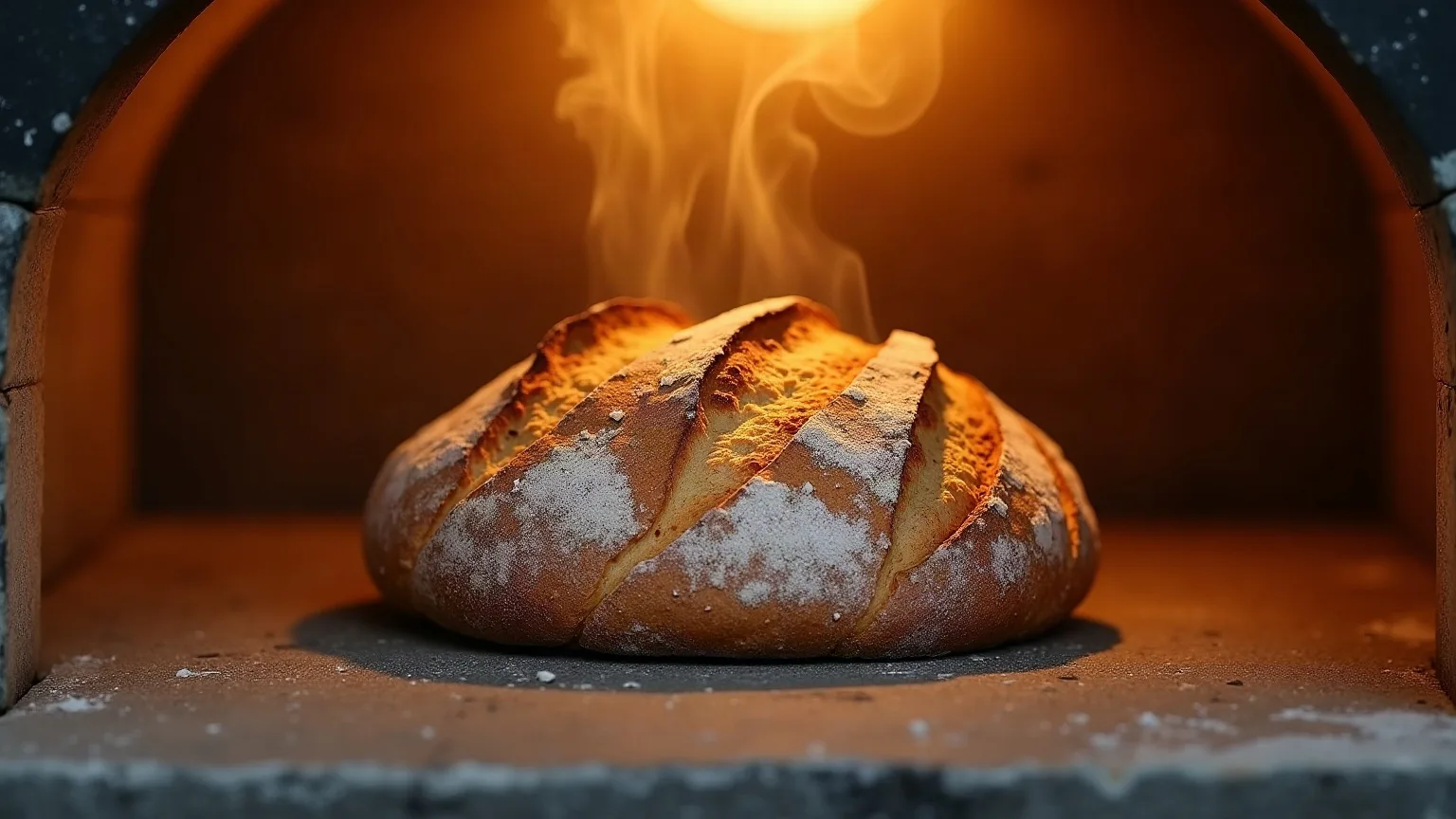
The oven
Air carries heat badly, so a 200 °C oven does not make 200 °C food. The inside stays where water boils, at 100 °C.
Boiling & poaching
Water cannot pass 100 °C, so turning the flame up changes nothing. Boiling is set by time and salt, not by temperature.