What to cook In the mood Workshop Scenarios Actually easy Techniques Dishes Ingredients Diets Recipes
Home · Ingredients · Vinegar
Vinegar
Acids · Vi

Vinegar

pH 2.4–3.4 · 5% acetic acid

Per 100 g
21 kcal Energy
0 g Protein
0.9 g Carbs
0 g Fat
0 g Fibre
Gluten-free

Let’s cook with it → Invent something with it

What it is for

They set the balance. Acid cuts fat, reins in sweetness, denatures protein and triggers leaveners. When a dish tastes like something is missing, it is usually acid rather than salt.

Where it catches you out

Heat drives the aroma out of acid. Squeeze the lemon at the table, not into the pot, and add vinegar at the end.

The knack

Add it off the heat: boiling drives the aroma off and leaves nothing but sharpness.

Storage and health

How to keep it, and who it suits.

Keeping it

Sealed and out of the light it keeps for years; cloudiness and a mother forming at the bottom are not spoilage.

Gluten-free

Grape, apple and spirit vinegars are gluten-free. Malt vinegar is the exception: it is made from barley and carries gluten.

Glycaemic index

This ingredient carries no meaningful carbohydrate, so it has no glycaemic index. On its own it will not move blood sugar; what you eat alongside it decides that.

What it works with

Pairings, and the reason for each

"They go well together" is not an explanation. Every pairing below has a chemical or structural mechanism under it.

Olive oil

Acetic acid lowers interfacial tension and mechanical agitation forms a temporary emulsion. It is unstable because vinegar brings no emulsifier, which is why mustard or tahini is added in practice.
Sugar

Sucrose competitively suppresses sour perception at the receptor, which is the entire basis of a sweet-sour pickling brine.

Also works with

What it fights with

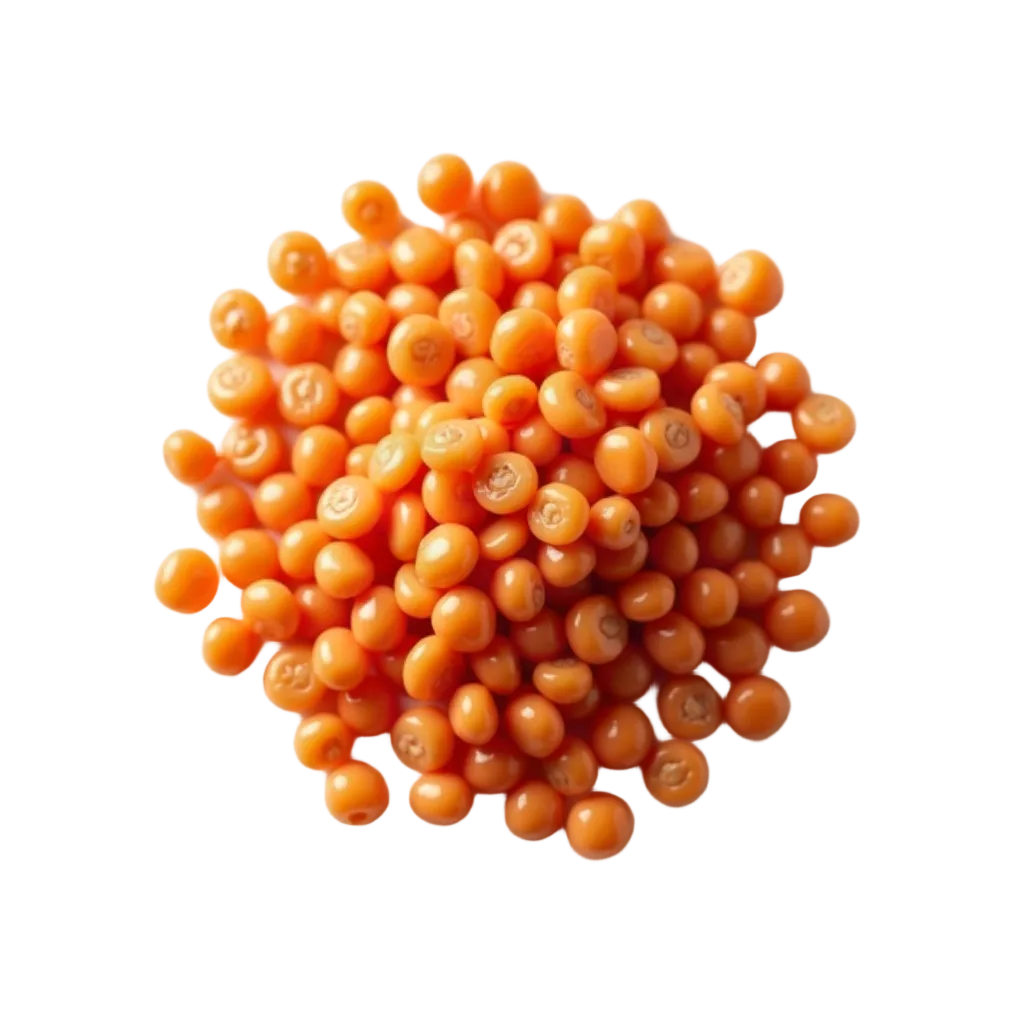
Lentil

Acid during cooking keeps pectin insoluble, so pulses simmered in vinegar or tomato stay stubbornly hard.

What goes on top
  • Used as a dressing, as in piyaz, never sprinkled as a finish
Key compounds
Asetik asit
4–6%; the harshness boils off while some of the sourness remains.
Nutritionally

Acetic acid produces a small but reproducible reduction in postprandial glycaemia, plausibly by slowing gastric emptying. Real, but modest.