
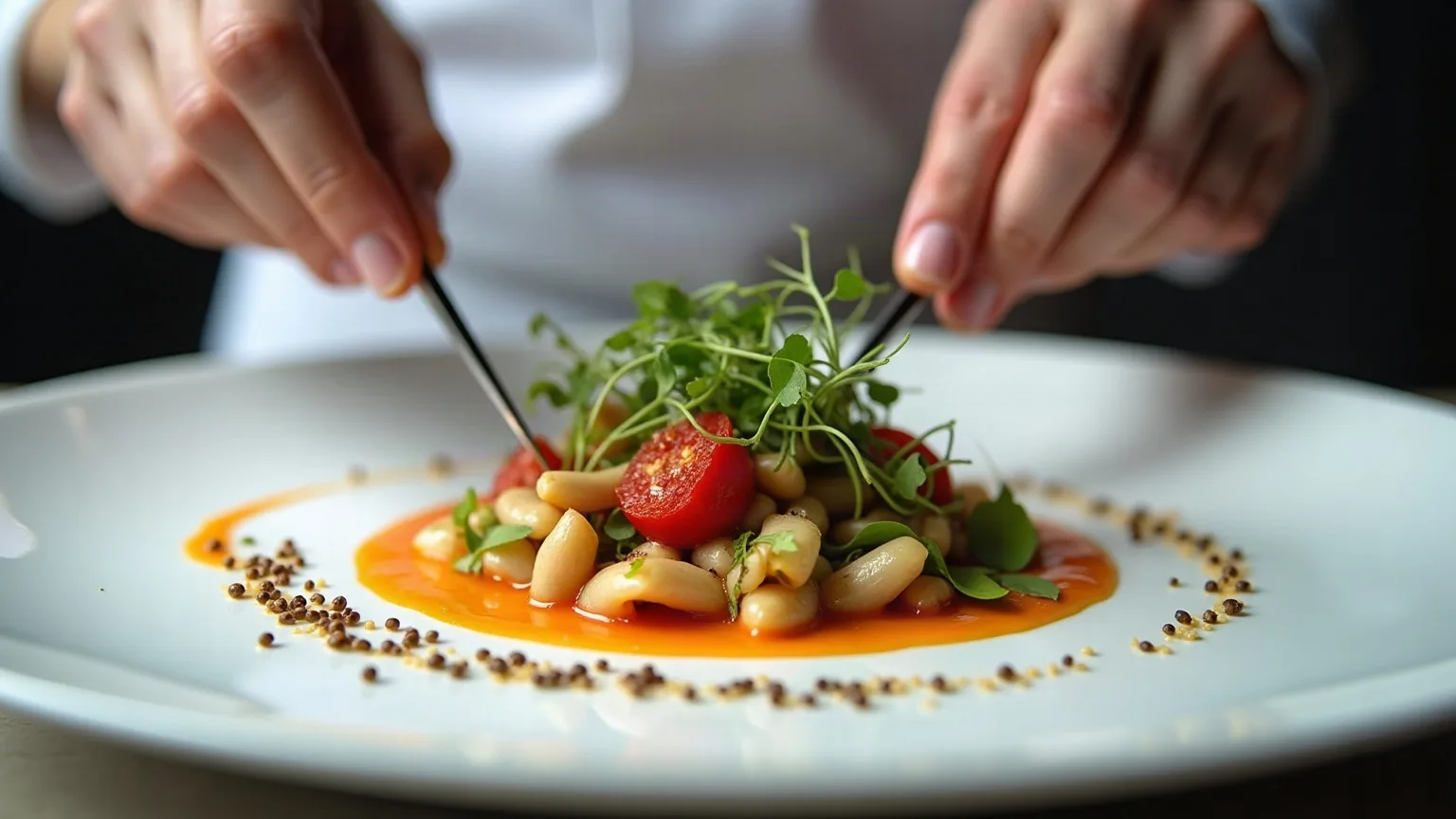
Plating & table
Focal point, negative space, height, odd numbers. The linen, the napkin and the colour of the light are part of the taste; the table is where the dish continues.
The mechanism
Plating is not decoration but the management of perception, and the effect is measurable: the same food is rated tastier and more valuable when it is arranged carefully. The mechanism is expectation — the brain predicts flavour from the image before anything reaches the mouth, and that prediction shifts the actual perception. This is why empty space matters: the eye looks for a focal point, and a full plate has none. Height casts shadow, and shadow reads as depth. Odd numbers stop the eye counting and make it look instead; even numbers build symmetry, and symmetry scatters attention. The colour of the light joins in too: 2700–3000 K warm light saturates reds and browns, while cool white LED makes meat look grey.
The thresholds that define it
“Medium heat” is not a technique. Every line below is a point where something starts or stops.
- %30 boşluk Leave at least a third of the plate empty — a focal point only exists against space.
- 4–6 cm Height. Shadow appears in this range; beyond it the food becomes awkward to eat.
- 3 ya da 5 The odd-number rule. Even counts build symmetry and pull the eye off the focus.
- 2700–3000 K The colour of table light. Cool white makes meat grey and greens pale.
- 60 saniye How long a hot plate gives you. Take longer and the food is cold, and no composition saves that.
How to read it by hand
Finish the plate, then run two tests. First, photograph it and look at the thumbnail: if a focal point survives at that size the composition works; if everything weighs the same, it does not. Second, turn the plate ninety degrees — it should have a front from any angle. Save the sauce for last and touch it with the tip of the spoon rather than the back. Put hot food on a hot plate: a cold one costs ten degrees before it reaches the table.
The three mistakes people make
01 A full plate that photographs as a mess ⌄
Why
There is no focal point: every element is the same size at the same distance.
What to do
Pick one clear hero, set it slightly off centre and lean the rest against it. Leave a third of the plate empty.
02 The sauce ended up under the food and the dish looks dry ⌄
Why
The sauce went down first and the main element sat on it: invisible, and the crust went soggy.
What to do
Put the sauce beside the hero rather than beneath it, and serve it separately when anything is crisp.
03 A beautiful table, and the food arrives cold ⌄
Why
Plating took too long, or the plates were cold.
What to do
Warm the plates at 60 °C, have every component ready before the plate arrives, and give the plating itself no more than a minute.
Where it comes from
In Turkish tradition the table mattered more than the plate: people sat around a sini and ate from one vessel at the centre, so the composition belonged to the whole table rather than to any plate. Portioning by plate arrived from Europe in the nineteenth century with *service à la russe*, courses served in sequence and per person. The difference is still visible: a meze table follows the older logic, a main course the newer. What both share is that presentation counts as the measure of attention paid to a guest, never as display.
Giving the heat another way
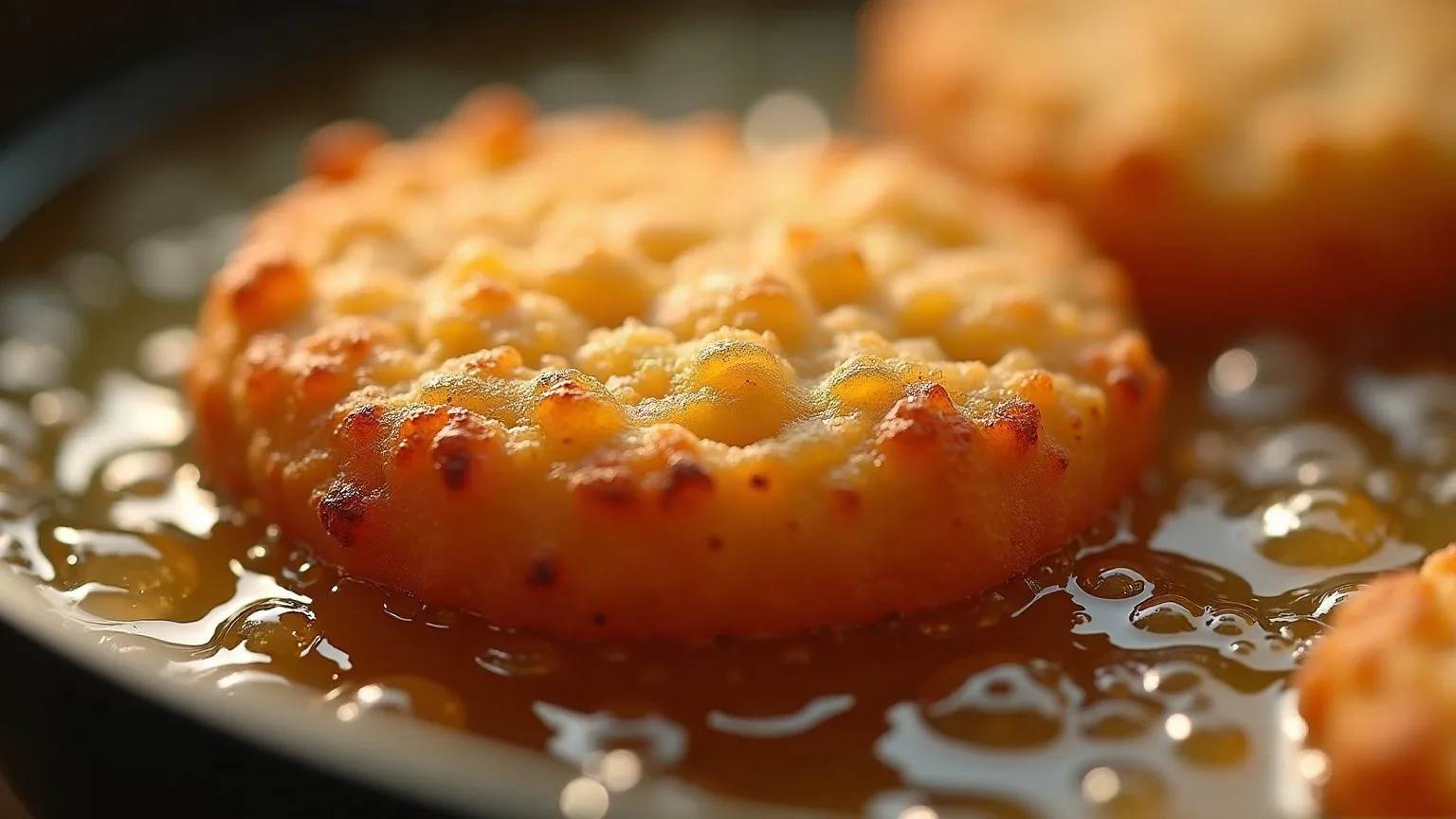
Deep frying
Surface water flashes to steam and pushes outward — that is the shield keeping oil out. Cold oil never builds it, and the food drinks the fat instead.
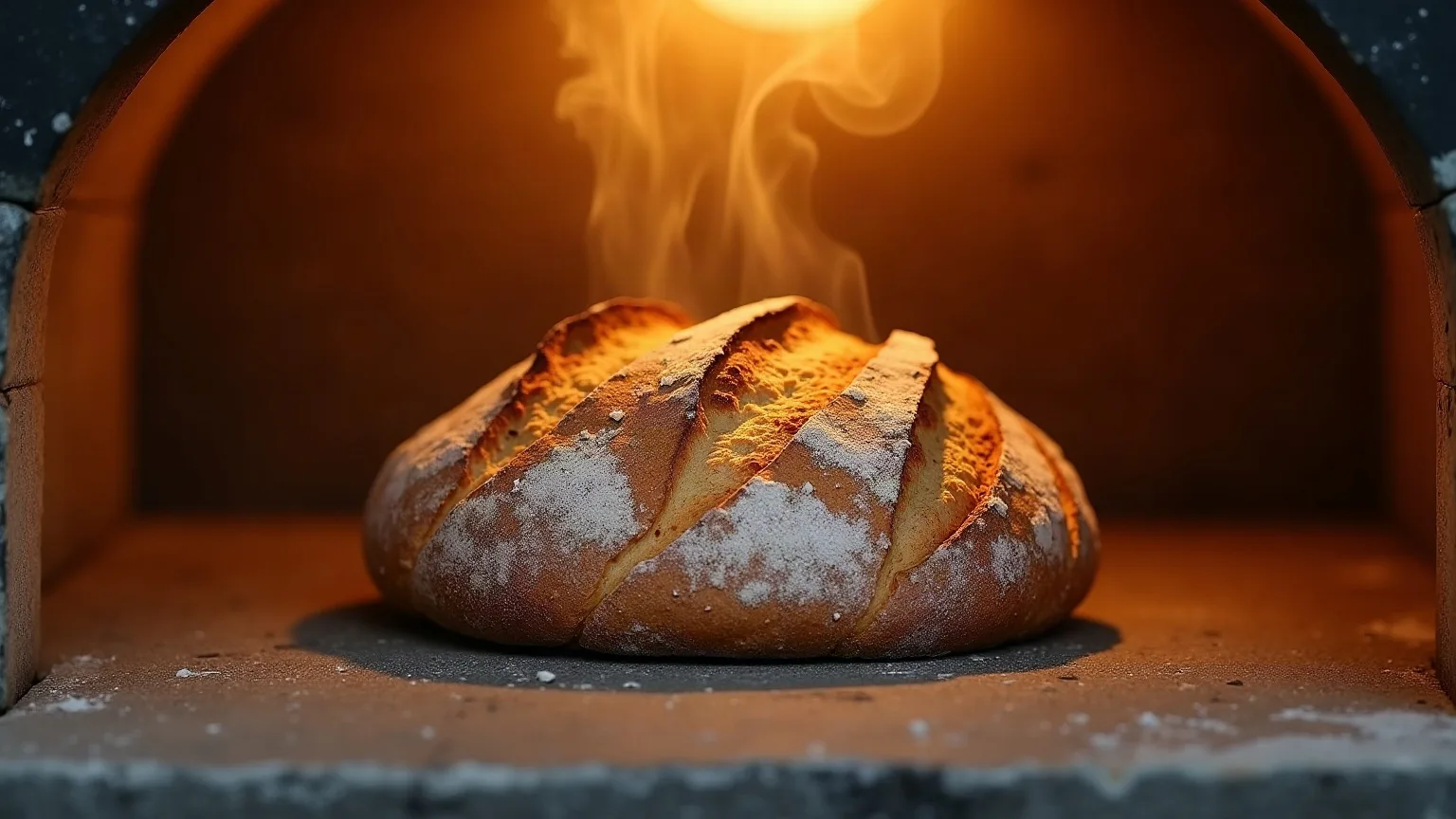
The oven
Air carries heat badly, so a 200 °C oven does not make 200 °C food. The inside stays where water boils, at 100 °C.
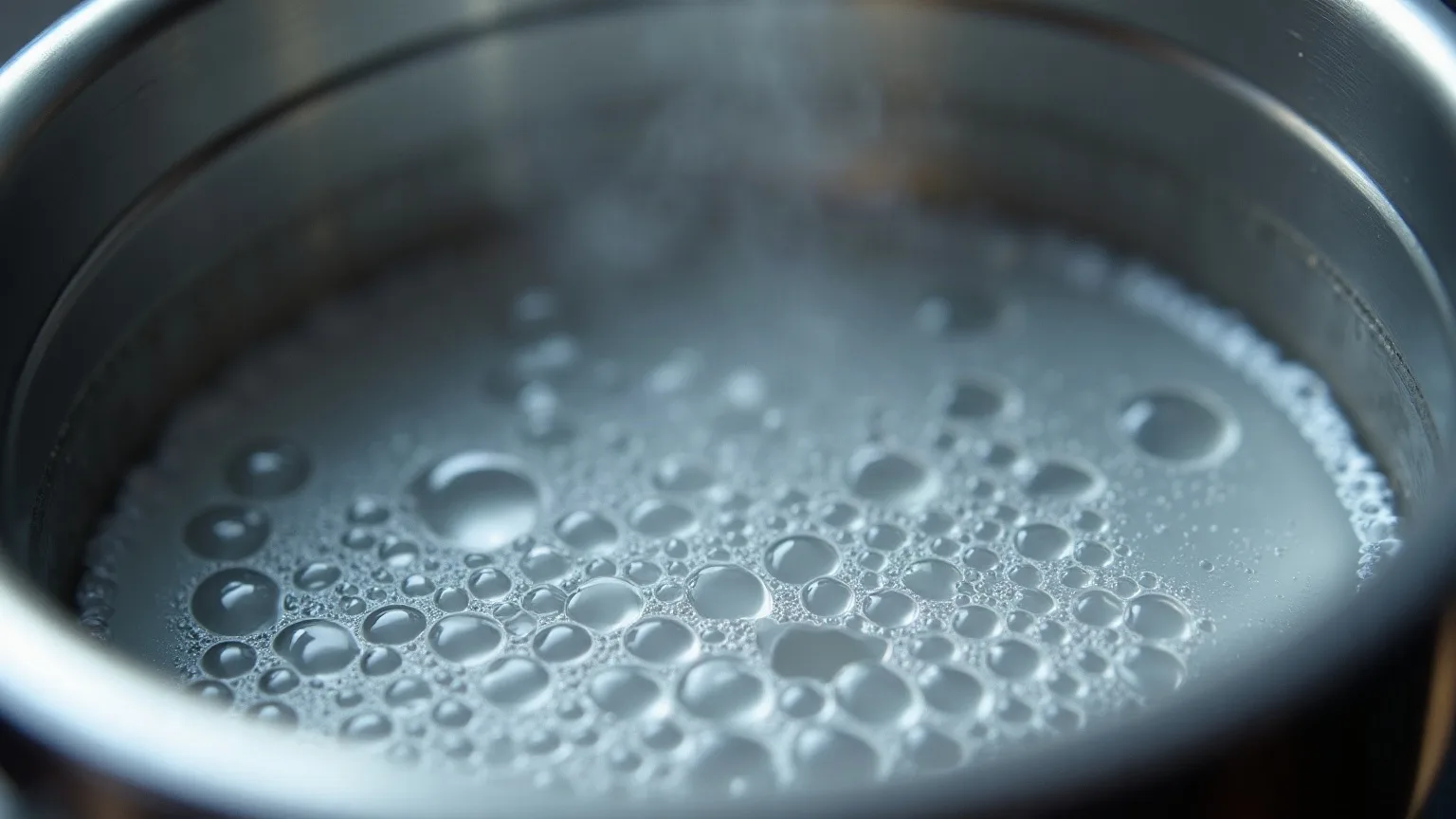
Boiling & poaching
Water cannot pass 100 °C, so turning the flame up changes nothing. Boiling is set by time and salt, not by temperature.