
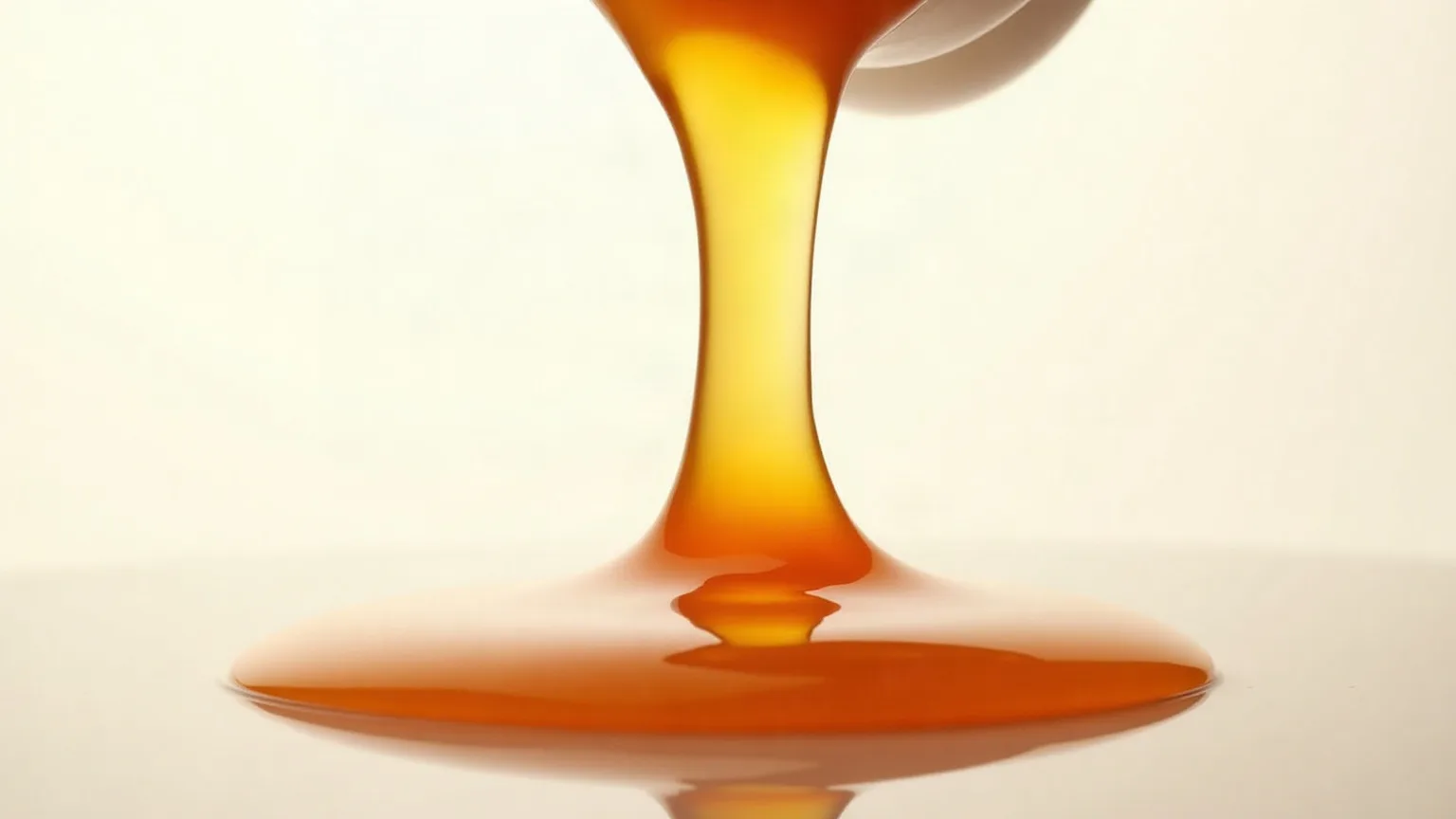
Blooming in fat
Holding a spice briefly in hot fat. In Turkish cooking it is usually the last step: chilli flakes or dried mint go into sizzling butter and the whole thing is poured over the dish.
The mechanism
Most of a spice’s aroma compounds dissolve in fat, not in water. Thrown into a dish dry, they stay locked in their cells and leave a powdery feel in the mouth. Hot fat softens the cell walls, draws the aroma out and dissolves it, and the fat then carries it everywhere. The same holds for the colour of chilli flakes: capsanthin is a fat-soluble pigment, which is why the butter turns red.
The thresholds that define it
“Medium heat” is not a technique. Every line below is a point where something starts or stops.
- 120–140 °C Where the aroma dissolves. Above it the spice burns and turns bitter.
- 30–60 sn Long enough for a dry spice. Longer is not more, it is less.
- 150 °C Where the milk solids in butter start to burn; take it off before this.
How to read it by hand
Smell. The aroma lifts the moment the spice hits the fat; take it off when that smell is strongest. If the colour has started to deepen you are a second late.
The three mistakes people make
01 The fat is bitter and the chilli has blackened ⌄
Why
The fat was too hot. Chilli flakes are thin and dry and burn in seconds.
What to do
Melt the butter, let the foaming stop, take it off the heat, then add the spice. The residual heat is enough.
02 The spice tastes of nothing ⌄
Why
The fat was not hot enough, or the spice never went into it.
What to do
Put the spice into the fat, not onto the dish. Scattered dry, it never opens.
Where it comes from
Blooming is less a technique in Turkish cooking than a closing gesture, and it finishes almost every yoghurt dish: mantı, cacık, yayla soup, yuvalama. Persian tadik, Hindi tadka and Arabic taqliya are names for the same move; its spread across the region is not coincidence but every kitchen working with dry spice solving the same problem the same way.
Dishes cooked this way
Sizzled butter
Butter heated in a small pan until it foams, met with chilli flakes and poured over cold garlic yoghurt. The most characteristic Turkish finish there …
Dried mint in butter
Dried mint bloomed briefly in hot butter and poured over a yoghurt dish. Standard on yayla çorbası, mantı, cacık and haydari.…
Giving the heat another way
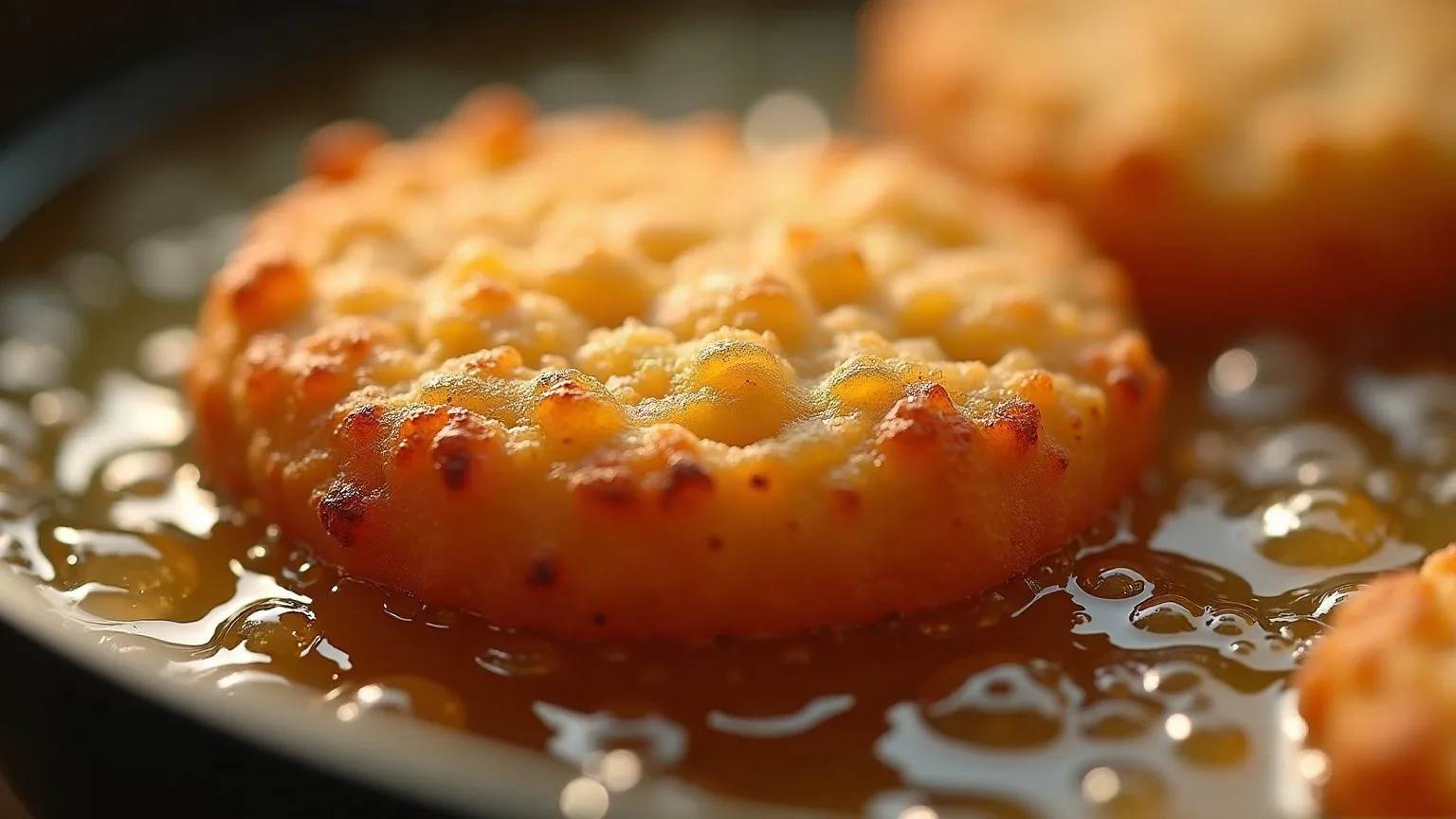
Deep frying
Surface water flashes to steam and pushes outward — that is the shield keeping oil out. Cold oil never builds it, and the food drinks the fat instead.
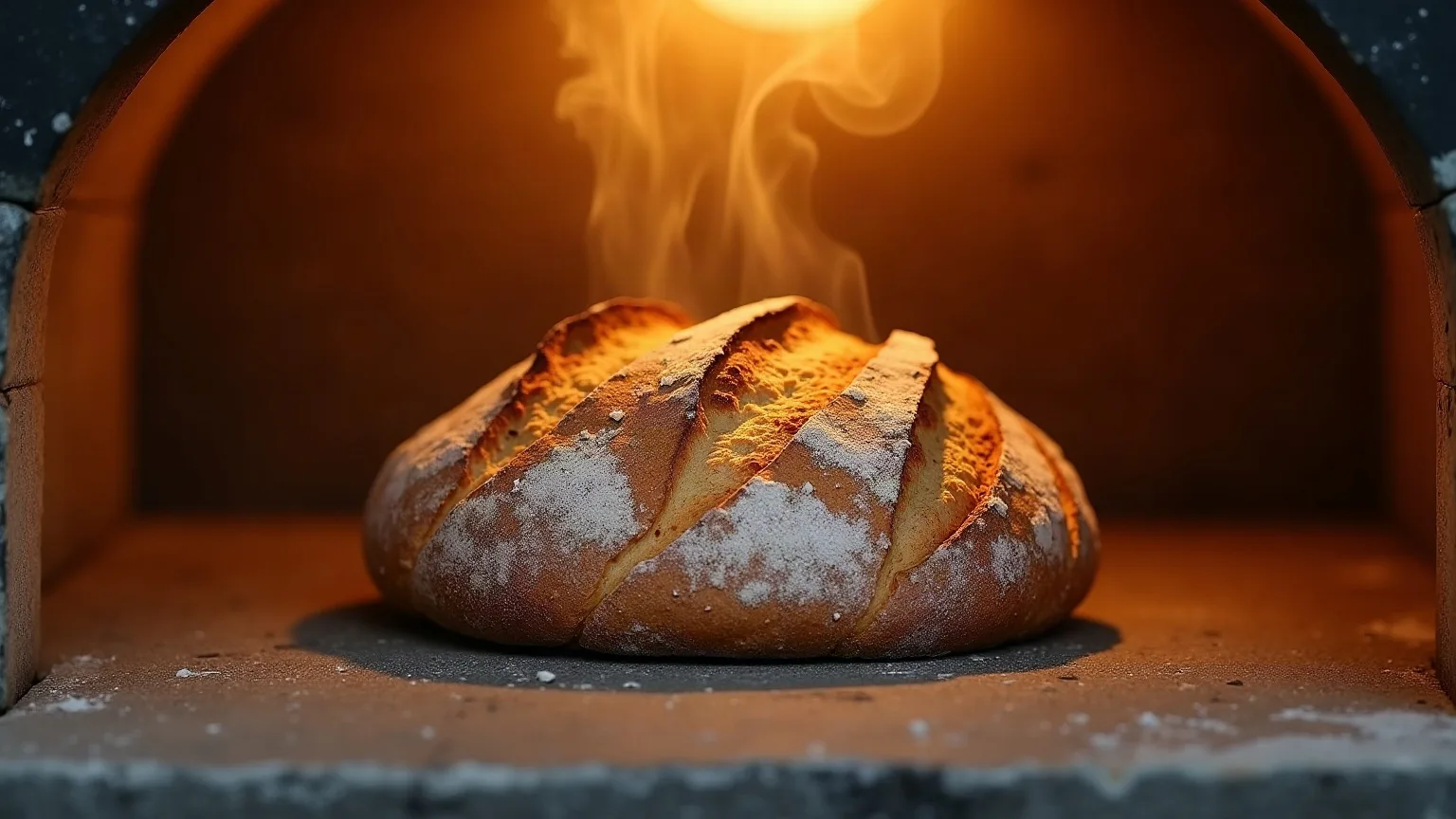
The oven
Air carries heat badly, so a 200 °C oven does not make 200 °C food. The inside stays where water boils, at 100 °C.
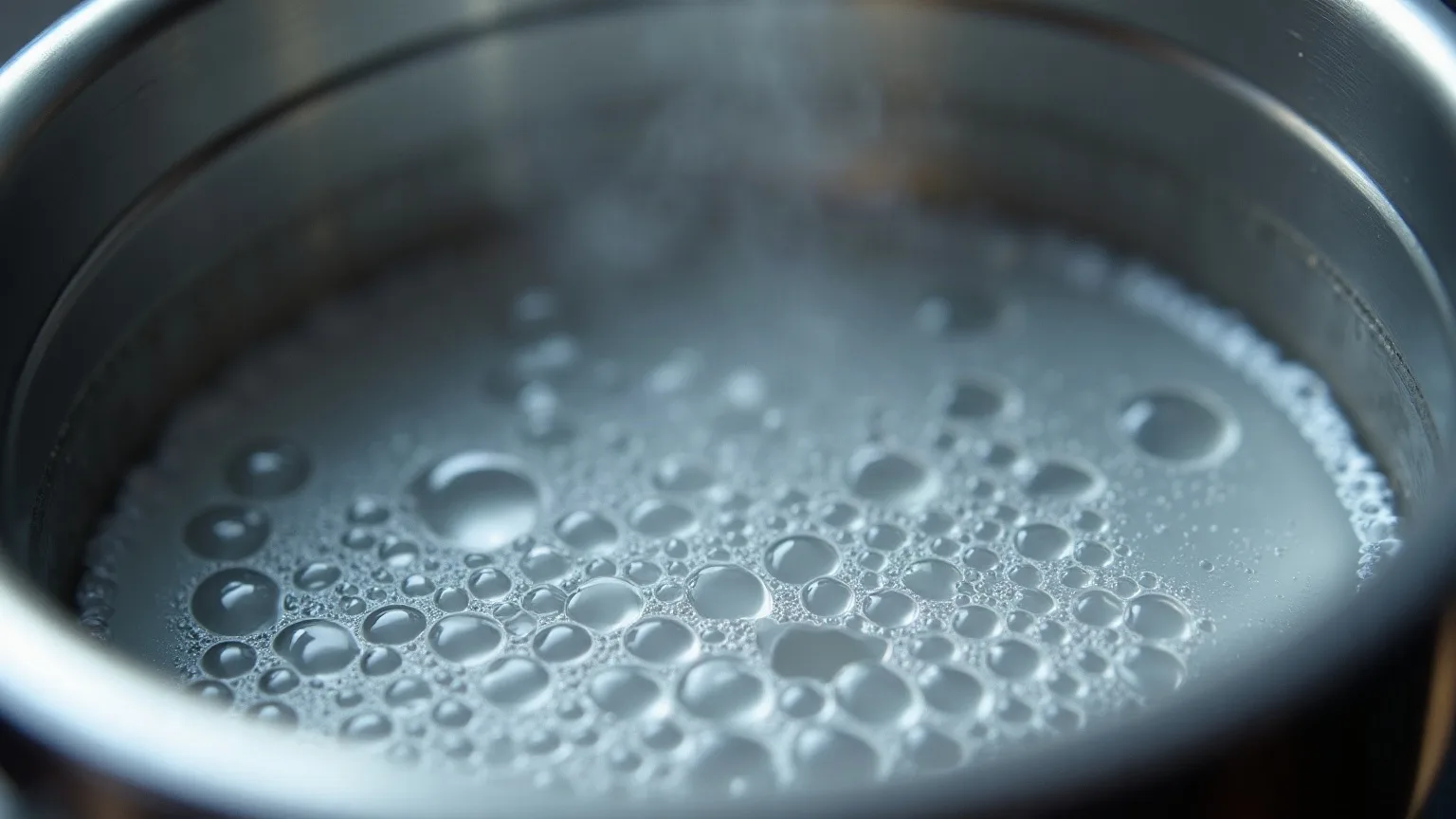
Boiling & poaching
Water cannot pass 100 °C, so turning the flame up changes nothing. Boiling is set by time and salt, not by temperature.