
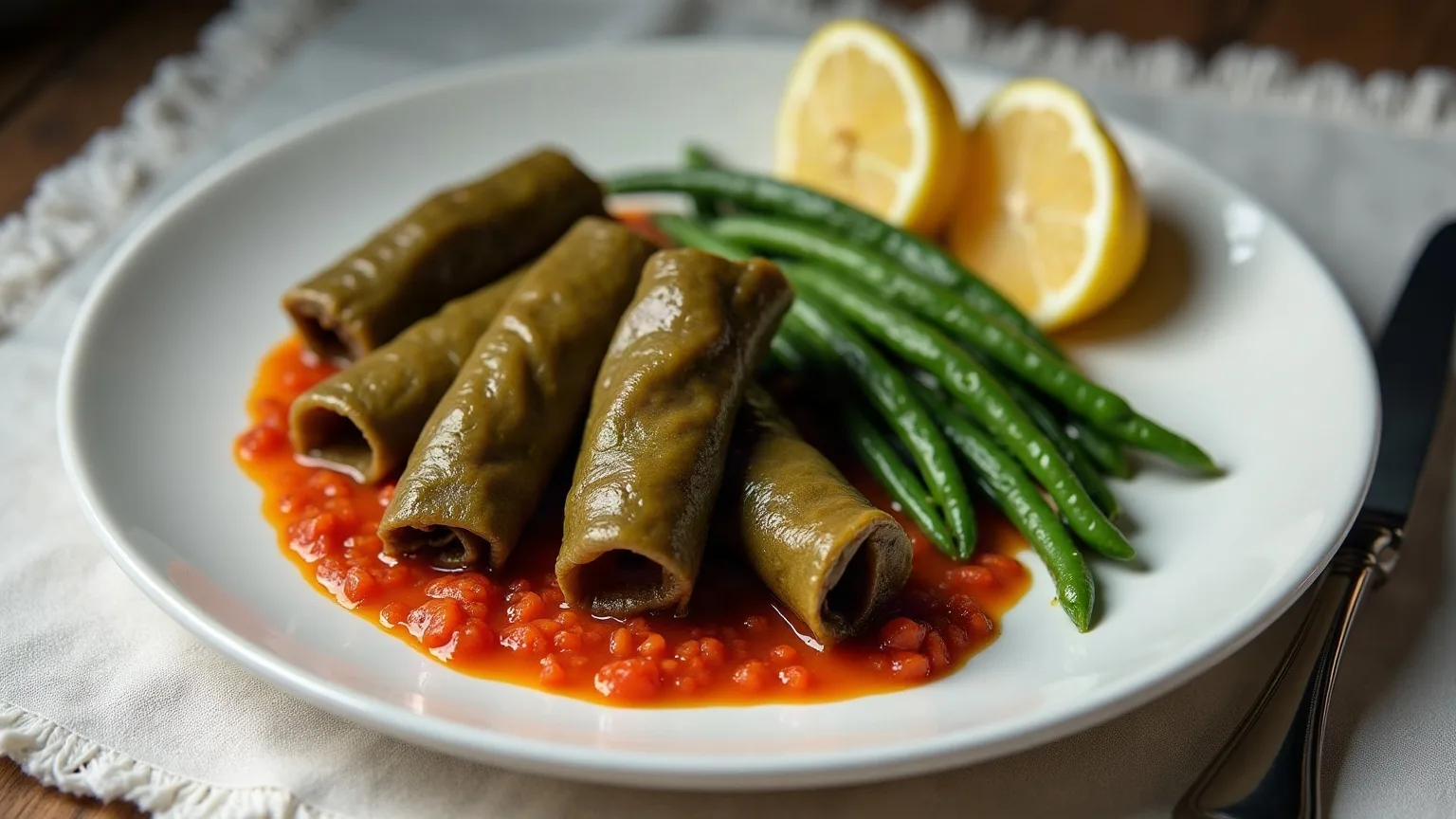
Olive oil dishes
The vegetable cooks in its own water, on a low flame, under a lid. Olive oil is not frying fat here: it carries the aroma and pulls the texture together as it cools.
The mechanism
The name misleads: the oil is a carrier, not a cooking medium. Under a lid the vegetable releases its own water and cooks in it at around 85–95 °C, while the oil forms a film that slows the steam escaping and dissolves the aroma compounds — most vegetable aromatics are fat-soluble, not water-soluble. The timing of acid is the heart of the technique: lemon or tomato added early keeps the pectin rigid so the vegetable never softens, and acid kills green colour on contact. Cooling is part of the cooking too; gelled pectin and dissolved oil set as the dish cools, and only then does it find its texture.
The thresholds that define it
“Medium heat” is not a technique. Every line below is a point where something starts or stops.
- 85–95 °C Cooking in its own water under a lid. A boil breaks the vegetable apart.
- 180–210 °C The smoke point of extra virgin olive oil. “Olive oil must not be heated” is wrong — and here you never pass 100 °C anyway.
- %25–30 yağ Oil as a share of the vegetable’s weight. Less and the aroma has no carrier; more and the dish turns heavy.
- 1 çay kaşığı şeker For bitter vegetables like artichoke and broad bean: balance rather than sweetness.
- 4 saat Resting at room temperature. Texture and flavour only settle as it cools.
How to read it by hand
You should see steam, not hear noise. If you hear a steady bubbling when you lift the lid, the flame is too high; at the right setting only a thin steam escapes at the rim. Test with the tip of a fork rather than a knife: it should slide in without resistance while the vegetable still holds its shape. Never judge the seasoning hot — salt and acid sharpen as it cools, so adjust when it is warm.
The three mistakes people make
01 The green beans went yellow ⌄
Why
Tomato or lemon went in early. Acid turns chlorophyll into pheophytin and the colour dies within minutes.
What to do
Cook the vegetable with the onion and oil first, adding tomato and lemon in the last ten minutes. Cracking the lid now and then also lets the vegetable’s own acid leave as steam.
02 The vegetable never softened ⌄
Why
Acid or salt from the start: both keep the pectin in the cell wall intact.
What to do
Salt in the middle, acid at the end. For stubborn things like dried broad beans or artichoke a pinch of bicarbonate loosens the pectin — but only a pinch, or it tastes of soap.
03 The oil separated and the dish looks greasy ⌄
Why
The heat was too high: the emulsion broke and the oil separated from the water.
What to do
Lower the flame and stir by swirling the pan rather than shaking it. A spoon of cold olive oil folded in before serving brings it back together.
Where it comes from
Olive oil dishes belong to the Aegean and the Mediterranean, but what spread them was the calendar rather than the kitchen. Orthodox and Muslim fasting periods barred animal fat, so cooking vegetables in olive oil to be eaten cold began as a necessity — and serving them cold comes from the same practicality, since they keep for days. Istanbul cooking refined the technique into a form of elegance: artichoke, stuffed vine leaves and leeks all follow the same three rules — low flame, closed lid, acid last.
Giving the heat another way
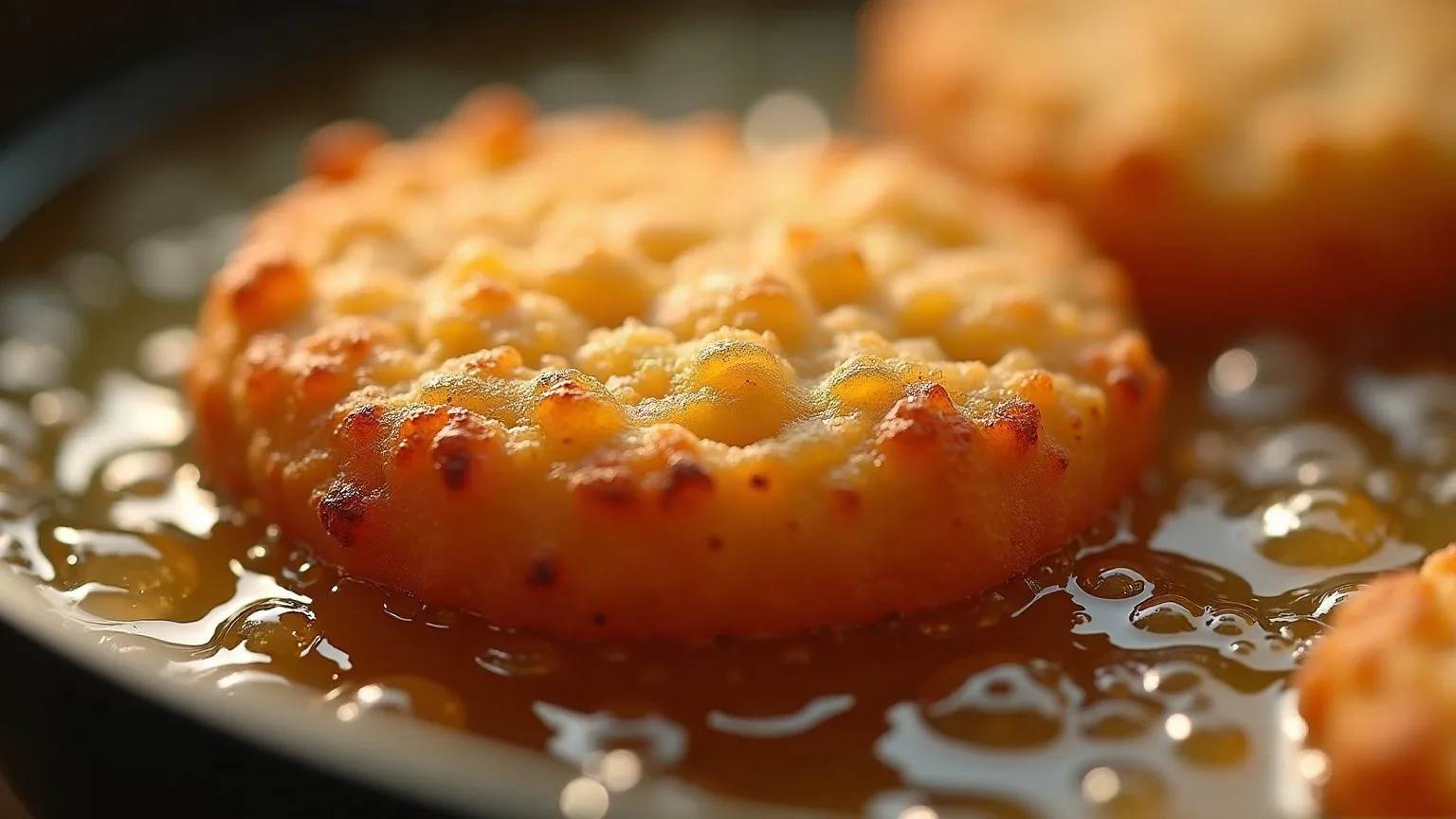
Deep frying
Surface water flashes to steam and pushes outward — that is the shield keeping oil out. Cold oil never builds it, and the food drinks the fat instead.
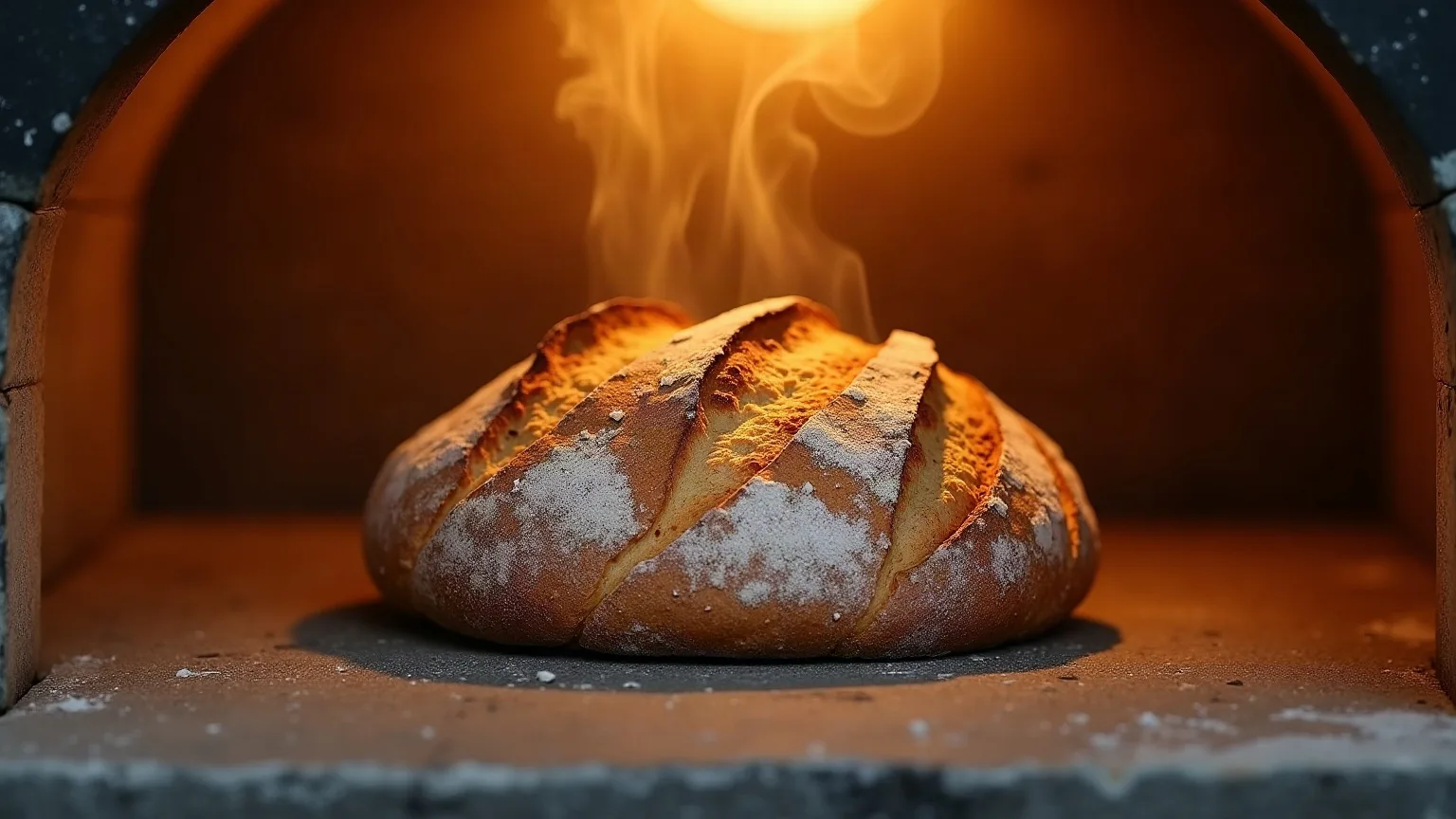
The oven
Air carries heat badly, so a 200 °C oven does not make 200 °C food. The inside stays where water boils, at 100 °C.
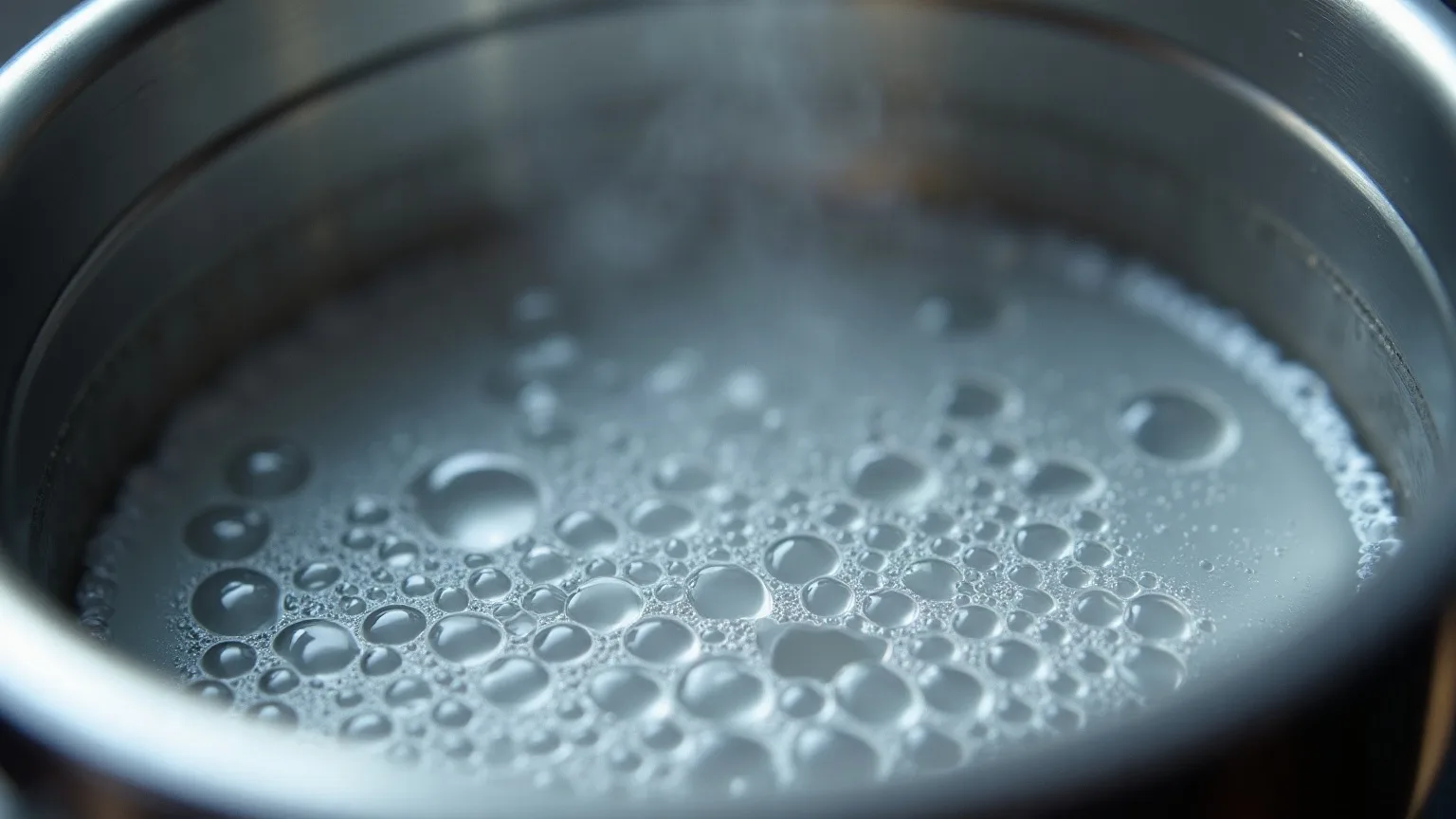
Boiling & poaching
Water cannot pass 100 °C, so turning the flame up changes nothing. Boiling is set by time and salt, not by temperature.