
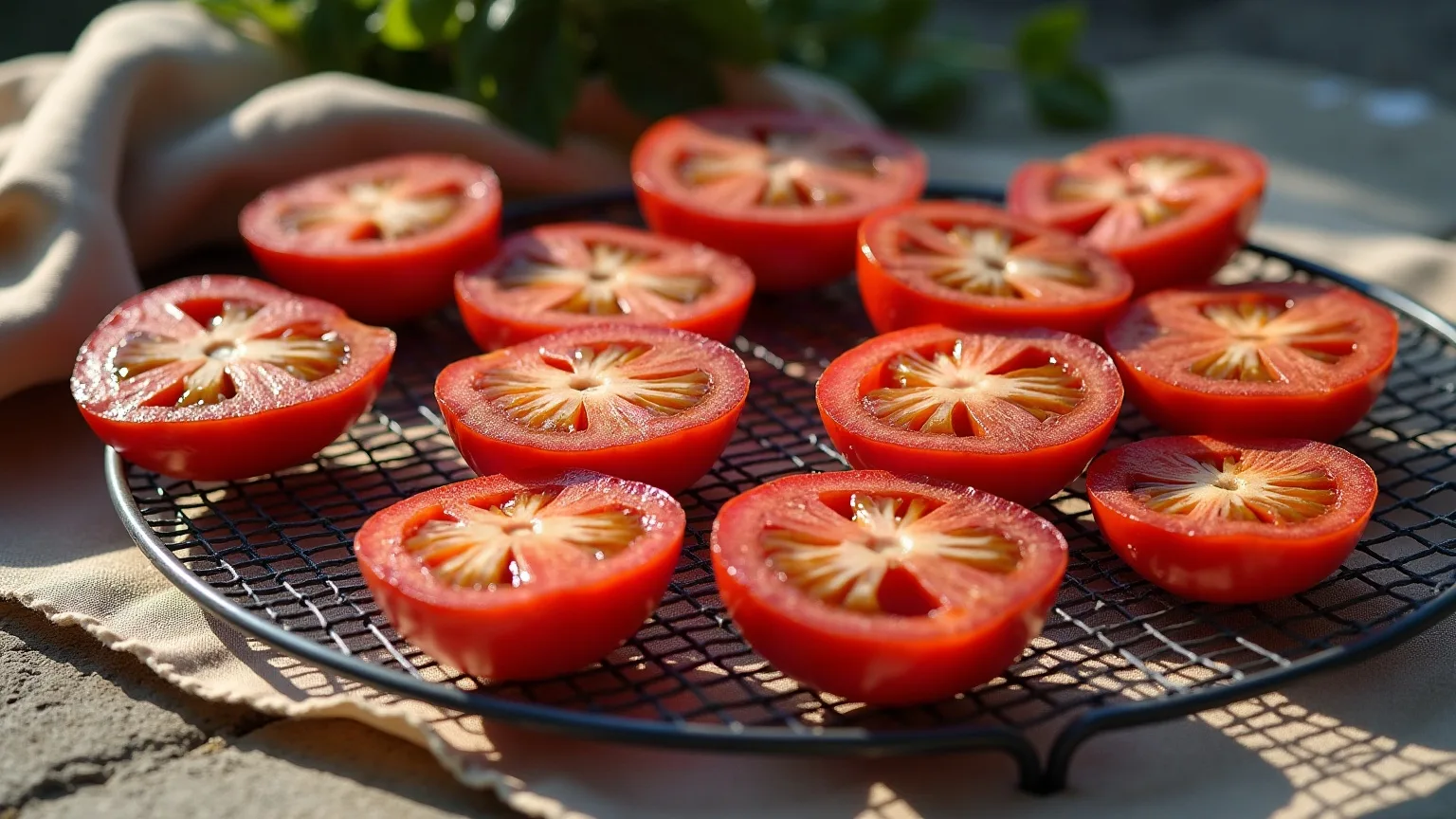
Drying
What stops spoilage is not cold but the absence of water. More precisely: water that microorganisms cannot reach.
The mechanism
What matters is not how much water a food holds but how much of it is free — water activity. Salt and sugar bind it and pull the value down; drying removes it outright. Below 0.80 mould and yeast cannot grow; below 0.60 nothing can. Honey is the clearest case: seventeen per cent of it is water, but almost all of that is bound to sugar, which is why honey does not spoil.
The thresholds that define it
“Medium heat” is not a technique. Every line below is a point where something starts or stops.
- 0,80 aw Below this mould and yeast cannot grow. This is jam’s line.
- 0,60 aw Below this nothing grows at all. Kurut and dried fruit live here.
- %12 nem The practical target in a dried product; above it the mould risk returns.
How to read it by hand
Bend it and let go. Springing back means moisture is left; snapping or staying bent means it is dry. For kurut the test is blunter: it should be hard as a stone.
The three mistakes people make
01 It went mouldy within weeks ⌄
Why
Not dry enough. Moisture left inside migrated to the surface and raised the water activity there.
What to do
Dry it longer and keep it airtight. Condensation on the lid means the job is not finished.
02 A crust formed outside while the inside stayed wet ⌄
Why
Dried too fast. The surface hardened and sealed the water’s way out.
What to do
Lower temperature, longer time. In the shade, with air moving.
Where it comes from
Drying is the oldest form of preserving, and the whole winter store of Anatolian cooking rests on it: tarhana, kurut, sun-dried tomato, pestil, erişte. The logic is the same in all of them — take what is abundant in summer, separate it from its water, and carry it into winter. Kurut is the extreme case: yoghurt turned into a portable stone, and brought back with water.
Dishes cooked this way
Dried yoghurt balls
Skimmed yoghurt or churn buttermilk is strained, kneaded hard with salt, formed into egg-sized balls and sun-dried until rock hard. It rehydrates into…
Keş
A hard cheese made from strained yoghurt and put through a ten-day drying. Bolu keş comes in blocks; the related katık keşi is shaped like a spinning …
Giving the heat another way
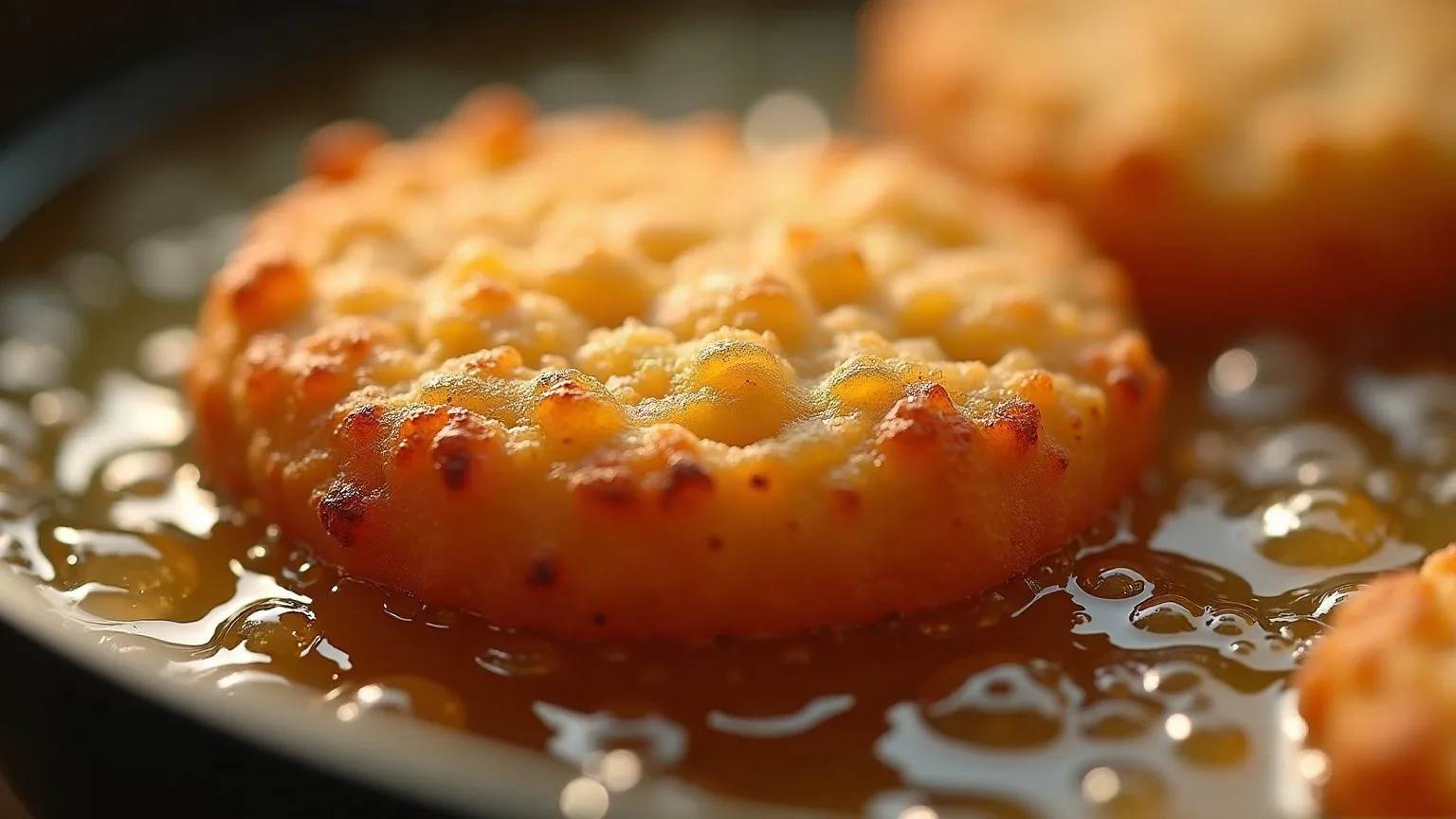
Deep frying
Surface water flashes to steam and pushes outward — that is the shield keeping oil out. Cold oil never builds it, and the food drinks the fat instead.
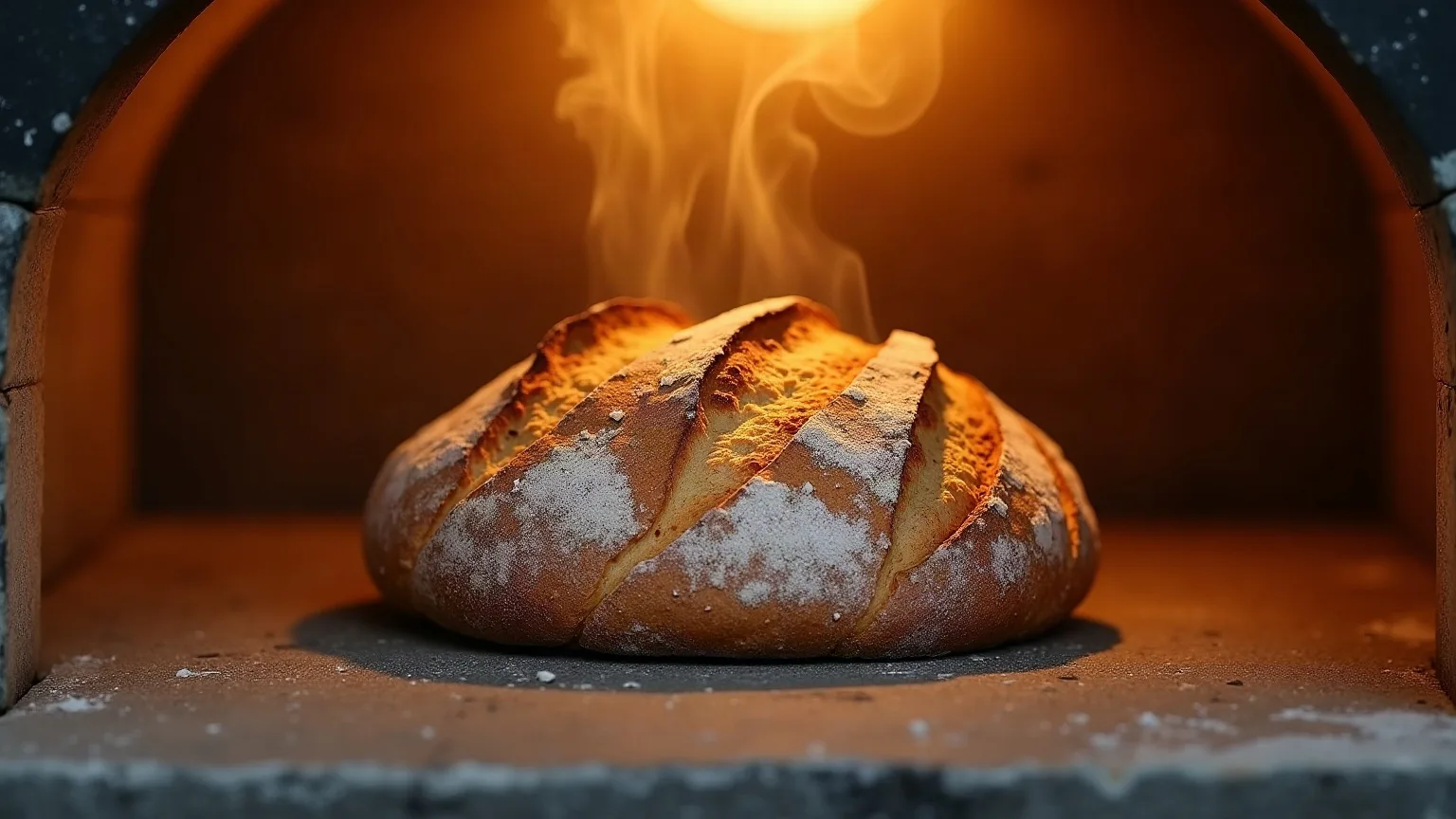
The oven
Air carries heat badly, so a 200 °C oven does not make 200 °C food. The inside stays where water boils, at 100 °C.
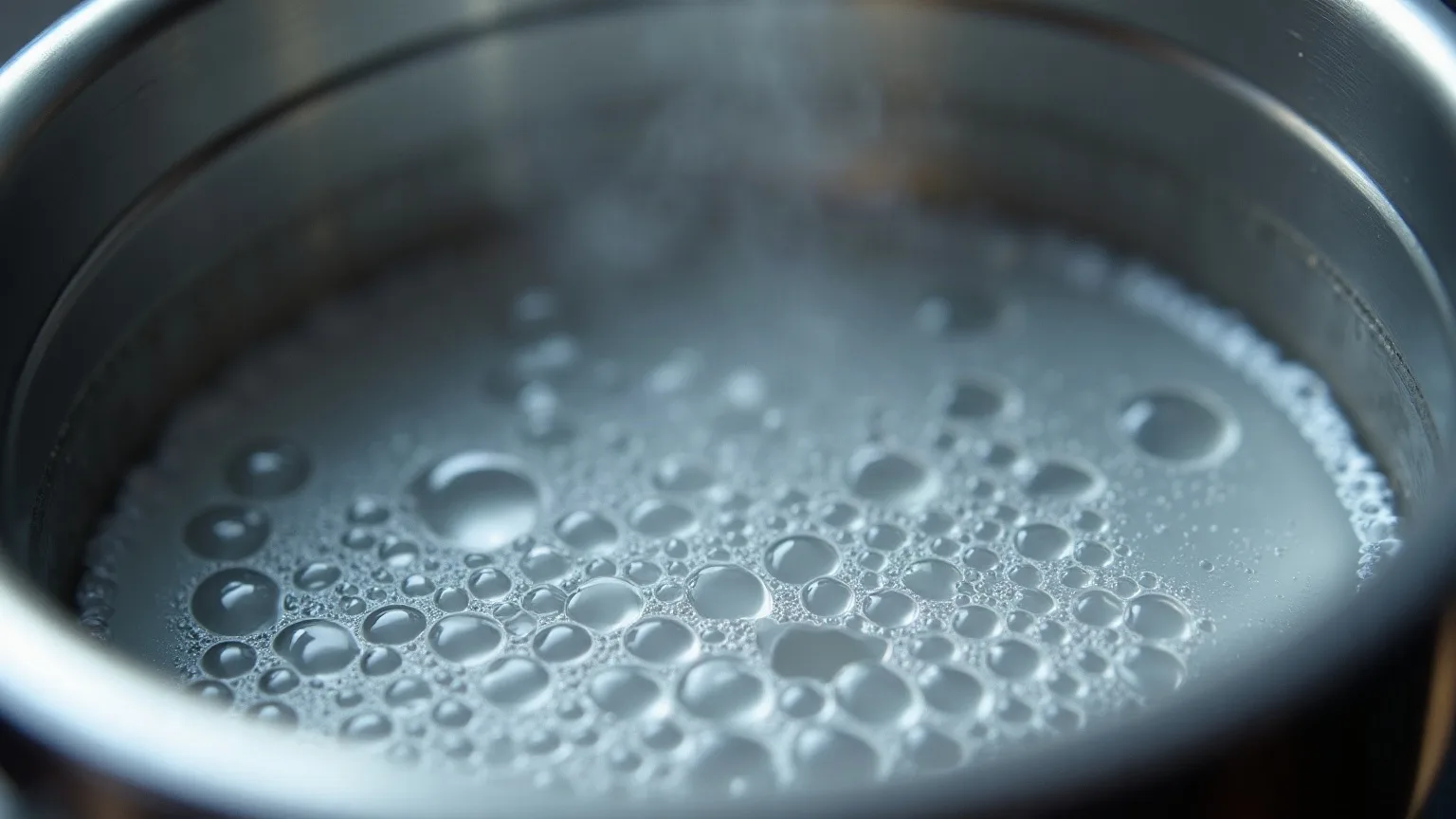
Boiling & poaching
Water cannot pass 100 °C, so turning the flame up changes nothing. Boiling is set by time and salt, not by temperature.