
Caramelisation
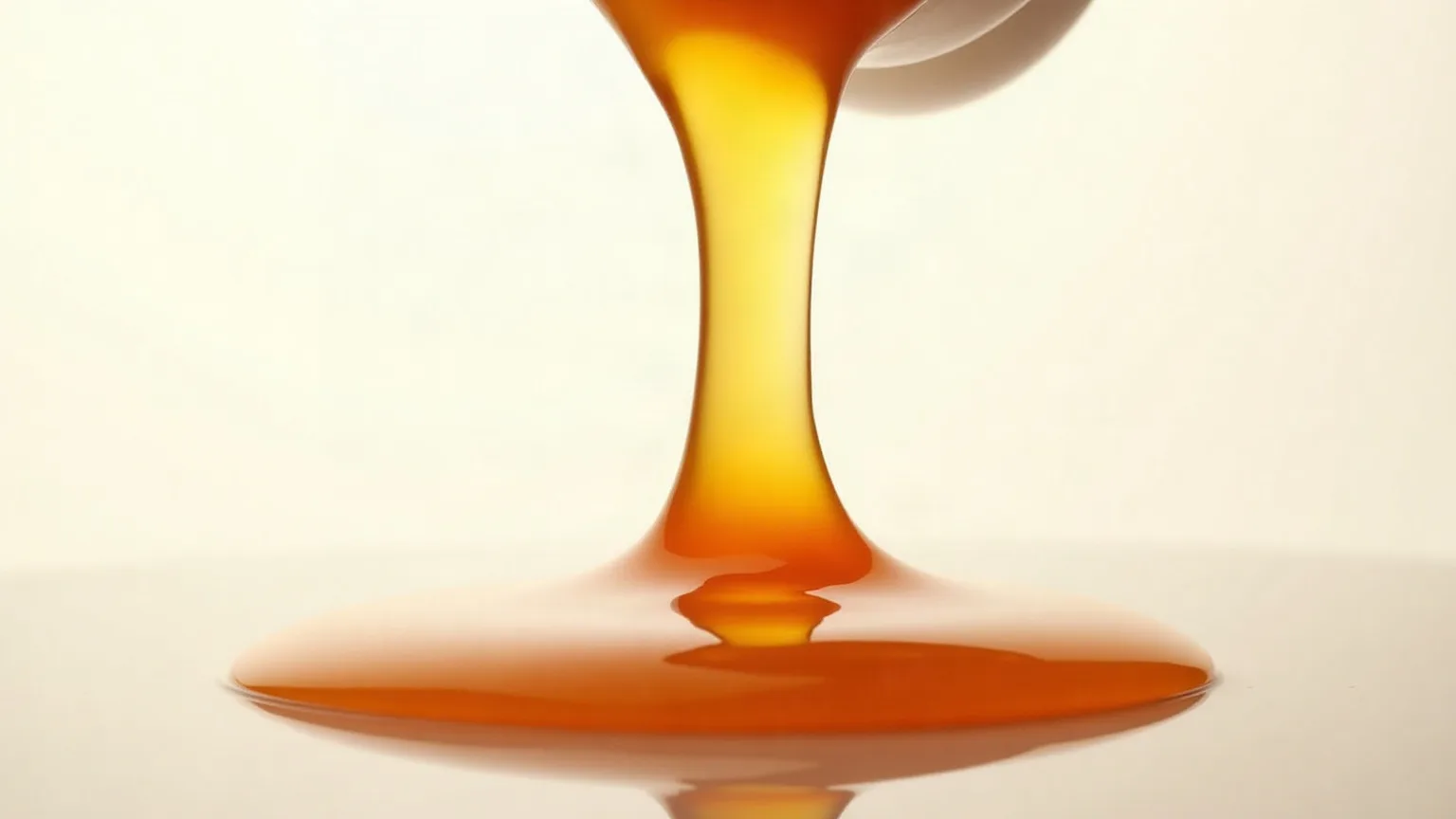
Sucrose breaks apart at 160 °C into hundreds of new aroma molecules. Fructose does it at 110 °C, which is why anything with honey darkens sooner.
The mechanism
Caramelisation is sugar breaking down on its own — that is what separates it from Maillard, which needs protein. At 160 °C sucrose first splits into glucose and fructose, then those lose water and recombine into hundreds of new compounds: diacetyl for the buttery note, furans for the nutty one, brown polymers for the colour. The process accelerates itself, because the darker it gets the more heat it holds; 160 °C to 180 °C is a matter of seconds, not minutes. The real hazard is crystallisation: a single sugar crystal splashed onto the side of the pan can turn the whole saturated syrup grainy in an instant.
The thresholds that define it
“Medium heat” is not a technique. Every line below is a point where something starts or stops.
- 110 °C Fructose caramelises. It is why honey and pekmez recipes darken early.
- 118–121 °C Soft ball: the stage for lokum, fondant and soft sweets.
- 149–154 °C Hard crack — boiled sweets and brittle.
- 160 °C Sucrose caramelises: pale amber, nutty, not yet bitter.
- 185 °C üstü Bitter, then burnt. There is no recovery; you start again.
How to read it by hand
Without a thermometer colour is the best guide — but read it against white, since caramel always looks darker in the pan. Spoon a drop onto a white plate: straw is early, pale amber is right, copper is the edge, coffee-dark is gone. After you take it off the heat the pan carries it another 10–15 °C, so pull it one shade lighter than you want. Trust your nose too: nutty is right, sharp and acrid is far too late.
The three mistakes people make
01 The sugar crystallised into grit ⌄
Why
Crystals from the side of the pan fell into the syrup, or it was stirred too early. In a saturated syrup one crystal starts a chain reaction.
What to do
Do not stir until the sugar has melted — swirl the pan instead. Wash the sides down with a wet brush, and add a few drops of lemon or a spoon of glucose: both break some of the sucrose and block crystal growth.
02 The caramel tastes bitter ⌄
Why
It passed 185 °C and the aroma compounds broke down into bitter polymers.
What to do
Start again: bitterness cannot be undone. Next time pull it a shade early and sit the pan on a wet cloth at once.
03 Adding cream made it spit and seize ⌄
Why
Cold liquid hit 170 °C sugar: the water flashed to steam and the sugar set solid.
What to do
Warm the cream, lower the heat and add it a little at a time while whisking. If it does seize, keep stirring over low heat — the sugar dissolves back in.
- Maillard
- Protein meeting sugar above 140 °C to produce crust, colour and that roasted smell.
Where it comes from
Turning sugar with heat underpins the Anatolian tradition of boiled confectionery: akide, helva and lokum are all sugar syrup stopped at a particular stage — and the master works without a thermometer, dropping syrup into cold water and judging the firmness of the ball. A confectioner boiling akide over a griddle is measuring 150 °C by hand. Kazandibi is named for its technique: rice pudding deliberately caramelised against the bottom of the pan, a controlled burn. Most of what restaurants now serve as “burnt” anything continues that line.
Giving the heat another way
Deep frying
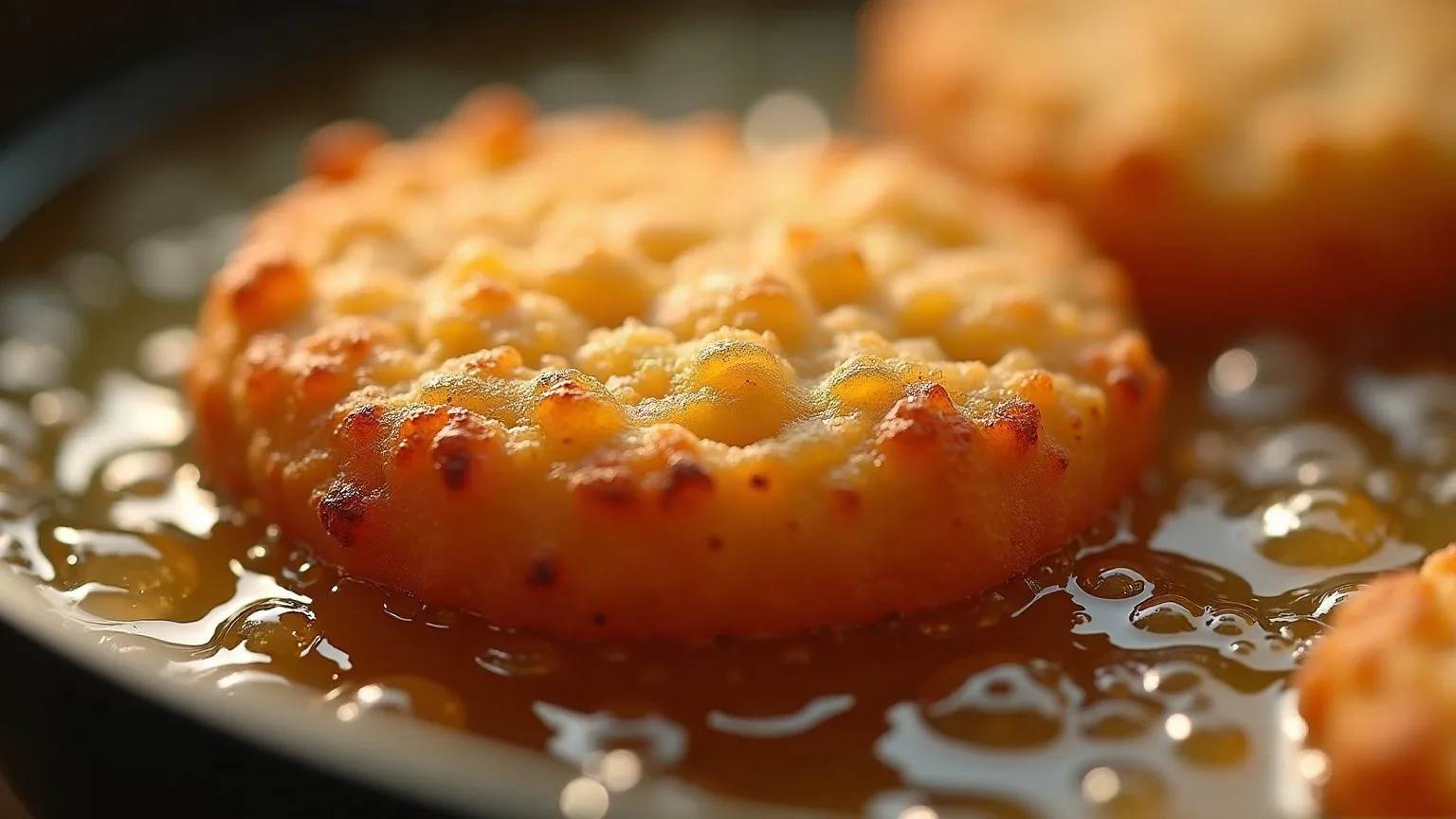
Surface water flashes to steam and pushes outward — that is the shield keeping oil out. Cold oil never builds it, and the food drinks the fat instead.
The oven
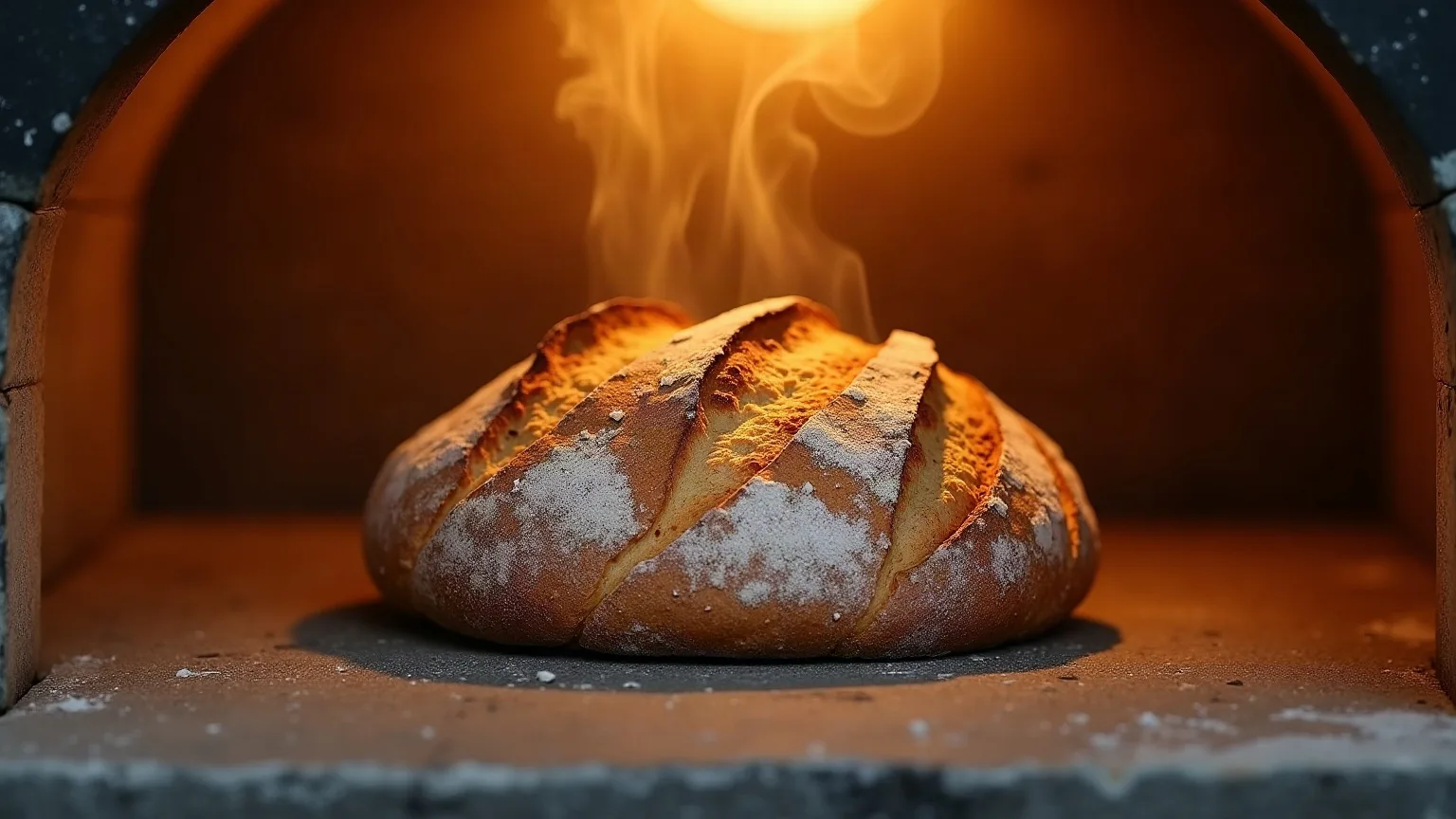
Air carries heat badly, so a 200 °C oven does not make 200 °C food. The inside stays where water boils, at 100 °C.
Boiling & poaching
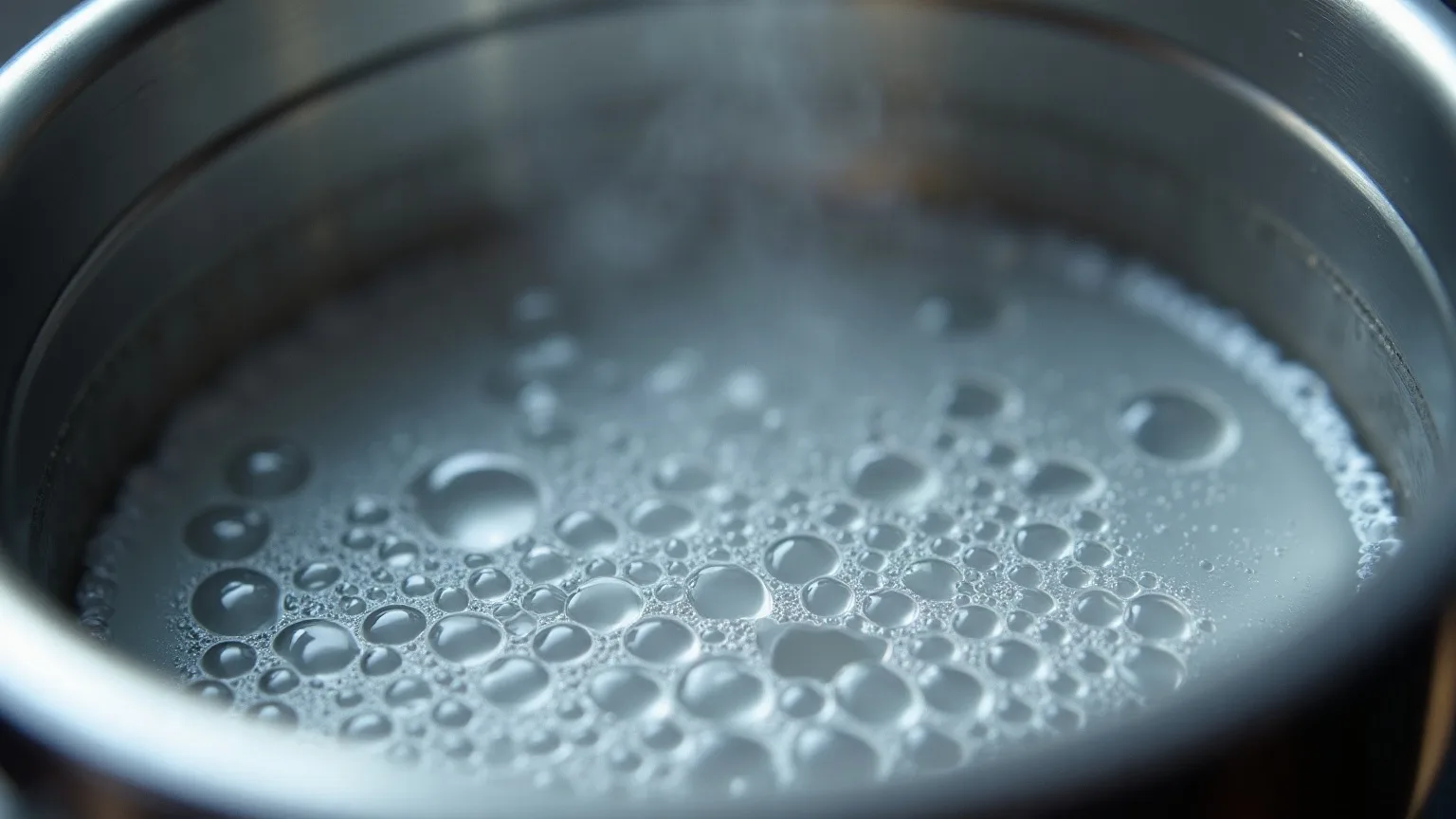
Water cannot pass 100 °C, so turning the flame up changes nothing. Boiling is set by time and salt, not by temperature.