
 Tahini
→
Tahini
→
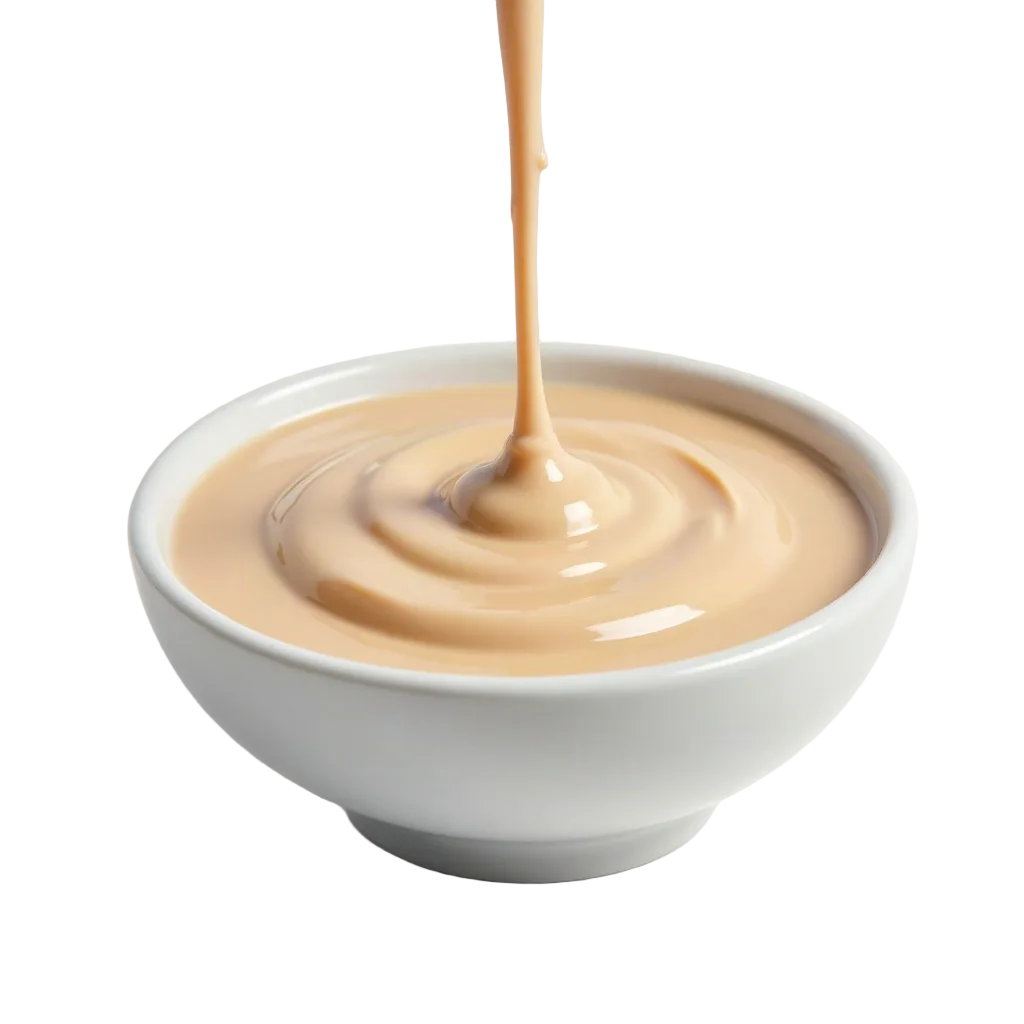
The classic tahin-pekmez: sesame fat coats the palate and slows sugar delivery so the syrup reads as rich rather than cloying, while the lignans’ faint bitterness gives it a boundary.
They do more than sweeten: they bind moisture, raise the boiling point and produce colour and crust. A jam sets and keeps because of sugar.
Each sugar browns at its own temperature. Sucrose at 160 °C, the fructose in honey and molasses at 110 — anything with honey burns sooner.
High in reducing sugars: it speeds Maillard up and colours early in the oven.
An unopened jar keeps two years in the cupboard, a year once opened somewhere cool and dark. Sugar settling at the bottom is not spoilage.
Pekmez is fruit juice boiled down to a syrup; in its plain form it contains no gluten.
"They go well together" is not an explanation. Every pairing below has a chemical or structural mechanism under it.
Tahini
→
The classic tahin-pekmez: sesame fat coats the palate and slows sugar delivery so the syrup reads as rich rather than cloying, while the lignans’ faint bitterness gives it a boundary.
Molasses supplies roughly 1.2 mg of iron per 20 g tablespoon — real, but non-heme iron in a sugar matrix. The tradition of molasses for anaemia is defensible only when paired with a vitamin C source; alone, absorption is poor.
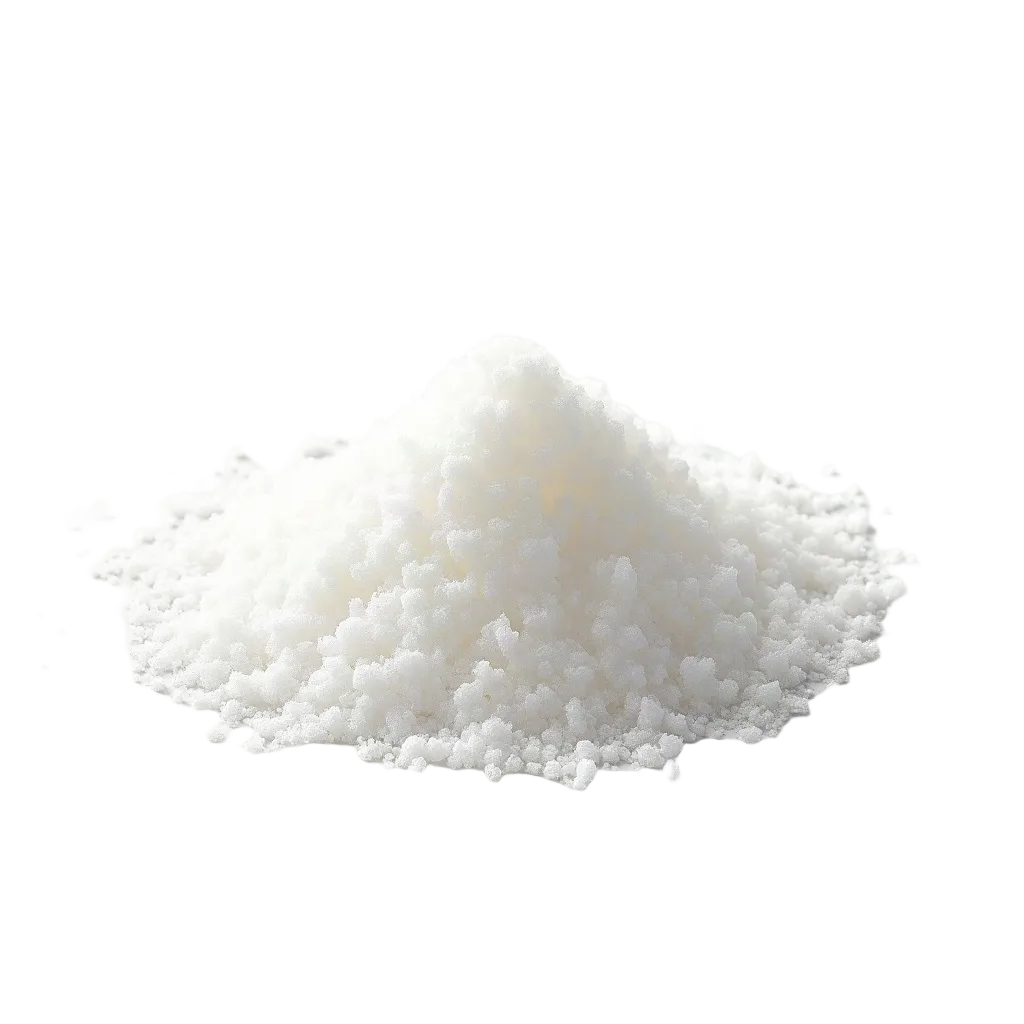 SugarCaramelises at 160 °C
Ho
SugarCaramelises at 160 °C
Ho
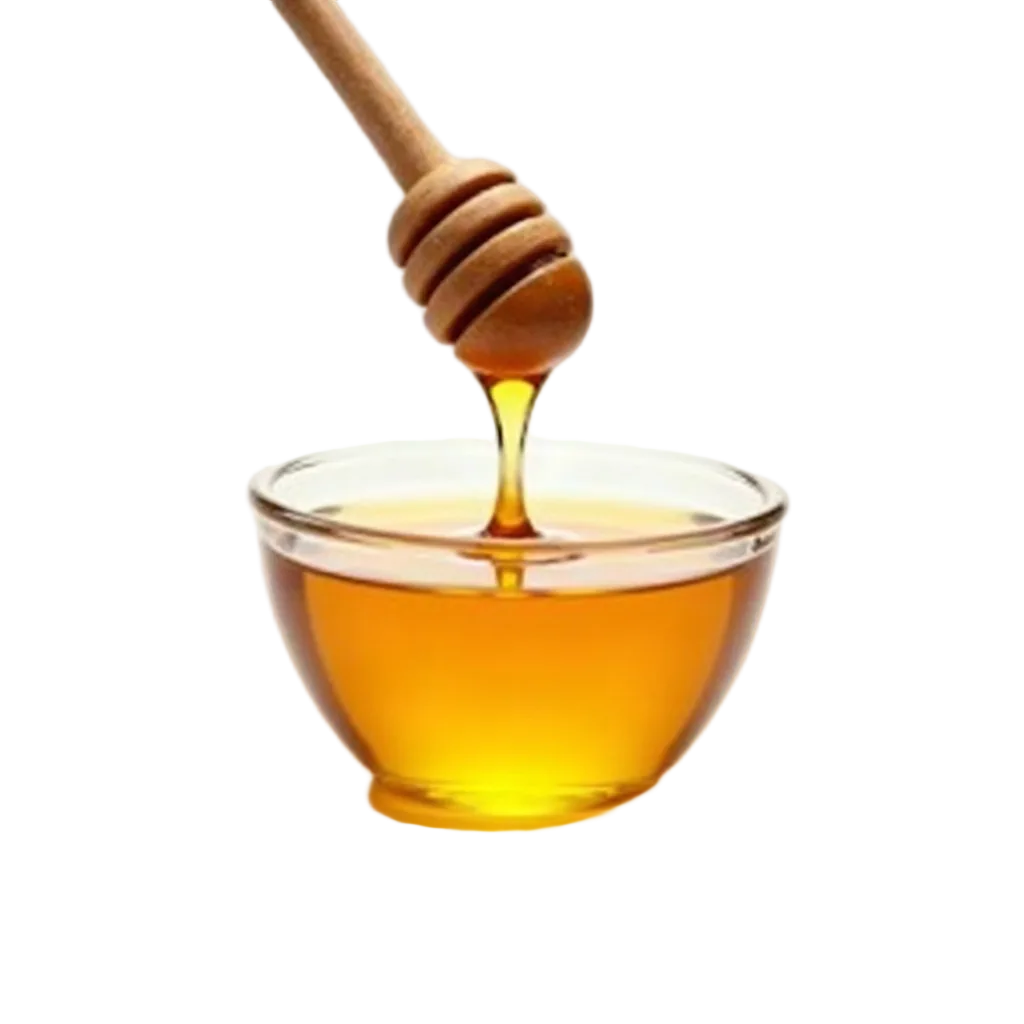 HoneyFructose dominant · browns at 110 °C
Ku
HoneyFructose dominant · browns at 110 °C
Ku
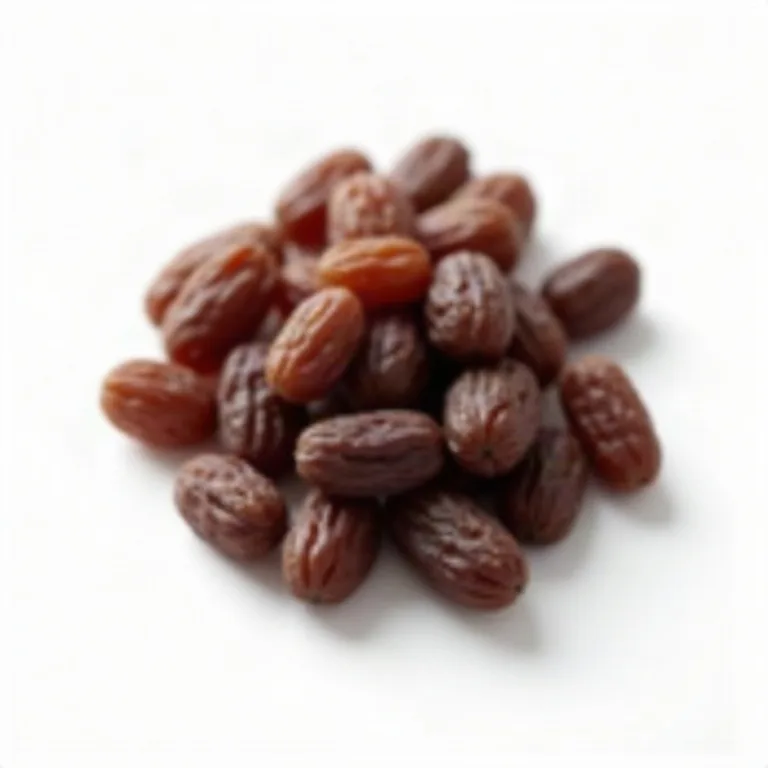 Raisins (seedless)79.3% carbohydrate · 299 kcal
Kur
Raisins (seedless)79.3% carbohydrate · 299 kcal
Kur
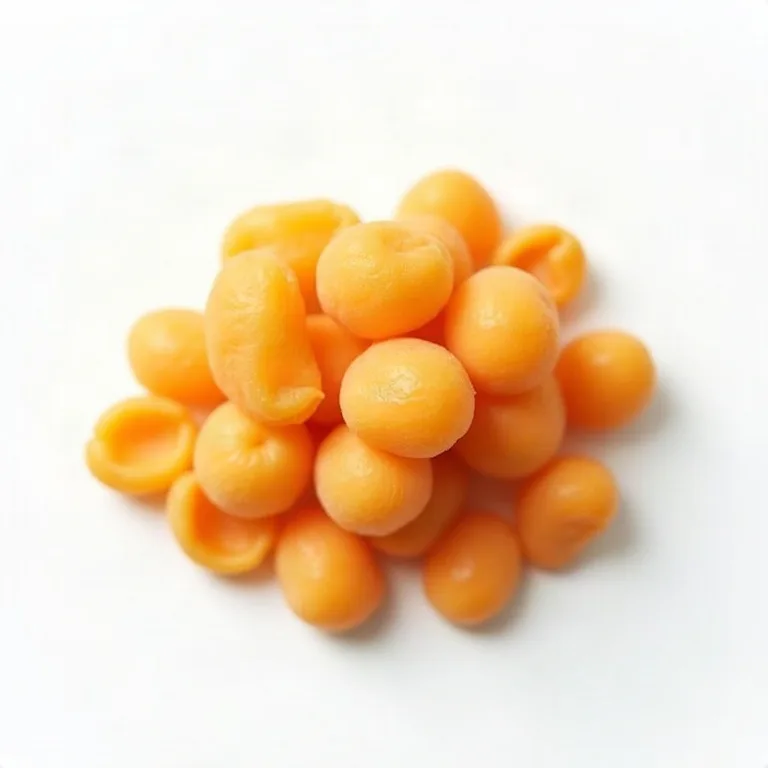 Dried apricots (sulphured)62.6% carbohydrate · 241 kcal
K2
Dried apricots (sulphured)62.6% carbohydrate · 241 kcal
K2
 Dried figs63.9% carbohydrate · 249 kcal
Kus
Dried figs63.9% carbohydrate · 249 kcal
Kus
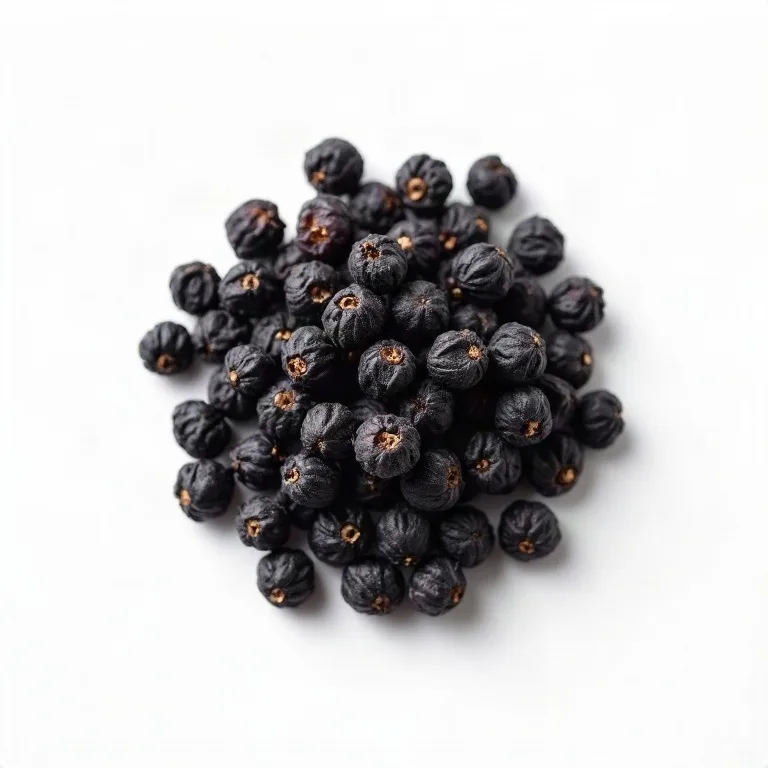 Zante currants (dried)77% carbohydrate · 290 kcal
Up
Zante currants (dried)77% carbohydrate · 290 kcal
Up
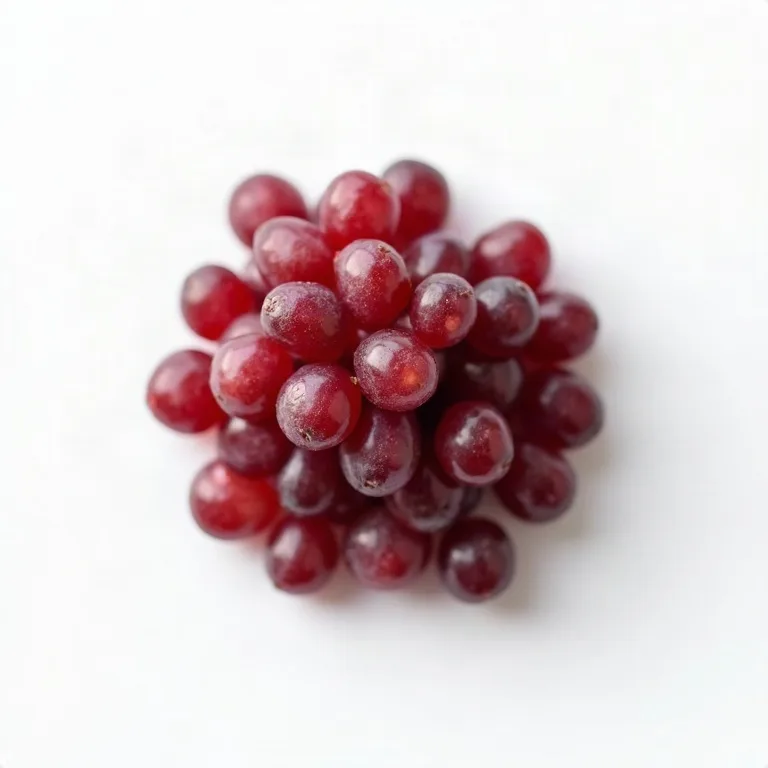 Grape pekmez58.7% carbohydrate · 240 kcal
Dp
Grape pekmez58.7% carbohydrate · 240 kcal
Dp
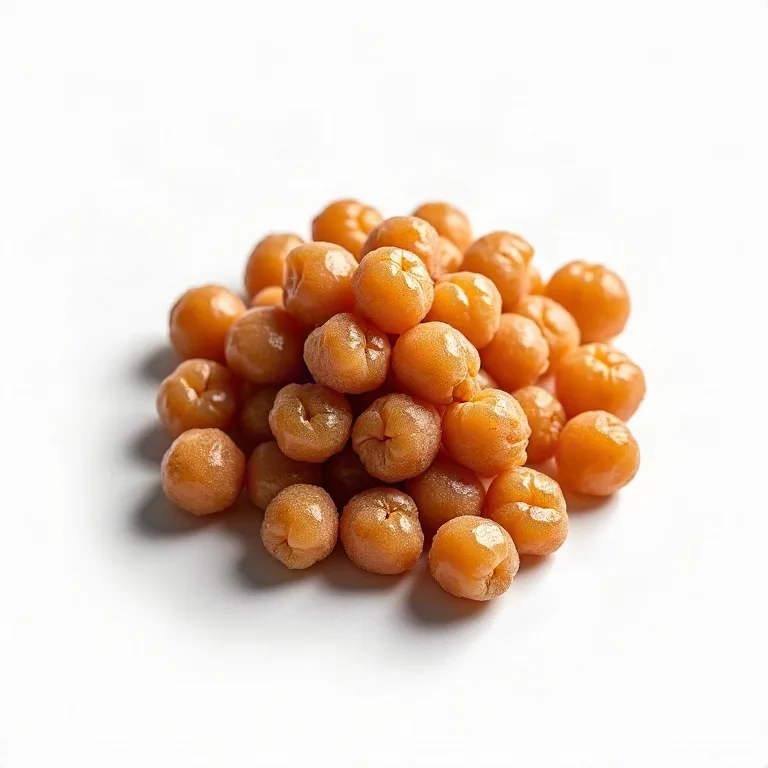 Mulberry pekmez?
Kec
Mulberry pekmez?
Kec
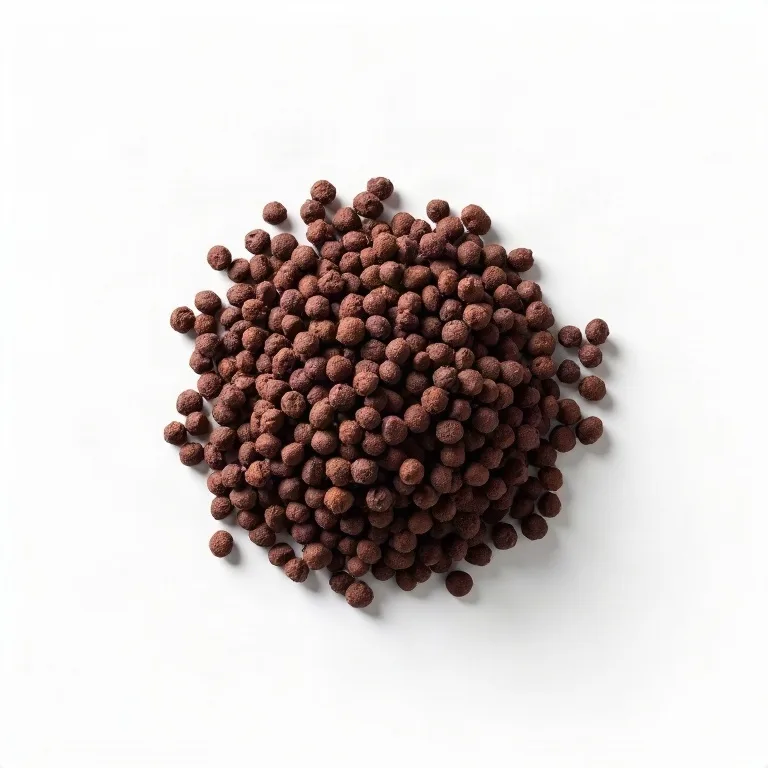 Carob pekmez?
Gl
Carob pekmez?
Gl
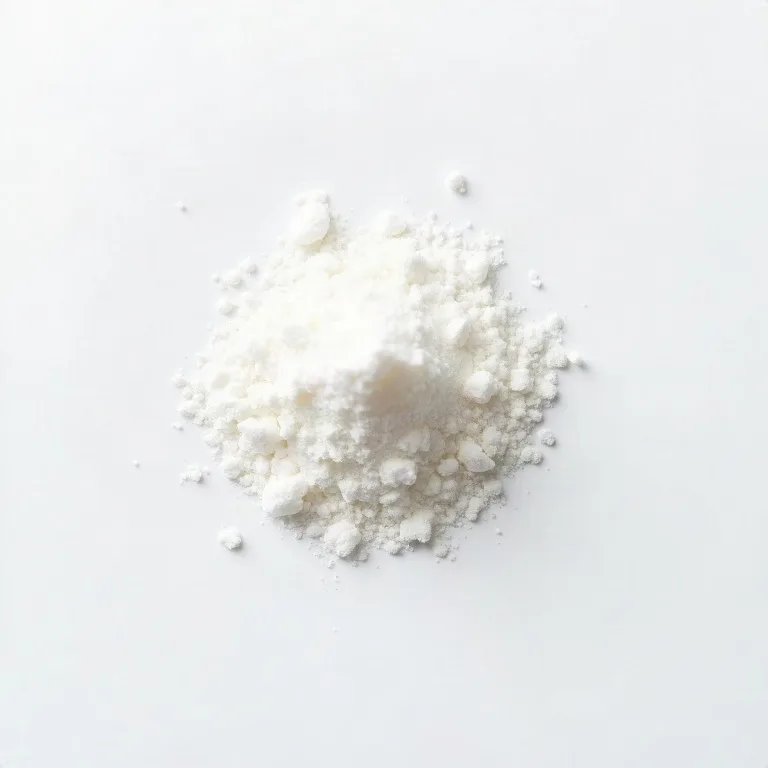 Glucose (anhydrous powder)?
Nothing matches that.
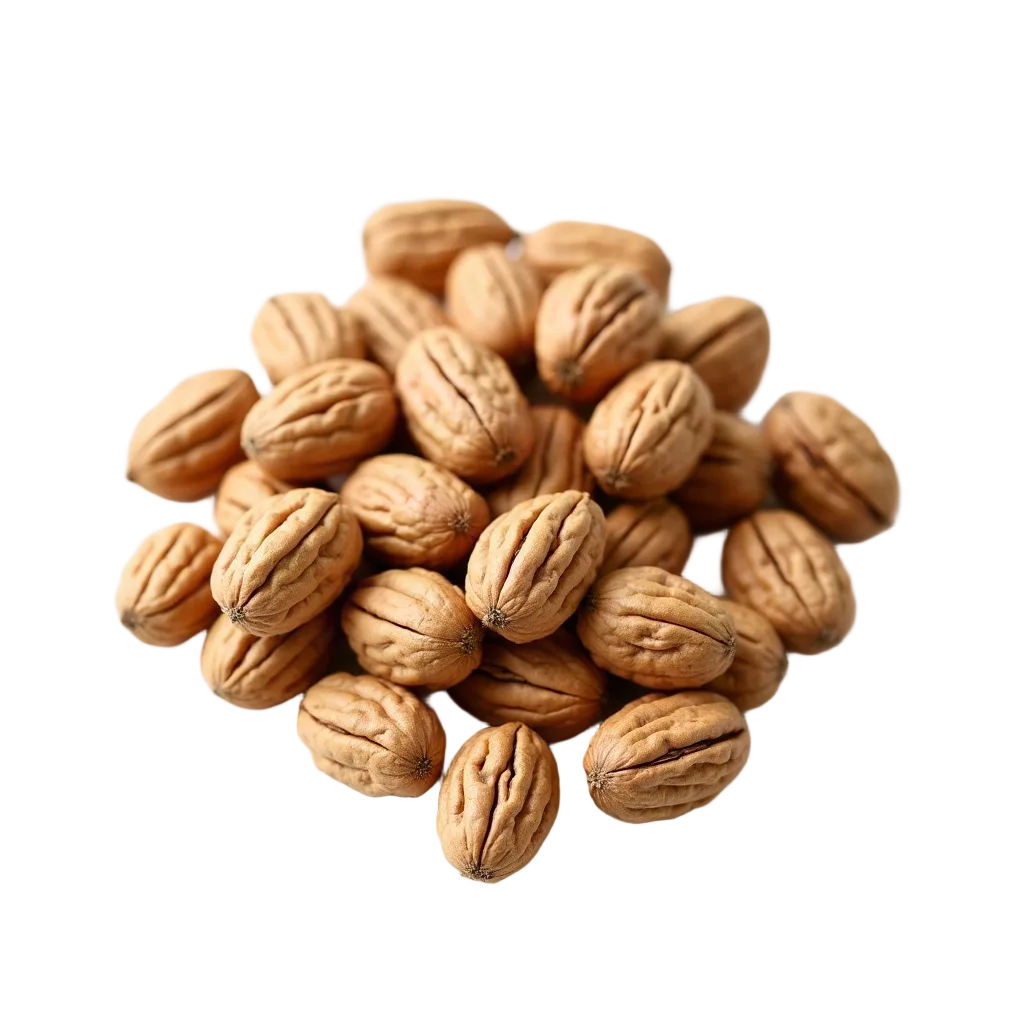 Walnut
  Milk
Milk  Yoghurt
 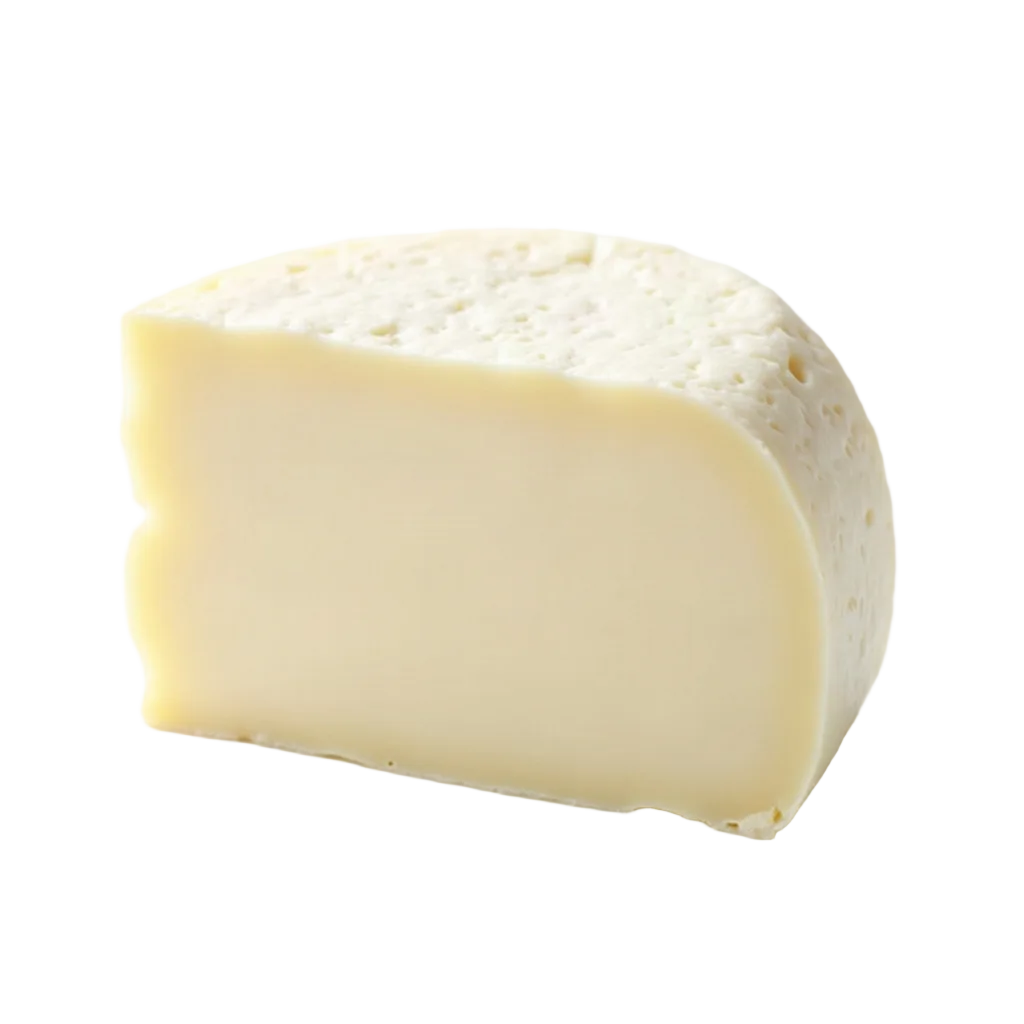 White cheese
 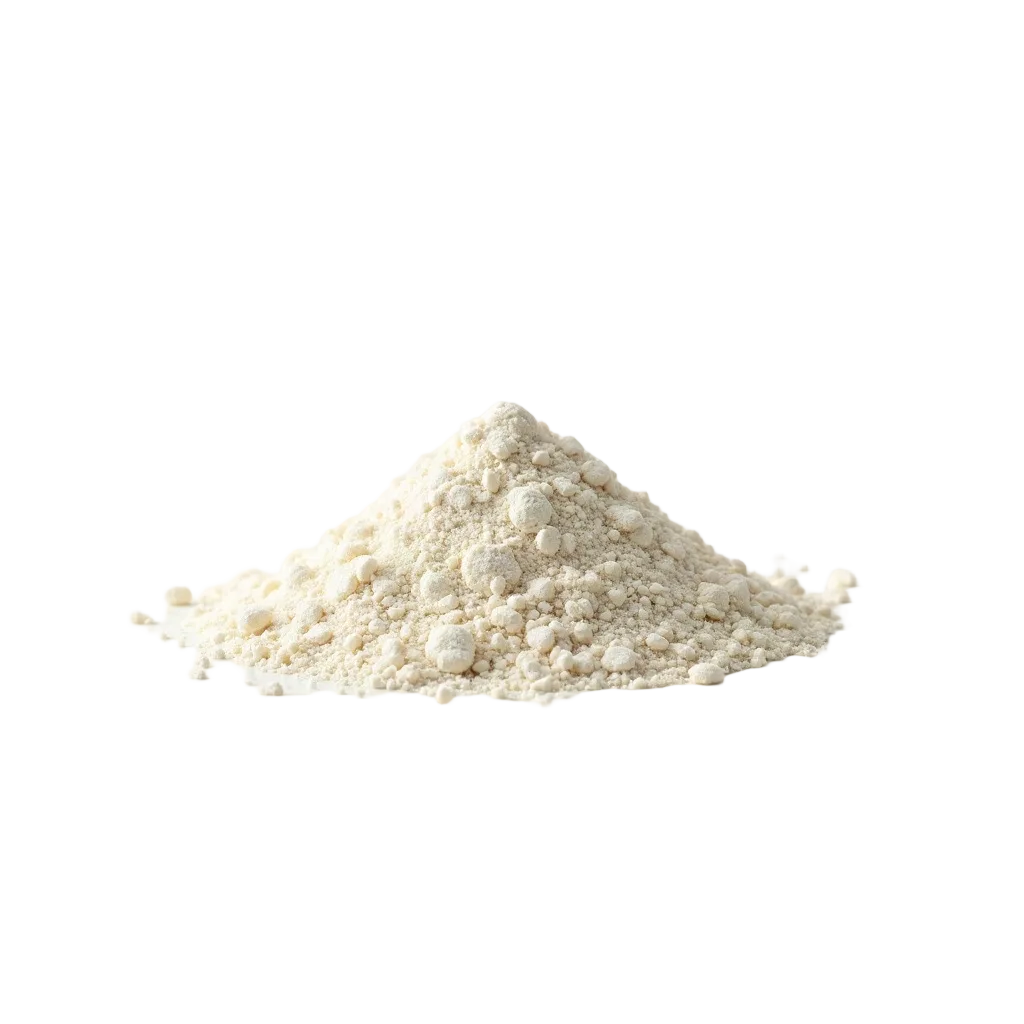 Flour
Flour 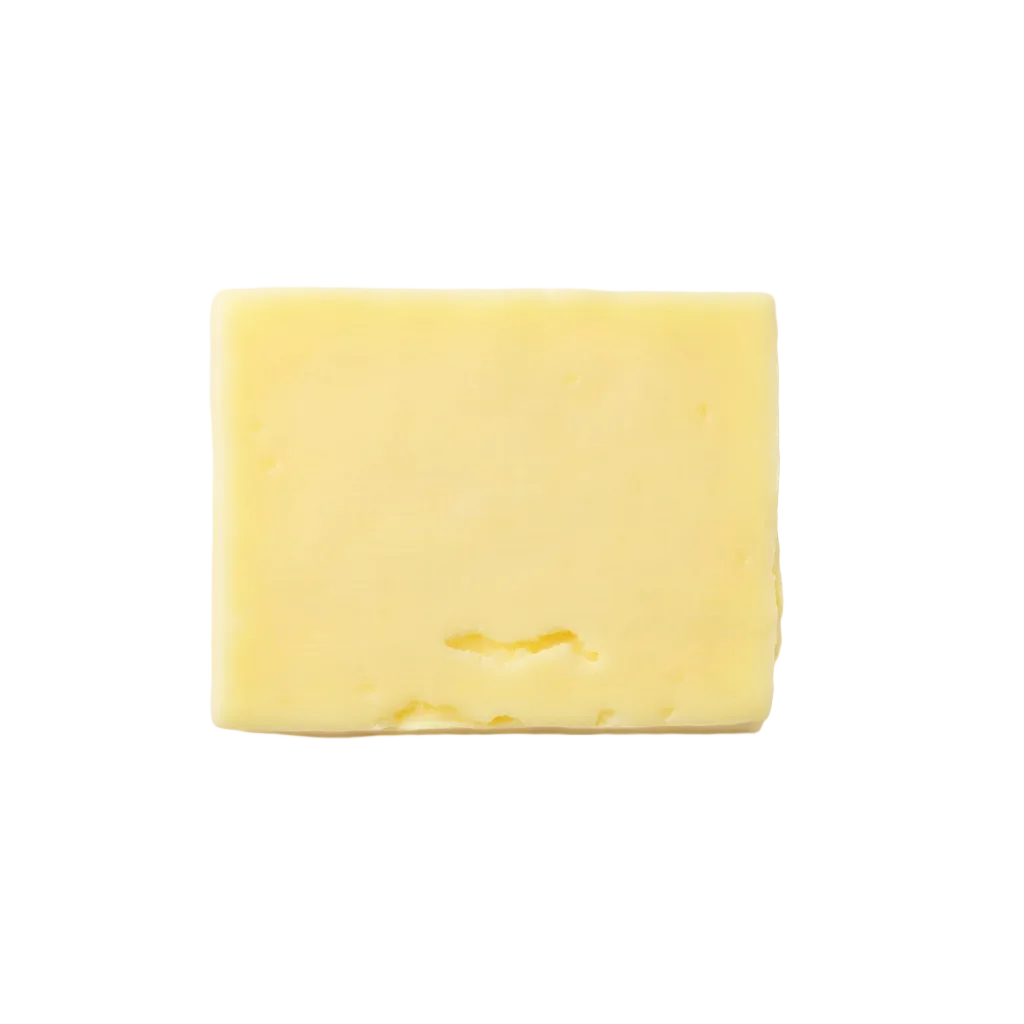 Butter
 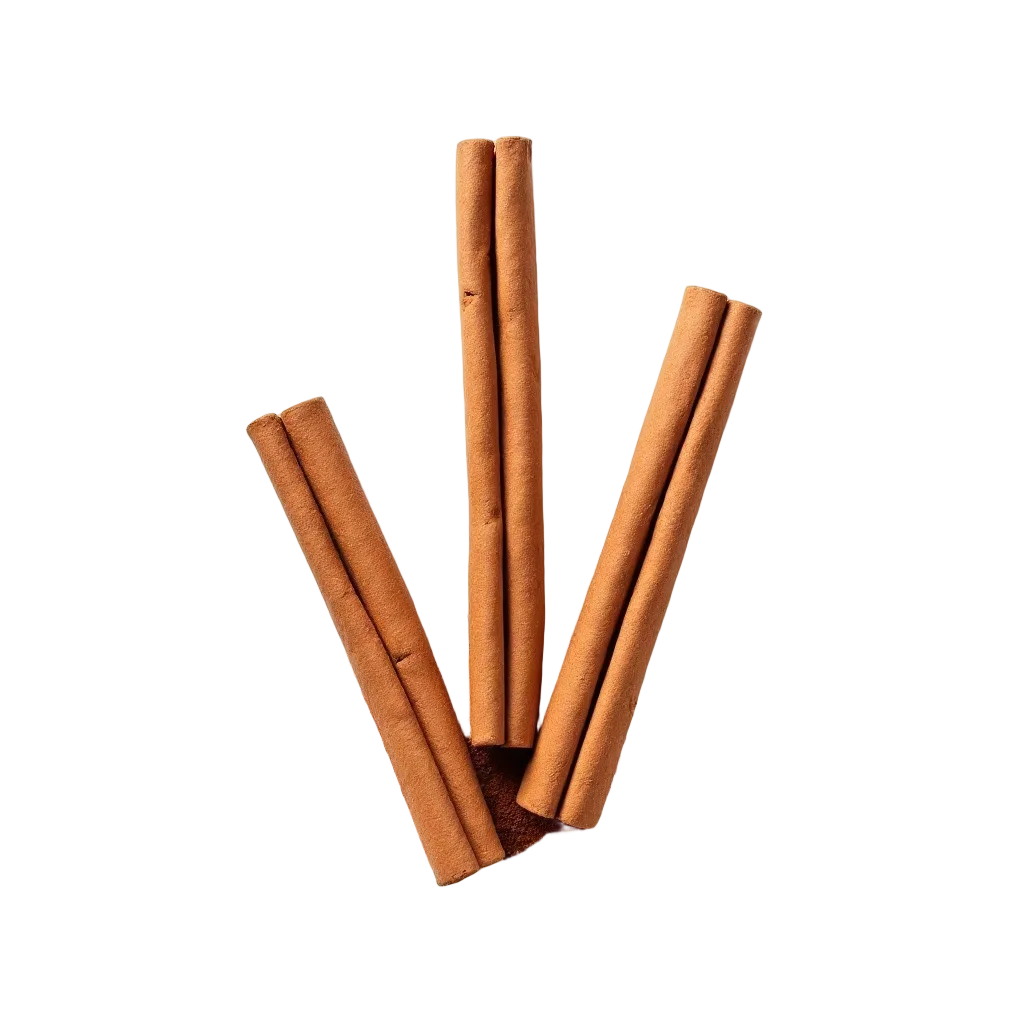 Cinnamon