
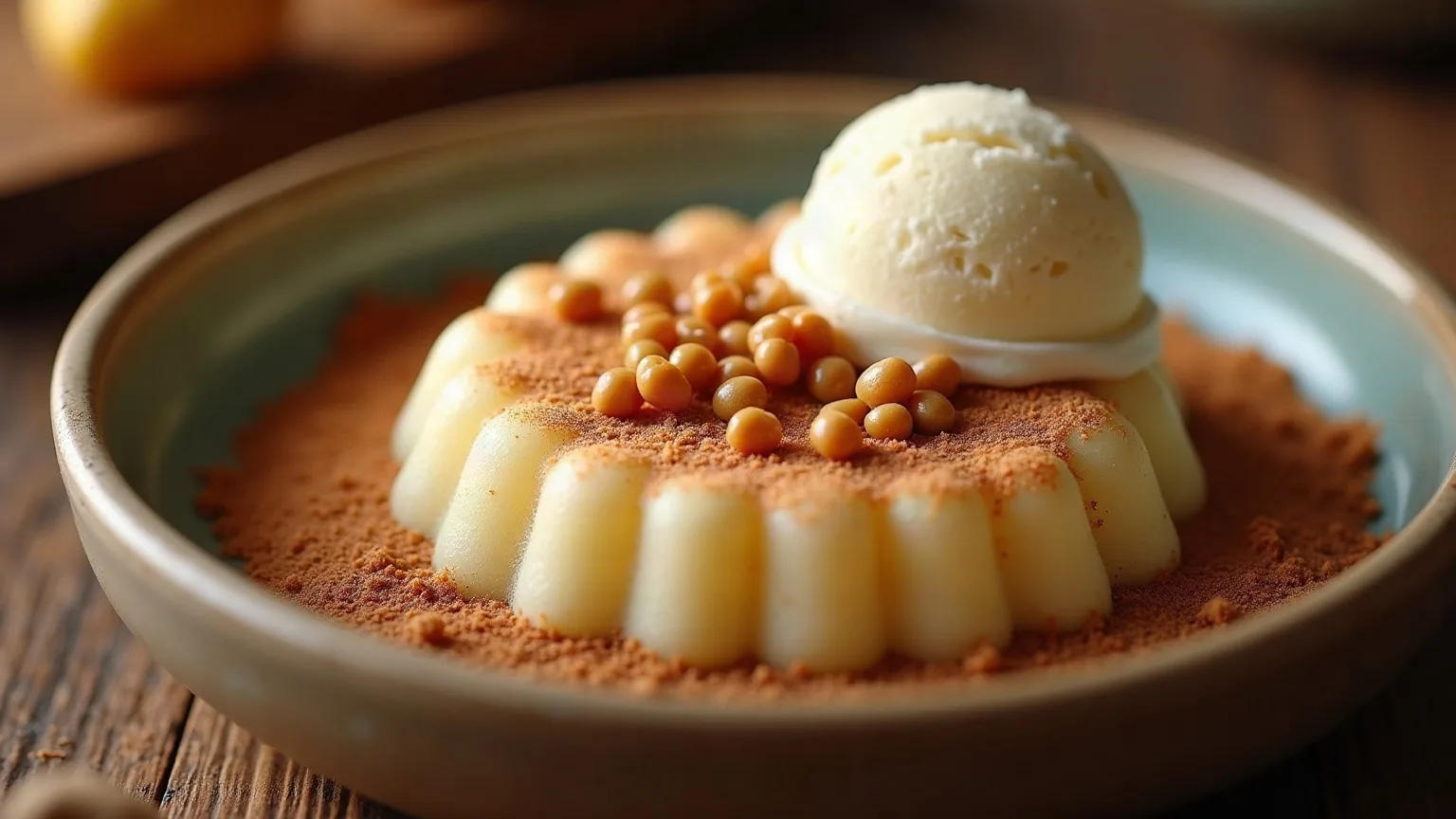
Semolina halva with milk
A three-ingredient dessert on the table in twenty-five minutes. Its entire aroma comes from one step: toasting the semolina.
Method
-
Melt the butter, colour the pine nuts, then add the semolina and toast it patiently over a low flame for 12–15 minutes.
Why This step is the recipe. As the semolina toasts, the Maillard reaction builds that nutty aroma; add the milk too early and you get something sweet with no smell at all.Maillard is running Amino acids have met reducing sugars. The crust, the roasted flavour and that smell all come from here. no way back
-
Dissolve the sugar in the milk and pour it warm over the semolina, slowly. It will spit as it hits.
Why Cold milk on hot semolina makes the starch seize into lumps. Warm milk lets the granules swell evenly.Starch gelatinised The granules soaked up water, swelled and burst into a network. It has thickened, and it will firm further as it cools. no way back
A gluten web is forming Gliadin and glutenin hydrated into an elastic net. This is what will hold the gas. no way back
Too much starch. It will set into a rubbery gel once cool — add more liquid.
-
Stir until the liquid is gone, take it off the heat and rest it for 15 minutes with a cloth under the lid.
Why During the rest, the remaining steam evens out the semolina and the grains separate. That famous loose, grainy texture happens in these fifteen minutes.Starch gelatinised The granules soaked up water, swelled and burst into a network. It has thickened, and it will firm further as it cools. no way back
A gluten web is forming Gliadin and glutenin hydrated into an elastic net. This is what will hold the gas. no way back
Too much starch. It will set into a rubbery gel once cool — add more liquid.
This recipe was run through the engine step by step — what goes in when, and at what temperature and for how long. The reactions above come from that run.
peak 140 °C · 35 minutes · engine 1.0.0 · confidence low
What it tastes like
The axes that define this recipe: sweet 47, bitter 32, aroma 51.
This profile is computed rather than measured: the role-weighted average of its ingredients’ taste vectors, shifted by what the cooking does. The thin line is the database average on that axis.
Closest in taste
Not hand-picked: ranked by distance across the eight taste axes.
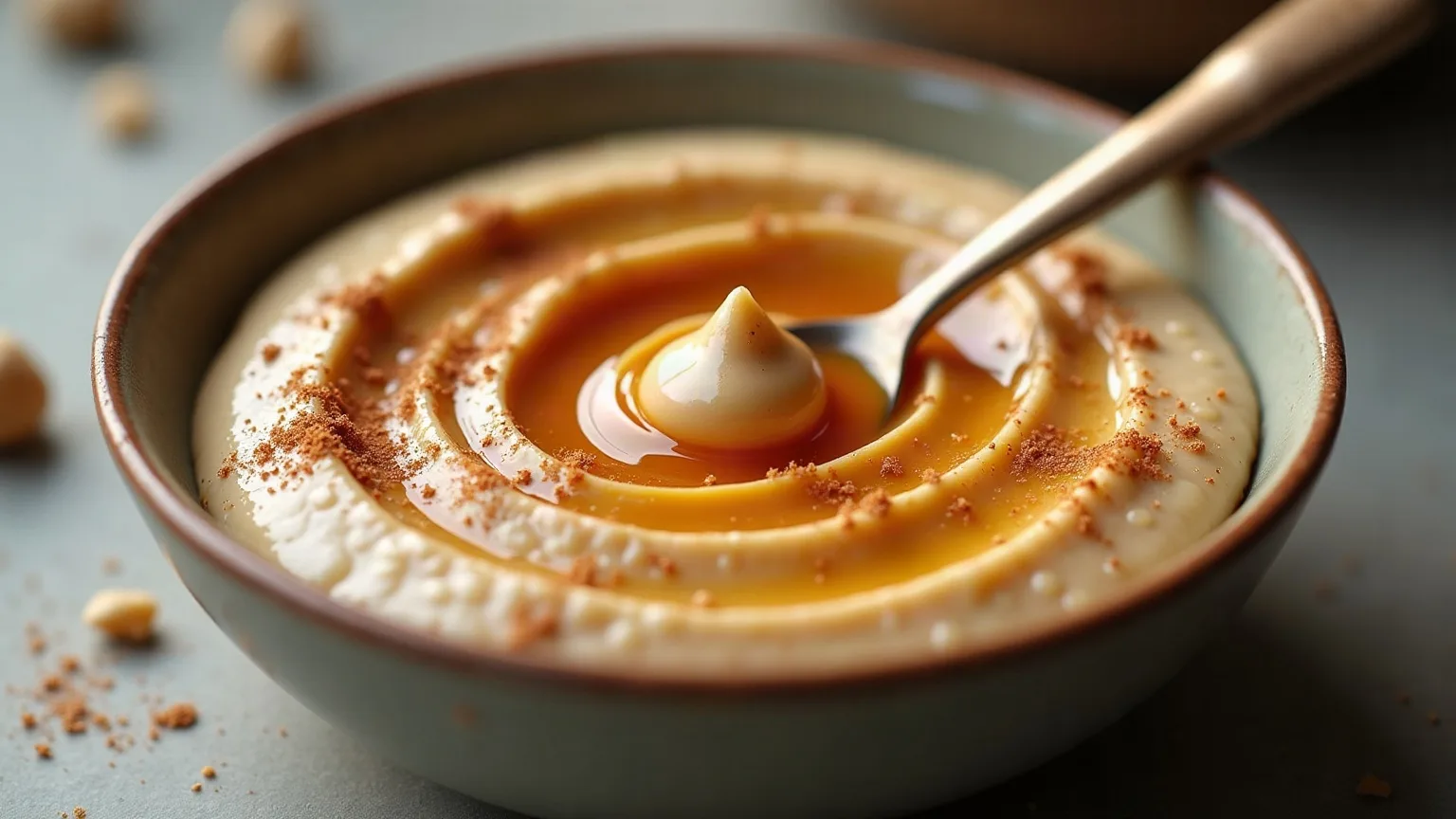
Tahini and honey bowl
Two ingredients, five minutes. It seizes as you stir; keep going and it loosens.…
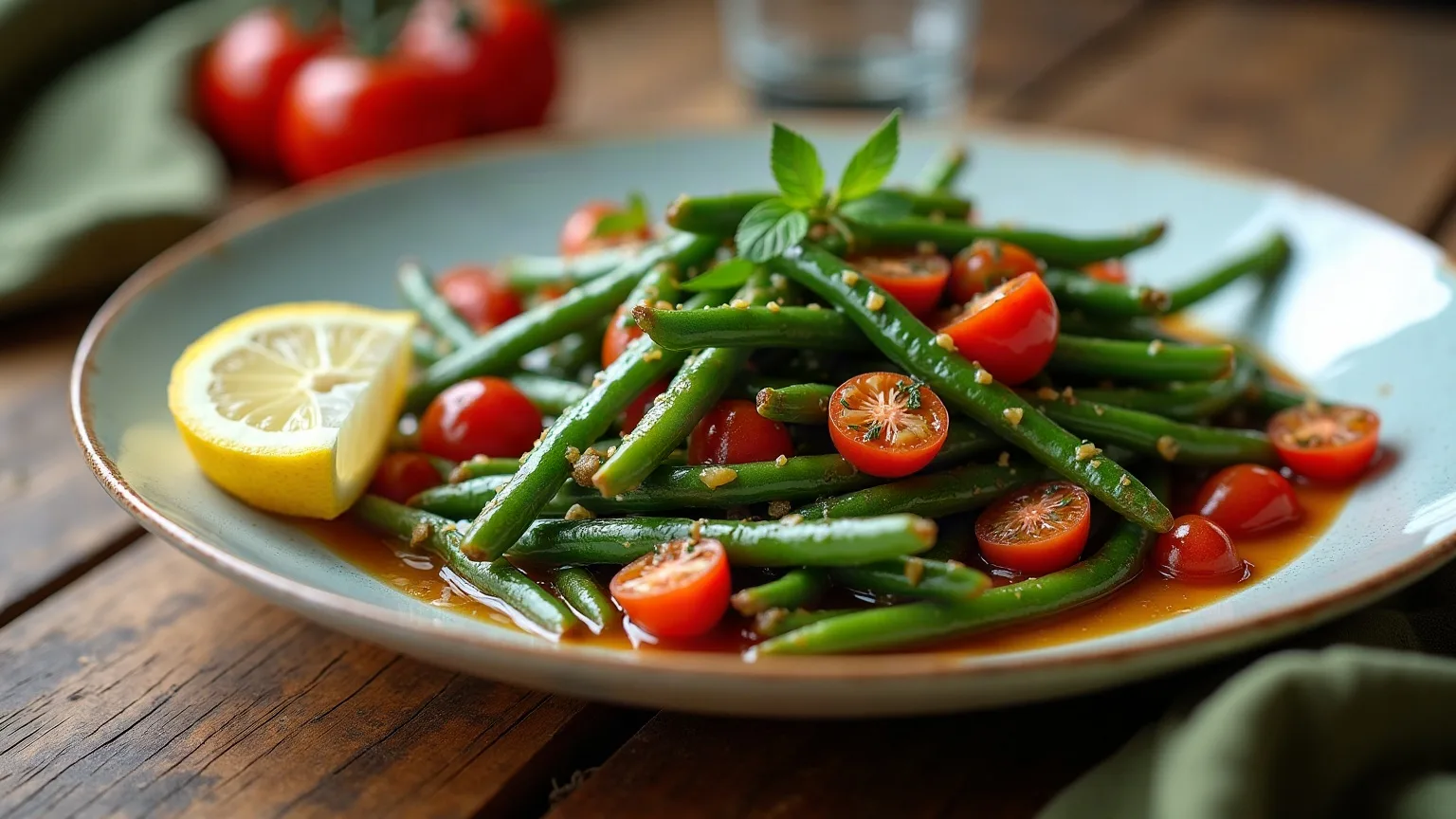
Green beans in olive oil
A classic that cooks in the vegetable’s own water, with none added. The secret is patience and a low flame: the beans sw…
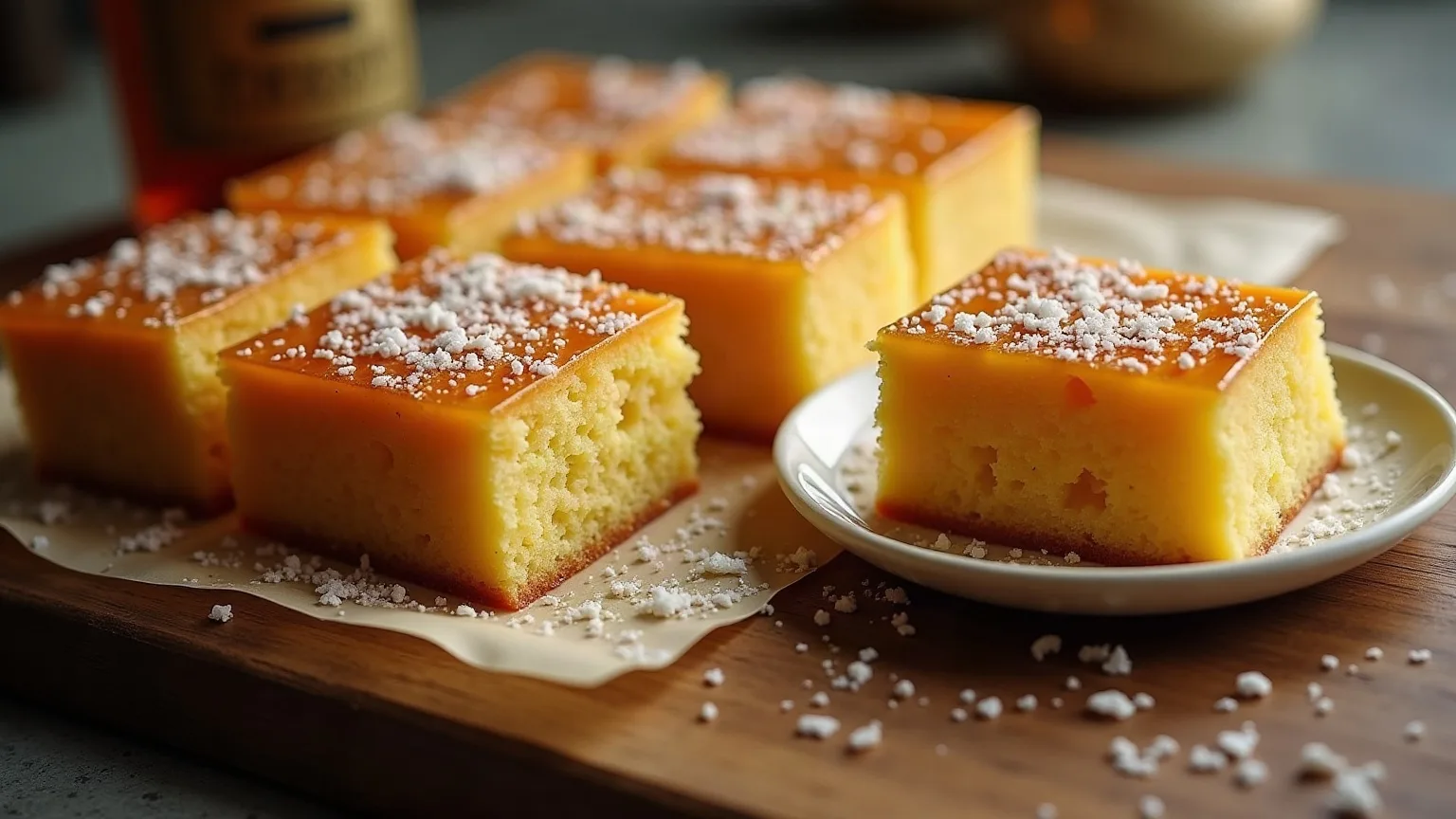
Revani
A semolina syrup cake. Butter is whipped to a foam, then eggs, sugar and semolina go in; baked at 165 °C and soaked with…
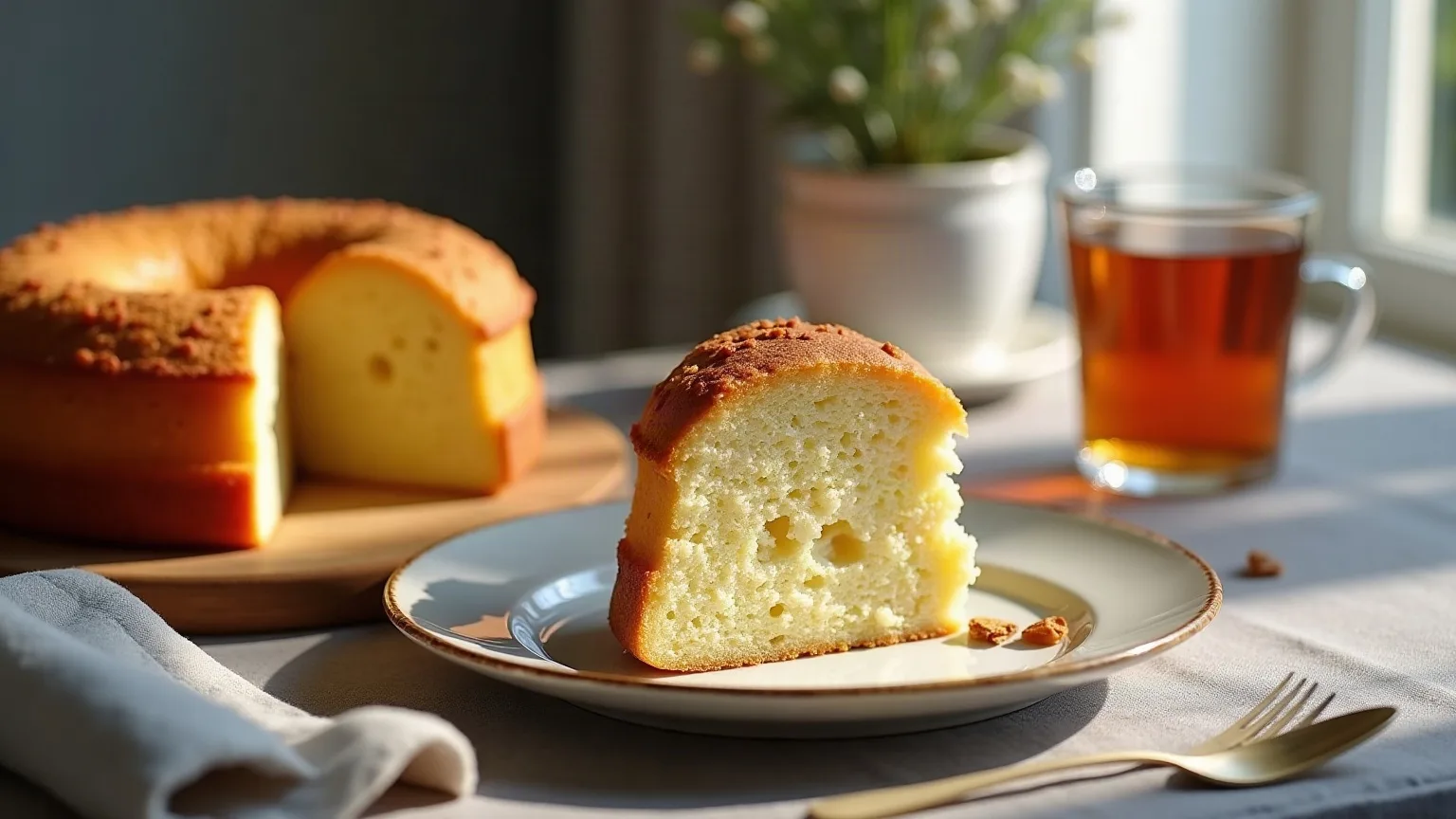
Yoghurt cake
Turkey’s everyday tea cake. The yoghurt is both the liquid phase and the acid half of the chemical leavening.…