What to cook In the mood Workshop Scenarios Actually easy Techniques Dishes Ingredients Diets Recipes
Home · Ingredients · Chilli flakes
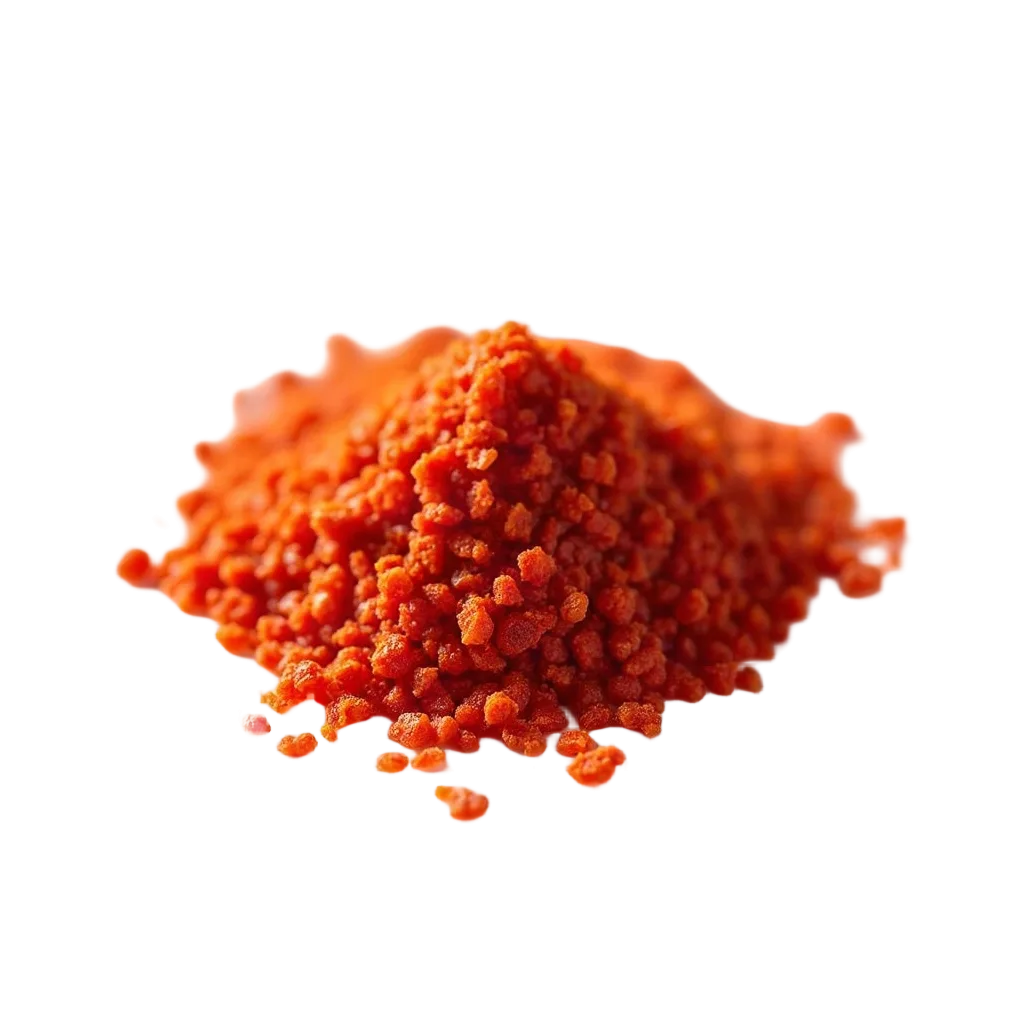
Chilli flakes
Aromatics · Cf

Chilli flakes

Capsaicin dissolves in fat, not water

Per 100 g
282 kcal Energy
12 g Protein
49.7 g Carbs
14.3 g Fat
27.2 g Fibre
Gluten-free

Let’s cook with it → Invent something with it

What it is for

They give the character. Same technique, same ingredient, a different trio of spices — and the dish moves to another cuisine entirely. Most of their aroma molecules are volatile.

Where it catches you out

Volatile ones go in last, sturdy ones first. Mint and basil after the heat; bay and cinnamon right at the start.

The knack

Capsaicin dissolves in fat, not water: if you want the heat to spread, put it in the oil.

Storage and health

How to keep it, and who it suits.

Keeping it

Airtight in the dark for a year; oilier types such as isot keep longer refrigerated. Loss of colour means it has seen heat and light.

Gluten-free

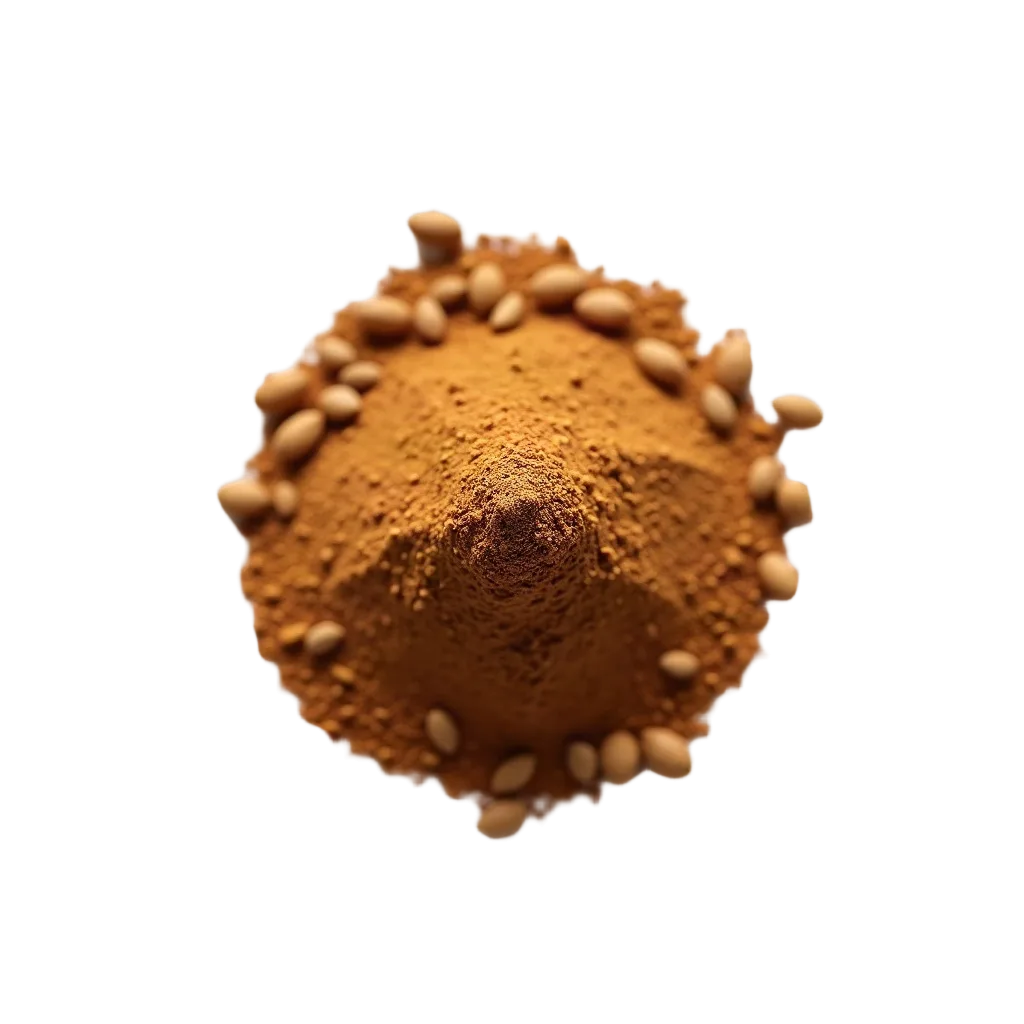
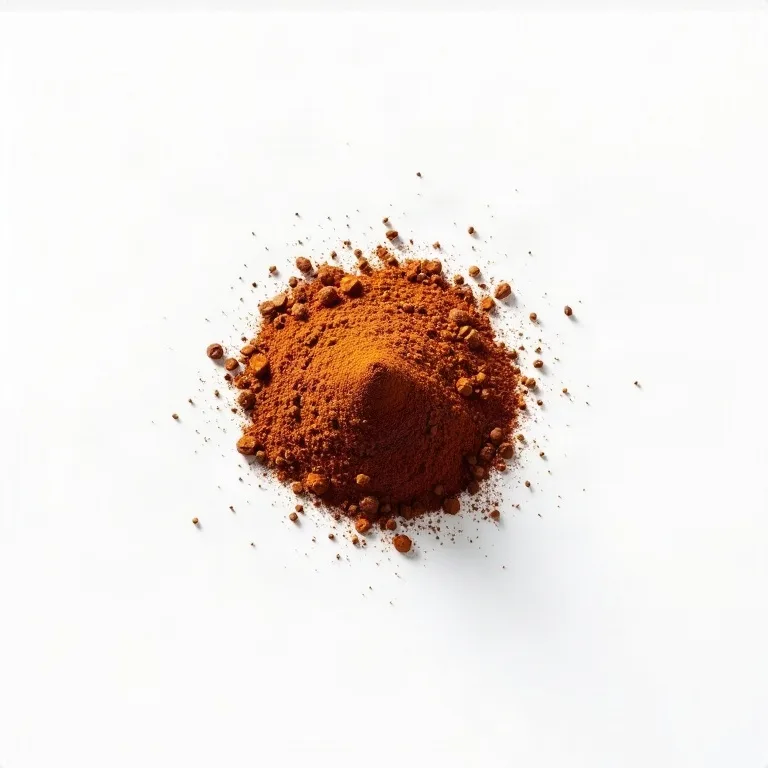
Plain chilli flakes are nothing but dried peppers.

Glycaemic index

This ingredient carries no meaningful carbohydrate, so it has no glycaemic index. On its own it will not move blood sugar; what you eat alongside it decides that.

What it works with

Pairings, and the reason for each

"They go well together" is not an explanation. Every pairing below has a chemical or structural mechanism under it.

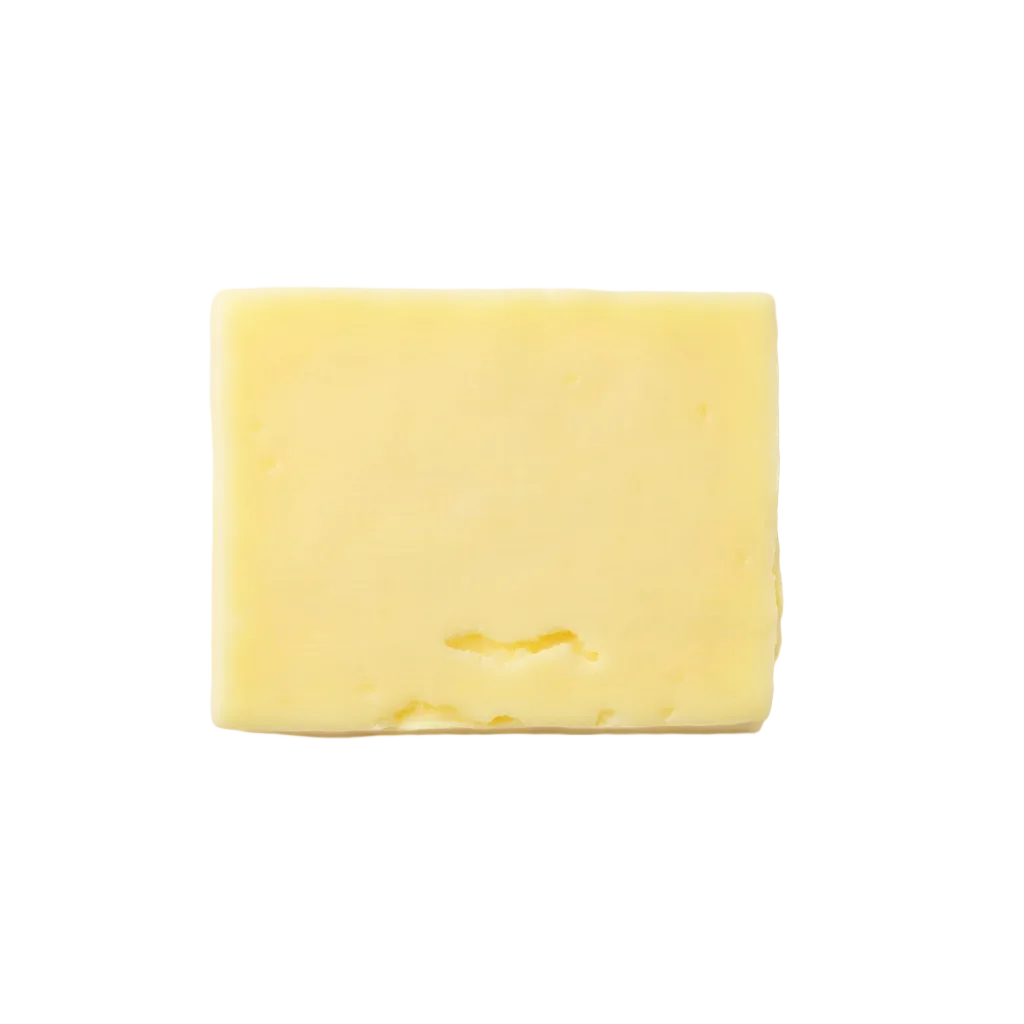
Butter

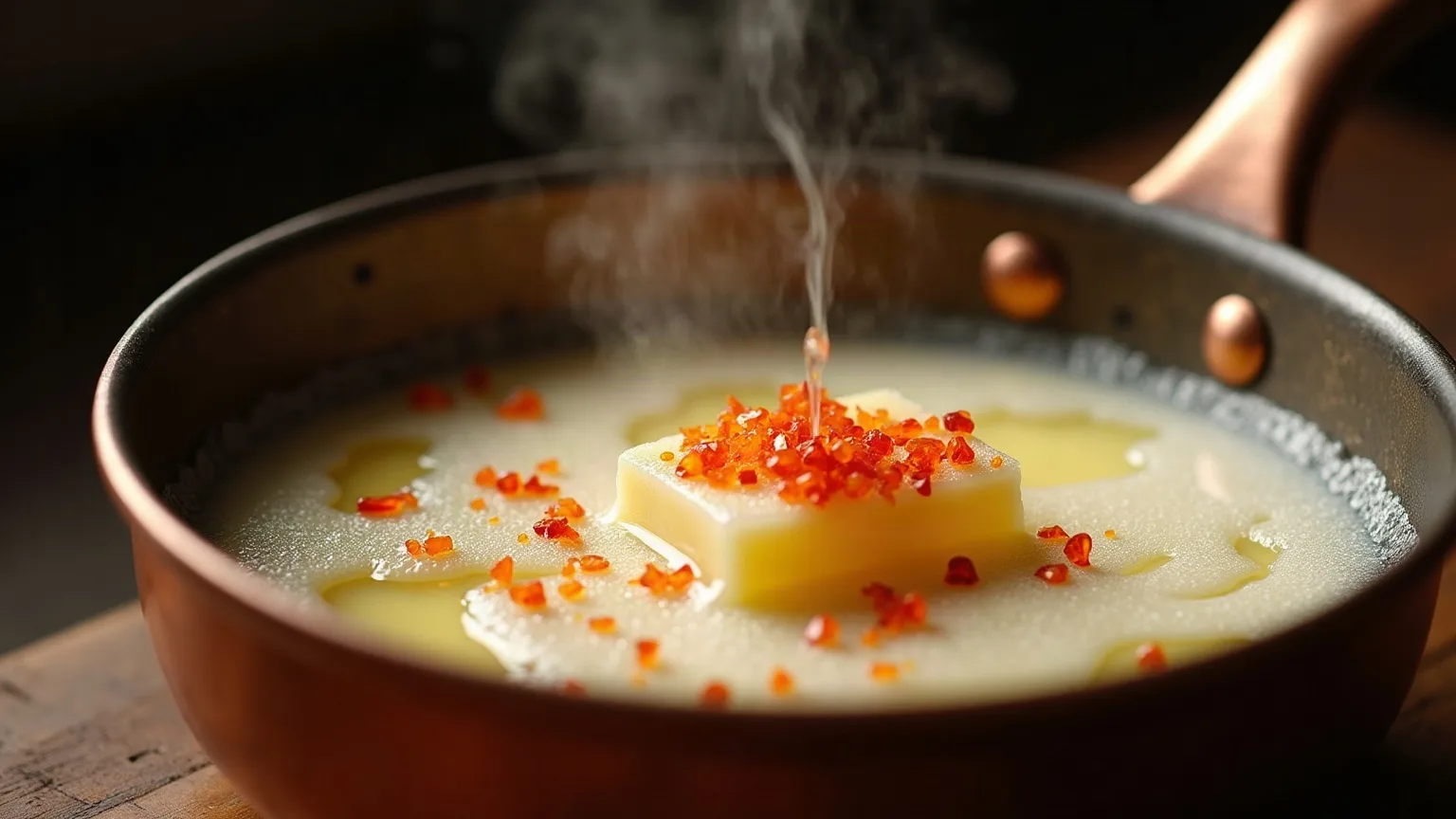
Capsaicin is essentially water-insoluble and fat-soluble, so the sizzled-butter method is a solvent extraction that also carries the fat-soluble red capsanthin. Measured optima: 130 °C for carotenoids, 150–170 °C for capsaicinoids. The rule to add chilli off the heat lands exactly in that 130–150 °C window.
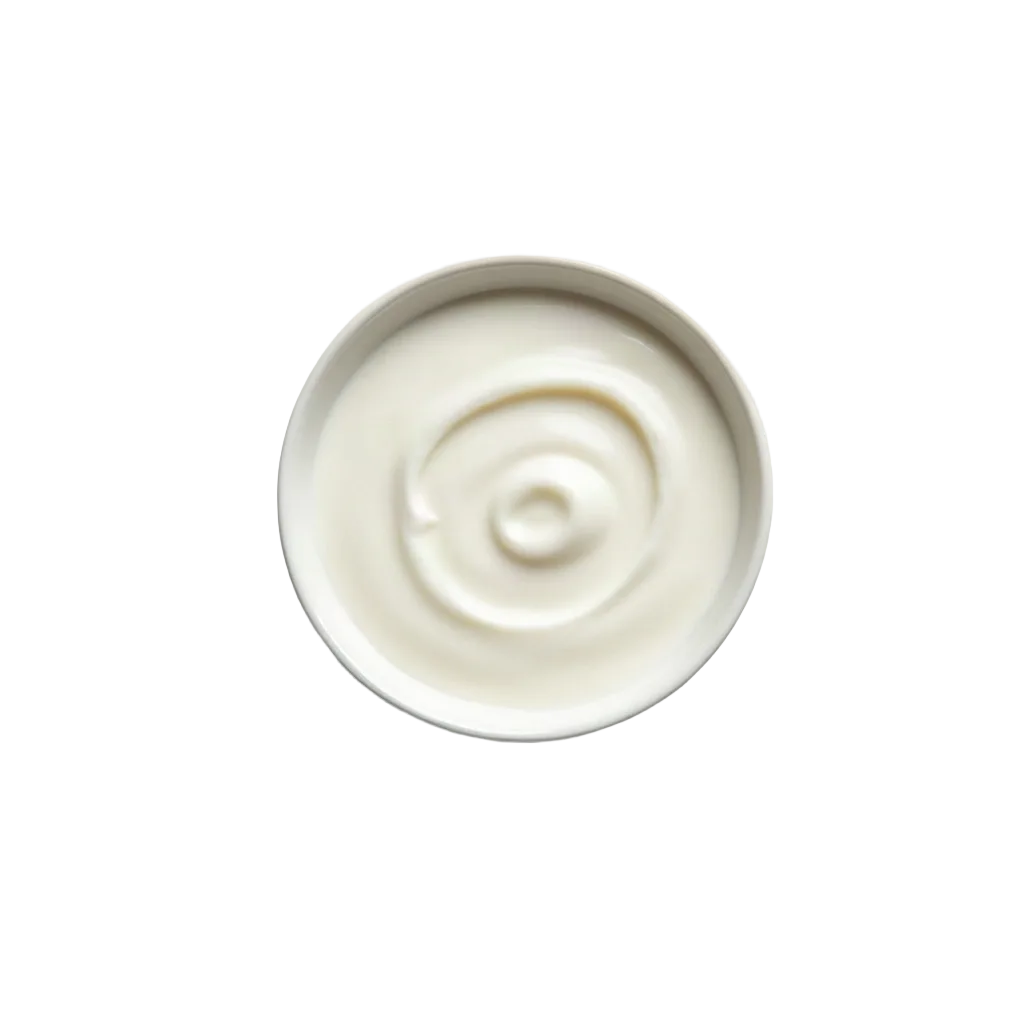
Yoghurt

Casein scavenges capsaicin from the TRPV1 receptor and milk fat dissolves it. Both effects are separately measurable, so yoghurt is a two-mechanism remedy, not a folk one.

Also works with

What it fights with

Water
Drinking water against chilli burn spreads capsaicin without dissolving it, which is why it feels worse.
What goes on top
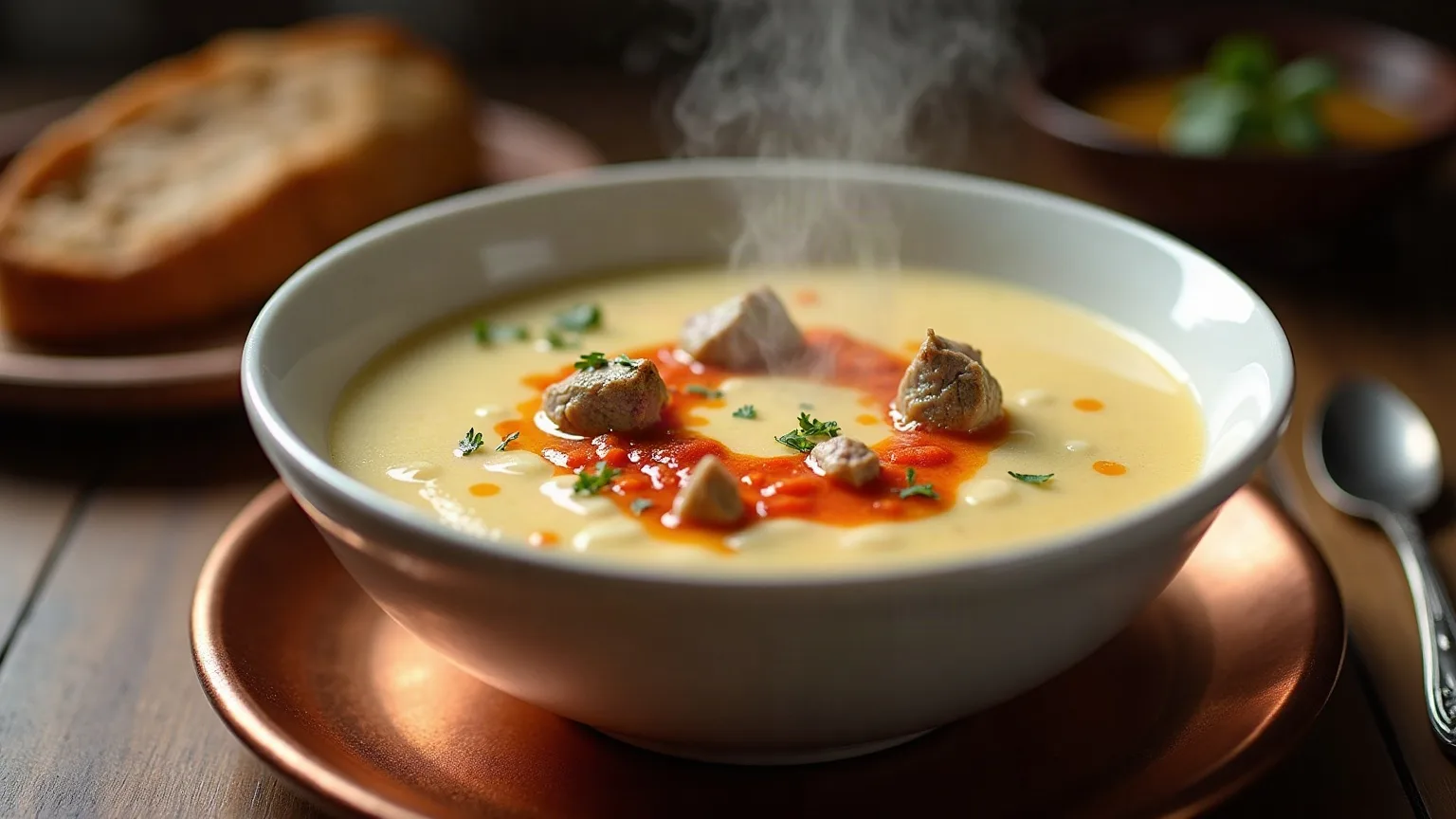
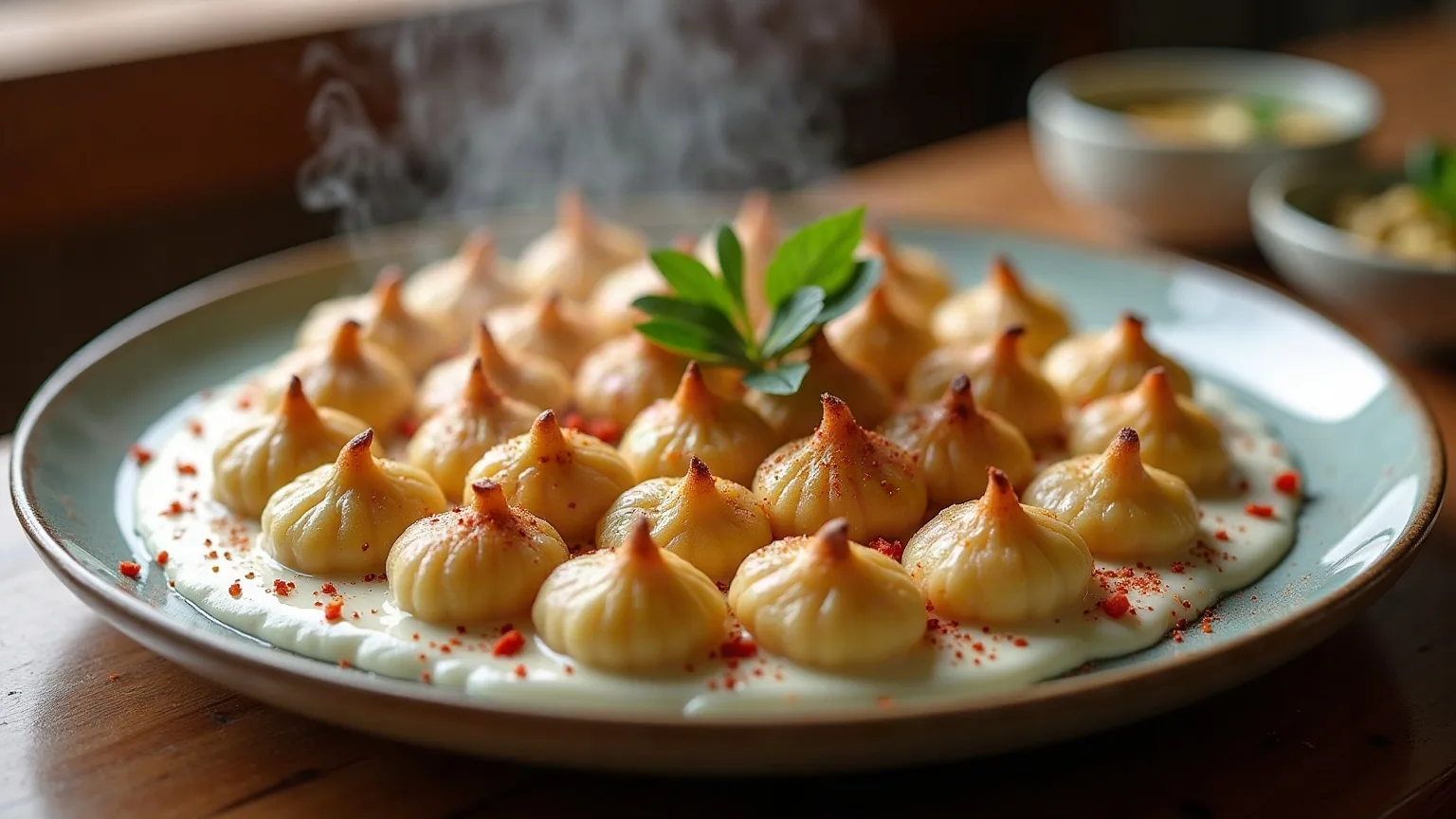
  • Pul biber sizzled in butter is the single most characteristic Turkish topping, alone or with dried mint
Key compounds
Kapsaisin
A TRPV1 agonist: it opens a heat-and-pain ion channel, so the burn is literally a temperature signal. Heat-stable, it survives any cooking.
Kapsantin
The red pigment; fat-soluble and degraded by light.
Nutritionally

Capsaicin produces a small but real increase in thermogenesis and satiety. The effect exists but is far too small to matter for weight control.

Terms on this page
TRPV1
The heat-and-pain receptor on the tongue. Capsaicin opens it, which is why chilli genuinely feels hot.