What to cook In the mood Workshop Scenarios Actually easy Techniques Dishes Ingredients Diets Recipes
Home · Ingredients · Yeast
Yeast
Leaveners · Ye

Yeast

Active 24–40 °C · dies at 55 °C

Per 100 g
105 kcal Energy
8.4 g Protein
18.1 g Carbs
1.9 g Fat
8.1 g Fibre
Gluten-free

Let’s cook with it → Invent something with it

What it is for

They make gas and aerate the dough. Soda works the instant it meets acid; yeast takes hours. They are not interchangeable.

Where it catches you out

Soda does nothing without acid, and the excess tastes of soap. Yeast dies at 55 °C — test the water on your wrist.

The knack

Test the water on your wrist — it should feel like baby formula. Above 55 °C the yeast dies.

Storage and health

How to keep it, and who it suits.

Keeping it

Unopened dried yeast keeps two years somewhere cool; once open, four months sealed in the fridge or six in the freezer. Fresh yeast keeps two weeks refrigerated.

Gluten-free

Baker’s yeast (Saccharomyces cerevisiae) contains no gluten. Brewer’s yeast is the exception: grown on barley wort, it can carry gluten.

Glycaemic index

This ingredient carries no meaningful carbohydrate, so it has no glycaemic index. On its own it will not move blood sugar; what you eat alongside it decides that.

What it works with

Pairings, and the reason for each

"They go well together" is not an explanation. Every pairing below has a chemical or structural mechanism under it.

Flour

Flour amylases release maltose from damaged starch granules, the yeast ferments it to CO₂ and ethanol, and the CO₂ inflates gas cells whose walls are gluten films. Leavening is a two-component system.
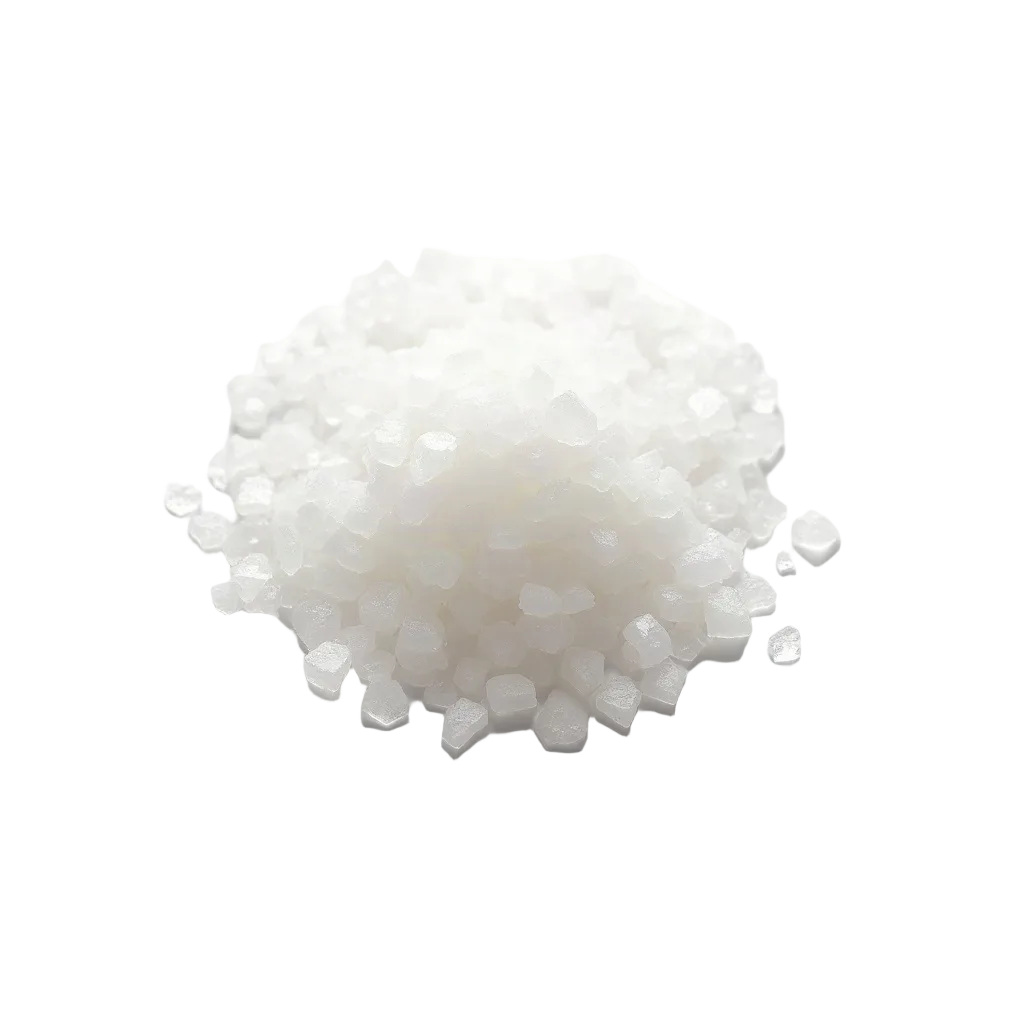
Salt

It osmotically slows fermentation and lets flavour-generating reactions run longer relative to gas production. Salt here is a rate controller as much as a seasoning.

Also works with

What it fights with

Salt

Direct contact with undissolved salt, or water above 50 °C, kills or cripples the cells.

Sugar

Above 10% it causes osmotic stress: the yeast diverts carbon into glycerol and CO₂ output falls. Sweet doughs rise slower, not faster.

What goes on top
  • Egg wash, sesame, nigella, butter brushed on out of the oven
Key compounds
CO₂ ve etanol
The leavening, and the alcohol that boils off carrying aroma.
Nutritionally

Long fermentation lowers phytate in wholemeal dough through flour and yeast phytases, improving mineral availability. That is the genuine advantage of slow-risen wholemeal bread.