
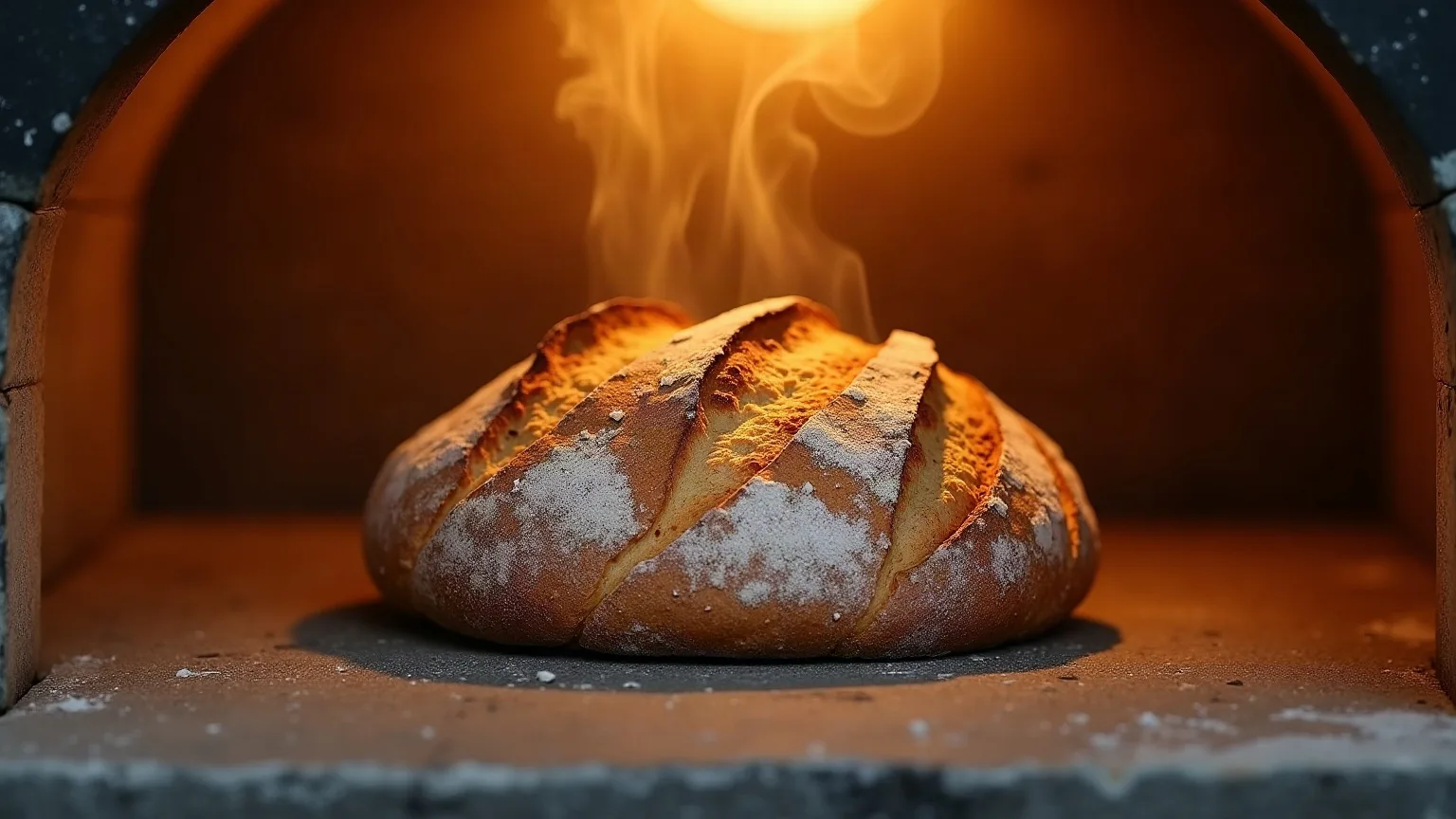
The oven
Air carries heat badly, so a 200 °C oven does not make 200 °C food. The inside stays where water boils, at 100 °C.
The mechanism
An oven delivers heat three ways: circulating air, the tray conducting from below, and the walls radiating. Air holds far less heat than water or oil — which is why you cannot hold your hand in 100 °C water but can put it into a 100 °C oven. The consequence is that the inside of the food cannot pass 100 °C until its water is gone. The outside passes it as soon as the surface dries, Maillard starts at 140 °C and a crust forms. Setting the dial really sets the ratio between those two speeds: hot brings the crust forward, low gives the middle time.
The thresholds that define it
“Medium heat” is not a technique. Every line below is a point where something starts or stops.
- 60–70 °C Meat proteins contract and start squeezing out water. Meat dries here, not in the oven air.
- 100 °C The ceiling for the interior: it cannot rise above this until the water has gone.
- 140 °C The Maillard line. Below it food cooks but never browns.
- 180 °C Cakes, biscuits, most böreks: where crust and centre finish together.
- 220–250 °C Bread and pide. Steam for the first ten minutes, or the crust sets early and the loaf cannot rise.
How to read it by hand
Oven thermostats are routinely 20–30 °C out, so learn yours first. Scatter a pinch of flour on a tray: golden in one minute is about 200 °C, dark in thirty seconds is 250 °C, still white after three minutes is 150 °C. An oven is never one temperature throughout — the back top corner is usually hottest, which is why turning the tray halfway through genuinely matters.
The three mistakes people make
01 Burnt on top, raw underneath ⌄
Why
The tray sat too close to the top: radiation from above beats conduction from below.
What to do
Move to the middle shelf, cover with foil and uncover for the last ten minutes. A dark tray browns the base more, a light one less.
02 The cake sank in the middle ⌄
Why
The door was opened early, or there was too much raising agent — both lose gas before the gluten has set.
What to do
Keep the door shut for the first 25 minutes, and hold the baking powder to one teaspoon per 100 g of flour: more lifts the batter faster than the structure can follow.
03 The loaf did not rise and the crust is thick ⌄
Why
A cold start, or no steam. In dry heat the crust sets in the first minutes and locks the dough down.
What to do
Preheat to 250 °C, slide a tray of hot water onto the bottom shelf as the loaf goes in, then remove it after ten minutes and drop to 220 °C.
- Maillard
- Protein meeting sugar above 140 °C to produce crust, colour and that roasted smell.
Where it comes from
In Anatolia the oven stood in the neighbourhood rather than in the house. A tandır is a cylinder sunk into the earth that bakes dough stuck to its wall by radiation; a village oven heats its stone floor with wood, then the embers are swept out and it works on stored heat alone — baking after the fire is gone. That is why people carried trays to the communal bakery: until domestic ovens spread, high and steady heat existed nowhere else. It is also why pide at home never quite matches the bakery’s: a kitchen oven struggles to reach 250 °C.
Dishes cooked this way
Yoghurt cake
Turkey’s everyday tea cake. The yoghurt is both the liquid phase and the acid half of the chemical leavening.…
Kalburabastı
Walnut-filled dough ovals are pressed against a sieve to emboss ridges, baked and soaked in syrup. The name comes straight from that gesture.…
Yoghurt syrup cake
A pale tray bake cut into squares or diamonds and drenched in cold syrup. It looks like revani but is made with flour rather than semolina, and the yo…
Revani
A semolina syrup cake. Butter is whipped to a foam, then eggs, sugar and semolina go in; baked at 165 °C and soaked with light syrup while still warm.…
Giving the heat another way
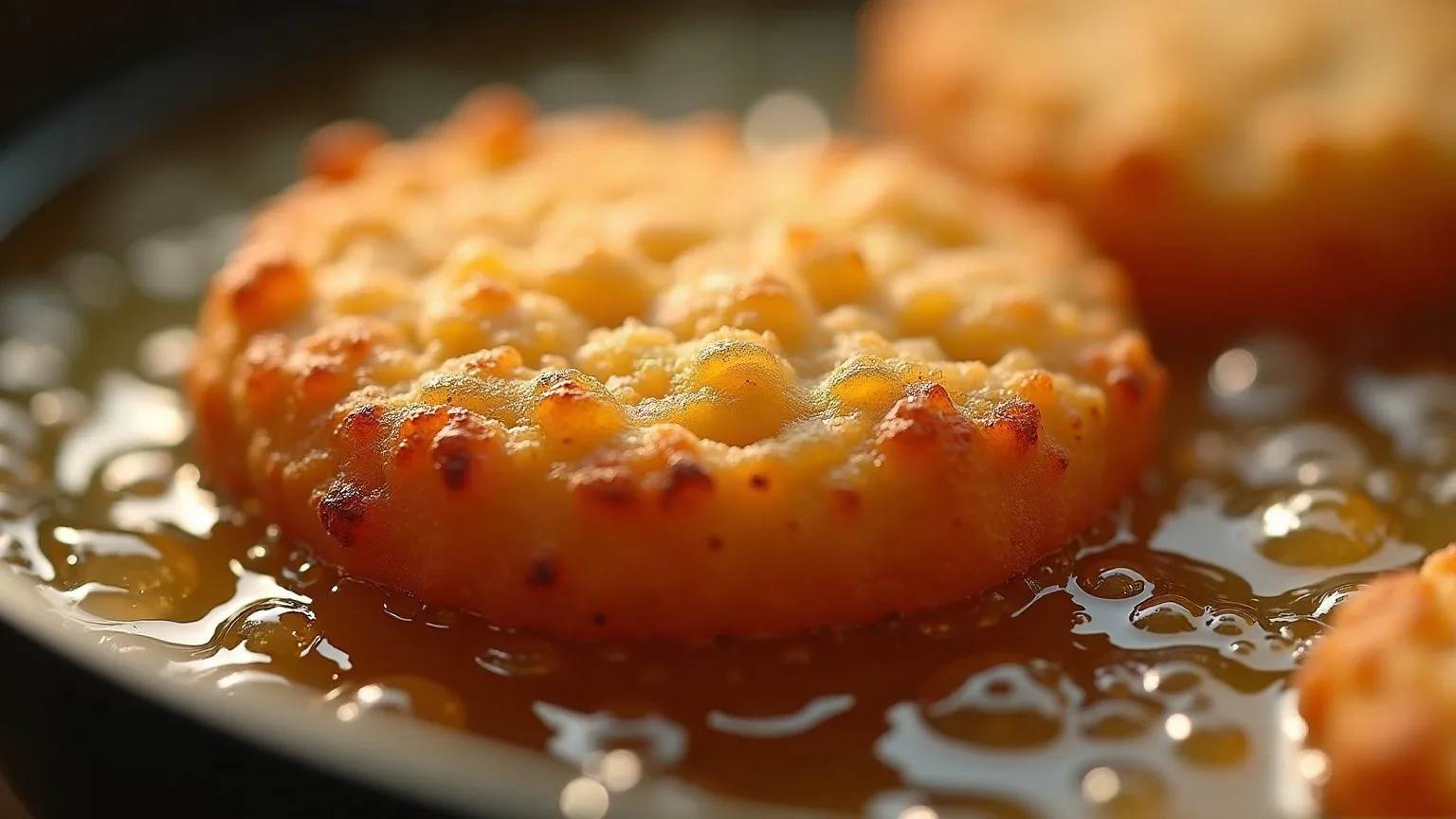
Deep frying
Surface water flashes to steam and pushes outward — that is the shield keeping oil out. Cold oil never builds it, and the food drinks the fat instead.
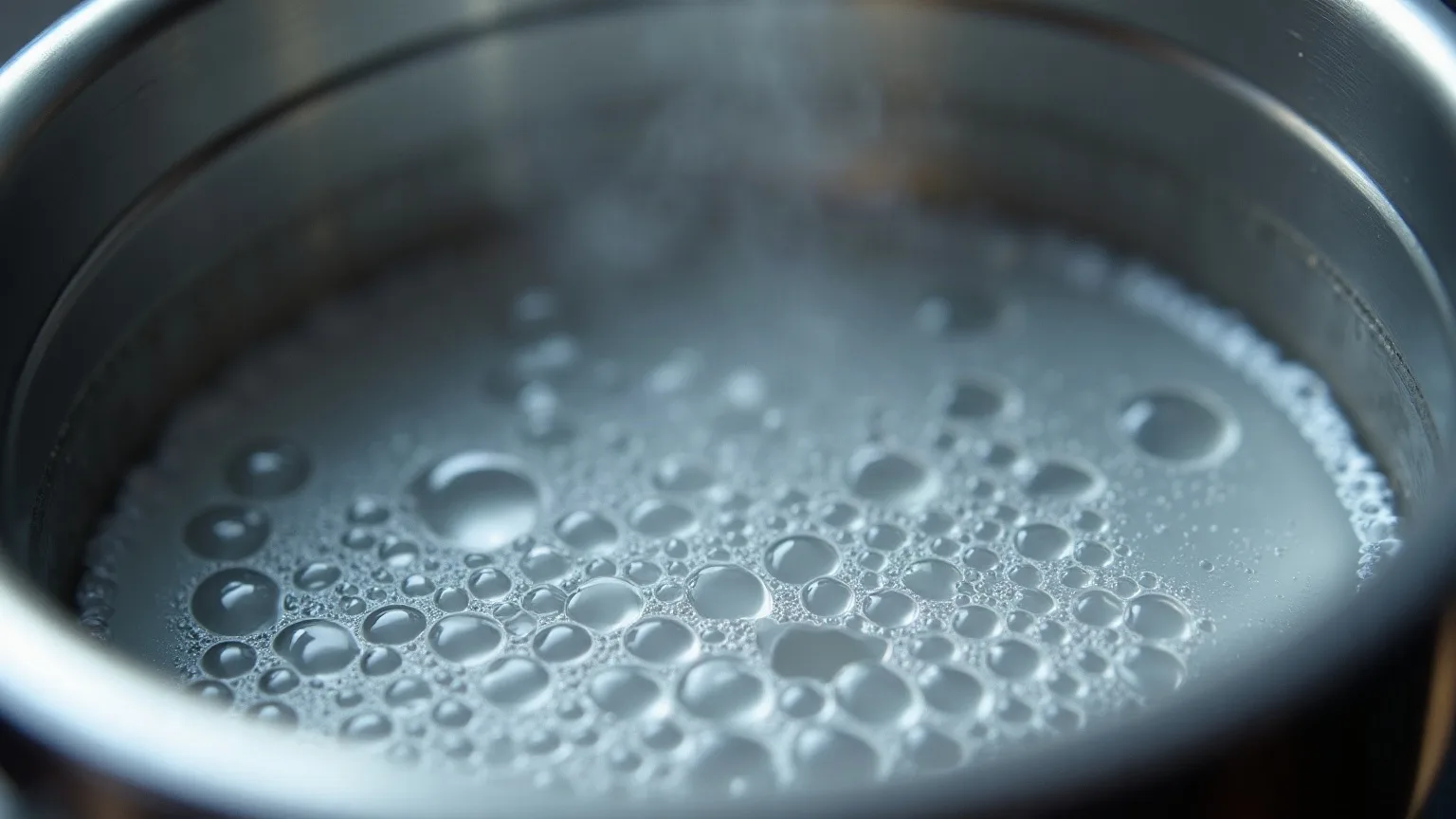
Boiling & poaching
Water cannot pass 100 °C, so turning the flame up changes nothing. Boiling is set by time and salt, not by temperature.
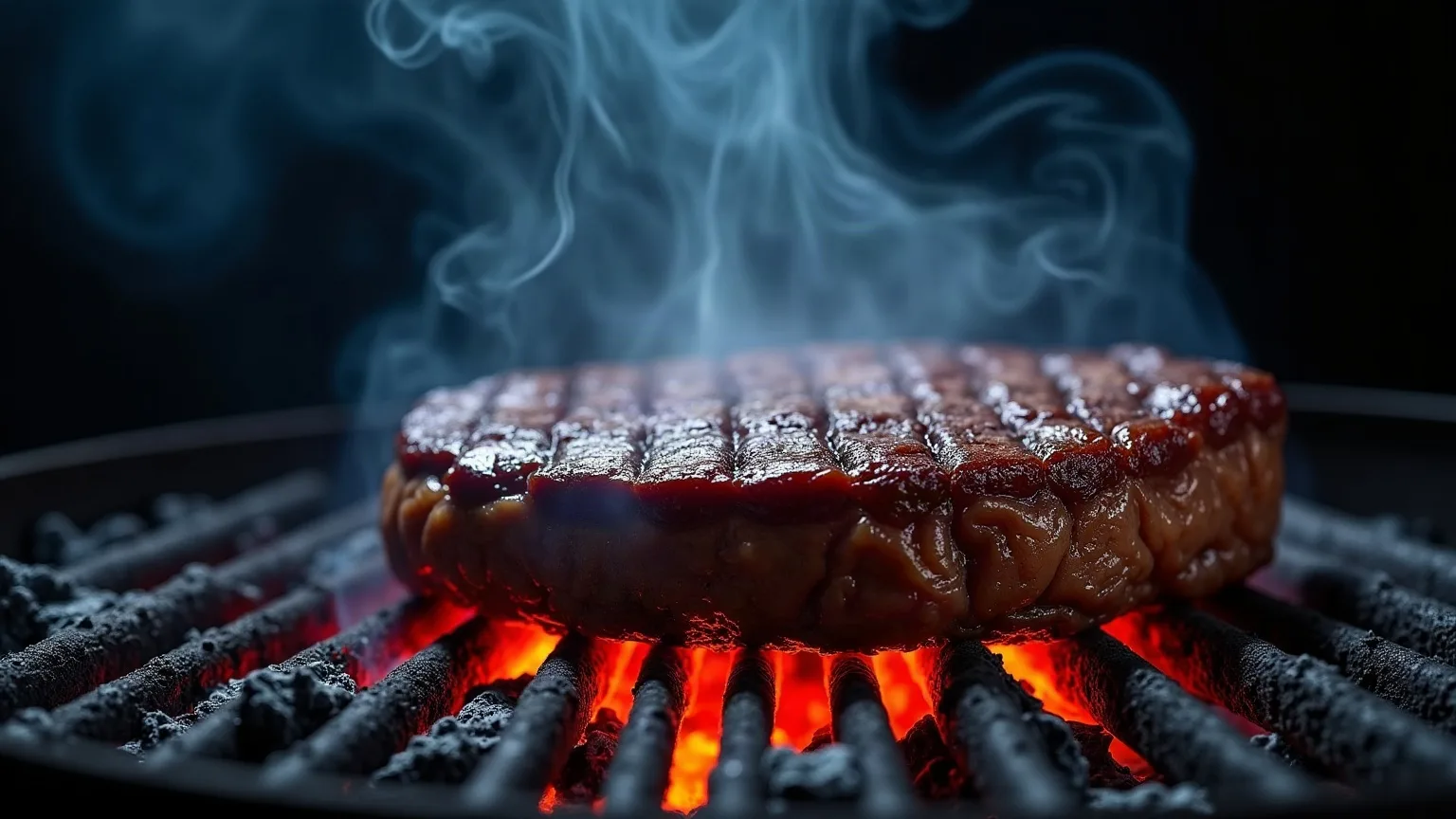
Grill & BBQ
Embers deliver heat by radiation and the surface passes 200 °C in seconds. Smoke phenols bind to the meat, and that is where the flavour comes from.