What to cook In the mood Workshop Scenarios Actually easy Techniques Dishes Ingredients Diets Recipes
Home · Ingredients · Chicken
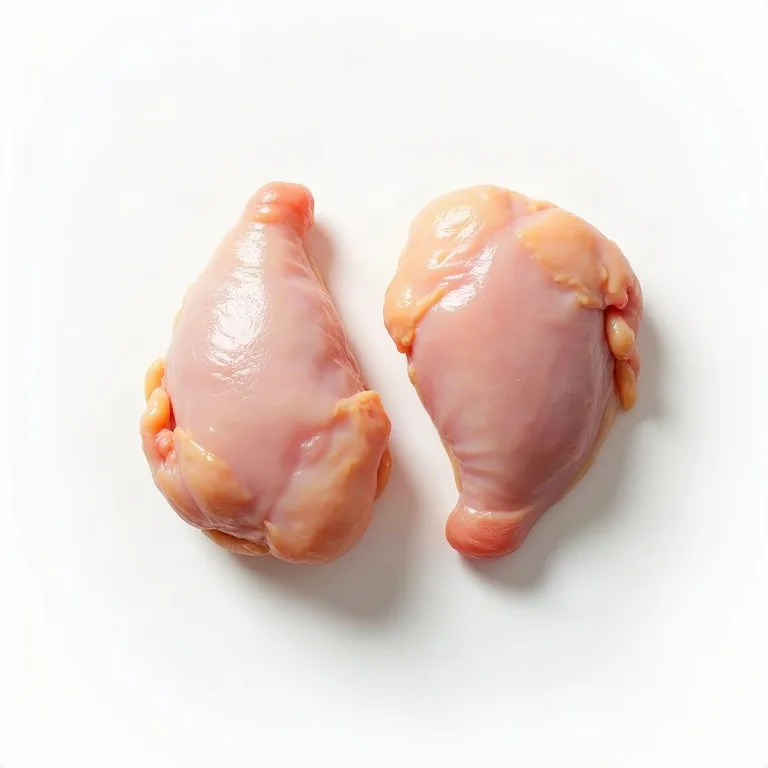
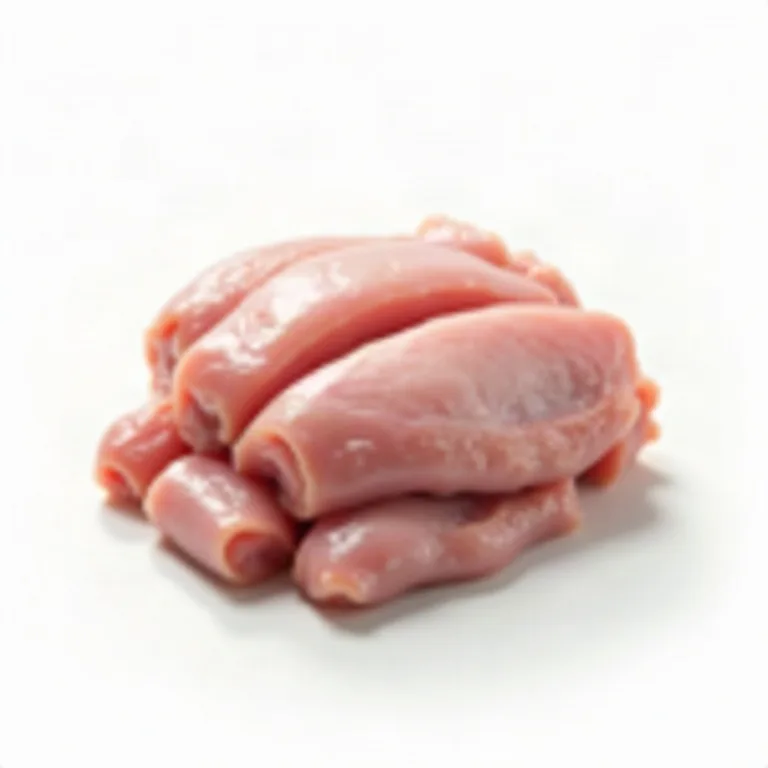
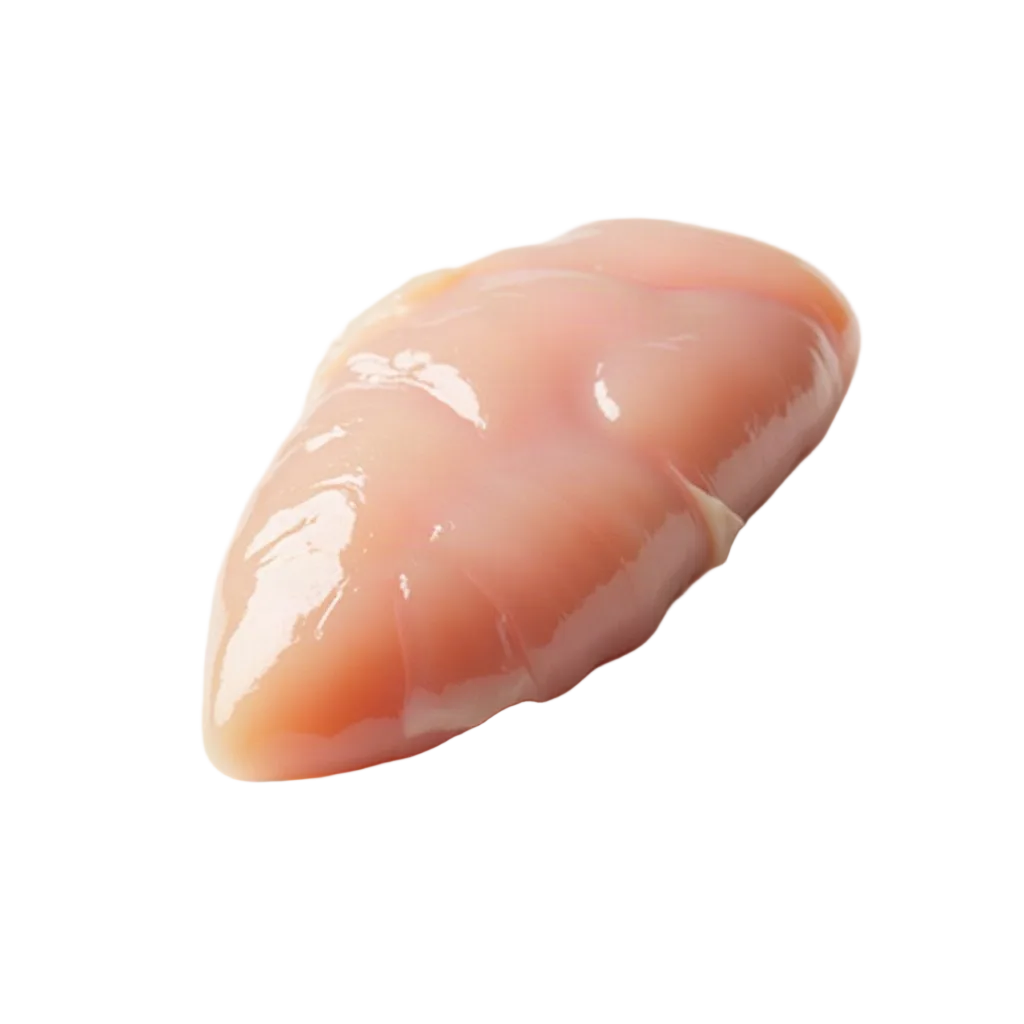
Chicken
Proteins · Ch

Chicken

Safe internal temperature 74 °C

Per 100 g
120 kcal Energy
22.5 g Protein
0 g Carbs
2.6 g Fat
0 g Fibre
Gluten-free

Let’s cook with it → Invent something with it

What it is for

Heat unfolds them and they link to each other: they bind, they firm, they build crust. They are one half of the Maillard reaction; sugar is the other.

Where it catches you out

Every protein has its own threshold and none of them are reversible. Egg turns at 82 °C, meat at 70, fish at 55 — once past, there is no coming back.

The knack

The way to keep breast from drying is 30 minutes in salted water: the salt loosens the protein and it holds water.

Storage and health

How to keep it, and who it suits.

Keeping it

One to two days at 0-4 °C; frozen, a whole bird keeps a year and pieces nine months. Thaw in the fridge, never on the counter.

Gluten-free

Plain raw chicken is naturally gluten-free. Breaded and marinated products are a separate matter.

Glycaemic index

This ingredient carries no meaningful carbohydrate, so it has no glycaemic index. On its own it will not move blood sugar; what you eat alongside it decides that.

What it works with

Pairings, and the reason for each

"They go well together" is not an explanation. Every pairing below has a chemical or structural mechanism under it.

Yoghurt

Mild lactic acid moves the muscle’s charge away from its isoelectric point, so the fibres swell and hold more water. Because yoghurt is a weak, buffered acid it does this without the chalky surface denaturation neat lemon causes.
Also works with

What it fights with

Lemon

A long neat-lemon or vinegar marinade denatures the surface proteins and expels water, leaving a dry, mealy exterior. Acid marinades should be short.

What goes on top
  • Sumac onions, sizzled chilli butter, garlic yoghurt, toasted almonds over pilaf
Key compounds
2-metil-3-furantiyol
The core cooked-chicken aroma, formed by thermal degradation of thiamine.
Nutritionally

Breast is a complete protein with a high protein-to-fat ratio, while the skin carries nearly all the fat and most of the fat-soluble aroma. Removing it changes flavour delivery, not only calories.

Terms on this page
Maillard
Protein meeting sugar above 140 °C to produce crust, colour and that roasted smell.