
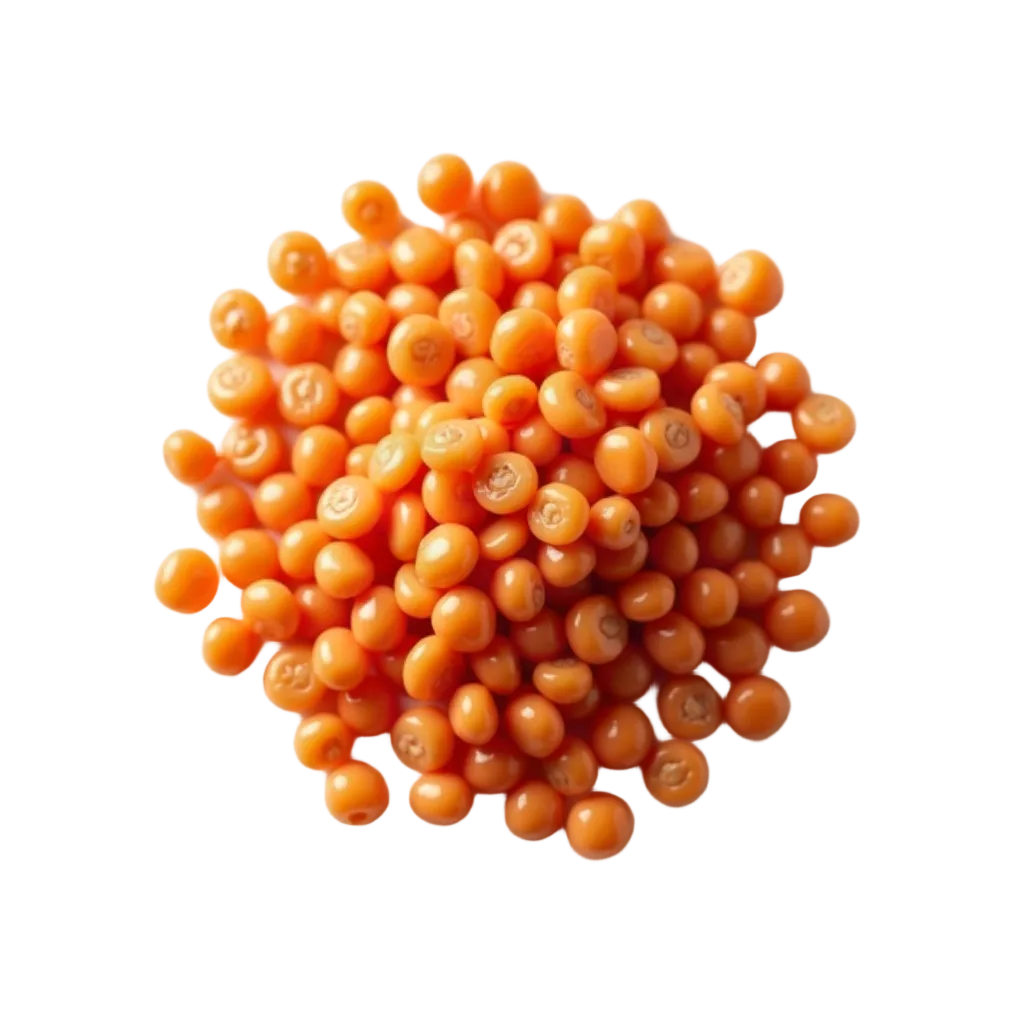
 Lentil
→
Lentil
→
The camphoraceous lift of 1,8-cineole cuts through the flat, starchy heaviness of a lentil or chickpea pot in a way a fruity herb cannot.
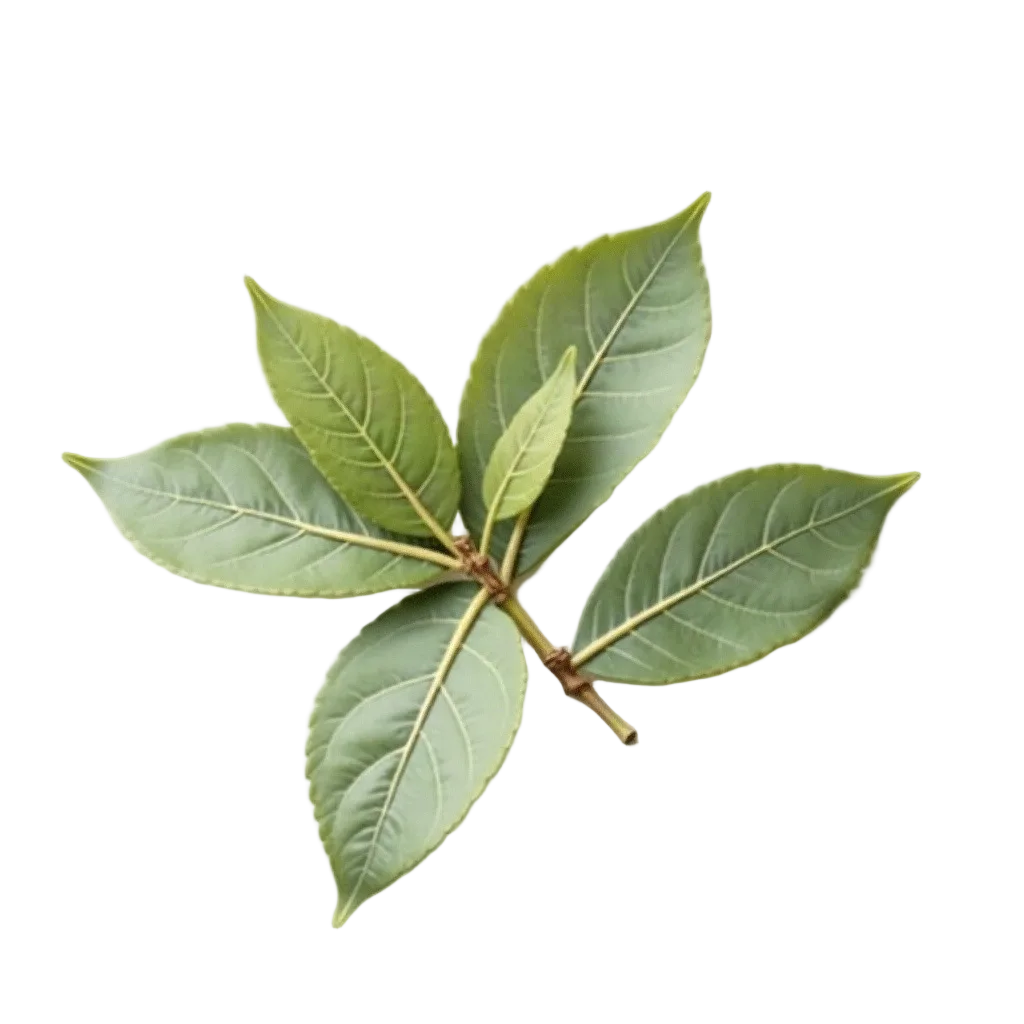
They give the character. Same technique, same ingredient, a different trio of spices — and the dish moves to another cuisine entirely. Most of their aroma molecules are volatile.
Volatile ones go in last, sturdy ones first. Mint and basil after the heat; bay and cinnamon right at the start.
In at the start, out before serving. It only opens up with long cooking, and nobody wants to chew one.
Dried bay keeps 1-3 years airtight; if it gives nothing when you crush it, it will give nothing in the pot.
Plain bay leaf is naturally gluten-free.
This ingredient carries no meaningful carbohydrate, so it has no glycaemic index. On its own it will not move blood sugar; what you eat alongside it decides that.
"They go well together" is not an explanation. Every pairing below has a chemical or structural mechanism under it.
Lentil
→
The camphoraceous lift of 1,8-cineole cuts through the flat, starchy heaviness of a lentil or chickpea pot in a way a fruity herb cannot.
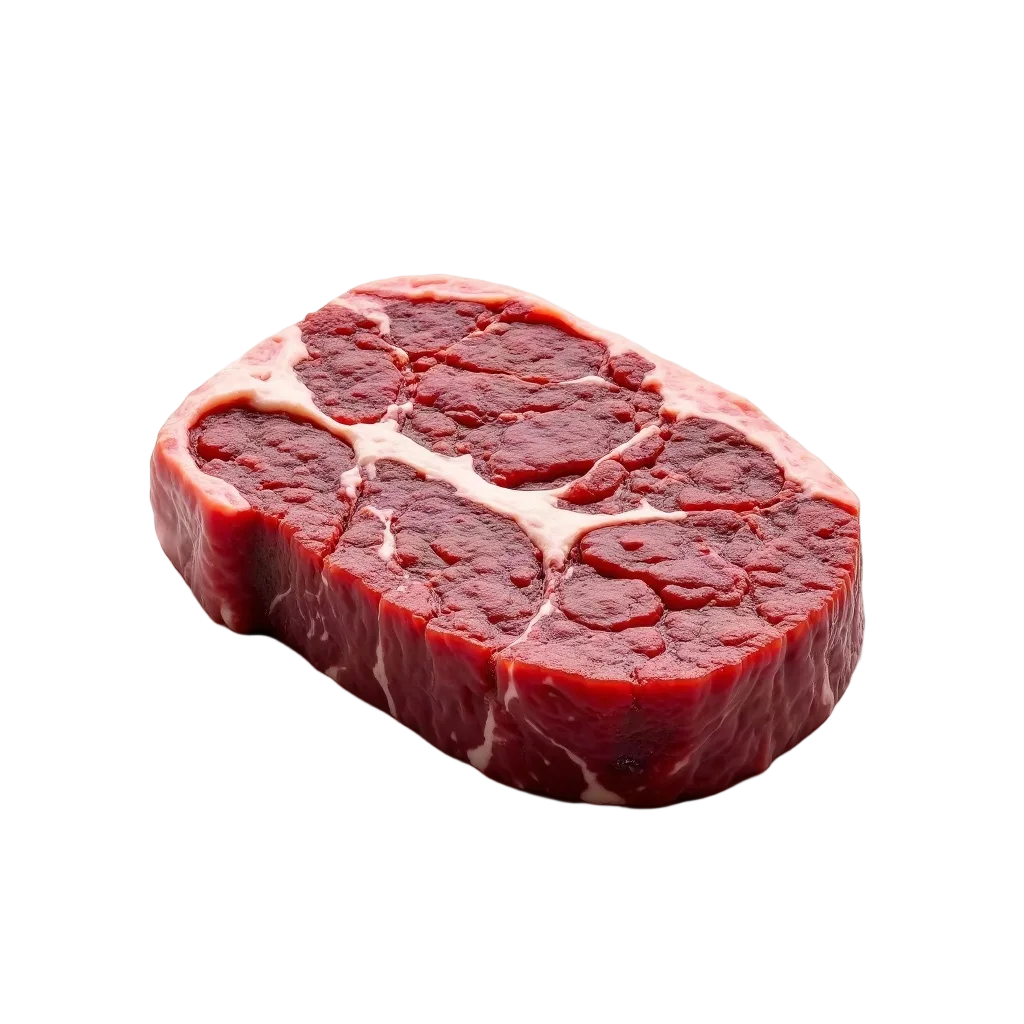 Red meat
→
Red meat
→
Bay is the outlier among leaf herbs: its volatiles survive prolonged cooking without much loss. That is why it goes in at the start where basil and mint go in at the end.
Nutritionally irrelevant at use levels; its kitchen function is entirely aromatic. A whole leaf swallowed is a choking and laceration hazard, but not a toxin.
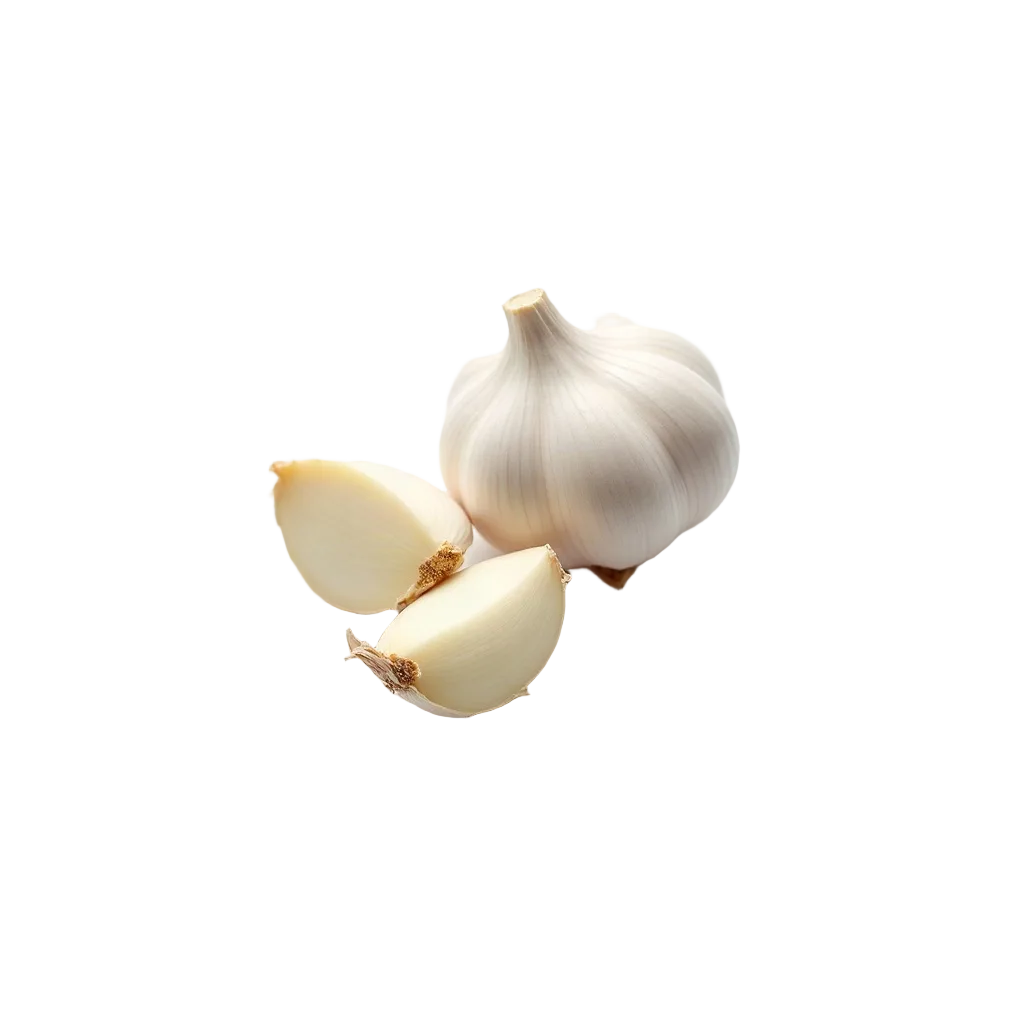 GarlicAllicin forms 60 s after cutting
Cu
GarlicAllicin forms 60 s after cutting
Cu
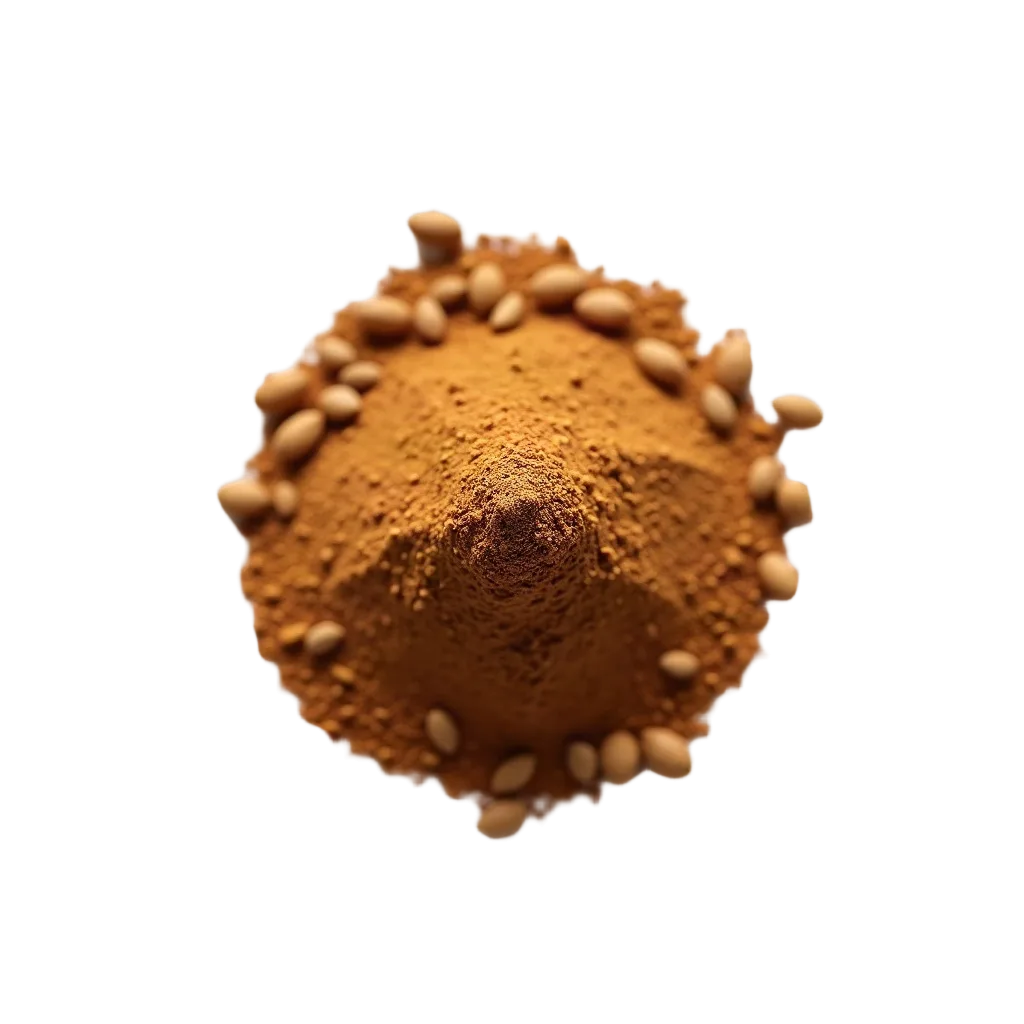 CuminCuminaldehyde · fat soluble
Cf
CuminCuminaldehyde · fat soluble
Cf
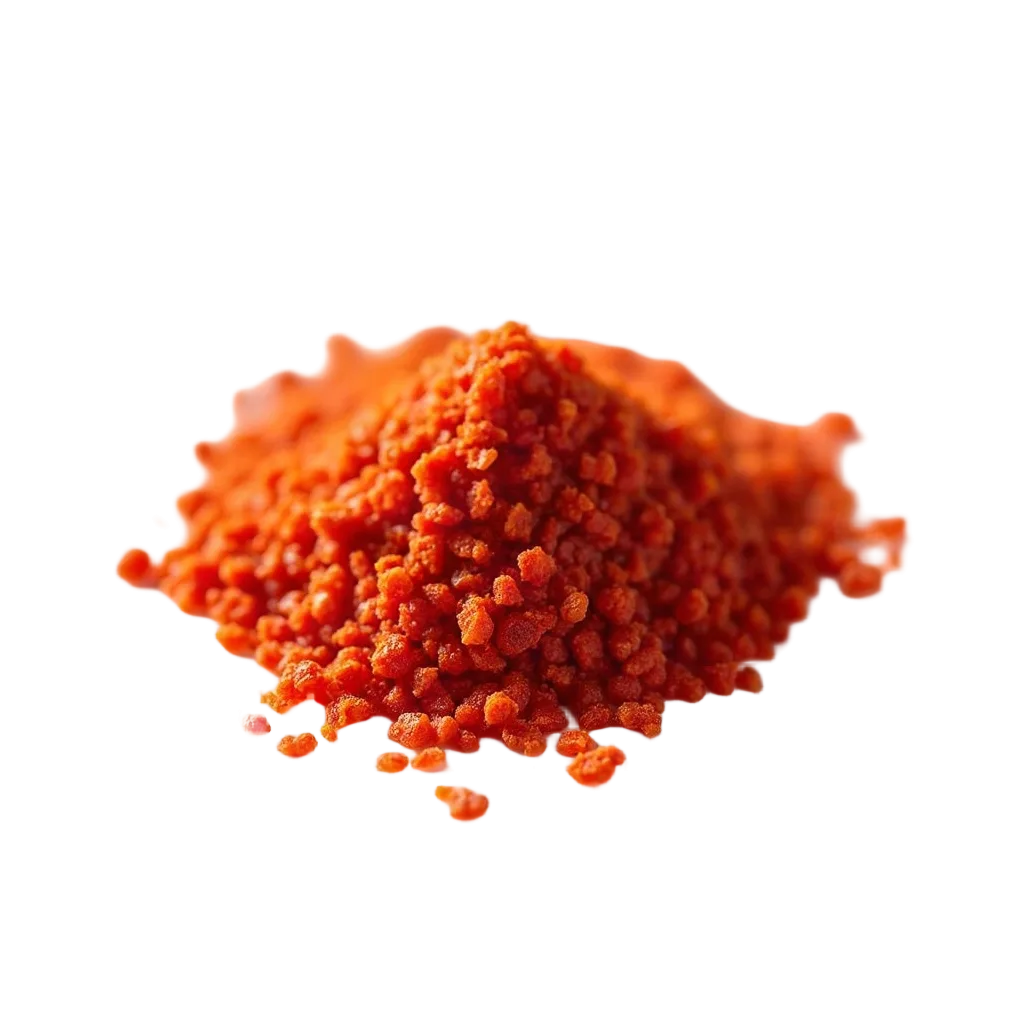 Chilli flakesCapsaicin dissolves in fat, not water
Ci
Chilli flakesCapsaicin dissolves in fat, not water
Ci
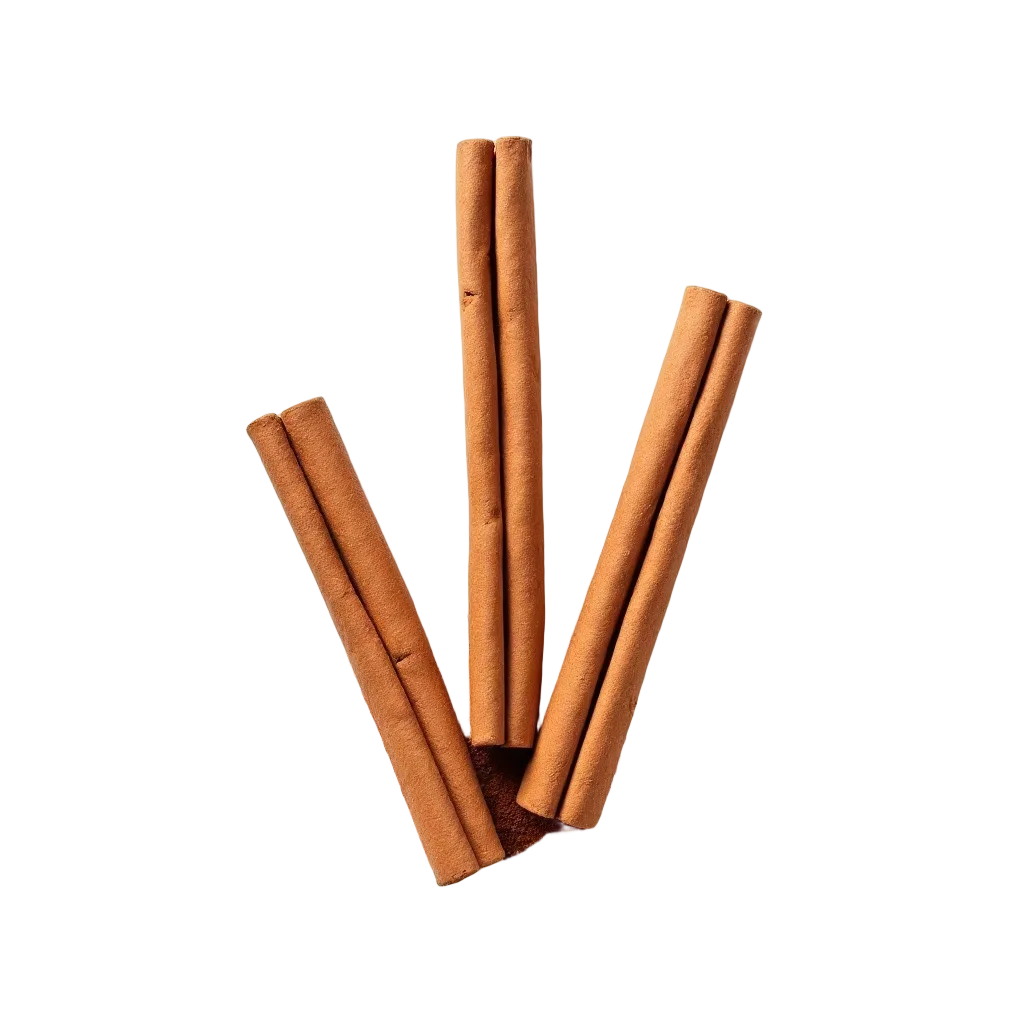 CinnamonCinnamaldehyde 60–75%
Bp
CinnamonCinnamaldehyde 60–75%
Bp
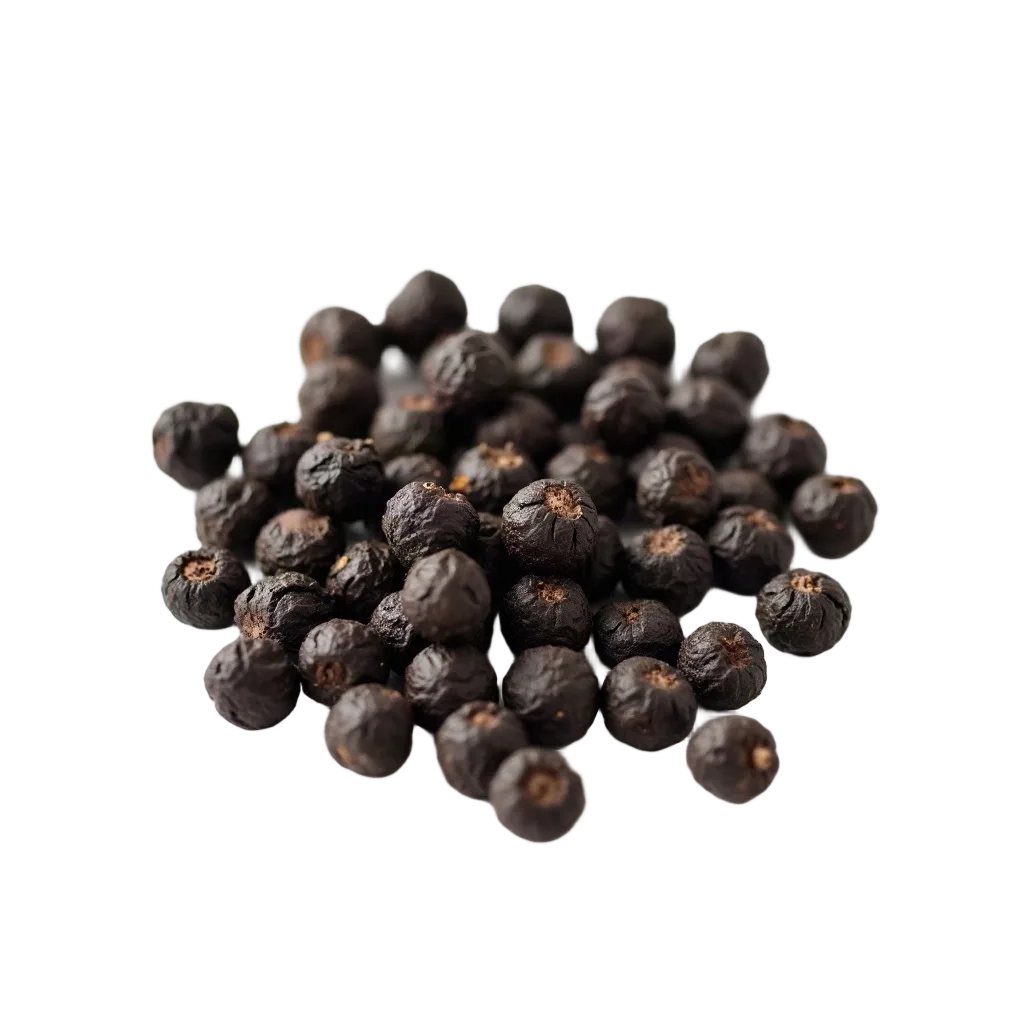 Black pepperPiperine · aroma flees once ground
Mi
Black pepperPiperine · aroma flees once ground
Mi
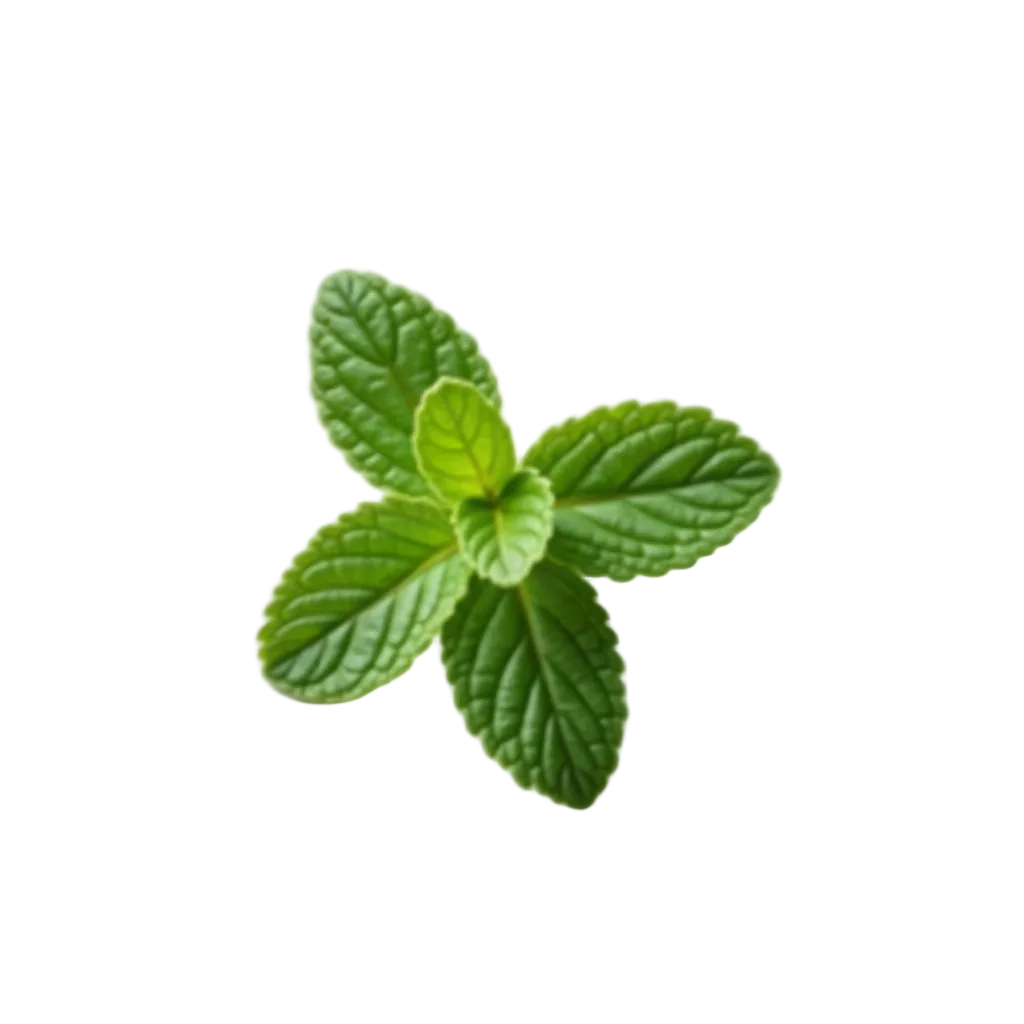 MintMenthol is volatile · add off the heat
Ba
MintMenthol is volatile · add off the heat
Ba
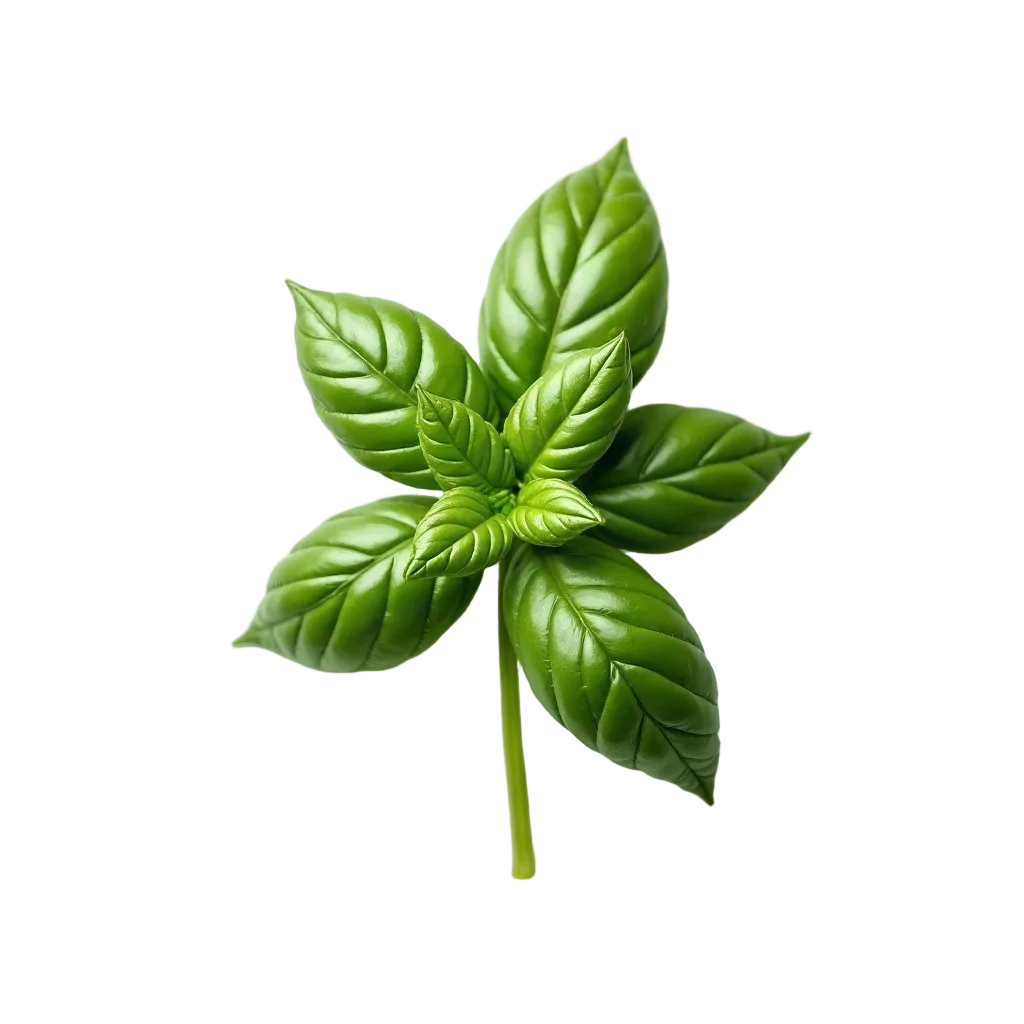 BasilLinalool · blackens with heat, add last
Sa
BasilLinalool · blackens with heat, add last
Sa
 SaffronCrocin is water soluble · 0.1 g is enough
Su
SaffronCrocin is water soluble · 0.1 g is enough
Su
 SumacpH 3.1 · dry acid that adds no water
Ks
SumacpH 3.1 · dry acid that adds no water
Ks
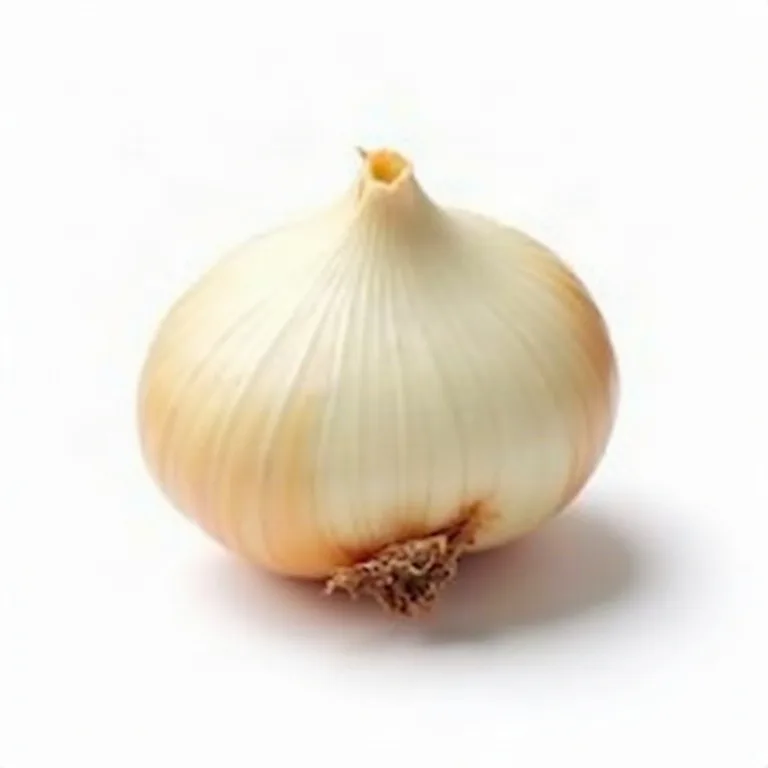 Bulb onion89.1% water · 40 kcal
K5
Bulb onion89.1% water · 40 kcal
K5
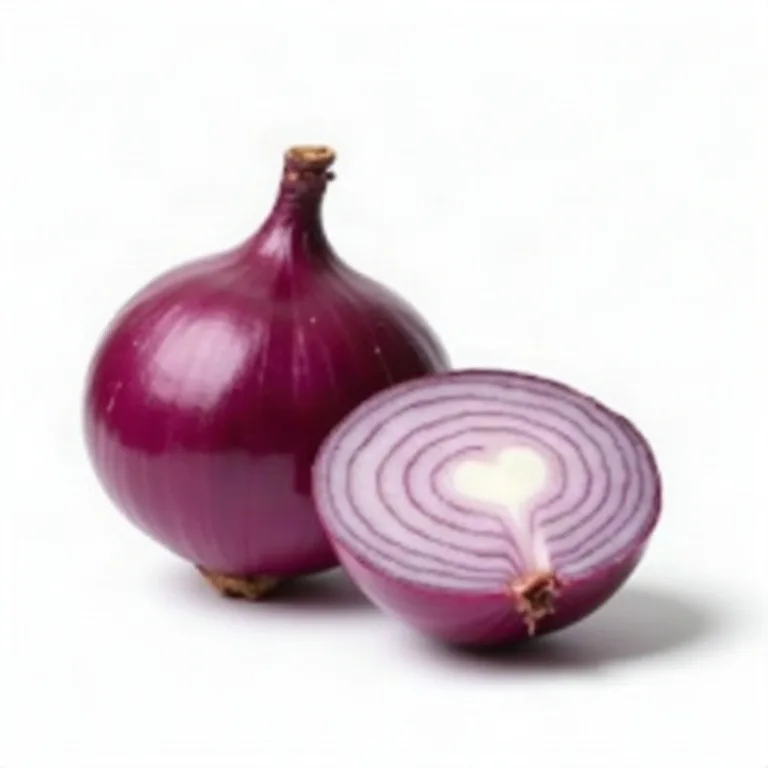 Red onionAnthocyanin · less sulphur
Ts
Red onionAnthocyanin · less sulphur
Ts
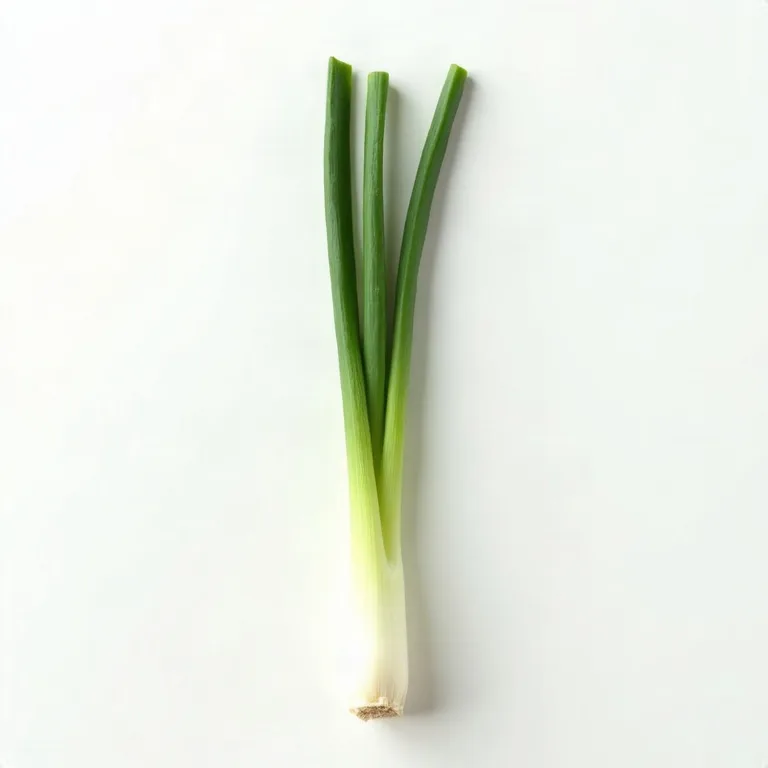 Spring onion89.8% water · 32 kcal
My
Spring onion89.8% water · 32 kcal
My
 Parsley87.7% water · 36 kcal
De
Parsley87.7% water · 36 kcal
De
 Dill86% water · 43 kcal
Lk
Dill86% water · 43 kcal
Lk
 Lemon peel81.6% water · 47 kcal
Cr
Lemon peel81.6% water · 47 kcal
Cr
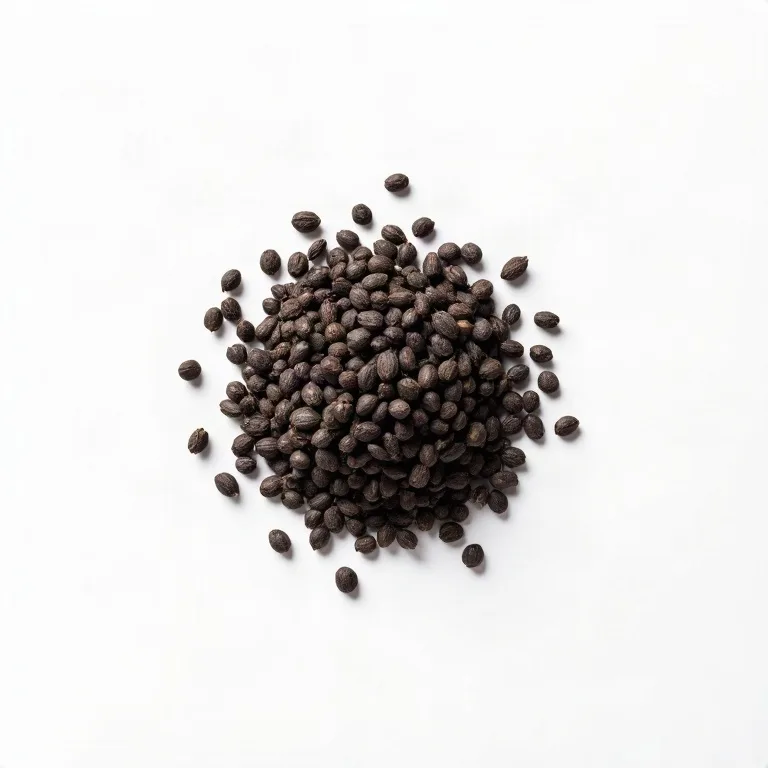 Nigella seeds6% water · 387 kcal
Is
Nigella seeds6% water · 387 kcal
Is
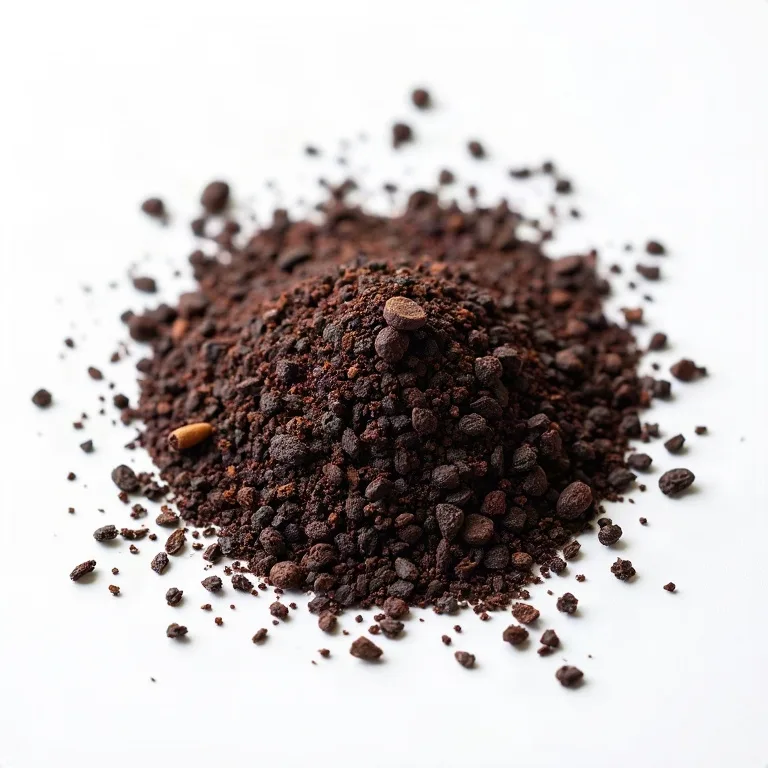 Urfa pepper?
Kek
Urfa pepper?
Kek
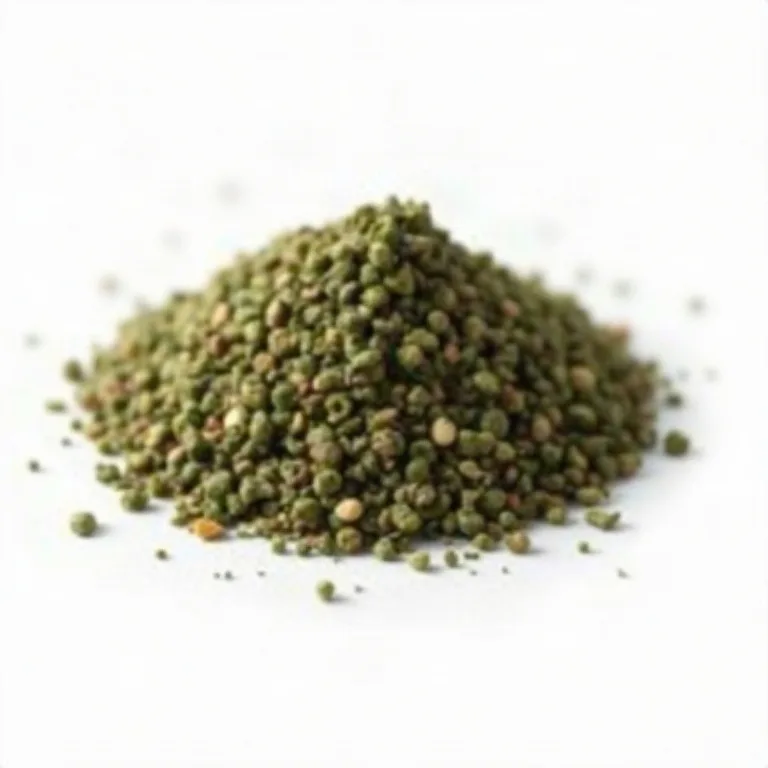 Dried oregano9.9% water · 265 kcal
Me
Dried oregano9.9% water · 265 kcal
Me
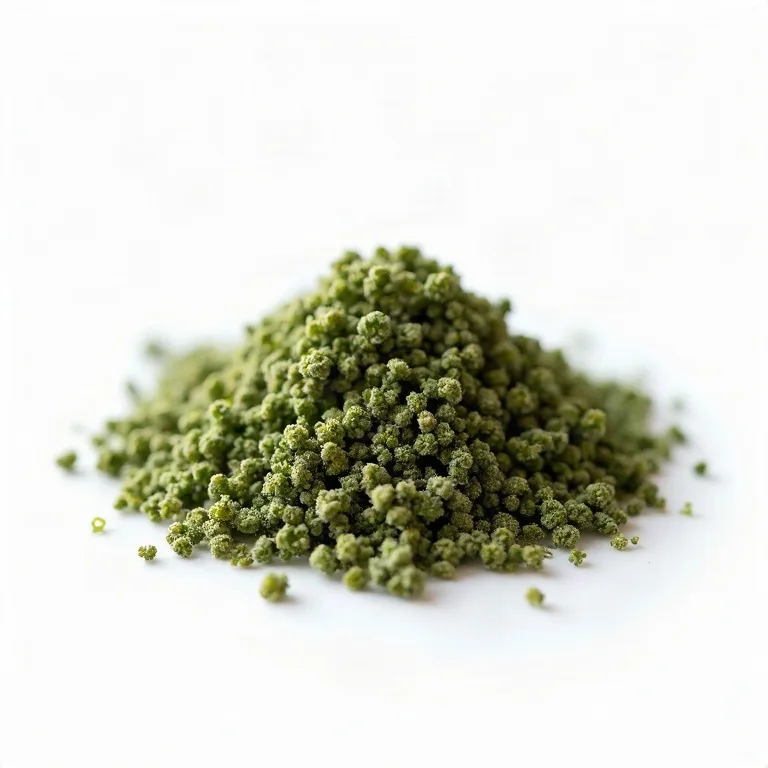 Dried marjoram7.6% water · 271 kcal
Rt
Dried marjoram7.6% water · 271 kcal
Rt
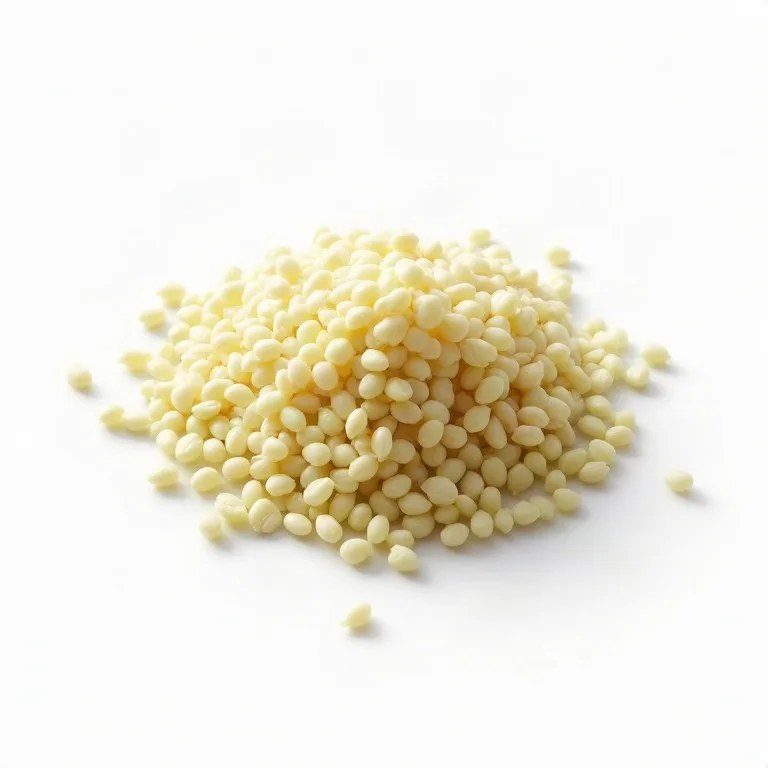 Fennel seeds8.8% water · 345 kcal
At
Fennel seeds8.8% water · 345 kcal
At
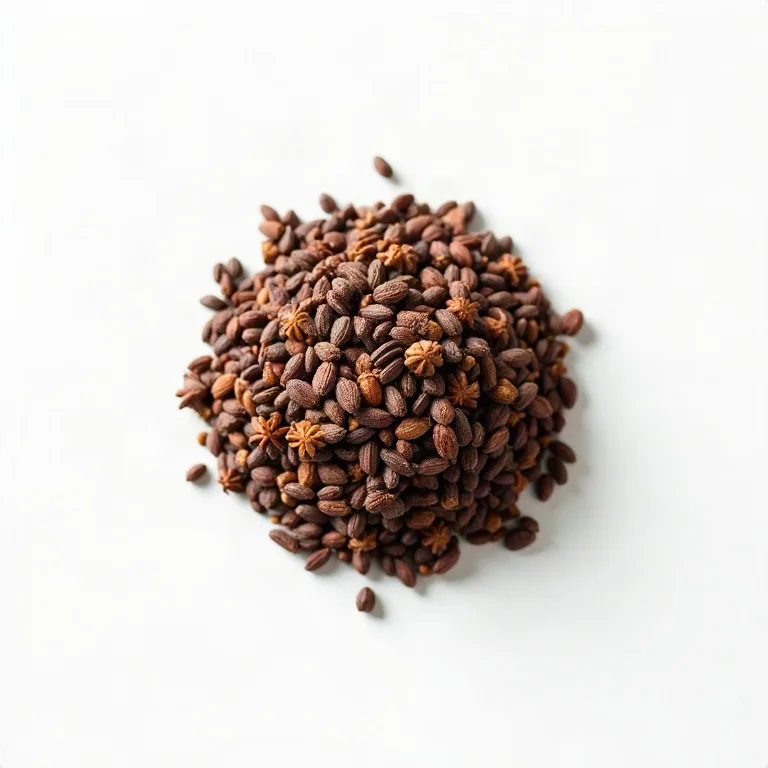 Anise seeds9.5% water · 337 kcal
Yn
Anise seeds9.5% water · 337 kcal
Yn
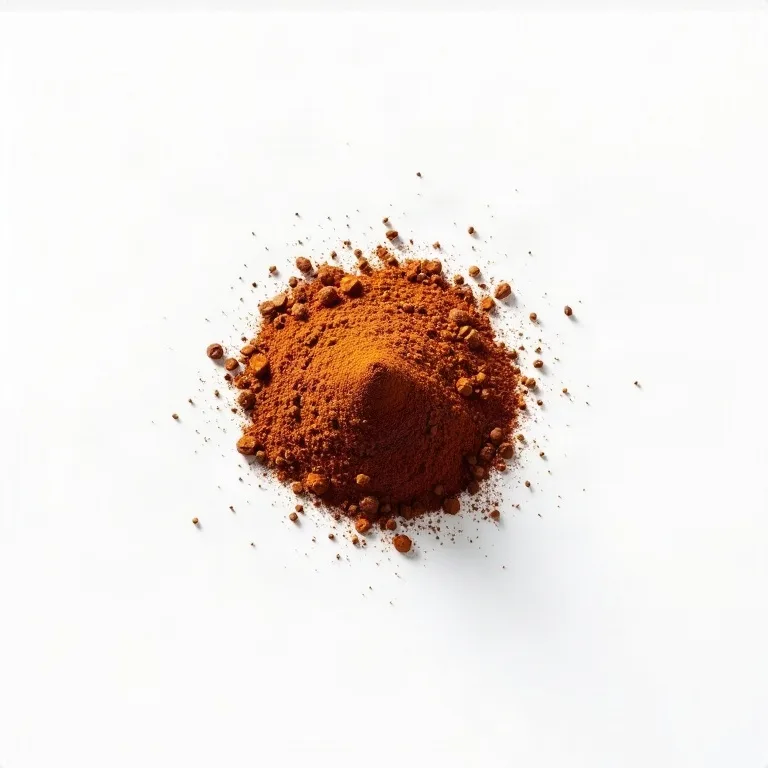 Allspice8.5% water · 263 kcal
K3
Allspice8.5% water · 263 kcal
K3
 Cloves9.9% water · 274 kcal
Ze
Cloves9.9% water · 274 kcal
Ze
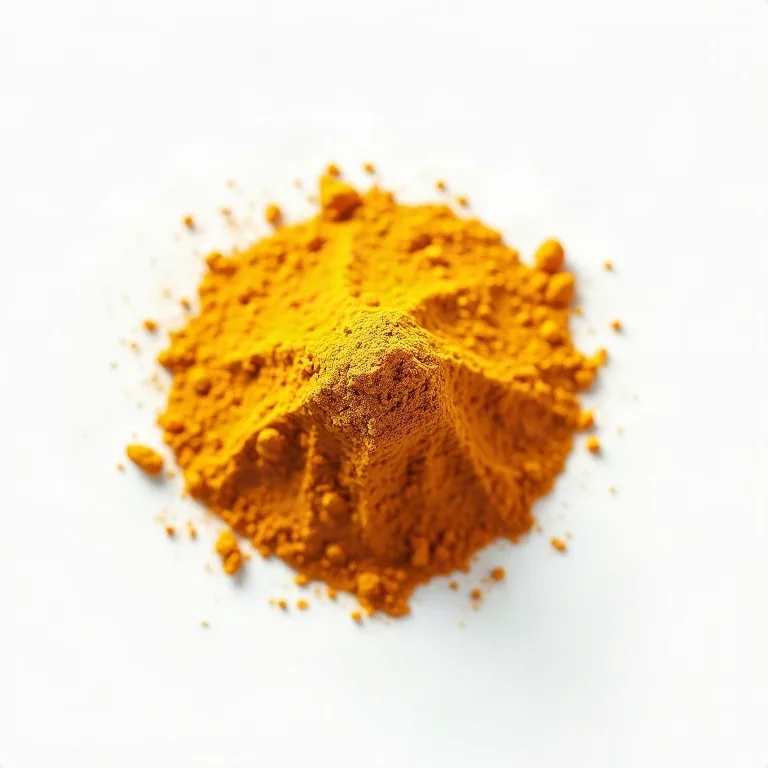 Ground turmeric12.9% water · 312 kcal
Zn
Ground turmeric12.9% water · 312 kcal
Zn
 Fresh ginger78.9% water · 80 kcal
Mh
Fresh ginger78.9% water · 80 kcal
Mh
 Mahleb?
Da
Mahleb?
Da
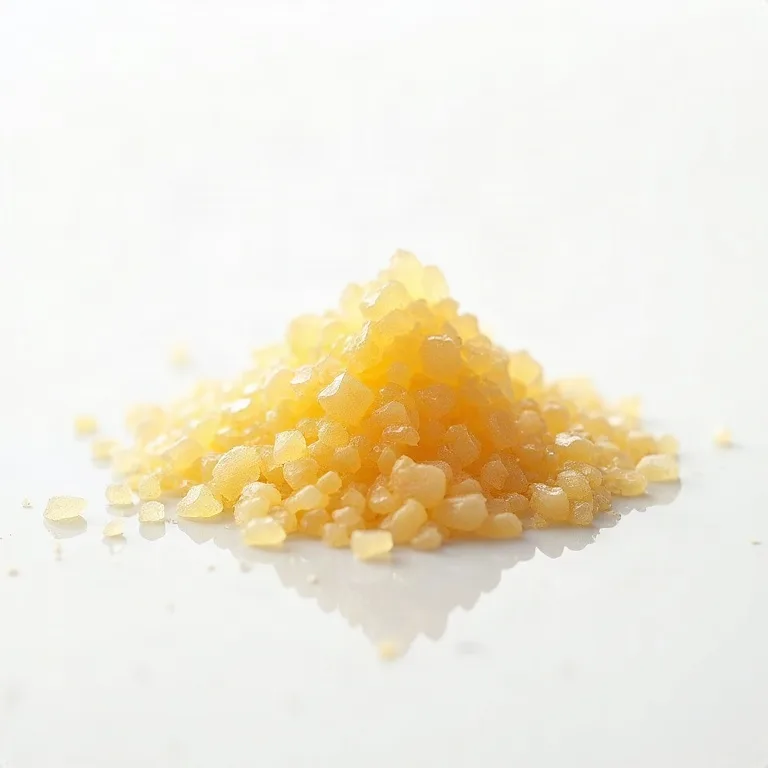 Mastic resin?
Za
Mastic resin?
Za
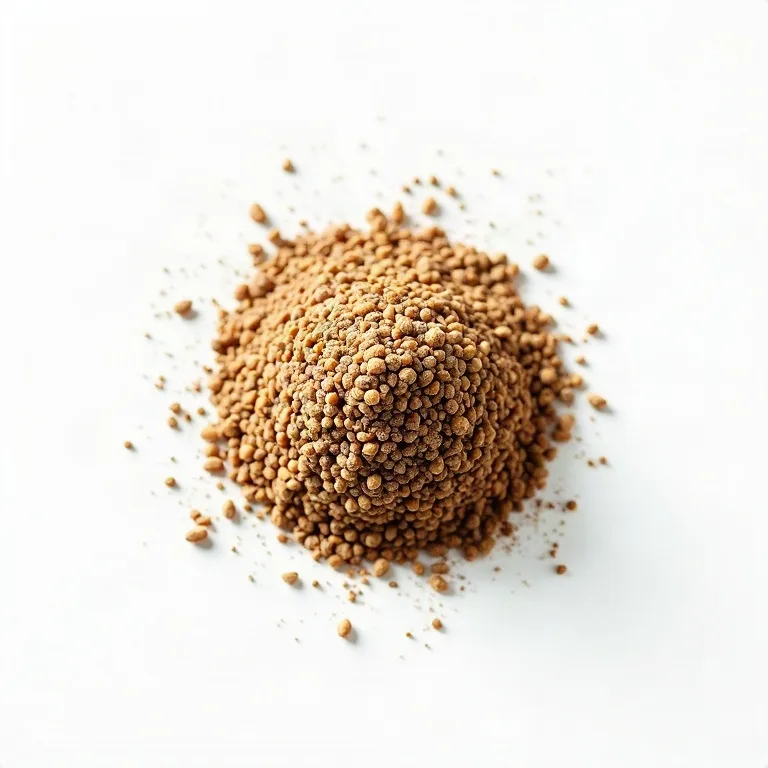 Za’atar (sesame blend)?
Kir
Za’atar (sesame blend)?
Kir
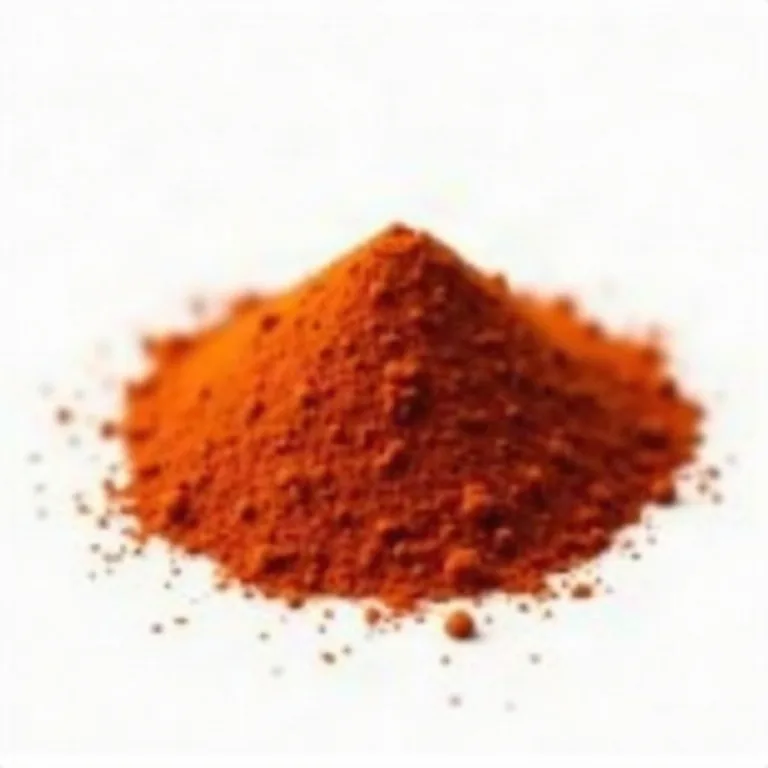 Sweet paprika11.2% water · 282 kcal
Ht
Sweet paprika11.2% water · 282 kcal
Ht
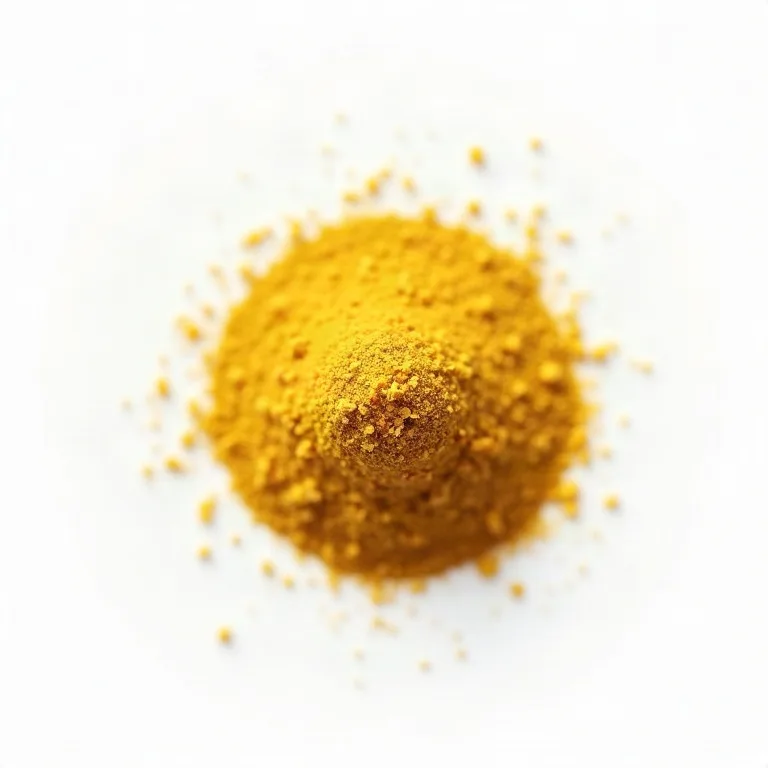 Ground mustard seed5.3% water · 508 kcal
Kis
Ground mustard seed5.3% water · 508 kcal
Kis
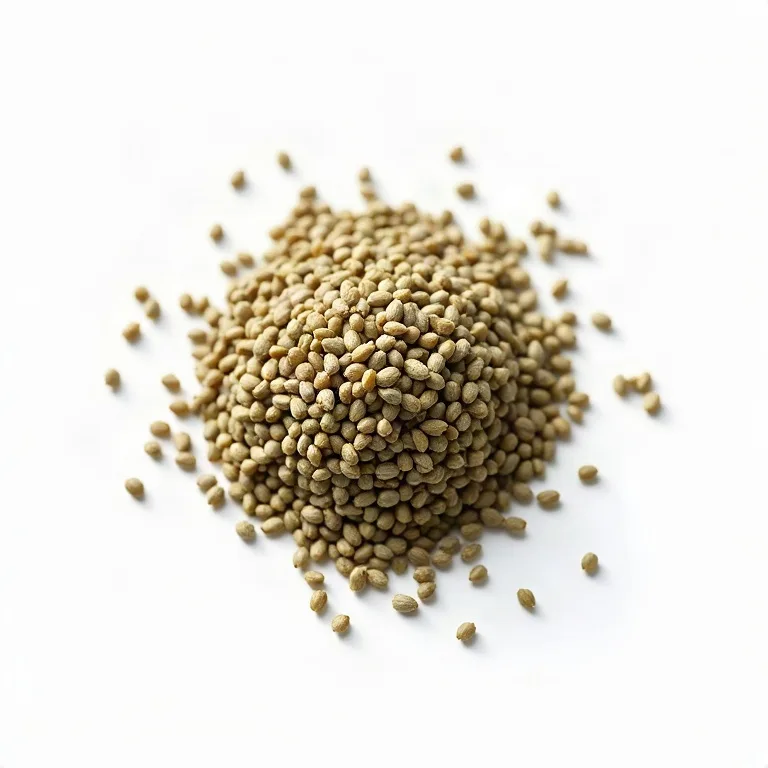 Coriander seeds8.9% water · 298 kcal
Cv
Coriander seeds8.9% water · 298 kcal
Cv
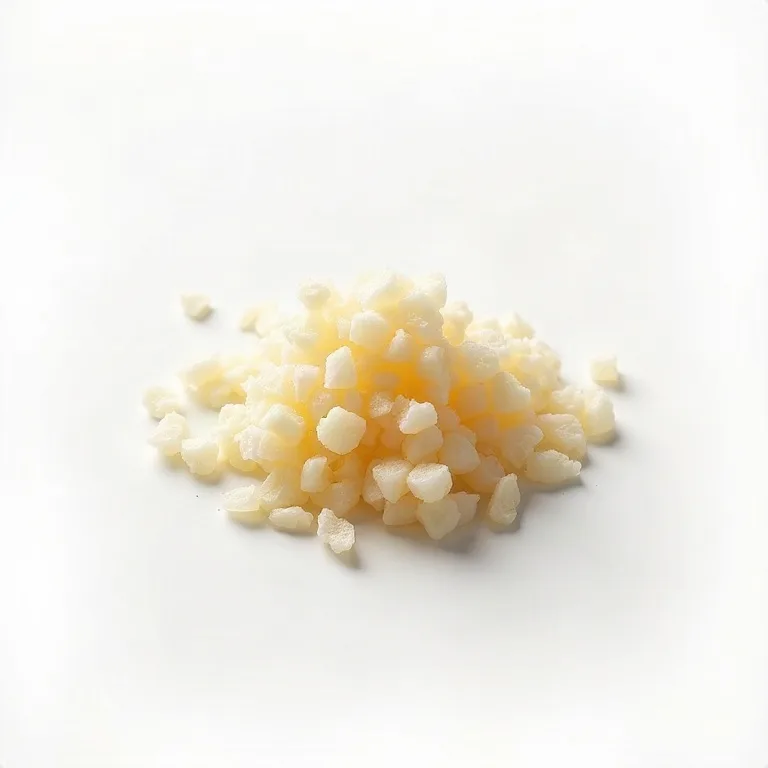 Soapwort root?
Vc
Soapwort root?
Vc
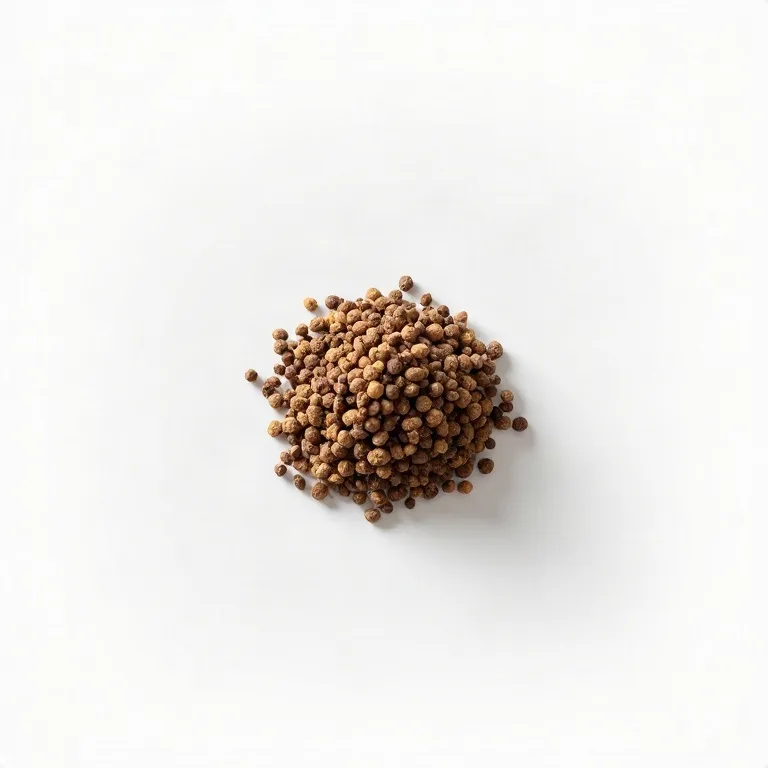 Vanilla pod?
Kak
Vanilla pod?
Kak
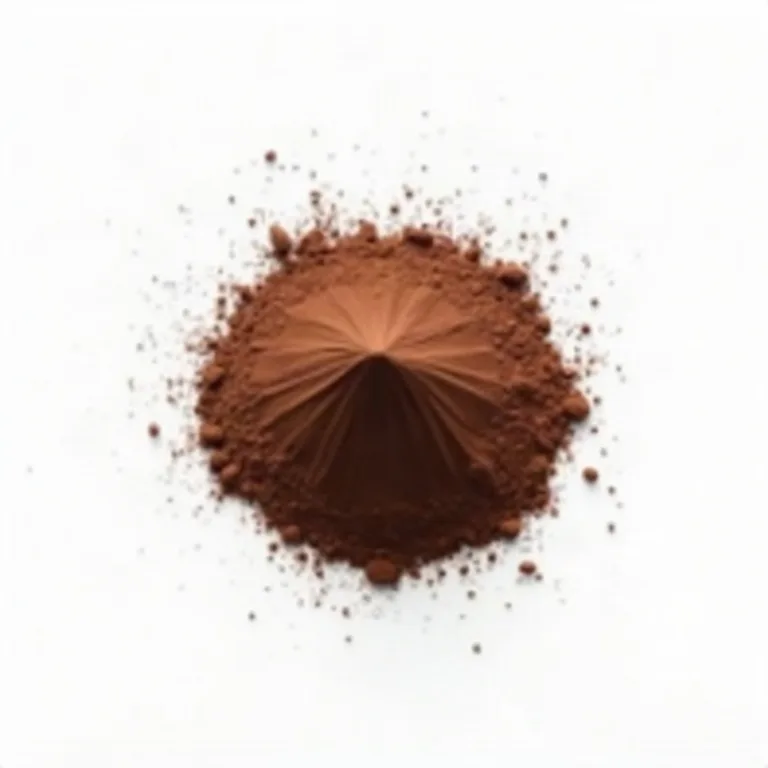 Cocoa powder (unsweetened)3% water · 228 kcal
Nothing matches that.
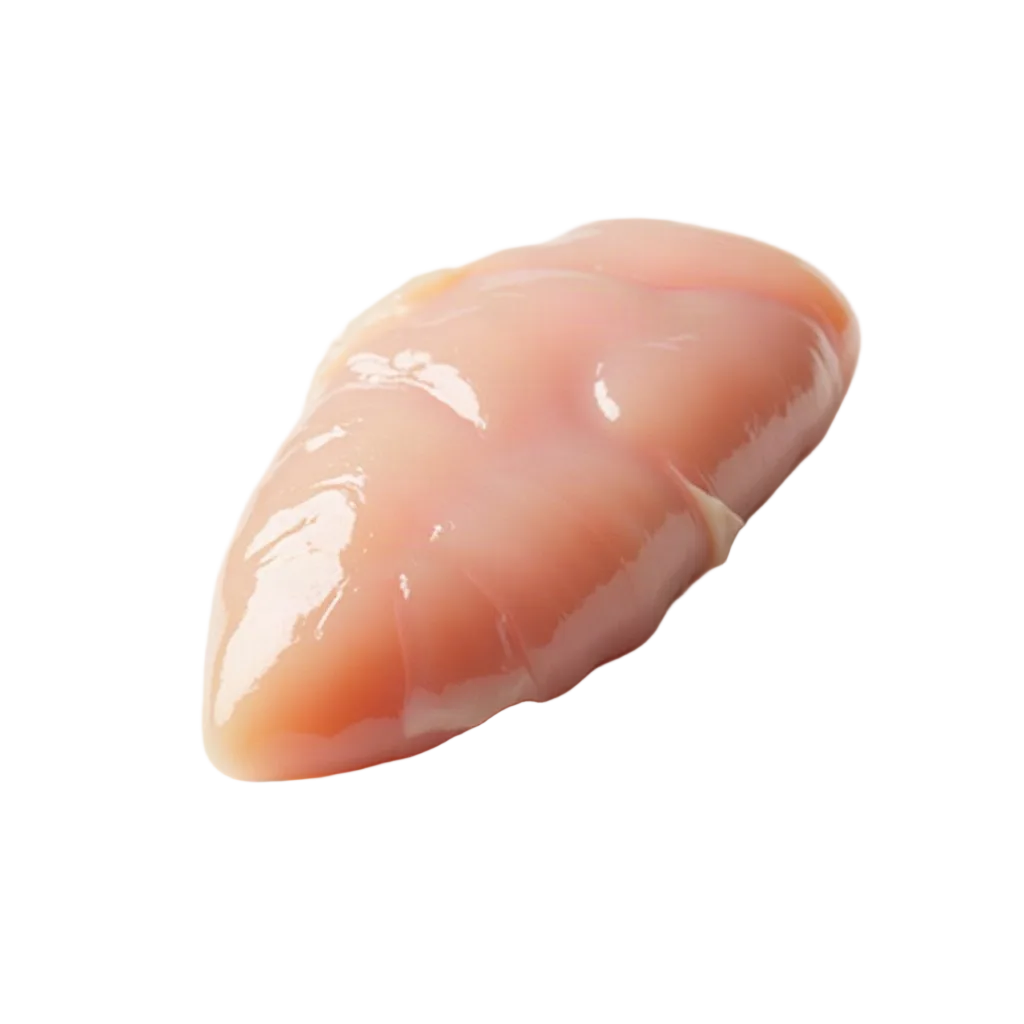 Chicken
  Fish
Fish  Chickpea
  Potato
  Vinegar
  Water
Water