
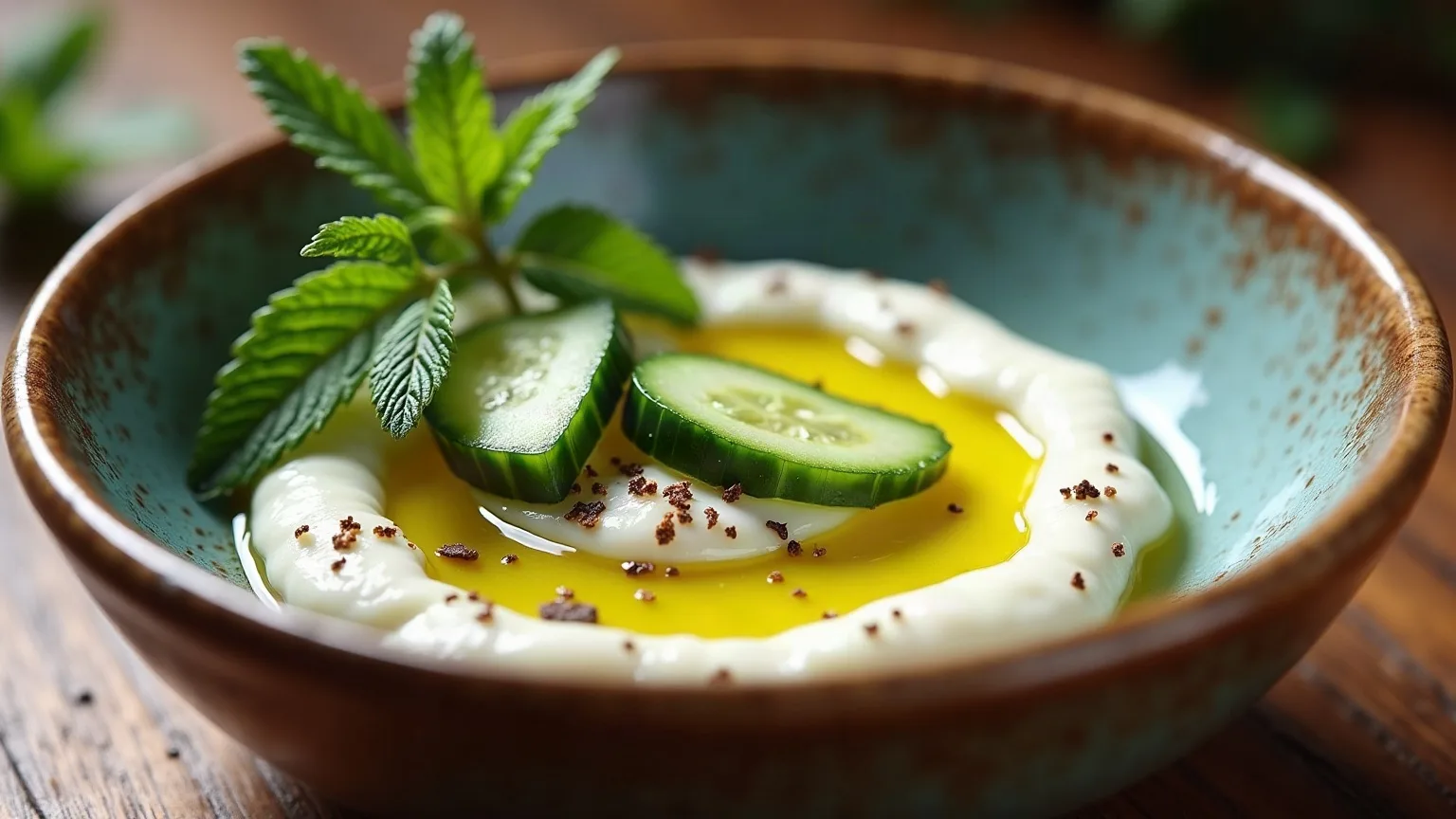
Cacık
A Turkish mezze of yoghurt, cucumber, garlic, salt, water and olive oil. A hot-weather dish whose consistency runs from thick enough to spoon to loose enough to drink — both are correct, and it varies by region.
The garlic goes in raw and cold for a reason: an intact clove contains no allicin, and only crushing lets alliinase convert alliin into it. The enzyme is sensitive to both heat and strong acid; at yoghurt’s pH of 4.4 the reaction proceeds but the product survives. Drawing the water out of the cucumber is not optional either — unsalted, the mezze goes watery within half an hour.
What it is made of
 Yoghurt
pH 4.4 · splits above 85 °C
Dairy: it brings creaminess, protein and calcium.
Temper it with a few spoons of the hot liquid before it goes in; added straight, it splits.
Ga
Yoghurt
pH 4.4 · splits above 85 °C
Dairy: it brings creaminess, protein and calcium.
Temper it with a few spoons of the hot liquid before it goes in; added straight, it splits.
Ga
 Garlic
Allicin forms 60 s after cutting
A base: it neutralises acid and shifts colour and lift.
Let it sit for a minute after chopping: that is when allicin forms. Straight into the pan and it never appears.
Oo
Garlic
Allicin forms 60 s after cutting
A base: it neutralises acid and shifts colour and lift.
Let it sit for a minute after chopping: that is when allicin forms. Straight into the pan and it never appears.
Oo
 Olive oil
Smoke point 190–210 °C (EVOO)
Fat: it carries the aroma and softens the texture.
Do not burn extra virgin on high heat; use it as a finishing oil and leave the frying to a plain one.
Sa2
Olive oil
Smoke point 190–210 °C (EVOO)
Fat: it carries the aroma and softens the texture.
Do not burn extra virgin on high heat; use it as a finishing oil and leave the frying to a plain one.
Sa2
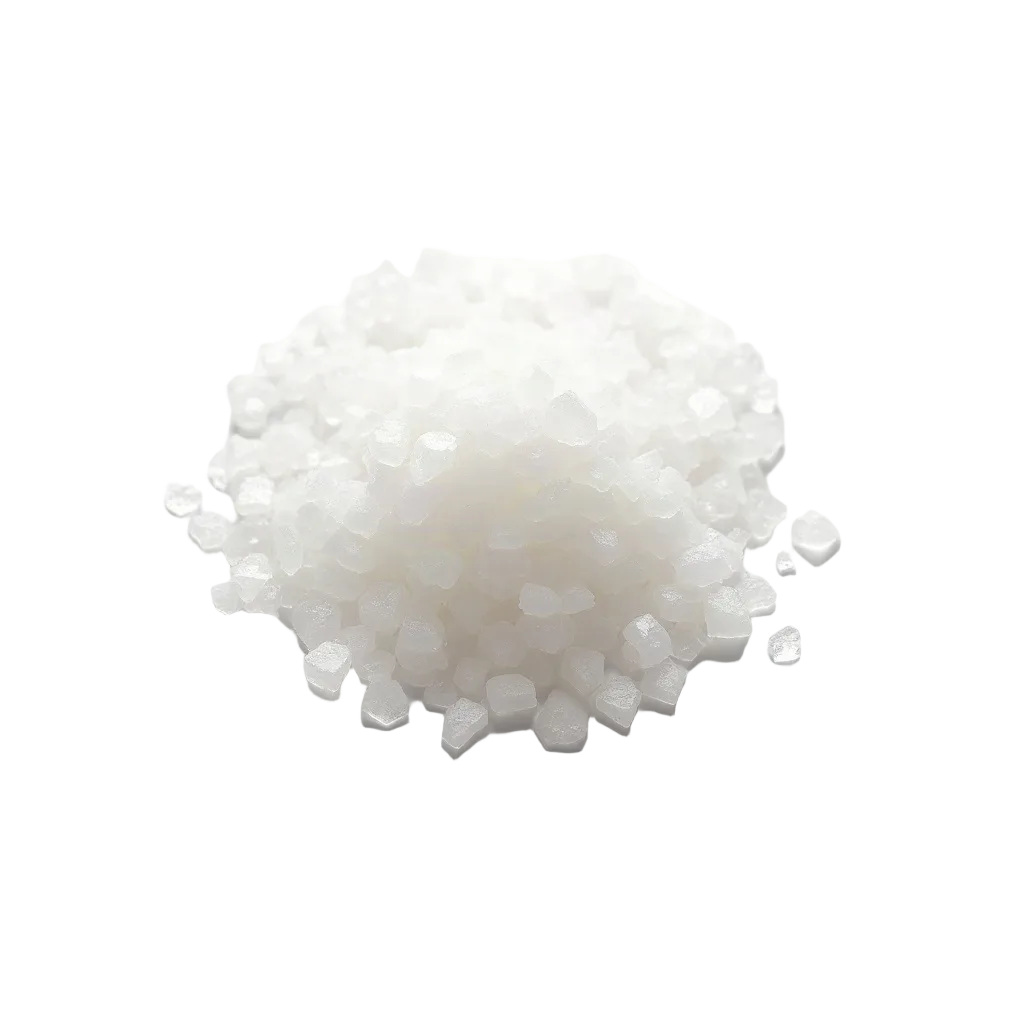 Salt
0.8–1.5% of the weight of the food
Seasoning: it sets the perception and balances the salt.
0.8–1.5% of the weight of the food. Coarse and fine salt do not weigh the same by the spoon, so weigh it.
H2O
Salt
0.8–1.5% of the weight of the food
Seasoning: it sets the perception and balances the salt.
0.8–1.5% of the weight of the food. Coarse and fine salt do not weigh the same by the spoon, so weigh it.
H2O
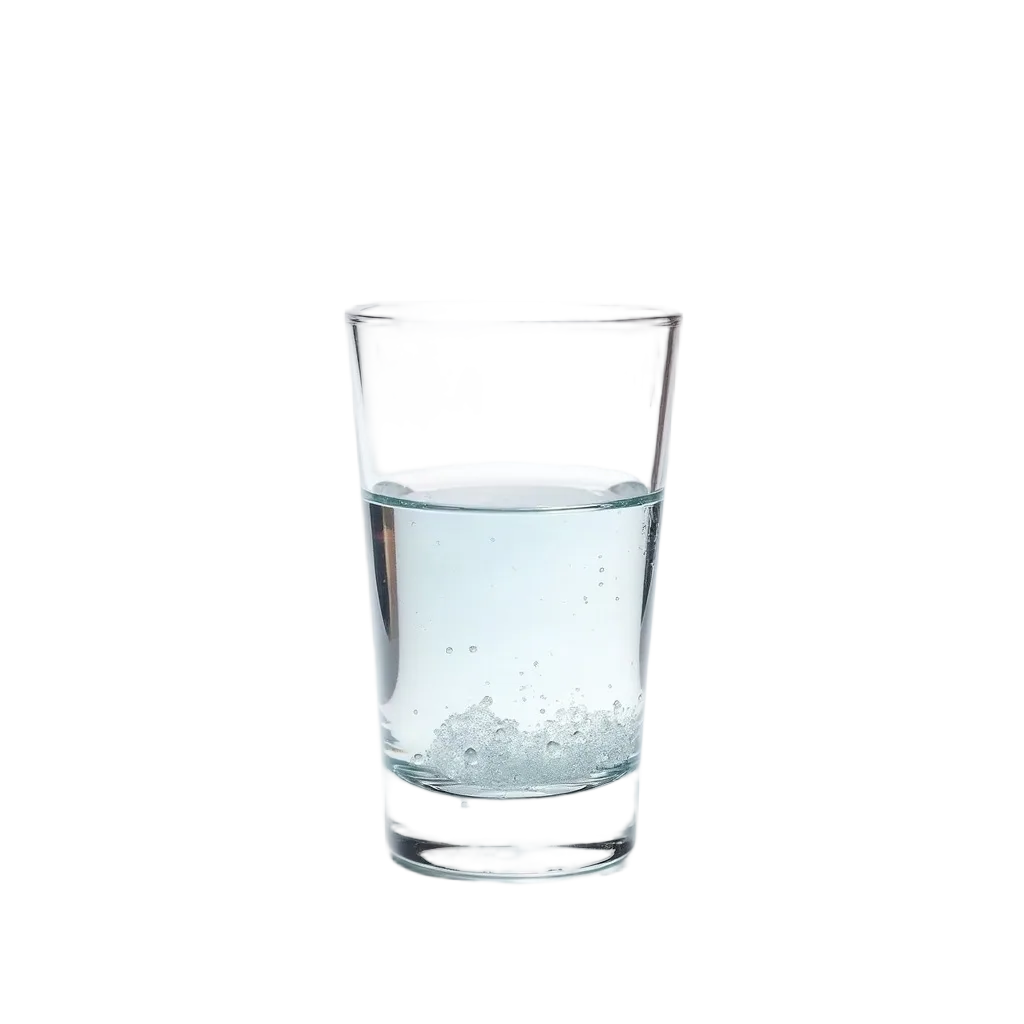 Water
Starch only gelatinises above 60 °C with water
Liquid: it makes the medium and carries the heat.
Do not add water to a vegetable dish: it is already 90% water and makes its own liquid under a lid.
Mi
Water
Starch only gelatinises above 60 °C with water
Liquid: it makes the medium and carries the heat.
Do not add water to a vegetable dish: it is already 90% water and makes its own liquid under a lid.
Mi
 Mint
Menthol is volatile · add off the heat
Spice: it adds aroma and edge.
Fresh mint goes in off the heat; dried mint is bloomed in fat. They are not the same job.
Mint
Menthol is volatile · add off the heat
Spice: it adds aroma and edge.
Fresh mint goes in off the heat; dried mint is bloomed in fat. They are not the same job.
What it tastes like
The axes that define this dish: aroma 48 — the ones sitting clearly above the average.
This profile is computed rather than measured: the role-weighted average of its ingredients’ taste vectors, shifted by what the cooking does. The thin line is the database average on that axis.
How it is made
-
Grate or finely dice the cucumber, salt it, leave it in a sieve for fifteen minutes and squeeze it dry.
Why A cucumber is 95% water, and if that water goes into the bowl the texture is gone within half an hour. -
Crush the garlic to a paste with salt and stir it through the yoghurt.
-
Let the yoghurt down with cold water: drinkable in summer heat, thicker if it is a meze.
-
Fold the cucumber in, pour olive oil over, scatter dried mint and chill for thirty minutes.
Why The garlic settles in that time; served immediately it tastes sharp and unresolved.
Where it comes from
Cacık is a Turkish mezze and the name is Turkish. It has relatives across the shared Ottoman culinary sphere, and the yoghurt axis itself is the Turkic contribution carried from Central Asia.