What to cook In the mood Workshop Scenarios Actually easy Techniques Dishes Ingredients Diets Recipes
Home · Ingredients · Honey
Honey
Sugars · Ho

Honey

Fructose dominant · browns at 110 °C

Per 100 g
304 kcal Energy
0.3 g Protein
82.4 g Carbs
0 g Fat
0.2 g Fibre
Gluten-free GI 60

Let’s cook with it → Invent something with it

What it is for

They do more than sweeten: they bind moisture, raise the boiling point and produce colour and crust. A jam sets and keeps because of sugar.

Where it catches you out

Each sugar browns at its own temperature. Sucrose at 160 °C, the fructose in honey and molasses at 110 — anything with honey burns sooner.

The knack

Fructose dominant, so it starts browning at 110 °C: honey recipes burn sooner than sugar ones.

Storage and health

How to keep it, and who it suits.

Keeping it

Sealed at room temperature it keeps for years; the fridge only speeds up crystallisation. Crystallised honey loosens again in a 40 °C water bath.

Gluten-free

Honey is naturally gluten-free.

Glycaemic index

60 — glucose is taken as 100. Below 55 is low, 56–69 medium, 70 and above high. The number says nothing about portion: at the same index, twice the amount is twice the load.

Row in the table: Honey, mean of types of honey

Atkinson et al., Am J Clin Nutr 2021

What it works with

Pairings, and the reason for each

"They go well together" is not an explanation. Every pairing below has a chemical or structural mechanism under it.

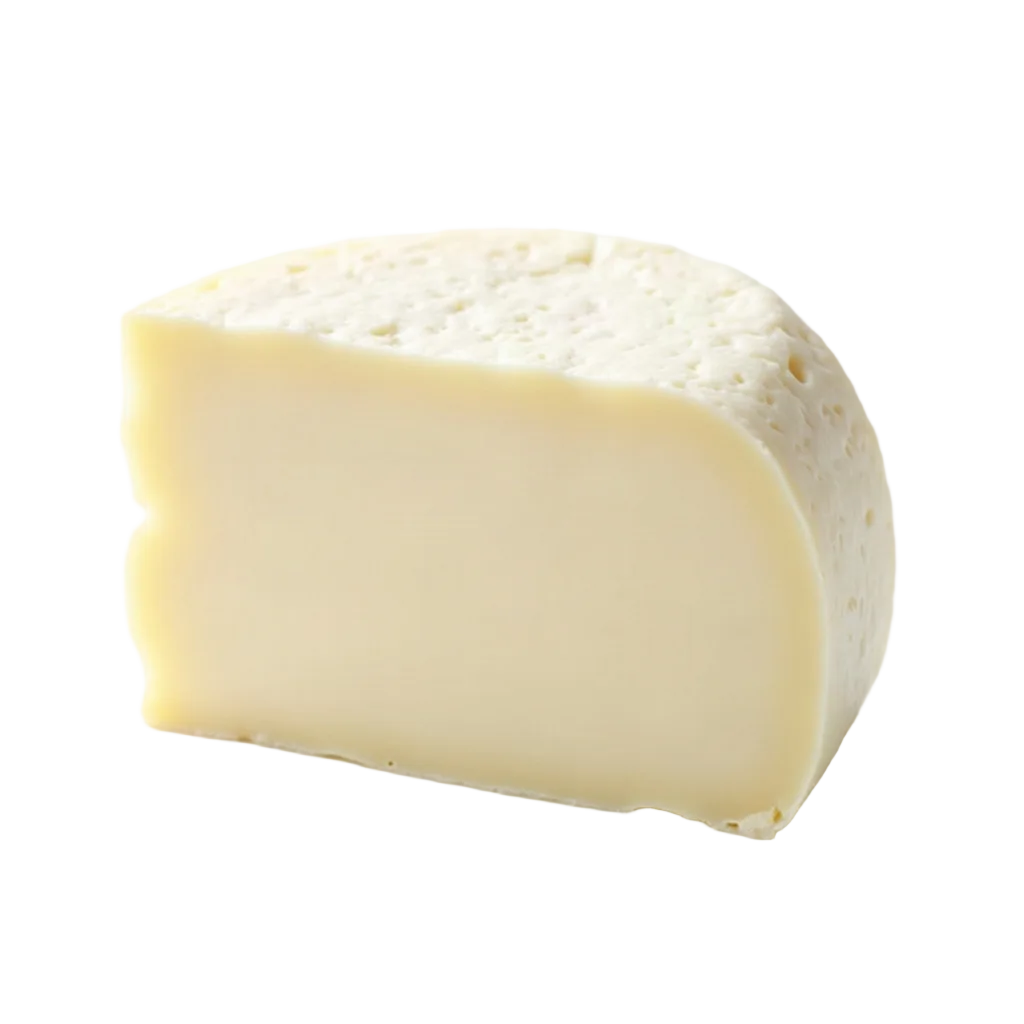
White cheese

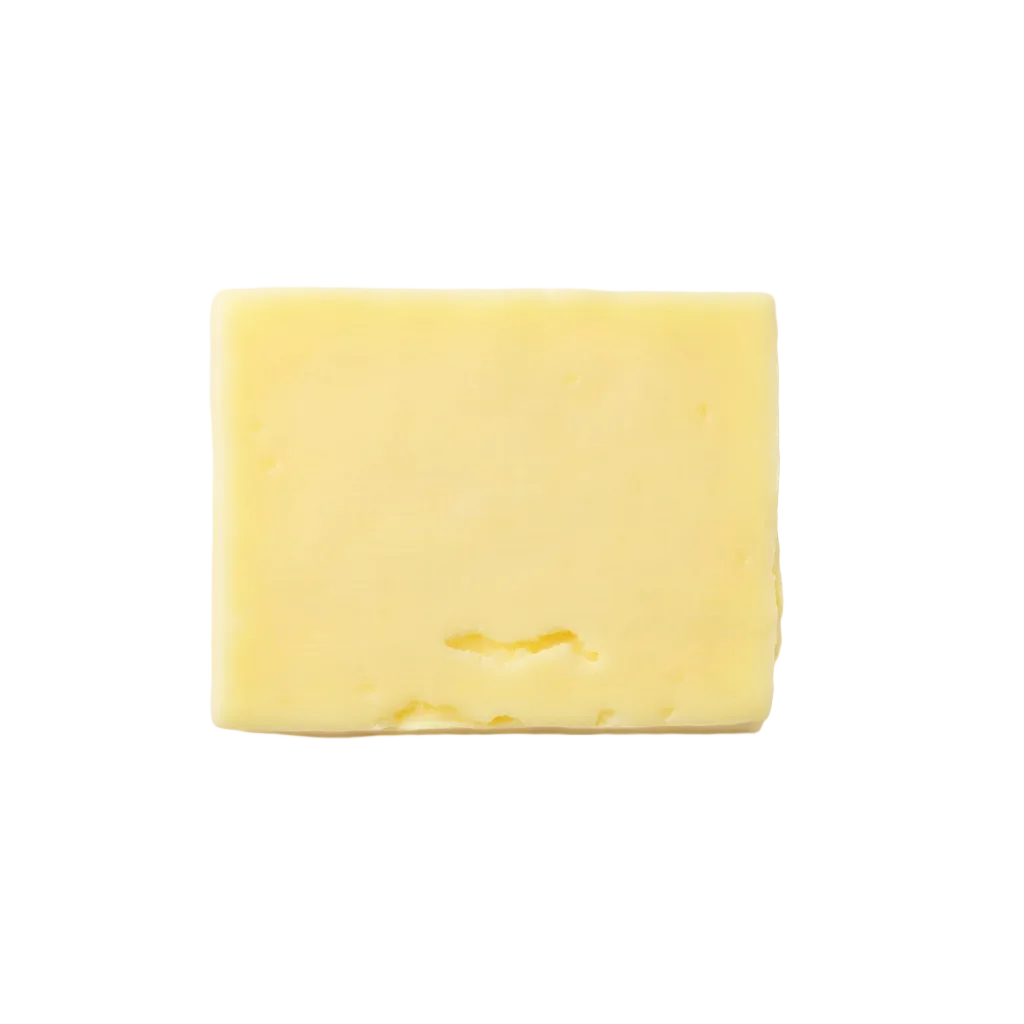
The cheese’s 2–5% salt and the honey’s fructose mutually suppress each other’s harshness — a well-documented cross-modal interaction and why honey, kaymak and cheese work together at breakfast.
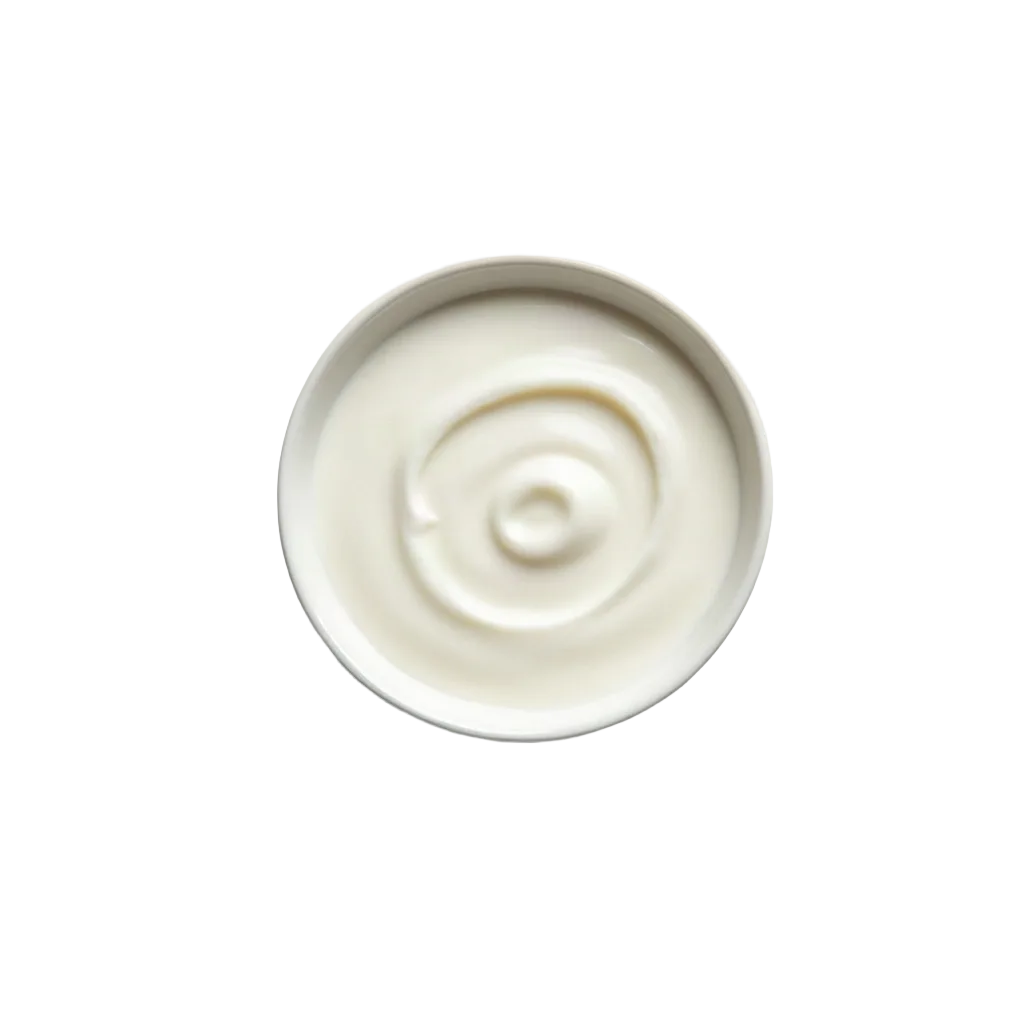
Yoghurt

Honey’s gluconic acidity sits in the same range as yoghurt’s, so it sweetens without flattening the sour edge.

Also works with

What it fights with

Water

Sustained high heat: diastase, invertase and glucose oxidase begin denaturing around 40 °C, and the aroma volatiles go first.

What goes on top
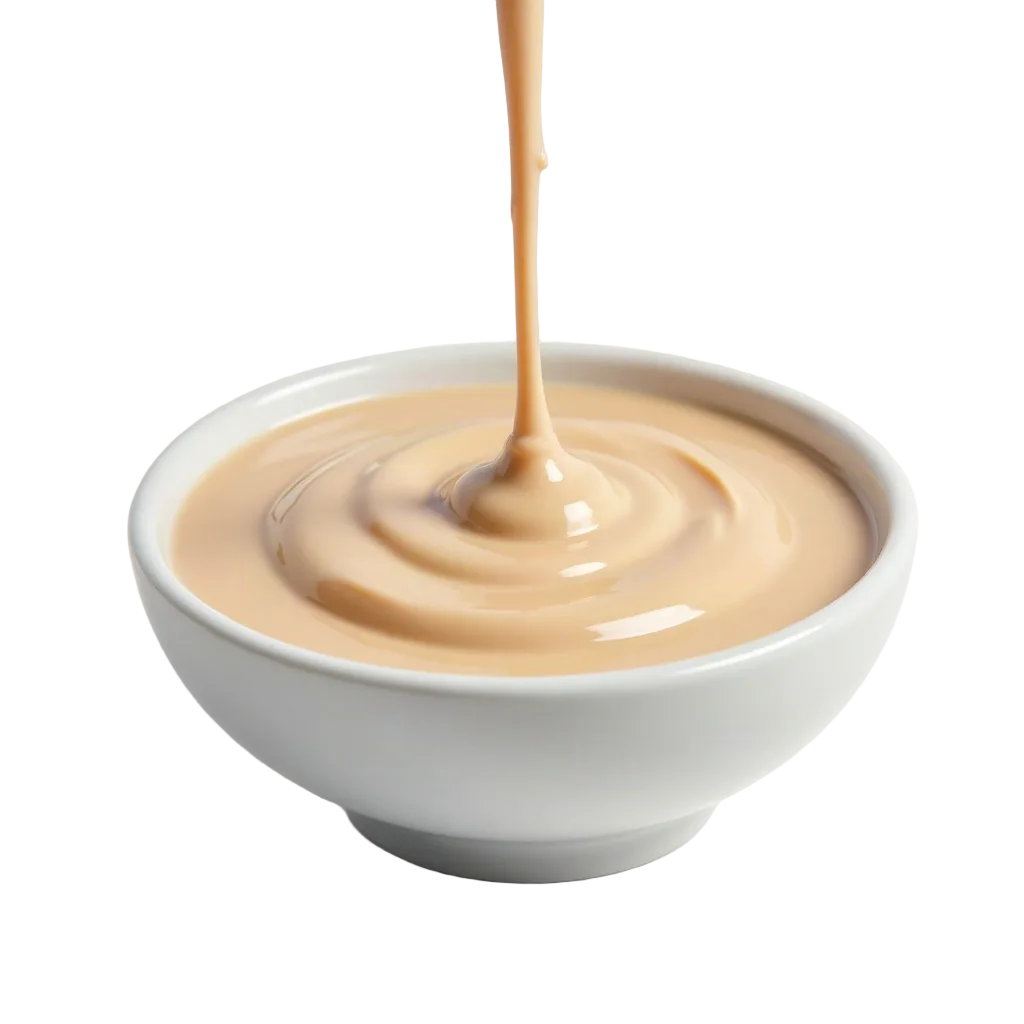
  • Over white cheese and kaymak, over yoghurt, over tahini, drizzled on warm bread
Key compounds
Fruktoz ~%38 / glikoz ~%31
The fructose excess is why honey is sweeter than sucrose and stays liquid and hygroscopic.
Nutritionally

Honey is nutritionally close to a sugar syrup with trace enzymes and phenolics; its practical kitchen advantage is hygroscopy, keeping baked goods moist longer than sucrose.

Common myth The claim that heated honey becomes *toxic* is not supported; what you lose is enzymes and aroma. One warning is real, though: no honey for infants under 12 months, because of Clostridium botulinum spores.