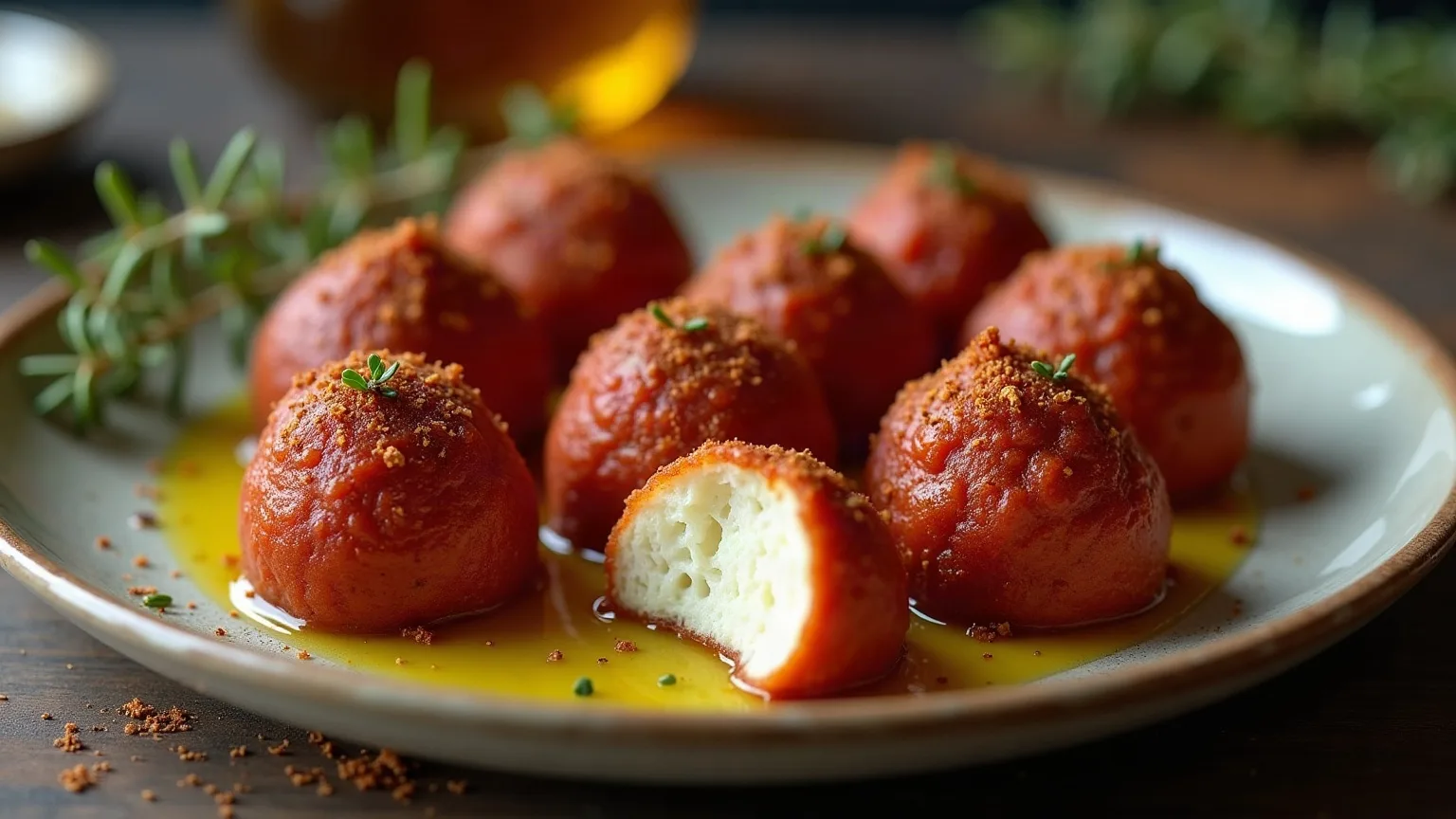
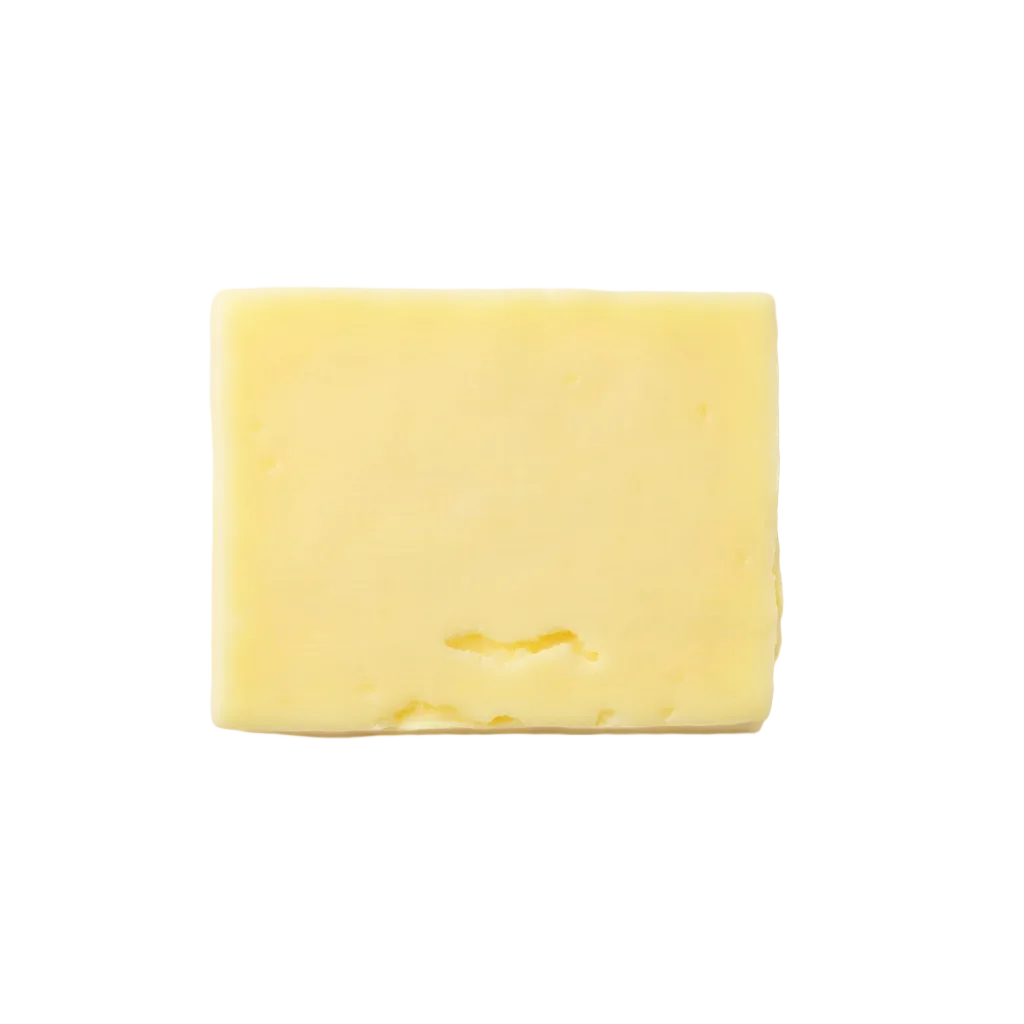
 Butter
→
Butter
→
Cuminaldehyde is lipophilic, so blooming in butter or oil extracts it into a medium that distributes evenly. Stirred dry into a water-based stew, most of it never disperses.
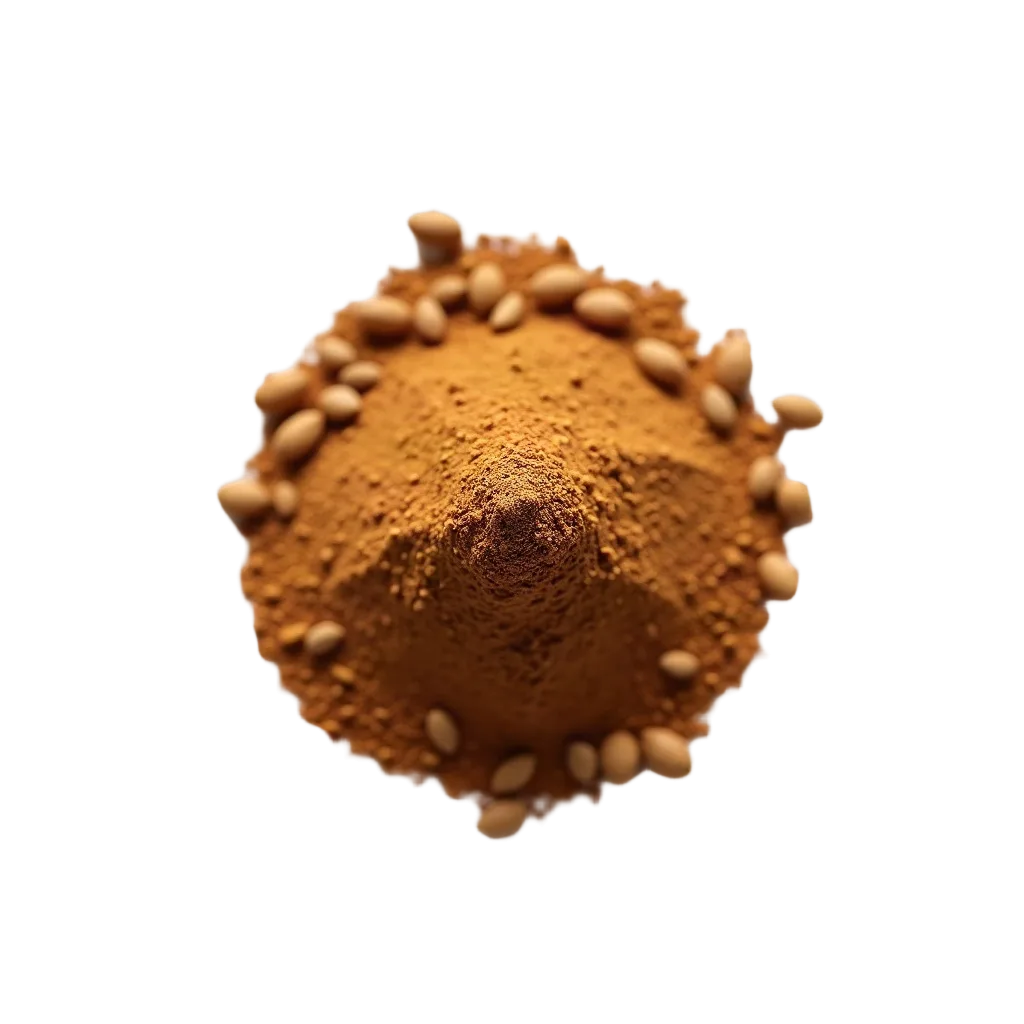
They give the character. Same technique, same ingredient, a different trio of spices — and the dish moves to another cuisine entirely. Most of their aroma molecules are volatile.
Volatile ones go in last, sturdy ones first. Mint and basil after the heat; bay and cinnamon right at the start.
Bloom it in fat for thirty seconds; thrown in dry it just tastes of powder.
Whole seed keeps 3-4 years airtight in the dark, ground about six months. Once the aroma fades it is gone, and adding more does not bring it back.
Plain cumin is a single-plant spice with no gluten.
This ingredient carries no meaningful carbohydrate, so it has no glycaemic index. On its own it will not move blood sugar; what you eat alongside it decides that.
"They go well together" is not an explanation. Every pairing below has a chemical or structural mechanism under it.
Butter
→
Cuminaldehyde is lipophilic, so blooming in butter or oil extracts it into a medium that distributes evenly. Stirred dry into a water-based stew, most of it never disperses.
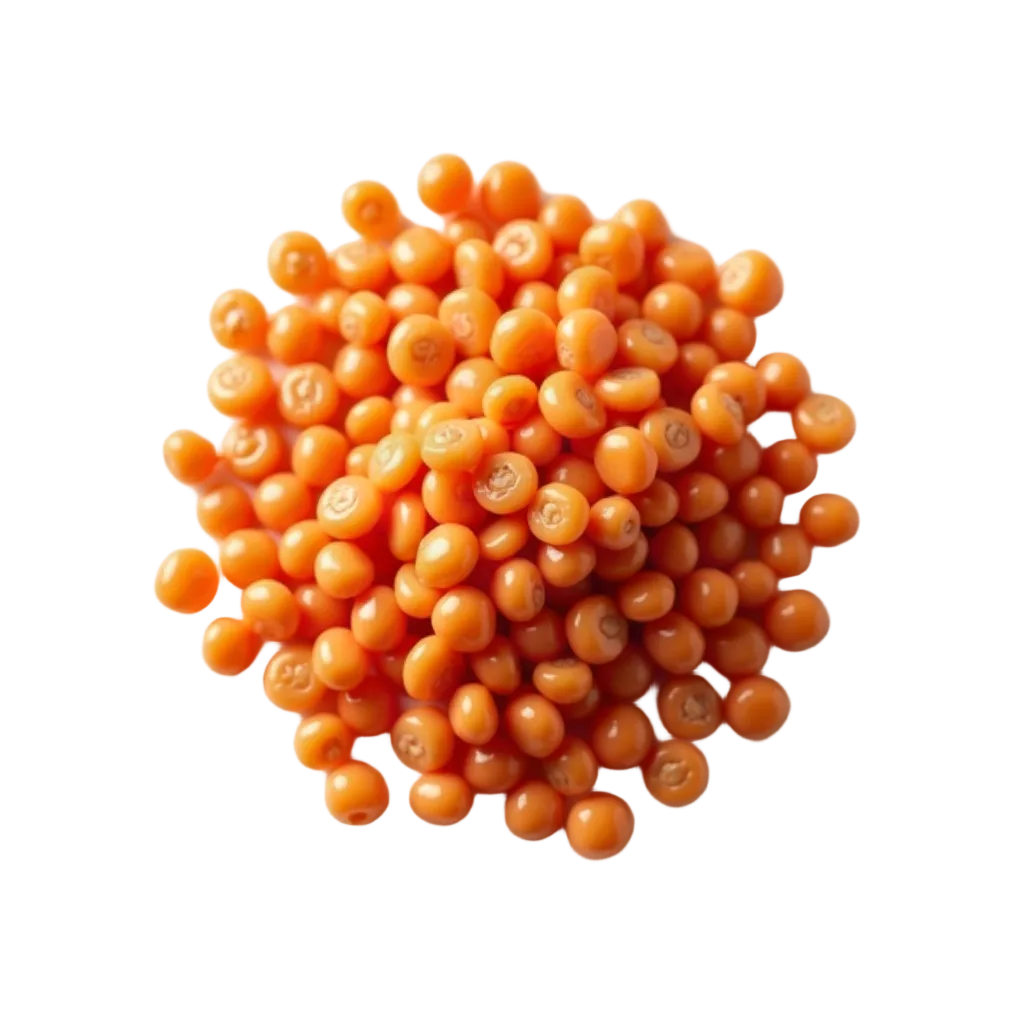 Lentil
→
Lentil
→
Cumin’s strong terpene profile covers the beany aldehydes from legume lipoxygenase activity — a genuinely functional pairing.
Cumin’s per-100 g iron figure is often quoted and is misleading: a teaspoon is about 2 g, so its mineral contribution is trivial.
1 dishes in the database use it.
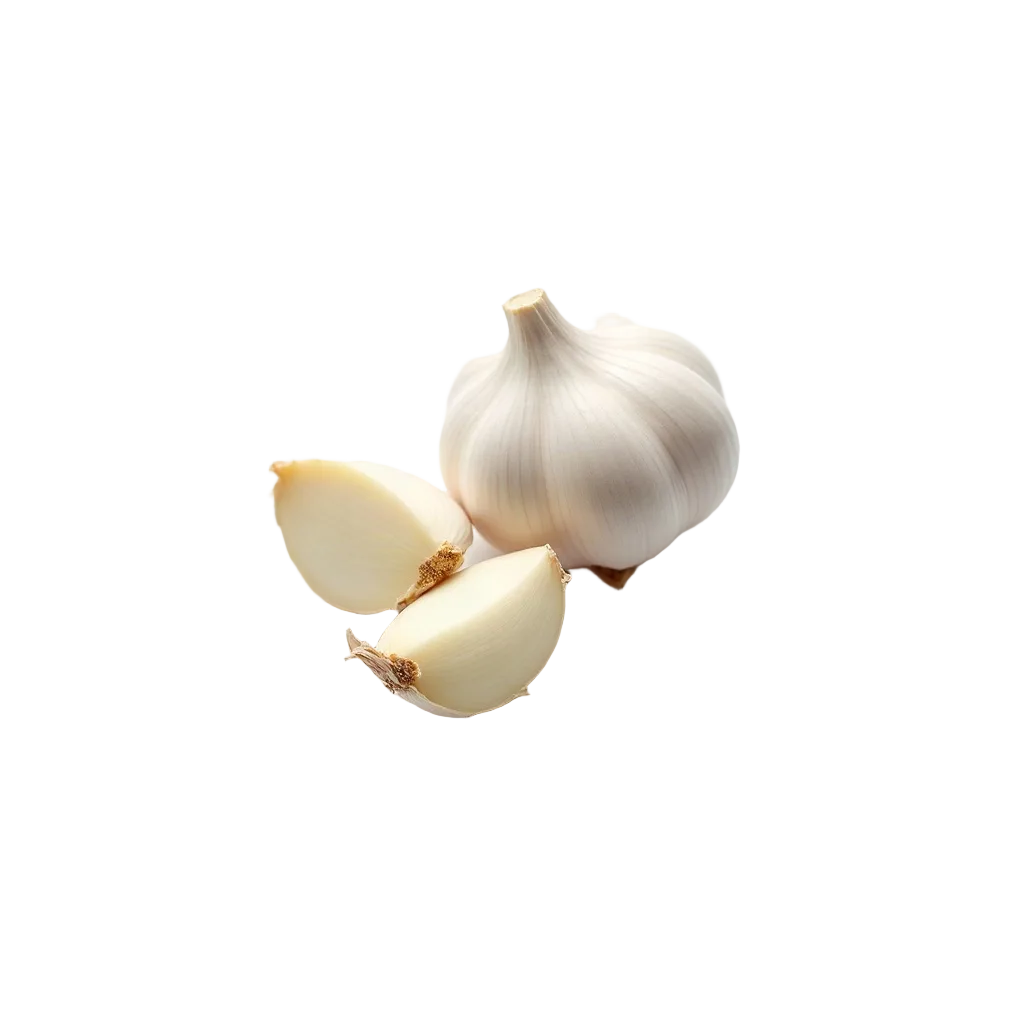 GarlicAllicin forms 60 s after cutting
Cf
GarlicAllicin forms 60 s after cutting
Cf
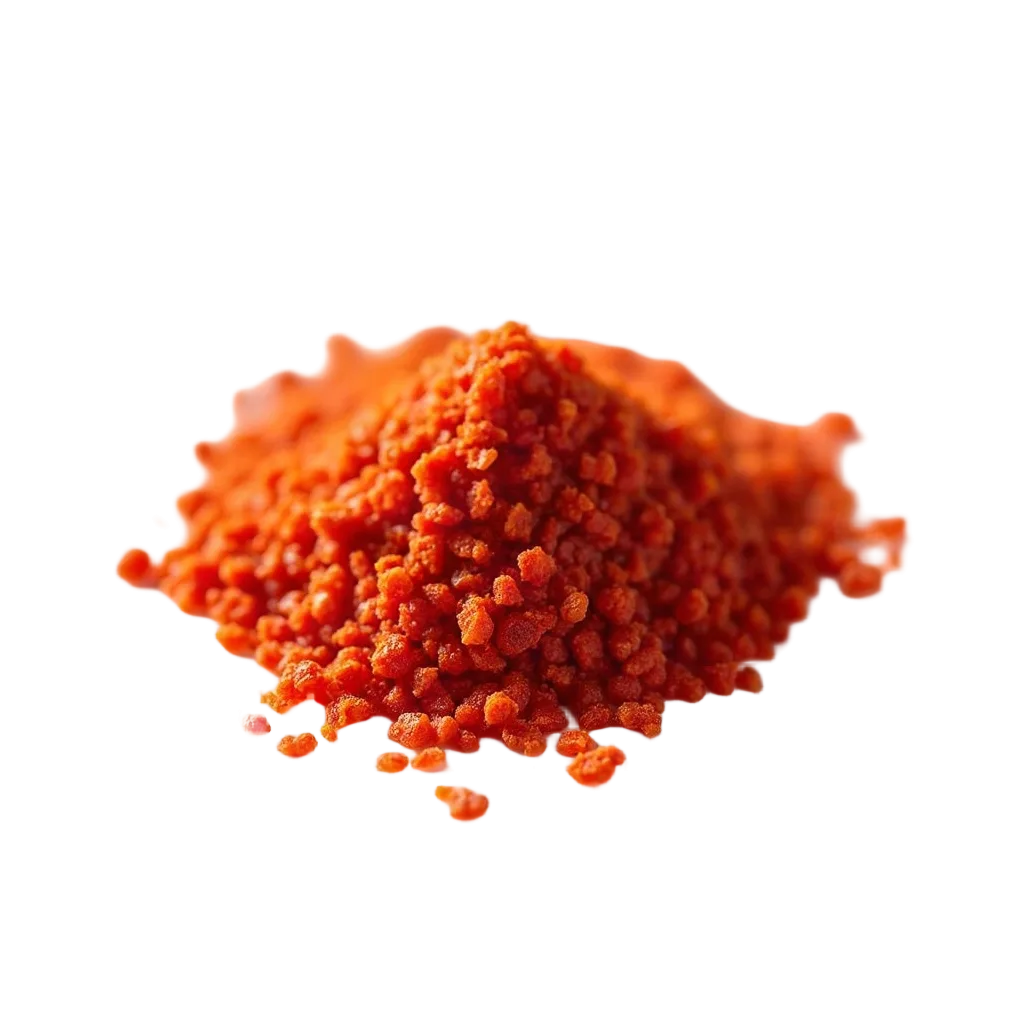 Chilli flakesCapsaicin dissolves in fat, not water
Ci
Chilli flakesCapsaicin dissolves in fat, not water
Ci
 CinnamonCinnamaldehyde 60–75%
Bp
CinnamonCinnamaldehyde 60–75%
Bp
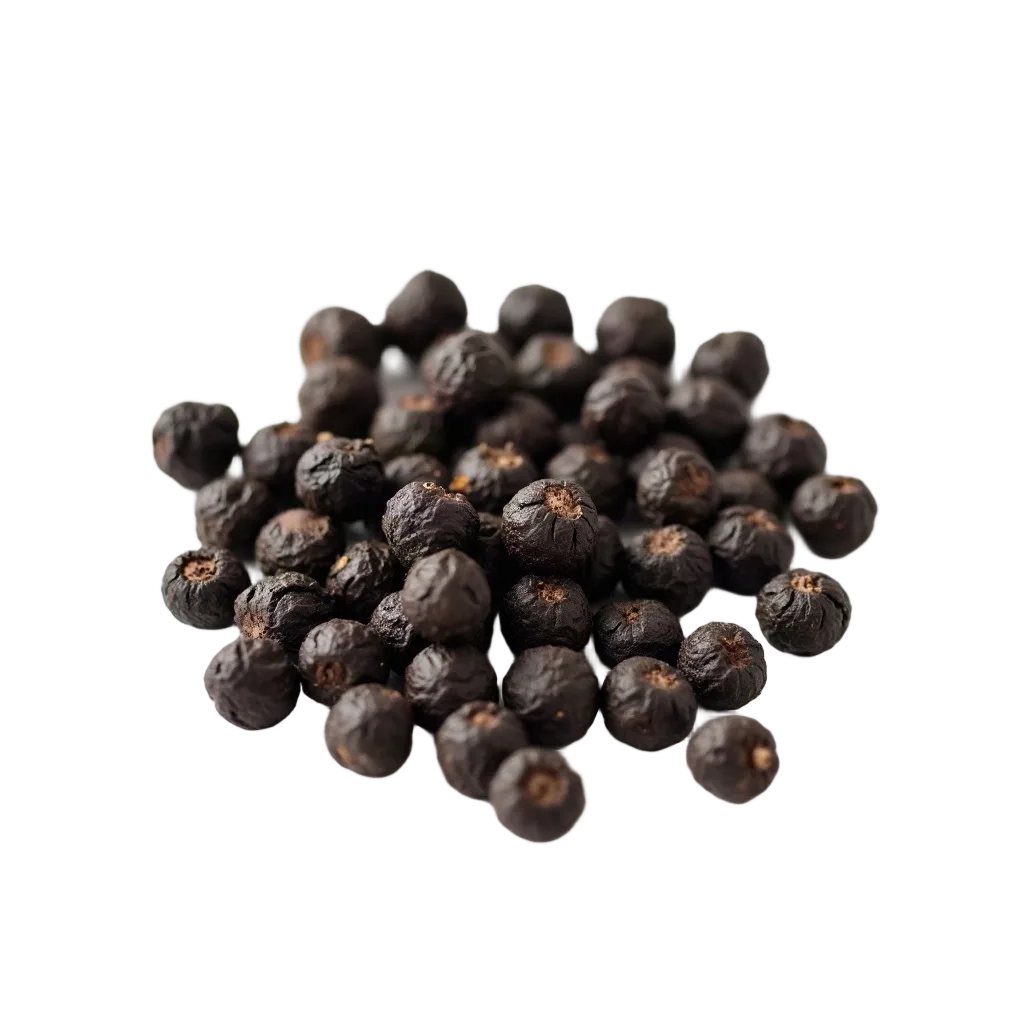 Black pepperPiperine · aroma flees once ground
Mi
Black pepperPiperine · aroma flees once ground
Mi
 MintMenthol is volatile · add off the heat
Ba
MintMenthol is volatile · add off the heat
Ba
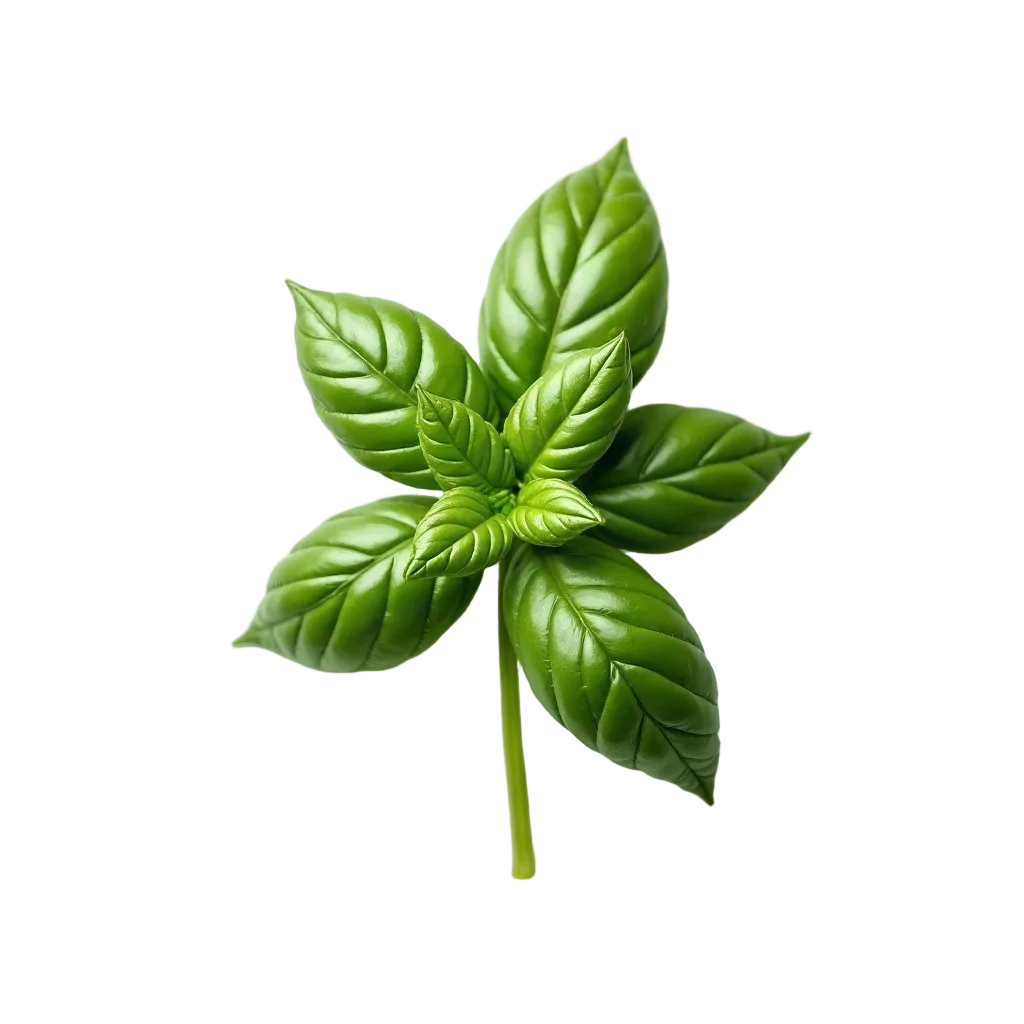 BasilLinalool · blackens with heat, add last
Sa
BasilLinalool · blackens with heat, add last
Sa
 SaffronCrocin is water soluble · 0.1 g is enough
Su
SaffronCrocin is water soluble · 0.1 g is enough
Su
 SumacpH 3.1 · dry acid that adds no water
By
SumacpH 3.1 · dry acid that adds no water
By
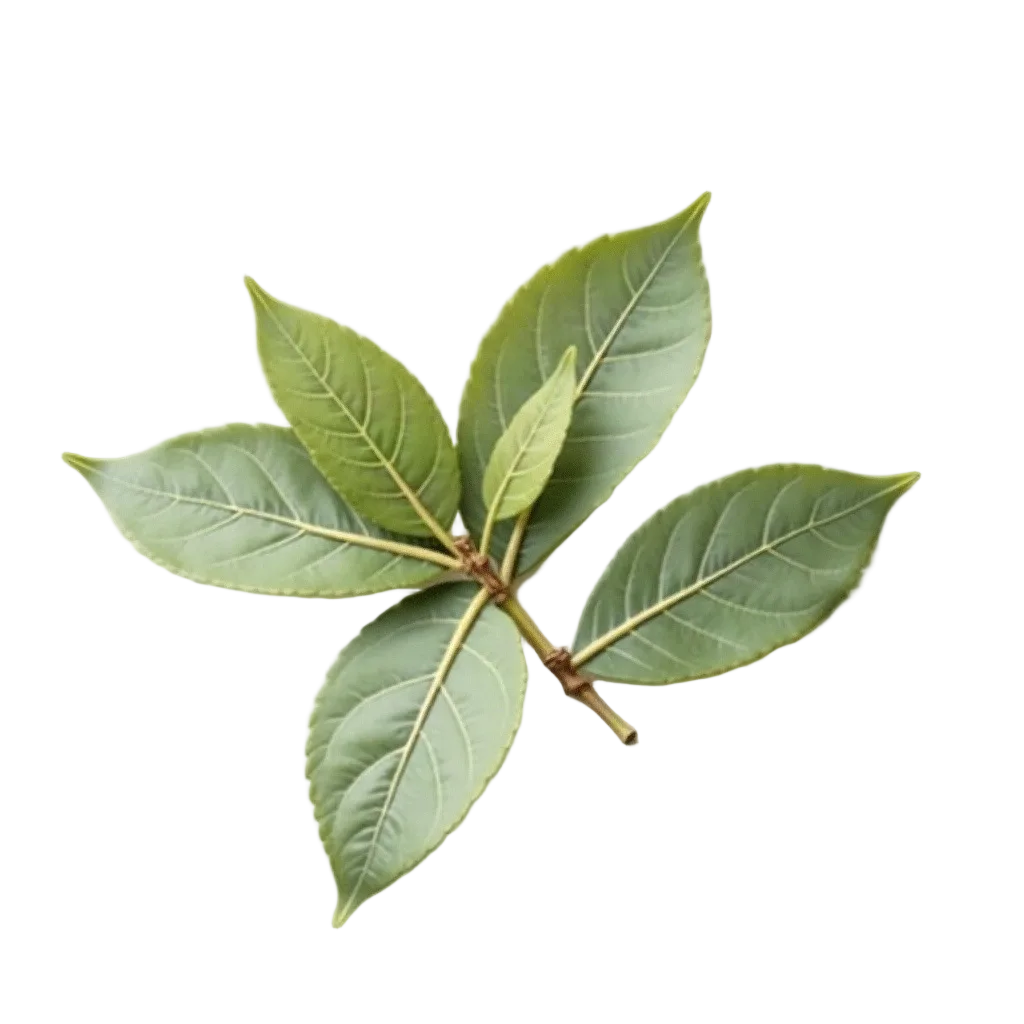 Bay leafEugenol · only opens up with long cooking
Ks
Bay leafEugenol · only opens up with long cooking
Ks
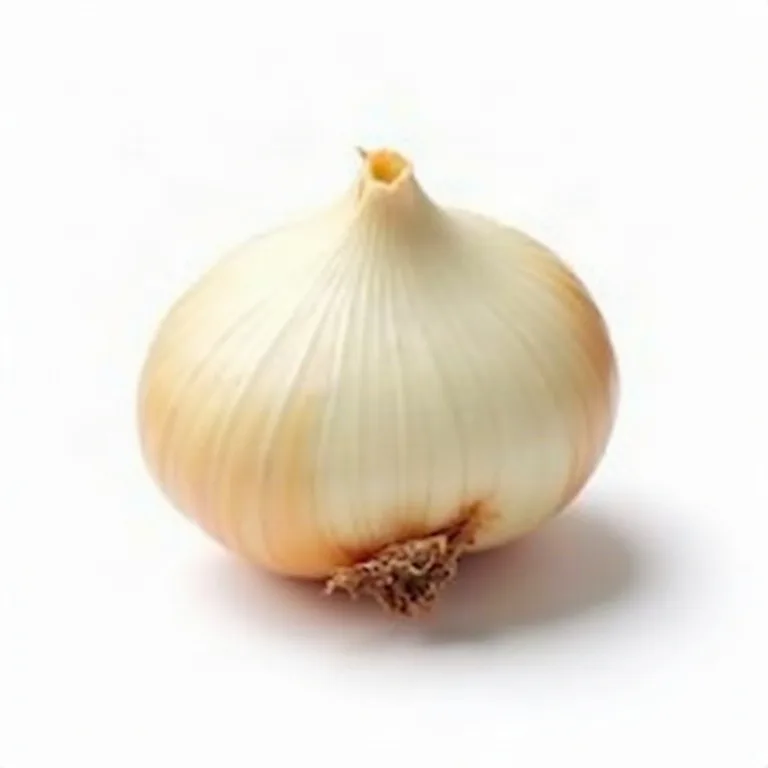 Bulb onion89.1% water · 40 kcal
K5
Bulb onion89.1% water · 40 kcal
K5
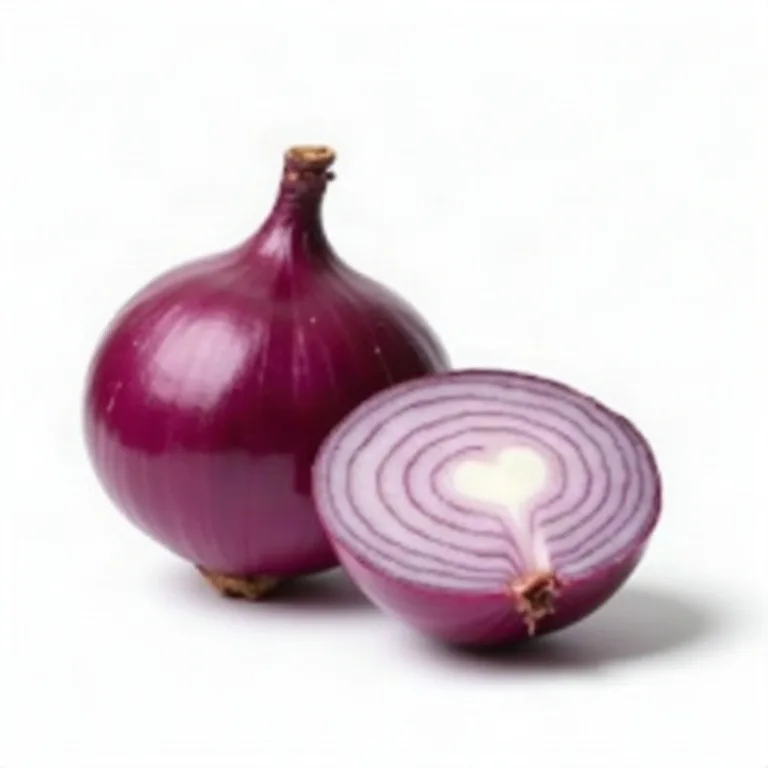 Red onionAnthocyanin · less sulphur
Ts
Red onionAnthocyanin · less sulphur
Ts
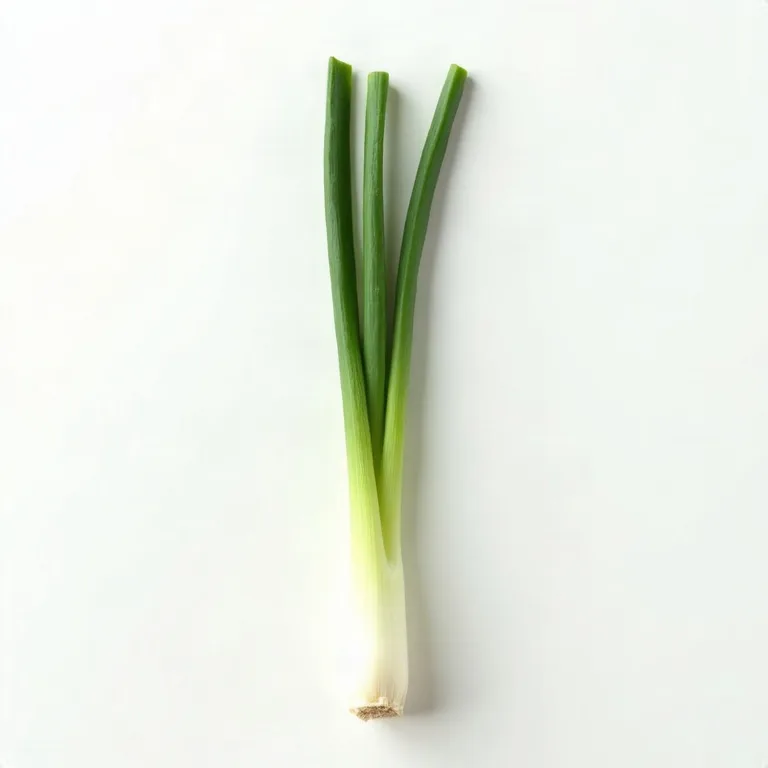 Spring onion89.8% water · 32 kcal
My
Spring onion89.8% water · 32 kcal
My
 Parsley87.7% water · 36 kcal
De
Parsley87.7% water · 36 kcal
De
 Dill86% water · 43 kcal
Lk
Dill86% water · 43 kcal
Lk
 Lemon peel81.6% water · 47 kcal
Cr
Lemon peel81.6% water · 47 kcal
Cr
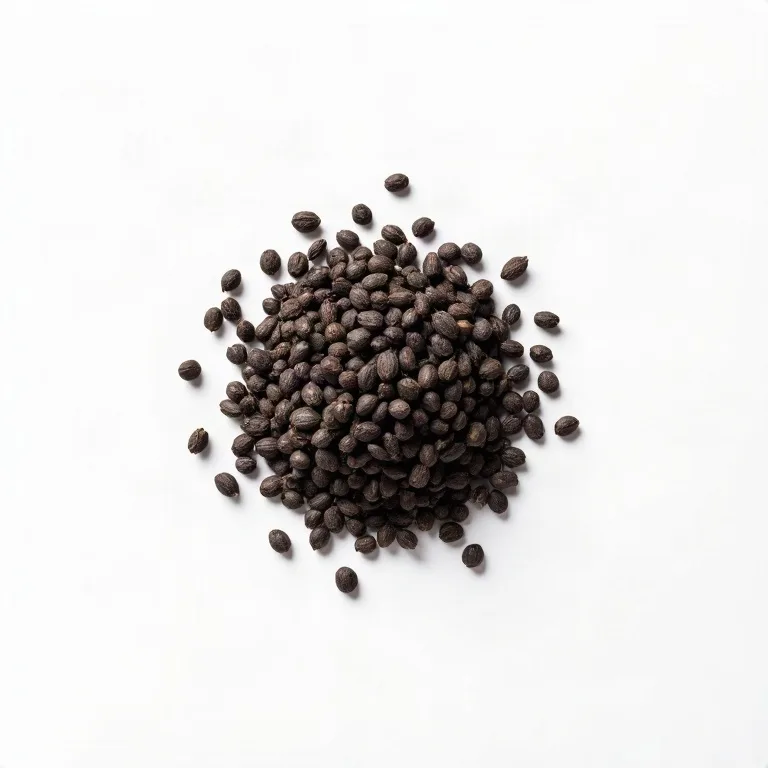 Nigella seeds6% water · 387 kcal
Is
Nigella seeds6% water · 387 kcal
Is
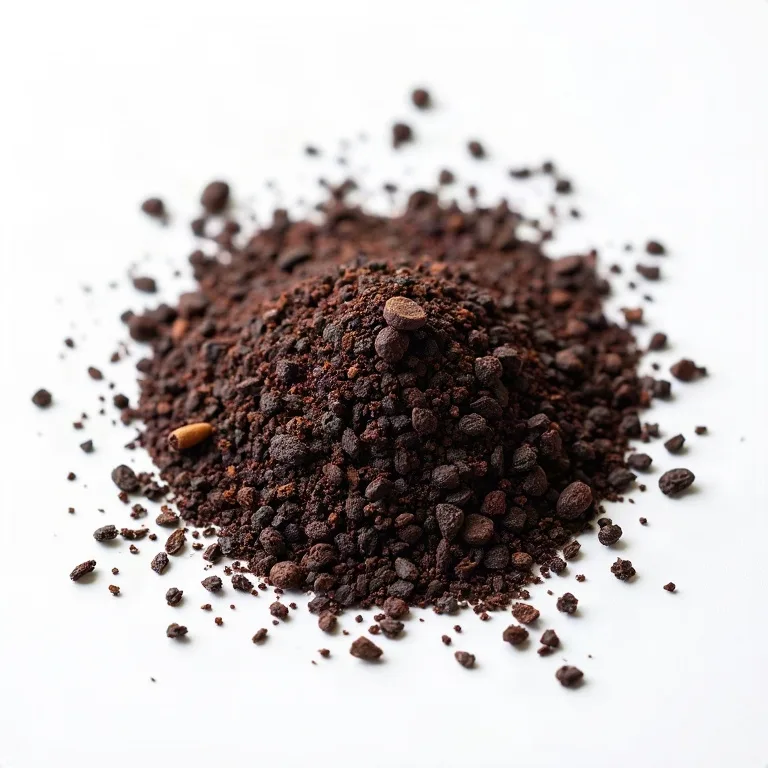 Urfa pepper?
Kek
Urfa pepper?
Kek
 Dried oregano9.9% water · 265 kcal
Me
Dried oregano9.9% water · 265 kcal
Me
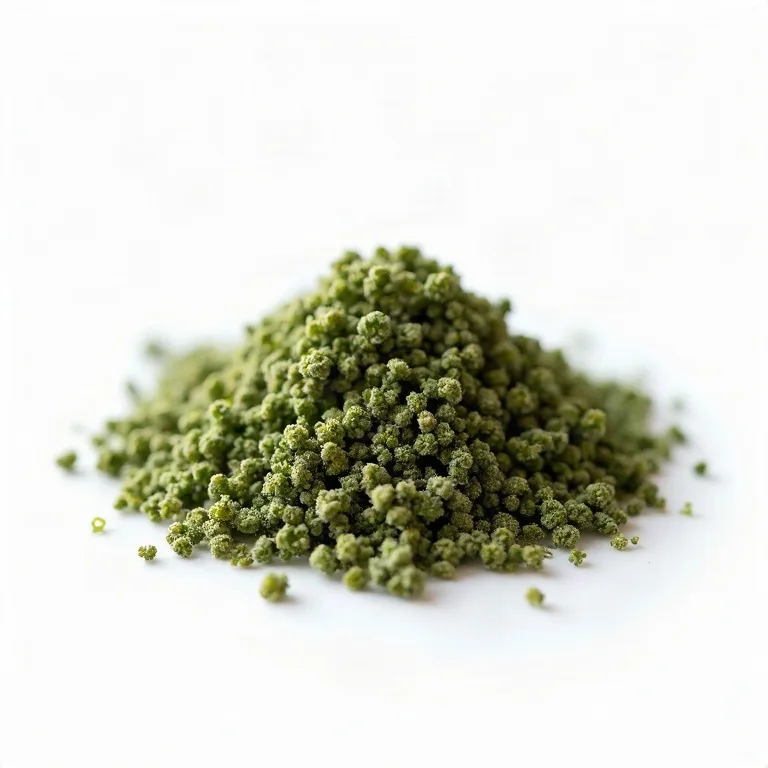 Dried marjoram7.6% water · 271 kcal
Rt
Dried marjoram7.6% water · 271 kcal
Rt
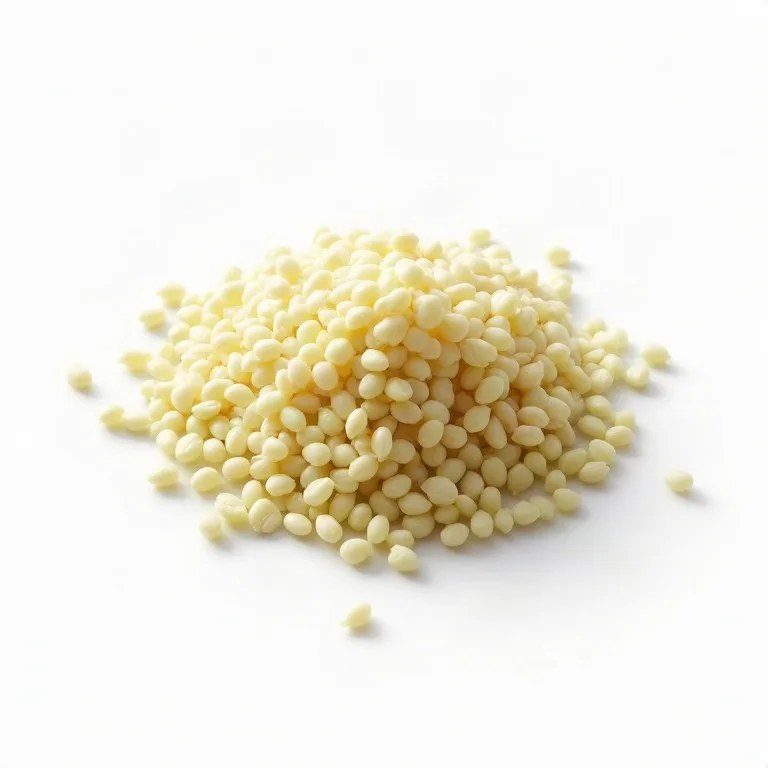 Fennel seeds8.8% water · 345 kcal
At
Fennel seeds8.8% water · 345 kcal
At
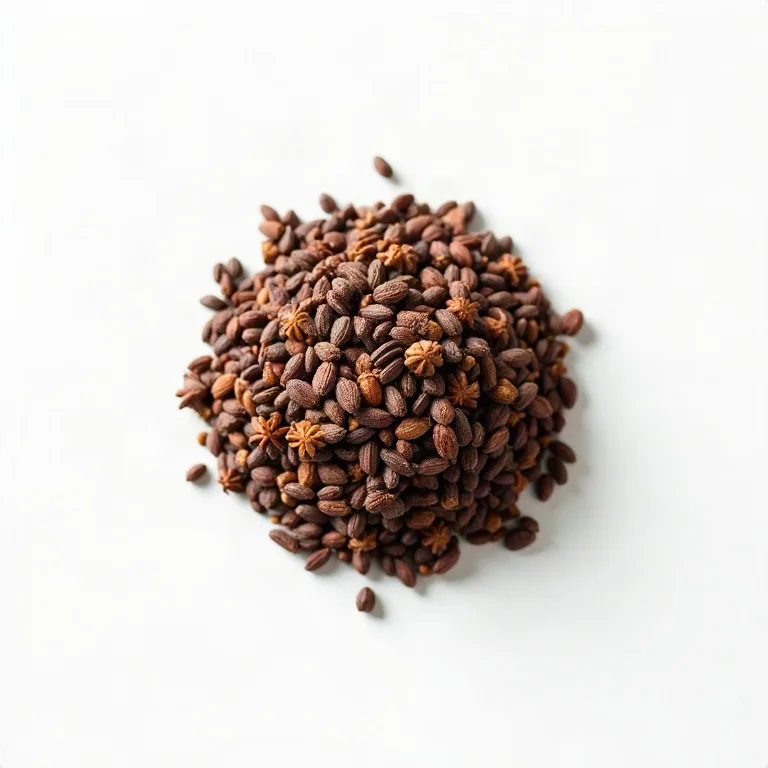 Anise seeds9.5% water · 337 kcal
Yn
Anise seeds9.5% water · 337 kcal
Yn
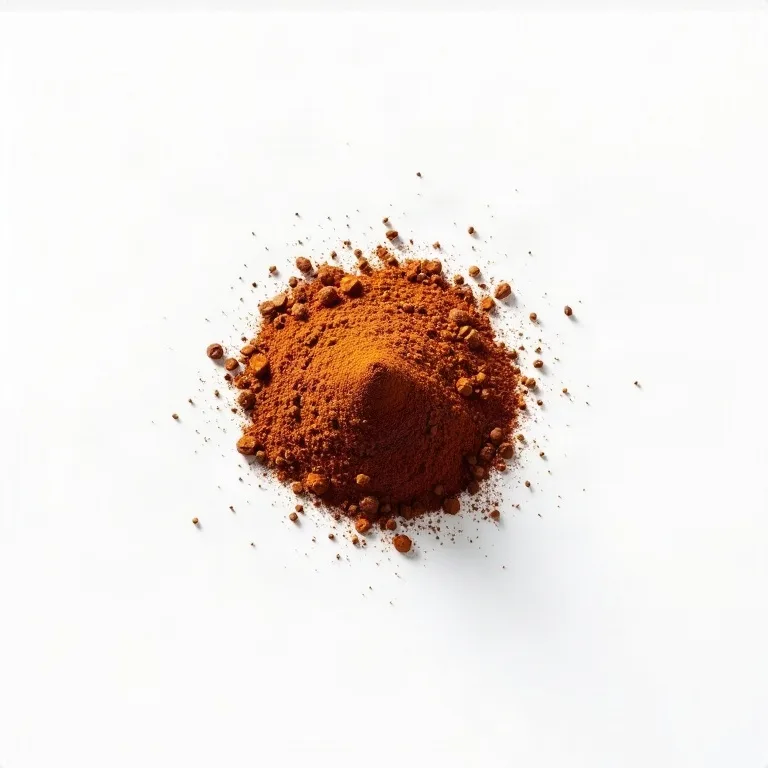 Allspice8.5% water · 263 kcal
K3
Allspice8.5% water · 263 kcal
K3
 Cloves9.9% water · 274 kcal
Ze
Cloves9.9% water · 274 kcal
Ze
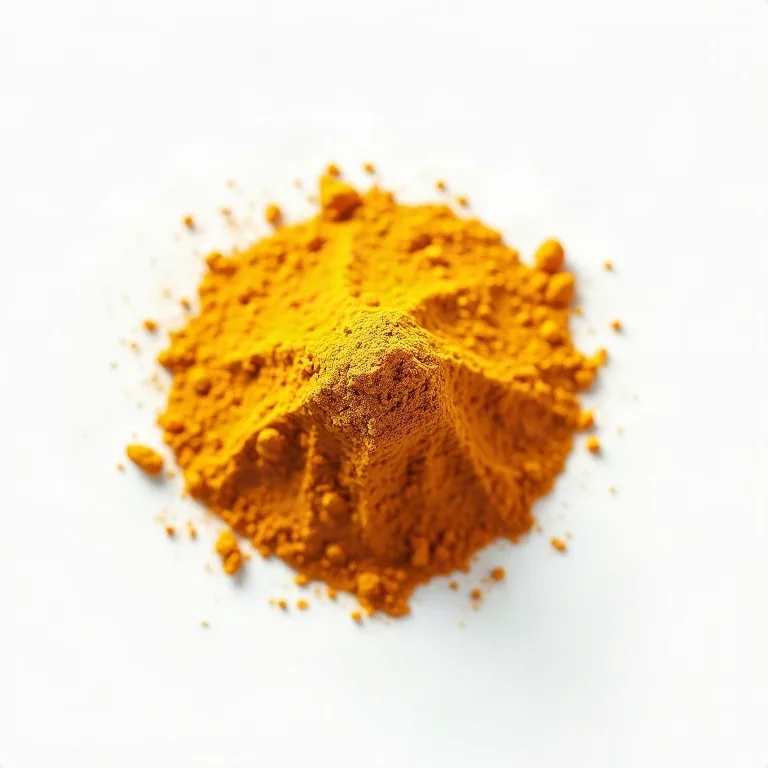 Ground turmeric12.9% water · 312 kcal
Zn
Ground turmeric12.9% water · 312 kcal
Zn
 Fresh ginger78.9% water · 80 kcal
Mh
Fresh ginger78.9% water · 80 kcal
Mh
 Mahleb?
Da
Mahleb?
Da
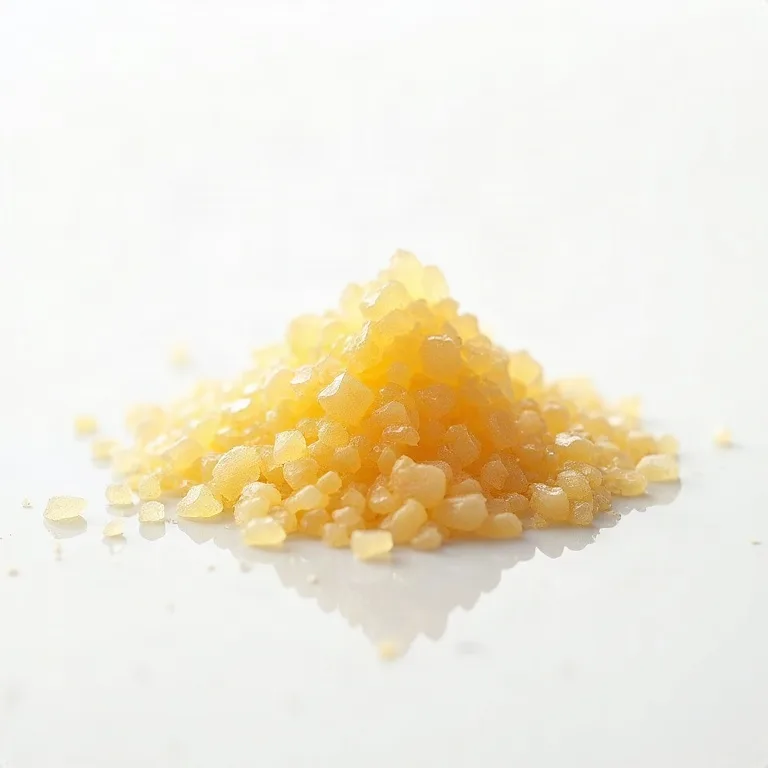 Mastic resin?
Za
Mastic resin?
Za
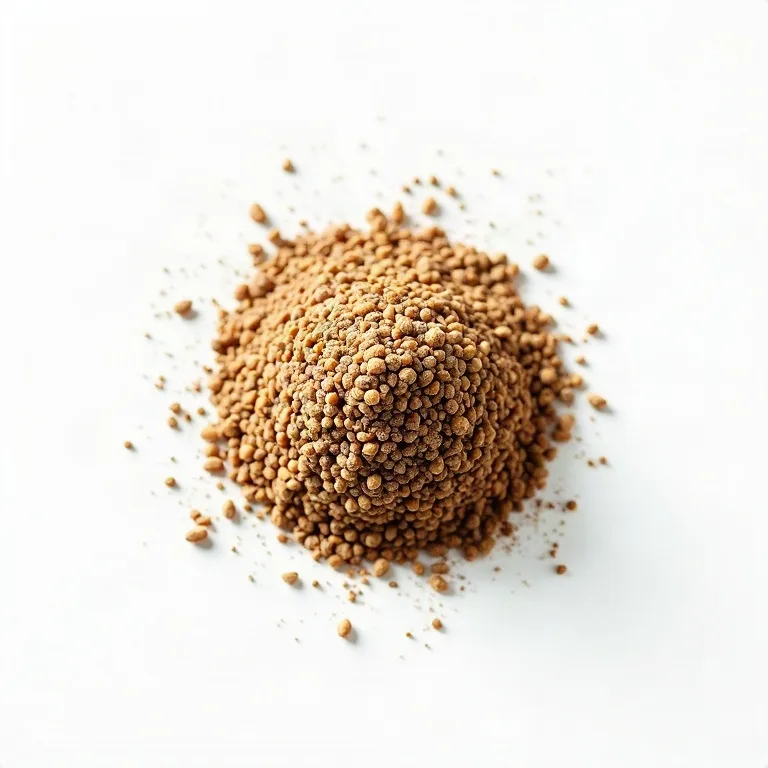 Za’atar (sesame blend)?
Kir
Za’atar (sesame blend)?
Kir
 Sweet paprika11.2% water · 282 kcal
Ht
Sweet paprika11.2% water · 282 kcal
Ht
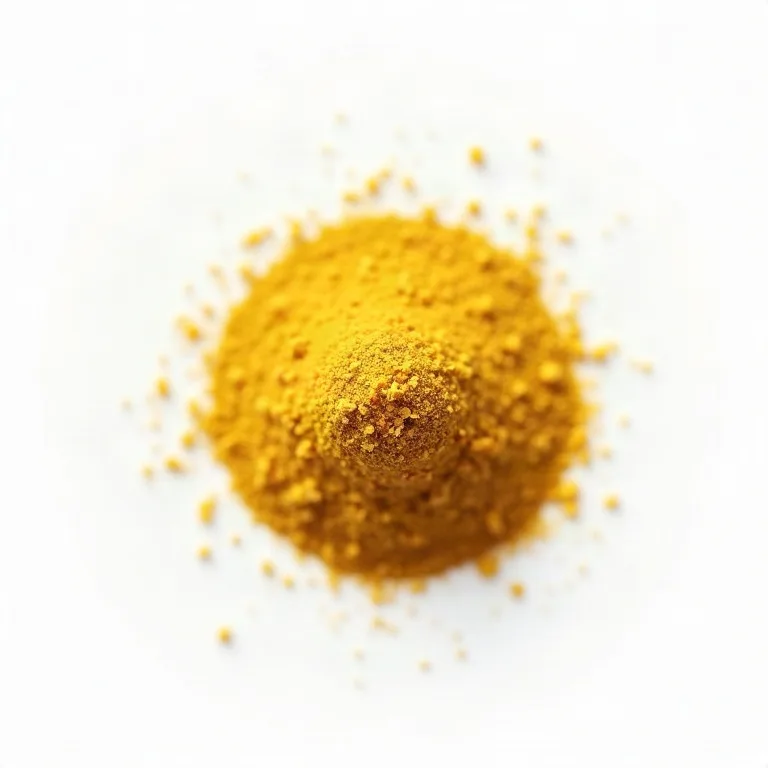 Ground mustard seed5.3% water · 508 kcal
Kis
Ground mustard seed5.3% water · 508 kcal
Kis
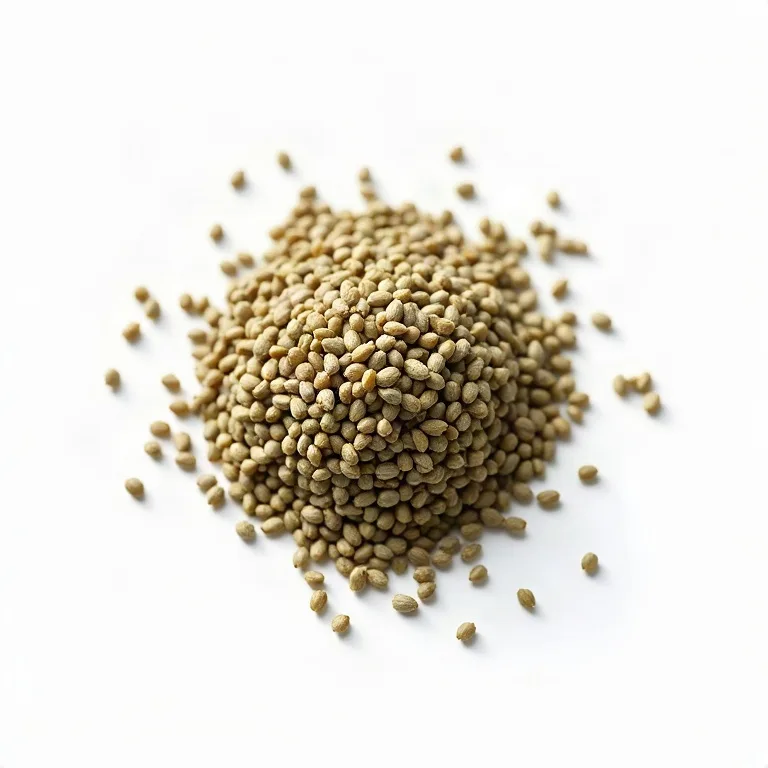 Coriander seeds8.9% water · 298 kcal
Cv
Coriander seeds8.9% water · 298 kcal
Cv
 Soapwort root?
Vc
Soapwort root?
Vc
 Vanilla pod?
Kak
Vanilla pod?
Kak
 Cocoa powder (unsweetened)3% water · 228 kcal
Nothing matches that.
 Red meat
  Chickpea
  Bulgur
  Tomato paste
  Olive oil
  Carrot