
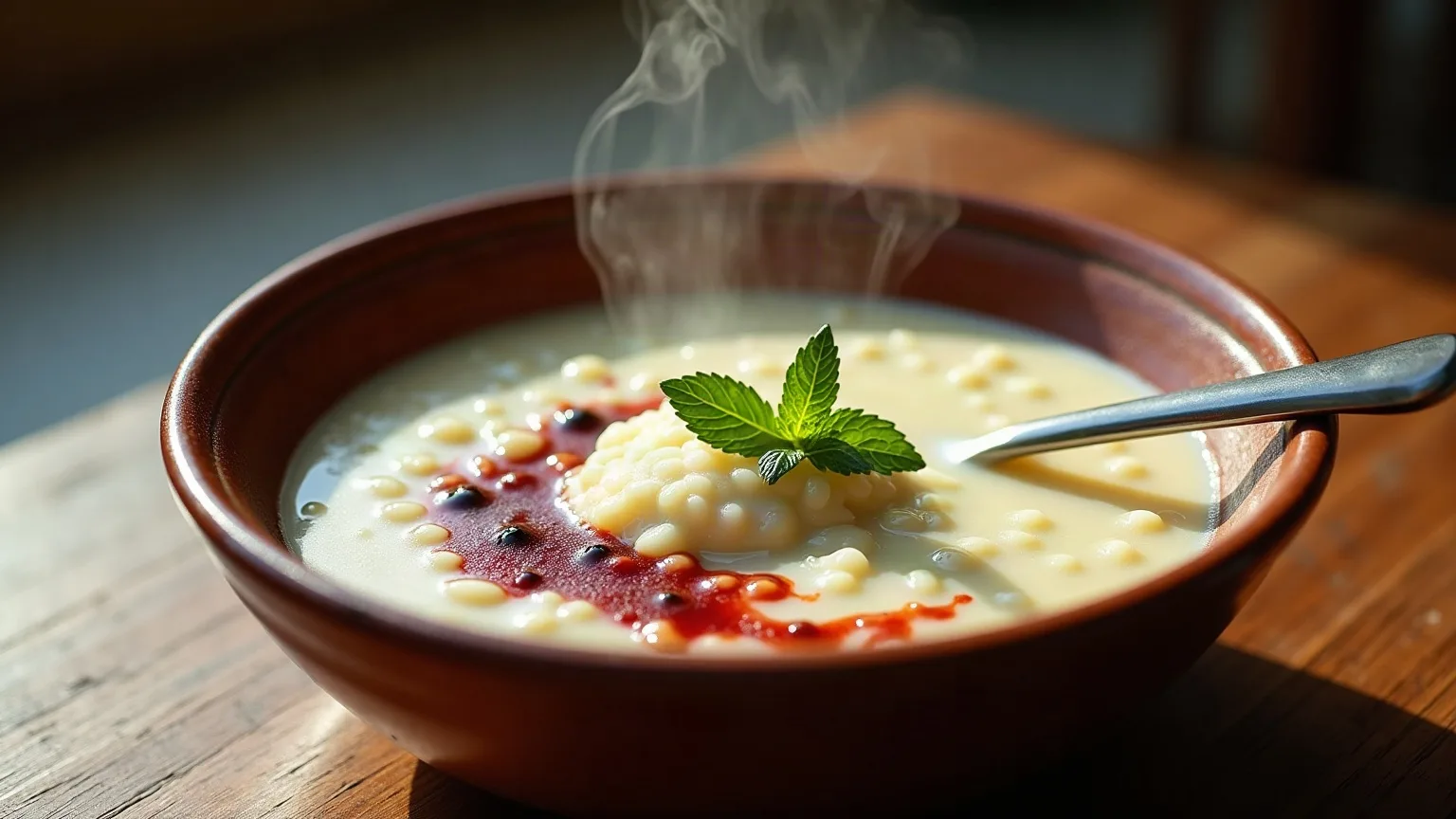
Highland yoghurt soup
The default Turkish yoghurt soup and the textbook terbiyeli çorba. Rice simmers in water, yoghurt, flour and egg yolk are beaten separately, tempered with hot broth, returned to the pot and thickened without ever boiling. Finished with dried mint bloomed in butter.
Three stabilisers work at once: rice starch gelatinising in the pot, flour in the terbiye, and lecithin from the egg yolk. The yolk sets the ceiling — it thickens at 65–70 °C and curdles above 71. Casein is already at its isoelectric point of pH 4.6, so yoghurt has no colloidal safety margin left and heat simply supplies the energy to aggregate.
What it is made of
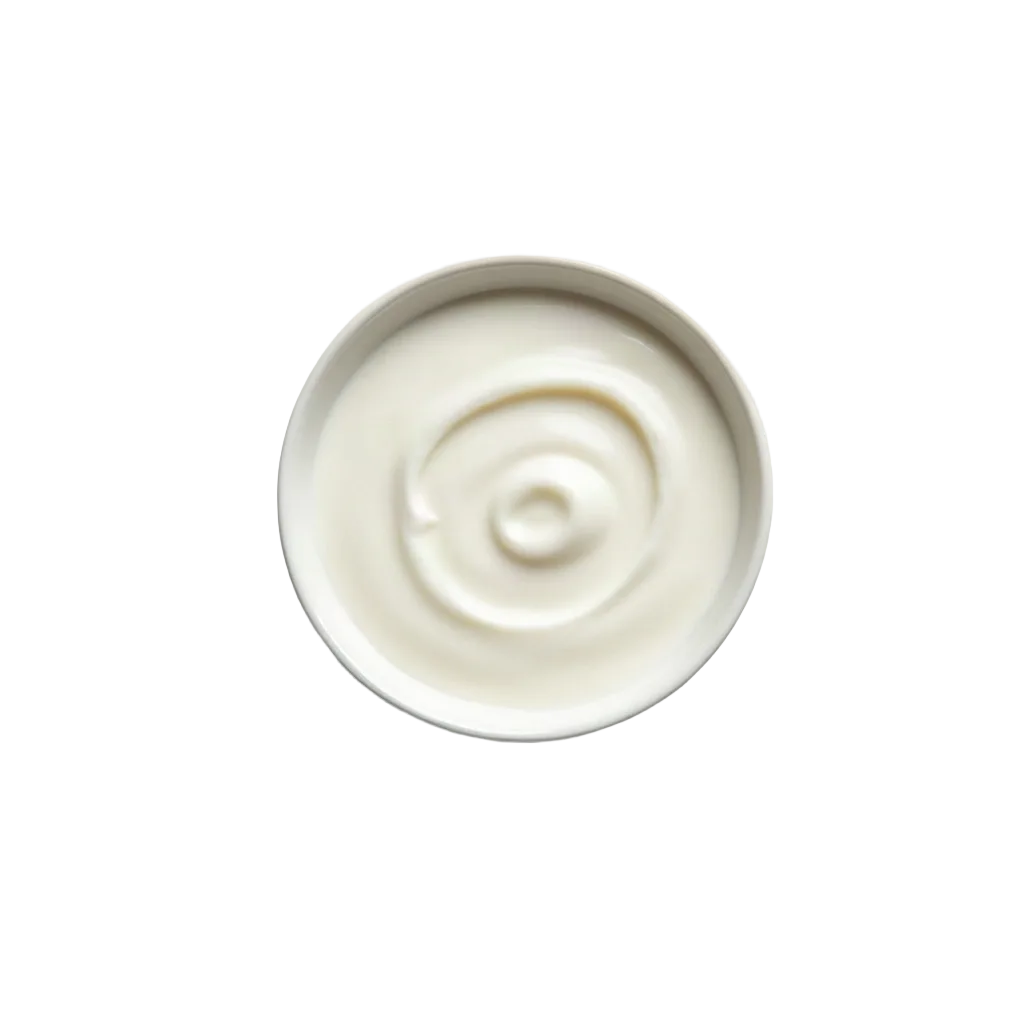 Yoghurt
pH 4.4 · splits above 85 °C
Dairy: it brings creaminess, protein and calcium.
Temper it with a few spoons of the hot liquid before it goes in; added straight, it splits.
Ri
Yoghurt
pH 4.4 · splits above 85 °C
Dairy: it brings creaminess, protein and calcium.
Temper it with a few spoons of the hot liquid before it goes in; added straight, it splits.
Ri
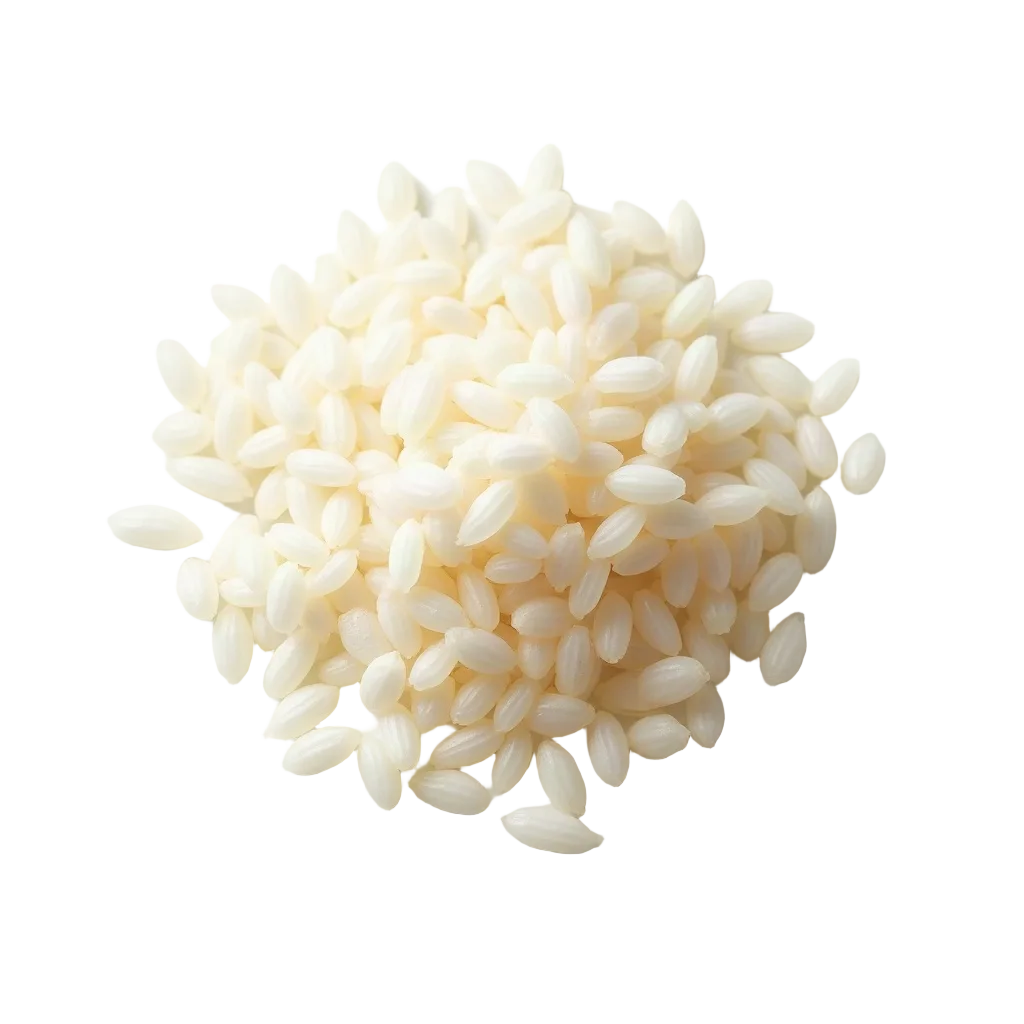 Rice
Amylose 20–25% · grains stay separate
Gives body: the bulk of the plate and its starch.
Rinsing takes off the loose surface starch; unwashed rice glues itself together.
Fl
Rice
Amylose 20–25% · grains stay separate
Gives body: the bulk of the plate and its starch.
Rinsing takes off the loose surface starch; unwashed rice glues itself together.
Fl
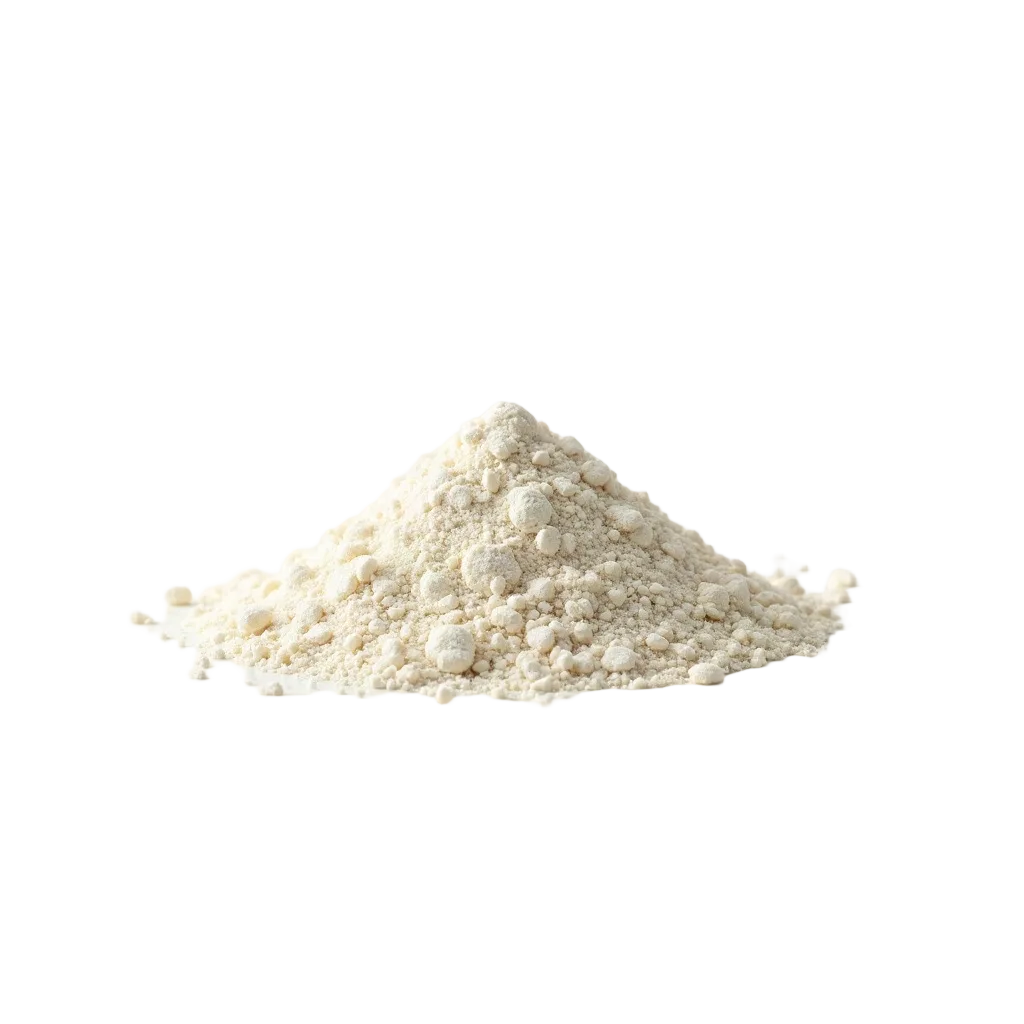 Flour
Protein 10–12% · builds gluten
Binds: it builds the structure and holds the water.
Sifting does not remove lumps, it aerates: the same weight takes more space. Weigh it, never scoop it.
Eg
Flour
Protein 10–12% · builds gluten
Binds: it builds the structure and holds the water.
Sifting does not remove lumps, it aerates: the same weight takes more space. Weigh it, never scoop it.
Eg
 Egg
White 62 °C · yolk 65 °C
Gives body: the bulk of the plate and its starch.
Crack it on a flat surface, not the rim of the bowl: a sharp edge drives shell into the egg.
Bt
Egg
White 62 °C · yolk 65 °C
Gives body: the bulk of the plate and its starch.
Crack it on a flat surface, not the rim of the bowl: a sharp edge drives shell into the egg.
Bt
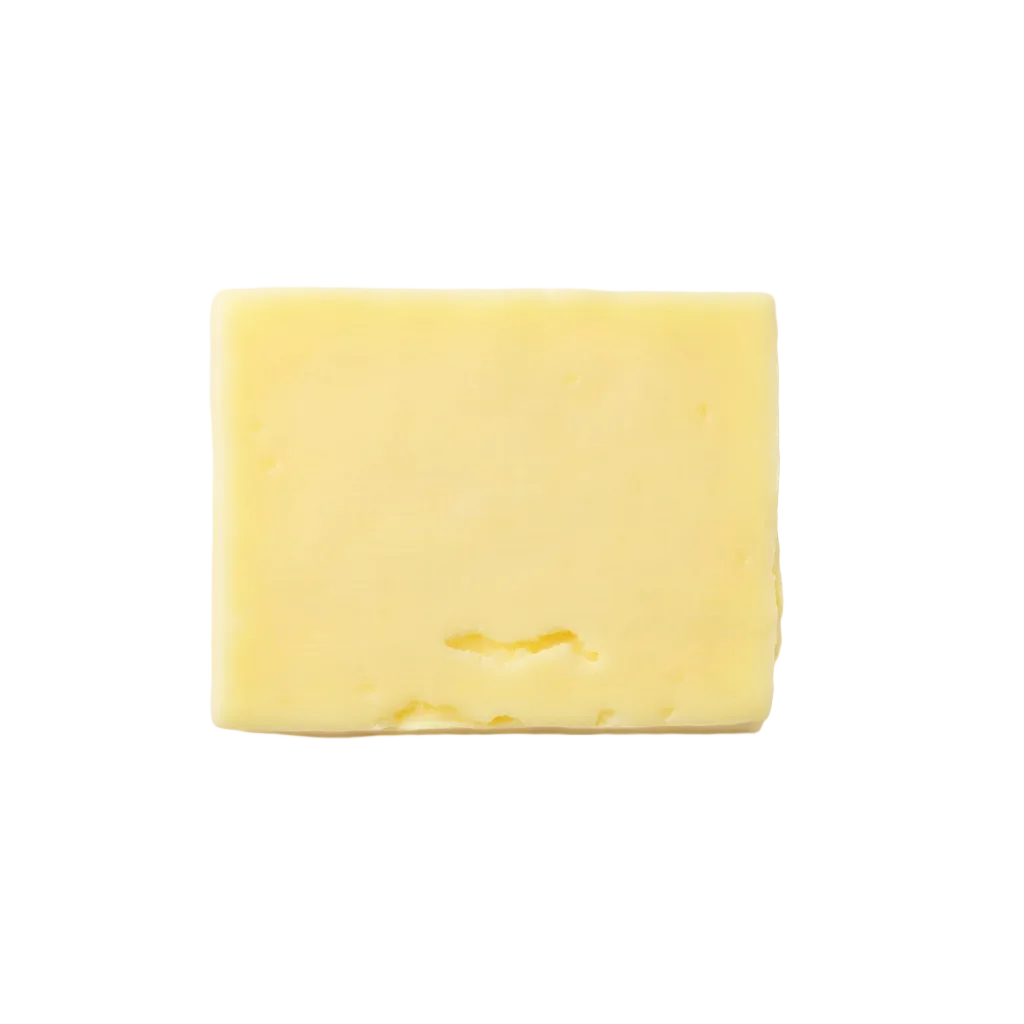 Butter
Smoke point 150 °C · milk solids burn
Fat: it carries the aroma and softens the texture.
Add a spoon of neutral oil alongside it: the mix survives a higher temperature before the solids burn.
Mi
Butter
Smoke point 150 °C · milk solids burn
Fat: it carries the aroma and softens the texture.
Add a spoon of neutral oil alongside it: the mix survives a higher temperature before the solids burn.
Mi
 Mint
Menthol is volatile · add off the heat
Spice: it adds aroma and edge.
Fresh mint goes in off the heat; dried mint is bloomed in fat. They are not the same job.
Sa2
Mint
Menthol is volatile · add off the heat
Spice: it adds aroma and edge.
Fresh mint goes in off the heat; dried mint is bloomed in fat. They are not the same job.
Sa2
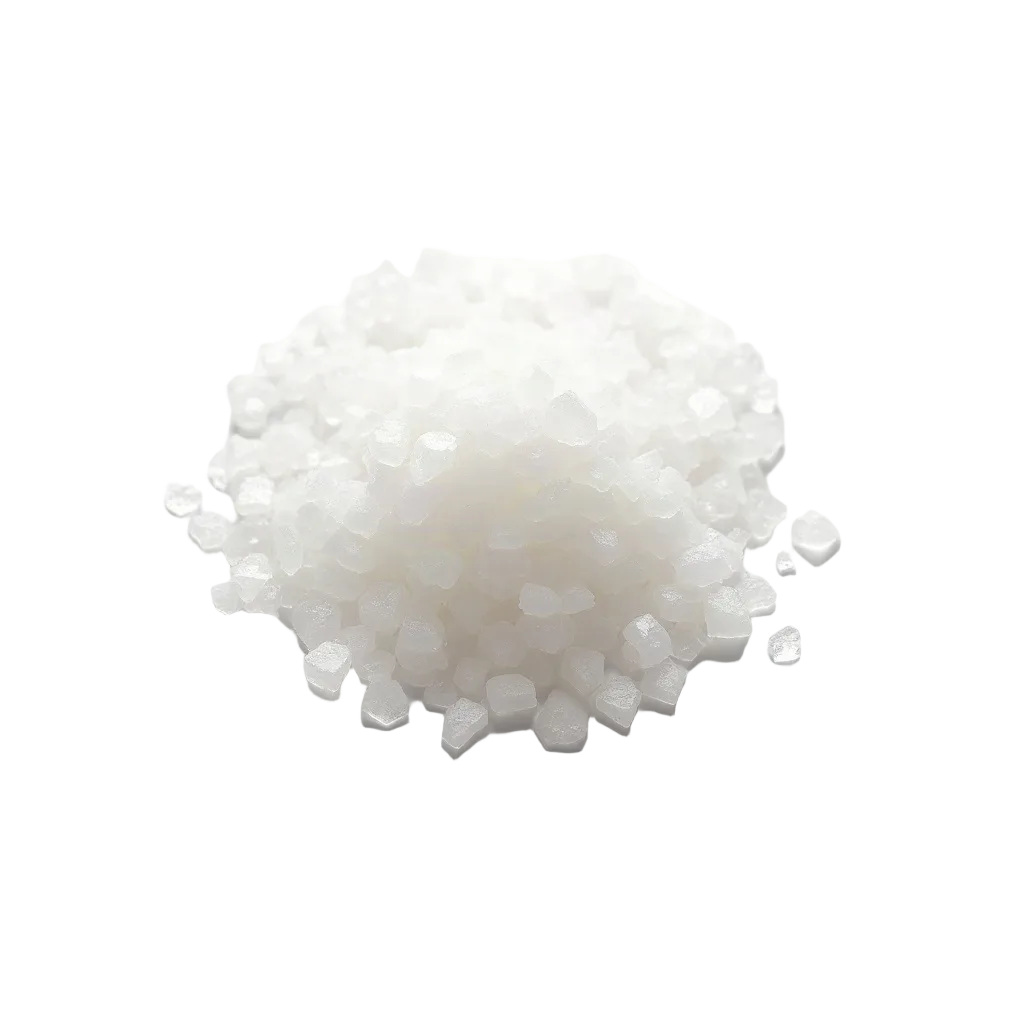 Salt
0.8–1.5% of the weight of the food
Seasoning: it sets the perception and balances the salt.
0.8–1.5% of the weight of the food. Coarse and fine salt do not weigh the same by the spoon, so weigh it.
Salt
0.8–1.5% of the weight of the food
Seasoning: it sets the perception and balances the salt.
0.8–1.5% of the weight of the food. Coarse and fine salt do not weigh the same by the spoon, so weigh it.
What it tastes like
No axis sits clearly above the average: a balanced dish without a sharp character.
This profile is computed rather than measured: the role-weighted average of its ingredients’ taste vectors, shifted by what the cooking does. The thin line is the database average on that axis.
How it is made
-
Simmer the rice in plenty of water for twenty minutes, until the grains soften.
-
In a separate bowl whisk the yoghurt, flour and egg yolk together until perfectly smooth.
Why Flour starch gets between the casein micelles and stops them clumping under heat: that is the whole of terbiye. -
Temper the mixture by whisking in a ladle of the hot liquid, three times over.
Why Closing the temperature gap in stages keeps the protein from being shocked into curdling. -
Pour it back into the pan and hold it just below the boil, stirring constantly. Never let it boil.
Why Above 85 °C the casein sets and the soup turns grainy; terbiye delays that, it does not prevent it forever. -
Bloom dried mint in butter for a few seconds and pour it over the soup.
Why Mint’s aroma compounds are fat-soluble: boiled in water, the mint gives the soup nothing.
Where it comes from
Yayla means the summer highland pasture, tying the soup to transhumant herding where yoghurt was the daily surplus. The same soup is made in Turkey, Iraq, Syria and Iran.