

Cold
The technique where nothing is cooked. That does not make it the absence of technique: cold changes how flavour is perceived, and a recipe is balanced around that.
The mechanism
Aroma reaches the nose by evaporating, and evaporation depends on temperature: a cold dish releases less smell and therefore reads as less flavoured. Taste buds slow down too — sweet and salty drop markedly while bitterness and acidity come forward. That is why a dish meant to be served cold tastes over-salted when sampled hot. The salt in ayran, the garlic in cacık and the sumac in cold ayran aşı are all set high to cover that loss.
The thresholds that define it
“Medium heat” is not a technique. Every line below is a point where something starts or stops.
- 4 °C The fridge. Where flavour perception is most suppressed.
- 10–14 °C The real serving band for yoghurt meze: ten minutes out of the fridge gets you there.
- 5 °C The cold-chain line. A yoghurt dish should not sit above it for more than two hours.
How to read it by hand
Taste it ten minutes out of the fridge, not straight away. Salt that reads right when it is ice cold will read thin at the table.
The three mistakes people make
01 It went flat in the fridge ⌄
Why
Cold suppresses aroma, and volatile ones like garlic and mint fade with time anyway.
What to do
Add the fresh herb and the garlic before serving, not hours ahead.
02 The cacık watered out ⌄
Why
The cucumber met salt, gave up its water osmotically and left it in the bowl.
What to do
Grate the cucumber, salt it for ten minutes, squeeze it out, then fold it into the yoghurt.
Where it comes from
Serving cold was solved in Anatolia long before refrigeration, with snow wells: snow packed in winter, insulated with straw and earth, and kept into summer to chill sherbet and ayran. It is also why cold ayran aşı deserves its own record — it shares its ingredients with the hot version and shares none of its technique, because nothing is heated at all.
Dishes cooked this way
Ayran
Yoghurt let down with water and salted. Turkey’s national drink, and really yoghurt made portable: on the move it both slowed spoilage in heat and rep…
Cacık
A Turkish mezze of yoghurt, cucumber, garlic, salt, water and olive oil. A hot-weather dish whose consistency runs from thick enough to spoon to loose…
Cold ayran soup
It deserves its own record because the technique is categorically different: nothing is heated. Boiled and cooled chickpeas and wheat are stirred into…
Giving the heat another way
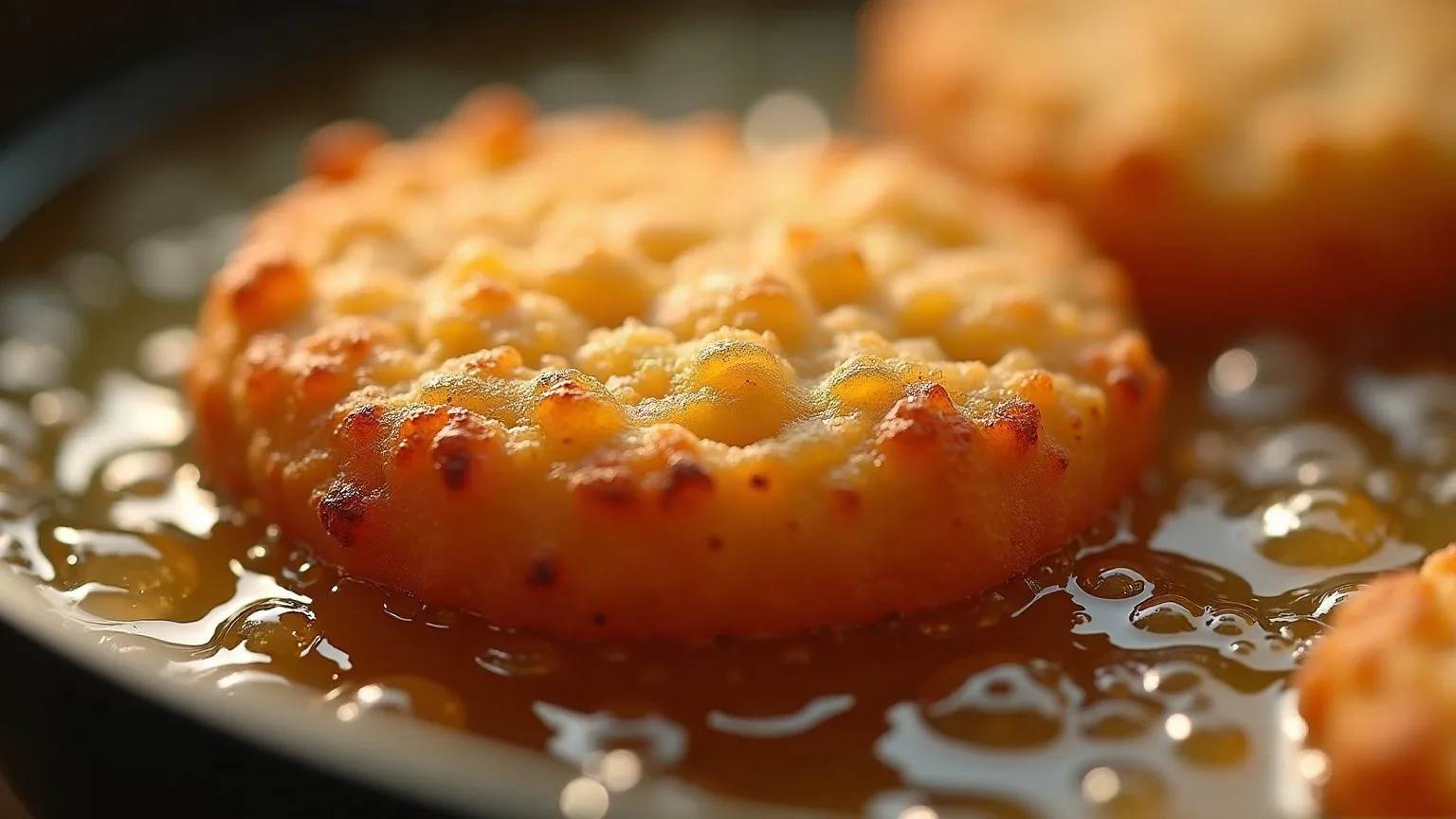
Deep frying
Surface water flashes to steam and pushes outward — that is the shield keeping oil out. Cold oil never builds it, and the food drinks the fat instead.

The oven
Air carries heat badly, so a 200 °C oven does not make 200 °C food. The inside stays where water boils, at 100 °C.
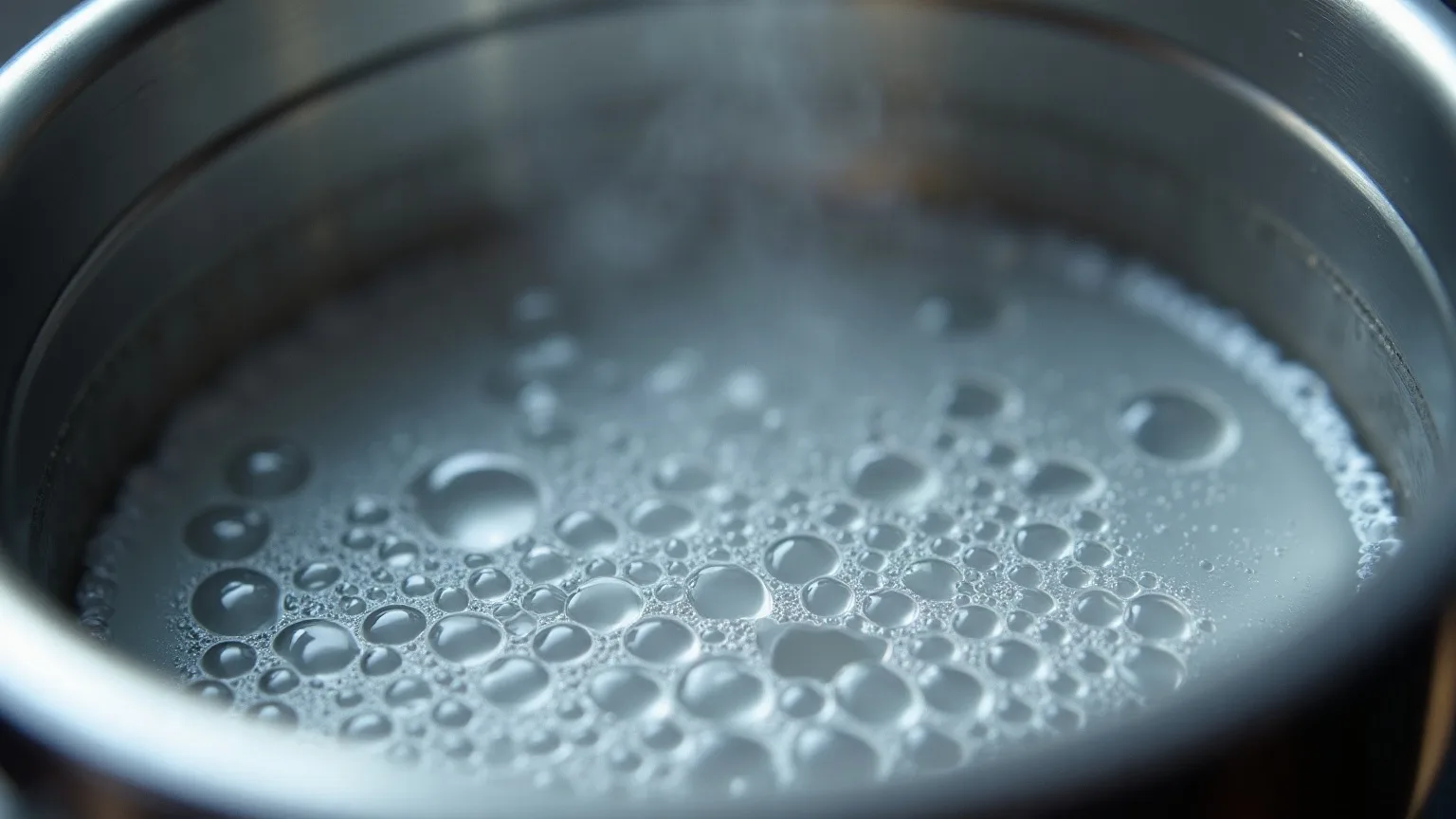
Boiling & poaching
Water cannot pass 100 °C, so turning the flame up changes nothing. Boiling is set by time and salt, not by temperature.