
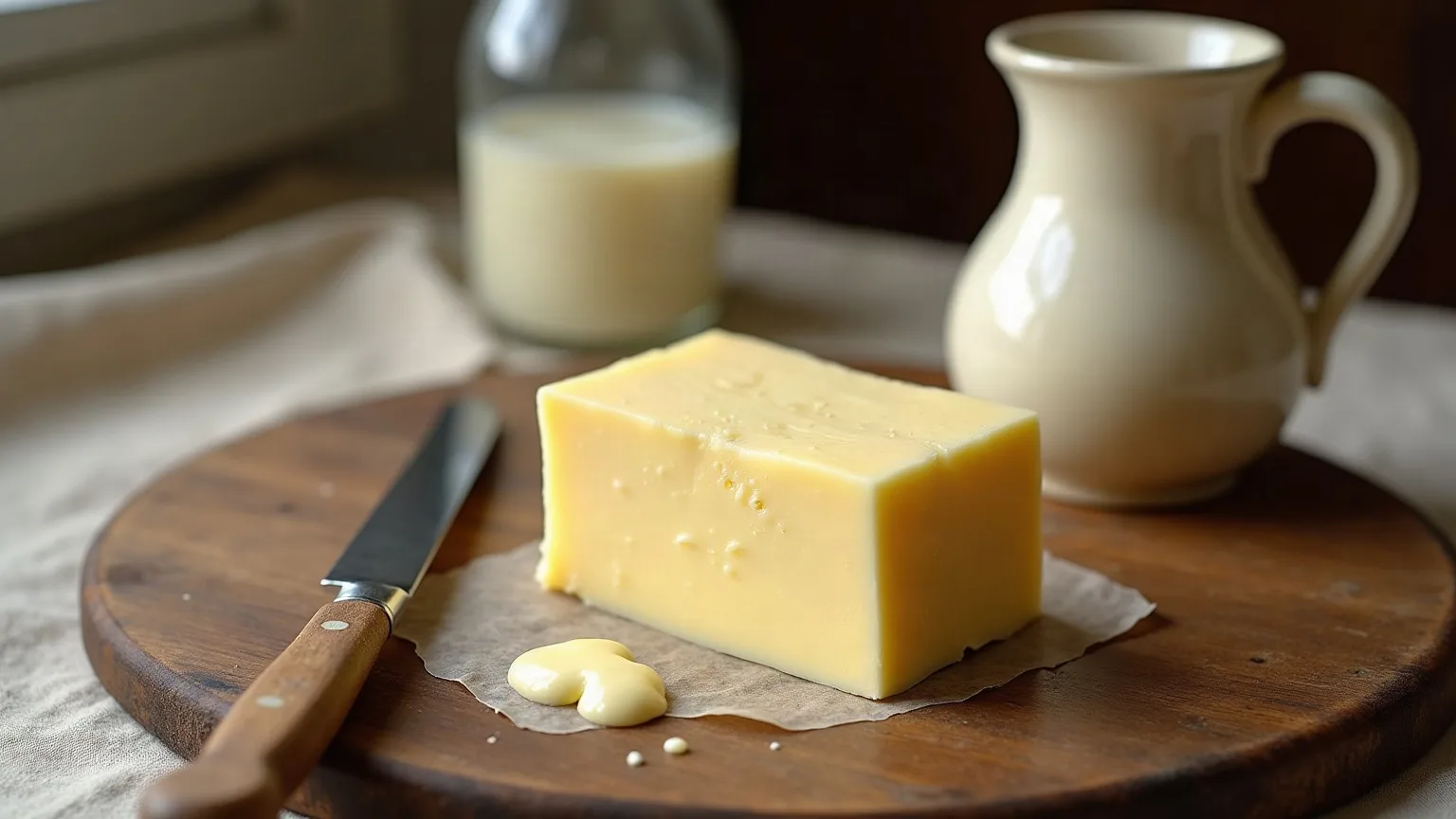
Butter
The beliefButter is assumed to be a factory product, and whatever you make at home to be something lesser.
The truthIt is whipped cream taken too far. Around the fifteenth minute it separates on its own and you have both butter and buttermilk.
How to make it
What you need
- 500 ml full-fat cream, at least 35% fat
- Iced water
- Salt, if you want it: 1–2% of the weight
How the engine read this list (3 lines)
| 500 g | Full-fat cream | cream |
| — | Iced water | water |
| — | Salt optional | salt |
An empty weight means that line could not be turned into grams — either the amount is open ("to taste") or the ingredient has no record here. Neither enters the sum as zero; they do not enter it at all.
Take the cream out and let it come to 10–14 °C — half an hour is enough. Whipped straight from the fridge it will not separate, however long you go.
Whip it. First it becomes whipped cream, then it turns grainy and dull, then all at once yellow clumps separate from a cloudy liquid. A jar and steady shaking works too; it simply takes longer.
Strain it. The liquid underneath is real buttermilk — keep it for pancakes and scones.
Work the clumps in iced water with the back of a spoon, pour the water off and repeat until it runs clear — three or four changes. Skip this and the butter turns bitter within three days.
Work in the salt now if you want it, wrap it tightly in paper and chill.
The others that work the same way
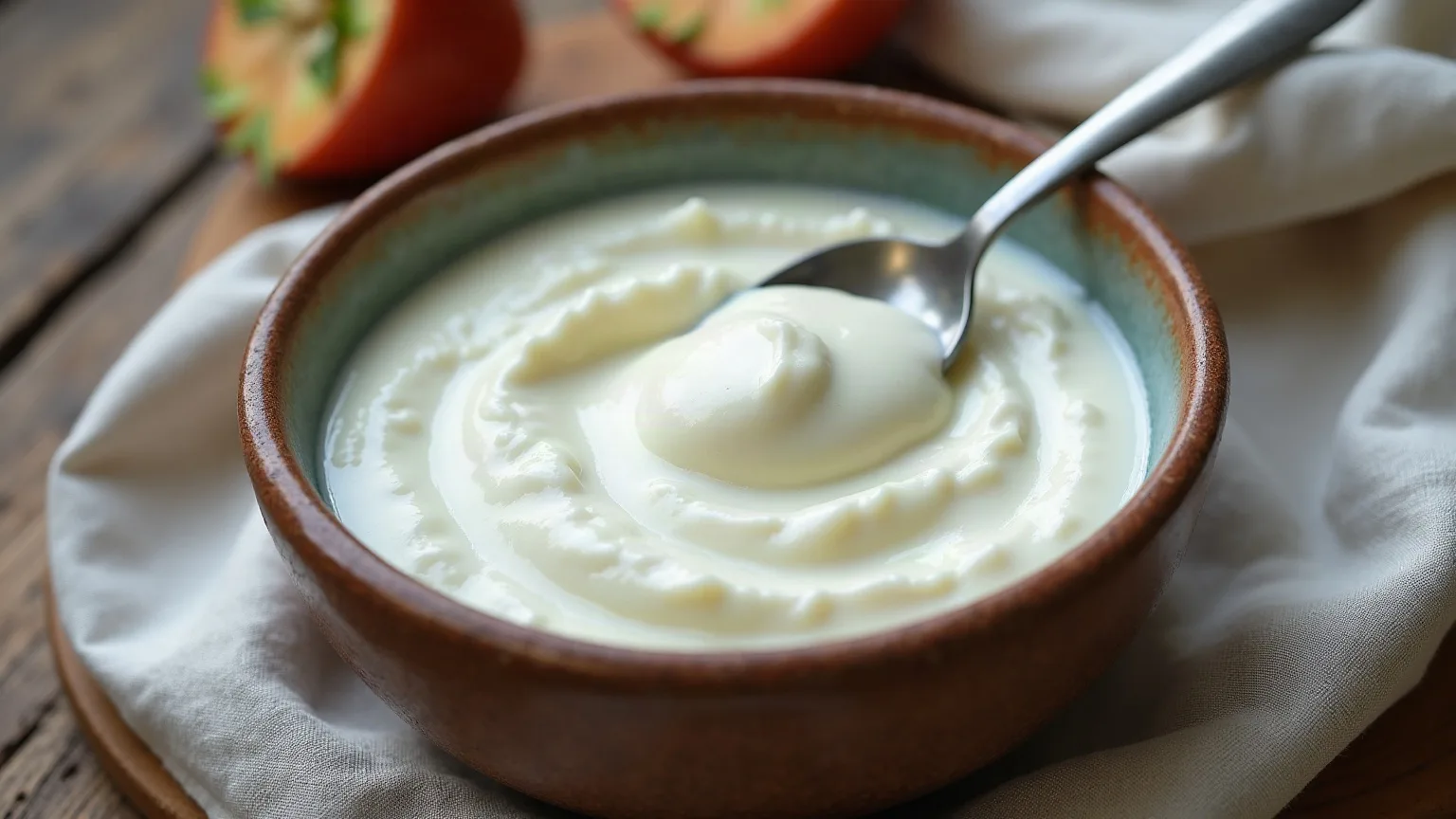
Yoghurt
The truthBesides milk you need one spoon of yoghurt. The rest is holding a temperature and waiting.
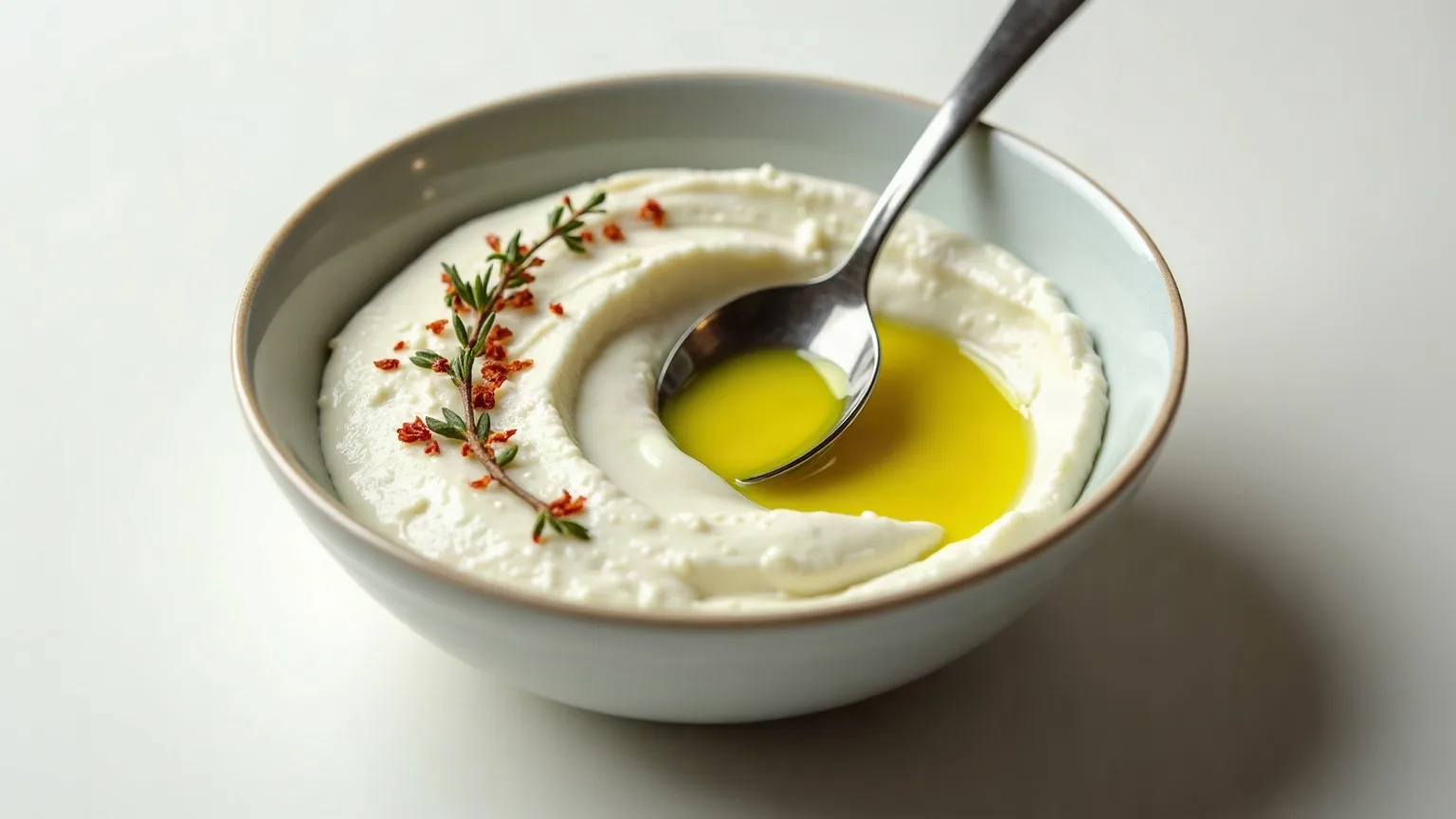
Labneh
The truthIt is strained yoghurt, and the only variable is time: six hours gives a thick yoghurt, twenty-four a cheese.
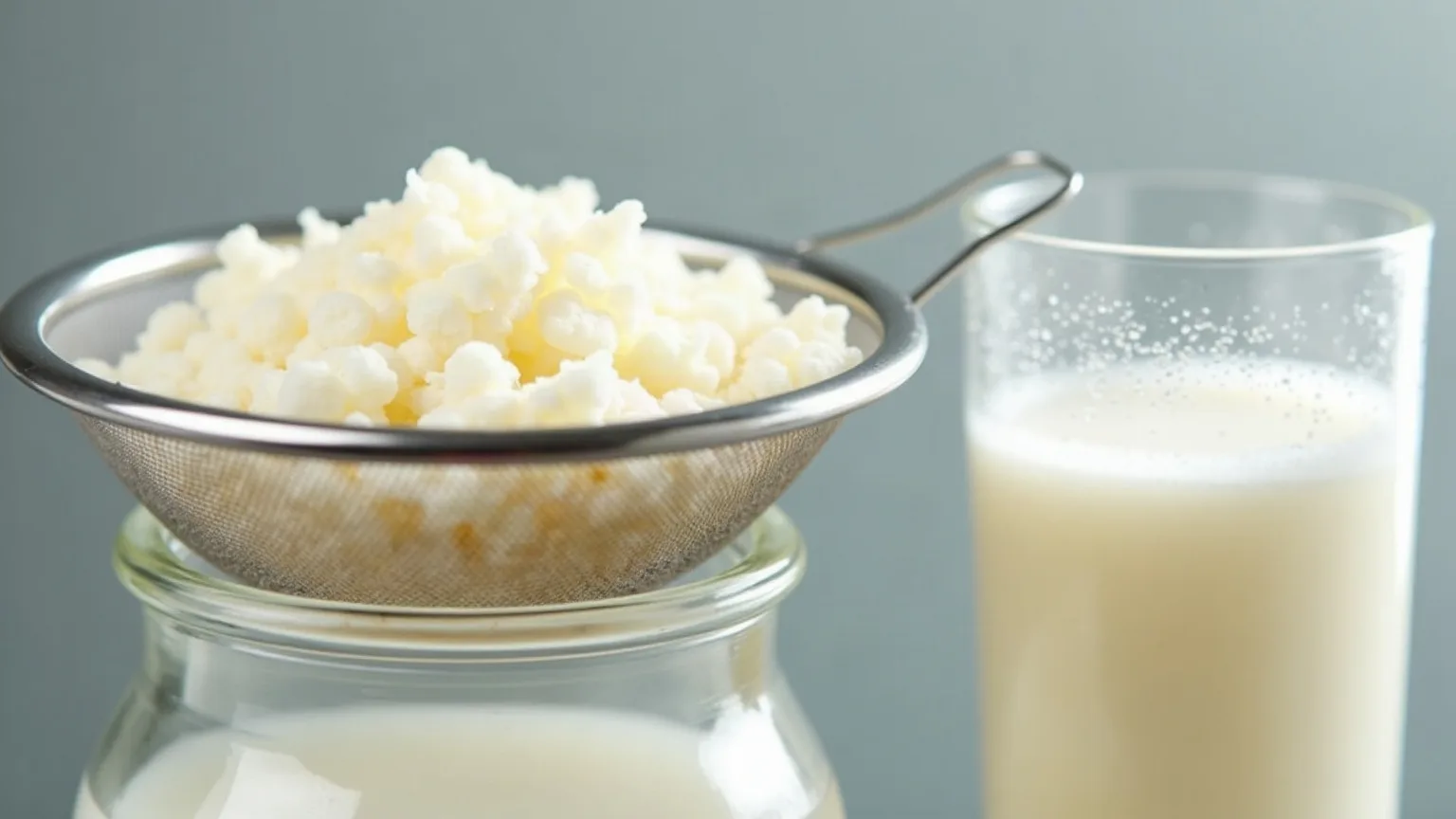
Kefir
The truthDrop the grains into milk, leave them a day at room temperature and strain. The grains come back every time.