
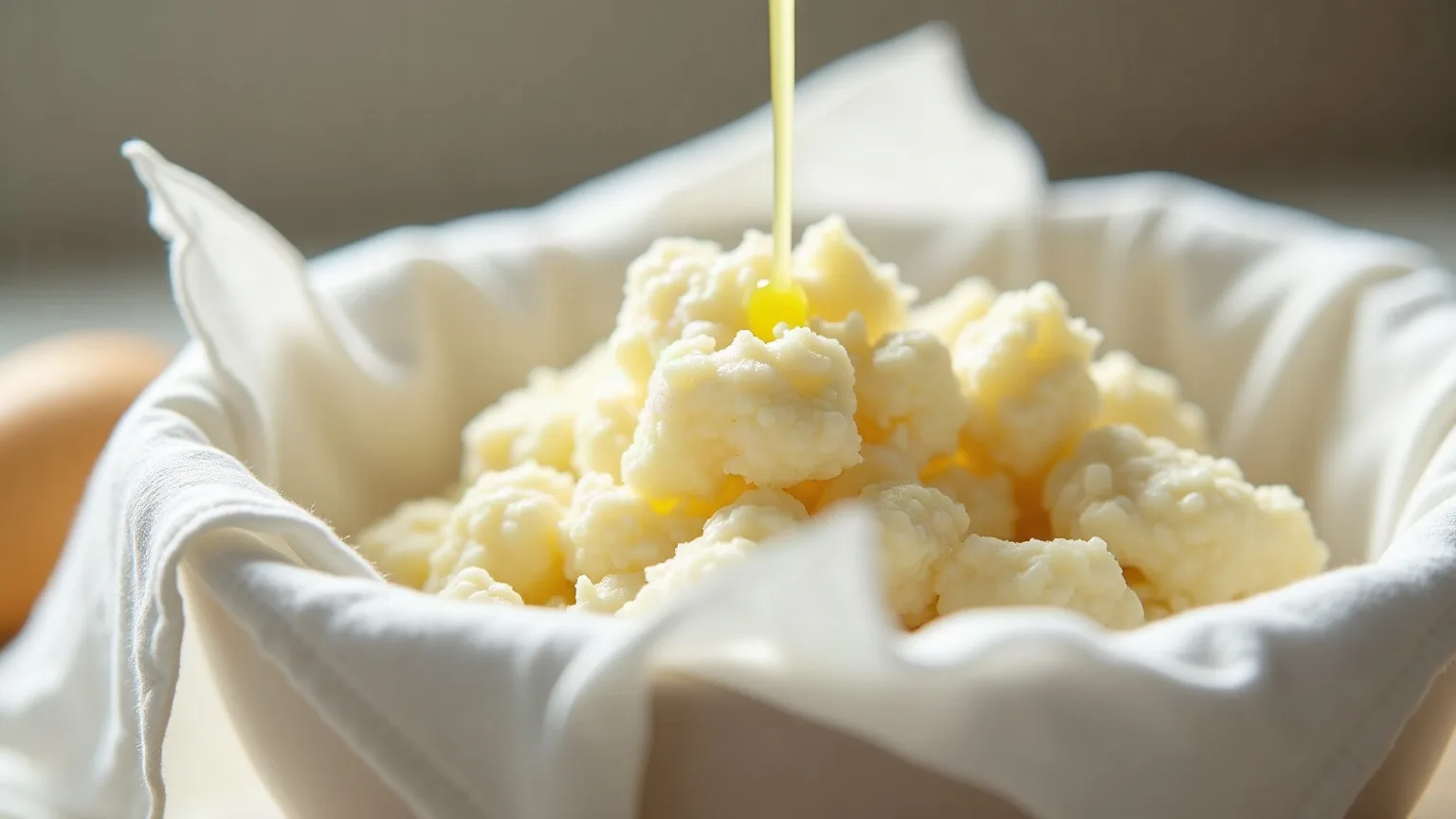
Heat-acid curdling
Cheesemaking without rennet. Curdling is an accident in a yoghurt soup; here it is the product. Heat and acid together collapse the casein, and the drained curd is çökelek.
The mechanism
Casein micelles normally carry a repelling negative charge, which is what keeps them suspended in milk. Acid neutralises it; at pH 4.6 — casein’s isoelectric point — the repulsion ends and the particles stick together. Heat speeds it and tightens the net. The difference from rennet cheese shows in the texture: rennet cuts the casein into a smooth, elastic gel, while acid collapses it into a grainy, crumbling curd. That is why çökelek crumbles and kaşar stretches.
The thresholds that define it
“Medium heat” is not a technique. Every line below is a point where something starts or stops.
- pH 4,6 Where casein collapses. No curd forms until the acid takes it below this.
- 85 °C Where the curd gathers. A disaster in a yoghurt soup, the objective here.
- 72 °C Whey protein denatures here and joins the curd, so the yield goes up.
How to read it by hand
Draw a spoon through it: when a clear greenish liquid and a white curd have visibly parted, it is there. If the liquid is still milky white, there is not enough acid.
The three mistakes people make
01 Very little curd ⌄
Why
Skimmed milk, or not enough acid. The whey is still carrying protein.
What to do
Add more acid and take it to 72 °C: the whey protein denatures too and joins the curd.
02 The curd is rubbery ⌄
Why
Too hot for too long. The protein net over-tightened.
What to do
Do not pass 85, and take it off the moment the curd gathers.
Where it comes from
Heat-acid curdling predates rennet and is probably the first cheese anybody made: soured milk brought near a fire separates on its own. In Anatolia çökelek, lor, keş and sürk are regional names for this one technique. Sürk is the most heavily spiced of the family: the curd is kneaded with pepper paste and za’atar and matured in cones.
Dishes cooked this way
Çökelek
The curd that precipitates when de-fatted ayran or churn buttermilk is heated. In some regions it is made from whey instead, so çökelek is a product c…
Antakya sürk
The most heavily spiced member of the çökelek family. The curd is kneaded with pepper paste and a broad spice battery led by wild thyme, then formed i…
Giving the heat another way
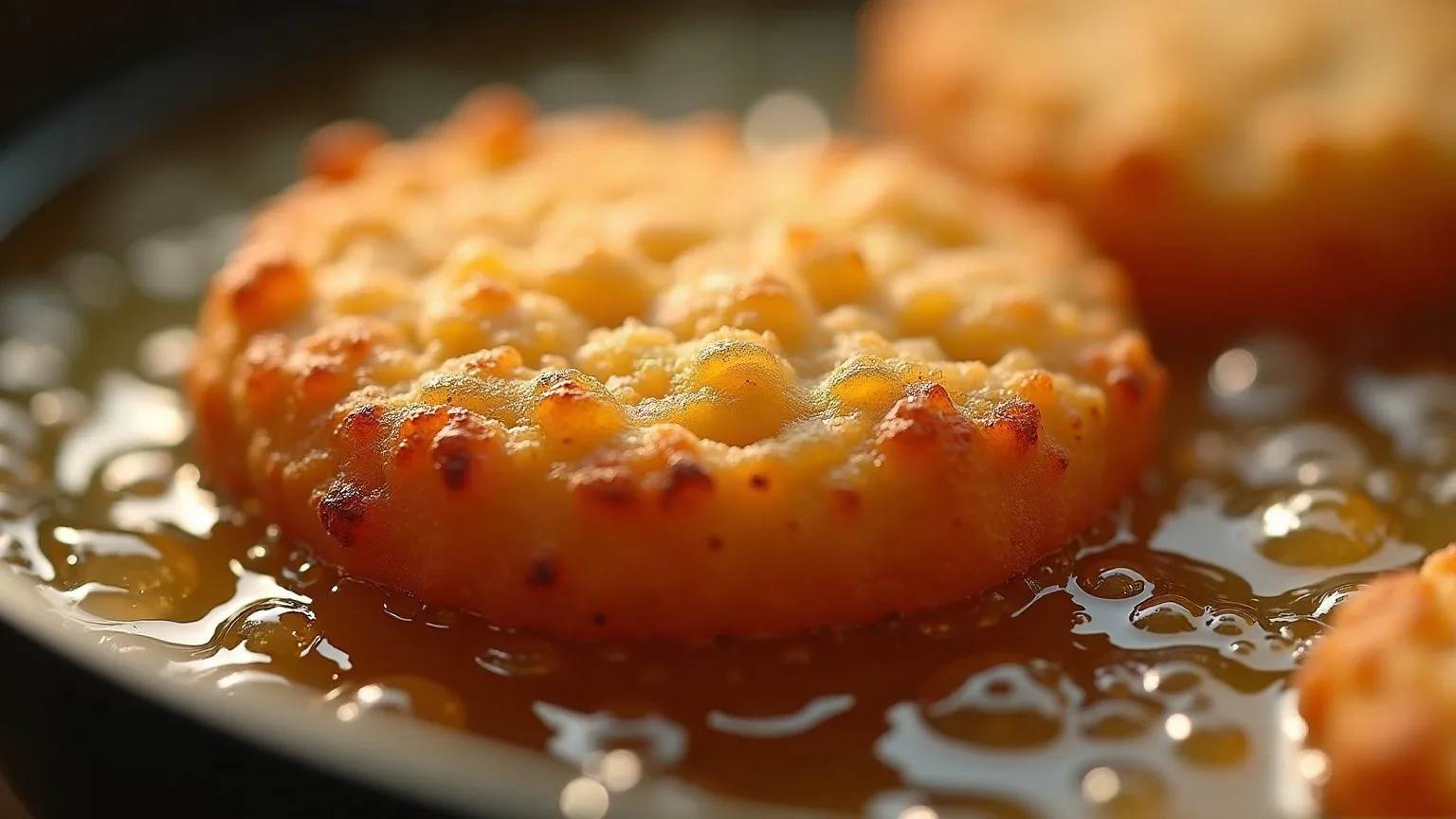
Deep frying
Surface water flashes to steam and pushes outward — that is the shield keeping oil out. Cold oil never builds it, and the food drinks the fat instead.
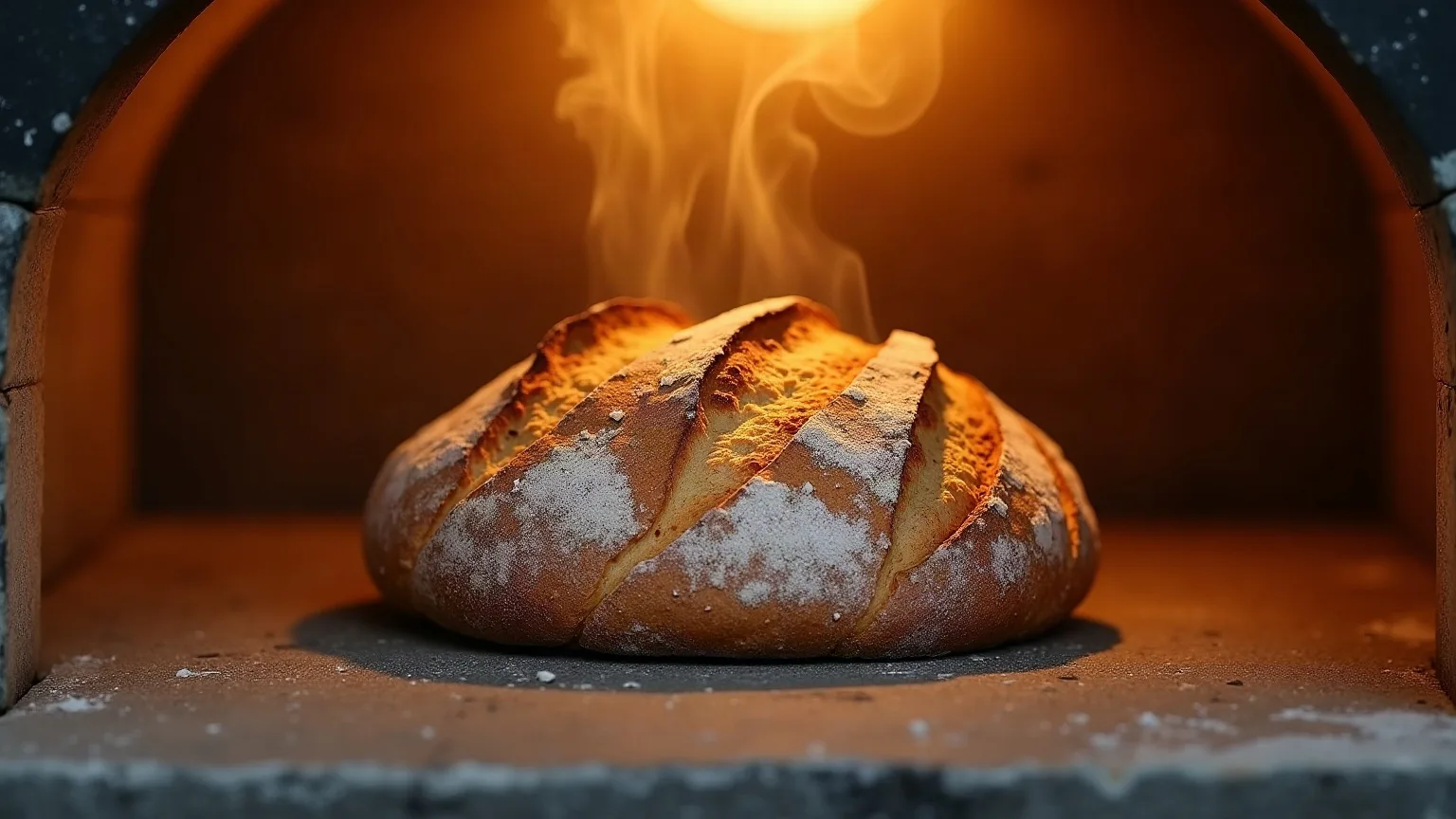
The oven
Air carries heat badly, so a 200 °C oven does not make 200 °C food. The inside stays where water boils, at 100 °C.
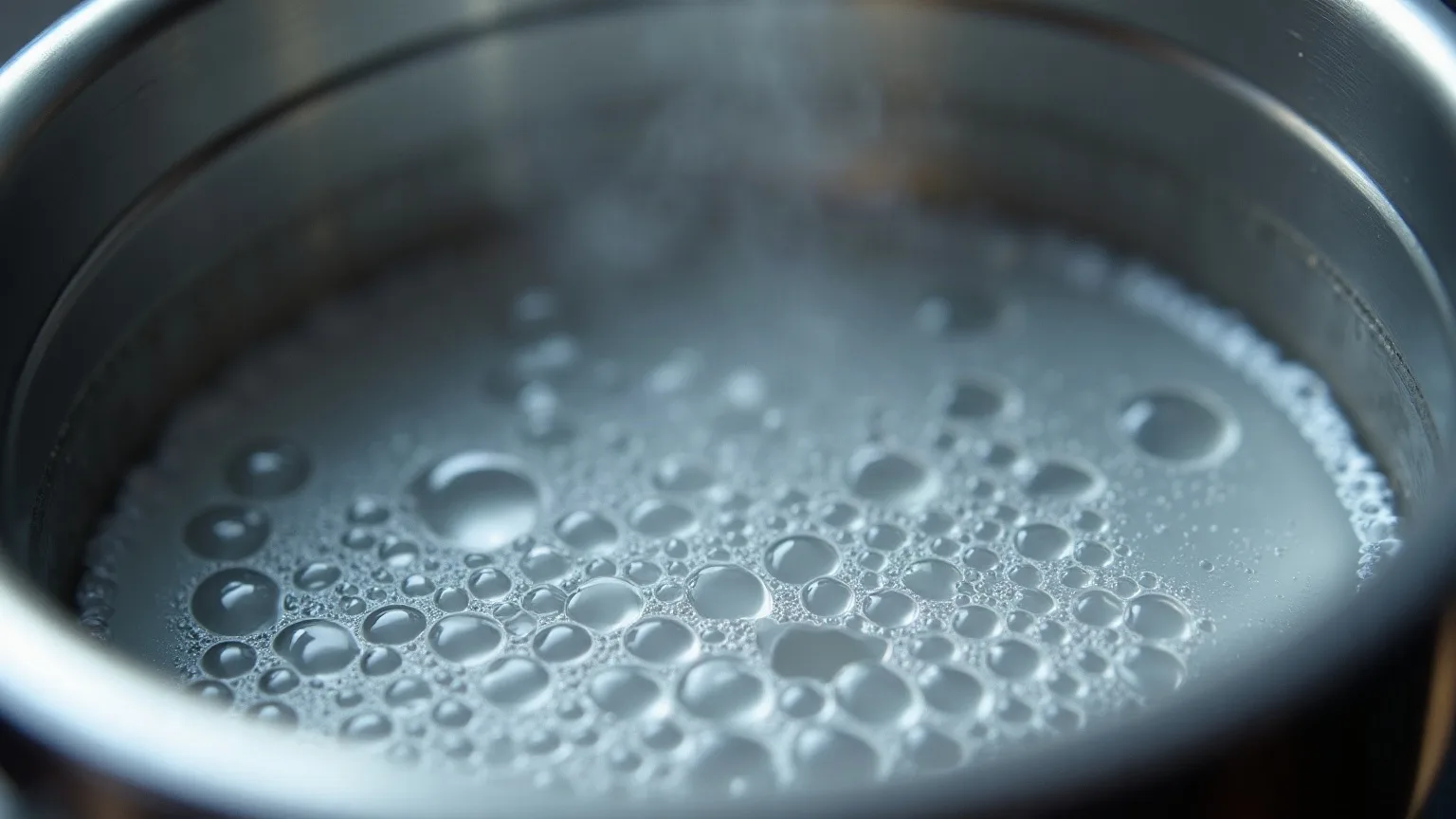
Boiling & poaching
Water cannot pass 100 °C, so turning the flame up changes nothing. Boiling is set by time and salt, not by temperature.