
The griddle
Hot metal in direct contact, with no fat. Unlike an oven the heat comes only from below and only by conduction, which is why the bread is turned and each face cooks separately.
The mechanism
Conduction moves heat far faster than the convection in an oven: the face touching the griddle passes 100 °C in seconds and the water there flashes to steam. That steam cannot escape upward, so it goes into the dough and inflates it — bazlama rises more from that sudden steam than from its yeast. Maillard starts on the contact face at the same time. The absence of fat is not incidental: even a thin film breaks the conduction and turns it into frying.
The thresholds that define it
“Medium heat” is not a technique. Every line below is a point where something starts or stops.
- 220–260 °C The griddle surface. Below it the dough dries out; above it the outside burns before the inside cooks.
- 140 °C The door to Maillard on the contact face, and where the speckled brown pattern comes from.
How to read it by hand
Scatter a pinch of flour: browning within seconds means it is ready. Blackening at once means too hot; sitting there unchanged means too cold.
The three mistakes people make
01 The bread stayed flat ⌄
Why
The griddle was not hot enough. Without the sudden steam there is no pressure to inflate the dough.
What to do
Get the griddle properly hot and roll the dough to two centimetres, not thin.
02 Burnt outside, raw inside ⌄
Why
Too hot. The surface cooked before the heat had time to reach the middle.
What to do
Lower the heat and turn it more often. Every turn buys time for heat to travel inward.
- Maillard
- Protein meeting sugar above 140 °C to produce crust, colour and that roasted smell.
Where it comes from
The sac is Anatolia’s portable oven: how you make bread where an oven cannot be built. In nomadic life a sheet of metal and three stones were enough. Bazlama, yufka, gözleme and sacarası are the same tool at different dough thicknesses, and thickness is the only thing that separates them.
Giving the heat another way
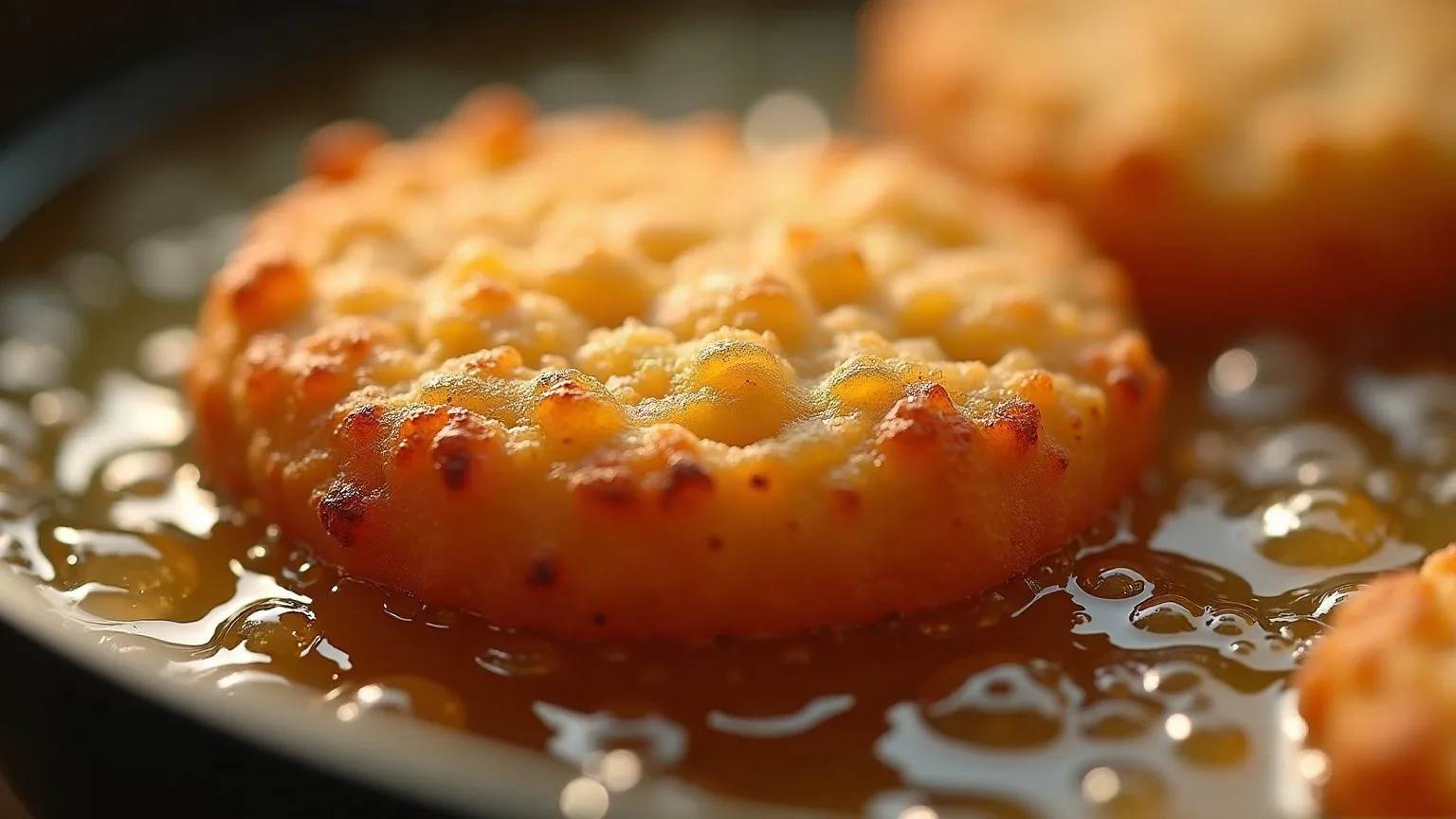
Deep frying
Surface water flashes to steam and pushes outward — that is the shield keeping oil out. Cold oil never builds it, and the food drinks the fat instead.
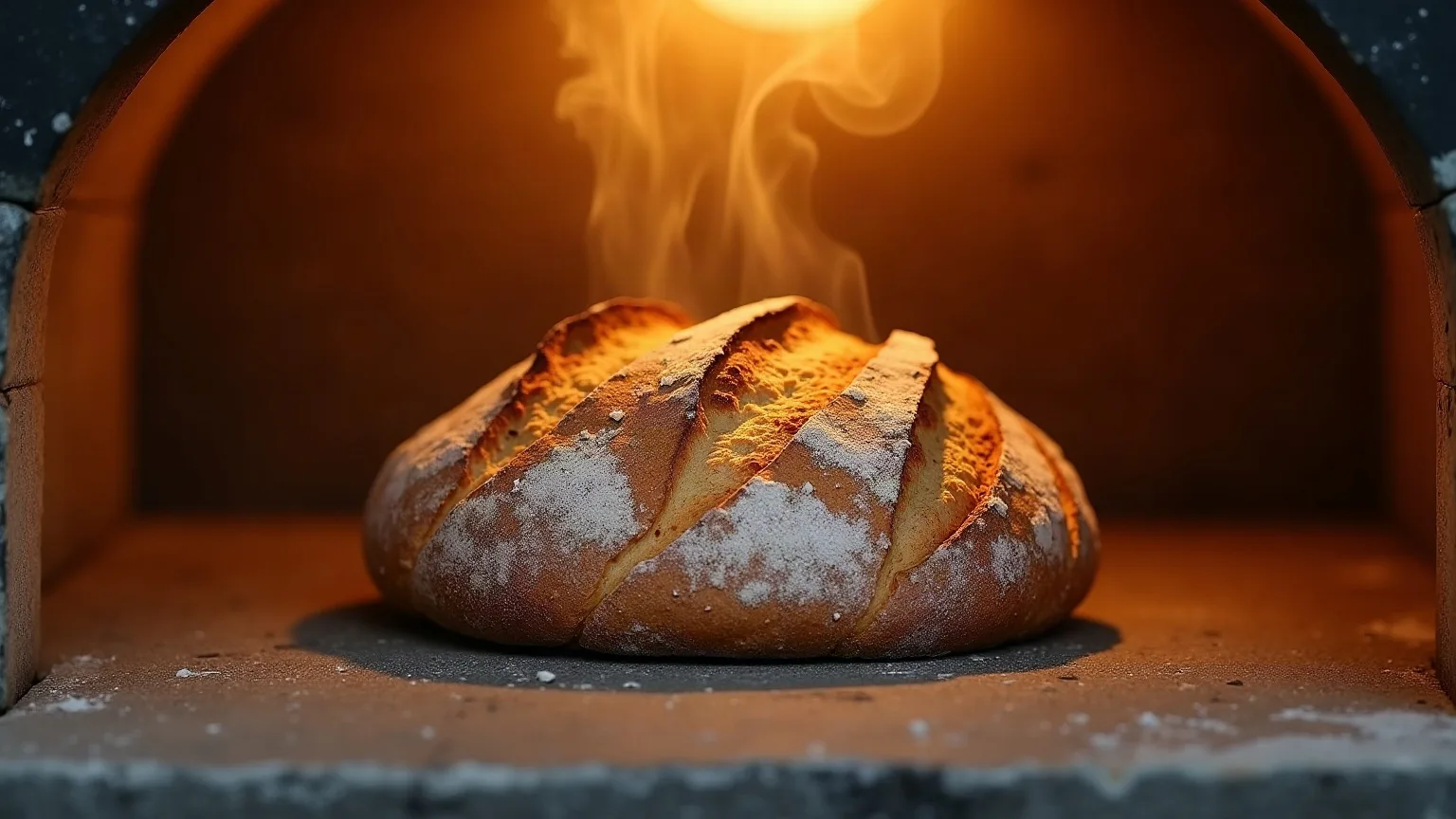
The oven
Air carries heat badly, so a 200 °C oven does not make 200 °C food. The inside stays where water boils, at 100 °C.
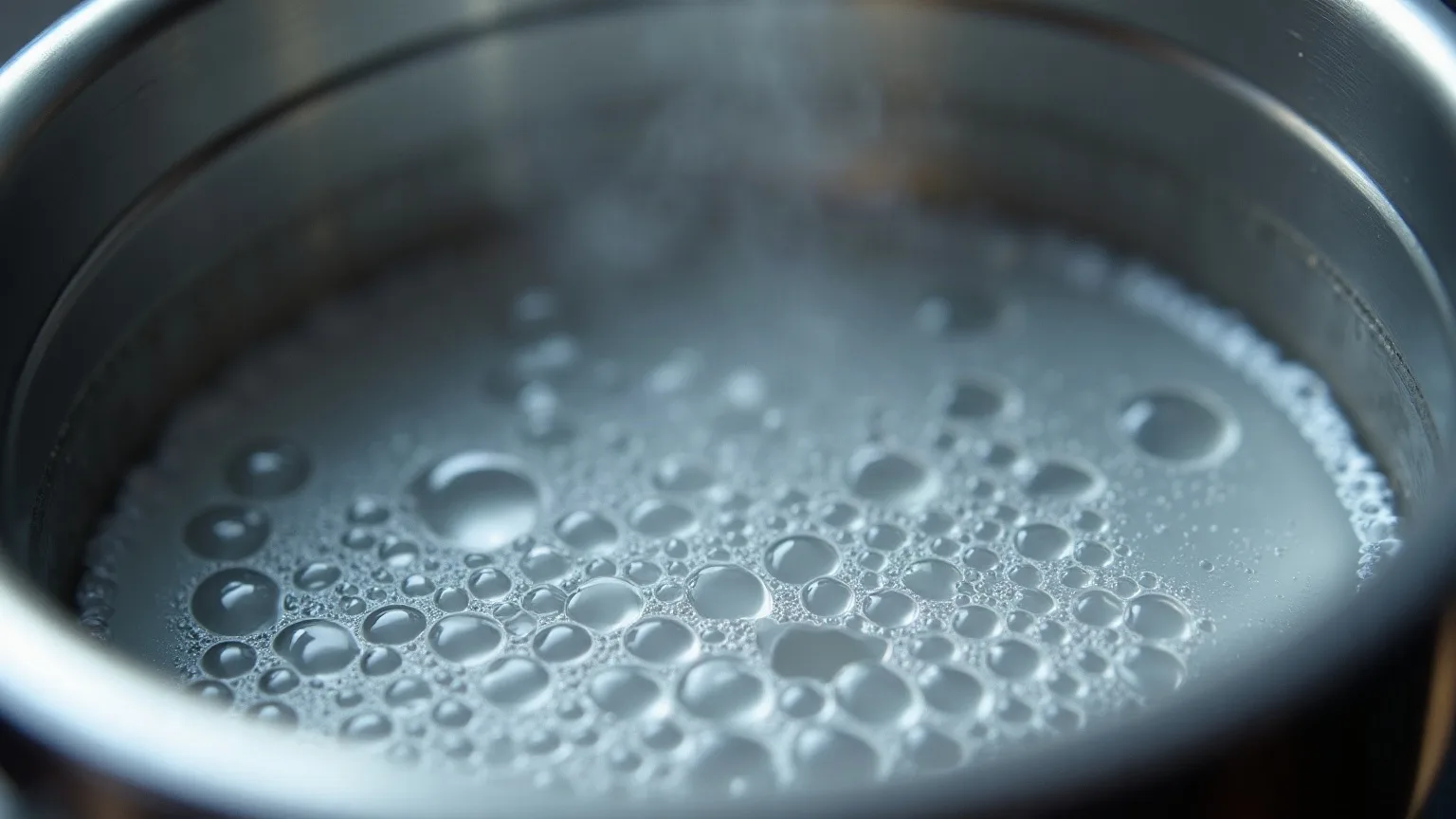
Boiling & poaching
Water cannot pass 100 °C, so turning the flame up changes nothing. Boiling is set by time and salt, not by temperature.