
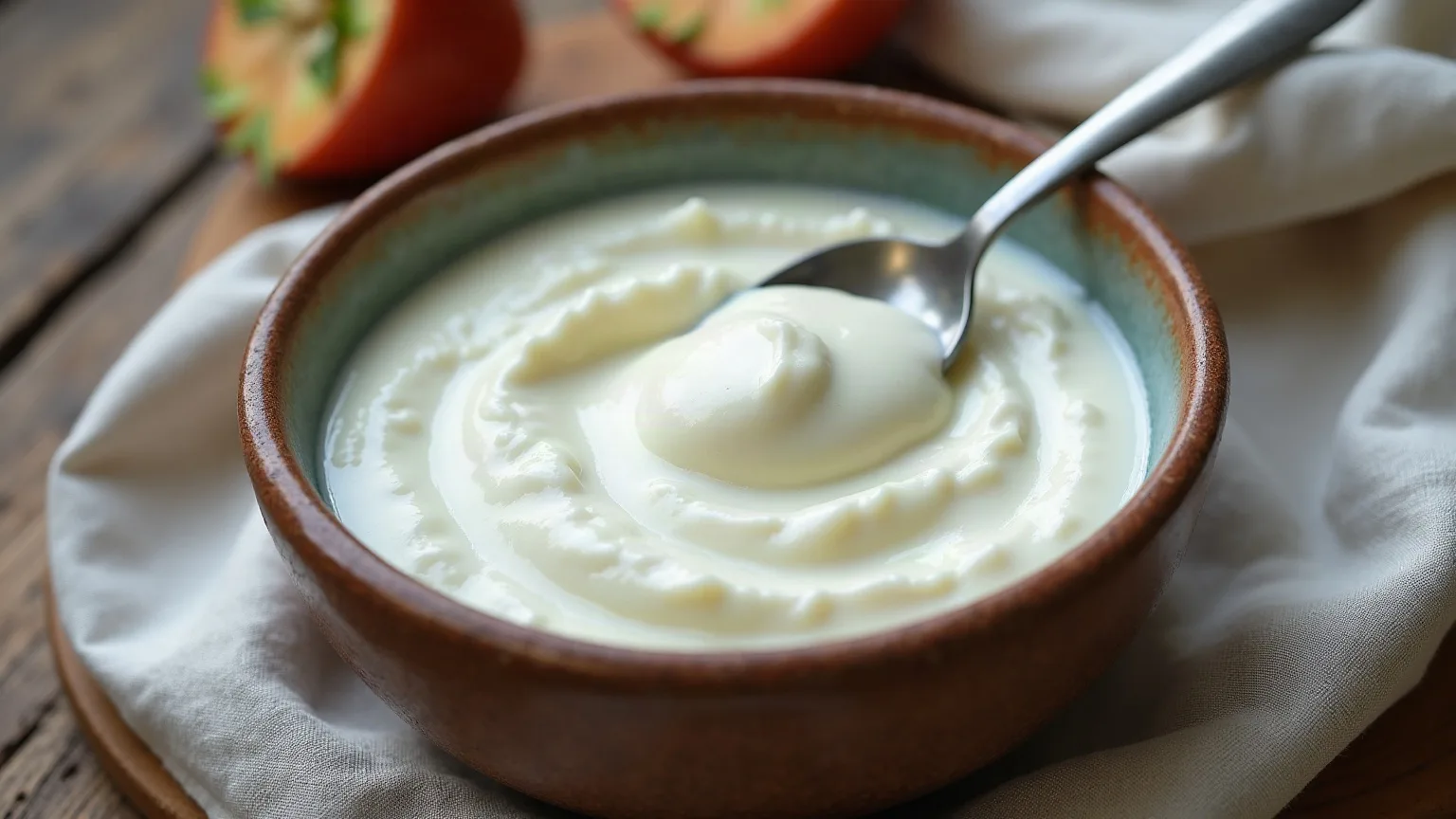
Yoghurt
The beliefPeople treat culturing yoghurt as a craft, and blame their hands when it fails.
The truthBesides milk you need one spoon of yoghurt. The rest is holding a temperature and waiting.
How to make it
What you need
- 1 litre whole milk
- 1 tablespoon of live yoghurt
How the engine read this list (2 lines)
| 1030 g | Whole milk | milk |
| 15 g | Live yoghurt | yoghurt |
An empty weight means that line could not be turned into grams — either the amount is open ("to taste") or the ingredient has no record here. Neither enters the sum as zero; they do not enter it at all.
Bring the milk to the boil and hold it there for five minutes. This is not for the culture: it clears competing bacteria and unfolds the whey proteins, which then join the gel and give you a thicker set.
Cool it to 42–45 °C. No thermometer? Dip your little finger: if you can hold it there for ten seconds it is right; if it burns, wait.
Whisk the spoon of yoghurt into a ladle of the warm milk in a separate bowl, then stir that back in. Dropping the culture straight into the pot makes it clump.
Cover it, wrap it in a thick towel and leave it completely still for 6–8 hours. A yoghurt that gets jostled cannot set and will weep.
Once set, chill it for at least four hours. The gel tightens in the cold and the flavour settles.
The others that work the same way
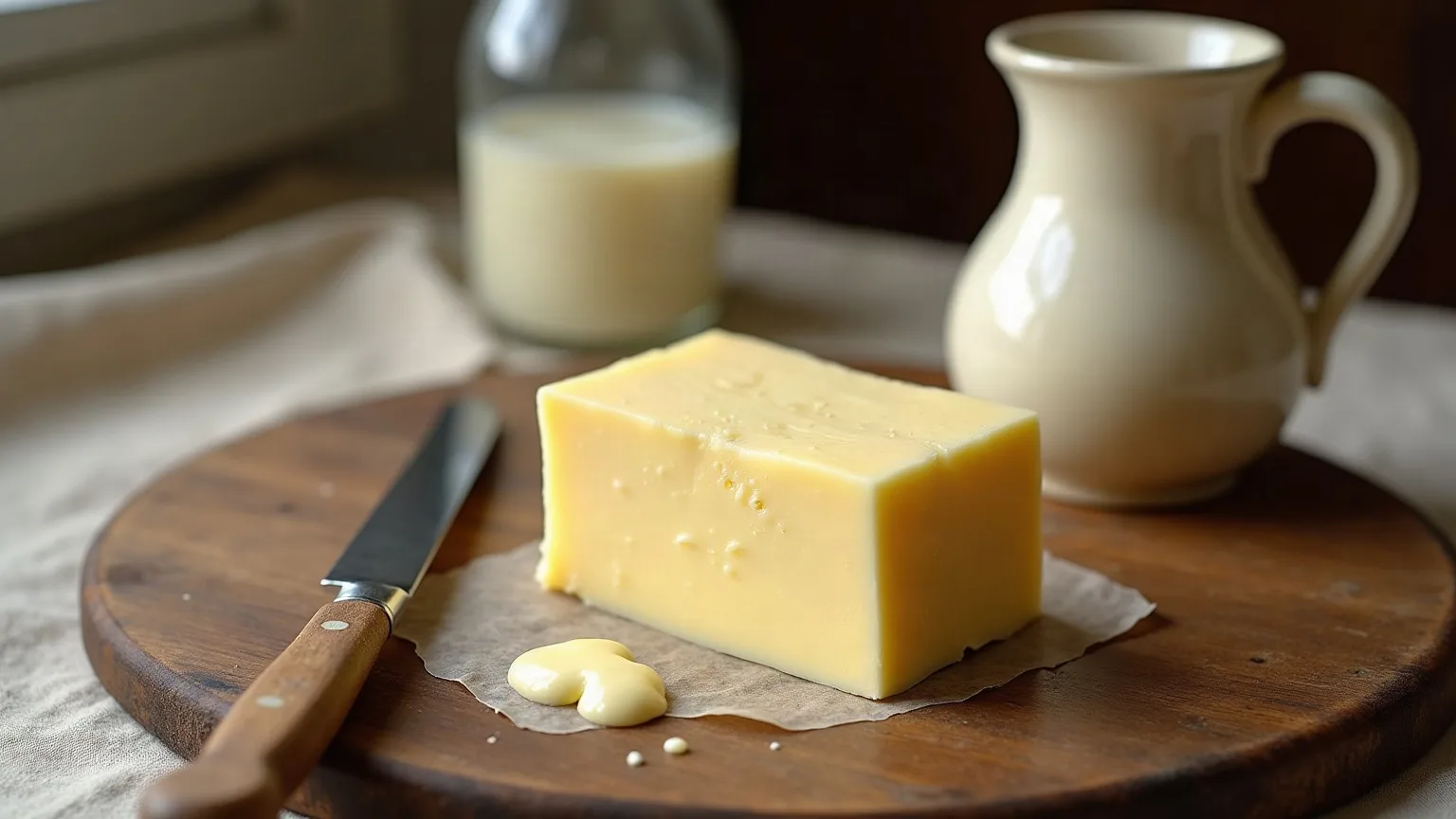
Butter
The truthIt is whipped cream taken too far. Around the fifteenth minute it separates on its own and you have both butter and buttermilk.
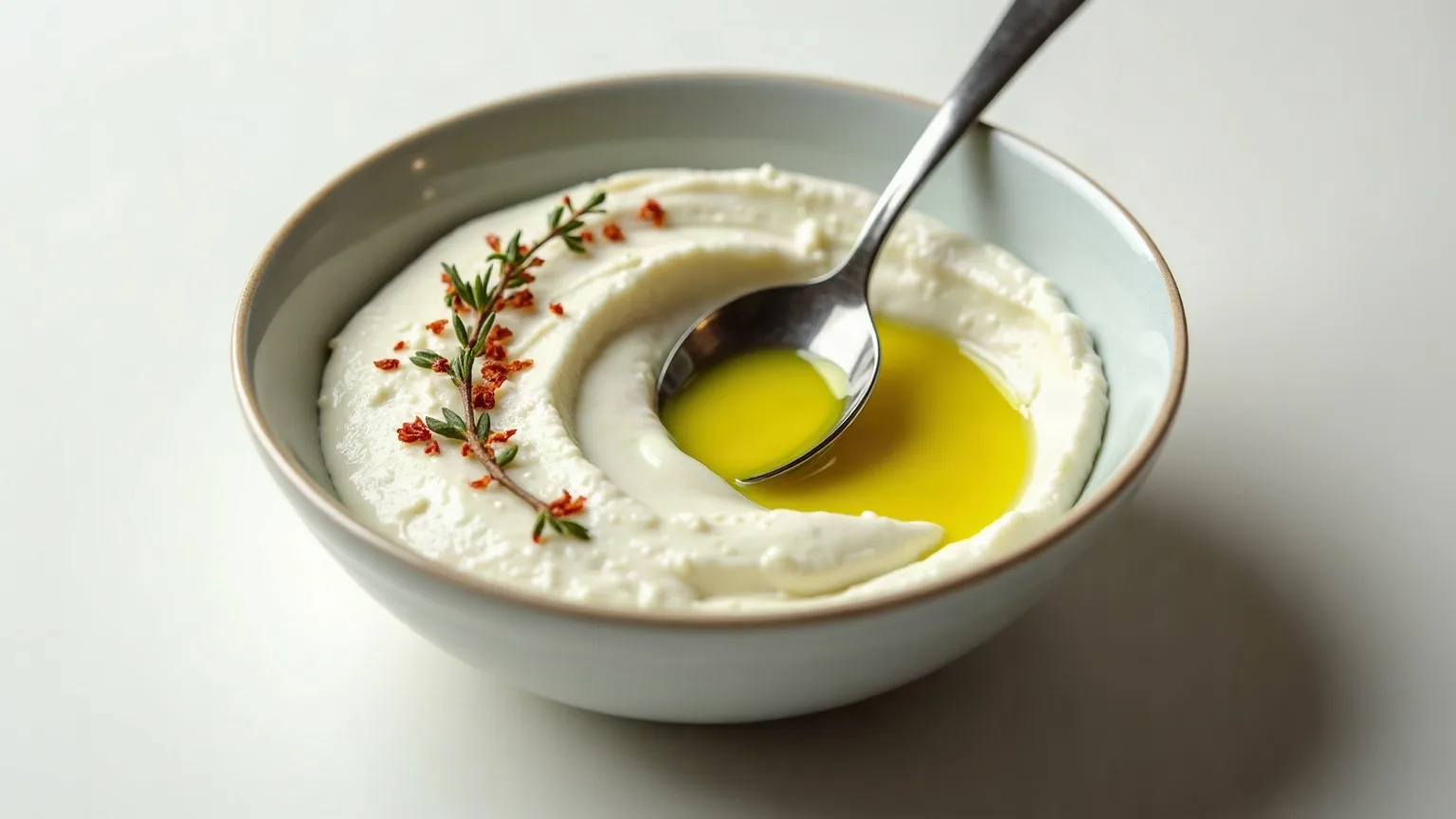
Labneh
The truthIt is strained yoghurt, and the only variable is time: six hours gives a thick yoghurt, twenty-four a cheese.
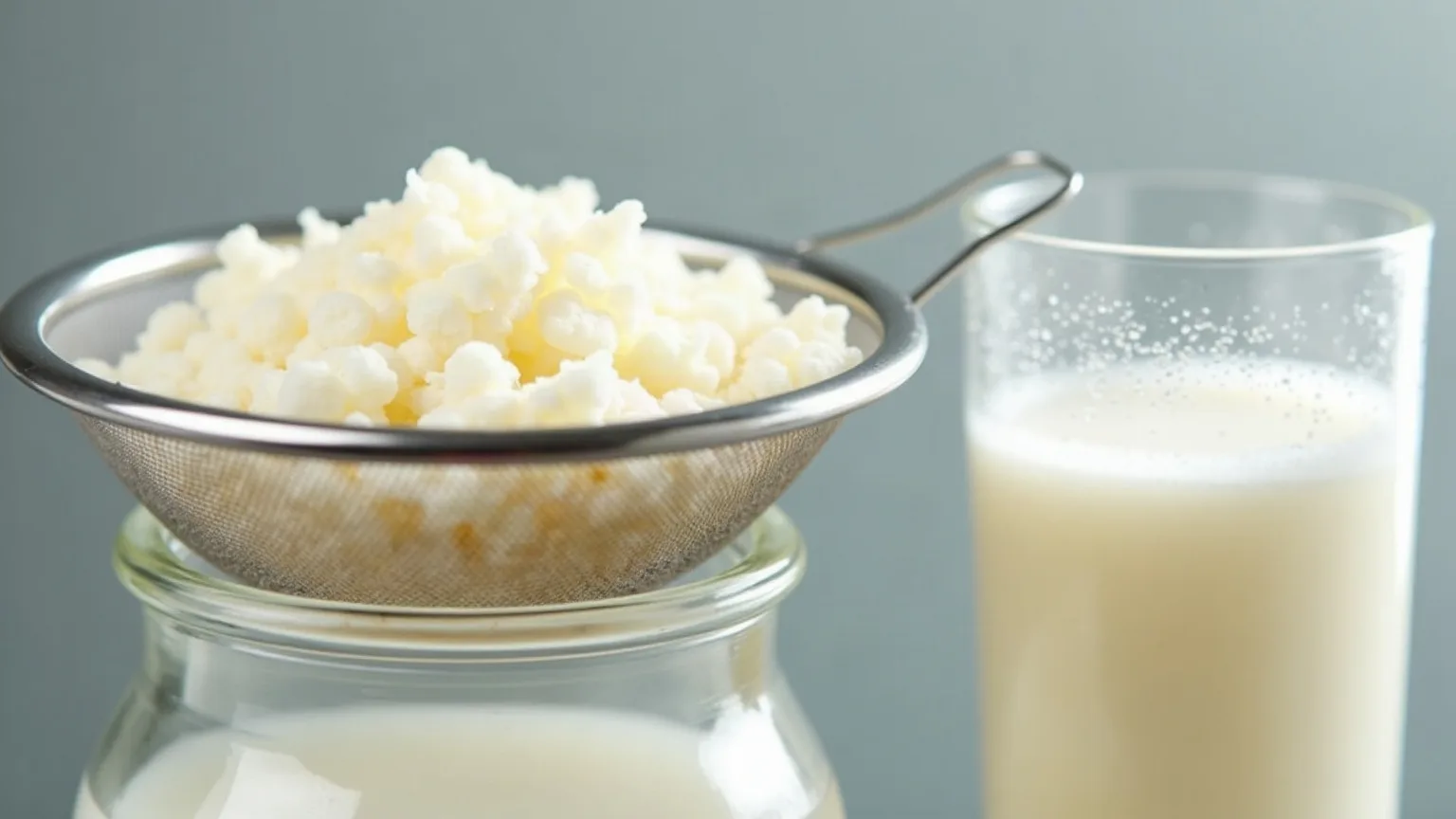
Kefir
The truthDrop the grains into milk, leave them a day at room temperature and strain. The grains come back every time.