
The chemistry of spices
A spice’s taste comes from a few families of molecules, and most of them dissolve in fat, not water. That decides which liquid it goes into and at what heat.
The mechanism
Most spice aroma comes from terpenes and phenylpropanoids: linalool in coriander, cuminaldehyde in cumin, eugenol in clove, cinnamaldehyde in cinnamon. These molecules are small, evaporate even at room temperature, and most dissolve far better in fat than in water. That is why the same spice bloomed in oil smells stronger and lasts longer than one dropped into water. Heat is a different class altogether. Capsaicin in chillies and piperine in black pepper are not aromas; they trigger the heat and pain sensors in the mouth. Capsaicin barely dissolves in water, which is why milk fat or yoghurt calms the burn and water does not. Piperine also prefers fat and breaks down in light over time; ground black pepper loses its bite within a few months. They differ in heat tolerance too: volatile aromas start to escape even below 100 °C, while capsaicin largely survives cooking.
The thresholds that define it
“Medium heat” is not a technique. Every line below is a point where something starts or stops.
- 100 °C altı Where volatile aromas begin to escape; delicate spices go in at the end.
- %0,1–2 Capsaicin content in chillies; it varies a hundredfold by variety.
- %3–9 Piperine content in black pepper.
- %3,5 yağ Whole milk, with enough fat to dissolve capsaicin and calm the heat.
How to read it by hand
Rub a pinch of spice between your palms and smell it: a strong, lively scent means the volatile oils are still there. If it is faint, replace the spice rather than adding more, because what fills the gap is bitterness and a dusty taste. If a dish is too hot, add yoghurt or butter, not water.
The three mistakes people make
01 The spice went in but the dish has no aroma ⌄
Why
The spice went into water at the start and a long boil carried the aromas off in the steam.
What to do
Bloom it in fat, or add it in the last 5 minutes of cooking.
02 Water did nothing for the burn ⌄
Why
Capsaicin does not dissolve in water; water only spreads it around.
What to do
Drink yoghurt, ayran or milk; the fat dissolves the capsaicin.
- Linalool
- The floral aroma compound found in both basil and strawberry — the reason the two work together.
Where it comes from
Pouring hot butter with chilli flakes over a dish is Anatolian cooking applying this chemistry by instinct: the pepper’s colour and aroma dissolve in the fat and reach the table at their brightest. That last spoonful over mantı, çılbır or ezogelin soup shows, where anyone can see it, why spices love fat.
Giving the heat another way
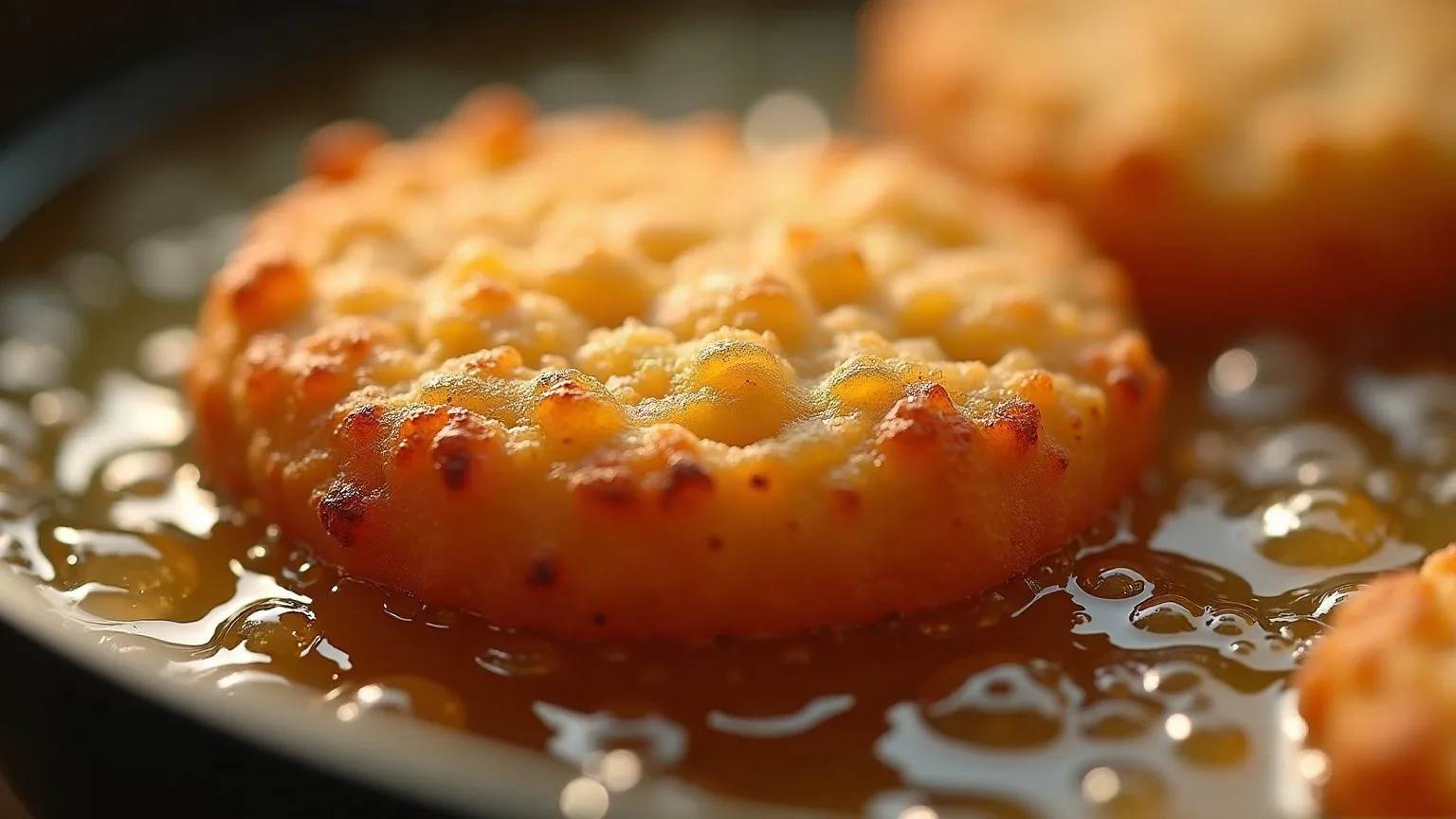
Deep frying
Surface water flashes to steam and pushes outward — that is the shield keeping oil out. Cold oil never builds it, and the food drinks the fat instead.
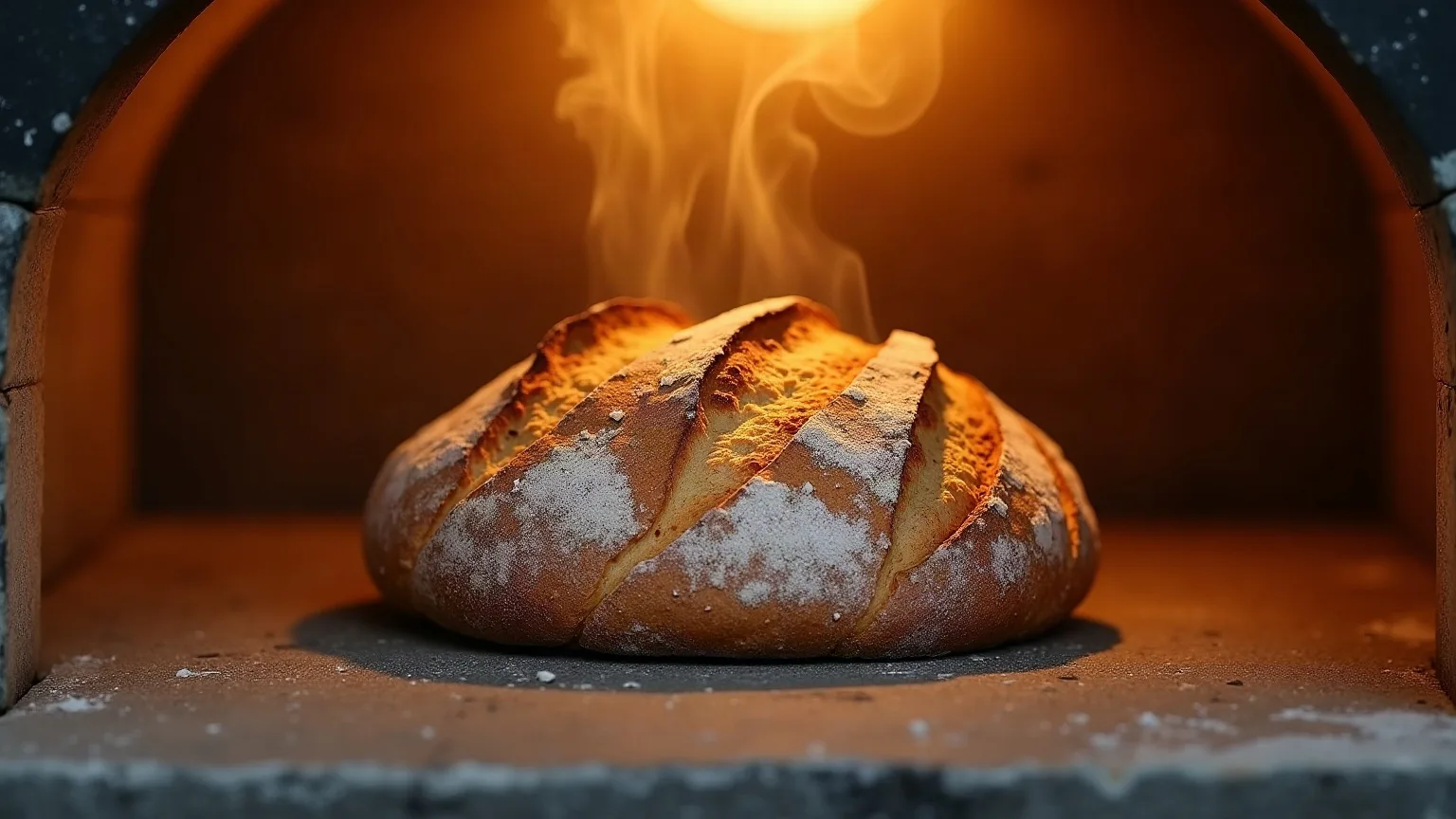
The oven
Air carries heat badly, so a 200 °C oven does not make 200 °C food. The inside stays where water boils, at 100 °C.
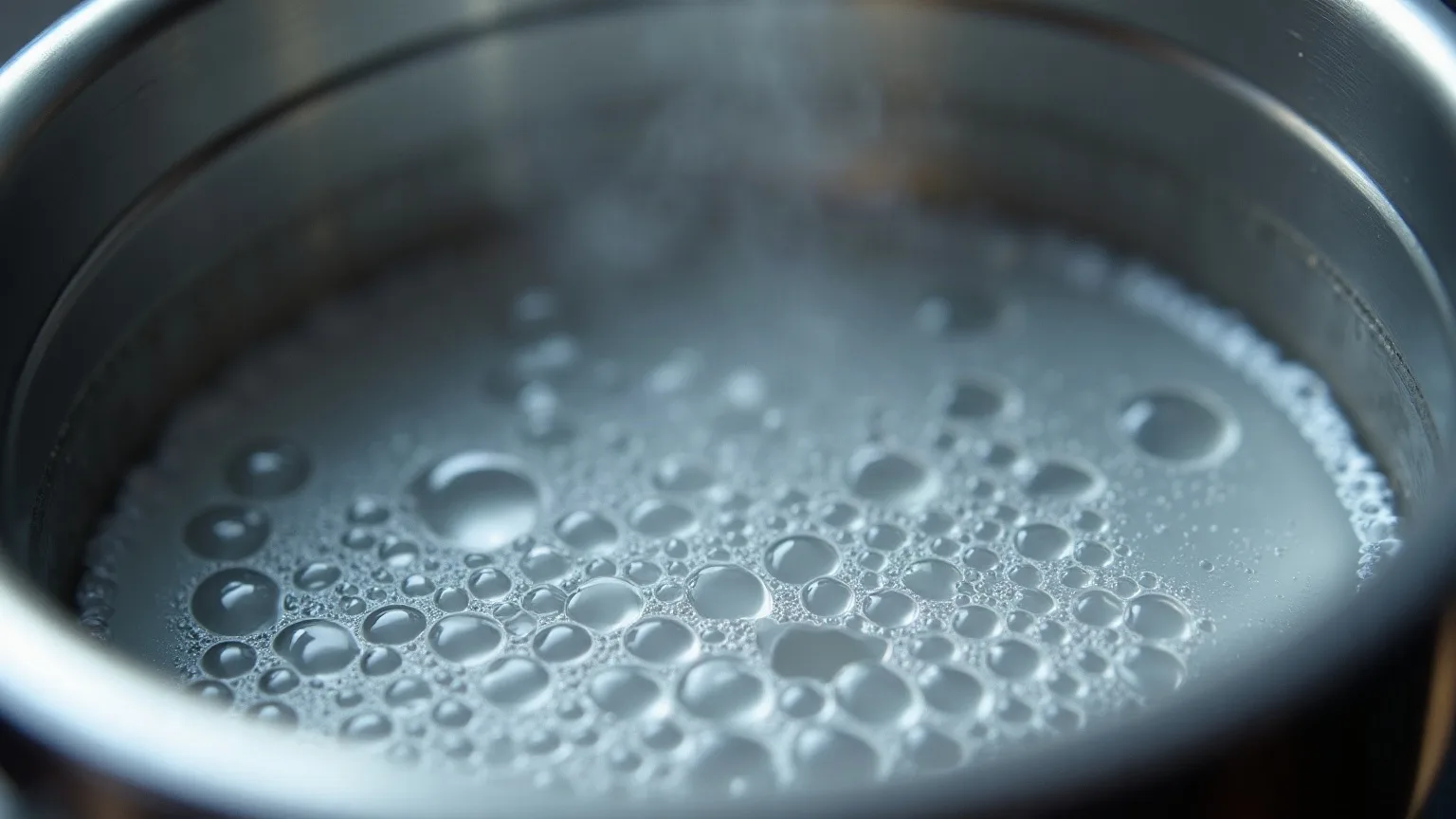
Boiling & poaching
Water cannot pass 100 °C, so turning the flame up changes nothing. Boiling is set by time and salt, not by temperature.