
Pickling
A pickle keeps by taking the vegetable below pH 4.6. There are two roads: add the acid from outside as vinegar, or let lactic acid bacteria make it in brine.
The mechanism
In a vinegar pickle the acid is ready-made: vinegar at 4–6% acetic acid, even cut half and half with water, takes the jar into the safe zone quickly. In a fermented pickle salt does the selecting: 2–5% brine slows most spoilage microbes but lets lactic acid bacteria work. They turn the vegetable’s sugars into lactic acid and the pH falls below 4.6 within days and to around 3.5 in two or three weeks. US Food and Drug Administration rules take 4.6 as the line for low-acid foods; below it the botulism bacterium cannot make its toxin. Whether the vegetable stays crisp depends on the pectin in its cell walls; in a room above 20 °C fermentation runs faster but the texture softens.
The thresholds that define it
“Medium heat” is not a technique. Every line below is a point where something starts or stops.
- pH 4,6 The low-acid food line (FDA). A pickle must sit below it.
- %2–5 tuz Fermenting brine: 20–50 grams of salt per litre of water.
- %4–6 asetik asit The acid strength of table vinegar.
- 18–22 °C Room temperature for fermenting; above it the texture softens.
- 10–21 gün Time for a fermented pickle to mature.
How to read it by hand
In a fermented pickle the brine clouds in the first three days and small bubbles rise, which means the bacteria are at work. It is ready when the taste turns sharp and cleanly sour. pH strips are cheap and turn a guess into a reading; once they show below 4, move the jar somewhere cool.
The three mistakes people make
01 The pickle went soft and mushy ⌄
Why
Salt under 2% or a room above 24 °C let softening enzymes win.
What to do
Raise salt to 3–4%, keep the jar cool and add a vine leaf, whose tannins help firmness.
02 A white film formed on top ⌄
Why
A yeast film grew where the brine met the air.
What to do
Keep the vegetables submerged and skim the film; if coloured or fuzzy mould appears, discard the whole jar.
Where it comes from
In Turkey pickling is a season’s work: at the end of September cabbage, peppers, cucumber and beetroot go into jars. Şalgam is itself a pickling liquid, fermented from purple carrot and a bulgur sour, which is why Adana serves it beside kebab.
Giving the heat another way
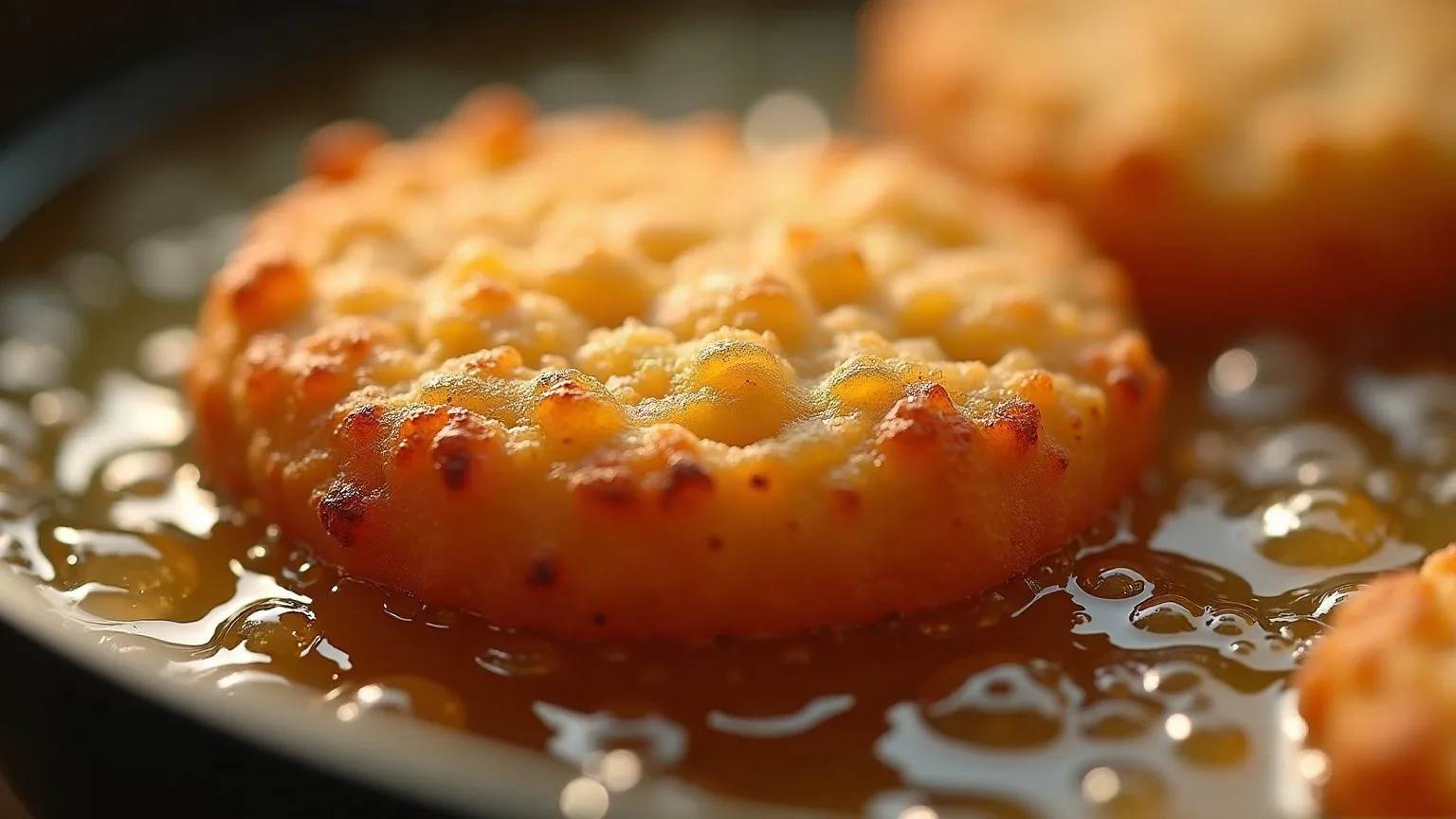
Deep frying
Surface water flashes to steam and pushes outward — that is the shield keeping oil out. Cold oil never builds it, and the food drinks the fat instead.
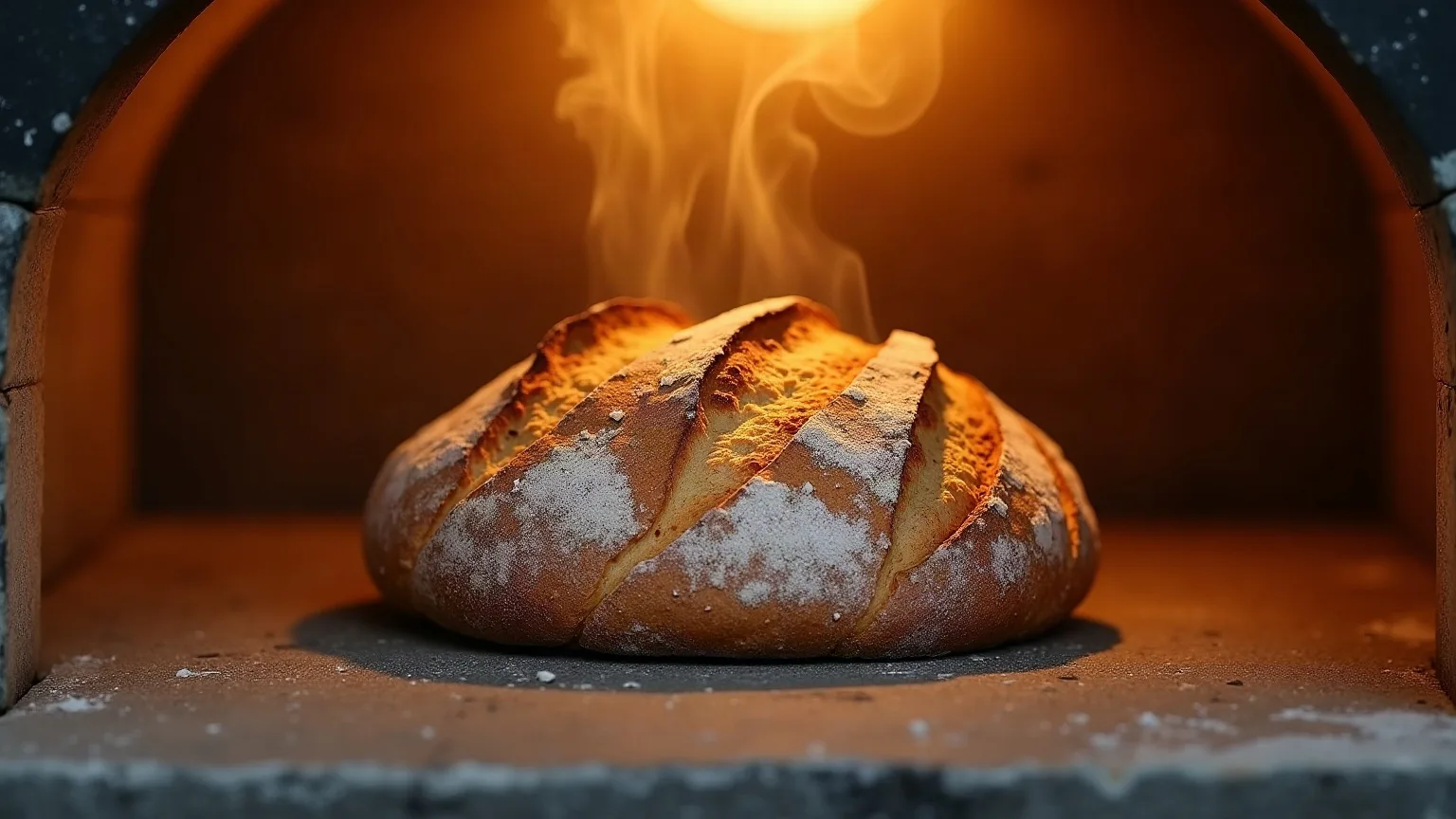
The oven
Air carries heat badly, so a 200 °C oven does not make 200 °C food. The inside stays where water boils, at 100 °C.
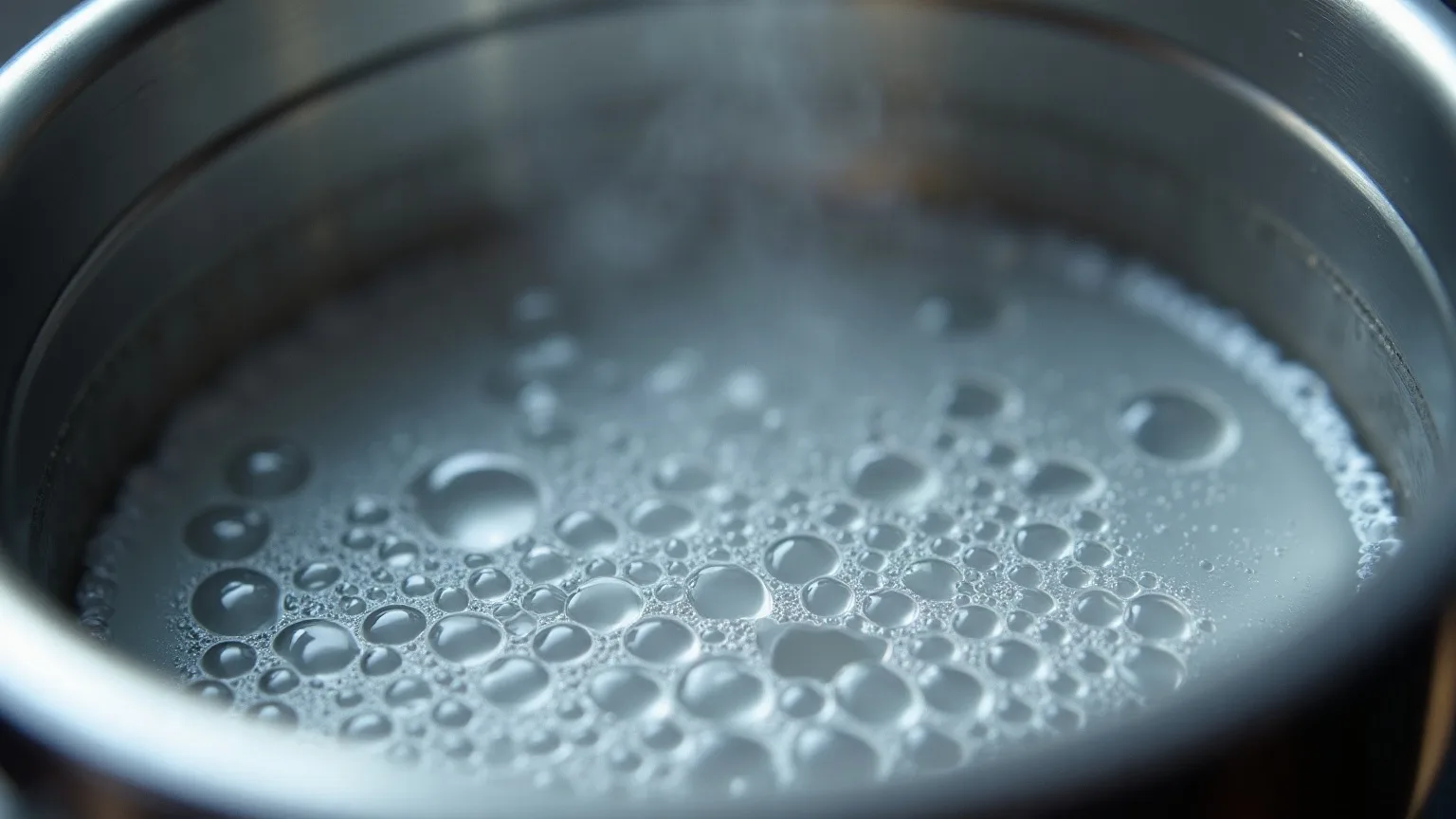
Boiling & poaching
Water cannot pass 100 °C, so turning the flame up changes nothing. Boiling is set by time and salt, not by temperature.