
Deglazing
Loosening the brown residue left on the pan after searing meat or vegetables with a splash of liquid. Most of a sauce’s flavour lives in that residue.
The mechanism
While searing, protein and sugar seep from the meat, stick to the metal and undergo Maillard browning there above 140 °C. That brown layer is what the French call fond, and it is packed with water-soluble, intensely savoury compounds. Pour cold liquid into the hot pan and two things happen: a burst of steam lifts the residue off the metal, and the liquid takes up the dissolved flavour. Scraping with a spoon finishes the job. Reducing the liquid by half or two-thirds then drives off water and concentrates the taste. Wine, stock, vinegar or pomegranate molasses all work; acidic liquids dissolve the fond more readily. If the residue has gone black above 180 °C it is bitter, and that pan will not give a sauce.
The thresholds that define it
“Medium heat” is not a technique. Every line below is a point where something starts or stops.
- 140–165 °C The range where the fond turns brown and savoury.
- 180 °C üstü The fond blackens and turns bitter; not worth deglazing.
- 100–150 ml Typical liquid for a 28 cm pan.
- %50–70 indirme How much volume the liquid should lose to reach a sauce.
How to read it by hand
Read the colour of the fond: hazelnut-shell brown is good, coffee-grounds dark is the edge, black is burnt. Scrape with a wooden spoon after the liquid goes in; when a line drawn across the back of a coated spoon stays open for a few seconds, the reduction is done.
The three mistakes people make
01 The sauce tasted bitter ⌄
Why
The fond burnt above 180 °C, or scorched fat stayed in the pan.
What to do
Pour off the fat and leave black fond behind; next time drop to medium-high heat.
02 No fond formed at all ⌄
Why
A non-stick pan, or wet meat that never let the surface reach 140 °C.
What to do
Use steel or cast iron and pat the meat dry.
- Maillard
- Protein meeting sugar above 140 °C to produce crust, colour and that roasted smell.
Where it comes from
Turkish cooking does this without naming it: when pepper paste and hot water go onto browned meat and the bottom of the pot is scraped, the same thing is happening. Much of the depth of a Turkish stew comes from that thin brown layer clinging to the pot before the water arrives.
Giving the heat another way
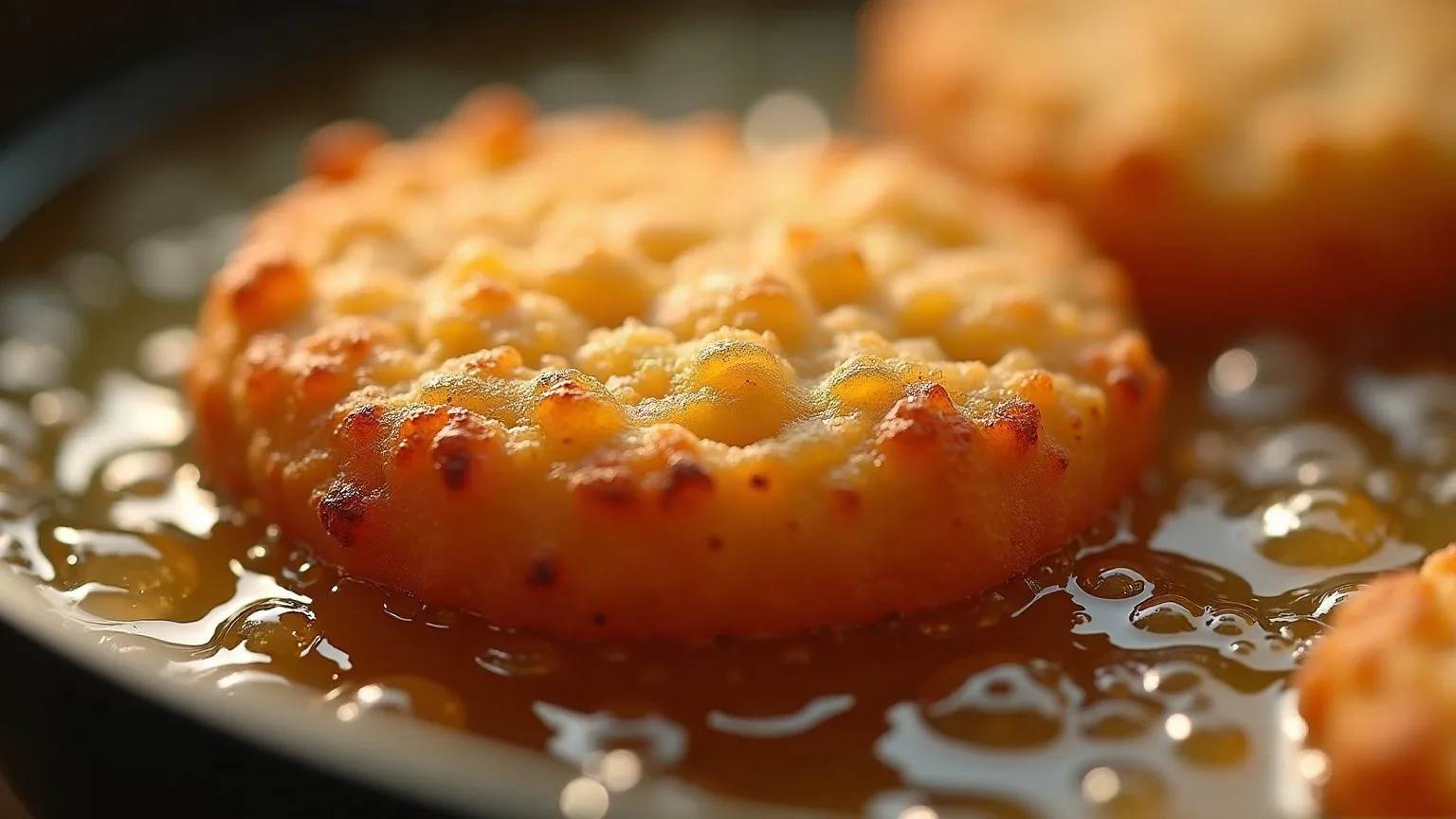
Deep frying
Surface water flashes to steam and pushes outward — that is the shield keeping oil out. Cold oil never builds it, and the food drinks the fat instead.
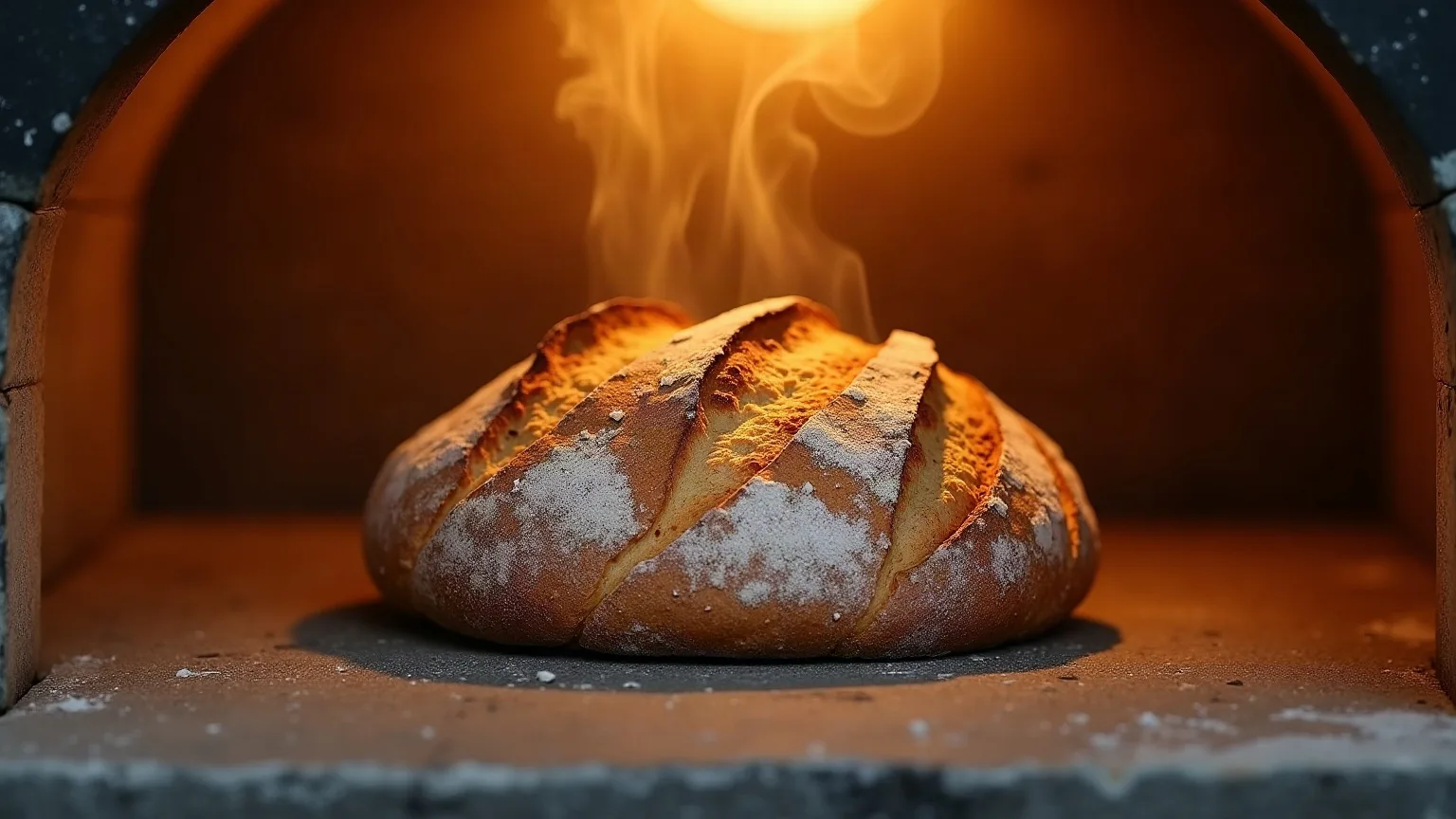
The oven
Air carries heat badly, so a 200 °C oven does not make 200 °C food. The inside stays where water boils, at 100 °C.
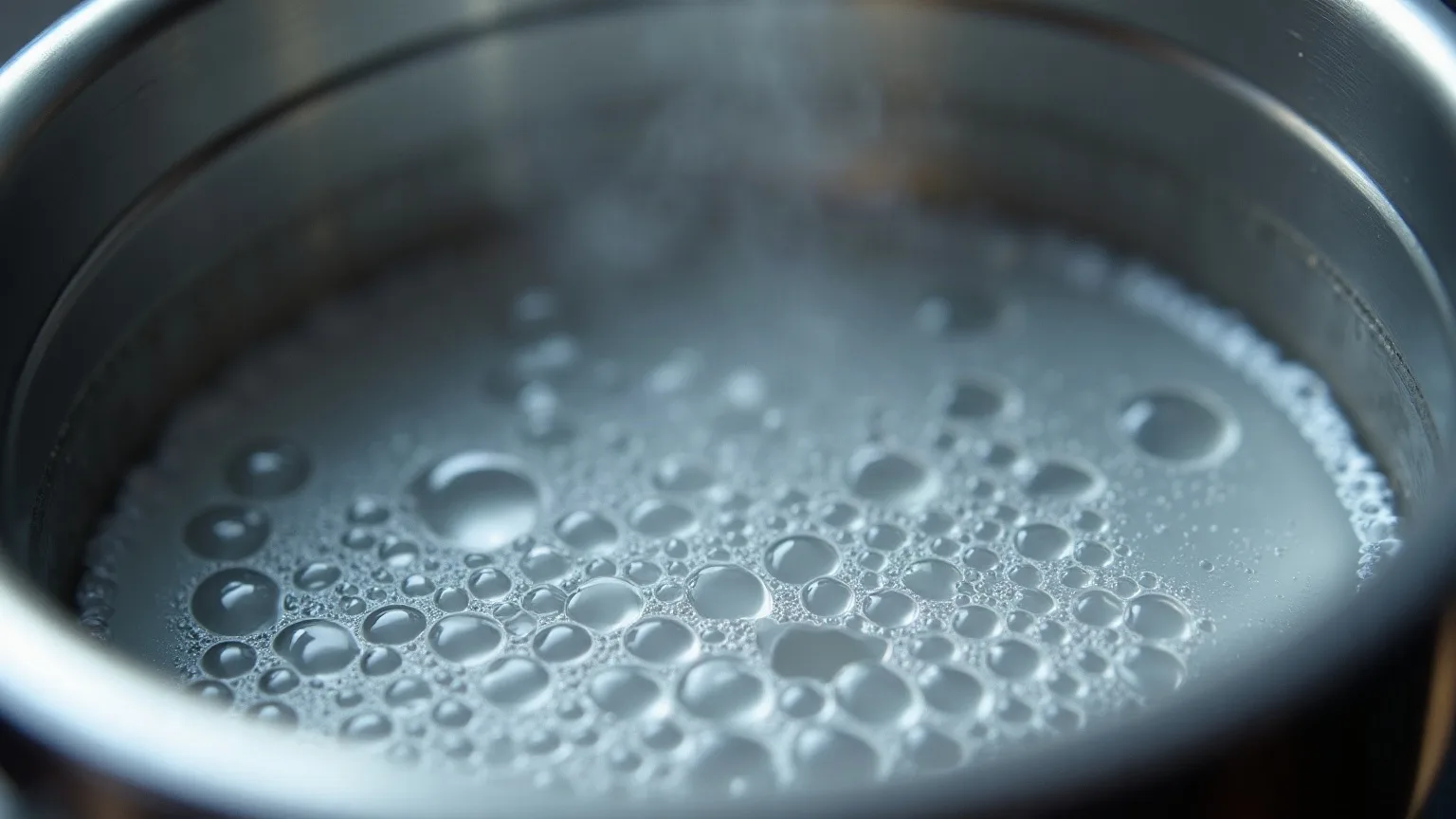
Boiling & poaching
Water cannot pass 100 °C, so turning the flame up changes nothing. Boiling is set by time and salt, not by temperature.