
Confit
Cooking submerged in fat, far below a boil, for hours. The fat does not fry here; it is a blanket that carries heat slowly and evenly.
The mechanism
In confit the fat is held at 80–95 °C. At that heat the water at the surface never boils, so the steam shield of frying never forms and no crust is built. Heat creeps inward; in collagen-rich cuts such as duck leg or lamb shank the collagen turns to gelatine above 70 °C over a few hours, and because the fibres sit in fat rather than air they soften without drying. Fat carries heat better than air yet more slowly than water, which makes it easy to hold one temperature for hours without a boil. The same logic takes garlic cloves to a creamy texture without burning their sugars.
The thresholds that define it
“Medium heat” is not a technique. Every line below is a point where something starts or stops.
- 70 °C Where collagen starts turning to gelatine; the longer the hold, the softer the meat.
- 80–95 °C The working window. A stray small bubble rises; nothing boils.
- 74 °C iç sıcaklık The safe minimum internal temperature for poultry such as chicken and duck (USDA FSIS).
- 2–4 saat Typical time for legs; the meat near the bone parts easily from a fork.
- 5 °C altı Fridge temperature for keeping the cooked confit under its fat (FSA).
How to read it by hand
Watch the pot: a single bubble breaking the surface now and then means the heat is right. A chain of bubbles means it has slipped into frying. To judge doneness twist the bone; if it turns freely the collagen has let go.
The three mistakes people make
01 The meat came out stringy and dry ⌄
Why
The fat went over 100 °C and the water in the meat boiled away.
What to do
Work in a 90 °C oven or on the lowest burner, with a thermometer.
02 The meat stayed tough ⌄
Why
Too short; collagen needs hours to become gelatine.
What to do
Give it another hour and repeat the bone test.
Where it comes from
Confit began in south-west France as a way of keeping meat before refrigeration: the cooked meat was buried in its own fat, which set and shut out the air. Anatolian kavurma is a close relative; winter meat was cooked in tail fat, packed into crocks and kept under that fat for months.
Giving the heat another way
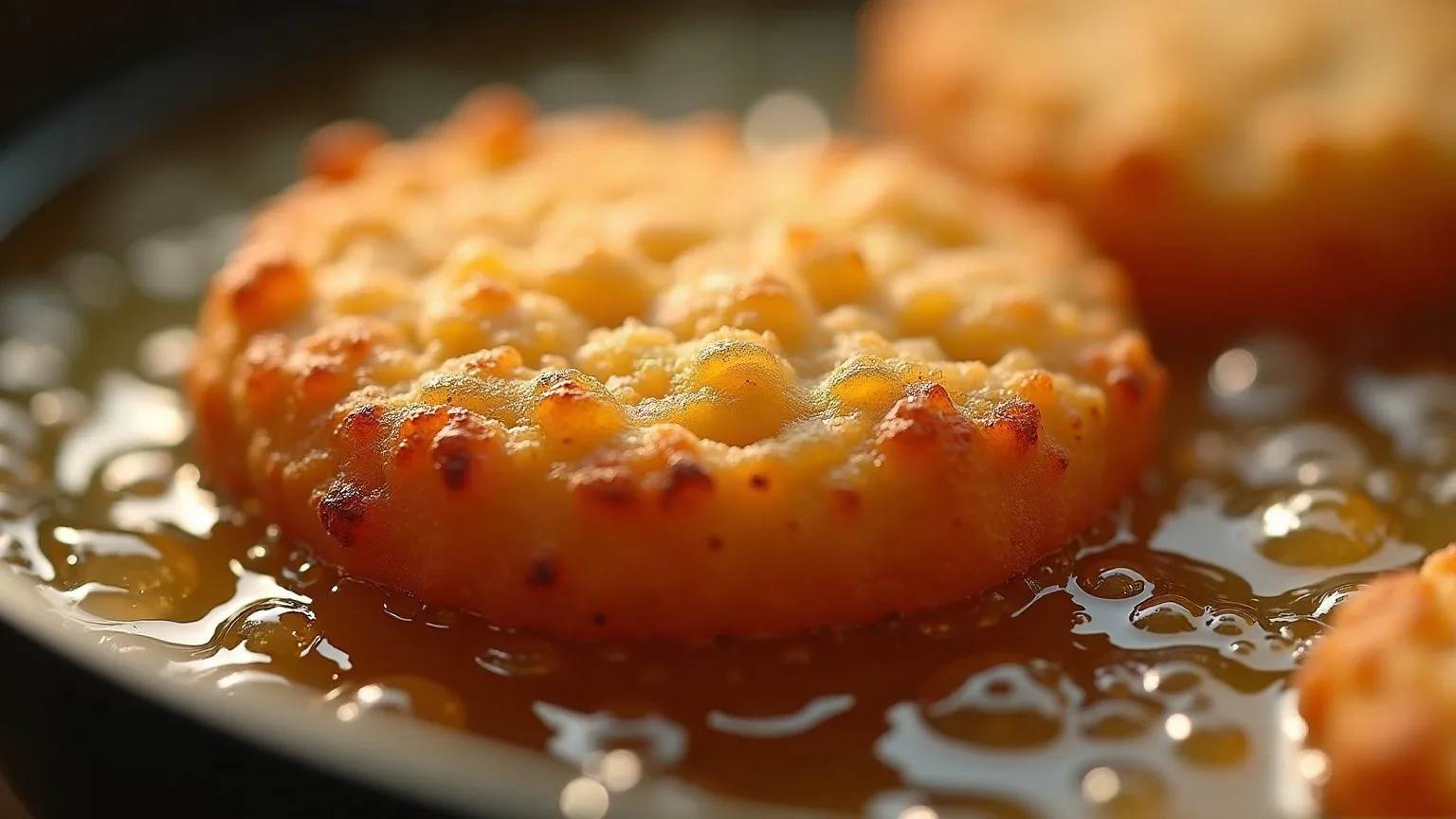
Deep frying
Surface water flashes to steam and pushes outward — that is the shield keeping oil out. Cold oil never builds it, and the food drinks the fat instead.
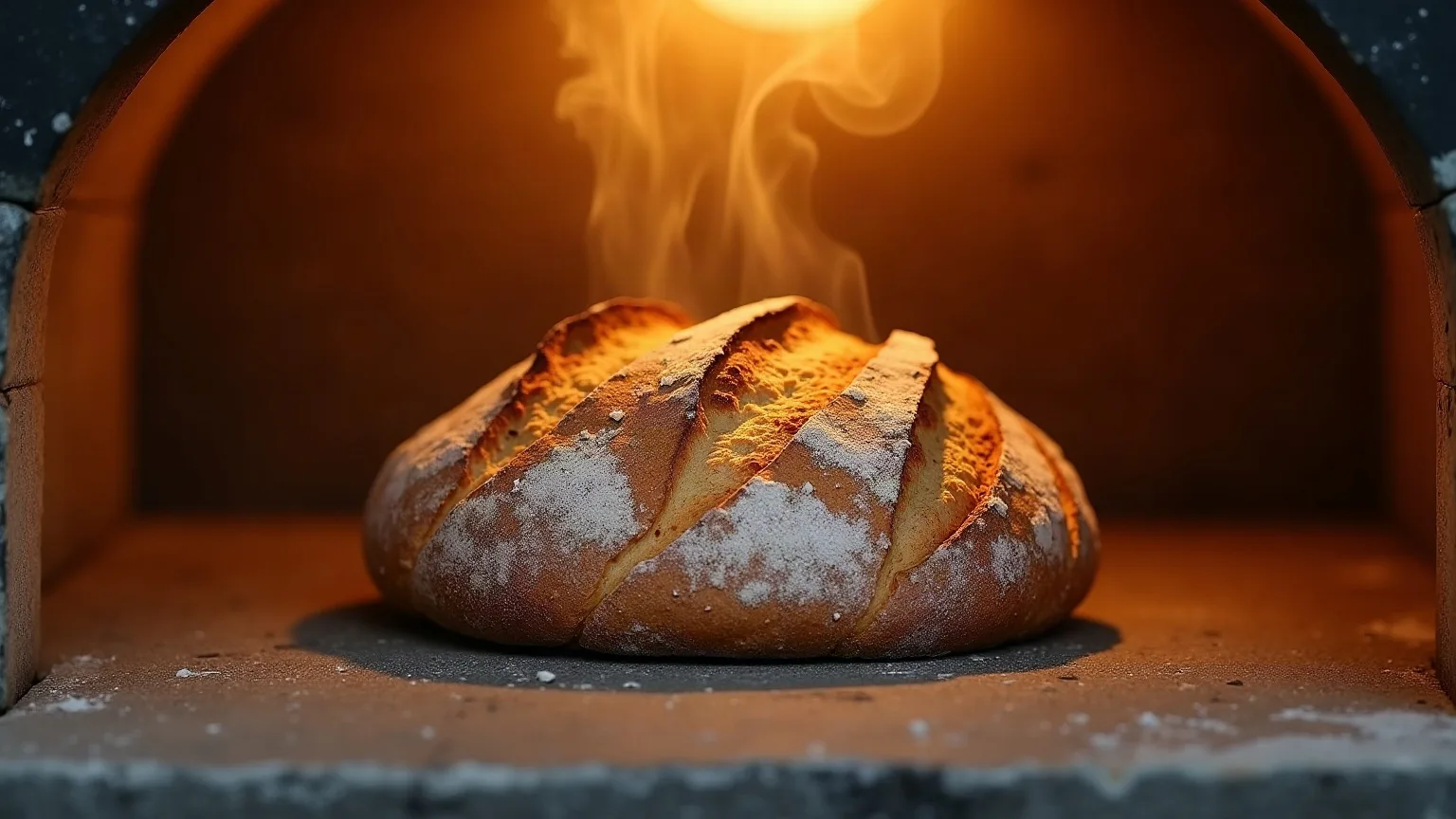
The oven
Air carries heat badly, so a 200 °C oven does not make 200 °C food. The inside stays where water boils, at 100 °C.
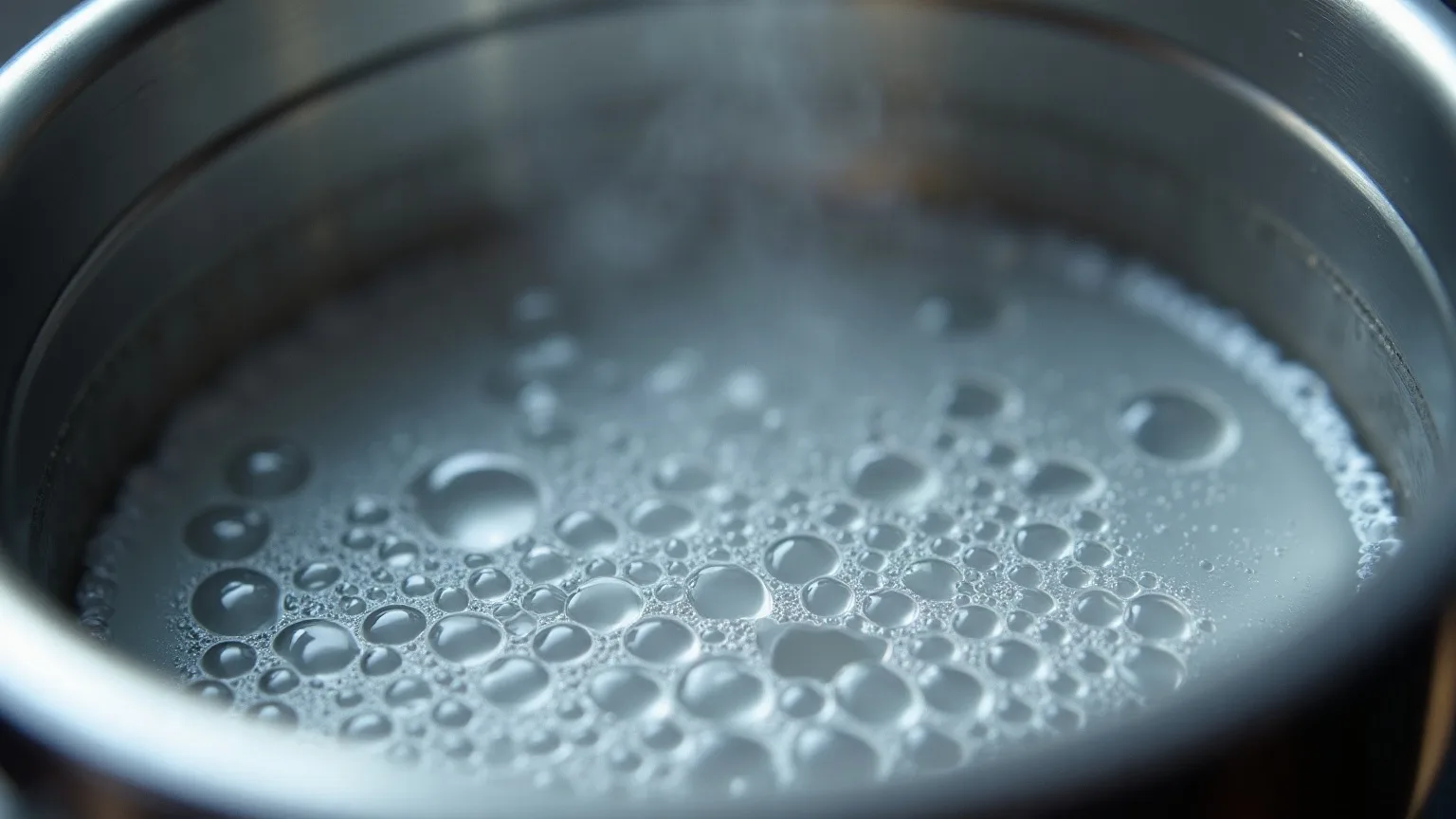
Boiling & poaching
Water cannot pass 100 °C, so turning the flame up changes nothing. Boiling is set by time and salt, not by temperature.