
Emulsifying
Holding oil and water together, though they refuse to mix, by shrinking the droplets and putting a binder between them. Mayonnaise, tarator and beurre blanc are three faces of the same physics.
The mechanism
In an emulsion one liquid is scattered through another as very small droplets. Droplets that touch want to merge; what stops them is the binder clinging to their surface. Lecithin in egg yolk, the gum in mustard seed and the solid particles in tahini or bread all do that job. In mayonnaise the oil droplets can reach 70–80% of the volume, and packed that tight they lean on each other, which is why the sauce thickens. Add the oil too fast and the droplets never get small enough or coated enough, and the sauce splits. In warm emulsions such as butter sauces temperature decides too: below 60 °C the butter sets, and above 85 °C egg-based sauces curdle.
The thresholds that define it
“Medium heat” is not a technique. Every line below is a point where something starts or stops.
- %70–80 yağ The oil fraction mayonnaise can carry; beyond it the sauce breaks.
- 1 sarı / 150–200 ml The oil one egg yolk binds comfortably.
- 60–85 °C The working window for warm butter and egg sauces.
- 1–2 damla / saniye Pace for the first 50 ml of oil; once the emulsion forms it can become a thin stream.
How to read it by hand
Dip a spoon and lift it: a glossy surface that coats the spoon evenly means the emulsion holds. Rings of oil on the surface mean it has begun to split. To rescue a broken sauce put a teaspoon of water or a fresh yolk in a clean bowl and whisk the broken sauce into it drop by drop.
The three mistakes people make
01 The mayonnaise split and the oil separated ⌄
Why
The oil went in too fast at the start, or the ingredients were fridge-cold.
What to do
Bring everything to 18–22 °C, start again with a fresh yolk and add the split sauce slowly.
02 The butter sauce turned greasy and dull ⌄
Why
The sauce went over 85 °C and the milk solids in the butter separated.
What to do
Take it off the heat and whisk in a spoonful of cold water.
Where it comes from
Tarator is the Ottoman kitchen’s emulsion: walnut, stale bread, garlic and olive oil pounded together, bound not by egg but by the solid particles of bread and nut. Tahini sauces follow the same road; the tahini first seizes as if it had split, then loosens into a cream as water goes in.
Giving the heat another way
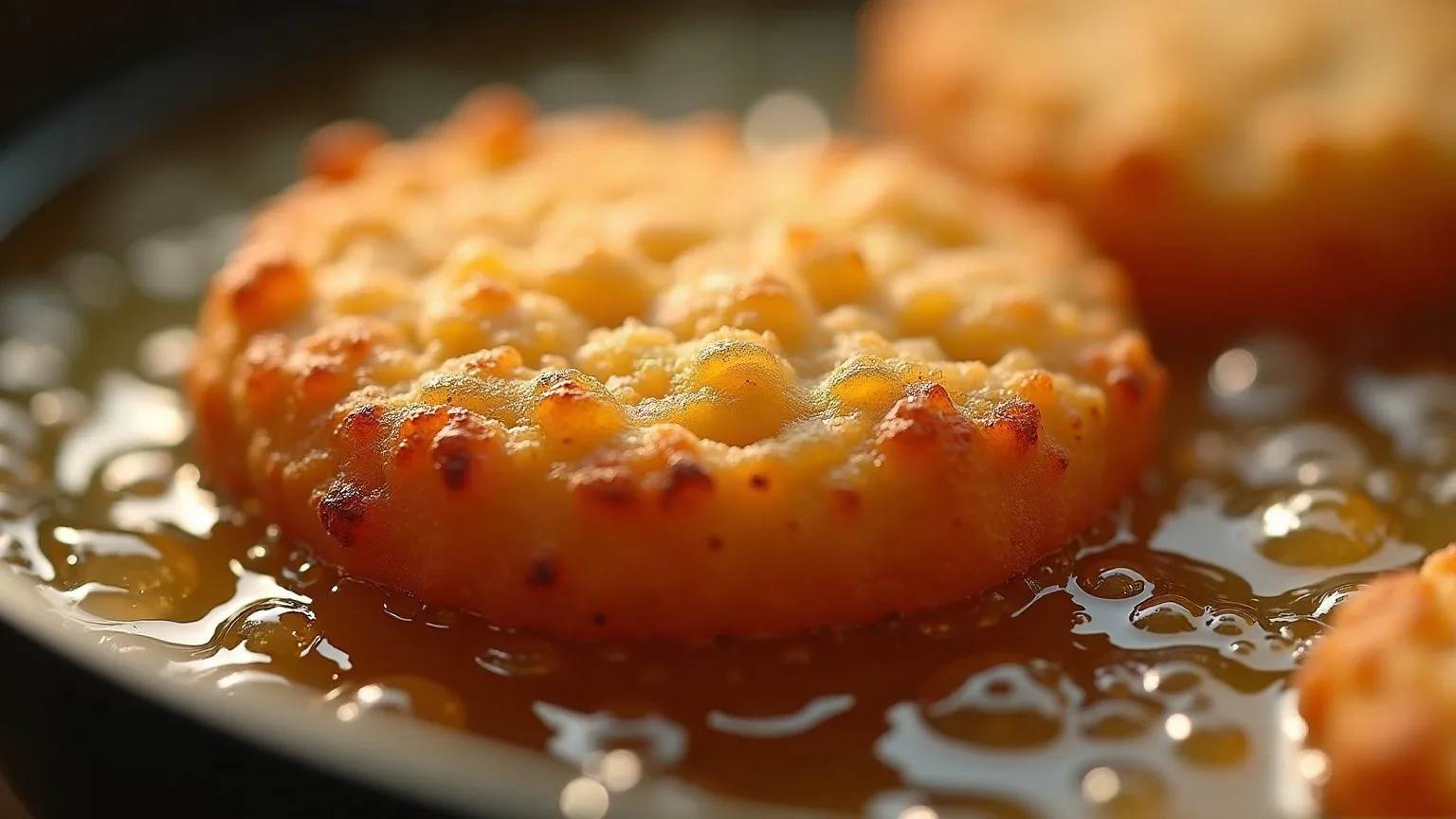
Deep frying
Surface water flashes to steam and pushes outward — that is the shield keeping oil out. Cold oil never builds it, and the food drinks the fat instead.
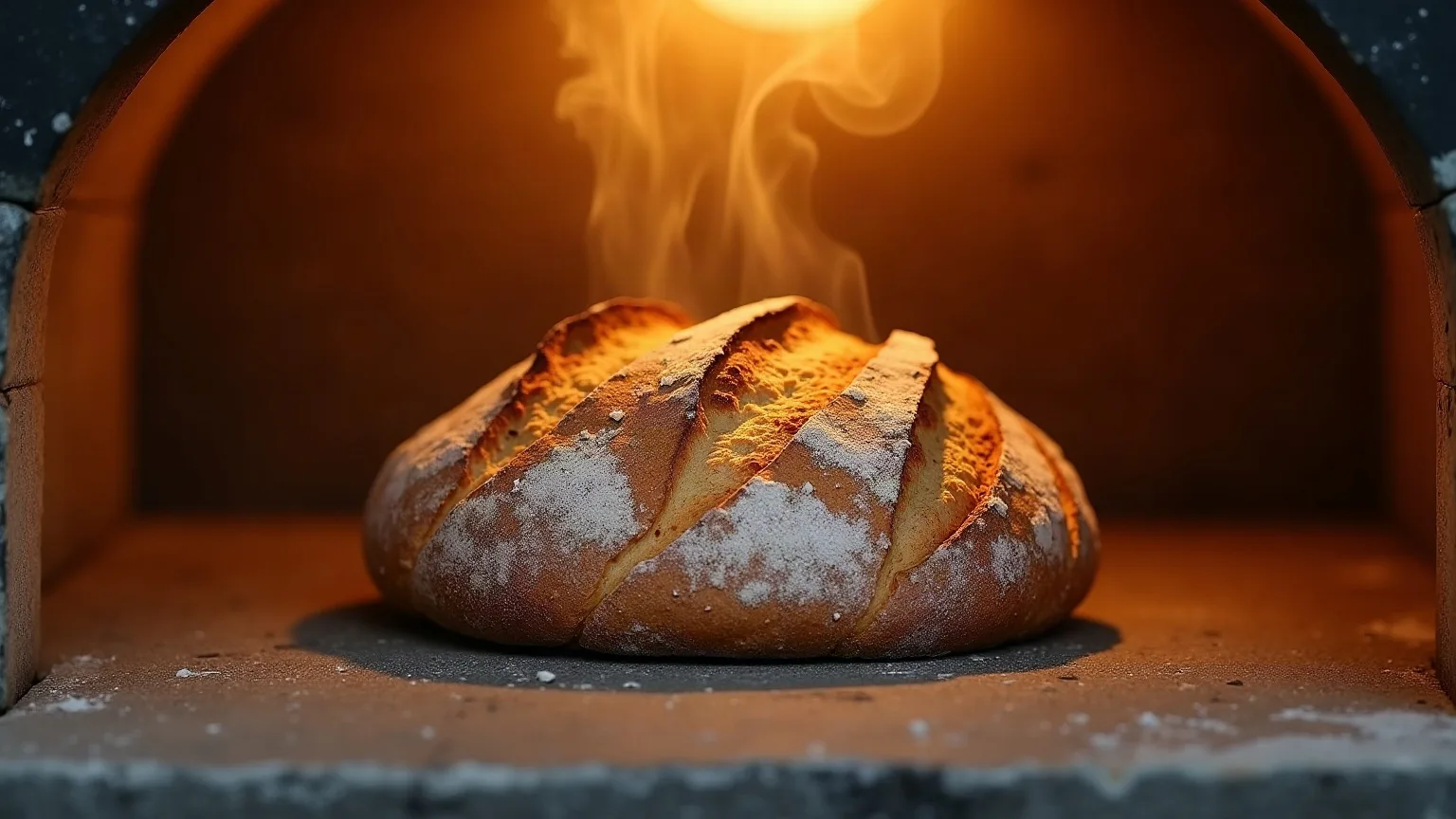
The oven
Air carries heat badly, so a 200 °C oven does not make 200 °C food. The inside stays where water boils, at 100 °C.
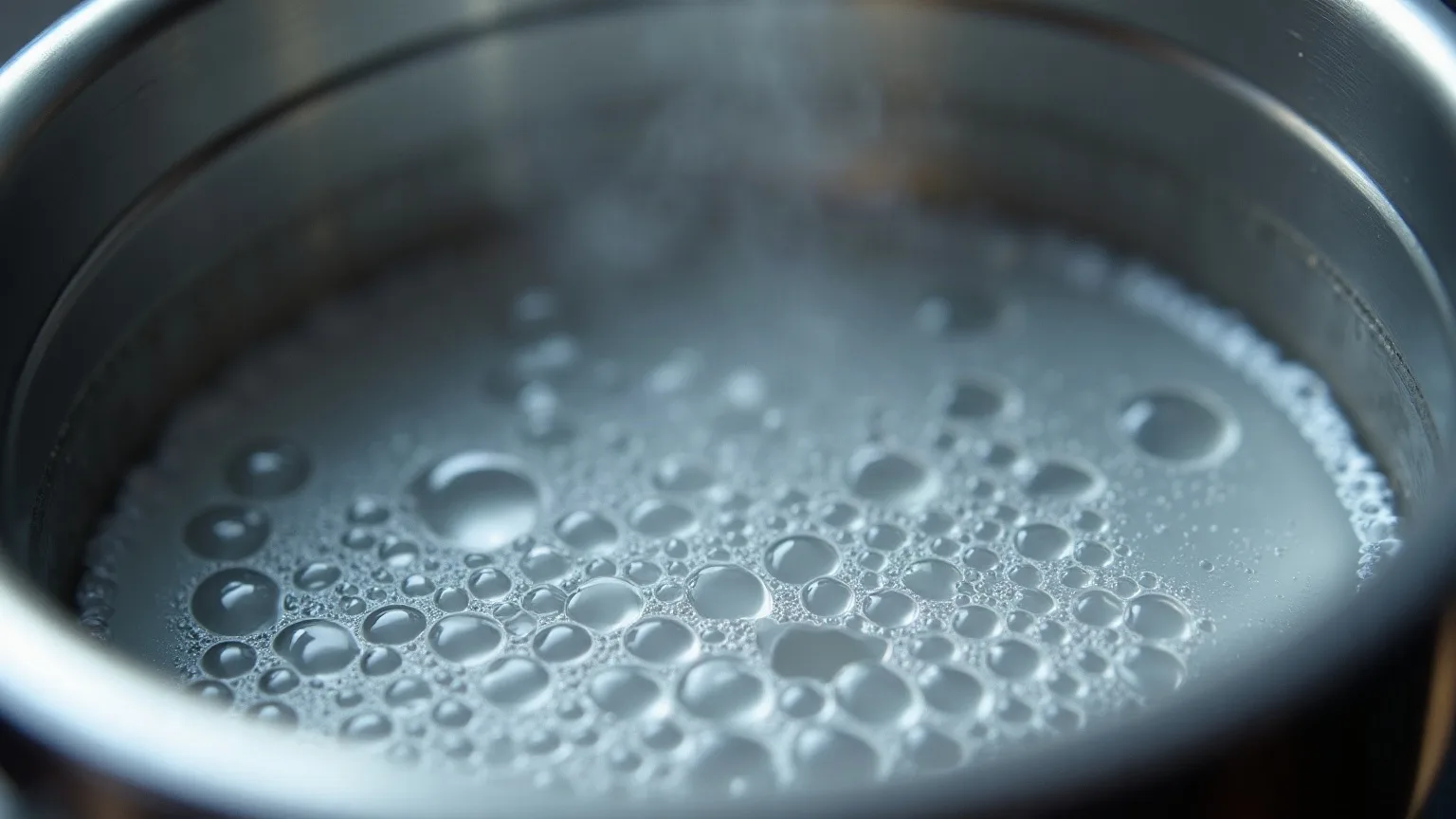
Boiling & poaching
Water cannot pass 100 °C, so turning the flame up changes nothing. Boiling is set by time and salt, not by temperature.