
Toasting spices
Dry-toasting whole spices in a pan with no fat releases their volatile aromas and makes new ones. Ground spices burn at the same heat within seconds.
The mechanism
The aroma of cumin, coriander seed or black pepper is held in tiny oil sacs inside the seed. As the seed heats in a dry pan the walls of those sacs soften and part of the volatile molecules come to the surface; that is the smell that fills the kitchen. Above 150 °C the sugars and proteins in the husk undergo Maillard browning and new roasted, nutty flavours form. A whole seed’s advantage is its mass: while the husk heats the core stays cooler and the aroma oils are protected. Ground spice has no such protection; every particle is fully exposed and the surface area is far larger. That is why ground spice turns bitter in a dry pan very quickly, often within seconds. The rule is simple: toast whole spices and then grind; do not toast powder, bloom it briefly in fat instead.
The thresholds that define it
“Medium heat” is not a technique. Every line below is a point where something starts or stops.
- 150–170 °C Pan surface for whole spices; Maillard begins without driving off the aroma oils.
- 1–3 dakika Typical time for cumin, coriander and fennel seed.
- 5 dakika Cooling time before grinding; seeds ground hot turn oily and clump.
How to read it by hand
Keep the pan moving and follow your nose: the moment the scent rises clearly and the seeds darken by one shade, tip them out, because the heat of the pan keeps toasting them. Some seeds, like mustard, crackle and jump when ready; if you see smoke you are too late.
The three mistakes people make
01 The spice tasted bitter and smoky ⌄
Why
Ground spice went into a dry pan, or the seeds stayed until they smoked.
What to do
Never toast powder; take whole seeds off at medium heat before any smoke.
02 The toasting made no difference ⌄
Why
The pan never reached 150 °C; the seeds only warmed.
What to do
Heat the empty pan first and spread the seeds in a single layer.
- Maillard
- Protein meeting sugar above 140 °C to produce crust, colour and that roasted smell.
Where it comes from
In Anatolia cumin and coriander were often toasted in a pan and pounded in a mortar before going into köfte or sucuk. Indian garam masala is made in the same order: whole seeds are toasted dry, then ground; a blend bought as powder loses that freshness within months.
Giving the heat another way
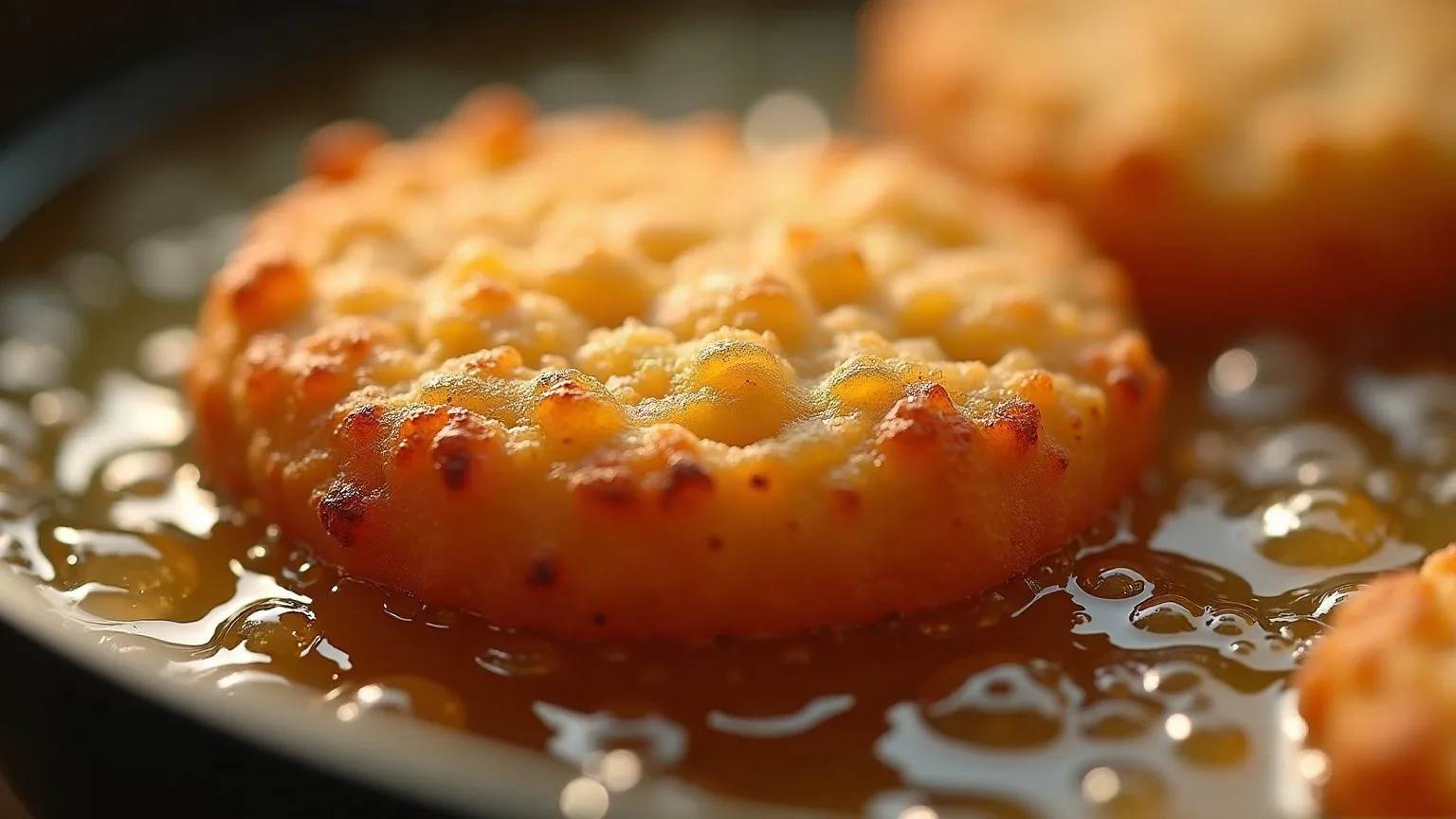
Deep frying
Surface water flashes to steam and pushes outward — that is the shield keeping oil out. Cold oil never builds it, and the food drinks the fat instead.
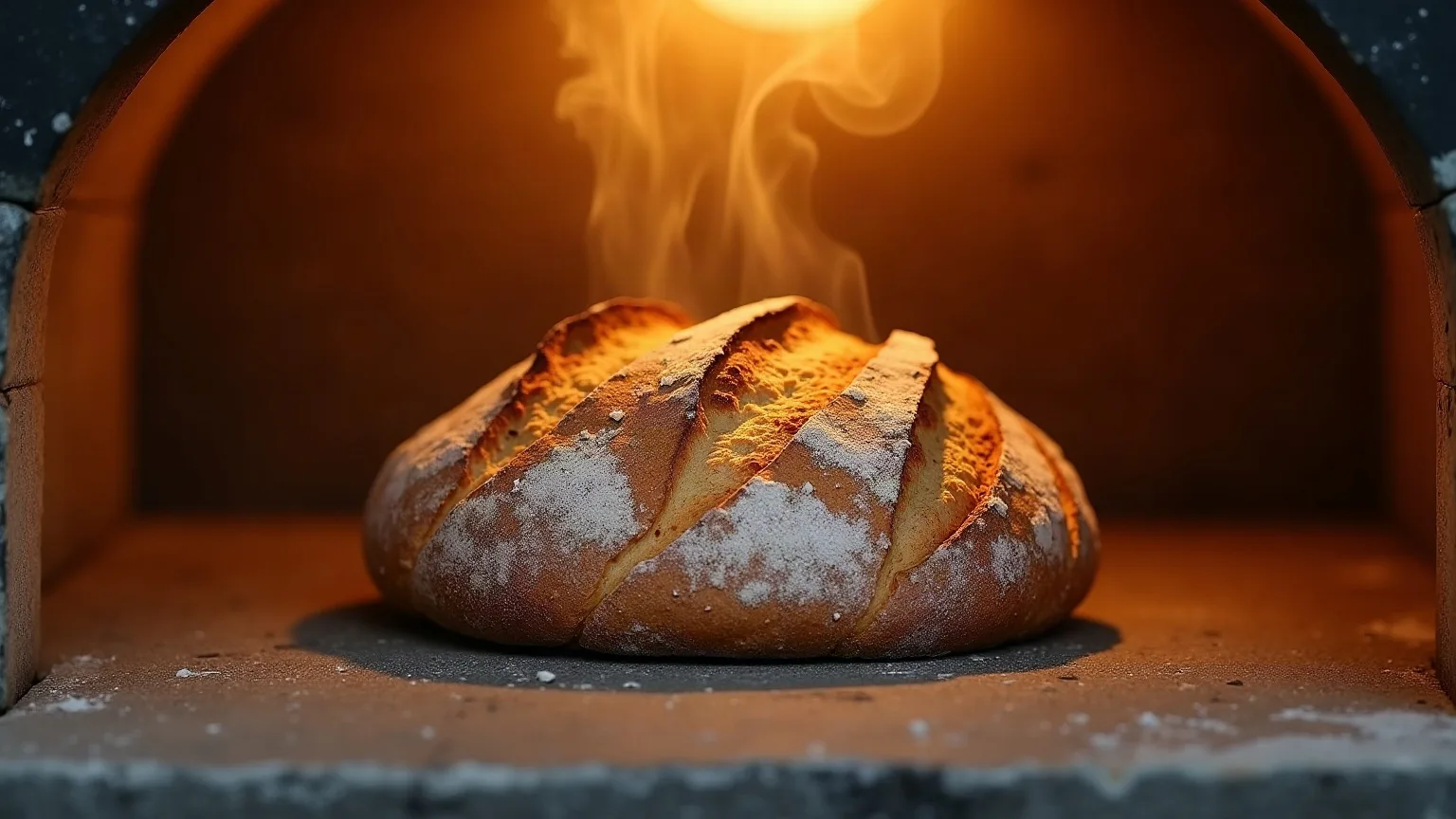
The oven
Air carries heat badly, so a 200 °C oven does not make 200 °C food. The inside stays where water boils, at 100 °C.
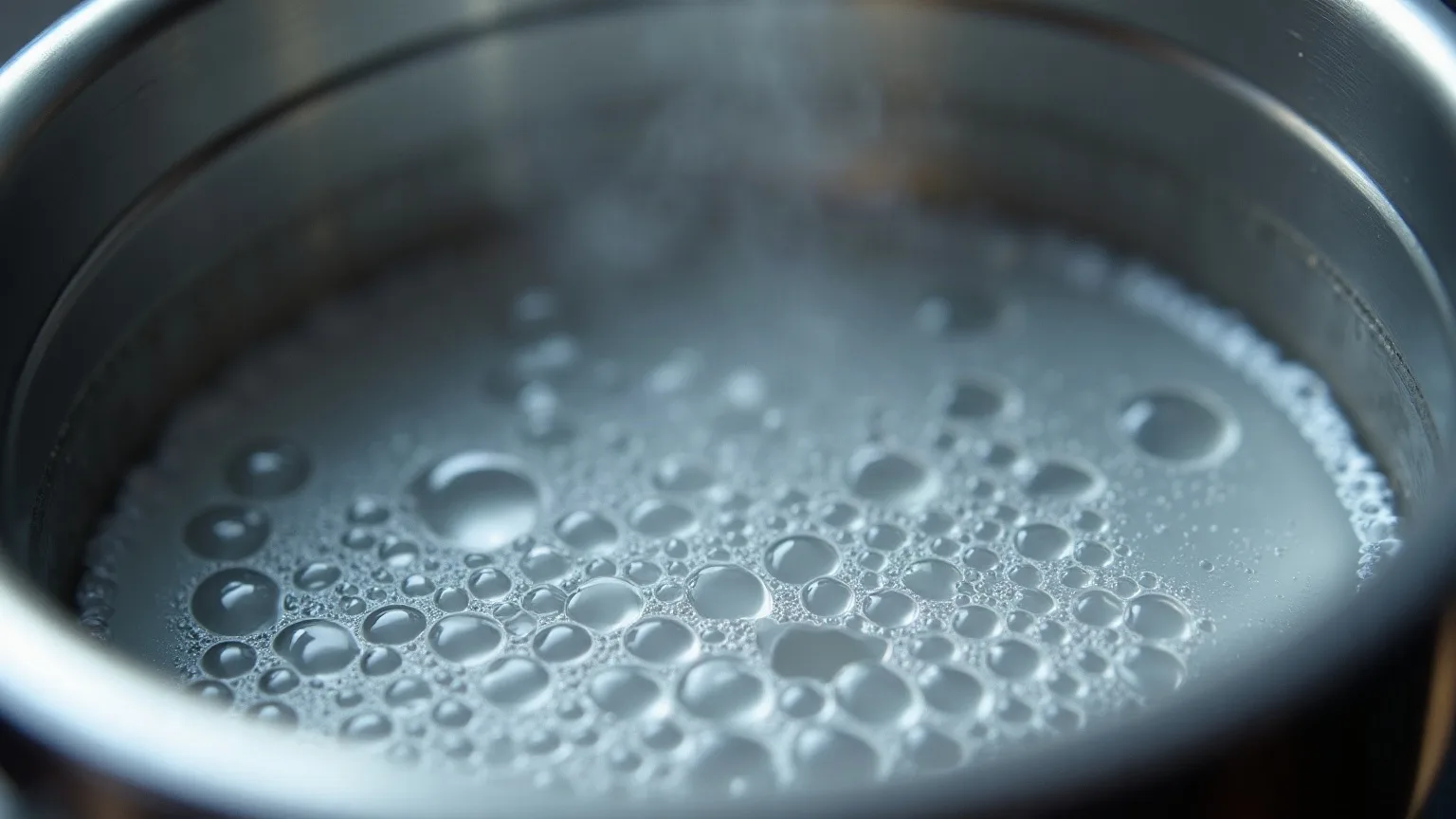
Boiling & poaching
Water cannot pass 100 °C, so turning the flame up changes nothing. Boiling is set by time and salt, not by temperature.