
Pressure cooking
Pressure lifts water’s boiling point from 100 °C to about 120 °C. Those twenty degrees cut cooking time to roughly a third.
The mechanism
In an open pot water boils at 100 °C and no amount of flame pushes it higher; the extra energy only makes more steam. Lock the lid and the steam cannot leave, the pressure inside climbs about 1 bar above the atmosphere and the boiling point rises to 118–121 °C. Those twenty degrees sharply speed up collagen turning to gelatine and the softening of starch in pulses: dried chickpeas that take 90–120 minutes in an open pot are done in 25–35 under pressure. With the lid shut the aroma stays in along with the steam. At least half a litre of liquid and no more than two-thirds full keep the pressure building safely; for foaming pulses the limit drops to half.
The thresholds that define it
“Medium heat” is not a technique. Every line below is a point where something starts or stops.
- 118–121 °C Water’s boiling point at about 1 bar of pressure.
- 25–35 dakika Soaked chickpeas; 90–120 minutes in an open pot.
- 500 ml The minimum liquid needed to raise steam.
- 2/3 · 1/2 Maximum fill; half for pulses and grains.
How to read it by hand
When the valve hisses steadily and calmly, turn the heat down; a frantic, constant hiss means too much flame and liquid wasted as steam. When the time is up let the pressure fall on its own before touching the lid; for pulses that natural release is the last ten minutes of cooking.
The three mistakes people make
01 The pot never came to pressure ⌄
Why
Too little liquid, or a dried-out gasket letting steam escape at the rim.
What to do
Use at least half a litre of liquid; check the gasket and replace it when it hardens or cracks, on the maker’s schedule.
02 The beans burst and shed their skins ⌄
Why
The pressure was released fast; the water inside the beans flashed to a boil.
What to do
Always let pressure fall naturally for pulses.
Where it comes from
Pressure cooking began with Denis Papin’s “bone digester” in 1679. In Turkey the pressure cooker took hold fast in a kitchen where dried pulses are everyday food; that chickpeas with meat and dried beans can be a weeknight meal is largely its doing.
Giving the heat another way
Deep frying
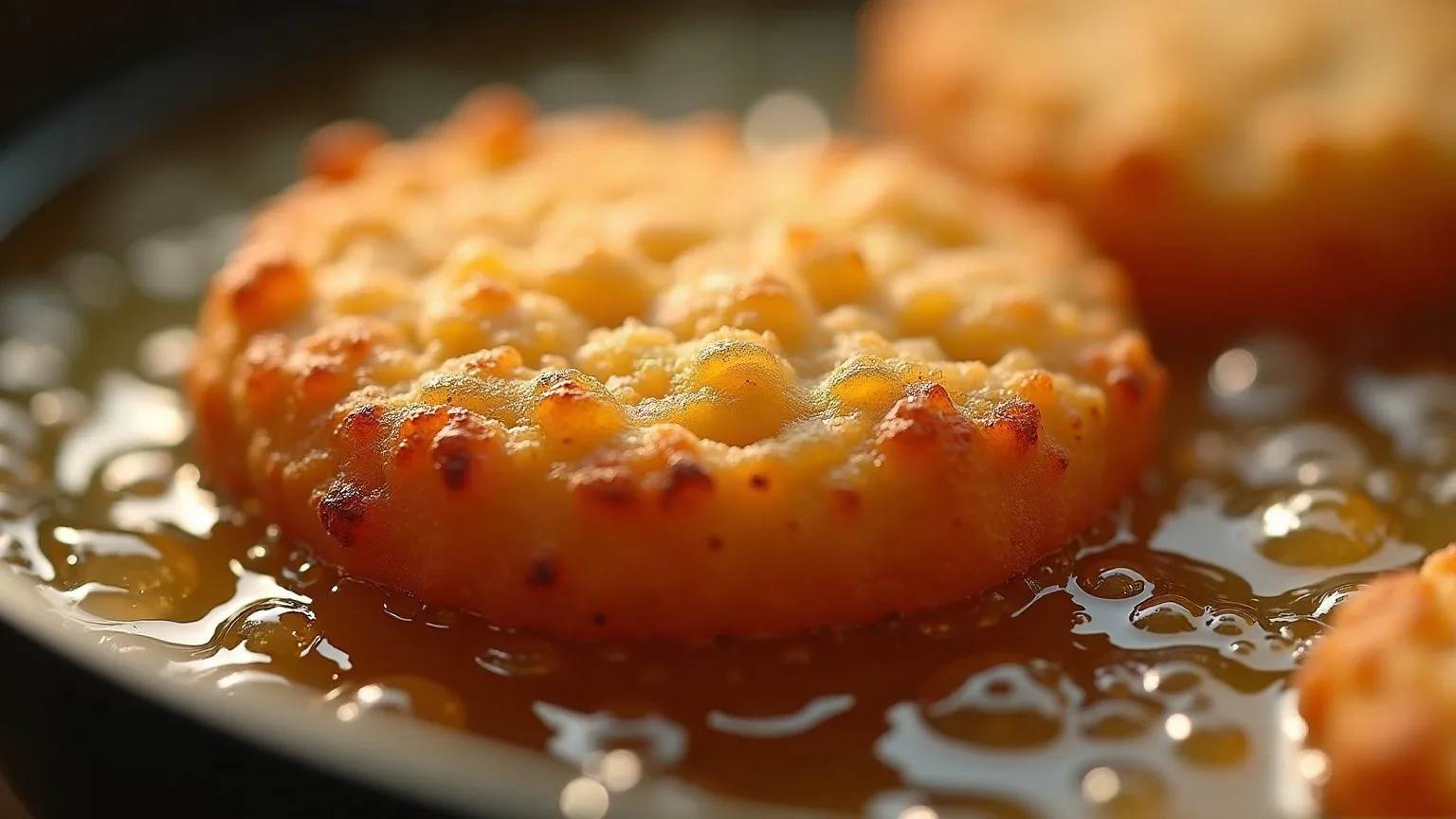
Surface water flashes to steam and pushes outward — that is the shield keeping oil out. Cold oil never builds it, and the food drinks the fat instead.
The oven
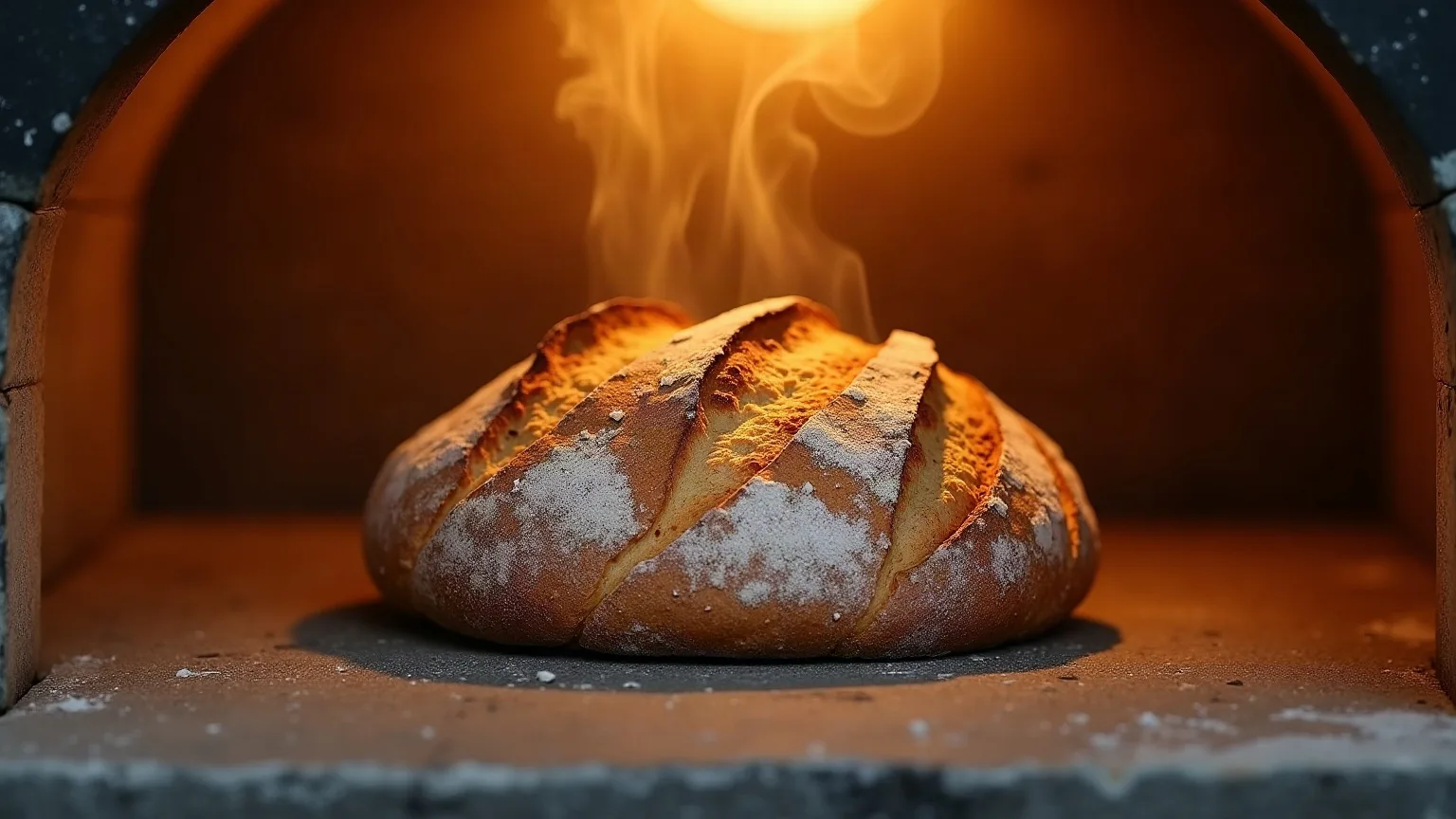
Air carries heat badly, so a 200 °C oven does not make 200 °C food. The inside stays where water boils, at 100 °C.
Boiling & poaching
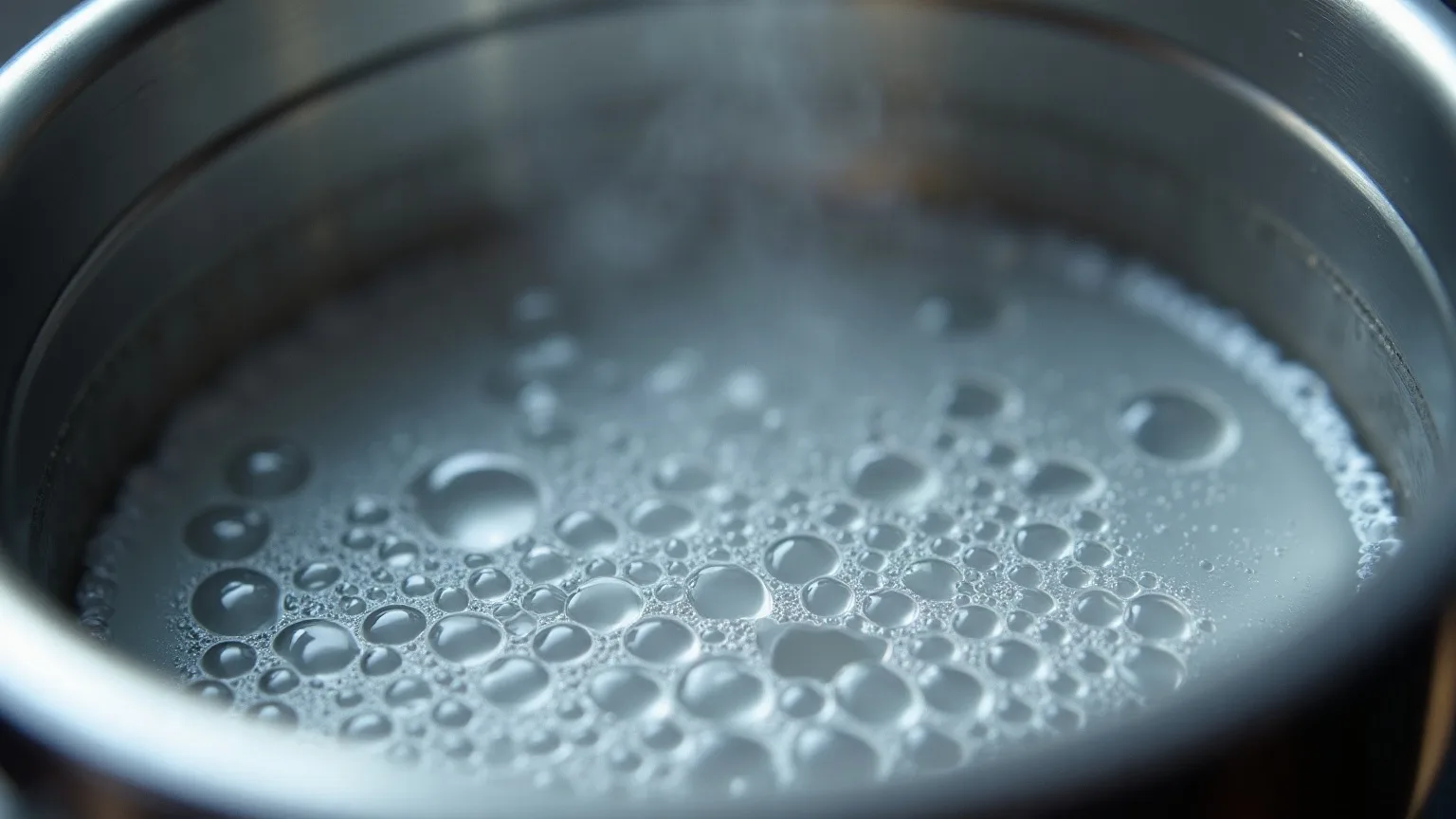
Water cannot pass 100 °C, so turning the flame up changes nothing. Boiling is set by time and salt, not by temperature.