
Marinating
A marinade does not soak deep into meat; it travels a few millimetres a day. The real effect is on the surface, and knowing that is how you choose the time.
The mechanism
A marinade has three parts and each works at its own speed. Salt is the fastest: it partly dissolves muscle proteins, helps the meat hold water and travels about 2–3 millimetres in a day. Acid — lemon, vinegar or yoghurt — sets the proteins at the surface; in a marinade below pH 4 the surface turns mealy and mushy after a few hours. Fat carries the aroma molecules that do not dissolve in water and fixes them to the surface. It is no accident that yoghurt marinades are everywhere in Anatolia: yoghurt’s acid stays gentle at pH 4.2–4.6 and works the surface more slowly. So a marinade does not change a thick piece from inside; it flavours the surface and readies it for browning.
The thresholds that define it
“Medium heat” is not a technique. Every line below is a point where something starts or stops.
- 2–3 mm / 24 saat How far salt travels into meat in a day; acid and aroma are slower still.
- pH 4 altı A vinegar or lemon-led marinade. After 2 hours the surface goes mealy.
- pH 4,2–4,6 Yoghurt. Works for 12–24 hours without ruining the texture.
- 5 °C altı Marinating always happens in the fridge, never on the counter (FSA).
How to read it by hand
After an acidic marinade press the surface with a finger: still springy is fine; white and crumbling means the acid went too far. Before cooking scrape the marinade off and pat dry, because a wet surface steams instead of browning.
The three mistakes people make
01 The outside turned mushy and mealy ⌄
Why
Too long in strong acid; the surface protein set and broke apart.
What to do
Keep lemon or vinegar marinades to 2 hours; switch to yoghurt for long ones.
02 The meat went grey instead of brown ⌄
Why
The surface stayed wet; water pinned it at 100 °C and never let it reach Maillard’s 140 °C.
What to do
Scrape, pat dry with paper towel and get the pan properly hot.
Where it comes from
In Anatolian cooking a marinade is usually yoghurt, onion juice and pepper paste. The yoghurt on chicken şiş and the onion juice on lamb şiş do the same job: they flavour the surface and ready it for the fire. That plain trio also explains why one night is enough and why more buys nothing.
Giving the heat another way
Deep frying
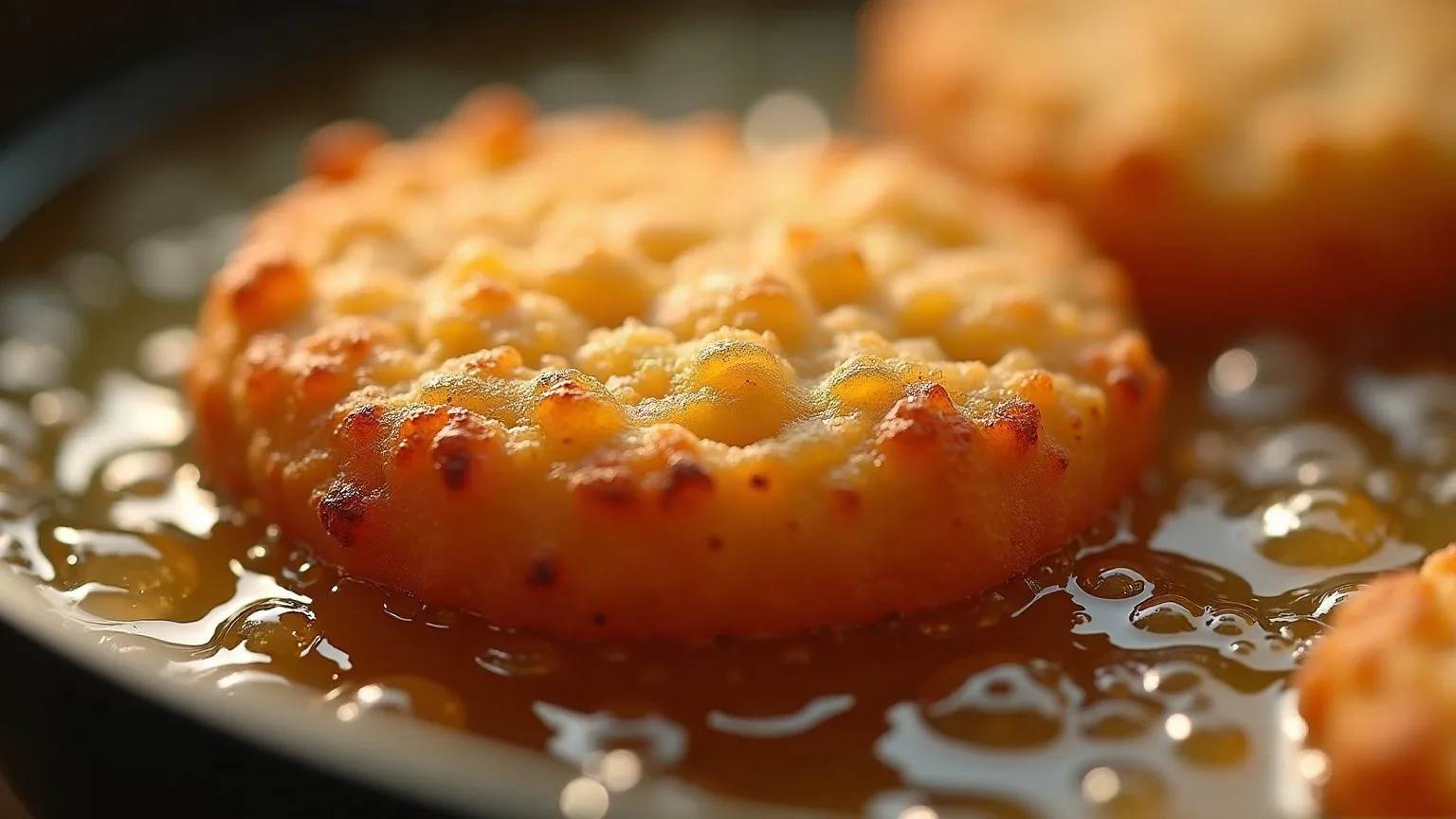
Surface water flashes to steam and pushes outward — that is the shield keeping oil out. Cold oil never builds it, and the food drinks the fat instead.
The oven
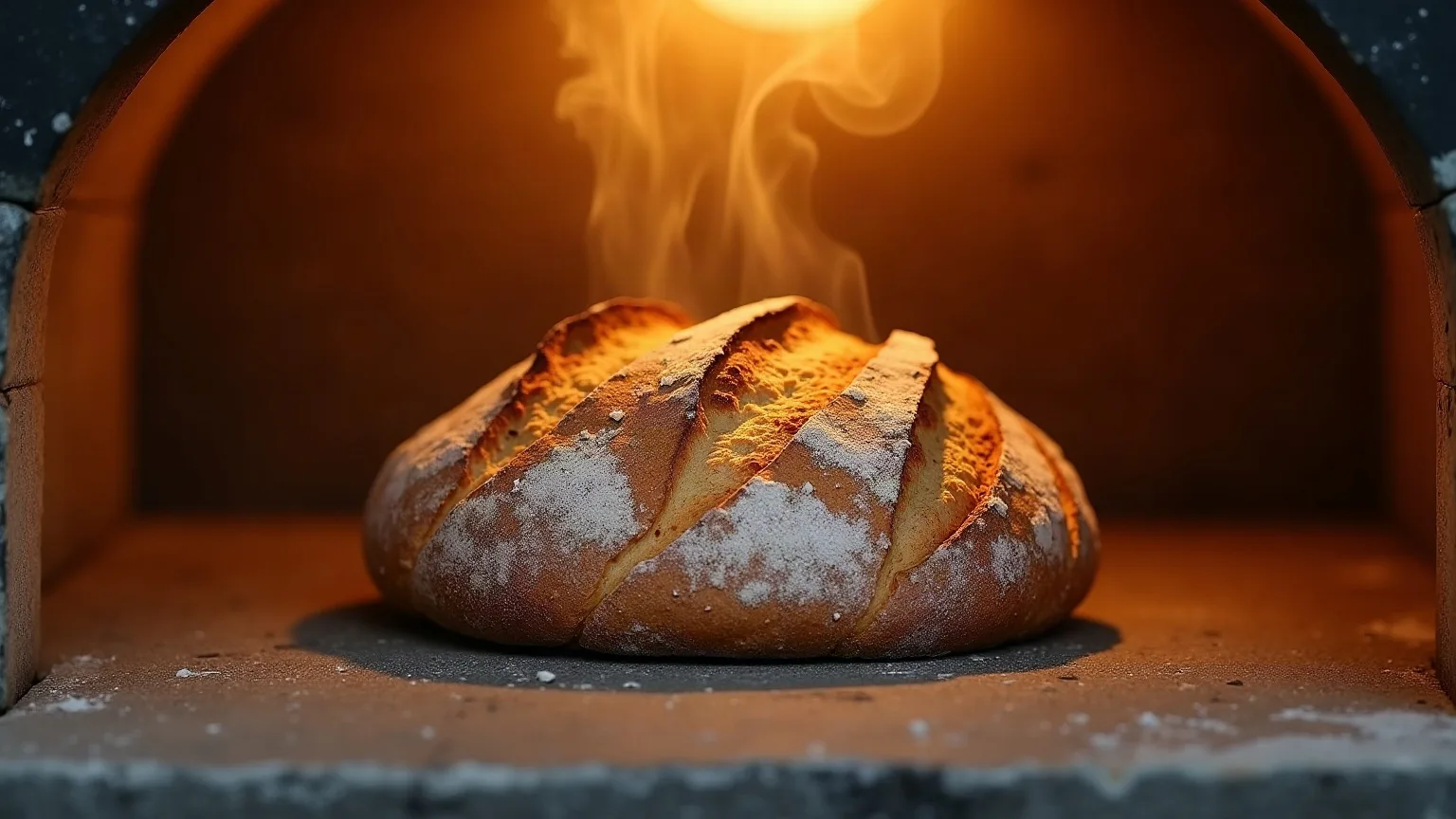
Air carries heat badly, so a 200 °C oven does not make 200 °C food. The inside stays where water boils, at 100 °C.
Boiling & poaching
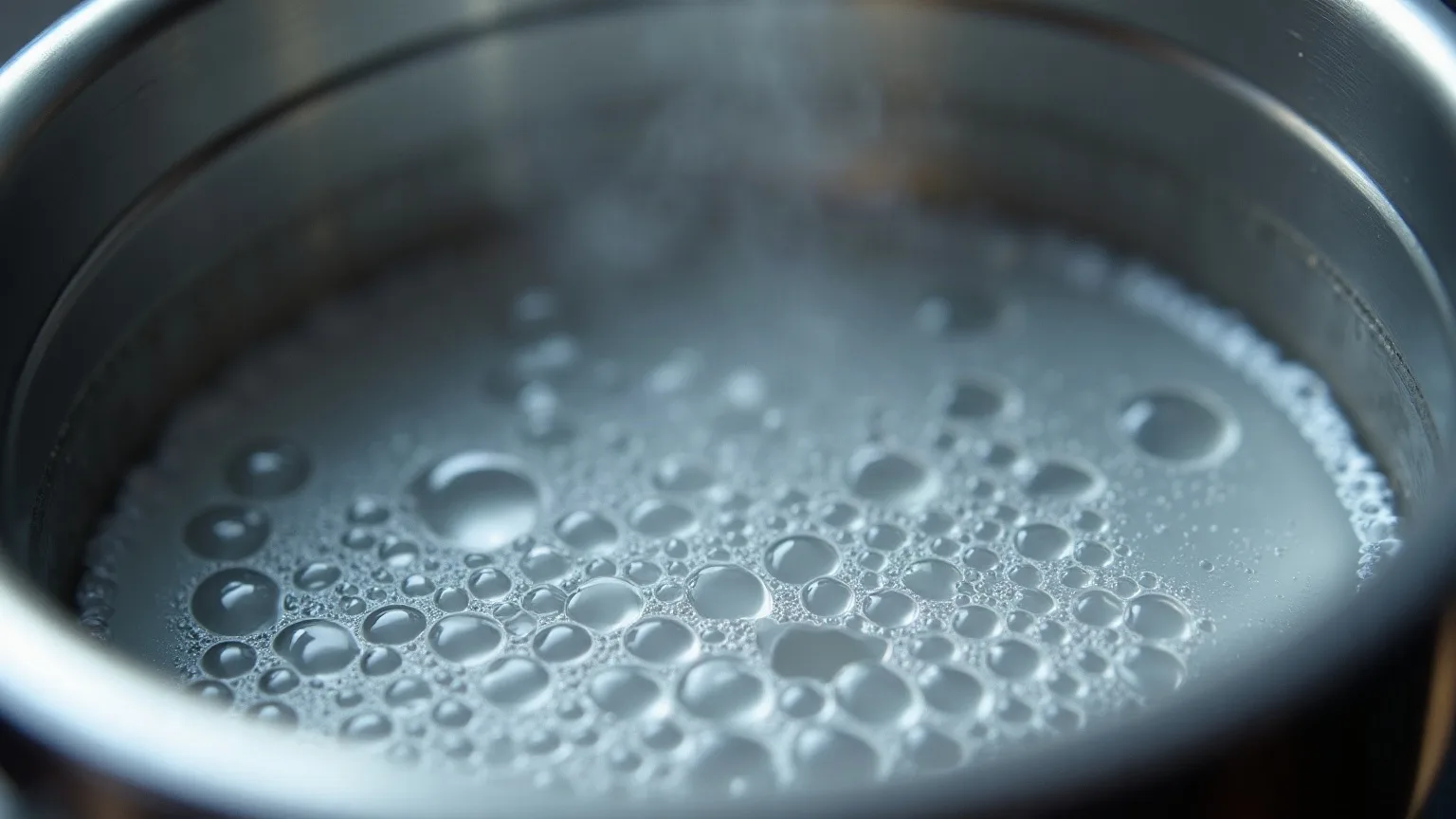
Water cannot pass 100 °C, so turning the flame up changes nothing. Boiling is set by time and salt, not by temperature.